
- LOGIN
- MemberShip
- 2026-04-24 02:52:25

- Company
- Boston Scientific Korea’s sales surpass ₩200 billion
- by Hwang, byoung woo Apr 10, 2026 08:26am
- Boston Scientific Korea has surpassed KRW 200 billion in sales following portfolio restructuring.Analysts attribute this revenue expansion to the robust growth of the Pulse Field Ablation (PFA) system, coupled with concurrent growth across all major therapeutic areas.According to a recent audit report, Boston Scientific Korea posted KRW 218.5 billion in sales in 2025, up 18.4% from KRW 184.6 billion the previous year.This marks the first time the company has surpassed KRW 200 billion in revenue since entering the Korean market, continuing its four-year growth streak from KRW 151.6 billion in 2022, KRW 175.3 billion in 2023, and KRW 184.6 billion in 2024.Operating profit also grew in tandem with topline growth, from KRW 9 billion in 2022, KRW 10.5 billion in 2023, KRW 11 billion in 2024, to KRW 13 billion in 2025.Increased PFA procedures for arrhythmia drive growthThe key driver behind the company’s growth lies in changes to the business portfolio. The product lines currently supplied by the company to domestic medical institutions span the cardiovascular, oncology, and urology fields. After previously attempting to enter the structural heart disease segment with TAVI before discontinuing the business, the company restructured its portfolio.Representative products include the AVIGO Plus coronary ultrasound imaging device, the TheraSphere liver tumor embolization device, and the Rezum system for benign prostatic hyperplasia.Among these various products, the PFA system had the greatest impact on growth last year.Unlike conventional radiofrequency ablation or cryoballoon ablation, PFA selectively destroys myocardial cells only, reducing procedure time by more than half and lowering complication risks, thereby expanding its influence in major domestic general hospitals.The Korean PFA market is currently contested by Boston Scientific, Medtronic, and Johnson & Johnson (J&J).Boston Scientific was the fastest to enter the Korean market, securing catheter certification for its FARAPULSE platform in April 2024 and generator approval in September.Analysts attribute this growth to the expanding market for electrophysiological procedures, driven by an increase in atrial fibrillation patients amid an aging population, with a recurring revenue model centered on related catheters and systems serving as the foundation for growth.In a Korea Health Industry Development Institute report on PFA, Professor Bo-young Joung of the Department of Cardiology at Severance Hospital stated, “PFA cuts procedure time by half compared with conventional methods and lowers complication risk, leading to high satisfaction among both physicians and patients. Currently, 35% of atrial fibrillation ablation procedures at Severance are performed using PFA, and this trend is expected to continue.”Given this, Boston Scientific Korea’s growth momentum is expected to strengthen further.Rezūm expansion and global M&A broaden business scopeAnother factor contributing to growth is the continued expansion of the Rezūm System, a medical device introduced in 2023 for benign prostatic hyperplasia, which has now surpassed 6,000 cumulative procedures in Korea.The Rezūm System received approval from the U.S. Food and Drug Administration (FDA) in 2015, obtained authorization from the Ministry of Food and Drug Safety in 2022, and was designated as a new health technology by the Ministry of Health and Welfare in 2023. Currently, Rezūm procedures are expanding their scope of application in clinical settings as a treatment option that can be considered even for patients unsuitable for medication or surgery.Regarding this, Boston Scientific Korea Country Manager Ae Ri Jung said, “Achieving 6,000 Rezūm procedures is a meaningful milestone demonstrating its establishment as a treatment option for BPH in Korea. We will continue contributing to expanding treatment options that improve patients’ quality of life.”As the portfolio expands, the company appears to be strengthening its field sales capabilities. Looking at the sales and administrative expenses, promotional expenses rose from KRW 6.3 billion in 2024 to KRW 7.1 billion in 2025.In particular, as Boston Scientific is pursuing mergers and acquisitions (M&A) on a global scale involving tens of trillions of won, its influence in the domestic medical market is expected to continue to grow in the future.The company acquired Axonics in 2024 to strengthen its urology portfolio, and in January, decided to acquire neurovascular treatment company Penumbra.In addition, it has also recently fully integrated Valencia Technologies, a urinary incontinence treatment company, rapidly expanding its portfolio.As the company expands its business scope to include new disease areas in addition to those that generate synergies with existing businesses, its business scale in the Korean market is also expected to grow.

- Policy
- Drug pricing premium to hinge on innovative status
- by Jung, Heung-Jun Apr 10, 2026 08:26am
- As interest in innovative pharmaceutical company certification rises following the government’s drug pricing reform, pharmaceutical companies are keeping a close eye on the changed review requirements.With the required R&D investment ratio set to rise by 2 percentage points in three years, companies are particularly focused on the certification process scheduled for the second half of this year.According to industry sources on the 9th, whether a company receives the Innovative Pharmaceutical Company certification has become a key factor determining whether a company is a winner or a loser under the revised drug pricing system. Although all companies are subject to the same structural changes, they are effectively being handed very different report cards because of differences in treatment regarding existing price cuts and pricing premiums.An official from a domestic pharmaceutical company stated, “For Innovative Pharmaceutical Companies, price reductions for existing listings are spread out over 10 years, and there are pricing premiums and reduction clauses, so the impact of the reform plan is likely to be less severe. The extent of the impact will inevitably differ from what non-innovative companies experience.”The Korea Pharmaceutical and Bio-Pharma Manufacturers Association held two explanatory sessions on the pricing reform, one online on the 3rd and another on the 8th, and many of the questions were reportedly related to innovative and quasi-innovative company certifications.There was also interest in when and how the price adjustment method would be applied if a non-innovative company’s status were to change to innovative or quasi-innovative.The introduction of the quasi-innovative category has broadened interest beyond companies that had already been focused on the certification system to a wider range of firms.However, with the Ministry of Health and Welfare revising the Enforcement Decree and Enforcement Rules of the “Special Act on the Promotion and Support of the Pharmaceutical Industry,” companies now face the need to redesign their certification strategies.In particular, as the government has signaled a shift toward more microscopic scrutiny, such as the introduction of quantitative evaluations, while simplifying review criteria, more thorough preparation has become necessary.One of the most significant changes is that four items among the detailed evaluation criteria for certification, which include R&D investment, the number of clinical trials, and export volume, have been converted into quantitative indicators.Given the high level of interest from the pharmaceutical industry, the Ministry of Health and Welfare is holding a briefing session today (the 9th) for pharmaceutical companies to explain the improvements to the certification system.Another official from a domestic pharmaceutical company stated, “Although we have avoided an immediate increase in the R&D ratio, since the review criteria have changed, even companies that were already preparing will likely be re-evaluating their plans.”An official from a pharmaceutical company preparing for certification this year said, “Companies with an R&D ratio in the 5% range are particularly interested in the revised certification system. We have already completed our preparations to a certain extent, but we will still attend the briefing session.”

- Opinion
- [Reporter's View] Dilemma of off-label prescribing
- by Son, Hyung Min Apr 10, 2026 08:26am
- For patients who have used all cancer treatment options, the only remaining path is often clinical trials. This is because a system has become rigid, so that even if a treatment with expected efficacy exists, institutional constraints prevent it from being prescribed.Theoretically, off-label prescribing is permitted. In South Korea.To use an off-label drug, a hospital's Institutional Review Board (IRB) must first deliberate on the case, after which the Health Insurance Review and Assessment Service (HIRA) determines whether to approve. However, critics point out that IRBs are limited to specific hospitals, and because deliberation standards are applied at a very high level, significant hurdles remain before actual approval is secured.Furthermore, the problem is that this pre-approval system and the list of available treatments operate differently across hospitals. Even under identical patient conditions, a prescription may be possible at one specific hospital but impossible at another.Consequently, the decision to treat depends not on the patient’s clinical status but on the medical institution's decision. Patients must search for a hospital that can provide treatment, rather than choosing the treatment itself.As a result, it is difficult for patients even to know under what circumstances treatment is possible or to what extent it is allowed. This structure, in which treatment availability varies by hospital and situation despite the same disease and conditions, causes significant confusion.This issue is even more pronounced among patient groups outside approved indications. It is not uncommon for patients with the same biomarker to be excluded from treatment simply because they do not fall within the authorized indication. In a system where off-label use is effectively blocked, the options available to these patients become extremely limited.Within this framework, the only option left for patients is to participate in clinical trials. However, clinical trials are not a realistic option for everyone. Participation conditions are stringent, and accessibility varies widely by region and institution. Most importantly, for patients who might be missing their treatment window, a clinical trial is less a choice and more a last resort.Under these circumstances, the discussion on expanding off-label prescribing is emerging as an alternative rather than simply an option. Instead of dismissing this as a risky or unrealistic approach, it is necessary to consider it as a solution to guaranteeing treatment opportunities within a limited fiscal environment. At the very least, restructuring is required to ensure that the system does not block treatment opportunities.This is not a regulatory issue, but it is a minimum requirement to reduce confusion caused by a lack of standards and to provide patients with a predictable treatment environment. If the structure where clinical trials are the only remaining option persists, fair treatment opportunities can hardly be guaranteed.
- Policy
- Obesity drugs likely to be designated as drugs at risk of misuse or abuse
- by Lee, Jeong-Hwan Apr 10, 2026 08:26am
- The Ministry of Food and Drug Safety’s Central Pharmaceutical Affairs Council has issued an advisory opinion that GLP-1-based obesity treatments such as Wegovy and Mounjaro should be designated as drugs at risk of misuse and abuse.As GLP-1 obesity injections have gained popularity nationwide, indiscriminate prescribing and sales in areas exempt from the separation of prescribing and dispensing, as well as a sharp increase in pediatric prescribing, are said to have influenced the recommendation.According to the pharmaceutical industry on the 9th, following discussions on the validity of designating obesity treatments as drugs of concern for misuse or abuse, the Central Pharmaceutical Affairs Council agreed on the need to designate GLP-1 injectables as such.If regulations are finalized in line with the council’s recommendation, GLP-1 injections are expected to be designated as drugs of concern for misuse or abuse in the near future.Industry sources say that this decision was driven by a sharp rise in cases where GLP-1 obesity drugs are prescribed and sold for cosmetic purposes beyond obesity treatment, by exploiting areas exempt from the separation of prescription and dispensing, as well as growing risks associated with off-label prescriptions for children without approved indications.In fact, the Ministry of Health and Welfare has been working with the MFDS since last year to address misuse and abuse of newer obesity injections such as Wegovy and Mounjaro.To regulate indiscriminate prescriptions for cosmetic purposes, they have established an administrative policy to discuss designating these drugs as “drugs of concern for misuse or abuse” and to strengthen crackdowns on in-house dispensing by medical institutions that violate the principle of separation of prescribing and dispensing.GLP-1 obesity drugs have been associated with adverse effects ranging from relatively mild gastrointestinal side effects such as nausea, vomiting, and diarrhea to severe complications, including pancreatitis and intestinal obstruction.In particular, some medical institutions have also been criticized during NA audits for undermining the prescribing-dispensing separation principle by directly selling GLP-1 injections within hospitals through irregular in-house dispensing practices.If GLP-1 injectables are designated as drugs of concern for misuse or abuse in the future, they will be subject to much stricter distribution, prescription, and sales regulations compared to general prescription drugs.First, GLP-1 injectables will no longer be sold without a prescription, even in areas exempt from the separation of prescription and dispensing.In addition, product containers, package inserts, and outer packaging will be required to clearly display wording indicating that they are drugs at risk of misuse and abuse, so that consumers and healthcare professionals can immediately recognize the risk.Distribution oversight and surveillance will also be strengthened. The MFDS and the Ministry of Health and Welfare will more closely monitor distribution records among pharmaceutical companies, wholesalers, medical institutions, and pharmacies. If abnormal bulk purchases or prescribing patterns are identified, entities may face administrative penalties following intensive on-site inspections.A pharmaceutical industry official stated, “As Wegovy, Mounjaro, and similar agents have become extremely popular, usage has risen sharply, and GLP-1 prescriptions surged in conjunction with telemedicine during the early stages when regulations were absent. Even now, telemedicine continues to serve as a conduit linking medical institutions with patients seeking GLP-1 obesity prescriptions. In this context, the Central Pharmaceutical Affairs Council appears to have concluded that designation as drugs with a risk of misuse or abuse is unavoidable in order to control adverse effects.”Meanwhile, drugs designated as being at risk of misuse and abuse have so far included erectile dysfunction treatments such as sildenafil and tadalafil, premature ejaculation treatment dapoxetine, diuretics, and anabolic steroids. No obesity drug has previously been designated.

- Opinion
- "Preventing itch-scratch cycle…Dupixent for prurigo nodularis"
- by Son, Hyung Min Apr 10, 2026 08:26am
- Changes are emerging in the treatment landscape for prurigo nodularis, a condition of patients with an itch so intense it persists until they bleed, destroying their lives.With the introduction of the biologic 'Dupixent (dupilumab),' which targets the mechanism of the disease, there is a growing call for a reestablishment of treatment strategies, moving beyond the traditional symptom-focused approach.Tae Young Han, a professor of dermatology at Nowon Eulji University HospitalTae Young Han, a professor of dermatology at Nowon Eulji University Hospital, said during a recent meeting with Daily Pharm, "Prurigo nodularis accompanies the most severe itch among all dermatologic conditions, significantly deteriorating quality of life of a patient," adding, "With the introduction of a targeted therapy, such as Dupixent, changes to the treatment paradigm is anticipated."Prurigo nodularis is characterized by tens to hundreds of hard nodules accompanied by chronic, extreme itching. In over 80% of cases, the itch lasts more than six months, and for more than half, it persists for over two years. The psychological burden, including sleep disorders and depression, is so severe that quality of life is significantly compromised. The problem is the low awareness of the disease. It is often confused with atopic dermatitis, leading to diagnostic seeking where the correct diagnosis is significantly delayed. Missing the optimal treatment window can lead to chronicity and an increased risk of comorbidities.The mechanism of the disease differs from simple skin conditions. The key is a Type 2 inflammatory response where the immune and nervous systems interact. Interleukins such as IL-4, IL-13, and IL-31 trigger and amplify the itch, forming a vicious cycle. Sanofi’s Dupixent, developed based on this pathological mechanism, has emerged.Dupixent inhibits both IL-4 and IL-13 signals. This approach blocks the root cause of the disease rather than merely alleviating inflammation. It reduces itch, leading to decreased scratching and eventual improvement in skin lesions.Global clinical trials showed that the proportion of patients achieving significant itch reduction (WI-NRS reduction of 4 points) was approximately 3 times higher with Dupixent than with placebo, with rapid improvement starting in week 3. By week 24, the proportion of patients achieving clear or almost clear skin was significantly higher than that of the control group.Professor Han stated: "While existing treatments only non-specifically suppress inflammation, Dupixent is significant in that it directly inhibits the key cytokines of Type 2 inflammation to reach the root cause," and that "Reducing the itch leads to less scratching, which eventually improves the lesions."Q. How severe is the itch and the resulting decrease in quality of life?The most prominent feature is the itch's extreme intensity. The scale of itch is evaluated with the WI-NRS (0–10 scale): 0 means no pruritus and 10 means very severe pruritus.Many patients score 8 or higher, indicating very severe itch. Patients often describe not just itching, but stinging, pain, and a stabbing sensation.In terms of the DLQI (Dermatology Life Quality Index), prurigo nodularis patients experience a much greater decline in quality of life than even psoriasis patients. Many suffer from anxiety, depression, and sleep disorders. Some patients even express suicidal ideation, saying they "want to die because it itches so much."Q. How is the current treatment carried out?Previously, there were no treatments directly targeting the Type 2 inflammatory response. We typically start with topical steroid ointments. If the nodules are too firm so that ointments cannot be absorbed, direct steroid injections are made into the nodules. If the nodules are too numerous, phototherapy is used, and if that is insufficient, immunosuppressants are used.However, many patients are elderly (60s–80s), making these treatments difficult. Phototherapy requires standing naked in a closed booth for several minutes, which is a burden.Immunosuppressants carry risks for patients with decreased kidney function or a history of cancer. Consequently, treatment is often limited to ointments, making it hard to achieve a sufficient response.Under international guidelines (IFSI, US, and EU), biologics like Dupixent are recommended immediately if phototherapy or immunosuppressants are difficult to apply. In fact, biologics are considered the most effective options.Q. What is the clinical value of Dupixent compared to existing treatments?While conventional treatments focus on nonspecifically controlling overall inflammation, Dupixent differs mechanistically by directly inhibiting IL-4 and IL-13, the primary mediators of Type 2 inflammation, which is the core mechanism underlying the development of prurigo nodularis. By addressing the underlying cause of the disease, Dupixent approaches the condition at its root.Because Dupixent targets the fundamental cause to effectively reduce itching, the natural result of decreased pruritus is reduced scratching behavior, which subsequently improves skin lesions. When these immunological abnormalities are controlled, it is possible to break the itch-scratch cycle that forms between the nervous system and the inflammatory response.Furthermore, Dupixent has a robust safety profile from other indications. In fact, prurigo nodularis is strongly associated with repetitive scratching. Some patients even present with both atopic dermatitis and prurigo nodularis, as severe scratching from atopic dermatitis can progress to similar lesions. For such patients, including the elderly or those with underlying medical conditions, Dupixent can be used with relatively little burden, as it holds multiple indications for conditions such as atopic dermatitis, asthma, and chronic rhinosinusitis. Q. What improvements, in terms of patient symptoms, are seen after Dupixent treatment?Clinical studies report a rapid reduction in itching within three weeks of starting treatment. In actual clinical practice, significant relief of pruritus is observed within three to four weeks, leading to a noticeable improvement in the patient’s quality of life. In particular, it serves as a critical treatment option for patients who find it difficult to use immunosuppressants due to medical histories such as hepatitis, dialysis, or tumors.The administration protocol is specified as a continuous cycle every two weeks. By breaking the vicious itch-scratch cycle, Dupixent reduces scratching and improves skin lesions. Once this fundamental cycle is broken, cases have been observed in which the improved condition is maintained even after treatment is discontinued.Q. Would you like to provide advice for patients with prurigo nodularis and for medical staff treating them?Because the name prurigo nodularis is unfamiliar, many patients don't recognize their condition. Patients who do not seek dermatology often mistake their symptoms for simple eczema, being left without a correct diagnosis. They often wander between clinics. If a patient gets an accurate diagnosis from a dermatologist, symptoms can be improved. My advice is that with the emergence of new options such as biologics, patients should pursue treatment.

- Company
- Will Verzenio’s reimbursement be extended to early breast cancer?
- by Eo, Yun-Ho Apr 10, 2026 08:25am
- Hope has been rekindled once again for expanded reimbursement of Verzenio in early breast cancer after three failed attempts.According to industry sources, the Breast Cancer Division of the Korean Society of Medical Oncology submitted an application to expand insurance reimbursement for Verzenio (abemaciclib), Eli Lilly Korea’s CDK4/6 inhibitor, in February. This marks the first time a medical society, rather than a pharmaceutical company, has taken the initiative to seek reimbursement coverage of a drug for early-stage breast cancer.Additionally, the society recently submitted a petition urging the Health Insurance Review and Assessment Service (HIRA) to expedite the review schedule for Verzenio’s listing, including the results of a signature campaign organized by the Union of Breast Cancer Patients.Accordingly, there is growing speculation that Verzenio could be brought before the Cancer Disease Deliberation Committee of the Health Insurance Review and Assessment Service in May, alongside Kisqali (ribociclib), another breast cancer treatment with the same mechanism that is currently undergoing the reimbursement process.Furthermore, Verzenio has secured data demonstrating an improvement in overall survival (OS), which was the biggest obstacle in the coverage expansion process last October.According to results from the monarchE study presented at the ESMO 2025 Annual Congress, at a median follow-up of 6.3 years, Verzenio combination therapy reduced the risk of death by 15.8% compared with endocrine therapy alone. The 7-year survival rates were 86.8% for Verzenio combination therapy and 85.0% for endocrine monotherapy, with an absolute difference of 1.8%.Verzenio faced difficulties in being reviewed by CDDC from its first attempt for early breast cancer. After a long wait of 6 months after submitting the reimbursement application, it was finally reviewed by CDDC in May 2023, but the result was “reimbursement criteria not set.” Five months later, in October, Lilly resubmitted the reimbursement application to HIRA, and in March and July last year, it was submitted to CDDC for review, to face the same results.Keun Seok Lee, Professor of the Center for Breast Cancer at the National Cancer Center, said, “The Verzenio+endocrine therapy combination is recommended with a high level of evidence in major national and international practice guidelines as adjuvant therapy for patients at high risk of recurrence. With various clinical studies and major academic society reviews confirming its clinical utility, we need to enable rapid access to the treatment through prompt reimbursement to improve the survival of patients at high risk of recurrence.”Meanwhile, a considerable number of drugs in the breast cancer field are still struggling to obtain expanded reimbursement. Perjeta (pertuzumab), which has become a standard of care in the postoperative adjuvant treatment of HER2-positive early breast cancer at high risk of recurrence, has been approved in Korea for eight years but has yet to clear the hurdle for coverage.Unlike neoadjuvant chemotherapy (preoperative adjuvant therapy), which is covered under selective reimbursement at 30%, the postoperative adjuvant indication failed to obtain during the 2019 review because the drug lacked high-level recommendations in global guidelines and long-term follow-up data.However, the 10-year follow-up results from the global Phase III APHINITY study, released last year, are expected to fill this gap. According to the study, adjuvant therapy with Perjeta plus Herceptin (trastuzumab) demonstrated clear improvement, including a 21% reduction in the risk of death compared with trastuzumab alone in lymph node-positive patients at high risk of recurrence.
- Policy
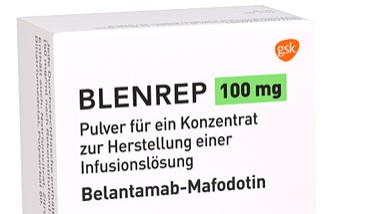
- Multiple myeloma drug 'Blenrep inj' seeking reimbursement
- by Jung, Heung-Jun Apr 08, 2026 07:47am
- GSK Korea's Blenrep inj (belantamab mafodotin), a new treatment for multiple myeloma, has officially entered the race for health insurance reimbursement listing.It has been just three months since receiving marketing authorization in December of last year as a designated new drug under the Global Innovative Product on Fast Track (GIFT) system.According to industry sources on the 8th, GSK Korea recently submitted an application to the Health Insurance Review and Assessment Service (HIRA) for the determination of reimbursement for Blenrep.Blenrep is a first-in-class Antibody-Drug Conjugate (ADC) targeting the B-cell maturation antigen (BCMA), which is overexpressed on the surface of multiple myeloma cancer cells. It induces cell death by releasing cytotoxic agents directly into the cancer cells. It has been approved as a second-line treatment for adult patients with relapsed or refractory multiple myeloma who have received at least one prior therapy.Blenrep holds clinical value by expanding treatment options for hematologic malignancies in an ADC market that has been focused on solid tumors in recent years, represented by drugs like Enhertu and Trodelvy.The approved indications in Korea are not for monotherapy but for combination therapies with ▲bortezomib and dexamethasone ▲ pomalidomide and dexamethasone.While the Central Pharmaceutical Affairs Council (CPAC) of the Ministry of Food and Drug Safety (MFDS) previously raised concerns regarding ocular toxicity, it concluded that the clinical benefits outweigh the risks. Consequently, the approval included management conditions, including regular ophthalmic examinations and the use of monitoring checklists.The approved dosage and administration also include requirements for eye exams and dose adjustments to manage adverse reactions. The upcoming reviews by the Cancer Disease Review Committee and the Pharmaceutical Reimbursement Evaluation Committee are expected to involve a thorough examination of reimbursement criteria and verification of cost-effectiveness in light of these requirements.Since this drug was approved as a second-line combination therapy to be used alongside existing anticancer drugs, analyzing the impact on National Health Insurance finances due to increased total treatment costs and negotiating Risk Sharing Agreements (RSA) are expected to be significant challenges in the listing process.

- Company
- K-biosimilars gain influence in domestic market
- by Chon, Seung-Hyun Apr 08, 2026 07:46am
- Domestically developed biosimilars have gradually expanded their influence in the domestic market. Celltrion’s Remsima and Samsung Bioepis’s Onbevezi competed for the top spot by a narrow margin, both recording sales in the KRW 40 billion range. Celltrion’s Prolia biosimilar, joined by Daewoong Pharmaceutical, surpassed KRW 10 billion in sales in its first year of release. This trend reflects the increasing involvement of traditional pharmaceutical companies in biosimilar sales, which has strengthened market penetration.According to the Financial Supervisory Service on the 7th, Celltrion’s Remsima recorded KRW 45.5 billion in sales last year, up 3.4% year-on-year, securing the top spot among domestically developed biosimilars. In 2024, Samsung Bioepis’s Onbevzi took the lead with KRW 45.2 billion, but last year Remsima overtook it by KRW 5.5 billion. The figures are based on sales disclosed by Celltrion Pharm and Boryung, which handle domestic sales for Celltrion and Samsung Bioepis biosimilars, respectively.Remsima is a biosimilar of the autoimmune treatment Remicade. It was approved in 2012 as Korea’s first domestically developed antibody biosimilar. It is used to treat Crohn’s disease, ankylosing spondylitis, ulcerative colitis, and rheumatoid arthritis.Onbevzi is a biosimilar version of the oncology drug Avastin. It is an anticancer drug used to treat metastatic colorectal cancer, metastatic breast cancer, non-small cell lung cancer, advanced or metastatic renal cell carcinoma, glioblastoma, epithelial ovarian cancer, fallopian tube cancer, primary peritoneal cancer, and cervical cancer.Being the first biosimilar product introduced to the domestic market, Remsima had long led sales, but the rapid growth of Onbevzi since its introduction shifted the market into a duopoly structure.In 2023, Remsima maintained a narrow lead of KRW 0.8 billion, but in 2024, Onbevzi overtook it for the first time by KRW 1.2 billion. However, Onbevzi’s sales declined 11.5% year-on-year to KRW 40 billion last year, allowing Remsima to regain the top position.The domestic biosimilar market is drawing attention as a battleground driven by traditional pharmaceutical companies’ sales capabilities.In the Avastin market, Samsung Bioepis launched Onbevzi in September 2021, followed by entries from Celltrion and Alvogen Korea. As the first entrant, Onbevzi maximized its advantage by leveraging tailored sales strategies. Samsung Bioepis also secured an exclusive domestic sales agreement with Boryung immediately after approval. Boryung is known for its strong presence in oncology sales.Celltrion’s biosimilars are marketed domestically through Celltrion Pharm. Celltrion’s Herzuma, a biosimilar version of Herceptin, recorded KRW 21.9 billion in sales last year, up 2.8%, ranking behind Onbevzi and Remsima. Truxima, a biosimilar version of MabThera, recorded KRW 12.3 billion in sales, up 7.9%.While domestically developed biosimilars are still far from achieving commercial success in the global market, they appear to be gradually expanding their influence with the support of traditional pharmaceutical companies.Last year, 8 of Celltrion’s 12 biosimilar product lines sold in the global market exceeded KRW 100 billion in sales. Remsima recorded sales of KRW 1.0495 trillion last year, surpassing the KRW 1 trillion mark for the second consecutive year.Remsima SC generated KRW 717.2 billion in sales, up 27.1% year-on-year. Zymfentra grew from KRW 36.6 billion in 2024 to KRW 122.2 billion last year, more than tripling and surpassing KRW 100 billion. Remsima SC is a subcutaneous formulation developed from the original intravenous Remsima, and it has been approved in the U.S. as a new drug under the name Zymfentra. Truxima and Herzuma generated sales of KRW 526.3 billion and KRW 217.1 billion, respectively, in the global market last year.Recently, sales competition has been intensifying with traditional pharmaceutical companies joining the biosimilar market en masse.Samsung Bioepis has established disease-specific sales capabilities tailored to biosimilars.It initially partnered with Daewoong Pharmaceutical for its Herceptin biosimilar in 2017 but switched to Boryung in 2021. Immediately after receiving domestic approval for Onbevzi, a biosimilar of Avastin, in 2021, the company signed an exclusive domestic sales agreement with Boryung. Samsung Bioepis selected Samil Pharmaceutical as the sales partner for biosimilars of Lucentis and Eylea, treatments for ophthalmic diseases.Last year, Samsung Bioepis selected Hanmi Pharmaceutical as its domestic sales partner for its Prolia biosimilar Obodence. Samsung Bioepis handles production and supply, while both companies jointly manage marketing and sales. Its original version, Prolia, which was developed by Amgen, works by inhibiting the activity of osteoclasts that break down bone, thereby preventing bone resorption and increasing bone density. It prevents bone loss in postmenopausal women and reduces the risk of fractures, while in cancer patients, it inhibits bone metastasis and protects bone structure to reduce complications.Daewoong Pharmaceutical signed a joint sales and distribution agreement with Celltrion Pharm last year and began domestic sales of Celltrion’s Prolia biosimilar, Stoboclo. Daewoong Pharmaceutical is conducting joint sales of Stoboclo with Celltrion Pharm at general hospitals and clinics nationwide. Celltrion has sold biosimilars in the domestic market through its affiliate, Celltrion Pharm. Stoboclo is the first Celltrion biosimilar to be sold by a pharmaceutical company other than Celltrion Pharm. Stoboclo generated sales of KRW 11.8 billion last year.Daewoong Pharm’s strategy is to expand prescriptions at major general and university hospitals nationwide to grow Stoboclo into a ‘mega blockbuster’ with annual sales exceeding KRW 100 billion. Currently, Stoboclo has been introduced to more than 50 major general and university hospitals nationwide, rapidly expanding its prescription base. Daewoong has also joined the sales efforts for LG Chem’s Humira biosimilar Xelenka.
- Company
- Tepmetko shifts MET-mutated lung cancer treatment paradigm
- by Son, Hyung Min Apr 08, 2026 07:46am
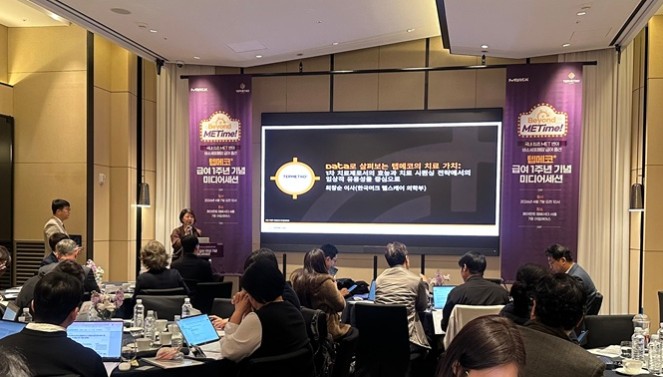
- The treatment landscape for non-small cell lung cancer (NSCLC) MET exon 14 skipping alterations is undergoing significant changes within one year of Tepmetko’s reimbursement introduction. In a rare mutation area where targeted treatment options were previously limited, both clinical efficacy and patient access have improved with the introduction of Tepmetko, prompting a redefinition of treatment strategies and highlighting the growing importance of biomarker-based precision medicine.On the 7th, Merck Korea held a press conference at the Fairmont Hotel in Yeouido, Seoul, to commemorate the first anniversary of the reimbursement of Tepmetko (tepotinib), a treatment for non-small cell lung cancer (NSCLC), and shared clinical outcomes and changes in the actual clinical setting.A view of the press conference marking the first anniversary of Tepmeco’s reimbursement coverage in KoreaTepmetko was approved in Korea in 2021 as a treatment for locally advanced or metastatic NSCLC with MET exon 14 skipping alterations and has been reimbursed since April last year. It works by selectively inhibiting MET phosphorylation and downstream signaling, thereby blocking tumor cell proliferation and migration.MET exon 14 skipping is a representative mutation that causes dysregulation of MET signaling and is known to promote tumor growth and metastasis. Although it is a rare mutation found in approximately 3–4% of metastatic NSCLC patients, it is associated with a poor prognosis and aggressive disease.Clinical evidence has also accumulated. In the global Phase II VISION study, Tepmetko demonstrated tumor reduction in over 90% of patients, with an objective response rate (ORR) of 58.6%, progression-free survival (PFS) of 15.9 months, and overall survival (OS) of 29.7 months. The duration of response was 46.4 months, confirming long-term treatment benefits.Subgroup analysis in Asian patients showed similar results, with an ORR of 56.6%, PFS of 13.8 months, and OS of 25.5 months, indicating consistent therapeutic benefits in patient populations including Koreans.Professor Ji-Youn Han of the Department of Hematology and Oncology at the National Cancer Center said, “Before Tepmetko’s introduction, there were no reimbursed treatment options targeting MET mutations, limiting patient access. Significant changes have emerged in the treatment landscape for rare lung cancers in the year since Tepmetko’s reimbursement.”Need grows for NGS-based testingProfessor Ji-Youn Han of the Department of Hematology and Oncology at the National Cancer Center\As targeted therapies for NSCLC continue to emerge, the need for next-generation sequencing (NGS) is also increasing.In NSCLC, multiple biomarkers exist, including MET, EGFR, ROS1, ALK, BRAF, KRAS, and RET. NGS offers the advantage of being able to test for these biomarkers all at once.While Professor Han positively noted that personalized treatment has become possible even for rare lung cancers such as those with MET mutations, she also pointed out the limitation of how access to NGS-based testing is limited for patients in practice.She explained, “In Korea, factors such as turnaround time (TAT), cost burden, and difficulty in obtaining adequate samples limit the broader adoption of NGS. While the current 50% patient co-insurance rate is acceptable, further efforts are needed to reduce cost burden and improve testing access to ensure accurate testing for more patients.” She added, “Tepmetko has demonstrated consistent response rates and durable treatment effects regardless of biopsy method (tissue or liquid biopsy) or line of therapy. NGS-based biomarker testing offers the advantage of proactively identifying patients who stand to benefit from treatment and providing concrete evidence for establishing treatment strategies and selecting medications.”
- Company
- Domestic approval of high-dose 'Spinraza' imminent
- by Son, Hyung Min Apr 08, 2026 07:46am
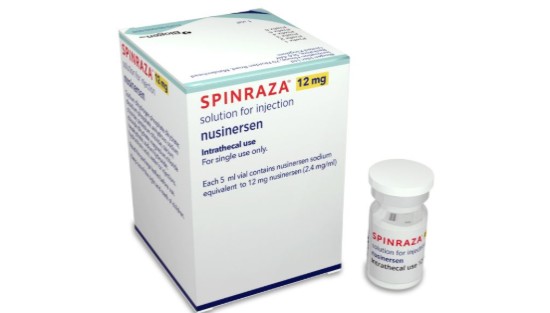
- SMA treatment 'Spinraza'Ahead of the introduction of 'Spinraza,' a high-dose regimen of the spinal muscular atrophy (SMA) treatment, to Korea following global approvals, the possibility of a shift in treatment strategy is being raised.The trend of improving effectiveness through dose optimization is evident, moving away from the existing low-dose (12mg) treatment.According to industry sources on the 8th, the domestic approval of Biogen Korea's Spinraza (nusinersen) high-dose formulations (50mg/5mL, 28mg/5mL) is imminent. An approval decision is expected within this month.Previously, the U.S. Food and Drug Administration (FDA) and the European Medicines Agency (EMA) approved the high-dose regimen. The strategy involves administering 50mg twice at 14-day intervals during the initial loading phase, followed by a 28mg maintenance therapy at 4-month intervals, thereby maximizing therapeutic effects by increasing the drug concentration compared to the existing regimen.Spinraza is an antisense oligonucleotide (ASO) that continuously increases SMN protein levels. To deliver treatment to the cause of the disease, it can be administered directly into the central nervous system, where motor neurons are located, via intrathecal injection. Since Spinraza allows multiple administrations, it can demonstrate differentiation in its administration method.Spinraza has confirmed a consistent effect and safety profile across all ages and types based on clinical research data and real-world evidence (RWE) accumulated over more than 8 years of treatment.The efficacy of the high-dose Spinraza was confirmed through the Phase 2/3 DEVOTE study. In the primary cohort analysis, the treatment-naïve symptomatic infant patient group showed a statistically significant improvement in motor function assessment (CHOP-INTEND).The treatment group recorded an average increase of +15.1 points, while the comparison group (untreated group) showed -11.1 points, resulting in a mean difference of 26.19 points. While motor function improved in the high-dose regimen group, it worsened in the untreated group, proving a distinct therapeutic effect compared to the natural course of the disease.Regarding safety, a profile similar to the existing low-dose regimen was confirmed. However, pneumonia, aspiration pneumonia, and malnutrition were reported as major adverse reactions in infant SMA patients.The high-dose drug can also be used in patients already receiving treatment. Patients who were maintaining low-dose treatment can continue maintenance therapy at the same 4-month intervals after a single high-dose loading, allowing for a dose increase while maintaining treatment continuity.This high-dose strategy is seen as a variable that can change the SMA treatment paradigm beyond simply adding an option. The approach to maximize treatment response is considered to have begun, given that dose optimization was pursued based on long-term (over 10 years) data from the existing treatment.In particular, as approvals have already been granted in major countries such as the U.S., Europe, and Japan, attention is focused on the timing of introduction and the reimbursement strategy in Korea. If the high-dose drug becomes a differentiated option compared to existing treatments, its impact on the overall SMA treatment landscape is expected to be significant.More treatment options…treatment choice based on mechanisms of action·administration methods·reimbursement The domestic SMA treatment includes Spinraza, Roche's 'Evrysdi (risdiplam)', and Novartis' 'Zolgensma (onasemnogene abeparvovec)'. All share the common goal of improving SMN protein deficiency but differ in their mechanisms of action and administration methods.Spinraza is an ASO-based treatment that acts on the central nervous system via direct intrathecal administration and has dominated the market based on long-term clinical data and prescribing experience. Evrysdi is an oral small-molecule treatment that regulates SMN2 splicing, characterized by its ability to cross the blood-brain barrier and act systemically.Zolgensma is a gene therapy that directly delivers the SMN1 gene, with therapeutic effects expected after a single administration.Recently, with the expansion of reimbursement criteria for Evrysdi, the flexibility of treatment strategies has greatly improved. The introduction of the tablet form, the extension of the prescription period (up to approximately 2 months), and the allowance of bidirectional switching with injections are evaluated as having made treatment choices based on patient conditions much more flexible.Ultimately, the SMA treatment trend is shifting away from a single, treatment-centered approach toward a customized strategy that considers the mechanism, administration method, and reimbursement criteria.
