
- LOGIN
- MemberShip
- 2026-04-24 02:52:27
- Company
- Inhaled therapy recommended, but oral drugs still dominate asthma mkt
- by Son, Hyung Min Apr 16, 2026 02:26pm
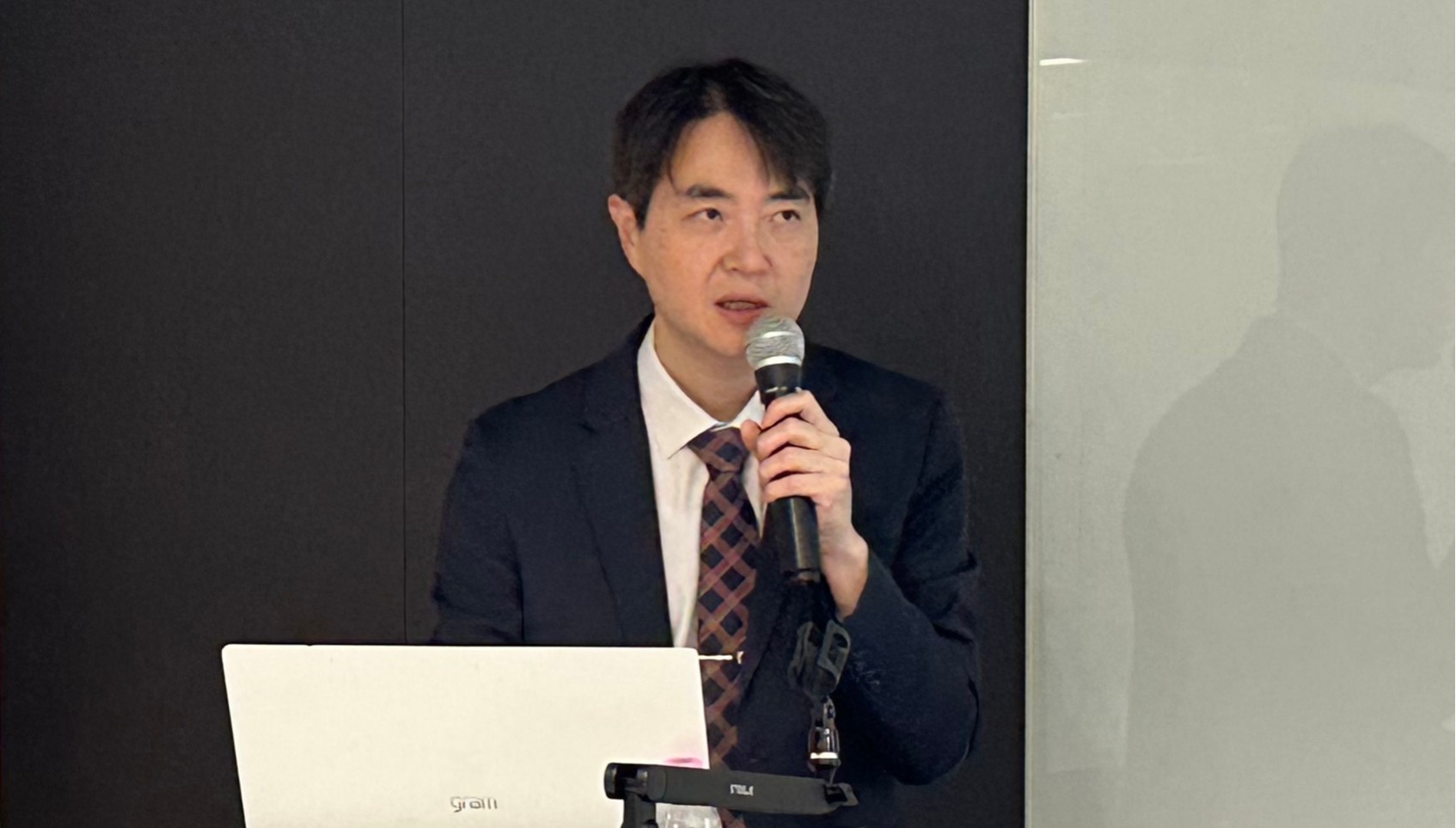
- A significant gap between guidelines and clinical practice has been revealed in the field of asthma. Despite inhalers being recommended as the first-line standard therapy for asthma treatment, prescribing continues to focus on oral medications.In particular, it has been pointed out that the failure to implement standard treatment in clinical practice has been exposed, with a lack of training on the use of inhalers and the absence of a corresponding reimbursement system identified as structural causes.On the 15th, AstraZeneca Korea held a media session at its headquarters in Samseong-dong under the theme “Latest Insights on Asthma and Chronic Obstructive Pulmonary Disease (COPD) Treatment,” and shared the current status and challenges of respiratory disease treatment in Korea.The company has a broad asthma and COPD treatment portfolio, including ‘Symbicort (budesonide/formoterol),’ ‘Fasenra (benralizumab),’ ‘Breztri (budesonide/glycopyrronium/formoterol),’ and ‘Tezspire (tezepelumab).’However, even though a range of inhaled treatment options are available, including inhaled corticosteroids (ICS), long-acting beta2-agonists (LABA), and long-acting muscarinic antagonists (LAMA), actual prescribing patterns are diverging from guideline recommendations.According to the Health Insurance Review and Assessment Service’s “2024 (11th) Asthma Care Quality Assessment,” the ICS prescribing rate, a key indicator in asthma treatment, was 51.9%, only 0.1 percentage point higher than the previous year’s 51.8%.Jin-Kook Lee, Professor of Respiratory Medicine at Seoul St. Mary’s HospitalThe problem is that this gap widens as one moves down to primary care settings. The ICS prescription rate at clinics was 38.1%, significantly lower than the overall average, while the rate of prescribing oral corticosteroids (OCS) without ICS was 26.5%, the highest among provider types.Although asthma treatment guidelines recommend inhaled medications as the first-line treatment for both disease-modifying and symptom-relieving agents, actual prescribing patterns do not adequately reflect this.Prescription patterns by route of administration also support this trend. As of 2024, among patients receiving a single mode of administration, oral drugs accounted for the largest share at 42.0%, while inhaled therapies accounted for only 12.4%. Patches accounted for a mere 0.5%.Among oral drugs, leukotriene receptor antagonists (LTRA) accounted for the highest share at 63.4%, while ICS remained the central component among inhaled therapies at 51.9%.A lack of education on proper use of inhalers is identified as a key factor behind this bias toward oral medications.Professor Jin-Kook Lee of the Department of Respiratory Medicine at Seoul St. Mary’s Hospital pointed out, “Although there are already enough treatments available for asthma and COPD, the reason they are not used effectively in practice is that inhaler-use education is not being delivered properly. With inhalers, proper technique determines treatment effectiveness, but there is not enough time or service fee incentives for institutions to provide education on this to patients.”“Inhaler education requires at least 30 minutes, but the current clinical environment cannot accommodate this. Unless fees or incentives for education are established, resolving this issue will not be easy.”Although treatment options in severe asthma are expanding around biologics, limitations in access still remain. In reality, more than 90% of patients still experience difficulty in daily life, and the burden of side effects from long-term oral steroid use remains high.The situation is not much different for COPD. While it is estimated that approximately 13% of the domestic population aged 40 and older has the condition, the actual diagnosis rate is only 2.8%, and the treatment rate is a mere 1.6%.To address these issues, the government introduced pulmonary function testing into the national health screening program starting this year. However, there are concerns that the effect may remain limited unless a management system is built to ensure that early diagnosis actually leads to treatment.Ultimately, structural improvements are needed across the entire “diagnosis-treatment-management” process for both asthma and COPD. In particular, establishing education and reimbursement systems to ensure the adoption of inhaler-based standard therapy in actual practice has emerged as a core task.Professor Lee emphasized, “Inhalers are the foundation and standard of treatment for asthma and COPD, but the current system makes it difficult to use them properly. Since oral medications cannot replace inhalers, we must establish both an educational system that extends to primary care facilities and a corresponding fee system that supports it.”
- Company
- Roche Diagnostics Korea posts record performance
- by Hwang, byoung woo Apr 15, 2026 08:04am
- Roche Diagnostics, the leader in in vitro diagnostics, has been delivering clear top-line growth every year on the back of its broad portfolio.Even over the past five years, sales have shown a steady upward trend, and the company is credited with firmly establishing growth momentum through the expansion of companion diagnostics and the successful market penetration of digital solutions.Channel expansion and companion diagnostics growth… 5 consecutive years of top-line expansionAccording to the audit report of Roche Diagnostics Korea, sales in 2025 reached KRW 460.3 billion, up approximately KRW 38.3 billion from KRW 422.0 billion in the previous year.Looking at revenue over the past 5 years, the company has shown a steady upward trend: ▲KRW 341.3 billion in 2021, ▲ KRW 374.0 billion in 2022, ▲ KRW 394.4 billion in 2023, and ▲ KRW 422.0 billion in 2024.The expansion of sales and distribution channels is cited as the primary driver of this revenue growth.Analysts note that as access to testing expanded during the COVID-19 pandemic, the company shifted from a structure centered on large hospitals to one that includes medium-sized hospitals and testing centers, broadening its customer base and increasing the number of equipment installations.Given the nature of the in vitro diagnostics business, where reagent and consumables sales recur after equipment installation, this channel expansion is highly likely to provide a foundation for mid- to long-term growth.The expansion of companion diagnostics is also cited as a factor driving revenue growth.The Roche Group has adopted Personalized Healthcare (PHC) as a core strategy, and the role of companion diagnostics, which identifies patient groups that stand to benefit most from the specific targets of innovative new drugs, has become more important than ever.As specific biomarker-based therapies continue to increase, demand for pathology and molecular diagnostic testing is rising, and with more therapies gaining reimbursement along with market launch, this is being evaluated as a driver of stable sales growth.However, the company’s operating profit left something to be desired. While operating profit jumped significantly from KRW 19.1 billion in 2023 to KRW 30.8 billion in 2024, it fell to KRW 18.5 billion last year, returning to the level of two years ago.Nevertheless, the decline in profitability is interpreted as a result of the base effect from prior price adjustments rather than an actual business slowdown.Roche Diagnostics Korea has entered into an Advance Pricing Agreement (APA) with its parent company, Roche Diagnostics International Ltd., and has reflected prior-year transfer pricing adjustments through a term test.In 2024, about KRW 18.3 billion in transfer pricing adjustments covering 2022 through 2024 was deducted from cost of sales, significantly boosting operating profit. In contrast, in 2025, as the term of the APA expired, there was no corresponding reduction in the cost of sales.As a result, the company’s 2025 operating profit of KRW 18.6 billion is interpreted as a sign of sustained fundamental strength, as it represents profitability generated solely through actual business operations without the benefit of transfer pricing adjustments.From digital adoption to Alzheimer’s diagnostics… new businesses move into full swingAs Roche Diagnostics Korea continues to strengthen both top-line growth and underlying business quality, the company’s new growth area of building a ‘digital ecosystem’ is also yielding tangible results.Roche Diagnostics Korea launched a separate Digital Insights business unit and is driving the digital transformation of diagnostic laboratories into Smart Labs, led by NAVIFY, its cloud-based data integration platform.As a new business area, the digital segment currently accounts for a relatively small portion of total revenue. In particular, the Korean healthcare environment tends to be highly conservative toward adopting new digital systems, with data interoperability relatively low, and institutional support, including reimbursement, is still not fully in place.Nevertheless, the newly launched Digital Insights Business Unit is reported to have successfully established itself in the market by achieving the key performance indicators (KPIs) set for the Korean market last year.Muhwan Yun, Head of Digital Insights at Roche Diagnostics Korea, explained, “Healthcare digitalization is now an unavoidable new normal, and we have entered the era of artificial intelligence transformation. NAVIFY is a truly Smart Lab tool that reduces the time healthcare professionals spend on administrative tasks, allowing them to focus solely on patient care.”The biggest reason the industry is looking positively at Roche Diagnostics Korea’s future is its ‘Blood diagnostic portfolio for Alzheimer’s,’ for which a new approval is strongly anticipated as early as the end of this year.Recently, Roche’s blood-based biomarker test for Alzheimer’s disease, ‘Elecsys pTau181,’ which Roche developed jointly with Eli Lilly, achieved full approval from the U.S. Food and Drug Administration (FDA).This is a groundbreaking innovation capable of detecting the accumulation of amyloid plaques and tau proteins at an early stage using just a single drop of blood, without the need for invasive cerebrospinal fluid tests or expensive PET imaging.If this Alzheimer’s blood diagnostic device secures domestic approval, it is expected to serve as a game-changer that could elevate Roche Diagnostics Korea’s performance next year to a new level in the domestic market, where demand for early dementia diagnosis is surging.

- Company
- West, highlights 'system'…to expand partnerships in KOR
- by Hwang, byoung woo Apr 15, 2026 08:03am
- Given the shift of the focus of the Asian pharmaceutical industry from generics to innovative therapeutic development, the importance of drug delivery systems is growing.West Pharmaceutical Services is expanding its partnership with Korean companies by offering delivery system strategies that consider global commercialization from the earliest stages of development.DailyPharm met with Maha Guruswamy, Vice President of APAC Commercial at West Pharmaceutical Services, and Dong-oh Kwon, General Manager of West Pharmaceutical Services Korea, and listened to their market changes, collaboration strategies, and the new West Synchrony platform showcased at COPHEX.(From left) Dong-oh Kwon, General Manager of West Pharmaceutical Services Korea, and Maha Guruswamy, VP of APAC Commercialat West Pharmaceutical ServicesExpansion of Biopharmaceuticals…Importance of Delivery Systems StrategiesThe Asian pharmaceutical and biotech industry is undergoing a structural transformation. As companies move toward biopharmaceuticals and innovative therapies, drug delivery methods and packaging strategies are becoming core elements of product design. High-concentration formulations and the rise of self-administration require both delivery system stability and patient convenience.Guruswamy stated, "Asian pharmaceutical companies are no longer copycats focused on generics. They are evolving into innovative drug developers," and added, "As the development of biopharmaceuticals and complex injectables increases, there is a growing demand to also consider delivery methods, regulatory compliance, and supply chain management."This shift requires designing delivery systems during the early stages of development. For companies targeting global markets, regulatory process review not only the safety and efficacy of the drug but also container closure integrity, delivery accuracy, and supply chain consistency. This means that the importance of the delivery system is growing.Guruswamy stated, "For complex biopharmaceuticals, delivery systems and container closure integrity are critical," and explained. "Changing delivery methods in the later stages of development can lead to schedule delays and additional validation requirements, making early design essential."Amid this shift, West Pharmaceutical Services is expanding system partnership role, beyond simply supplying parts. The company strategized to comprehensively provide support in designing the delivery system, regulatory responses, and supply networks.Guruswamy stated, "Customers not only ask for individual parts but integrated delivery solutions," and stressed that "West Pharmaceutical Services is providing support for cutting down development complexity and global commercialization through a system-level approach""Partnership starts at the vial packaging stage"…expansion building on existing partnershipsWest Pharmaceutical Services has long-standing cooperation experience with domestic pharmaceutical and bio companies in South Korea, particularly in container closure and packaging.Dong-oh Kwon, General Manager of West Pharmaceutical Services KoreaKwon stated, "West collaborates with domestic pharmaceutical companies not only for pre-filled syringes but also at the vial packaging stage. We are seeing more cases where container sealing and delivery methods are designed together during the initial drug development phase."For companies aiming to enter the global market, regulatory authorities review not only the safety and efficacy of the drug itself but also container closure integrity, delivery accuracy, and supply chain consistency during the licensing process.Kwon stated, "As domestic pharmaceutical companies develop products with global markets in mind, there is an increasing demand to consider global standards starting from the vial stage," and added. "West is expanding into delivery system strategies based on our existing collaborative experience."Kywon also said, "In many cases, companies do not jump straight to pre-filled syringes but start at the vial packaging stage and later expand into delivery systems, a process in which West serves as a partner."West also highlighted its global network-based supply system. Domestic companies can ensure consistency during global commercialization by using the same packaging systems at various global production sites or through CDMOs. To support the Korean market, West operates a technical support organization and logistics hub in Seoul to accelerate response times and shorten lead times.Kwon explained, "When domestic companies utilize overseas production or CDMOs, we can supply identical packaging systems globally. Since delivery systems are factors that influence quality and regulatory compliance, collaborating from the early stages of development ensures consistency during the global commercialization process."Because of this, West operates a technical support organization and a logistics support system to respond to the Korean market. This structure allows the company to increase customer response speed and support shorter supply lead times through its Seoul office and logistics hubs.Unveiled 'Synchrony' at COPHEX…A System Differentiation StrategyAt the International Pharmaceutical & Bio-Pharma Technology Exhibition (COPHEX 2026) held in early April, West unveiled its pre-filled syringe platform, 'Synchrony S1.' The company's strategy is to expand collaboration into the system level.Synchrony S1 is a system platform in which a single supplier provides all core components of a pre-filled syringe, including the syringe barrel, plunger, and needle shield or tip cap, as an integrated unit. Rather than procuring and combining individual parts from various vendors, pharmaceutical companies choose a single, validated system.Maha Guruswamy, Vice President of APAC Commercial at West Pharmaceutical Services"Previously, components for pre-filled syringes were often sourced from different suppliers, requiring separate suitability validations, quality tests, and regulatory filings for each part," Guruswamy said. "Synchroni simplifies the quality validation and regulatory process by providing everything as a system unit."A key feature of Synchrony is the inclusion of system-level validation data and regulatory support documents as a single package. This reduces the burden of additional testing during the development phase and minimizes uncertainties during global licensing. The supply chain is also structured to support everything from small-scale R&D production to full commercial manufacturing.Guruswamy noted, "Because we provide system-level data and regulatory documents, uncertainties that might occur during the development process can be reduced," and added, "Efficiency during the process of preparing for global approval can be increased."Regarding this, Kwon added, "Synchrony is a platform that approaches delivery as a system concept rather than simple parts. We expect it to be highly useful for domestic pharmaceutical companies aiming for the global market in terms of delivery system design and regulatory response."Guruswamy concluded by stating that West's plan is to expand existing vial packaging-stage collaboration to the delivery system stage through its Synchrony platform.Guruswamy added, "Delivery systems will play a vital role as Korean innovative therapies enter the global market," and that "West will expand system-level cooperation based on existing vial packaging-stage partnerships."

- Company
- Vantive's 1st report since spin-off…renal-focused strategy worked
- by Hwang, byoung woo Apr 15, 2026 08:03am
- Vantive Korea, which spun off from Baxter, disclosed its financial performance since becoming independent through its first audit report.While sales decreased, operating profit doubled, confirming the spin-off's positive effect. This performance indicates that the strategic shift toward a renal-care-centered business led to improved profitability.Notably, the extension of the home-based renal management policy focused on peritoneal dialysis aligns with the company's future business direction and is attracting attention as a medium- to long-term growth driver.First performance since spin-off…improved profitability amid shrinking outer growthVantive was launched in February of last year after spinning off from Baxter's 'Kidney Care and Acute Therapy' business units.According to Vantive Korea's audit report, 2025 sales amounted to approximately KRW 199.7 billion, down from KRW 222.1 billion the previous year.However, the sales decline is due to the timing of the spin-off. While the audit report's fiscal year covers January to December 2025, Vantive Korea was spun off in February of last year, limiting the accuracy of a simple comparison.In fact, sales for Baxter Korea, which included the business unit before the spin-off, increased from KRW 65.0 billion to KRW 91.3 billion. There is an aspect in which the business unit's revenue was split between the two companies, which appears as a decrease.Ultimately, the reduction in outer growth can be interpreted as a fluctuation caused by business restructuring during the division process.In this situation, the key is improving profitability. Vantive Korea's operating profit last year was approximately KRW 7.8 billion, roughly double the KRW 3.7 billion from the previous period. Net income also amounted to approximately KRW 3.0 billion in surplus.This structure shows improved profitability despite reduced outer growth. Gross profit increased, and selling and administrative expenses decreased, leading to expanded operating profit.Unlike 2024, when initial spin-off costs were reflected, the renal-centered structure was fully reflected in 2025.In fact, while discontinued operations' gains and losses were separately reflected in 2024, only performance from continuing operations remained in 2025. This signifies the first complete performance since the spin-off.Vantive Korea's Sales and Operating Profit Changes, (2022-2025) (unit: KRW 100 million). BLUE LINE: Sales, RED LINE: Operating profitFocus on Renal Therapy...Strengthening the Peritoneal Dialysis StrategyAfter a successful spin-off and transition to independence, Vantive Korea is solidifying its identity as a specialist in 'Vital Organ Therapy.'As the number of patients with chronic kidney disease surges amid an aging population, sustained business growth in renal care was one of the major reasons for the spin-off.Against this background, Vantive is currently focusing on providing innovative products to support dialysis at home and in hospitals, digitally enhanced solutions, advanced services, and treatment options to support the renal and vital organ functions of critically ill patients.Among these, the area Vantive is focusing on and strengthening investment in the most is 'Peritoneal Dialysis (PD).' Unlike hemodialysis, which requires patients to visit a hospital three times a week and lie down for 4 hours, peritoneal dialysis allows patients to exchange dialysis fluid themselves at home or at work, maintaining daily life and economic activity.Specifically, Automated Peritoneal Dialysis (APD), in which a machine automatically exchanges dialysis fluid during sleep, is considered a solution that drastically improves a patient's Quality of Life (QoL).The policy environment for peritoneal dialysis is also expected to expand Vantive's influence as it improves.This is because the Ministry of Health and Welfare (MOHW )decided to extend the peritoneal dialysis pilot program, which was scheduled to end last December, by three years. Specifically, the Ministry plans to extend the pilot program by 3 years, until December 2028, and to allocate an additional budget of 75.2 billion KRW.The peritoneal dialysis pilot program began in 2019 and involved 8,881 patients at 80 medical institutions. Registered patients showed results where KRW 130,000 reduced monthly medical expenses per person compared to other patients.Additionally, hospitalization expenses decreased by KRW 390,000, and the number of days stayed was shortened by 0.6 days. The fact that improved efficiency in medical resource utilization was proven led to the extension of the project.Vantive has put forward the expansion of home peritoneal dialysis and digital solutions as core values alongside the spin-off.Growth Potential Amid Policy Variables…Expanding the Market Is KeyOf course, since this is an extension of the pilot stage, several hurdles exist for the peritoneal dialysis market to expand explosively immediately.Given that the medical expense burden is increasing due to the entry into an ultra-aged society, the proportion of home-based medical care is rising, and demand for peritoneal dialysis, which enables economic activity and daily life, is gradually increasing, especially among young patients.Consequently, for Vantive Korea, which can now concentrate its corporate capabilities on the renal therapy field through the spin-off, the government's policy to expand the peritoneal dialysis market inevitably becomes a momentum for company growth.To this end, Vantive Korea is focusing on creating an optimized treatment environment so that patients can proceed with peritoneal dialysis more conveniently at home using digital solutions.Vantive stated that it is making various efforts to increase R&D capabilities at the global headquarters level.Lim Kwang-hyeok, CEO of Vantive Korea, stated, "As a vital organ therapy company, Vantive will continue to collaborate with academic societies and medical staff to create a patient-centered treatment environment and will actively support efforts to expand home-based dialysis."
- Company
- Hanmi to acquire Canadian company Aptose Biosciences
- by Cha, Ji-Hyun Apr 15, 2026 08:03am
- Hanmi Pharmaceutical has effectively completed the acquisition process for Canadian biotech company Aptose Biosciences. Having completed both the shareholder meeting and the final approval process from a Canadian court required to close the deal, the company is expected to fully integrate Aptose as a wholly owned subsidiary as early as the end of this month. Through this acquisition, Hanmi Pharmaceutical plans to secure a North American R&D hub and accelerate the development of global anti-cancer drugs.According to the bio industry on the 14th, Aptose passed the Arrangement Resolution for its acquisition by Hanmi Pharmaceutical’s subsidiary, HS North America, at a special shareholder meeting held on March 31 local time.This comes about 10 days after global proxy advisory firm ISS (Institutional Shareholder Services) officially recommended that Aptose shareholders approve the merger proposal. In its recommendation, ISS positively evaluated the proposed acquisition price as providing a premium over the market price, the absence of competing bids, and the fact that the all-cash consideration structure guarantees shareholders certain liquidity and value realization.As a result of the shareholder vote, 91.5% of all votes cast supported the deal. Even among Minority Shareholders, excluding Hanmi Pharmaceutical and related parties, the proposal passed with a high approval rate of 84.9%.On the same day, the Court of King’s Bench of Alberta also issued its Final Order approving the acquisition agreement. By meeting both the key requirements of shareholder approval and court approval, the acquisition transaction has reached a stage where it is legally enforceable. Hanmi Pharmaceutical and Aptose plan to complete the final payment and delisting procedures by the end of April and incorporate Aptose as a wholly-owned subsidiary of Hanmi Pharmaceutical.The acquisition price is C$2.41 per share. This represents about a 28% premium over the 30-day volume-weighted average price (VWAP) of C$1.88 on the Toronto Stock Exchange (TSX) immediately before the acquisition agreement was signed. The maximum amount required to acquire the remaining shares, excluding the stake already held, is estimated at C$4.925 million (about KRW 5.3 billion). The transaction will be conducted through Hanmi Pharmaceutical’s subsidiary, HS North America, which will acquire all outstanding common shares of Aptose, with the full acquisition consideration paid in cash.Aptose Biosciences’ Pipeline (Source: Aptose)Aptose is a Toronto-based biotech company specializing in new drug development. Founded in 1986 and listed on the Nasdaq in 2014, it possesses an innovative drug pipeline specialized in hematologic malignancies, with its core pipeline being tuspetinib, an acute myeloid leukemia (AML) candidate licensed from Hanmi Pharmaceutical in 2021. At the time, Hanmi Pharmaceutical transferred the rights to tuspetinib to Aptose for a total of up to US$ 407.5 million, including a non-refundable upfront payment of US$ 12.5 million (US$ 5 million in cash and US$ 7.5 million in stock).Tuspetinib is a multi-targeted oral kinase inhibitor that simultaneously inhibits various kinases, such as FLT3 and SYK, and possesses a mechanism of action that demonstrates anticancer activity even in patient groups resistant to existing treatments (such as venetoclax). It is currently undergoing a Phase I/II clinical trial in patients with relapsed or refractory AML. In early clinical trials, tuspetinib reportedly demonstrated meaningful anticancer activity, including complete remission (CR), with objective response rates (ORR) of 30–40% as both monotherapy and combination therapy, along with favorable safety profiles.However, amid a global contraction in biotech investment and a high-interest-rate environment, Aptose encountered financial difficulties. Due to continuous R&D spending, Aptose’s accumulated deficit had reached US$566.43 million by the end of last year, while shareholders’ equity had fallen to negative US$27.17 million, placing the company in a state of complete capital impairment. As independent capital-raising efforts, including a rights offering aimed at resolving the funding crisis, repeatedly fell through, its share price continued to decline. Ultimately, the company failed to meet the requirements for maintaining its NASDAQ listing and was delisted in April of last year.Against this backdrop, Hanmi Pharmaceutical continued to provide support as a strategic investor. Hanmi has invested more than US$41 million in the development of tuspetinib and, in November last year, signed an agreement to acquire all remaining shares, thereby solidifying its direction toward full acquisition. It is understood that Hanmi Pharmaceutical made the final decision to acquire the company after comprehensively considering the clinical potential of tuspetinib and the need to secure an R&D hub in North America. Hanmi is effectively spending more than KRW 60 billion in total to acquire Aptose.Once the Aptose acquisition is completed, Hanmi Pharmaceutical is expected to speed up its entry into the North American market in earnest. The company’s strategy is to secure local clinical and research bases in North America while strengthening its oncology pipeline centered on tuspetinib, thereby enhancing its global anticancer drug development capabilities. Through this, the company expects to establish a value chain spanning from global clinical trials to commercialization.
- Company
- Leukemia drug Vanflyta enters market
- by Son, Hyung Min Apr 15, 2026 08:03am
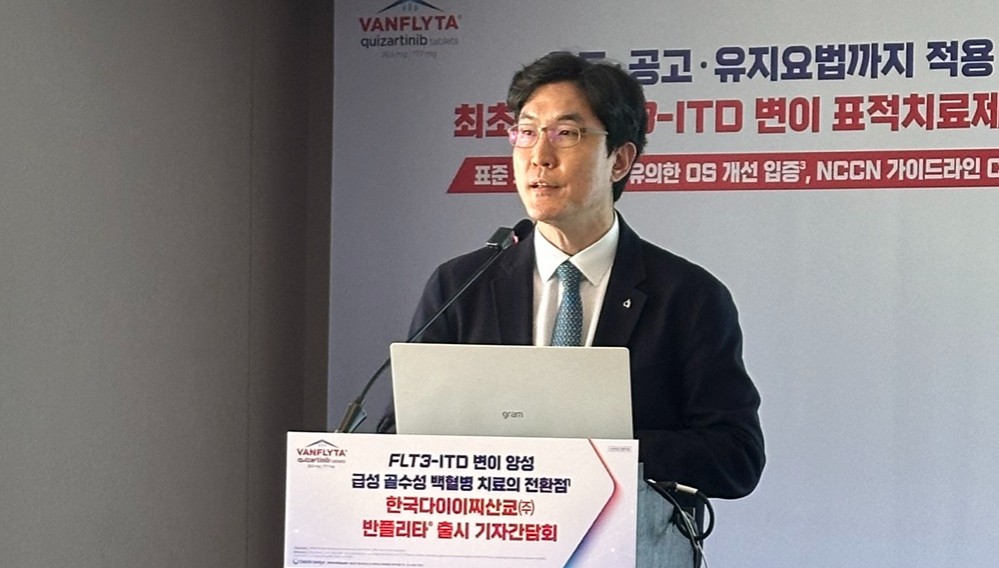
- With the domestic approval of ‘Vanflyta,’ a targeted therapy for FLT3-ITD mutation-positive acute myeloid leukemia (AML), the possibility of a shift in treatment strategies is being raised.Not only has a treatment option covering the full course from combination use in induction and consolidation therapy to maintenance therapy been added, but the drug is also expected to emerge as a new alternative for patients at high risk of relapse after demonstrating clinical benefits such as improved overall survival (OS).On the 14th, Daiichi Sankyo Korea held a press conference at the Plaza Hotel in Jung-gu, Seoul, to commemorate the domestic approval of Vanflyta (quizartinib). Vanflyta was approved in Korea in January for the treatment of acute myeloid leukemia (AML).Professor Byung Sik Cho, Department of Hematology, Seoul St. Mary’s HospitalThe specific indication includes its use for newly diagnosed adult AML patients who are positive for the FLT3-ITD mutation, in combination with standard cytarabine- and anthracycline-based induction therapy and cytarabine consolidation therapy, and as monotherapy maintenance treatment thereafter.Its defining feature is its applicability to a full-cycle treatment strategy spanning induction, consolidation, and maintenance.With this approval, a new FLT3-targeted therapy has been added to the AML treatment landscape, alongside Novartis’ ‘Rydapt (midostaurin)’ and Astellas’ ‘Xospata (gilteritinib).’Experts agree that the arrival of Vanflyta is particularly significant as it offers a treatment option specifically targeting FLT3-ITD mutation-positive patients, who remain at high risk of relapse despite existing treatment.FLT3 mutations are detected in approximately 37% of newly diagnosed AML patients, with about 80% of these cases involving the FLT3-ITD mutation. This mutation is known to promote cancer cell proliferation and increase the risk of relapse, and the 5-year survival rate for these patients is only about 20%.FLT3 is a key receptor that regulates the survival, proliferation, and differentiation of hematopoietic stem cells; however, when a mutation occurs, abnormal signaling is activated, promoting the growth of leukemia cells.Professor Byung Sik Cho of the Department of Hematology at Seoul St. Mary’s Hospital said, “Treatment outcomes have improved since the introduction of FLT3-targeted agents, but even when existing FLT3 inhibitors are combined with chemotherapy, relapse rates of around 40% are still reported. There has been a significant unmet need for new treatment options that can improve outcomes, especially in FLT3-ITD-positive patients.”Vanflyta demonstrated efficacy in the Phase III QuANTUM-First study in patients with FLT3-ITD mutation-positive AML. In the study, patients were randomized 1:1 to the Vanflyta group or the placebo group, received combination treatment with induction and consolidation therapy, and then underwent maintenance therapy for up to 3 years.Dong-Yeop Shin, Division of Hematology and Medical Oncology, Seoul National University HospitalThe results showed that the Vanflyta group’s risk of death was reduced by 22% compared to the placebo group. At a median follow-up of 39.2 months, the median overall survival (OS) was 31.9 months in the Vanflyta group, more than double the 15.1 months observed in the placebo group.Additionally, the duration of complete remission (CR) was 38.6 months in the Vanflyta group, approximately 3 times longer than the 12.4 months in the placebo group, demonstrating meaningful improvement in disease control as well.In terms of safety, febrile neutropenia, hypokalemia, and pneumonia were reported as major adverse events, and the overall pattern of adverse events was similar to that of the placebo group.Professor Dong-Yeop Shin of the Division of Hematology and Oncology at Seoul National University Hospital said, “Vanflyta demonstrated consistent benefits not only in improving overall survival but also in prolonging the duration of complete remission and reducing the cumulative relapse rate. It has the potential to change the treatment paradigm for FLT3-ITD mutation-positive AML.”

- Company
- Huinno focuses on 'ECG monitoring device,' boosting monitoring competitiveness
- by Hwang, byoung woo Apr 14, 2026 12:04pm
- As the wearable patient monitoring market competition is centered around functional expansion, Huinno has unveiled a ward monitoring strategy focused on electrocardiogram (ECG) monitoring.Yeongjoon Gil, CEO of HuinnoOn the 10th, Huinno held a briefing to unveil its smart AI telemetry system, 'MEMO Cue,' emphasizing its safety features, including defibrillation protection circuits, AI interpretation technology, and a structure linked to health insurance reimbursement, as its competitive edge in ward monitoring.Existing ward patient monitoring devices are primarily wire-based. Patients must be attached to various sensors and cables, creating a structure that limits movement. This has been repeatedly pointed out for increasing fall risks, causing patient discomfort, and placing a management burden on medical staff.MEMO Cue addresses these issues with a chest-attached patch-based wearable ECG device. Using an ultra-lightweight patch weighing approximately 9g, patients can move freely while their ECG, respiration rate, and oxygen saturation are monitored in real time.Hospitals can remotely check multiple patients simultaneously through an integrated control system. The company explained that operational efficiency can be improved through a central monitoring system rather than the traditional approach of checking directly at the patient's bedside.In particular, increasing alarm accuracy and reducing false alarms were presented as major differentiators.CEO Yeongjoon Gil explained, "Existing equipment has many false alarms, so medical staff sometimes turn them off," adding that "MEMO Cue is focused on increasing alarm accuracy and reducing medical staff fatigue by applying learning-based AI."The explanation is that in clinical tests, an overall accuracy of approximately 98.5% was achieved, and the alarm precision indicator also exceeded that of competitive products worldwide.Emphasis on Defibrillation Protection Design... Differentiating Patient SafetyDuring the briefing, Huinno emphasized the defibrillation protection design.Defibrillators used in the treatment of cardiac arrest patients deliver high-voltage energy of up to 360J. General wearable ECG devices may be destroyed by this impact or pose a secondary risk to the patient.Huinno explained that MEMO Cue can operate normally even under the same conditions by applying a defibrillation protection circuit. In a field demonstration, while devices without a protective design were damaged, MEMO Cue maintained a normal signal after impact.MEMO Cue met the international medical device safety standard IEC 60601-1 and obtained the electrical grade 'Type CF Defib-proof.' FDA 510(k) approval is also in progress.Regarding this, CEO Gil explained that the defibrillation protection design is significant not only for patient safety but also for hospital operations. This is because equipment without a protective design must be removed in an emergency, but equipment with a protective design allows for continuous monitoring.CEO Gil stated, "Monitoring must be continuously possible without removing the equipment, even in a cardiac arrest situation," and added, "There is a need for ward monitoring equipment designed on the premise of patient safety."For MEMO Cue, both technical strength and the insurance reimbursement structure were emphasized. The product received the remote heart rate monitoring fee (EX871) from the Health Insurance Review and Assessment Service (HIRA), and it can be prescribed concurrently with existing Holter test fees.It was explained that hospital entry burdens can be reduced by performing real-time monitoring and post-analysis simultaneously with a single device.Huinno also presented integration with its existing ECG analysis service, 'Memo Care,' as a strength. It has been designed to conduct automated analysis reports based on data collected during ward monitoring.CEO Gil said, "We are building a platform that covers the entire medical lifecycle from diagnostic assistance and real-time monitoring to prediction. Our goal is to secure global competitiveness in the AI-based patient monitoring market."Early Stages of the Ward Monitoring Market...ECG-Centered Competition Begins in EarnestHuinno concluded that the wearable ward-monitoring market is in its early stages and that competition is rapidly expanding.The current number of beds in Korea subject to ECG monitoring is approximately 500,000. It was analyzed that the entire market has formed, including approximately 50,000 beds in advanced general hospitals, approximately 120,000 beds in general hospitals, nursing hospitals, and primary medical institutions.However, Huinno pointed out that competition is flowing toward simple functional expansion.CEO Gil said, "Recently, competitors have been emphasizing the expansion of various vital signs such as oxygen saturation, blood pressure, and body temperature, but the essence of the current fee is ECG monitoring," and that "Without ECG monitoring, it is difficult to bill for medical acts with other vital signs alone."Huinno's technology competitiveness: a chest-attached patch-based wearable ECG device; wearable lightweight design; AI-based false alarm reduction; defibrillation protection design; Holter record integration; Huinno's MEMO Cue received the remote heart rate monitoring fee (EX871) from the Health Insurance Review and Assessment Service (HIRA). (source: presentation)In other words, the recent view is that the core competitive axis of the wearable patient monitoring market is still ECG-based accuracy and reliability.Huinno plans to maintain its competitiveness in the ward monitoring market by leveraging its experience securing a high market share in advanced general hospitals through its existing Holter analysis service, MEMO Care. The company explained that the service has secured approximately 60% of the market share, based on HIRA data.Additionally, as differences from competitive products, the company presented ▲wearable lightweight design ▲AI-based false alarm reduction ▲defibrillation protection design ▲Holter record integration.Finally, CEO Gil added, "It is the beginning stage of the wearable ward monitoring market opening. We will compete with major global players with a product that ensures both hardware safety and AI software accuracy."
- Policy
- NA Health and Welfare bill subcommittee schedule uncertain
- by Lee, Jeong-Hwan Apr 14, 2026 08:53am
- As negotiations between the ruling and opposition floor members over the schedule for the National Assembly Health and Welfare Committee’s April bill review subcommittee drag on, the prospects for the meeting remain uncertain.If the subcommittee does not convene due to a failure to reach an agreement, bills of interest to the medical and pharmaceutical sectors, including the bill mandating limited international nonproprietary name (INN) prescribing, will be delayed until after the June 3 local elections.On the 13th, a ruling-party official on the Health and Welfare Committee explained, “Since the beginning of this month, we have been continuing discussions with the opposition over the schedule for the April bill subcommittee, but we have not yet reached an agreement.”As an agreement between the ruling and opposition party floor leaders on the subcommittee schedule remains elusive, some are predicting that holding the meeting in April is practically impossible.This is because it would be difficult for the Democratic Party of Korea to convene the subcommittee unilaterally, given that opposition parties, including the People Power Party, are not showing much enthusiasm for the meeting.Moreover, the bill on the limited mandatory use of INN prescribing, which is one of the hottest issues in the healthcare sector, falls under the jurisdiction of the first legislation subcommittee, whose chair is Rep. Mi-ae Kim of the People Power Party, making it even less likely that the meeting will be held if a consensus between the ruling and opposition parties is not reached.This bill had already been placed on the agenda at the March subcommittee, but was postponed once after failing to secure an opportunity for review.If the subcommittee does not convene this month, the probability of it being held before the June 3 local elections is effectively close to zero.This is because scheduling for the subcommittee can only be coordinated through bipartisan consultations in late June, after the local election results are announced.Given the current state of negotiations between the ruling and opposition parties on the Welfare Committee, it seems unlikely that the bill on mandatory limited INN prescribing, a source of intense conflict within the medical community, will be reviewed by the subcommittee this month.In particular, the medical community, led by the Korean Medical Association, has stated that if the Welfare Committee subcommittee places the INN prescribing bill on April’s agenda, it will again stage an outdoor rally this month, following a similar protest last month. This appears to be having some effect on whether the subcommittee is convened.The medical community maintains that it will remain on constant standby to organize protests against the bill in accordance with the subcommittee’s schedule and agenda.Accordingly, some are questioning whether the parties would really choose to convene the subcommittee now, ahead of local elections, given that it could divert attention away from the election campaign.A ruling party official on the Welfare Committee stated, “The Democratic Party continues to appeal to the opposition, the need to convene the April bill subcommittee to expedite the review of bills related to people’s livelihoods. We are currently waiting as we have not yet received a clear response, so whether the meeting will be held remains undecided.”

- Company
- Nemluvio forms a new pillar in dermatitis treatment
- by Son, Hyung Min Apr 14, 2026 08:53am
- The arrival of a biologic with a new mechanism of action in the treatment fields of atopic dermatitis and prurigo nodularis is raising the possibility of a shift in treatment strategies.In particular, ‘Nemluvio (nemolizumab),’ which directly blocks IL-31 signaling in these two conditions where severe itching is a key symptom, is expected to emerge as a new treatment option based on its rapid symptom-relief effect.On the 13th, Galderma Korea held a media session at the Plaza Hotel in Jung-gu, Seoul, to commemorate the domestic approval of the biologic Nemlubio.Nemluvio media sessionNemluvio is a monoclonal antibody that inhibits the IL-31 signaling pathway, which is considered a major driver of itch. It received approval as a treatment for atopic dermatitis and prurigo nodularis in Korea last January. Among biologics targeting these diseases, Nemluvio is the first IL-31 inhibitor.IL-31 is known to be a key pathway in the ‘itch-scratch cycle,’ directly stimulating sensory nerves to transmit itch signals and triggering repetitive scratching behavior. Furthermore, it is identified as a major factor exacerbating the disease through a complex mechanism involving inflammatory responses, epidermal barrier dysfunction, and skin fibrosis.Nemluvio demonstrated statistically significant itch relief compared to the placebo group within 48 hours of administration in both atopic dermatitis and nodular prurigo patients. Additionally, when used in combination with topical corticosteroids (TCS) or topical calcineurin inhibitors (TCI), it met all primary endpoints.Specifically, in atopic dermatitis, the proportion of patients achieving at least a 75% improvement in the Eczema Area and Severity Index (EASI-75) was significantly higher than in the placebo group. In prurigo nodularis, at week 16, the proportion of patients achieving an Investigator’s Global Assessment (IGA) score of 0/1, meaning ‘clear or almost clear’ skin lesions, was more than three times higher than in the placebo group.Professor Jung Eun Kim, Department of Dermatology, Catholic University of Korea, Eunpyeong St. Mary's HospitalThe long-term follow-up studies also showed sustained efficacy and safety. According to interim analyses of the long-term extension studies in atopic dermatitis (ARCADIA LTE, 104 weeks) and prurigo nodularis (OLYMPIA LTE, 100 weeks), the improvements observed in skin lesions, itch, sleep, and overall quality of life remained consistent for more than 2 years, with no new adverse reactions observed.Based on this evidence, combination therapy with Nemluvio was also included in the 2025 U.S. atopic dermatitis treatment guidelines.Jung Eun Kim, Professor of Dermatology at Catholic University of Korea Eunpyeong St. Mary's Hospital, said, “Among approved biologics, Nemluvio showed the fastest effect in improving itch. It also offers safety advantages, as no increase in side effects like conjunctivitis, which has been a concern with existing treatments, was observed.”She continued, “The proportion of moderate-severity patients with atopic dermatitis is increasing compared to severe cases. This is especially meaningful as a treatment option in elderly patients, where safety is particularly important.”Galderma Korea plans to launch Nemluvio in the second half of this year and has already applied for reimbursement listing.Jai Hyuck Lee, General Manager of Galderma Korea, said, “Nemluvio directly inhibits IL-31, a key trigger of itch, and is expected to present a new treatment paradigm for patients who face limitations with existing therapies.”

- Policy
- Smoking-cessation drug varenicline continues to exit the market
- by Lee, Tak-Sun Apr 14, 2026 08:53am
- AI-generated imageThe market presence of varenicline-based smoking cessation treatments is steadily contracting. Following the withdrawal of the original Champix from the domestic market, CTC Bio’s “Nicobreak Oral Disintegrating Film” (active ingredient: varenicline), which had garnered attention as the country’s only film-type smoking cessation treatment, has also been removed from the list of approved products.According to the Ministry of Food and Drug Safety on the 13th, the approvals for two strengths of CTC Bio’s smoking-cessation aid ‘Nicobreak ODF,’ 0.5 mg and 1 mg, expired on that date and were removed from the list of approved medicines. This comes 5 years after the product became the first oral dissolving film (ODF) formulation of varenicline approved in Korea in April 2021.At the time of approval, Nicobreak positioned itself as a ‘dark horse’ capable of targeting a niche market, particularly among the elderly who have difficulty swallowing pills and smokers with active lifestyles, by highlighting its convenience of being able to take the medication without water, as a break away from Pfizer’s original varenicline, ‘Champix,’ which comes in tablet form.However, the actual market trend proved harsh. The industry points to several reasons behind the expiration of Nicobreak’s approval: ▲ failure to secure market share, ▲ contraction of government-supported smoking-cessation programs, ▲ the shrinking position for varenicline-based therapies overall, and cutthroat competition among generics.The domestic varenicline market is currently understood to be led by Jeil Health Science’s ‘Nicochamps,’ with Hanmi Pharmaceutical’s ‘Nocotin’ following behind. The assessment is that the ODT formulation lacked sufficient marketing force to break the tablet-centered prescription practice.Changes in the government’s anti-smoking policy also worked against it. The Ministry of Health and Welfare’s budget for the National Smoking Cessation Support Service has steadily declined each year, from approximately KRW 143.5 billion in 2015 to KRW 91.6 billion in 2025. These budget cuts led to reduced participation by medical institutions and a decline in patient referrals, which became a decisive factor in pharmaceutical companies losing interest in the smoking cessation treatment market.Furthermore, the market shrank even further when Champix faced a supply suspension due to the nitrosamine impurity issue that arose in 2021.After Pfizer Korea voluntarily withdrew the approval for its original product, ‘Champix,’ and exited the Korean market in 2024, major pharmaceutical companies such as Daewoong Pharmaceutical and Kwangdong Pharmaceutical have also been successively surrendering approvals for their varenicline generics.An industry official analyzed the situation as follows: “Although the market was reorganized after the varenicline impurity issue, the reduction in government support has made it difficult to attract new patients. For a specialized formulation like Nicobreak ODT, if sales are not sufficient, the practical benefit of maintaining the product would have been even lower.”With Nicobreak’s exit, the market for varenicline-based treatments is expected to become even more concentrated around a few leading products. In addition, with the disappearance of a specialized formulation that can be taken without water, the range of choices available to patients seeking smoking cessation treatment is likely to narrow somewhat.
