
- LOGIN
- MemberShip
- 2026-04-24 02:52:25

- Company
- Philips Korea's sales staggering…shift to service-centric
- by Hwang, byoung woo Apr 23, 2026 10:51am
- Philips Korea’s sales growth, which had been on a recovery trend since 2023, has stalled, with growth rates remaining in the 1% range.However, during the same period, operating profit increased significantly, showing an actual improvement in profitability. This is interpreted as the result of a shift in the sales mix, moving away from a hardware sales-centric structure toward services, including maintenance and software.Analysis suggests that amid intensifying competition in the large-scale medical equipment market, the future growth is shifting from hardware to software and solutions.Sales Growth 'Stalls,' Operating Profit 'ReboundsAccording to Philips Korea’s recently disclosed audit report, the company’s sales growth appears to have entered a period of stagnation.Specifically, sales, which recorded KRW 336.6 billion in 2021, decreased to KRW 316.1 billion in 2022 before rebounding to KRW 352.9 billion in 2023.Since then, however, sales reached KRW 361.6 billion in 2024 and KRW 364.6 billion in 2025, marking two consecutive years of growth limited to the 1% range following the 2023 rebound, maintaining a slowing growth.One of the primary reasons for this sales stagnation can be traced back to the large-scale business restructuring carried out in 2021. As of September 9, 2021, Philips Korea completed the divestment of its Domestic Appliances division, which was highly profitablePhilips Korea's 5-Year Sales & Operating Profit: BLUE-Sales, RED-Operating profit (source: audit report, unit: KRW 100 million)This was part of Philips’ global 'Selection and Concentration' strategy to focus on the healthcare B2B (business-to-business) sector.Considering that the Domestic Appliances division generated approximately KRW 41.8 billion in annual sales at the time, the separation of this core consumer cash cow is interpreted as a factor in the reduction of the company's overall scale.In contrast to the slowdown in top-line growth, profitability improved significantly. Philips Korea’s operating profit shifted from KRW 42.7 billion in 2021 to a loss of KRW -4.9 billion in 2022.After successfully returning to a surplus of KRW 1.8 billion in 2023, profit showed a recovery to KRW 7 billion in 2024, followed by KRW 36.4 billion in 2025, a more than five-fold improvement compared to the previous year.This indicates that focusing on internal stability and reorganizing the portfolio toward high-value-added businesses, rather than external expansion, has proven effective.Philips Diversifies the Profit Structure, Shift From Product Sales to 'Service'The primary reasons for the improvement in operating profit are cost reductions and lower selling, general, and administrative (SG&A) expenses.The cost of goods sold, which was KRW 270.7 billion in 2024, decreased to KRW 246.3 billion in 2025, and SG&A expenses also fell by approximately 2 billion KRW, from 83.8 billion KRW to KRW 81.8 billion. Essentially, while sales barely grew, profit rose by simultaneously reducing costs and expenses.Furthermore, the fact that the sales structure is increasing 'service sales,' which provides maintenance and software-linked solutions in addition to equipment delivery, appears to have influenced the improvement in profitability.Looking at Philips Korea’s sales structure by business segment (item), product sales decreased from KRW 242.9 billion in 2021 to KRW 219.6 billion in 2022, before recovering to ▲KRW 249.9 billion in 2023 and ▲KRW 254.6 billion in 2024.However, in 2025, product sales recorded KRW 253.6 billion, showing negative growth compared to the previous year.In contrast, service sales has been on a steady upward trajectory, with no negative growth. Service sales, which was KRW 93.7 billion in 2021, recorded KRW 96.5 billion in 2022, ▲KRW 102.9 billion in 2023 ▲KRW 106.9 billion in 2024 ▲KRW 110.9 billion in 2025.The share of service sales in total sales also expanded from 27.8% in 2021 to approximately 30.4% in 2025.Considering the characteristics of the Korean market, where replacement cycles for large medical equipment (MRI, CT, ultrasound, etc.) are long and large-scale orders following the establishment of new hospitals are limited, the expansion of service-oriented sales, such as software upgrades and Service Level Agreements (SLA) for pre-installed equipment, is analyzed to have played a key role in defending profitability.Philips is expanding its cooperation by signing smart hospital business agreements with major hospitals.Intensifying Imaging Competition… The Challenge of Growth DriversBecause of this, Philips Korea is also seeking a breakthrough by creating a digital healthcare environment centered on artificial intelligence (AI) technology.As global competitors such as Siemens Healthineers and GE HealthCare integrate AI solutions with hardware, Philips is moving to capture the early market.For example, Philips Korea is establishing smart hospital collaborations focused on AI-based improvements to ultrasound and imaging workflows.With the recent domestic medical environment emphasizing smart hospitals amid personnel shortages, Philips appears focused on embedding its portfolio, spanning diagnostic imaging·ultrasound·interventional procedure systems, into these systems.However, expanding the influence of diagnostic imaging equipment, which is the most fundamental driver of external growth, remains a challenge.In this context, Philips' next-generation spectral CT, the Verida system, which recently received U.S. Food and Drug Administration (FDA) clearance, could potentially provide a way forward.The core of Verida system is its spectral technology. While most CT scanners focus on providing structural information by imaging the human body at a single energy, spectral CT analyzes differences in tissue composition across multiple energy spectra.As it promotes clinical efficiency improvement rather than just simple image quality enhancement, there is potential for synergy with future smart hospital system construction.An official from the medical device industry stated, "While Philips Korea's new products and technological innovations, such as helium-free MRI and cardiac ultrasound, are receiving positive responses, hospital investment decisions are made on a mid-to-long-term basis due to the nature of the market," and added, "The impact of new products is more likely to be reflected in mid-to-long-term trends rather than short-term performance."
- Policy
- Will the DoctorNow Prevention Act pass the National Assembly?
- by Lee, Jeong-Hwan Apr 23, 2026 10:51am
- Whether the amendment to the Pharmaceutical Affairs Act, which prohibits non-face-to-face medical treatment platforms from operating as pharmaceutical wholesalers, can be tabled and passed during the final plenary session of the 22nd National Assembly, scheduled for the 23rd, is drawing significant attention.The bill, called the "Doctor Now Prevention Act," was originally expected to be processed in a plenary session last year alongside the amendment to the Medical Service Act to institutionalize non-face-to-face treatment. However, it has been pending for over five months due to opposition from some ruling and opposition party lawmakers, as well as the Ministry of SMEs and Startups, for the reason that it undermines the revenue-generating models of startups.On the 21st, the ruling and opposition parties agreed to holding a plenary session on the 23rd to wrap up the first half of the 22nd National Assembly ahead of the June 3 local elections.In particular, the ruling party has expressed its determination to process as many livelihood bills awaiting final disposal as possible at this closing point of the first-half session, citing that approximately 120 bills are currently pending in the plenary session.This is why all attention is on whether the inclusion of the Doctor Now Prevention Act to the Pharmaceutical Affairs Act can be tabled and passed during this plenary session.For now, the Democratic Party of Korea’s Policy Committee maintains the position that there is no reason for the bill not to be processed. Their view is that it is irrational and abnormal to delay the passage of the bill due to backlash from a specific company, especially after the bill already passed the committees, including the Health and Welfare Committee and the Legislation and Judiciary Committee, with bipartisan agreement.Furthermore, despite the strong determination of the Ministry of Health and Welfare to pass the bill, the leadership of the Democratic Party reportedly views it as unprecedented for a bill, which is only awaiting plenary processing following legitimate legislative procedures, to be suddenly modified because a related ministry, the Ministry of SMEs and Startups, raised a differing opinion, leading to inter-ministerial conflict.Nevertheless, the outlook for tabling and processing the Pharmaceutical Affairs Act amendment in the plenary session on the 23rd remains challenging. This is because the legislative opposition from lawmakers in 'Unicorn Farm,' a bipartisan research group for startups and ventures, remains intense, and internal party alignment has not been definitively settled.Consequently, the Ministry of Health and Welfare has been placed in a position where it can do nothing but wait for the National Assembly's decision. Even if a non-face-to-face treatment brokerage platform establishes and operates its own pharmaceutical wholesaler to generate revenue through management that carries a high risk of conflict of interest, the ministry has no choice but to remain a bystander.An official from the ruling party explained, "The Democratic Party’s Policy Committee views that a platform's operation of a wholesaler cannot be regarded as startup innovation or a legitimate revenue model, and thus believes it is necessary to pass the Pharmaceutical Affairs Act in its original form in the plenary session on the 23rd," and added, "This bill is also essential for the institutionalization of non-face-to-face treatment. However, the fact that some disagreements within the party remain is an issue that must be resolved promptly."
- Policy
- CPAC agrees on designating GLP-1 obesity drugs as medicines of concern
- by Lee, Tak-Sun Apr 23, 2026 10:50am
- The majority of members of the Central Pharmaceutical Affairs Council agreed on the need to designate GLP-1 obesity treatments as 'drugs of concern for misuse or abuse.' There were also reactions suggesting that the designation is expected to raise awareness among the public who may not recognize these as prescription-only medications.According to the minutes released on the 21st regarding the meeting held by the Central Pharmaceutical Affairs Council (CPAC) on ‘Validity of Designating GLP-1 Class Obesity Treatments as Medicines of Concern for Misuse or Abuse,’ committee members unanimously agreed that the designation is appropriate to curb indiscriminate use by patients and the sharing of misinformation online.As a result of the meeting, all 9 attending members voted in favor of the designation, and the motion was passed. The CPAC members assessed the current situation where GLP-1 class treatments are being misused by the general public despite being prescription-only drugs as serious.One member stated, “The designation can provide a reminder to the public that these are prescription drugs,” supporting the designation.Another member pointed out, “We need a mechanism to eradicate inappropriate behaviors, such as the sharing of reviews on platforms like YouTube describing how people ‘splitting’ expensive medications.”The fact that the need for this designation has been consistently raised by the media and the National Assembly, as well as the need for equity with other medications, were cited as key grounds for the decision. One of the key regulatory measures of this designation is restricting handling in pharmacies located in areas exempt from the prescription–dispensing separation system, specifically blocking purchases without prescriptions.Committee members viewed prescription restrictions in these exempt areas as necessary to prevent cases where the drugs are prescribed to inappropriate groups, such as pregnant women or children.One committee member emphasized that “pharmaceutical companies are unlikely to suffer significant losses from this designation,” stressing that the public interest outweighs the administrative burden of the regulation.The designation includes liraglutide (Saxenda), semaglutide (Wegovy), and tirzepatide (Mounjaro).In particular, the MFDS explained that ‘Mounjaro,’ which is used to treat both diabetes and obesity, is subject to the ‘drug of concern for misuse or abuse’ designation because it includes an obesity indication.However, some committee members added, “We are concerned that designating these drugs as ‘drugs of concern for misuse or abuse’ may create a negative perception of the medication in a situation where obesity should be treated as a disease.”Based on the results of this review, the MFDS plans to require the phrase ‘drug of concern for misuse or abuse’ to be printed on the packaging of GLP-1-based obesity treatments and to strengthen oversight to ensure they cannot be sold without a prescription, even in exception areas.

- Policy
- Kanarbzet, Sogroya newly reimbursed next month
- by Lee, Jeong-Hwan Apr 23, 2026 10:50am
- Boryung Pharmaceutical’s triple-combination drug for hypertension and dyslipidemia, ‘Kanarbzet Tab,’ will be newly reimbursed from next monthBoryung Pharmaceutical’s triple-combination drug for hypertension and dyslipidemia, ‘Kanarbzet Tab,’ and Novo Nordisk Pharmaceutical’s long-acting growth hormone ‘Sogroya’ will be newly listed for reimbursement next month (May).Viatris Isoptin Inj, Epic Cholestyramine Powder, and Senra 5-HTP, supplied through the Korea Orphan & Essential Drug Center, will also newly obtain reimbursement.Ono Pharmaceutical’s Opdivo Inj(120 mg) and the autoinjector formulation of GSK’s Nucala will be newly listed for reimbursement, while Daewon Pharmaceutical’s Pelubi and Janssen’s Erleada will have their reimbursement price ceilings reduced.LG Chem’s Zemidapa, which had been scheduled for a price reduction, will retain its current price.On the 21st, the Ministry of Health and Welfare partially revised and issued the “Drug Reimbursement List and Reimbursement Price Ceiling Table” containing these changes.Boryung’s Kanarbzet Tab, a combination of the antihypertensive drug Kanarb (containing fimasartan) and the hyperlipidemia drugs atorvastatin and ezetimibe, will be priced at KRW 1,644 per tablet for the 30/10/10 mg formulation, the 30/20/10-milligram formulation is KRW 1,646, the 60/10/10-milligram formulation is KRW 1,753, and the 60/20/10-milligram formulation is KRW 1,755.Sogroya Prefilled Pen 15mg/1.5ml will be listed for reimbursement at KRW 277,624 per pen, and Opdivo Injection 120mg at KRW 1,318,822 per vial.The price of Viatris Isoptin 5 mg Inj is set at KRW 3,491 per 2 ml vial, Epic Cholestyramine Powder for Susp at KRW 1,604 per 4 g packet, and Cenra 5-HTP 100 mg Cap at 2KRW 790 per capsule. The price of the Nucala autoinjector is set at KRW 1.28 million per pen, the same as the existing injectable formulation.Among already listed drugs, Pelubi Tab and Pelubi SR Tab will have their reimbursement ceilings reduced by 46.7% and 23.0%, respectively, on the 1st of next month. Among these, the reimbursement ceiling for Pelubi SR Tab will be further reduced by 23.5% starting August 1.The reimbursement ceiling for Janssen’s Erleada Tab will also be reduced by 29.3% on the 1st of next month, while Kyowa Kirin’s Orkedia Tab 1 mg and 2 mg will each be reduced by 2.0%.Kolon Pharmaceutical’s Kotuss 50 mg will be reduced by 0.4%, and Chong Kun Dang’s Dilatrend SR 32 mg by 0.1%Meanwhile, Zemidapa Tab, which had been scheduled for a 15.5% reduction next month, will maintain its current ceiling, and the reduction will be postponed to May 1 next year.
- Company
- Will Perjeta be reimbursed as postoperative adjuvant therapy?
- by Eo, Yun-Ho Apr 23, 2026 10:50am
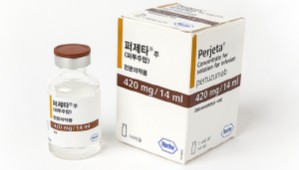
- Insurance reimbursement criteria for the breast cancer drug Perjeta may be expanded to cover its use as postoperative adjuvant therapy.The breast cancer division of the Korean Society of Medical Oncology submitted an application to expand reimbursement for the postoperative adjuvant use of Roche Korea’s HER2-positive breast cancer drug, Perjeta (pertuzumab). The society has previously submitted a reimbursement application for the early-stage breast cancer indication of the CDK4/6 inhibitor ‘Verzenio (abemaciclib).’Perjeta’s adjuvant therapy indication was expected to be presented to the Cancer Disease Deliberation Committee of the Health Insurance Review and Assessment Service (HIRA) last October, but the discussion itself was canceled due to revisions to Korea’s positive listing reimbursement criteria.Consequently, it remains to be seen whether discussions regarding Perjeta’s reimbursement as postoperative adjuvant therapy will proceed this time.Currently, Perjeta is reimbursed for HER2-positive metastatic or unresectable locally recurrent breast cancer. In addition, Perjeta is reimbursed as neoadjuvant therapy in early breast cancer at a 30% patient co-insurance rate.However, postoperative adjuvant therapy, a critical treatment step to prevent recurrence, remains non-reimbursed (100% patient coinsurance rate) since the indication was added in Korea in 2018, limiting patient access.This is because its use as postoperative adjuvant therapy lacked long-term follow-up data or a high recommendation grade in global guidelines at the time of the 2019 review, unlike its use as neoadjuvant therapy (preoperative adjuvant therapy), which is covered with 30% selective reimbursement.However, the 10-year follow-up results from the global Phase III APHINITY study that was released last year are expected to fill this gap.According to the study, the Perjeta and Herceptin combination as adjuvant therapy demonstrated clear benefits, including a 21% reduction in the risk of death compared to monotherapy in patients with lymph node-positive early-stage breast cancer at high risk of recurrence.Meanwhile, the Perjeta-Herceptin combination therapy is currently recommended as Category 1 in the U.S. NCCN guidelines for postoperative adjuvant therapy in patients with HER2-positive early-stage breast cancer who have lymph node metastasis. It is also recommended as Category 1 for postoperative adjuvant therapy in high-risk patients with lymph node metastasis who achieved a pathological complete response (pCR) following neoadjuvant chemotherapy.
- Policy
- INN Prescribing Bill may be excluded from April subcommittee
- by Lee, Jeong-Hwan Apr 22, 2026 08:54am
- The Health and Welfare Committee of the National Assembly has decided to hold a legislative subcommittee meeting on the 28th. However, as the ruling and opposition parties have agreed not to table bills under debates, the legislation that would partially mandate International Nonproprietary Name (INN) prescribing by physicians is expected to be excluded from the review agenda.The bill, a national task for the Lee Jae Myung administration and proposed by members of the ruling Democratic Party of Korea, is strongly opposed by the medical community. Furthermore, lawmakers from the main opposition People Power Party maintain a stance of cautious review or outright opposition. Consequently, the likelihood of reaching a bipartisan agreement to include the bill in this month's subcommittee has diminishedIf the bill is excluded this month, after failing to gain a review opportunity last month due to medical community resistance, the INN Prescribing Bill is expected to be considered during the subcommittee meetings held after the June 3 local elections.On the 20th, the executive secretaries of the Health and Welfare Committee agreed to hold the 1st and 2nd Legislative Subcommittees on the 28th. The plan involves reviewing bills under the jurisdiction of the 1st subcommittee in the morning and the 2nd subcommittee in the afternoon. On the following day, the 29th, a Petition Subcommittee will be held, followed by a plenary session to process the bills passed by the subcommittees.The executive secretaries have requested that individual members' offices submit the bills they wish to have reviewed. While the final agenda is determined through bipartisan consultation, the agreement to prioritize 'non-controversial bills' makes it highly likely that the bill mandating INN prescribing for national essential drugs and medicines in unstable supply, a major point of interest in the healthcare sector, will be excluded for the second consecutive month.The proposed amendments to the Medical Service Act and the Pharmaceutical Affairs Act, introduced by Rep. Jang Jong-tae and Rep. Kim Yun of the Democratic Party, would legally mandate physicians to use active ingredient names rather than brand names when prescribing national essential medicines or drugs with unstable supply.While the legislation aims to address social inconveniences, such as patients "pharmacy hopping" due to long-term drug supply instability, the medical community remains adamantly opposed. Kim Taek-Woo, president of the Korea Medical Association (KMA), has repeatedly stated that if the INN Prescribing Bill is tabled, the KMA will gather physicians nationwide for outdoor protests.Since the People Power Party sympathizes with the medical community's opposition, a bipartisan agreement is unlikely even if the Democratic Party requests a review.Furthermore, as this month's subcommittee is condensed into a single day for both the 1st and 2nd subcommittees, unlike the usual practice of dedicating a full day to each, the probability of tabling a highly contentious bill like INN prescribing is even lower.An official from a member's office on the Health and Welfare Committee explained, "We are currently at the stage of selecting bills for review as requested by each office. Since this subcommittee is being held just a month before the June 3 local elections, both parties have agreed to table and process only non-controversial bills."The official added, "The INN prescribing bill is an issue with significant disagreement, including opposition from doctors, making it difficult to include in this subcommittee's agenda. If it is not reviewed this time, it will likely only be possible after the National Assembly is formed in the second half of the year following the local elections."
- Company
- 'Uplizna' to bring a shift to the NMOSD treatment strategy
- by Son, Hyung Min Apr 22, 2026 08:54am
- Tanabe Pharma Korea recently held the UPSTREAM Symposium at Voco Seoul Gangnam to celebrate the launch of NMOSD treatment Uplizna in South Korea.New treatment strategies are emerging for neuromyelitis optica spectrum disorder (NMOSD), a condition where a single relapse can lead to lifelong disability. This shift has been brought about by the introduction of 'Uplizna', a new drug targeting CD19 B cells, for NMOSD treatment in South Korea. Uplizna has been shown to significantly reduce the risk of relapse in AQP4 antibody-positive patients, and medical professionals anticipate that this treatment option will provide patients with a better choice in terms of mechanism and efficacy.Tanabe Pharma Korea recently held the UPSTREAM Symposium at Voco Seoul Gangnam to celebrate the launch of Uplizna (inebilizumab)in South Korea.Professor Ho Jin Kim of the Department of Neurology at the National Cancer Center served as the chairperson. Professor Ki Hoon Kim of the Department of Neurology at Severance Hospital and Professor Jeeyoung Oh of the Department of Neurology at Konkuk University Medical Center delivered lectures titled ▲Optimizing the treatment with inebilizumab after rituximab and ▲inebilizumab in practice: identifying appropriate patients, respectively.Uplizna is a targeted therapy for adult patients with AQP4 antibody-positive NMOSD. It works by targeting and depleting CD19+ B-cells, thereby reducing attacks (relapses) caused by the immune system targeting the optic nerve and spinal cord.The treatment received U.S. FDA approval in 2020 and was authorized in South Korea in 2021. Tanabe Pharma Korea is currently proceeding with the reimbursement listing process for the drug.During the symposium, Professor Ki Hoon Kim began by highlighting B-cells and the AQP4-IgG production pathway as core elements of NMOSD pathophysiology.The professor explained, "Plasma cells are directly linked to the clinical deterioration of NMOSD. Unlike rituximab, which targets only CD20, Uplizna depletes cells up to the pre-CD19 stage, allowing for an approach closer to the underlying cause of the disease."NMOSD is a rare autoimmune disease characterized by unpredictable, repeated relapses of optic neuritis and myelitis, leading to severe disabilities such as eye pain, blindness, and paraplegia. Approximately seven out of ten NMOSD patients are AQP4 antibody-positive; the formation of these antibodies activates the complement system, which can cause necrosis in the optic nerve and spinal cord.Notably, 80–90% of patients experience recurrent relapses, thus even a single event can result in fatal outcomes. These symptoms are often irreversible and difficult to recover from, necessitating rapid acute-phase treatment fully.Previously, NMOSD relapse relied on high-dose steroids or immunosuppressants to suppress symptoms or used rituximab or 'tocilizumab (product name: Actemra)' to prevent relapses. However, as the relapse suppression effects of these treatments were limited, there was a high demand for new options.Rituximab' clinical limitations have been pointed out. These include non-unified administration protocols, varying B-cell depletion and relapse risks based on FCGR3A genotypes, and high rates of infusion-related reactions (IRR) during the first administration. In contrast, evidence was presented that Uplizna is easy to manage with twice-yearly dosing, reduces the risk of relapse by more than 70% in clinical trials, and cuts the rate of worsening on the Expanded Disability Status Scale (EDSS) by more than half. Professor Kim summarized, "Uplizna is an option that can supplement the structural limitations for patients who do not respond to rituximab."In the second session, Professor Oh focused on the timing of switching therapies, which is a challenge in NMOSD treatment.Professor Oh emphasized, "Defining treatment failure based solely on clear relapses may cause us to miss patients." She presented various clinical patterns, including partial responses, incomplete recovery after severe relapses, and switching due to side effects or infections.Professor Oh also pointed out that due to strict domestic reimbursement criteria, some patients with "disability creep," where disability accumulates slowly without clear relapses, may miss the window for adjusting their treatment strategy.Based on actual patient cases, Professor Oh identified characteristics of patient groups requiring a switch from rituximab to Uplizna.The characteristics include ▲rapid repopulation of CD19+ B-cells, ▲incomplete response due to genotype influence, and ▲difficulty maintaining treatment due to infection burdens such as pneumonia.Professor Oh also highlighted data showing the sustained efficacy of Uplizna.The N-MOmentum study, which served as the basis for approval, was a 28-week randomized, placebo-controlled trial that faithfully reflected the NMOSD patient population in real-world clinical settings by including diverse racial and ethnic groups.In the trial, 89% of the Uplizna group remained relapse-free for 28 weeks, compared to only 58% of the placebo group.Long-term data also showed sustained efficacy, with an annualized relapse rate (ARR) of 0.03 for patients treated with Uplizna for at least 2.5 years, significantly lower than the approximately 1.0 ARR in the placebo group.However, because the open-label period (OLP) was non-blinded and uncontrolled, the results might appear more positive due to patient dropout among those with poor prognoses.Professor Oh assessed that "Uplizna is an option that is not merely as a substitute, but the one that ensures both efficacy and safety when a mechanistic switch is required."Professor Kim concluded, "Because NMOSD is a disease where a single minor relapse can lead to lifelong disability, establishing an initial strategy and determining the appropriate timing for a switch is paramount," adding, "This symposium was meaningful for refining our understanding of mechanism-based treatment and discussing customized decisions for each patient. The introduction of Uplizna will serve as an opportunity to advance NMOSD treatment strategies to the next level."

- InterView
- [Reporter’s View] Rapid support for essential medicines put to the test
- by Jung, Heung-Jun Apr 22, 2026 08:54am
- As the supply of essential medicines, such as basic IV solutions, is being affected by the aftermath of the Middle East war, attention is focusing on the government’s flexible drug price support measures.Since the outbreak of the Middle East situation, the government has been pouring out multifaceted measures such as priority supply of naphtha, strengthened monitoring of pharmaceutical supply and demand, and prohibition of hoarding.While the immediate focus is on supply management, follow-up support measures are also needed. This is because the burden on pharmaceutical companies producing essential drugs is gradually increasing and could potentially lead to supply instability.In particular, intravenous solutions, where raw materials account for a large portion of production costs, are bearing the brunt of the impact. According to industry sources, the prices of raw materials, which make up about 30–40% of costs, are rising sharply due to naphtha supply instability.Because it is impossible to know when the Middle East situation will stabilize, pharmaceutical companies producing IV solutions are concerned about mounting losses.While this varies by product type, basic IV solutions already have low drug prices. This means that the losses pharmaceutical companies must absorb due to rising costs could become an even greater burden.The government is not sitting idly by. The Ministry of Health and Welfare is strengthening supply and demand monitoring in collaboration with the Health Insurance Review and Assessment Service (HIRA) and the National Health Insurance Service (NHIS). Based on this, it appears they will also review the necessity of raising drug prices.However, the Ministry appears to be exercising caution regarding how much of the situation is truly attributable to the Middle East war. This is because it is necessary to distinguish between cost increases caused by force majeure supply chain shocks and routine price increases caused by other factors.While it is positive that the government is considering supporting production through drug price hikes, the issues lie in implementation speed and flexibility.If the process proceeds via the existing drug price adjustment mechanism, there could be a delay of up to several months between review and actual implementation. This has the limitation of being too slow to defend against cost shocks occurring in real time.Because the government is monitoring price and supply fluctuations of petrochemical raw materials such as naphtha, it could also use this as a basis for drug price support.For example, if price increases and supply instability are expected for the next three months, a flexible support mechanism could be implemented that applies price increases only during that specific period. The rate of increase could be determined according to the degree to which subsidiary raw material prices have affected costs.On the 14th, the Ministry of Economy and Finance and the Ministry of Trade, Industry, and Energy Free Trade Zones announced the “Regulation on Prohibition of Hoarding and Emergency Supply-Demand Adjustment of Petrochemical Raw Materials,” which allows the government to issue supply adjustment orders and provides for compensation for losses incurred in such cases. This reflects the judgment that active government intervention is necessary depending on the severity of the situation.The Ministry of Health and Welfare recently finalized a reform plan containing measures for “operating a supply-friendly drug pricing system for essential medicines.” The main thrust of the plan is to strengthen proactive support to ensure a stable supply.The current situation in the Middle East serves as a test bed for applying such a government policy direction. Along with strengthening supply and demand monitoring, there is a need to consider flexible drug pricing support measures to ensure the stable production of essential medicines.
- Policy
- Government mobilizes full effort to stabilize medical product supply
- by Kang, Shin-Kook Apr 22, 2026 08:54am
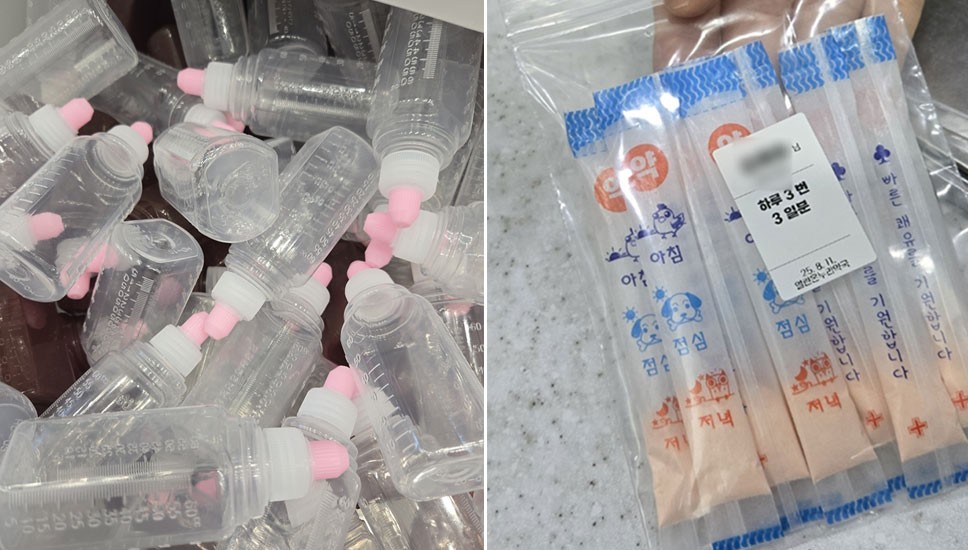
- The government is launching an all-out response, including additional syringe production and increases in fees for treatment materials, in order to resolve the supply instability of pharmaceuticals and medical devices caused by the prolonged war in the Middle East.The Ministry of Health and Welfare (Minister Eun-kyeong Jeong) held the “4th Meeting of Health and Medical Organizations in Response to the War in the Middle East” on the morning of the 21st at Conference House Dalgaebi in Jung-gu, Seoul, together with 12 health and medical organizations and relevant ministries, and discussed medical product monitoring results and future action plans.At present, production volumes of major medical products such as syringes, needles, medicine pouches, and syrup bottles are not much different from the previous year, but measures are being implemented to preemptively block concerns over supply instability.First, regarding syringes, which had raised significant concerns about supply instability, Korea Vaccine has agreed to produce an additional 500,000 units per week for seven weeks, totaling 3.5 million units, through special overtime work. The units produced in this manner will be prioritized for supply to hemodialysis clinics, pediatric and adolescent medicine clinics, and obstetric medical institutions via the Korean Medical Association’s ‘Syringe Hotline,’ and some will be distributed to medical institutions through online stores.Medicine pouches and syrup bottles are likewise not in short supply in the first quarter, but the government plans to continue supporting manufacturers so that raw materials can be supplied to them on a priority basis.Economic support measures have also been put in place to alleviate the cost burden on companies caused by the recent rise in exchange rates.The Ministry of Health and Welfare has decided to increase the average reimbursed health insurance fee by 2% for approximately 27,000 separately billed medical supplies to compensate for the rise in prices of imported raw materials.At the same time, it will respond strictly to acts that disrupt the distribution order. Beginning this week, the Ministry of Food and Drug Safety is deploying a 70-member ‘special syringe and needle crackdown team’ to intensively inspect hoarding and other illegal activities. It plans to take severe measures against any confirmed violations.Regulatory relief measures to alleviate on-site difficulties are also being pursued. The Ministry of Climate Change, Energy and Environment, and the Ministry of Health and Welfare are reviewing a plan to temporarily extend the disposal cycle for general medical waste, on the premise that management will be strengthened so that no infection risk occurs.Minister Eun-kyeong Jeong said, “Production volumes of key items such as syringes are being managed stably at last year’s levels. We will do our utmost to ensure that necessary medical services are provided to the public without disruption through close monitoring.”

- Company
- Dupixent is shifting the atopic dermatitis treatment
- by Hwang, byoung woo Apr 22, 2026 08:53am
- Presentation by Jung Won Shin, Medical Lead at Sanofi, during the Dupixent media sessionAtopic dermatitis treatment is expanding, moving from simple symptom relief toward changing the disease progression.As treatment approaches shift toward mechanism-centered strategies following the introduction of biologics, the combination of long-term efficacy demonstrated in real-world data and early treatment strategies for children is prompting discussions of the possibility of 'disease modification.'On the 21st, Sanofi held a media session titled 'Dupixent, Rewriting the Standards of Atopic Dermatitis Treatment' to share updates on the treatment paradigm and its clinical significance.From Symptom Relief to Mechanistic Treatment…Changes in Atopic Dermatitis ApproachesAtopic dermatitis is increasingly recognized not just as a disease limited to skin symptoms, but as a chronic inflammatory condition that affects overall sleep, mental health, and comorbidities.Jung Won Shin, Medical Lead at Sanofi, explained, "Atopic dermatitis is a disease accompanied by various disease burdens in addition to visible skin symptoms," and added, "A long-term management of the disease is crucial."In particular, the emphasis was placed on the fact that the disease affects the patient's entire life, including sleep disorders, psychological withdrawal, and restrictions on social life, as well as an increased risk of infection due to skin barrier damage.These disease characteristics are leading to changes in treatment goals. In the past, the focus was on short-term symptom relief using local steroids or systemic immunosuppressants. However, the current view is that treatment strategies are moving toward targeting the underlying inflammation of the disease.Regarding this, Shin stated, "In the last 10 years, atopic dermatitis treatment has significantly changed, centering on mechanism-based targeted therapy."In this process, Dupixent was presented as a representative case leading the expansion of treatment options as a biologic that simultaneously blocks the IL-4 and IL-13 pathways.Efficacy Confirmed by Long-term Data…Strengthening Persistence·RWE EvidenceLong-term data collected in clinical settings were presented as key evidence supporting the treatment's persistence and efficacy.According to Professor Yonghyun Jang of the Department of Dermatology at Kyungpook National University Hospital, who was in charge of the presentation, an analysis of domestic patient data showed a drug persistence rate of 80.4% over 4 years.Furthermore, the EASI 75 achievement rate was 91.5%, and the EASI 90 achievement rate was approximately 44.1%, confirming that meaningful treatment responses are maintained in patients with moderate-to-severe conditions. These effects have been consistently demonstrated in actual clinical settings through global, long-term follow-up studies such as PROSE, GLOBOSTAD, and RELIEVE-AD.Professor Jang stated, "EASI, pruritus (NRS), and quality of life (DLQI) indicators all show improvement from a relatively early point after starting treatment. Significant changes in indicators appear around the three-month mark."Presentation by Professor Yonghyun Jang of the Department of Dermatology at Kyungpook National University HospitalProfessor Jang explained that these improvement effects do not end with short-term responses but tend to remain stable during long-term follow-up.Similar trends were confirmed regarding Patient-Reported Outcome (PRO) indicators.Professor Jang stated, "Meaningful improvements were demonstrated not only in objective indicators of skin lesions but also in the itching and quality of life indicators perceived by the patient. In particular, the improvement in the quality of life is characterized by being confirmed from a relatively early stage."Professor Jang added, "In the long-term follow-up data, new safety issues were limited, and there were not many cases leading to treatment discontinuation in clinical practice."Dupixent's RWE long-term follow-up data (6 years, RELIEVE-AD Registry)Attention to Early Childhood Treatment…Possibility of Disease ModificationIn particular, the media session that day presented early treatment strategies in pediatric patients and the possibility of disease modification as key points.Professor Jang said, "Atopic dermatitis is highly likely to progress along this path if inflammation is not sufficiently controlled at an early age and exacerbations are repeated," and added, "Managing the inflammatory state stably in the early stages of the disease is important to lower the long-term disease burden."Professor Jang also highlighted the role of Dupixent. This means that there is a possibility of a treatment approach that changes the natural course of the disease beyond simple symptom control.Professor Yonghyun Jang of the Department of Dermatology at Kyungpook National University HospitalAccording to the presentation, long-term follow-up studies confirmed a tendency for the disease-controlled state to be maintained after Dupixent treatment, and improvements were reported to persist in the ADCT indicator, which assesses patients' self-reported disease state.In addition, improvements continued in major symptoms, such as itching and sleep problems, which served as indicators directly linked to changes in the patient's quality of life.Furthermore, it was reported that Dupixent treatment reduced the risk of new allergies by approximately 34%, the risk of asthma by approximately 40%, and the risk of allergic rhinitis by approximately 31%.Regarding this, Professor Jang stated, "If treatment is applied early in severe patients, there is a possibility of changing the course of the disease itself in some patients. This can be seen as a treatment approach that can change long-term disease progression beyond simply controlling symptoms."During the Q&A session, it was mentioned that there are no concerns regarding long-term administration safety when administering Dupixent from childhood.Professor Jang said, "Atopic dermatitis can progress to a persistent disease once it exceeds a certain level of inflammatory state. An approach that blocks this progression through early treatment is important."Professor Jang also noted, "It is reported that the effect reappears even if Dupixent is re-administered after discontinuation. Resistance due to long-term use is not a significant concern."
