
- LOGIN
- MemberShip
- 2026-04-26 03:48:12

- Policy
- "Why are pharma developing salt changes called innovative?"
- by Lee, Jeong-Hwan Oct 01, 2025 06:10am
- Professor Yong Jin Kwon "There are no developed countries that provide public funds and National Health Insurance resources to pharmaceutical companies for simply changing salt formation. South Korea is the only country in the world that recognizes incrementally modified drugs as having the value of innovative new drugs. (If we want to call incrementally modified drugs innovative new drugs), The government should establish the concept of a super-innovative new drug and allocate funds to companies that develop truly innovative treatments. The National Health Insurance authorities shouldn't be worrying about Korean pharmaceutical companies; they should be preparing to spend hundreds of millions, or billions, of KRW from the NHI budget when a genuine domestic innovative treatment is developed." Criticism calls for a major shift in perspective among domestic pharmaceutical companies in Korea, the Ministry of Health and Welfare (MOHW), and the National Health Insurance Service (NHIS) to foster the Korean pharmaceutical industry and develop new domestic drugs into global blockbusters. The argument is that to produce domestic new drugs that meet the standards of the global market, the NHI authorities must establish an environment that invests limited national budgets and NHI funds into genuine new drugs, rather than salt-changed, incrementally modified drugs. Pharmaceutical companies must step up their investments in New Drug Research and Development (R&D). Immediately after the parliamentary forum, held on September 26, on improving NHI financial management, Professor Yong Jin Kwon of the Public Healthcare Center at Seoul National University Hospital met with DailyPharm and sharply criticized the government's new drug administration and the R&D direction of domestic pharmaceutical companies. Professor Kwon asserted that the current innovative new drug support policy of the Korean government is fundamentally flawed. He pointed out that Korea is the only country in the world to support these efforts with national budgets and NHI funds, recognizing the value of incrementally modified drugs based on salt changes. Professor Kwon emphasized that the Korean pharmaceutical industry must deeply reflect on the fact that it has grown significantly over the past 25 years, driven mainly by public health insurance premiums, yet failed to produce innovative new drugs during that period. "I believe that the presidential pledge for a drug price premium based on innovative new drug value is someone's lobbying work," Professor Kwon stated. "We need to have a conversation with the public about whether there is any developed country that gives NHI funds to companies that just change salt formation. I don't think (the domestic pharmaceutical industry) should be operating this way." He further pointed out, "Twenty-five years ago, when the National Health Insurance Act was introduced and the separation of prescribing and dispensing was implemented, domestic pharmaceutical companies made enormous net profits, eliminating all their debt until generic prices were cut in 2013." He criticized, "That's why structural reform of the pharmaceutical industry failed. There are no studies on how much of the R&D funding provided to pharmaceutical companies, which includes high generic drug prices paid by the public and government support from the MFDS, actually led to tangible results, and no one is looking into it." Professor Kwon said, "The R&D support budget for pharmaceutical companies is public tax money and insurance premiums. So, how much has the domestic pharmaceutical industry truly developed over the past 25 years?" He added, "We need to evaluate this before talking about developing the pharmaceutical industry. The NHIS shouldn't be worrying about domestic pharmaceutical companies. The NHIS should be pushing them to create proper rare disease drugs (new drugs)." Professor Kwon also proposed improving the financial soundness of the NHI by rationalizing the prices of generic drugs. It is to lower generic drug prices to an appropriate level relative to the original price and use the saved resources to support and expand investment in innovative drug development. Specifically, Professor Kwon suggested unilaterally reducing generic drug prices, which currently account for 53.55% of the original drug price, to a level of 30% to 40%, and mitigating the market shock through phased adjustments. It is believed that this redistribution of NHI finances could expand investment in innovative new drugs by two to three times without increasing the total medical expenditure. Professor Kwon said, "I strongly disagree with the NHIS's remark that we should reconsider the structural reform (reduction) of generic drug prices. The NHIS is the public's agent. If they look into where the public's NHI money has been wasted, I absolutely want to tell them that this is not the time to worry about domestic pharmaceutical companies," he asserted. "The Korean government and pharmaceutical companies must raise the competitiveness of the domestic pharmaceutical industry and be prepared to spend hundreds of millions, or billions, of KRW from the NHI budget when an innovative new drug is developed." Finally, Professor Kwon said, "How long will we continue to out-license all our new drug candidates and then have to slash prices when we bring them back from overseas markets? We are a developed country now." He added, "(The government) should improve the system by modifying the current actual transaction price reimbursement system and introducing a dual pricing system so that our new drugs can command high prices when exported to foreign markets."

- Company
- Will a new market for presbyopia open up?
- by Kim, Jin-Gu Oct 01, 2025 06:10am
- The market for age-related blurry near vision (presbyopia) treatment is emerging as a blue ocean for Korean pharmaceutical and biotech companies. Following a series of new drug approvals by the U.S. Food and Drug Administration (FDA), ophthalmic specialized pharmaceutical companies, including Dae Woo Pharmaceutical, OPTUS Pharma, and Kwangdong Pharmaceutical, are accelerating their efforts to introduce and develop treatments for presbyopia. Pilocarpine containing eye drop is expected to treat presbyopia...Dae Woo "We will also conduct clinical trials for expanded indication" According to the pharmaceutical industry on September 30, Dae Woo Pharmaceutical plans to concurrently conduct clinical trials to add presbyopia indication to its recently launched product, 'Pilostar Eye Drops 1%'. Dae Woo Pharmaceutical anticipates that the main component, pilocarpine, will be effective not only in treating glaucoma but also in improving presbyopia. Pilocarpine is a parasympathetic agonist that reduces intraocular pressure by promoting aqueous humor outflow through the trabecular meshwork. It also has a mechanism that contracts the iris sphincter muscle. This process reduces the pupil size, creating a pinhole effect that improves presbyopia, a principle similar to how an object becomes clearer when a camera's aperture is narrowed The U.S. FDA has actually approved an eye drop with the same ingredient as a presbyopia treatment. The U.S. FDA approved Vuity (developed by Allergan) as the first presbyopia treatment in 2021. Vuity, a presbyopia treatment with a 1.25% concentration of pilocarpine, improves presbyopia symptoms within 15 minutes of once-daily administration, with effects lasting for about 6 hours. Recent research results presented at the European Society of Cataract and Refractive Surgeons (ESCRS) are also increasing the success potential of pilocarpine-based presbyopia treatments. A research team from the Presbyopia Study Center in Buenos Aires, Argentina, presented results from administering pilocarpine-containing eye drops to 766 patients with presbyopia at the ESCRS conference in Copenhagen, Denmark, on September 8. The research team divided the clinical participants into three groups, administering 1%, 2%, and 3% concentrations of pilocarpine eye drops, respectively. Administered twice daily at 6-hour intervals, 99% of the group receiving the 1% concentration eye drops (148 participants) were able to read two or more additional lines on a vision test chart. A Dae Woo Pharmaceutical official stated, "We are paying close attention to the research results presented at recent global academic conferences. We are preparing clinical trials to add the presbyopia treatment indication." He added, "The clinical trial is expected to take 2-3 years." U.S. FDA approves treatments for presbyopia one after another…Korean companies, such as Kwangdong and Optus, compete for domestic launch Other pharmaceutical companies are also pursuing treatments for presbyopia. In particular, interest is growing in 'Vizz,' a new active ingredient presbyopia treatment approved by the U.S. FDA last month. This product is an ophthalmic solution with a 1.44% concentration of aceclidine, developed by LENZ Therapeutics, a U.S.-based company. The emergence of a new active ingredient for treating presbyopia has sparked competition among Korean pharmaceutical companies for its domestic launch. It is reported that 3-4 companies initiated discussions with LENZ Therapeutics for the domestic introduction of this product immediately after the FDA approval. (from left) Product photos of Vuity, Qlosi, and Vizz. OPTUS Pharma and Kwangdong Pharmaceutical have also actively pursued the introduction of presbyopia treatments. OPTUS Pharma signed a licensing agreement for the presbyopia treatment 'Qlosi' with Orasis Pharmaceuticals (U.S./Israel) in September of last year. This drug was the second presbyopia treatment approved by the U.S. FDA in October 2023. Its main component, like Vuity, is pilocarpine, but the concentration differs at 0.4%. Its domestic commercialization is expected as early as 2026. Kwangdong Pharmaceutical signed an agreement last January to introduce the presbyopia treatment candidate BRIMOCHOL from the Hong Kong pharmaceutical company Zhaoke Ophthalmology. Through this contract, Kwangdong Pharmaceutical secures exclusive domestic import, distribution, and sales rights for BRIMOCHOL. The original developer is the U.S. biotech company Visus Therapeutics, and global Phase 3 clinical trials have been completed. Kwangdong Pharmaceutical signed an agreement last January to introduce the presbyopia treatment candidate BRIMOCHOL from the Hong Kong pharmaceutical company Zhaoke Ophthalmology. Through this contract, Kwangdong Pharmaceutical secures exclusive domestic import, distribution, and sales rights for BRIMOCHOL. This drug is a combination drug containing carbachol (2.75%) and brimonidine tartrate (0.1%), which alleviates symptoms of presbyopia. It activates the parasympathetic nervous system while simultaneously inhibiting the sympathetic nervous system. Like other treatments, its mechanism improves presbyopia by constricting the pupil. The pharmaceutical industry is focusing on the growth potential of the presbyopia treatment market. Presbyopia is a typical degenerative eye disease in which the elasticity of the lens decreases, making it difficult to focus on near objects. While 70% of adults aged 40 and over experience discomfort due to presbyopia, there have been no dedicated treatments other than vision correction using specialized glasses or contact lenses. The introduction of new drugs in the form of eye drops is expected to become a new alternative to satisfy patients' unmet needs. A pharmaceutical industry official predicted, "Since there have been no treatment options in the presbyopia treatment area, the market presence is expected to be significant when new drugs emerge," and added, "Competition among Korean pharmaceutical companies for new drug introduction and development will intensify in the future."
- Company
- ‘COVID-19 vaccination essential for high-risk groups’
- by Son, Hyung Min Oct 01, 2025 06:09am
- Professor Jacob Lee, Division of Infectious Diseases at Hallym University Kangnam Sacred Heart Hospital The number of hospitalized COVID-19 patients over the past six months has been about threefold that of influenza, underscoring the renewed importance of vaccination, particularly for high-risk groups. Leading experts pointed out that vaccination not only prevents hospitalization and death but also lowers the risk of long COVID, recommending active participation in the simultaneous flu and COVID-19 vaccination campaign starting on the 15th of next month. On the 30th, Moderna Korea held a press briefing at the Novotel in Gangnam-gu, Seoul, emphasizing the importance of COVID-19 vaccination. COVID-19, a global acute respiratory infection since 2019, is now perceived largely as a mild illness thanks to the availability of vaccines and treatments. However, it still poses a threat to certain high-risk groups. High-risk groups for COVID-19 are those requiring special management due to a higher risk of severe illness or death upon infection. These primarily include the elderly (aged 65 and older), individuals with chronic conditions (hypertension, diabetes, cardiovascular disease, kidney disease, cancer, etc.), and immunocompromised individuals. The number of COVID-19 hospitalizations has been steadily increasing this year. In the past six months, COVID-19 hospitalizations have been about three times higher than influenza. Experts note that a large proportion of hospitalized COVID-19 patients are aged 65 or older, classified as high-risk. In 2024, 19,562 elderly patients (65+) were hospitalized with COVID-19, compared with 6,205 influenza patients—roughly a threefold difference. Because high-risk groups face greater risks of severe disease when infected, vaccination and careful health management remain crucial. Leading experts, including the Korean Society of Infectious Diseases, recommend regular updated COVID-19 vaccinations for high-risk groups. This is because immunity acquired through infection or vaccination diminishes over time, and new variants emerge. Professor Jacob Lee of the Division of Infectious Diseases at Hallym University Kangnam Sacred Heart Hospital said, “Vaccination not only prevents hospitalization and mortality but also reduces the risk of long COVID by 58% according to reports. COVID-19 is a disease with long-term sequelae. Like influenza, it requires ongoing management.” He added, “COVID-19 and influenza vaccinations will begin simultaneously on October 15. Vaccination this year is necessary to control infectious disease outbreaks next winter.” Sang-Pyo Kim, CEO of Moderna Korea, stated, “We will prioritize the stable supply of COVID-19 vaccines, with the primary goal of protecting high-risk patients, including the elderly aged 65 and above.” Moderna will continue supply of vaccines targeting new variants Francesca Ceddia, Chief Medical Affairs Officer, Moderna Korea Moderna has been continuously supplying vaccines in Korea that target new variants. Recently, a new variant-specific vaccine also received domestic approval. In May, the Ministry of Food and Drug Safety authorized “Spikevax LP Inj,” a COVID-19 vaccine targeting the LP.8.1 variant. Spikevax targets the spike protein on the surface of the coronavirus. This protein binds to ACE2 receptors in the body, enabling viral entry and causing COVID-19 symptoms. Spikevax's mechanism involves injecting the viral antigen gene in mRNA form, causing the body to synthesize an antigen protein with the same spike structure. This protein induces the production of neutralizing antibodies, preventing the coronavirus from binding to the ACE2 receptor when it invades the human body, thereby neutralizing and eliminating the virus. The newly approved Spikevax LP Inj has shown continued effectiveness in Phase IV real-world data. In clinical studies involving adults aged 12–64 with underlying conditions and seniors aged 65+, neutralizing antibody levels against the LP.8.1 variant increased more than eightfold following vaccination. Francesca Ceddia, Chief Medical Affairs Officer at Moderna Korea, emphasized, “Moderna’s COVID-19 vaccines have been administered to patients worldwide, with both efficacy and safety confirmed. We also observed high immunogenicity comparable to that of the COVID-19 vaccine alone when administered concurrently with the flu vaccine.”
- Company
- Ozempic supply begins in Korea…co-promo partner 'undecided'
- by Hwang, byoung woo Sep 30, 2025 06:14am
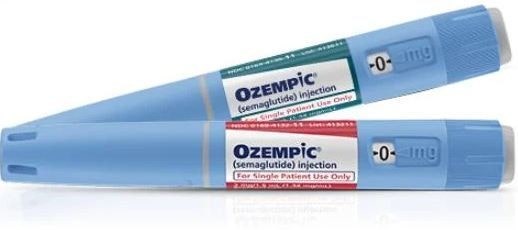
- As discussions on National Health Insurance reimbursement for Ozempic (semaglutide), a diabetes treatment by Novo Nordisk, accelerate, attention has been garnered to the company's sales and marketing strategy in Korea. Product photo of OzempicNovo Nordisk has stated that the company has not finalized a co-promotion partnership with a domestic company in Korea. Yet, the possibility remains open, particularly after signing a co-promotion deal for the same-ingredient obesity treatment, Wegovy, with Chong Kun Dang. According to the pharmaceutical industry, Novo Nordisk Korea has decided to begin supplying Ozempic (semaglutide) to the Korean market on a non-reimbursed basis, starting on September 25, despite ongoing negotiations for National Health Insurance reimbursement. Ozempic, approved in Korea in April 2022, is a long-acting, once-weekly GLP-1 injectable indicated as an adjunct to diet and exercise, either alone or in combination with other diabetes treatments, for adults with insufficiently controlled Type 2 diabetes. Novo Nordisk previously applied for the reimbursement of Ozempic in 2023 but withdrew its application during the final stage of negotiations with the National Health Insurance Service (NHIS) over drug prices. Analysis suggests that uncertainties in domestic product supply have complicated the negotiation process over expected usage volume and prevented reimbursement, ultimately resulting in the failure to obtain reimbursement. Novo Nordisk's decision to initiate non-reimbursed supply now is likely interpreted as a sign of high expectations for a successful reimbursement listing. Novo Nordisk Korea is reportedly preparing to resubmit its reimbursement application to the Health Insurance Review & Assessment Service (HIRA). The company is awaiting deliberation by the Drug Reimbursement Evaluation Committee (DREC) in the near future. An anonymous professor of endocrinology at a major hospital in Seoul said, "Compared to the case in 2023, expectations for Ozempic's reimbursement listing are high," and added, "Although I can't confirm if it will succeed, I understand they proposed a reasonable price, and based on the collective opinion of the pharmaceutical industry and academic societies, I see a high possibility of success." In 2023, the Korean Diabetes Association and the Korean Endocrine Society recommended to the DREC that Ozempic, as a long-acting GLP-1 receptor agonist, should be granted the scope of reimbursement coverage comparable to Trulicity, a drug in the same class that has been subject to a clinical comparative study. The DREC gave conditional approval for reimbursement appropriateness, subject to the condition that the company accepts a price below the evaluated amount. And, Novo Nordisk accepted this condition. Although the DREC approval and negotiation with the NHIS remain, there is speculation that Ozempic's reimbursement price will be set similarly to, or slightly higher than, that of Trulicity. As discussions for Ozempic's reimbursement are imminent, the potential for a co-promotion partnership with a Korean pharmaceutical company is also drawing attention. Indeed, on September 18, Novo Nordisk signed a co-promotion agreement for the obesity treatment Wegovy with Chong Kun Dang. Through this agreement, the two companies will jointly conduct sales and marketing for Wegovy, targeting hospitals and clinics starting October 1. Novo Nordisk stated that it will maintain the same distribution approach for Ozempic as it did during the initial phase of Wegovy's launch. A Novo Nordisk official said, "We plan to distribute Ozempic through Zuellig Pharma in Korea, similar to Wegovy's case," and confirmed that "nothing has been decided regarding co-promotion or additional sales partnerships." However, the pharmaceutical industry predicts that Novo Nordisk will use the same distribution network to stabilize the initial market entry of Ozempic quickly and will discuss the possibility of co-promotion in detail after reimbursement is secured. This is because of a competing treatment, Lilly's Mounjaro (tirzepatide). Lilly is also pursuing reimbursement for Mounjaro's diabetes indication, and discussions about a potential co-promotion partnership are ongoing. The pharmaceutical industry generally believes that Novo Nordisk will pursue a co-promotion strategy for Ozempic, similar to the one used for Wegovy, to focus on the drug's expansion potential. A Novo Nordisk Korea official said, "The priority access of Ozempic is a result of our strong commitment and patient-centric efforts to provide it to Korean patients with Type 2 diabetes and healthcare professionals as quickly as possible," and added, "Simultaneous with the supply commencement, we are closely consulting with regulatory authorities to secure National Health Insurance approval for Ozempic to improve patient access to treatment."
- Opinion
- [Reporter's View] 'National Core Tech' status for Botox
- by Hwang, byoung woo Sep 30, 2025 06:13am
- The discussion regarding delisting botulinum toxin as a National Core Technology continues to yield no results. Despite increasing demands from the industry, regulatory reform has not improved. The arguments for and against lifting the listing continue, and the discussion has not advanced. In a National Assembly forum on September 29, the industry and civil society groups advocating for delisting spoke unanimously. "Overlapping regulations cause delays in research and development and hindering investment attraction." Key concerns raised at the forum included the lack of transparency in the criteria for designation and delisting, as well as the unpredictable timeframes involved. Critics also pointed out that the process, which requires review by multiple government ministries, increases the burden on companies, leading to wasted time and cost. Ultimately, critics argued that classifying an already commercialized technology as a National Core Technology undermines global competitiveness. Indeed, a survey presented at the forum showed that 82% of responding companies favored delisting. This suggests that the call to lift the designation is more a consensus across the industry rather than a simple demand. This situation even led to the sharp term 'regulatory capture' being used during the discussion, reflecting a mistrust that the purpose of the regulation has morphed from industry protection into maintenance. However, the Ministry of Trade, Industry and Energy, which was present at the meeting, expressed caution, stating that while they agree on the need for improvement, they "must hear opposing opinions as well as those in favor." Questions remain about whether the government, which is the only neutral party that can maintain balance between conflicting opinions, is actively fostering the discussion. It appears the situation requires the government to go beyond merely "listening to opinions" and actively planning and coordinating the debate. Without an active control tower, the discussion is not advancing. The solution is clear: The designation and delisting procedures must be standardized and the time required for the process must be disclosed transparently. A permanent consultative body involving industry, academia, and government must establish rational criteria, and if necessary, consider a phased or differentiated management approach. In this process, the government must act as the accountable facilitator, balancing the views of both sides and connecting them to an actionable roadmap. The longer the discussion drags on, the greater the anxiety for the industry and the higher the risk of falling behind in global competition. To halt this cycle of stagnation, the government must take action. What's needed now is not a reconfirmation of the pros and cons of delisting, but the government's decision and leadership.
- Policy
- First lot of returning nasal spray flu vaccine approved
- by Lee, Tak-Sun Sep 30, 2025 06:12am
- FluMist labelThe nasal spray flu vaccine ‘FluMist Intranasal Spray (AstraZeneca Korea)’ has received shipment approval from the Ministry of Food and Drug Safety (MFDS) and is preparing for sales. This product was previously sold by GC Biopharma, but it did not gain significant popularity at the time. With expected demand from children who dislike injections, attention is on whether it will avoid repeating its past failure. On the 26th, the Ministry of Food and Drug Safety granted shipment approval for FluMist Intranasal Spray (live attenuated influenza vaccine), lot number YK2763C (expiration date January 8, 2026). This is the first shipment approval since it was licensed in April this year, signaling the start of full-scale supply ahead of the flu season. FluMist Intranasal Spray is a trivalent vaccine preventing three viruses (influenza A H1N1, H3N2, and influenza B Victoria). It can be administered to children and adults aged 24 months to 49 years. Safety has not been established for children under 24 months. For those aged 50 and older, administration is prohibited in high-risk groups with underlying conditions, as the incidence of pharyngitis was higher compared to placebo. Nevertheless, this vaccine is gaining attention because it offers convenience in administration, particularly for children who dislike injections. This vaccine is a spray product that delivers the solution into the nose, which is expected to improve acceptability among children and make administration easier for providers. At a press conference celebrating the vaccine’s approval in June, Professor Yoon-Kyung Kim (Pediatrics, Korea University Ansan Hospital) said, “FluMist is a painless vaccine delivered by nasal spray that can contribute to increasing flu inoculation rate among children.” However, as it is not included in the National Immunization Program (NIP), demand is expected to fluctuate depending on pricing. When GC Biopharma launched the product in 2009, demand was low because it cost KRW 5,000–10,000 more than injectable vaccines. As a result, its license was revoked in July 2020 after the validity period expired. Another barrier is that intranasal vaccines are not yet familiar to the public, which could also affect uptake. Still, expectations remain that it could raise pediatric flu vaccination rates and contribute to herd immunity, thereby protecting the elderly from infection. A pharmaceutical industry official said, “Ultimately, pricing will impact sales volume. But unlike in the past, there is now demand for non-reimbursed vaccines that emphasize quality, so if the price gap is small, FluMist could gain a foothold in the market.”
- Company
- Three Korean Pharmas avoid Equfina patent
- by Kim, Jin-Gu Sep 30, 2025 06:12am
- Generic companies have succeeded in avoiding the patent of Eisai Korea’s Parkinson’s disease treatment Equfina (safinamide). With early generic launches drawing closer, competition for the first-generic exclusivity among patent challengers is expected to intensify. According to industry sources on the 29th, the Intellectual Property Trial and Appeal Board recently ruled in favor of three companies—Bukwang Pharm, Myung In Pharm, and Samil Pharmaceutical—by granting their requests for a negative scope confirmation trial against NurrOn Pharmaceuticals concerning Equfina’s patent (No. 10-1491541). Equfina is Eisai Korea’s adjunctive therapy for patients with idiopathic Parkinson’s disease experiencing motor fluctuations. It is used alongside levodopa-containing regimens. The patent holder is NurrOn Pharmaceuticals. Two patents related to Equfina are listed in the Ministry of Food and Drug Safety’s green list. Of these, the “method of treating Parkinson’s disease” patent expired in December last year. The patent expiring in 2028 has now been avoided by generics, and this recent victory reduces the burden for patent challengers applying for generic product approvals. The three companies that successfully avoided the patent are expected to compete for exclusive marketing rights. They have simultaneously satisfied two of the three requirements for obtaining exclusive rights: ‘filing the first patent invalidation petition’ and ‘winning that petition’. If they meet the remaining requirement of ‘being the first to apply for generic approval’, they can monopolize the generic market and exclusively sell their generics for 9 months. Among them, Myung In Pharm is known to be closest to securing exclusivity. The company began a bioequivalence trial in July and has already completed subject enrollment. Bukwang Pharm received approval for a bioequivalence study earlier this month. Samil Pharm has not yet initiated such a trial. All three companies have strong CNS portfolios, suggesting intense competition upon their generics’ launch. Given that the drug is used as adjunctive therapy with levodopa, synergy with existing products is also anticipated. Myung In Pharm already markets Parkinson’s treatments such as Myungdopar (levodopa/benserazide), Perkin (levodopa/carbidopa), and Trilevo (levodopa/carbidopa/entacapone). Samil Pharm sells Onedopa (levodopa/benserazide). Bukwang Pharm launched the schizophrenia/bipolar disorder drug Latuda last year, strengthening its CNS portfolio. Equfina is a third-generation MAO-B (monoamine oxidase-B) inhibitor that acts on both dopaminergic and non-dopaminergic pathways. Eisai received marketing approval in Korea in June 2020 and launched with reimbursement in February 2021. Import sales grew from USD 770,000 in 2021 to USD 2,070,000 in 2023, a 2.7-fold increase in just 2 years.
- Company
- ‘Need to strengthen access to NMOSD treatments’
- by Son, Hyung Min Sep 30, 2025 06:12am
- Rep. Mi-hwa Seo (Democratic Party of Korea, Health and Welfare Committee), Korea NMOSD Patients’ Association, and the Korea Organization for Rare Diseases held a policy discussion forum at the National Assembly on improving access to neuromyelitis optica treatment. On the 25th, Rep. Mi-hwa Seo (Democratic Party of Korea, Health and Welfare Committee) held a policy forum at the National Assembly Hall to strengthen treatment access for neuromyelitis optica spectrum disorder (NMOSD). The forum was co-hosted by Rep. Seo, the Korea NMOSD Patients’ Association, and the Korea Organization for Rare Diseases. NMOSD is a rare disease where even a single relapse can lead to irreversible disabilities like blindness or paralysis. However, domestic reimbursement criteria require conditions such as experiencing two or more relapses within a year after using ‘MabThera (rituximab)’, meaning patients must experience a relapse before they can use the new drug. This has drawn criticism from both patients and experts. This forum was held to address these systemic limitations and discuss ways to expand early treatment access. In the first presentation, Professor Ki-hoon Kim of the Department of Neurology at Severance Hospital, pointed out the issues present in the domestic reimbursement environment through the ‘Proposals for Improving Treatment Accessibility for Neuromyelitis Optica Spectrum Disorder.” Professor Kim said, “Although these therapies can prevent relapses, the unreasonable reimbursement criteria prevent patients from accessing them early. Early use of new drugs must be guaranteed to prevent unnecessary relapses and the accumulation of disabilities.” Patient Bo-ram Park followed with a presentation conveying patients' realities through ‘A Relapse-Free Life and Challenges for Early Treatment: Insights from Patient Experience’. Park appealed, “After a long diagnostic odyssey, treatment begins, but patients often resort to off-label drugs or discontinue treatment due to side effects. While there are new drugs with a 0% relapse rate, they remain outside the reimbursement scope, leaving patients at continued risk of relapse.” The subsequent panel discussion was chaired by Professor Yong-jin Kwon of Seoul National University Hospital's Public Healthcare Center. Participants included: ▲ Jong-cheol Choi, caregiver for a patient with neuromyelitis optica spectrum disorder (NMOSD); ▲Eung-gyu Park, caregiver for a patient with NMOSD; ▲ Yeon-sook Kim, Director of the Pharmaceutical Benefit Division at the Ministry of Health and Welfare; ▲ Kook-Hee Kim, Director-General of Pharmaceutical Management at the Health Insurance Review and Assessment Service (HIRA); and ▲Yoon-Ho Eo, Dailypharm reporter, who discussed directions for improving the system for NMOSD. Participants highlighted common goals: alleviating patient and caregiver suffering caused by repeated relapses, introducing relapse-preventing drugs at earlier stages, and improving reimbursement standards to reduce long-term care and treatment costs. Rep. Seo concluded, “Although NMOSD has only been recognized as an independent disease for about 20 years, advances in medical technology now allow us to prevent relapse-related disabilities. Major countries have already reformed their systems so patients can use approved therapies from the outset. Korea must also make institutional improvements so patients don’t have to endure unnecessary relapses.”
- Policy
- MFDS, GLP-1 obesity drug + diabetes med combo hypoglycemia↑
- by Lee, Tak-Sun Sep 30, 2025 06:11am
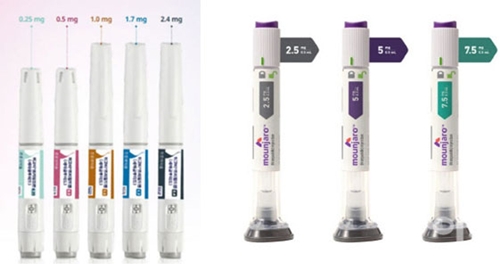
- GLP-1 obesity drugs Wegovy(left) and Mounjaro.The Ministry of Food and Drug Safety (MFDS) announced that patients with diabetes using GLP-1 obesity treatments, which have recently become popular, must consult with their healthcare provider, as the co-administration of these drugs with diabetes medication significantly increases the risk of hypoglycemia. The MFDS also stressed that the use of obesity treatments must be avoided during pregnancy and lactation. Popular GLP-1 obesity drug brands include 'Wegovy' and 'Mounjaro.' The MFDS (Minister Yu-Kyoung Oh) and the Korea Institute of Drug Safety and Risk Management (KIDS)(President Soojung Sohn) announced on September 29 that they have distributed a 'Guidelines to Safe Use of GLP-1 Obesity Treatments' to regional medical associations and drug safety centers nationwide. This guide contains information on ▲the diseases for which the obesity treatments are used ▲correct administration methods, storage and disposal ▲precautions for use ▲reporting of adverse reactions (side effects). GLP-1 obesity treatments are prescription drugs prescribed to: obese patients with an initial Body Mass Index (BMI) of 30kg/m2 or higher, or overweight patients with a BMI of 27kg/m2 to less than 30kg/m2 who have one or more weight-related comorbidities. The MFDS emphasized that patients taking diabetes medication who are also taking GLP-1 obesity treatments are at a higher risk of hypoglycemia and should consult with their healthcare provider about whether to adjust drug dosages. They also added that the use of obesity treatments is prohibited during pregnancy and lactation, and it is advisable to plan pregnancy considering the drug's residual period in the body. Depending on the specific obesity treatment, contraception may be necessary for at least 1-2 months after discontinuing the medication. Obesity treatments should not be started at a high dose immediately. Instead, patients should initiate treatment with the dose specified by their physician, according to the approved regimen, and gradually increase it, strictly adhering to the dosage and administration instructions provided by both the physician and pharmacist. When administering the obesity treatment, patients should inject into the abdomen, thigh, or upper arm, whichever site is most convenient, and rotate the injection site with each dose. Patients must inform their healthcare professional before administration about ▲any known drug hypersensitivity ▲all currently administered medications, medical history ▲whether they are pregnant or breastfeeding. Additionally, obesity treatments should be stored in the refrigerator away from light. If the medication is frozen, contains particles, or has changed color, it should not be used and must be disposed of. The MFDS stressed that even when GLP-1 obesity treatments are used within the approved scope, adverse events such as gastrointestinal disorders, injection site reactions, fatigue, and dizziness can commonly occur. More clinically significant adverse events, such as hypersensitivity reactions, acute pancreatitis, cholelithiasis, and cholecystitis, may also occur. In such cases, patients should notify their healthcare team or visit the hospital. The MFDS stated that GLP-1 obesity treatments, as prescription drugs, must be used strictly following a physician's prescription and a pharmacist's dispensing and guidance, ensuring safe use within the authorized indications for obesity treatment. It was also stressed that purchasing or distributing these drugs through overseas direct purchases or person-to-person sales online should be avoided, as the product's safety cannot be guaranteed. An MFDS official said, "We hope this guide helps patients using GLP-1 obesity treatments to administer their medication safely." The educational material is available on the MFDS website (www.mfds.go.kr) → Law/Data → Promotional Materials → General Promotional Materials section, on the KIDS website (www.drugsafe.or.kr) → Education/Promotion → Resources section.
- Company
- Global stage features changes in drugs for metabolic disease
- by Son, Hyung Min Sep 29, 2025 06:08am
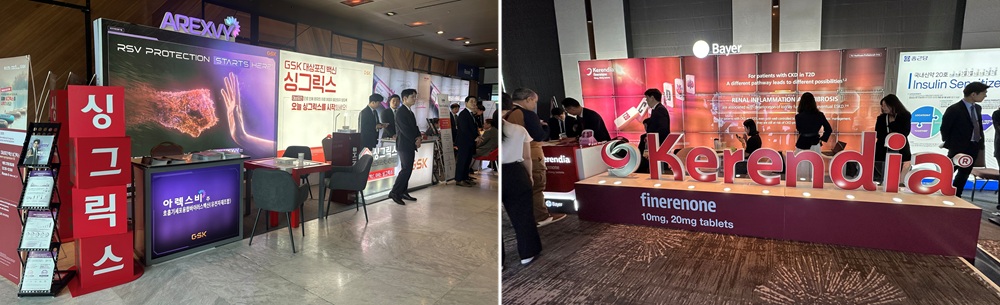
- The International Congress of Diabetes and Metabolism (ICDM 2025) took place from September 25 to 27, 2025, at the Grand Walkerhill Hotel in Seoul, Korea. A promotional competition between Korean and international pharmaceutical companies, highlighting the latest treatments for diabetes and metabolic disorders, unraveled at a recent medical conference in Korea. The International Congress of Diabetes and Metabolism (ICDM 2025), held at the Grand Walkerhill Hotel in Seoul over three days starting September 25, featured a promotion focused on a range of topics, including the latest diabetes treatments, centered on GLP-1 and SGLT-2 inhibitors, as well as kidney disease therapies and vaccines. Bayer, Novo Nordisk, GSK, Boehringer Ingelheim, and Daewoong Pharmaceutical participated as diamond sponsors, taking on the key sponsor roles. GLP-1 Rivals Enter Side-by-Side…Shingles and RSV Vaccines Also Garnered Attention Eli Lilly Korea and Novo Nordisk, two leading companies in the GLP-1 market, participated side by side at the event to promote their respective GLP-1 portfolios. Following products like 'Trulicity (dulaglutide)' and 'Victoza (liraglutide),' both companies are seeking market entry for their newer GLP-1 formulations. (from left) Novo Nordisk and Eli Lilly exhibition booths. Currently, Novo Nordisk has secured domestic approval for 'Ozempic (semaglutide),' and Lilly has secured domestic approval for 'Mounjaro (tirzepatide)' in Korea. These companies have recently completed their applications for insurance reimbursement. Ozempic and Mounjaro are Glucagon-like Peptide-1 (GLP-1) class drugs used in patients with Type 2 diabetes and obesity. These two drugs have demonstrated significant effects in lowering blood sugar and reducing body weight in clinical trials. While the weight loss effect of existing DPP-4 inhibitors or SGLT-2 inhibitors was limited to less than 5%, clinical results showed that GLP-1 formulations can achieve weight loss of 10% or more. Consequently, GLP-1 formulations are increasingly included in the latest global R&D trends. Studies have shown that if diabetic patients lose more than 5% of their body weight, not only are their blood sugar, blood pressure, and lipid levels improved, but the incidence and mortality rates of cardiovascular and cerebrovascular diseases can also be lowered. Both companies also expressed their intent to collaborate with domestic pharmaceutical companies. Novo Nordisk recently initiated a co-promotion for the obesity treatment 'Wegovy (semaglutide)' with Chong Kun Dang, and the possibility of an additional contract for Ozempic is also being discussed. Lilly is currently seeking a co-promotion partner for Mounjaro, and a strategy is anticipated that will utilize a single product name to cover both diabetes and obesity indications simultaneously. In addition to diabetes, companies promoted the management of complications and vaccines at the conference. (from left) GSK and Bayer exhibition booth. Bayer prominently featured its kidney disease treatment, 'Kerendia (finerenone).' Kerendia is a drug that targets mineralocorticoid receptor (MR) overactivation, contributing to the treatment of key chronic kidney disease pathologies and heart failure patients with a left ventricular ejection fraction (LVEF) of 40% or more. Kerendia is currently approved in over 95 countries globally and has recently obtained approval for heart failure patients in the U.S. A subgroup analysis of the CONFIDENCE study, presented at the European Society of Cardiology (ESC) this year, reported high hemodynamic compliance when Kerendia was combined with SGLT-2 inhibitors. GSK focused on promoting its shingles vaccine, Shingrix, and the respiratory syncytial virus (RSV) vaccine, Arexvy. The importance of vaccination was highlighted, considering the frequent opportunities for vaccination in endocrinology clinical settings. Shingrix is a recombinant zoster vaccine that has been shown to have a stronger preventive effect than the existing live attenuated vaccine. Arexvy, which officially launched in Korea this year, attracted attention as the world's first RSV vaccine targeting older adults aged 60 and over. The Market Gap Left by Forxiga...Generics Compete with Jardiance and Envlo The promotional competition among SGLT-2 inhibitors was also heated. Following AstraZeneca's announcement of its withdrawal of the market-leading SGLT-2 inhibitor 'Forxiga (dapagliflozin)' from the Korean market in December 2023, there was intense anticipation that the original drugs 'Jardiance (empagliflozin)' from Boehringer Ingelheim and 'Envlo (enavogliflozin)' from Daewoong Pharmaceutical would gain a significant rebound effect. (upper left, clockwise) Boehringer Ingelheim, Daewoong, HK inno.N, Boryung exhibition booths. Jardiance is highly anticipated for sales growth, as it has secured both the chronic heart failure and chronic kidney disease indications, similar to Forxiga. Consequently, Boehringer Ingelheim focused on promoting Jardiance at this conference. Korean companies prominently featured their generics. HK inno.N, Boryung, and Hanmi Pharmaceutical joined the competition by promoting their Forxiga generics. Among these companies, HK inno.N and Boryung have formed a rivalry for the number one and two spots in market share. After AstraZeneca transferred its indications to HK inno.N's Dapa.N following the withdrawal of Forxiga. Dapa.N rose to become the leader in the monotherapy market. Indeed, Dapa.N recorded KRW 2.3 billion in prescription sales in the first quarter of this year, securing the top spot over Boryung's 'Trudapa' (KRW 1.3 billion), and further widening the gap in the second quarter. Hanmi Pharmaceutical's 'Dapalon' recorded the fourth-largest sales, following HK inno.N, Boryung, and Daewoong Bio, demonstrating its market presence. The competition between the original drugs and generics to fill the void left by Forxiga is now intensifying.
