
- LOGIN
- MemberShip
- 2026-04-26 03:48:13
- Product
- KMA forms special committee to block INN prescribing
- by Kang, Shin-Kook Oct 14, 2025 06:41am
- KMA President Taek-woo Kim The Korean Medical Association (KMA) has formed a special countermeasure committee to block the institutionalization of international non-proprietary name (INN) prescribing. This is seen as a response to demands by some delegates for an extraordinary general meeting. KMA (President Taek-woo Kim) said on the 13th, “Policies such as INN prescribing and changes to laboratory test consignment rules are being unilaterally promoted despite threatening patient safety.” He announced plans to launch a Pan-Medical Countermeasure Committee for National Health Protection (tentative name, “Countermeasure Committee” and to hold a nationwide delegates meeting at 5 p.m. on the 25th in the KMA hall’s main auditorium to unite the opinion of medical organizations. KMA argued, “INN prescribing is a system where only the generic name of the drug is written instead of the brand name prescribed by the physician, allowing pharmacists to arbitrarily substitute and dispense medications. This infringes upon the physician's medical judgment, which is the core of personalized prescriptions issued for patient treatment, and poses serious systemic risks threatening public health by causing drug side effects and treatment confusion.” It further contended, “The primary causes of the instability in drug supply mentioned in the proposed bill lie in various structural problems, such as the government's unilateral drug pricing structure, insufficient production lines at pharmaceutical companies, and shortages in raw material supply. This refers not just to the unstable supply of a single specific brand-name drug, but to the scenario where the supply of all drugs with the same ingredient (due to raw material shortages, etc.) is interrupted. Addressing this with INN prescribing is a completely illogical idea.” The KMA emphasized, “Choosing the dangerous and misguided method of INN prescribing while ignoring the fundamental problems causing drug supply instability is a declaration of abandoning public safety and lives.” Furthermore, the KMA strongly opposed the proposed changes to unilateral revision of laboratory-testing consignment rules, calling it an attempt to eliminate essential and primary medical care. The KMA stated, “The specimen testing outsourcing system being unilaterally pushed by the government is a one-sided measure that ignores the realities of the medical field. It is a detrimental change that effectively paralyzes the diagnostic testing functions of medical institutions, safeguarding essential and primary care. In July 2023, the Ministry of Health and Welfare responded that it planned to consult sufficiently with the medical community regarding issues such as the lack of distinction between fees for outsourcing and consignment institutions when setting fees related to the notice on standards for laboratory-testing consignment rules. Yet, breaking this promise is pushing the policy forward unilaterally.” The KMA emphasized that it will gather the entire medical community's resolve through the formation of the committee and hold a national meeting of physician representatives, vowing never to back down and fight to the end.
- Company
- Entresto patent dispute near its end, yet 0 generic approval
- by Kim, Jin-Gu Oct 14, 2025 06:40am
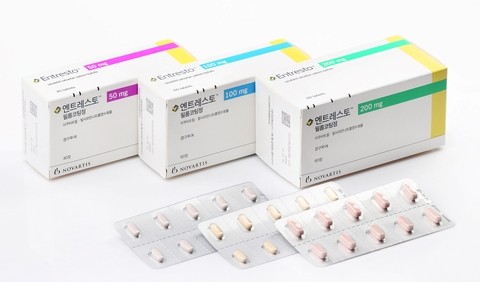
- Product photo of EntrestoThe patent dispute of Novartis' heart failure treatment, 'Entresto,' is nearing its final judgment. Still, generic companies may be unable to launch their products early, regardless of the ruling. To launch a generic early, companies need not only to win the patent dispute but also to secure product approval from the Ministry of Food and Drug Safety (MFDS). The MFDS is reportedly demanding supplementary data from the relevant generic companies. In other words, generic manufacturers, after fighting patent battles for five years, risk winning the legal fight only to be unable to launch their product. Not a simple combination drug but a 'cocrystal complex'...may be delaying generic approval According to the MFDS on October 13, there are currently zero product approvals for Entresto generics. This is considered unusual given that generic product approvals are typically processed within a year and a half of application. Approximately 10 generic companies involved in the Entresto patent dispute applied for generic product approval sequentially from April 2022 to July of the following year. They filed these applications based on their first-instance victory in the patent dispute. However, there has been no news of Entresto's generic product approval for almost 3 years. It is reported that the MFDS is requesting supplementary approval documentation. The pharmaceutical industry is paying attention to the MFDS's request for supplementation regarding Entresto's unique crystal structure. Entresto is a heart failure treatment in which the active ingredients, sacubitril and valsartan, act on cardiac neurohormones through separate pathways. The unique feature is that the two ingredients form a single crystalline structure, a cocrystal complex. Medicines combining two or more ingredients typically involve a simple mixture of the crystalline forms of each component. In contrast, a cocrystal involves two or more components bound together at the molecular level like a single compound. They exhibit single-compound properties until just before absorption into the body. For this reason, the industry refers to Entresto not merely as a 'combination drug' but as a 'complex' with a singular characteristic. The problem is the scarcity of approved generics for this cocrystal formulation. Entresto is reportedly the only drug approved as an API-API cocrystal complex, not only in Korea but also in the U.S. and Europe. Furthermore, there is no precedent anywhere in the world for the approval of a generic for a cocrystal complex drug. The MFDS is contemplating this issue. The Ministry is struggling to find an appropriate analytical method for generic approval. Critics suggest that because the cocrystal structure differs from traditional combination products in its physicochemical properties, applying the same analytical methods may not be suitable for generic approval. A pharmaceutical industry official said, "If it were a typical combination product's crystal form, there would have been no issue with approval, but I understand the MFDS is deeply concerned about whether it is appropriate to use existing methods to analyze this special cocrystal structure and grant generic approval." Winning in the Supreme Court, yet generic companies may face a failed launch Given the circumstances, companies preparing Entresto generics are now in a position where they may be unable to launch their products even if they win the final patent dispute. Generic companies initiated a declaratory judgment action against Novartis's Entresto crystal form patent in January 2021. This was followed by the filing of invalidation and circumvention trials against the use patent, salt/hydrate patent, and formulation patent. Generic companies won successive victories in the first and second instances. Disagreeing with these rulings, Novartis appealed the cases to the Supreme Court. Of the two cases appealed to the Supreme Court, the ruling in the use patent case was finalized in April of last year, with Novartis losing. The remaining pending case is the dispute over the crystal form patent. The full merits review is currently underway, following the dismissal without deliberation deadline in April of this year. Separately, the salt/hydrate patent dispute is awaiting a ruling from the Patent Court. The pharmaceutical industry reportedly anticipates that the final ruling regarding the crystal form patent could be issued as early as this year. If the Supreme Court sides with the generic companies, as in the first and second instances, the generic companies' patent risk would be effectively eliminated. However, regardless of the Supreme Court's decision, if MFDS approval continues to be delayed, generic companies will face a dual burden: winning a five-year-long dispute only to be unable to launch the product.
- Opinion
- [Desk’s View] Lift botulinum toxin’s core tech designation
- by Lee, Seok-Jun Oct 14, 2025 06:40am
- Calls to lift the “national core technology” designation from botulinum toxin are rising once again — and this time, the long-standing issue must be resolved. The industry has been calling for this for a long time. The demand was made in 2023, and again the following year. Yet, it remains stuck in neutral. The decision must now be made with resolve. Over 75% of the field wants the designation lifted. According to a January survey by the Korea Pharmaceutical and Bio-Pharma Manufacturers Association (KPBMA), 12 out of 16 companies surveyed expressed support for lifting the designation. The government should listen — it’s time to face industrial reality. The reasoning is clear. Botulinum toxin technology is already a key part of the global market, yet in Korea, it remains shackled by its “core technology” label. Regulations meant to protect it are now hindering growth. It's not protection; it's a hindrance. Botulinum toxin extends far beyond cosmetic use — it’s a therapeutic tool for conditions like dystonia, migraines, and cerebral palsy. But researchers struggle even to conduct clinical trials, and in the meantime, patients lose access to potential treatments. The rhetoric of “safety” has come to block the right to health. The rest of the world has been taking a different approach — adjusting regulations to strengthen competitiveness. Only Korea stands still. This must change. Of course, deregulation does not mean neglect. Safety measures must become tighter. Strengthen the basics: quality control, crackdowns on illegal distribution, and side effect monitoring. The key is balance. Restriction does not guarantee safety, and deregulation does not create danger. Smart regulation is the answer. The government must judge with an industrial strategy perspective. Companies must maintain trust through quality. The medical community and civil society must also join in the oversight. The botulinum toxin debate is not a technological issue. It is about how our society treats technology. We must move forward with trust, not fear. This is the time for wise regulatory innovation. The answer is to ‘remove’ toxin from the National Core Technology list.
- Policy
- Gov't to unveil New drugs·Generic Drug Pricing System Rev.
- by Lee, Jeong-Hwan Oct 14, 2025 06:40am
- Director General Lee Jung-kyu The Ministry of Health and Welfare (MOHW) has announced plans to release the drug pricing system revision next month (November), including both new drugs and generics. It is drawing the attention of Korean and international pharmaceutical companies. The MOHW plans to disclose the timing of the re-evaluation of reimbursement appropriateness for listed drugs, along with the new drug pricing improvement plan. The reform is expected to include significant measures that will impact the Korean pharmaceutical industry, including enhancing patient access to new drugs, strengthening the stability of essential medicine supply, standardizing the post-market drug price reduction system, and improving the conventional generic drug pricing structure. On October 12, Lee Jung-kyu, Director General of Health Policy of the MOHW, shared some of the direction for the new drug pricing improvement plan, including reimbursement re-evaluation, during a meeting with the Korea Special Press Association. Lee stated that the re-evaluation of reimbursement appropriateness is currently under review as part of the overall drug pricing system revision plan. Lee explained that the delay is due to efforts to align the re-evaluation's direction with the new improvement plan, following earlier subcommittee discussions. The 'actual transaction price-based drug price reduction system' will proceed as scheduled, as its implementation timeline was recently announced. However, the MOHW plans to discuss it with revisions under review, including post-market drug price management. Furthermore, the MOHW's drug pricing revision plan for next month is expected to include items discussed at the World Bio Innovation Forum, which President Lee Jae Myung attended on the 5th of last month. At the forum, a plan to expand the application of a dual pricing system was stated. The dual pricing system is one in which the actual price of a medicine differs from its officially listed price. The goal is to provide Korean pharmaceuticals with a competitive advantage when exported overseas, thereby facilitating drug price negotiations. The MOHW has already implemented a form of dual pricing through a drug pricing system revision in March. This revision allows the National Health Insurance Service (NHIS) to enter into a separate contract with a manufacturer, contract manufacturer/seller, or importer if the drug is deemed necessary after assessing its impact on public health and if the company wishes to pursue strengthening global competitiveness. The MOHW is now considering expanding the application of this provision to other medicines. The system for concurrently processing approval, evaluation, and negotiation (Concurrent Approval-Evaluation-Negotiation) is currently in a pilot phase and is expected to transition to a formal system. The integration of post-market drug price management, such as price reductions, is being discussed to align the currently separate price adjustment systems (the drug price cap adjustment system) so they are implemented on a single date and time. This would unify the timing and application of systems like the NHIS's price-volume agreement (PVA)-linked reduction and HIRA's reimbursement re-evaluation and actual transaction price reductions. While the MOHW emphasizes that post-market management and re-evaluation have distinct goals and objectives for each system, it has commissioned policy research in response to demands from pharmaceutical companies and local pharmacies to enhance the predictability of drug price reductions. The MOHW also conducted policy research on the integration of drug price cap adjustment mechanisms in March of this year, to finalize specific plans and financial impact analyses based on the results of the preceding research. Regarding preferential drug price regulations, new provisions are expected to be established, such as preferential pricing for drugs that contribute to the supply of essential medicines, executing the government's national goal of stable supply for drugs with unstable supply. Lee said, "Last year's research service analyzed the current situation," and added, "Based on that data, it has been analyzed that further research is needed on how to improve the system, and that additional research will be commissioned soon."

- Policy
- No companies apply for domestic API pricing premium
- by Lee, Jeong-Hwan Oct 13, 2025 06:07am
- Although the Ministry of Health and Welfare has implemented a policy since March this year offering a 68% pricing premium on essential medicines made with domestic APIs, it has been confirmed that as of October—7 months after implementation—not a single pharmaceutical company has benefited. Criticism is mounting that the Ministry's overly stringent criteria for applying the pricing premium to domestically produced raw materials severely undermine the policy's effectiveness and hinder the development of the domestic API industry, which is directly linked to public health and national security. According to the ‘Status of Domestic API Drug Price Preferential Treatment’ submitted to People Power Party lawmaker Jong-heon Baek by the Ministry of Health and Welfare on the 10th, despite several months since the policy's implementation, not a single pharmaceutical company has applied for the preferential treatment. The MOHW stated that since the relevant regulations were revised last December and the policy took effect this March, the number of applications for the ‘68% pricing premium for domestically produced active pharmaceutical ingredients used in national essential drugs’ and the number of drugs receiving the benefit are both zero. Although the system aims to promote the use of domestically produced APIs, reduce dependence on foreign APIs, and foster the development of the pharmaceutical industry, it has effectively failed 7 months after its implementation. The domestic pharmaceutical industry is voicing concerns that unless the Ministry revises the relevant price discount regulations, the policy will become a dead letter, effectively meaningless. Reasons behind the domestic API price preferential policy fail National Essential Medicines are defined under the Pharmaceutical Affairs Act as ‘medicines essential for public health, such as disease management and radiation disaster prevention, but for which stable supply is difficult through market mechanisms alone, which are designated by the Minister of Health and Welfare and the Minister of Food and Drug Safety in consultation with the heads of relevant central administrative agencies.’ As of August this year, 473 drugs are designated as National Essential Drugs in Korea. Despite how a policy is in place that adds 68% to the drug price when domestic APIs are used to manufacture these National Essential Drugs, with the benefit lasting up to 10 years, domestic pharmaceutical companies claim the reason there are no applicants or items is because the Ministry of Health and Welfare's standards are excessively stringent. The domestic pharmaceutical industry has long demanded that the 68% drug price advantage be applied even to pharmaceutical companies already producing essential medicines using domestic APIs. They are also calling for regulations to be established that would allow the benefits to be applied retroactively to drugs manufactured before the pricing premium policy was implemented this March. Notably, compound drugs that use both domestic and imported APIs from multiple sources, not just one, are excluded from the 68% price discount. The MOHW currently requires that all major active ingredients contributing to pharmacological efficacy must be individually recognized as domestic APIs to qualify for the price advantage. Pharmaceutical companies criticized that such conditions are unrealistic, warning that very few medicines could ever meet the 68% incentive criteria under the current framework. Politicians agree on the need to improve drug pricing system regulations Some political circles also agree with the domestic pharmaceutical industry's arguments and are urging the Ministry of Health and Welfare to improve the system. Rep. Jong-heon Baek plans to summon Ssang-Soo Han, CEO of Inist ST, as a witness during the upcoming National Assembly audit of the Ministry of Health and Welfare on the 15th. He intends to question him about the inadequacies of the domestic API drug price premium policy and measures to foster the domestic API drug industry. Baek emphasized that in the wake of the COVID-19 pandemic, global protectionism in pharmaceutical supply chains has intensified, and the Korean government must treat the domestic API sector as a matter of public health and national security, not merely industrial policy. Accordingly, Rep. Baek urged the Ministry to prepare countermeasures against the risk of the domestic API preferential pricing policy becoming obsolete. The Ministry has only stated a general position, indicating it will seek solutions by thoroughly gathering opinions from the industry, experts, and the field regarding the demands of the pharmaceutical sector and Rep. Baek. This includes exploring new measures such as retroactive application rules or preferential regulations for compound drugs. Rep Baek pointed out, “The fact that not a single pharmaceutical company has applied for the preferential pricing as essential medicines with domestically produced APIs for 7 months is proof that this is a nominal system. Despite ongoing complaints from the pharmaceutical industry that the application criteria are excessively stringent, if the Ministry of Health and Welfare does not move to make the regulations more realistic, the policy to foster the domestic API drug industry will fail.” He added, “During the NA audit, I plan to question the Minister of Health and Welfare's perception of the API industry and demand that the system be revised, viewing it as an issue concerning public health and national security.”
- Company
- Only Ozempic undergoes DREC review for reimb, not Mounjaro
- by Eo, Yun-Ho Oct 13, 2025 06:03am
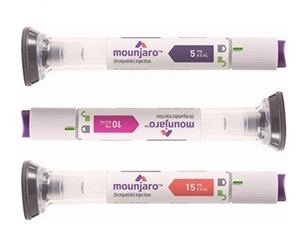
- The reimbursement journey for the two diabetes drugs that have recently gained attention as obesity treatments is taking different paths, drawing industry interest. On October 2, the Health Insurance Review and Assessment Service (HIRA)’s Drug Reimbursement Evaluation Committee reviewed Novo Nordisk Korea’s Ozempic (semaglutide) but did not review Eli Lilly Korea’s Mounjaro (tirzepatide)—which had been widely expected to be reviewed simultaneously. Ozempic received a positive evaluation for reimbursement adequacy and passed the committee. The product had already accepted the “setting a price below the assessed value” condition when it first submitted the application in 2023, but the company had withdrawn the application due to supply issues during price negotiations with the National Health Insurance Service. Given that, many predicted its second review would pass smoothly under the same terms. The interesting part is the non-review of Mounjaro. Typically, when multiple drugs of similar classes apply for reimbursement listing for the same indication, the government conducts reimbursement evaluations for the drugs simultaneously to gain leverage in negotiations. This raises questions about the background and implications of this outcome. Since receiving domestic approval in 2023, Lilly has been under negotiations with the Health Insurance Review and Assessment Service (HIRA) for Mounjaro for a considerable period since early 2024. Throughout this process, Lilly has demonstrated confidence that it can prove the cost-effectiveness of Mounjaro by conducting a pharmacoeconomic evaluation based on the efficacy confirmed in the type 2 diabetes field, which was not conducted for Ozempic. Normally, new drugs establish cost-effectiveness through PE analysis and then negotiate prices based on the results. However, in markets like diabetes, where existing drugs have a solid presence and market entry speed is critical, pharmaceutical companies sometimes choose to accept the weighted average price of substitute drugs to hasten the process. But Lilly chose a different path. In the pivotal SURPASS clinical trial, which became the basis for approval, Mounjaro demonstrated statistically superior reductions in HbA1c and body weight compared to all control arms, including semaglutide (1 mg, brand name Ozempic), insulin degludec, and insulin glargine—showing potential for diabetes remission and underlining Lilly’s confidence. Furthermore, at the European Association for the Study of Diabetes (EASD) conference held last September, Lilly presented results from the SURPASS-CVOT Phase III clinical trial, which directly compared its GLP-1 receptor agonist Trulicity. This reinforced the data on cardiovascular prevention effects and overall survival improvement. Based on such circumstances, the Health Insurance Review and Assessment Service's (HIRA) decision to submit only Ozempic to the October Drug Reimbursement Evaluation Committee, rather than both drugs simultaneously, may not necessarily be a negative signal for Mounjaro. For Mounjaro, which has already undergone pharmacoeconomic evaluation, being assessed under different criteria than Ozempic could be advantageous. However, Mounjaro's future is not entirely bright. Korea’s reimbursement framework rarely applies a flexible ICER (Incremental Cost-Effectiveness Ratio) threshold for chronic disease indications, making it difficult for even innovative drugs to gain higher valuation. When Minister Eun Kyeong Jeong, who was appointed as the new Minister of Health and Welfare in the Lee Jae-myung administration last July, agreed to her National Assembly confirmation hearing on the need for policy changes to recognize the innovation of new drugs. She specifically mentioned Trodelvy as the first case of flexibly applying the ICER threshold. It remains to be seen whether the government's policy direction for innovative new drugs and the treatment of new drugs for chronic diseases, such as Mounjaro, will change. A Lilly representative stated, “Mounjaro offers differentiated clinical value compared to existing oral agents, insulins, and GLP-1 receptor agonists. We will continue to collaborate closely with health authorities and stakeholders to ensure that Mounjaro’s innovation can promptly benefit more Korean patients with diabetes.”

- Policy
- Demands for expanded reimbursement for NMOSD
- by Jung, Heung-Jun Oct 13, 2025 06:02am
- The demand to improve reimbursement to enhance treatment accessibility for Neuromyelitis Optica Spectrum Disorder (NMOSD) is anticipated to heat up again in this year's parliamentary inspection. During the parliamentary inspection of the Health Insurance Review & Assessment Service (HIRA), on October 17, a NMOSD will attend as a testifier, urging improvements to reimbursement for new drug insurance. NMOSD treatments are gradually receiving reimbursement and expanded criteria. The scope of reimbursement for Roche Korea's Enspryngg (satralizumab), listed for reimbursement in 2023, was expanded in August this year after the symptom relapse criteria had been eased. Uplizna (inebilizumab) recently received conditional reimbursement decision from the Drug Reimbursement Evaluation Committee (DREC) on the 2nd and is awaiting drug price negotiation. AstraZeneca Korea's Soliris (eculizumab) has been covered by reimbursement since April of last year, and Ultomiris (ravulizumab) added the NMOSD indication in July last year but is not yet covered by reimbursement. While access to pharmaceuticals is gradually improving with expanded reimbursement coverage, there are ongoing demands to relax the stringent criteria associated with expensive orphan drugs. In August, a caregiver of an NMOSD patient had requested a lowering of reimbursement hurdles, such as the relapse criteria, through a National Assembly petition. Rep. Seo Mi-hwa of the Democratic Party last month also pointed out the unreasonableness of the new drug reimbursement criteria being conditional on relapse and being preconditioned. Furthermore, there were several arguments that accessibility must be increased for drugs that could prevent relapse. The reimbursement criteria are based on symptom relapse for Enspryngg and Soliris and they also include a conditional clause requiring the administration of MabThera (rituximab) with reimbursement. Since Rep. Seo has requested a NMOSD patient as a testifier for the upcoming parliamentary inspection, more attention is likely to be paid to requests for expanded reimbursement and criteria improvement. Strengthening access to orphan drugs is a key issue that has frequently been raised during the Health and Welfare Committee's parliamentary inspection. Following last year's criticism of the low prio-approval rate for Soliris, the prior-review criteria for its use in Atypical Hemolytic Uremic Syndrome (AHUS) were improved this month.
- Policy
- Ozempic nears reimb approval…next is Mounjaro
- by Jung, Heung-Jun Oct 13, 2025 06:02am
- With Novo Nordisk’s GLP-1 injectable Ozempic (semaglutide) deemed adequate for reimbursement for diabetes, attention is now turning to whether Eli Lilly’s Mounjaro (tirzepatide) will be reviewed next by the Health Insurance Review and Assessment Service (HIRA). At the same time, voices are growing in favor of extending insurance coverage—at least partially—to high-risk obesity treatment, based on body mass index (BMI) criteria. On the 2nd, the Health Insurance Review and Assessment Service's Drug Reimbursement Evaluation Committee recognized the appropriateness of coverage for Ozempic 2mg/1.5mL and 4mg/3mL, used for diabetes patients. Following price negotiations, the final listing procedure will be complete.. Lilly Korea’s Mounjaro, which was being prepared for reimbursement evaluation simultaneously with Ozempic, was not included in the list of drugs submitted to DREC this time. However, Lilly has reportedly been actively pursuing reimbursement for Mounjaro as a diabetes treatment since before its launch, submitting supplementary data. The key question is whether Mounjaro will be submitted to the next DREC meeting while Ozempic undergoes the price negotiation process. Apart from the push for the drugs’ reimbursement as a diabetes treatment, calls for the drugs’ reimbursement as an obesity treatment continue. A reimbursement plan limited to high-risk obesity treatment was mentioned in review materials on GLP-1 reimbursement that Representative Mi-hwa Seo of the Democratic Party of Korea received from the National Assembly Research Service. The review contained an opinion suggesting restricting the target population to patients with severe obesity and those at risk of complications. Furthermore, Representative Seo emphasized the need for public support, citing the higher obesity incidence rate among low-income groups compared to higher-income groups. The Korean Society for the Study of Obesity is also pushing for coverage. At a symposium on health insurance policies for obesity management last September, the society proposed a tiered coverage system based on BMI. Their stance is to prioritize improving treatment access for severe obesity, not cosmetic concerns. However, opinions on introducing coverage remain divided, citing concerns about misuse of obesity drugs and the current state of Korea’s health insurance finances. Furthermore, even if a phased coverage approach based on severity is implemented, challenges remain, including establishing appropriate criteria.

- Company
- Will gastric cancer-targeted therapy Vyloy pass CDDC review?
- by Eo, Yun-Ho Oct 10, 2025 06:06am
- Attention is focused on the second attempt for insurance reimbursement of the gastric cancer-targeted anticancer drug Vyloy. According to industry sources, Astellas Korea’s Vyloy (zolbetuximab), a Claudin 18.2-positive gastric cancer-targeted therapy, is currently coordinating its schedule for review by the Health Insurance Review and Assessment Service’s Cancer Disease Deliberation Committee. The application is expected to be listed on the agenda this month. Vyloy failed to pass CDDC review last February. Astellas resubmitted its reimbursement application in June. Approved in Korea in September last year, Vyloy is the first globally approved Claudin 18.2-targeted treatment, an immunoglobulin monoclonal antibody that binds to Claudin 18.2, a protein expressed and exposed in the stomach. According to the Phase III SPOTLIGHT study that became the basis of Vyloy’s approval, the median progression-free survival (mPFS) of the combination of Vyloy and mFOLFOX6 (oxaliplatin, leucovorin, fluorouracil) was 10.61 months, compared to 8.67 months for the placebo group. The median overall survival (mOS) was also longer—18.23 months versus 15.54 months in the placebo group. In the GLOW study as well, the combination of Vyloy and CAPOX (capecitabine plus oxaliplatin) achieved an mPFS of 8.21 months, reducing the risk of disease progression or death by approximately 31%. However, Vyloy remains non-reimbursed in Korea. It was listed for discussion at the CDDC in February, but failed to establish reimbursement standards. Additionally, a companion diagnostic issue delayed its launch in Korea until March this year. To use Vyloy, patients must be identified as Claudin 18.2-positive, but the companion diagnostic device (CDx) used for this test was under consideration for new medical technology evaluation. To address this, Astellas began an Early Access Program (EAP) even before approval so that patients in need could use the drug in advance. Currently, 51 patients across 10 institutions are enrolled. Professor Sun-Young Rha, Department of Medical Oncology at Yonsei Cancer Center, commented, “About 90% of metastatic gastric cancer patients are HER2-negative, and there has been a pressing need for new biomarker-targeted therapies. About 40% of HER2-negative patients are reported to be Claudin 18.2-positive, so the emergence of Vyloy, which selectively binds to Claudin 18.2, offers a new therapeutic possibility.”

- InterView
- "New landscape in DLBCL trt…Columvi·Polivy's bigger role"
- by Hwang, byoung woo Oct 10, 2025 06:06am
- Diffuse large B-cell lymphoma (DLBCL) has been known to lack new treatment options besides rituximab (MabThera) for over 20 years. Approximately one-third of DLBCL patients who undergo existing treatments (primarily R-CHOP) experience relapse or become non-responsive, and the second-line treatment has been limited to intensive chemotherapy and autologous stem cell transplant. However, the treatment paradigm is changing as innovative treatments, including antibody-drug conjugate (ADC), bi-specific antibodies, and CAR-T cell therapies, have emerged recently. During the meeting with DailyPharm, Professor Gareth Gregory of Monash University in Australia emphasized the role of treatments with new mechanisms, such as Polivy and Columvi, for older adults or patients who failed previous therapies. DLBCL still lacks treatments for older adults or transplant-ineligible patients…second-line treatment alternatives are needed Professor Gareth Gregory of Monash University in AustraliaAccording to Professor Gregory, the highest unmet needs for DLBCL are the second-line treatment. Exiting treatment data show that approximately one-third of all patients with DLBCL experience disease progression despite undergoing first-line treatments. To date, treatment options have been limited to intensive chemotherapy and autologous stem cell transplant. Professor Gregory said, "A significant proportion of DLBCL patients globally are elderly, aged 68 or older, and often have comorbidities, thus most of them are ineligible for autologous stem cell transplant," and added, "Given the high relapse rate characteristic of lymphoma, the response rate for patients receiving CAR-T or autologous stem cell transplant treatment in the second line is only about 21%, highlighting a significant need for more effective and safer therapeutic options." For this reason, interest has grown in treatments with new mechanisms, like bispecific antibodies. The need for monotherapy or combination therapy options, particularly for elderly patients or those who have failed previous treatments, is persistently being raised. Among the therapies currently driving a paradigm shift in DLBCL treatment are Polivy (polatuzumab vedotin) and the combination therapy of the bispecific antibody Columvi (glofitamab) with Gemcitabine and Oxaliplatin (GemOx). Particularly in the first-line setting, Polivy in combination with R-CHP is emerging as the new standard of care, replacing the traditional R-CHOP. For relapsed/refractory patients, the combination of the bispecific antibody Columvi and GemOx is gaining attention as a powerful alternative that shows long-term efficacy. Regarding this, Professor Gregory emphasized that the core of DLBCL treatment is not the 'effectiveness of a single agent,' but the 'design of the entire treatment journey.' For example, this involves a strategy in which Polivy reduces the risk of relapse in the first line, and Columvi increases the complete response rate in the second-line treatment setting, thereby extending treatment continuity. Professor Gregory said, "Polivy reduces the risk of relapse and death in first-line treatment, and Columvi offers the potential for long-term survival for relapsed patients," and added, "Both treatments are evolving to improve the patient's entire treatment journey." Polivy drives changes to the first-line setting...increased expectation of expanded reimbursement Polivy is evaluated as a key therapy for reducing the risk of recurrence associated with the conventional R-CHOPregimen and for improving long-term patient survival. Fortunately, it recently passed the Cancer Disease Review Committee (CDRC) in Korea, raising expectations for expanded reimbursement for first-line treatment. The 5-year follow-up data from the POLARIX study showed that the Polivy + R-CHP combination therapy improved both progression-free survival (PFS) and overall survival (OS) compared with conventional R-CHOP, and the rate of transition to subsequent treatments was significantly lower. Professor Gregory said, "Polivy combination therapy has been included in the first-line recommendations in guidelines in multiple countries, including Australia," and added, "Tolerability was similar to or better than R-CHOP, and we confirmed a long-term trend of reduced risk of relapse and death." Furthermore, Professor Gregory also pointed out that, given the characteristic of DLBCL, where the risk of relapse increases sharply if complete response is not achieved in the first line, the Polivy combination therapy is significant for its role in reducing treatment burden and medical resource consumption. He said, "Polivy combination therapy is significant not only for its treatment results but also for the efficiency of medical resources," and added, "Reducing relapse shortens the complex treatment process that leads to high-intensity therapies, and can also reduce patient hospitalization time, medical costs, and the loss of social productivity." Columvi offers long-term survival potential for relapsed patients...reimbursement remains a hurdle Meanwhile, in the second-line setting, Columvi is showing new possibilities. Columvi, a bispecific antibody, targets T cells and B cells simultaneously, achieving a high response rate even in relapsed/refractory patients with reduced chemotherapy response. In the 2-year follow-up analysis of the STARGLO Phase 3 trial, the Columvi + GemOx combination group had a 4-fold increase in PFS (13.8 months vs. 3.6 months) and a more than 2-fold improvement in complete response rate (58%) compared with the rituximab + GemOx group. Notably, 82% of patients who achieved remission maintained their response for at least 1 year, demonstrating the potential for long-term survival despite the fixed duration of therapy. Columvi's step-up dosing strategy is highlighted as a clinical feature that secures safety by minimizing immune-related side effects. Professor Gregory said, "Bispecific antibodies carry the risk of Cytokine Release Syndrome (CRS) due to immune system activation, but Columvi can be managed safely through step-up dosing and pre-treatment," and emphasized, "Columvi has the biggest advantage in that it is an 'off-the-shelf' therapy, meaning it can be administered immediately after diagnosis." He assessed, "Some patients in the STARGLO trial have maintained a long-term response for over four years, and for patients ineligible for CAR-T or transplant, the Columvi combination therapy offers a possibility of cure." Despite these therapeutic effects, the issue of utilization in Korea remains a reimbursement barrier. Polivy was stuck in a non-reimbursed state for five years after its 2020 approval, and Columvi also failed to pass the CDRC in December last year. Although Polivy initiated its first step toward reimbursement this year with discussions for first-line coverage, Columvi is still waiting for reimbursement listing for its second-line indication. Professor Gregory mentioned, "Effective treatment is meaningless if it is not delivered to the patient," and added, "Drugs with better accessibility and tolerability should realistically be reimbursed, especially compared to high-cost therapies like CAR-T, which are restricted to limited facilities." According to Professor Gregory, Australia has already approved reimbursement for the combination therapy of Columvi + GemOx for autologous stem cell transplant-ineligible patients, using the same criteria as those used in the clinical trial patient population. Finally, he said, "The ultimate goal of lymphoma treatment is to create patient-centered outcomes. If a treatment has sufficient accumulated clinical data, it should be applied to the field quickly," and added, "Institutional support is needed so that patients can receive the best care more safely and rapidly."
