
- LOGIN
- MemberShip
- 2026-04-24 18:24:17
- Opinion
- [Reporter's View] On downsizing global pharma sales force
- by Son, Hyung Min Jan 27, 2026 06:56am
- The notable change currently observed in the global pharmaceutical industry is a series of organizational restructurings, commonly referred to as Early Retirement Programs (ERP).Major global pharmaceutical companies have already implemented large-scale ERPs centered on sales positions, and the trend of downsizing continues even in traditional areas where sales force strength was historically critical, such as chronic diseases. This trend is similarly impacting the South Korean subsidiaries of multinational corporations.The most apparent reason for this trend is cost efficiency; however, the term "Role Redesign" is increasingly used within these organizations. These adjustments are not intended merely to reduce the workforce; instead, job functions are being restructured as AI-based sales models become fully operational.For several years, global headquarters have been building AI-based systems for visibility optimization, digital channel automation, and prescription-prediction models, while downsizing sales organizations. The information that was previously gathered through field-based sales activities is now presented first by the system, which even recommends specific behavioral strategies.Multinational subsidiaries in Korea and domestic pharmaceutical companies find themselves at a similar crossroads, having reviewed or implemented ERPs in recent years. However, a persistent issue is that ERP in the pharmaceutical sector is still often interpreted as a short-term efficiency measure to improve sales productivity.Global trends indicate that ERP is linked to organizational redesign, job redefinition, and the acceleration of AI and digital transformation. The era where simply reducing staff created efficiency has ended. The more critical question now is which roles should remain.Specifically, the functions of a sales organization are beginning to be divided into tasks AI can perform and those it cannot. The first category includes repetitive and standardized tasks that AI and data can replace. Systems now provide visibility ranking, channel mixes, and basic messaging faster and more accurately than humans.The second category involves high-difficulty roles that AI cannot replace. This includes areas requiring qualitative judgment, such as understanding hospital decision-making structures, regional characteristics, differences in patient distribution, subtle market fluctuations at the time of competing drug launches, and identifying the actual needs of medical professionals.These are the underlying reasons why global firms have expanded Key Account Management (KAM), Hospital Access, and Medical collaboration organizations following their restructurings. Traditional sales are cut down, not strategic sales.As ERP becomes more prevalent in the Korean market, the most significant challenge lies in updating Key Performance Indicators (KPIs) and job standards simultaneously. If an organization implements AI-based strategies but continues to evaluate employees based on legacy metrics, such as the number of visits, simple sales volume, or regional distribution, ERP will only serve to make the organization more inefficient.ERP must be a process of redefining what the organization considers "performance," rather than just adjusting headcount. Immediately following downsizing, global companies transitioned their KPIs to focus on strategy execution, targeting appropriateness, and multi-channel utilization. Conversely, many domestic companies remain tethered to past metrics.Ultimately, ERP is the starting point of change. Whether that change becomes a foundation for new competitiveness or remains a short-term cost-cutting exercise depends on how quickly an organization can redefine roles and standards.In the era of AI, a salesperson's status is determined not by who has accumulated the most data, but by who interprets it correctly. As global restructuring accelerates, pharmaceutical companies must redesign the future of their sales organizations. What remains is more important than what is cut down.
- Policy
- “Drug price reform may bring collapse of generic self-sufficiency”
- by Lee, Jeong-Hwan Jan 27, 2026 06:55am
- Concerns have been raised that if the government’s drug pricing reform, which focuses on generic drug price cuts, is pushed forward without revision, a growing number of domestic pharmaceutical companies will abandon local generic production, ultimately shaking the foundation of Korea's pharmaceutical sovereignty.Critics warn that such an outcome could weaken new drug R&D, increase dependence on overseas sources for both active pharmaceutical ingredients (APIs) and finished drugs, and, in the long run, lead to shortages in domestic generic supply and greater reliance on originator products, making it difficult for the government to achieve its goal of reducing National Health Insurance spending.In particular, as the reform plan announced in late November last year was drafted without sufficient consultation with the pharmaceutical industry, industry experts believe the plan should be revised after ample discussion and then be implemented gradually.On the 26th, attorney Kwan-woo Park of Kim & Chang and attorney Hyun-wook Kim of Shin & Kim (Sejong) outlined the limitations of the Ministry of Health and Welfare’s reform plan and proposed improvements at a National Assembly policy forum on drug pricing reform.“Generics should be viewed as a measure to ensure public access, not merely low-priced drugs”Attorney Park pointed out that the Ministry of Health and Welfare's current drug pricing system reform plan is similar to the 2012 policy of across-the-board price cuts for generic drugs.He noted that although drug expenditure initially declined after the 2012 cuts, spending rebounded to previous levels in just two years. At the same time, production of non-reimbursed drugs, which were not subject to price cuts, increased, employment in the pharmaceutical sector declined, and yet the Ministry appears to be repeating the same administrative mistake it had made more than a decade ago.They expressed concern that if the Ministry pushes through its reform plan without revision, it will lead to a decline in generic drug sales, reduced capacity to maintain production facilities, decreased investment in new drug R&D, and job losses.He also cautioned that increased use of low-cost APIs, such as those sourced from China, could lead to quality deterioration, greater dependence on originator drugs, and the abandonment of generic launches beyond the 11th product for a given formulation, ultimately disrupting the stable supply of finished drugs.Moreover, if the shortage of generic drugs persists and reliance on originator drugs increases, he projected that the achievement of the National Health Insurance Service's cost-saving goals would become uncertain.Park further stated that the other elements of the reform, such as introducing market-linked actual transaction prices, implementing reforms to the reimbursement adequacy reevaluation system, and establishing periodic drug price adjustment mechanisms, cannot escape criticism for reducing predictability for pharmaceutical companies or being redundant or unreasonable regulations.To address the issues with the Ministry of Health and Welfare's reform plan, Park stressed that policies must be established to use generics as a means to strengthen public access to medical care and pharmaceuticals at reasonable prices, and to create measures where generics play a pivotal role in maintaining health security.With regard to the proposed deduction of the generic pricing rate to the 40% range, he urged the Ministry to engage in sufficient consultation with domestic pharmaceutical companies and consider phased implementation or differentiated pricing rates to ease the impact and improve acceptance.Park stated, “Given that the goal of this reform plan is to transform the domestic pharmaceutical industry ecosystem, revisions are necessary to ensure balanced implementation of both expanded incentives for innovative pharmaceutical companies and regulations increasing the discount rate relative to the benchmark drug price. Before implementing the system, the causes of failure in similar systems must be analyzed, and a flexible policy direction must be set to ensure the system becomes effective.”He added, “To mitigate the shock to the domestic pharmaceutical industry caused by immediate sales declines and ensure the system is accepted, the reform must be implemented gradually. Also, meaningful dialogue with the pharmaceutical industry must take place from the design stage.”“France, UK, Japan: Secured governance by gathering pharmaceutical industry opinions when establishing drug pricing policies”Attorney Kim pointed out that the key issue of the Ministry of Health and Welfare's reform plan was that it was unilaterally established and announced without sufficiently gathering opinions from domestic pharmaceutical companies.To minimize opposition from the pharmaceutical industry and increase acceptance of the Ministry's drug pricing policy, the system should be designed based on two-way communication with the industry, rather than a government-only approach. He criticized that Korea failed to sufficiently guarantee the industry's procedural rights by announcing the plan without consultation.In contrast, major countries such as France, the UK, and Japan have established formal consultation procedures and governance structures to incorporate industry input into drug pricing decisions.France has a framework agreement between CEPS, which handles drug price negotiations, and the pharmaceutical industry association. The UK mandates stakeholder participation and operates official public hearings when reforming drug pricing, payment policies, and systems, centered around NHS England and the Department of Health and Social Care.Japan also operates the process for determining and revising drug prices under the National Health Insurance (NHI) system through the Central Social Insurance Medical Council, an advisory committee to the Ministry of Health, Labour and Welfare.Furthermore, Kim also expressed concern that sharply lowering the generic drug reimbursement rate from the current 53.55% to the 40% range would jeopardize the sustainability of the pharmaceutical and biotech industry, threaten public health security, and trigger job losses.Rather than insisting on a 40% pricing ratio, his point is that the Ministry should redesign a reasonable rate through consultation with industry and defer implementation.Kim further suggested strengthening price incentives for companies contributing to supply stability to enhance the reform’s effectiveness in terms of practicality.He proposed guaranteeing a 68% price level for national essential medicines made with domestically sourced APIs, through base pricing rather than a temporary add-on premium, and applying the price premium immediately when companies switch to in-house APIs, rather than waiting until re-listing.He also recommended excluding innovative medicines or products supplied by three or fewer manufacturers from post-listing price cuts and raising the threshold defining low-priced drugs.Kim said, “The reform plan should be revised and implemented only after sufficient discussion is made over an adequate period, ensuring meaningful protection of industry stakeholders’ procedural rights and genuine consultation with the government.”
- Policy
- GOV “Drug price reform needed for industry growth”
- by Lee, Jeong-Hwan Jan 27, 2026 06:55am
- Director Yeon-sook Kim“Korea has an excessive amount of generic products per ingredient. For example, ingredients with annual market sales under KRW 100 billion have an average of 19 approved products; those under KRW 500 billion have 56 products; and those under KRW 1 trillion have more than 100 on average. Given this reality, we need a serious discussion on how to reform the drug pricing system to create growth momentum for the Korean pharmaceutical industry to reach a global level.”Yeon-sook Kim, Director of the Pharmaceutical Benefits Division at the Ministry of Health and Welfare, repeatedly emphasized that the objective of the drug pricing reform is not to reduce National Health Insurance spending, but to encourage new drug development, secure cost recovery for withdrawal-prevention and essential medicines, and strengthen patient access.She expressed that the domestic pharmaceutical industry's claim that the Ministry of Health and Welfare brought up drug price reductions to save NHIS funds is partly based on misunderstanding, urging understanding that the policy goal is a structural reform of the drug pricing system to spur innovation in the pharmaceutical and biotech industries.In particular, Kim pointed out that Korea has an excessively high number of generic products per ingredient and stressed the need for reform of the generic pricing system to stimulate industrial growth.At a policy National Assembly policy forum on the drug pricing system reform held on the 26th, Kim said, “We designed the reform plan with a sense of crisis and concern that the current drug pricing system has reached its limits, unable to guarantee the supply of essential medicines to the public, let alone new drugs.”Kim emphasized that this drug pricing system reform should serve as an opportunity to strengthen patient access to treatments, enhance the stable supply of essential medicines, and boost the innovation capacity of the pharmaceutical industry.In other words, the goal of this drug pricing policy is not merely a cost-cutting overhaul, but rather a fundamental restructuring and improvement of the pharmaceutical industry's foundation.Kim also expressed pride in Korea’s high level of generic self-sufficiency compared to other countries.However, she acknowledged that the current situation, where an excessive number of generics are approved and marketed for each ingredient, needs to be addressed.Ultimately, she argued that adjusting the number of generics per ingredient through the pricing reform is necessary to create momentum for the Korean pharmaceutical industry’s global expansion.Kim offered no specific response or explanation regarding the postponement or modification of the reform plan's implementation.Kim said, “There was a broad drug-price adjustment policy in 2012, but overall drug costs or the absolute amount itself have not declined since then. Given the increase in chronic disease patients, this is natural. The goal of this drug pricing system reform is not to reduce the proportion of drug costs. The goal is to induce structural reform of the pharmaceutical industry.”Kim concluded, “We must also consider that no comprehensive pricing reform has taken place since 2012. Furthermore, given the reality of an excessive number of domestic generic drug items, we must consider a drug pricing system that enables the domestic pharmaceutical industry to expand globally. We will deliberate on which approach is most effective, achieve the desired results, and reflect the realities of the pharmaceutical industry.”

- Company
- Galderma 'Nemluvio' for atopic dermatitis·PN wins nod in KOR
- by Son, Hyung Min Jan 27, 2026 06:55am
- Product photo of NemluvioGalderma Korea (CEO Jaihyuk Lee) announced that Nemluvio (nemolizumab), a biologic that selectively blocks the interleukin (IL)-31 receptor, received domestic approval on the 23rd for the treatment of moderate-to-severe atopic dermatitis and prurigo nodularis.With this approval, Nemluvio has become the only treatment option for moderate-to-severe atopic dermatitis that allows the dosing interval to be extended to every eight weeks, reducing the treatment burden on patients by reducing the frequency of administration.Nemluvio is the world's first monoclonal antibody that selectively blocks IL-31 receptor alpha, thereby inhibiting the IL-31 signaling pathway. IL-31 ia primary cause of itching.IL-31 is a neuro-immune cytokine that induces repetitive scratching behavior by directly stimulating nerves and activating sensory neurons that transmit itch signals. In addition to triggering itch, it serves as a quadruple trigger deeply involved in the fundamental pathophysiology of atopic dermatitis and prurigo nodularis, including inflammatory expression, epidermal dysregulation, and skin fibrosis.The basis of Nemluvio approval was the results of the Phase 3 ARCADIA and OLYMPIA clinical trials.ARCADIA 1 and 2 were randomized, double-blind, placebo-controlled, global Phase 3 clinical studies conducted in 941 and 787 patients, respectively, aged 12 and older with moderate-to-severe atopic dermatitis, to evaluate the efficacy and safety of Nemluvio over 48 weeks.The clinical results showed that Nemluvio+topical corticosteroids (TCS) or topical calcineurin inhibitors (TCI), met all endpoints compared to the placebo group.The proportion of patients achieving at least 75% improvement in the Eczema Area and Severity Index (EASI-75) was 43.5% and 42.1% in the Nemluvio+TCS/TCI treatment groups in the ARCADIA 1 and 2 studies, respectively, compared to 29% and 30.2% in the placebo groups, demonstrating a statistically significant difference between the two groups.In particular, a statistically significant difference in pruritus compared to the placebo group was observed starting from 48 hours after administration, confirming Nemluvio's rapid itch-relief effect. At weeks 4 and 16, more than twice as many patients in the Nemluvio+TCS/TCI group experienced clinically meaningful itch relief (PP-NRS improvement of 4 points or more) compared to the placebo group.OLYMPIA 1 and 2 were conducted on 286 and 274 adult patients, respectively, aged 18 and older, with moderate-to-severe prurigo nodularis. In these trials, Nemluvio monotherapy met all endpoints compared to the placebo group.Nemluvio demonstrated a consistent safety profile across all clinical programs. The incidence of serious adverse events (SAE) was similar to that of the placebo group, and most adverse events were mild to moderate and manageable.Yang Won Lee, President of the Korean Atopic Dermatitis Association (Department of Dermatology, Konkuk University Hospital), explained, "Atopic dermatitis and prurigo nodularis are chronic inflammatory neuro-immune diseases where symptoms such as 'itching' cause chronic insomnia, fatigue, and various psychological stresses, seriously degrading the quality of life for patients."Lee added, "With the introduction of a new biologic targeting the IL-31 receptor, a key pathway for itching, to the domestic market, we hope to alleviate the suffering of patients with moderate-to-severe atopic dermatitis and prurigo nodularis and see another meaningful advancement in long-term disease management."CEO Jaihyuk Lee, stated, "Based on our long-standing expertise in the field of dermatology, Galderma has introduced a new biological treatment option that can meet the unmet medical needs of patients with atopic dermatitis and prurigo nodularis. We expect Nemluvio, the first to directly inhibit the interleukin-31 pathway, to provide patients with more effective and sustainable treatment opportunities and bring substantial changes to their daily lives."Galderma Korea plans to launch Nemluvio in the second half of this year. The company has completed the application for health insurance reimbursement listing to secure faster access to treatment for patients with atopic dermatitis and prurigo nodularis.
- Company
- Biologic for asthma, 'Nucala' autoinjector can be prescribed
- by Eo, Yun-Ho Jan 27, 2026 06:54am
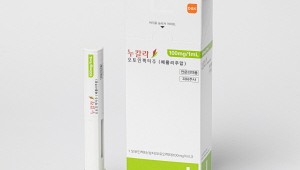
- Product photo of Nucala Auto-InjectorThe injectable formulation of the antibody medicine Nucala is entering the prescription area of general hospitals.GSK's Nucala Auto-Injector (mepolizumab), a treatment for severe neutrophilic asthma, has passed the drug committees (DC) of tertiary general hospitals, including Samsung Medical Center Seoul and Seoul National University Hospital, as well as medical institutes, including Kangdong Sacred Heart Hospital, Soon Chun Hyang University Hospital Cheonan, Jeonbuk National University Hospital, and Ajou University Hospital. Nucala Auto-Injector was approved in Korea in March of last year and was launched as a non-reimbursed drug in November of the same year after securing a distribution channel and quantity of stocks. Nucala Auto-Injector conditionally passed the Drug Benefit Evaluation Committee (DBEC) of the Health Insurance Review and Assessment Service (HIRA) on the 15th. Attention is focused on whether Nucala would succeed in obtaining reimbursement listing following the launch of the new formulation and the expansion of areas.Indications for the new autoinjector formulation have been added beyond the treatment of severe eosinophilic asthma in ▲existing adult and adolescent patients aged 12 and older to include eosinophilic granulomatosis with polyangiitis (EGPA) in adults and ▲hypereosinophilic syndrome (HES) in adults.Nucala is a self-administered injectable used to treat eosinophilic diseases. It is indicated as an add-on maintenance therapy for severe eosinophilic asthma (SEA) in patients aged 12 and older, for adult patients with EGPA, and for adult patients with HES, excluding those who are FIP1L1-PDGFRα-positive.The autoinjector formulation offers patients the convenience of self-administering the drug at home. This has been demonstrated through a self-administration success rate of over 96%, high patient preference, and ease of use.Meanwhile, Nucala is demonstrating increased competitiveness by securing an indication for chronic obstructive pulmonary disease (COPD). This medication received additional approval from the U.S. FDA this May as an 'add-on maintenance treatment for adult COPD patients with an eosinophilic phenotype.'The approval was granted based on the results of the Phase 3 MATINEE and METREX studies. In these studies, among a broad spectrum of COPD patient groups with an eosinophilic phenotype, the Nucala-administered group showed a significantly lower annual rate of moderate to severe exacerbations compared to the placebo group.
- Company
- Janssen enters price negotiations for Opsynvi’s reimb in KOR
- by Eo, Yun-Ho Jan 27, 2026 06:54am
- Attention is growing over whether a newly reimbursed treatment option will emerge in the underserved field of pulmonary arterial hypertension (PAH).According to Dailypharm coverage, Janssen Korea accepted the ‘price below the assessed amount’ proposed by the Health Insurance Review and Assessment Service's Drug Reimbursement Evaluation Committee last December and recently began price negotiations with the National Health Insurance Service for the pulmonary arterial hypertension (PAH) treatment ‘Opsynvi (macitentan/tadalafil).’The final approved indication for Opsynvi that passed DREC is “long-term treatment of adult patients with WHO Functional Class II–III pulmonary arterial hypertension.”Opsynvi, which received approval in the United States in March 2024 and in Korea in July last year, is a fixed-dose combination of the PDE5 inhibitor Cialis (tadalafil) and the endothelin receptor antagonist (ERA) Opsumit (macitentan). Its key advantage lies in improved dosing convenience.The efficacy of Opsynvi was demonstrated in the Phase III A DUE trial, which compared the efficacy and safety of the Opsynvi combination therapy with monotherapy using either Opsumit or Cialis.After 24 months of follow-up, Opsynvi showed up to a 29% greater reduction in pulmonary vascular resistance (PVR), the primary endpoint, compared with either Opsumit or Cialis monotherapy.As of 2023, the number of PAH patients in Korea is estimated at approximately 3,600, with the average patient profile being women in their 40s, who often play central roles in both society and family life. While the 5-year survival rate has significantly improved compared to the past, 3 out of 10 pulmonary arterial hypertension patients in Korea still die within 5 years.PAH is a rare, intractable, and progressive disease, in which delaying disease progression has a direct impact on patients’ quality of life and survival. To date, no curative pharmacologic treatment has been established, and existing therapies primarily aim to relax thickened pulmonary arteries to alleviate symptoms.Meanwhile, the emergence of new drugs is expected to transform the domestic PAH treatment landscape.In June 2025, Bayer’s Adempas (riociguat) was added to the reimbursement list nearly 10 years after its initial approval. Winrevair (sotatercept) by MSD Korea, selected for the ‘Approval-Evaluation-Negotiation Parallel Review Project, is currently undergoing reimbursement procedures.
- Company
- Kisqali attempts reimb in early breast cancer
- by Eo, Yun-Ho Jan 26, 2026 04:39pm
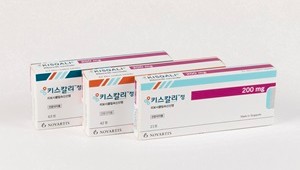
- Following Verzenio's failed attempt to expand coverage for early-stage breast cancer, Kisqali has now stepped forward to tackle the same challenge.According to Dailypharm coverage, Novartis Korea submitted an application last September to expand coverage for Kisqali (ribociclib), a CDK4/6 inhibitor, as adjuvant therapy in patients with high-risk Stage II and Stage III HR+ (hormone receptor positive)/ HER2- (human epidermal growth factor receptor 2 negative) early breast cancer. The company submitted the application last September and is awaiting its application to be reviewed by the Health Insurance Review and Assessment Service's Cancer Disease Review Committee later this year.With Verzenio (abemaciclib), which shares the same CDK4/6 inhibition mechanism, having failed to clear the Cancer Disease Review Committee hurdle, attention is now focused on whether Kisqali can achieve a different outcome.In the early breast cancer setting, Verzenio struggled from its first attempt. After a six-month wait following its application submission, the drug was first reviewed by the Cancer Disease Review Committee in May 2023, but reimbursement criteria were not established. Lilly resubmitted the application 5 months later in October, and the drug was reviewed again in March and July of last year—only to meet the same outcome.This suggests that Kisqali’s reimbursement journey may also be challenging. In particular, the lack of overall survival (OS) data, which proved to be a major stumbling block for Verzenio, remains a key issue. In early-stage cancer, generating OS data is inherently difficult.While Kisqali is expected to improve OS, direct data is not available yet. Invasive disease-free survival (iDFS) is used as a clinically meaningful surrogate endpoint with a strong correlation to OS in early breast cancer due to the disease characteristics. Kisqali demonstrated encouraging results in the NATALEE study.Study results showed that for the primary endpoint, iDFS at 4 years was 88.5% for the Kisqali combination therapy group and 83.6% for the endocrine therapy alone group, representing an absolute improvement of 4.9 percentage points. The risk of invasive disease progression or death was reduced by 28.5% in the Kisqali group compared to the endocrine therapy alone group.Furthermore, according to the 5-year NATALEE data presented at ESMO 2025, the Kisqali combination therapy reduced the risk of invasive disease progression or death by 28.4% compared to endocrine therapy alone. The 5-year iDFS was 85.5% in the Kisqali combination group and 81.0% in the endocrine therapy alone group, demonstrating a clinically meaningful 4.5% improvement.Meanwhile, treatment for early-stage breast cancer patients involves local therapies such as surgery or radiation therapy, along with systemic adjuvant therapies like chemotherapy and endocrine therapy. Endocrine therapy-based treatment is the standard therapy for HR+/HER2- early-stage breast cancer.In the early 2000s, aromatase inhibitor monotherapy or tamoxifen, combined with ovarian function suppression therapy for premenopausal patients, was recommended for HR+/HER2- early breast cancer patients. The goal of adjuvant therapy is to eliminate micrometastases, reduce the risk of recurrence, and prolong patient survival.For high-risk early-stage breast cancer patients (stages II-III) with a high risk of recurrence, the risk of recurrence continues to rise over time even after completing standard endocrine therapy following surgery, presenting limitations in improving long-term prognosis. Reported recurrence rates range from 6–22% within five years and 22–52% over 20 years, highlighting a persistent unmet medical need.
- InterView
- "Generic price cuts to signal pharma industry transition"
- by Lee, Jeong-Hwan Jan 26, 2026 01:19pm
- Jeong Kyung-sil, Head of the Office for Healthcare Policy under the Ministry of Health and Welfare (MOHW)"It is true that Korea's generic prices are over-valued compared to other countries. To ensure a stable supply of short drugs, we cannot rely on a generic-centric industry structure. Criteria must be established to drive the transition from generic production to new drug development. The government's drug price policy aims to improve the industry structure, rather than a matter of National Health Insurance funding, by funding pharmaceutical companies that contributed to innovation."Jeong Kyung-sil, Head of the Office for Healthcare Policy under the Ministry of Health and Welfare (MOHW) explained, related to the aim of the drug price reform plan, "The administrative direction of the new drug pricing reform is to improve the direction of the domestic pharmaceutical industry by adjusting generic prices that are high-priced compared to other nations."The MOHW notes that, since the 2012 drug price cuts, the domestic industry has failed to deliver sufficient innovation or new drugs as of 2026. Consequently, there is a significant need to send a clear message to domestic pharmaceutical companies toward innovation through this reform.Regarding the review of "ingredient-name-prescribing" for National Essential Medicines, the MOHW plans to implement a policy related to simplifying post-notification for substitution drugs. Then, it will be reviewed once society-wide needs about supply instability grow.Addressing the legislative delay of the bill prohibiting non-face-to-face treatment platforms like Doctor Now from operating as drug wholesalers, Jeong said, "The law has been incorrectly framed. Jeong stated the law does not ban the platform business itself but prohibits unfair trade practices with potential conflicts of interest. Furthermore, it should be discussed at the National Assembly."During a recent meeting with the Korea Special Press Association, Jeong stated MOHW's views on drug price reform plan, limited ingredient-name-prescribing, and the wholesale platform ban."Regarding drug price cuts, opinions on ways to relieve the burden on the pharmaceutical industry will be gathered"Jeong said that the reform is inevitable because today's Korean pharmaceutical industry remains preoccupied with generic manufacturing and sales.Even among 40 designated "Innovative Pharmaceutical Companies," there are cases where generic sales account for 90% of revenue, proving that high generic pricing does not lead to innovation.The MOHW intends to adjust generic prices set above overseas levels and use those resources to support pharmaceutical companies that contribute to new drug innovation and the resolution of supply instability.However, acknowledging industry backlash and demands for predictability, the MOHW plans to continue collecting opinions to reduce the impact on companies.Jeong said, The goals of reducing drug pricing are intended to reduce unnecessary drug expenditures and evolve the pharmaceutical ecosystem," and added, "Both the Office for Healthcare Policy and the industry agree on." "It is true that Korea's generic prices are over-valued compared to other countries. The Ministry decided that the current drug pricing system is designed to favor a generic-centric market. Therefore, the reform is intended to lower the drug price and encourage innovations," and added, "For example, the industry will advance if fostering innovative pharmaceutical companies and supporting R&D are accompanied."Jeong said, "During the drug price reform 13 to 14 years ago (2012 general price cuts), generic prices were maintained at a higher level than those in developed countries. While some pharmaceutical companies have successfully improved their fundamental competitiveness since then, others have shown no improvement," and added, "This is an evidence that maintaining high generic prices does not inherently lead to innovation. While the framework of the announced reform plan is unlikely to change significantly, the MOHW is currently reviewing ways to mitigate the impact on the industry by actively soliciting and considering the opinions of pharmaceutical companies.""Ingredient-name-prescription, first to simplifying substitution drug prescription…whole-sale ban has been incorrectly framed"Regarding the Medical Service Act's inclusion of non-face-to-face treatment effective December 24, Jeong assessed that the Pharmacy Act amendment, including coverage of wholesale bans and mandatory DUR checks, has been put in the wrong frame.Jeong explained that while traditional players operate within an institutional framework, new platforms have entered a regulatory vacuum. The law is intended to fill this legal gap rather than specifically target platforms.The MOHW plans to coordinate specific adjustments to the non-face-to-face treatment pilot program in sync with the upcoming revisions to an article of the Medical Service Act.Regarding the President Lee Jae Myung administration's national task of limited ingredient-name-prescribing, the MOHW said that this agenda will be discussed only after the administration of simplified post-notification for substitution drugs for pharmacists, which is set to begin on the 2nd of next month."While the pilot program has been ongoing, revised measures could be implemented early, ahead of the official December enforcement, as we are working on articles and gathering feedback from expert advisory groups," Jeong added, "It depends on the speed of drafting the article of the Act."Jeong also explained, "The bill has been incorrectly framed as similarity to Doctor Now or Tada Ban," and added, "While traditional healthcare entities operate within a strict institutional framework, the emergence of telemedicine platforms created a regulatory vacuum. She emphasized that the law is not intended to prohibit the platform industry itself, but rather to fill a legal gap and prevent potential unfair trade practices or conflicts of interest.Jeong emphasized, "While other existing players (doctors, pharmacists, etc.) were operating within an institutional framework, a new player (platform) entered, and the platform alone became able to do anything without any regulation," and added, "It is a concept of creating an overall system for the legal and institutional gap that has arisen, not a concept of only stopping platforms."Jeong said, "It has currently passed the standing committee and the Legislation and Judiciary Committee in the National Assembly, and the lawmakers who passed the bill have not significantly changed their positions to date. However, the MOHW has no authority to step forward. Ultimately, it is a structure that can only be discussed at the National Assembly level. It is difficult to call the wholesale operation of non-face-to-face treatment platforms innovation. It is a law to prevent unfairness, not to stop the platform business itself."Jeong concluded by stating, "Regarding the wider use of generic substitution, we will create tools to make it more convenient to utilize, and whether to mandate ingredient-name-prescribing requires social consensus," and added, "If we were to discuss mandating ingredient-name-prescribing, we should start by reviewing drugs with unstable supply. Nowadays, generic substitution can be used much more flexibly than before. Since the problem of supply-unstable drugs is linked from production to supply, whether to implement ingredient-name-prescribing should be discussed later."
- Policy
- Cervarix waves white flag to Gardasil… exits KOR mkt
- by Lee, Tak-Sun Jan 26, 2026 01:19pm
- The supply of GlaxoSmithKline’s (GSK) cervical cancer vaccine Cervarix Prefilled Syringe will be discontinued in Korea.The company has decided to withdraw from the Korean market amid a sharp decline in demand. With Cervarix exiting the market, MSD, which holds Gardasil 9, is expected to monopolize this market.The Ministry of Food and Drug Safety announced that GSK reported the discontinuation of Cervarix supply on the 23rd.GSK stated, “Due to a sharp decline in domestic demand, the company has decided to inevitably discontinue supply of Cervarix Prefilled Syringe.”Supplies of Cervarix will continue until July.GSK explained, “Following the supply discontinuation, Cervarix Prefilled Syringe may continue to be administered at medical institutions until the expiration date of existing stock, in accordance with approved vaccination schedules. Currently, MSD’s human papillomavirus vaccine is in supply in Korea.”Currently available human papillomavirus (HPV) vaccines in Korea include MSD Korea’s Gardasil (quadrivalent), Gardasil Prefilled Syringe (quadrivalent), Gardasil 9 (9-valent), Gardasil 9 Prefilled Syringe (9-valent), and GSK’s Cervarix Prefilled Syringe (bivalent).However, MSD has long dominated the market in terms of market share.Based on 2023 import data, Cervarix recorded imports of USD 812,132, compared with USD 12.56 million for Gardasil Prefilled Syringe and USD 44.32 million for Gardasil 9 Prefilled Syringe. This places Cervarix’s import market share at just 1.4%. Analysts attribute this to Cervarix’s lower competitiveness, as it protects against fewer HPV strains than Gardasil.Given Gardasil’s overwhelming market influence, the two products can hardly be considered equal competitors. Gardasil also holds a significantly higher market share in overseas markets. This is why Cervarix withdrew from the U.S. market in 2016 and has since been supplied primarily to developing countries.For the time being, no product appears poised to challenge Gardasil 9 in the Korean market, suggesting MSD's monopolistic structure will persist. Gardasil 9's domestic patent expires next February. This could lead to supply price increases, potentially negatively impacting consumers.In fact, Gardasil 9 drew criticism after raising its supply price for two consecutive years in 2021 and 2022. The current average cost per dose in Korea is reportedly in the low KRW 200,000 range.Meanwhile, competition has begun to emerge in China, where Wantai received approval last year from the National Medical Products Administration (NMPA) for an HPV vaccine, which protects against nine HPV strains like Gardasil 9.
- Policy
- UAE recognizes MFDS as reference body
- by Lee, Tak-Sun Jan 26, 2026 01:19pm
- Going forward, pharmaceutical products seeking registration in the United Arab Emirates (UAE) will be able to do so based solely on Korean regulatory approval.On the 16th, the Ministry of Food and Drug Safety (MFDS, Minister Yu-Kyoung Oh) announced that the Emirates Drug Establishment (EDE), the UAE’s medical products regulatory authority, has officially recognized Korea’s MFDS as an official Reference Regulatory Authority (RRA) in the field of medical products.Established in September 2023, the EDE is the UAE’s regulatory body responsible for the approval and safety management of pharmaceuticals, medical devices, cosmetics, health supplements, and other products within the UAE.This recognition represents a tangible outcome of the practical implementation of the Memorandum of Understanding (MOU) on biohealth cooperation signed and bilateral meetings between the MFDS and EDE following the Korea-UAE summit on November 18 last year. At the request of MFDS Minister Yu-kyoung Oh, the designation was formally conveyed through a letter from Fatima Al Kaabi, Director General of the UAE EDE. The MFDS stated that the move signifies that regulatory cooperation between the two countries has advanced beyond collaboration to a stage of institutional trust.Previously, pharmaceutical companies seeking UAE approval were generally required to obtain authorization from advanced regulatory authorities such as the U.S. Food and Drug Administration (FDA) or the European Medicines Agency (EMA). With MFDS now recognized as a reference authority, companies can apply for UAE approval based solely on Korean MFDS approval. As a result, applicants may benefit from shortened review timelines, simplified regulatory procedures, and exemptions from manufacturing site inspections. This is expected to significantly shorten the time to enter the UAE market and enhance the global competitiveness and credibility of Korean products.Given that the UAE functions as a regulatory and distribution hub for the Middle East and North Africa (MENA) region and the Gulf Cooperation Council (GCC), the recognition is expected to serve as a stepping stone for future entry into the Middle Eastern market for pharmaceuticals and medical devices.This measure is particularly significant because it is based on the Ministry of Food and Drug Safety's (MFDS) full listing as a WHO World-Class Regulatory Authority (WLA) last August and the mutual trust built between the two agencies. The UAE has recognized the MFDS as possessing regulatory capabilities equivalent to those of advanced regulatory authorities, extending this recognition to medical products ranging from pharmaceuticals to biopharmaceuticals and medical devices.Since the establishment of the EDE, the MFDS has pursued multifaceted diplomatic efforts alongside the Embassy of the Republic of Korea in the United Arab Emirates (Chargé d'Affaires Jong-kyung Park) to secure recognition as a reference authority. These efforts included high-level meetings, signing memoranda of understanding, ministerial-level discussions, and bilateral meetings between agency heads.MFDS Minister Yu-kyoung Oh stated, “We are pleased that the UAE’s EDE has officially recognized the MFDS as a reference authority for medical products as a follow-up outcome of the Korea-UAE summit. With MFDS’s regulatory expertise now formally acknowledged in a key Middle Eastern hub country, we will actively support the global expansion of K-Biohealth products, including our pharmaceuticals, medical devices, and cosmetics.”
