
- LOGIN
- MemberShip
- 2026-04-24 18:24:12
- Policy
- Imjudo + Imfinzi comb to enter reimb list next month
- by Jung, Heung-Jun Feb 23, 2026 09:16am
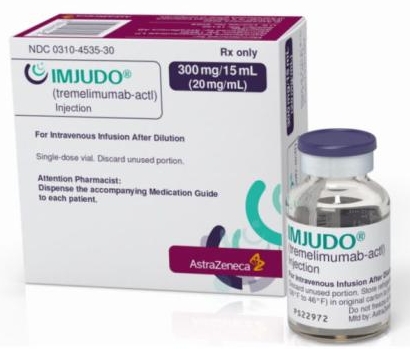
- AstraZeneca Korea's liver cancer treatment, Imjudo (tremelimumab), will be included in the reimbursement list next month. This follows three months after the Drug Benefit Evaluation Committee (DBEC) approved combination therapy with Imfinzi.It is reported that a ceiling price of KRW 16.5 million has been set for this newly listed high-cost drug. Treatment access to hepatocellular carcinoma treatment is expected to improve significantly.According to industry sources on the 20th, AstraZeneca Korea's Imjudo Injection (0.3g/15mL) will be reimbursed starting in March.In November last year, the DBEC approved the reimbursement appropriateness of Imjudo as 'first-line treatment of adult patients with advanced or unresectable hepatocellular carcinoma in combination with durvalumab.'The listing process proceeded smoothly as drug price negotiations with the National Health Insurance Service (NHIS) began in December. Following the conclusion of price negotiations, insurance coverage is scheduled to begin in March.Imjudo was a drug for which requests for rapid listing were made during the Ministry of Health and Welfare (MOHW)'s National Assembly audit last year. At that time, the National Assembly inquired about plans to expand the reimbursement evaluation method, given the drug's distinct single-dose administration.According to the MOHW's response at the time, an application for health insurance coverage for Imjudo was filed in March last year, and the DBEC conducted a review of the drug cost comparison criteria in September of the same year.However, the DBEC delivered a reconsideration decision regarding the combination therapy with Imfinzi last September. After that, Imjudo's appropriateness for reimbursement was recognized during the DBEC reconsideration in November.Analysis suggests that the government's designation of a flexible application of the Incremental Cost-Effectiveness Ratio (ICER) value for Imjudo, second since the ADC anticancer drug 'Trodelvy (sacituzumab govitecan)', facilitated the smooth winding up of the drug price negotiations.
- Company
- Two years after Forxiga exit… Jardiance 34%↑, Dapa.N↑
- by Kim, Jin-Gu Feb 23, 2026 09:16am
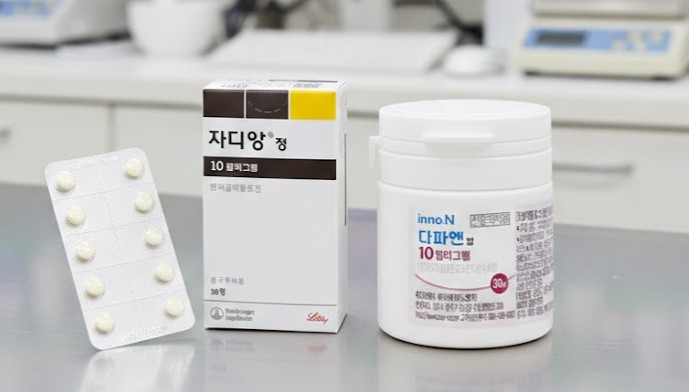
- Two years after the withdrawal of the SGLT-2 inhibitor ‘Forxiga (dapagliflozin)’ from the Korean market, ‘Jardiance (empagliflozin)’ is strengthening its dominant position in this market, expanding its prescription performance by over 30%.Among the flood of generics launched following Forxiga’s patent expiration, HK inno.N’s Dapa.N has shown particularly strong growth. Industry observers attribute this largely to the product’s successful succession of indications from the originator.Two years postexit… Jardiance prescriptions rise from KRW 58.1billion to 77.7billionAccording to the pharmaceutical market research firm UBIST on the 21st, outpatient prescriptions for SGLT-2 inhibitor monotherapies reached KRW 164.9B last year. This represents a 17.9% increase compared with KRW 139.8 billion in 2023, just before Forxiga’s market withdrawal.The market experienced substantial shifts surrounding Forxiga’s exit. AstraZeneca Korea decided to withdraw Forxiga from the Korean market at the end of 2023. The following year, it halted the domestic supply of new inventory, leaving only existing stock circulating in the market. In April 2024, the company voluntarily withdrew marketing authorization, followed by full reimbursement delisting in December, and completed its full withdrawal from the market.Forxiga recorded KRW 55.5 billion in prescriptions just before its market exit in Korea. At the time, fierce marketing and sales competition unfolded in the SGLT-2 monotherapy market among competing brands and generic manufacturers to capture the over KRW 50 billion annual gap left by Forxiga. Analysts note that this competitive dynamic contributed to nearly 18% market expansion over the two-year period.During this period, Jardiance’s prescription sales grew significantly. Jardiance's prescription sales, which were KRW 58.1 billion in 2023, increased to KRW 77.7 billion last year, marking a 33.8% growth. In this process, Jardiance strengthened its dominant market position. As of last year, Jardiance’s market share in the SGLT-2 monotherapy segment reached 47.2%, approaching half of total prescriptions.A potential variable is the entry of Jardiance generics. Following the expiration of Jardiance’s substance patent last October, 23 generic versions entered the market. The market penetration of Jardiance generics this year could potentially influence the original drug’s dominant position going forward.Another original product, Daewoong Pharmaceutical’s Envlo (enavogliflozin), also saw a significant increase in prescriptions around the time of Forxiga's withdrawal. Since its launch in May 2023, prescriptions increased from KRW 3.2 billion to KRW 10.6 billion in 2024, then to KRW 11.8 billion last year.Forxiga generics mark KRW 74.6 billion combined... ‘Dapa.N’ sales surge with inherited indicationsForxiga generics have also successfully filled the void left by the original. Notably, HK Inn.N’s Dapa.N, which inherited Forxiga’s indications, has recently shown a particularly pronounced upward trend in prescription sales.Forxiga generics were launched en masse in 2023 following the expiration of the original product's substance patent. A total of 86 companies obtained generic product approvals, with 65 of them launching products.Within the overall SGLT-2 inhibitor market, prescription sales for dapagliflozin-containing products increased slightly from KRW 73.4 billion in 2023 to KRW 74.6 billion last year. The 2023 structure, which consisted of KRW 55.5 billion for the original Forxiga + 17.2 billion won for generics, was replaced by KRW 74.6 billion entirely from generics last year.Among the generics, HK inno.N’s Dapa.N has demonstrated particularly strong prescription growth. In April 2024, AstraZeneca Korea withdrew Forxiga’s marketing authorization while simultaneously transferring clinical data to the company, enabling Dapa.N to inherit Forxiga’s indications.Immediately after the indication succession, Dapa.N’s prescription growth was limited. However, the upward trend accelerated from the fourth quarter of 2024. Prescriptions, which stood at KRW 2.4 billion in 2024, surged more than fourfold to KRW 10.5 billion last year. Analysts suggest that the declining domestic supply of Forxiga shifted prescription demand toward Dapa.N.Excluding Dapa.N, other Forxiga generics showed mixed performance. Last year, Daewoong Bio’s ‘Forxidapa’ recorded KRW 6.0 billion, Hanmi Pharmaceutical’s ‘Dapalon’ KRW 5.8 billion, and Boryung’s ‘Trudapa’ KRW 5.6 billion. Additionally, Aju Pharm’s ‘Daparil’, Dong-A ST’s ‘Dapapro’, Chong Kun Dang’s ‘Exiglu’, and Daewon Pharm’s ‘Dapawon’ exceeded KRW 3.0 billion in prescriptions.In contrast, most companies recorded prescriptions below KRW 1.0 billion. Of the 65 companies that launched products, 49 reported annual prescription performance under KRW 1.0 billion. This suggests that only about one in four generic companies entering this market achieved the expected commercial outcomes.
- Policy
- Recall of GSK's antiviral 'Valtrex Tab 500mg' over impurities
- by Lee, Tak-Sun Feb 23, 2026 09:16am
- Antiviral medication 'Valtrex Tab 500mg,' used to treat shinglesA recall has been initiated for certain batches of GlaxoSmithKline's antiviral medication, Valtrex Tab 500mg (valacyclovir hydrochloride), after nitrosamine impurities were detected above the permissible limit.This is the first recall of a valacyclovir-containing formulation due to impurities.The Ministry of Food and Drug Safety (MFDS) announced on the 20th that it has issued an operator-led recall order for specific manufacturing units of Valtrex Tab. 500mg that exceeded the Acceptable Daily Intake (ADI) of the nitrosamine impurity N-nitroso-N-ethyl-valacyclovir.The affected batch numbers are V53B (expiry 2027-04-24) and YR9K (expiry 2027-06-04).This product received domestic approval in 2005 and is indicated for ▲Shingles ▲Treatment of initial and recurrent genital herpes infections ▲Suppression of recurrent genital herpes infections ▲Reduction of transmission of genital herpes when used as suppressive therapy in combination with safer sex practices ▲Prophylaxis of cytomegalovirus (CMV) infection following kidney transplantation ▲Ccold sores ▲Treatment of chickenpox in immunocompetent pediatric patients aged 2 to under 18 years.As of 2024, the import performance of the drug totalUSD 4,137,731 (approximately KRW 6 billion). The ADI for N-nitroso-N-ethyl-valacyclovir in valacyclovir components is set at 400ng per day.The announced impurity is N-nitrosamine, a potential carcinogen and mutagen that can be generated at the ethylamine site of valacyclovir. It is known to form in trace amounts during the synthesis of the Active Pharmaceutical Ingredient (API) itself or through reactions during storage.Currently, 17 valacyclovir products are approved for sale in the Korean market. Attention is now focused on whether the recall of the original product will expand to include generic versions.
- InterView
- [Desk View] Need for transparency toward drug price reform
- by Chon, Seung-Hyun Feb 23, 2026 09:15am
- The Ministry of Health and Welfare (MOHW) has reportedly delayed a decision on the drug pricing reform agenda at the Health Insurance Policy Deliberation Committee. In November last year, the MOHW reported to the HIPDC a plan to lower the price calculation rate for generics and patent-expired drugs from the current 53.55% to 40%, announcing a final decision in February and implementation by July of this year. While it was expected that the reform plan would be finalized at the HIPDC subcommittee held on the 20th to initiate the institutional reform, the process has been delayed by at least a month.The industry appears relieved by the MOHW's decision to defer the HIPDC discussion. Expectations are emerging that the ministry may have felt burdened by the prospect of forcing through the reform while receiving strong opposition from the pharmaceutical sector. On the 10th, the Korea Pharmaceutical and Bio-Pharma Manufacturers Association (KPBMA) unanimously adopted a resolution during its board of directors meeting, urging the deferment of the resolution and implementation of the drug pricing system reform.Through its resolution, the KBPMA Board of Directors urged the government to ▲ delay the vote and implementation of the large-scale drug price reduction plan by the Health Insurance Policy Deliberation Committee ▲an impact assessment on how these cuts would affect public health and employment ▲the abolition of the market-linked actual transaction price implementation plan ▲ support measures to help small and medium-sized pharmaceutical companies upgrade their business structures ▲a formal governance structure between the government and industry to regularly discuss drug pricing policies and industrial growth.Labor organizations have also voiced opposition against the government regarding the reform. On the 29th, the Federation of Korean Trade Unions (FKTU) issued a statement warning, "The government must transparently disclose the basis and financial effects of the drug pricing system reform and immediately establish a social discussion structure where the opinions of stakeholders are reflected," adding, "We will not remain passive regarding any attempts to rollback labor conditions or increase job insecurity under the guise of this policy."The Korean Democratic Pharmaceutical Union (KDPU), primarily composed of labor unions from multinational pharmaceutical companies, also formalized its opposition last month by holding a picket protest in front of the Health Insurance Review and Assessment Service (HIRA) in Seocho-dong, Seoul.Critics point out that the government has not disclosed specific details since announcing the reform, further fueling anxiety among pharmaceutical companies.The MOHW has not released a specific position regarding the industry's demands for deferment or cancellation of the reform. An industry official stated, "The MOHW has not once presented a specific figure for the generic price reduction since reporting the reform plan in November last year."If the generic price standard is adjusted from 53.55% to 45%, the maximum price of a generic is mathematically calculated to drop by 16.0%. If the reform standard is set at 40%, the price drops from KRW 53.55 KRW to KRW 40, increasing the reduction rate for the maximum generic price to 25.3% compared to the previous standard. Given that the profit margin for a single generic product would drop by more than 20%, pharmaceutical companies' losses would inevitably be substantial. However, because specific reduction rates have not been presented, pharmaceutical companies are unable to estimate loss scenarios resulting from the reform.A detailed roadmap for whether price cuts will apply to currently listed drugs has also not been disclosed. If the reformed pricing system is applied to currently listed drugs, pharmaceutical companies' losses will be even greater. For example, if the price of a product with annual sales of KRW 10 is reduced from 53.55% to 40%, KRW 2.5 billion in annual revenue would evaporate.The MOHW plans to sequentially implement the reformed pricing system, starting with listed generics that have maintained a calculation standard of over 50% for more than 13 years since the blanket price reduction in 2012. The vision is to adjust approximately 3,000 items over three years, starting from the second half of next year, and sequentially reduce 1,500 items that have maintained a rate of 45% or higher starting from the second half of 2027.According to this scenario, the targets for price reduction differ across generic products with the same ingredient, depending on their market entry timing. For example, a total of 156 items have been approved for the single-agent antiplatelet agent clopidogrel, with approvals ranging from 2005 to 2021. The clopidogrel generic market formed, with 19 items approved in 2005 and 29 in 2006. From 2014 to 2018, 5 to 9 generics entered the market each year, and in 2019, new approvals surged to 17. At that time, as the government set out to reform the pricing system, including tiered pricing and criteria, there was a flood of new approvals.If the government pursues price reductions for generics listed before 2012, it is estimated that 64 items approved between 2005 and 2011 would be subject to price cuts, while 92 items approved from 2012 onwards would be excluded. In this case, a very strange situation would arise where different pricing systems apply to the same product. Issues of equity would inevitably surface, as the system would disadvantage only specific products and companies.The industry also raises the possibility that targets for price reductions could be categorized by ingredient based on when the generic market opened. This is a scenario in which, if even one generic were listed before 2012, all drugs containing that ingredient would be categorized as targets for price reduction. In this case, the losses pharmaceutical companies would incur from price cuts would be even greater. If the criteria requirements, such as bioequivalence tests, are also applied, the scale of losses could expand exponentially.In its press release announcing the drug pricing system reform, the MOHW problematized the 'generic-centered industrial ecosystem.' The justification is that to create a virtuous cycle of an innovative ecosystem through R&D activation, an urgent overhaul of the drug pricing system is needed to balance appropriate compensation for value. The view is that only when pharmaceutical companies move away from a generic-centered business model and focus on new drug development can South Korea become a pharmaceutical powerhouse.However, the ministry has yet presented any measures regarding the anxiety over the threat to pharmaceutical companies' survival. Communication is necessary. Deferring the resolution process for the drug pricing reform by a month or two, to observe the industry's response, does not mean the efforts at communication are recognized. The government must specifically disclose its policy goals and content and engage in substantive communication with the industry. If the government’s policy is justified and legitimate, it should at least make an effort to persuade companies. The communication process must also be transparently disclosed. Under the President Lee Jae Myung administration, which makes Cabinet meetings and business reports public, we hope that policies will not be pursued in secret.
- Company
- Fruzaqla may be prescribed in general hospitals in Korea
- by Eo, Yun-Ho Feb 23, 2026 09:15am
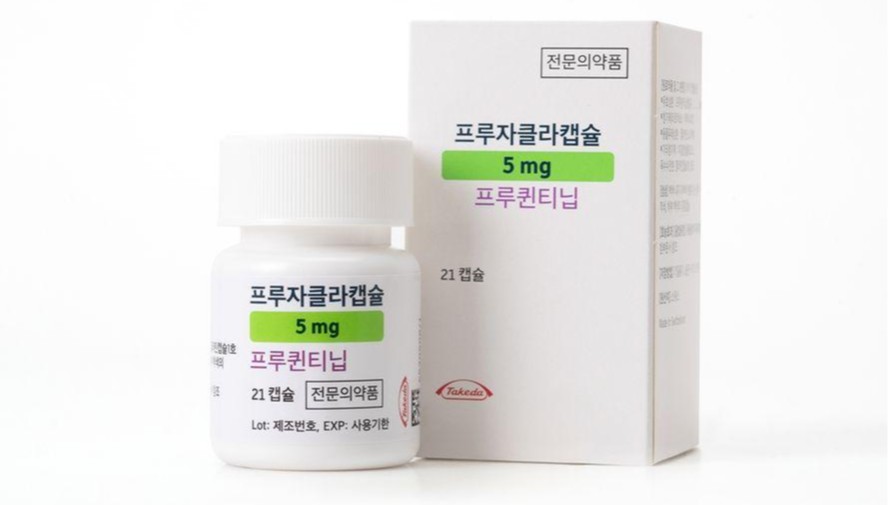
- The new colorectal cancer therapy Fruzaqla may be prescribed at general hospitals in Korea.According to industry sources, Takeda Pharmaceutical Korea's colorectal cancer treatment Fruzaqla (fruquintinib), which selectively inhibits vascular endothelial growth factor receptor (VEGFR)-1,2,3, has passed the Drug Committee (DC) reviews of major medical institutions nationwide, including Korea’s ‘Big 5’ teritary hospitals - Samsung Medical Center, Seoul National University Hospital, Seoul St. Mary’s Hospital, Asan Medical Center, and Severance Hospital.Approved in Korea in March last year, Fruzaqla was previously designated as a drug for the Global Innovative Products on Fast Track (GIFT) program as an innovative oncology therapy.Specifically, the drug is indicated for 'patients with metastatic colorectal cancer (mCRC ) who have previously received fluoropyrimidine-, oxaliplatin-, and irinotecan-based chemotherapy, and have been treated with, or are not candidates for, available therapies including anti-VEGF agents, anti-EGFR agents (for RAS wild-type disease), and trifluridine/tipiracil or regorafenib.However, Fruzaqla is yet to be reimbursed in Korea. Takeda submitted its reimbursement application to health authorities last year, and the listing process is currently ongoing. This is why whether Fruzaqla will secure coverage and enable broader patient access is gaining attention.Meanwhile, Fruzaqla’s clinical efficacy was demonstrated in the Phase III FRESCO and FRESCO-2 trials.Clinical findings showed that Fruzaqla extended median overall survival (mOS) by 2.7 months to 9.3 months in patients with previously treated metastatic colorectal cancer compared to placebo, while reducing the risk of death by 35%.In addition, as an oral medication taken once daily without complex dietary restrictions, Fruzaqla is expected to positively impact both treatment efficacy and patient quality of life.Dong-Hoe Koo, Professor of Oncology at Kangbuk Samsung Hospital, said, “Fruzaqla exhibits high drug specificity and avoids unnecessary targets. This enables efficient VEGFR inhibition and sustained drug exposure. The potential for combination strategies with existing therapies warrants further clinical investigation.”
- Company
- ‘Enhertu sets new standard in breast cancer treatment’
- by Son, Hyung Min Feb 23, 2026 09:15am
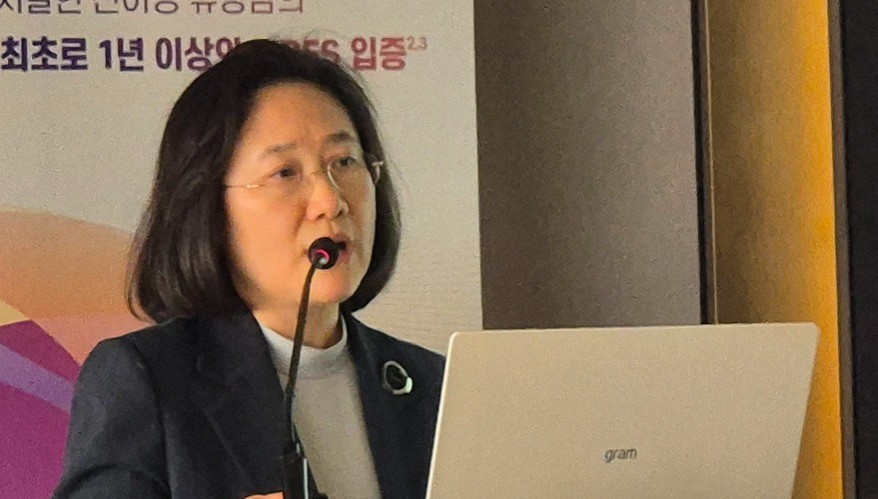
- Enhertu is setting a new standard in HER2-positive breast cancer. With its treatment scope expanding beyond conventional HER2-positive and HER2-low populations to include ultra-low HER2 expression, the therapy is being viewed as a potential turning point in treatment strategy, particularly for HR+/HER2- low-expression metastatic breast cancer patients whose options were previously limited after endocrine therapy failure.Professor Seok-Ah Im, Department of Hematology-Oncology, Seoul National University HospitalOn the 20th, Daiichi Sankyo Korea and AstraZeneca Korea held a press conference at The Plaza Hotel in Jung-gu, Seoul, to commemorate the indication expansion of the antibody-drug conjugate (ADC) Enhertu (trastuzumab deruxtecan).The newly approved indication added last month is Enhertu as monotherapy for the treatment of adult patients with unresectable or metastatic breast cancer exhibiting HER2-low (IHC 1+ or IHC 2+/ISH-) or HER2 ultra-low expression (IHC 0 with membrane staining), who have previously received one or more endocrine therapies in the metastatic setting.Enhertu is considered a therapy with broad potential across multiple solid tumors. While first-generation ADCs such as Roche’s Kadcyla (trastuzumab emtansine) remained largely confined to breast cancer indications, second-generation ADCs have successfully secured diverse indications. Enhertu, in particular, has demonstrated efficacy across various solid tumor types, including breast cancer, non-small cell lung cancer, and colorectal cancer.ADCs are novel anticancer drugs created by linking an antibody that binds to a specific target antigen on the surface of cancer cells with a cytotoxic drug via a linker. The advantage of ADCs is that they leverage the antibody's selectivity for its target and the drug's cytotoxic activity to ensure the drug acts selectively only on cancer cells, thereby enhancing therapeutic efficacy while minimizing side effects.Hormone receptor-positive (HR+) / HER2-negative (HER2-) breast cancer represents the most common subtype, accounting for approximately 70% of all breast cancers. Although generally associated with a more favorable prognosis relative to other subtypes, patients who are unsuitable for endocrine therapy or develop resistance often face limited treatment options, with chemotherapy remaining the primary alternative. The PFS achievable with first-line therapy is only about 6 months, indicating a high unmet clinical need.The basis for the expanded indication is the Phase III DESTINY-Breast06 trial.The trial enrolled 866 adult patients with metastatic HR-positive breast cancer who were HER2-low or HER2-ultra-low, had previously received endocrine therapy, and had no prior chemotherapy history in the advanced or metastatic setting.In this study, HER2 ultra-low expression was defined as faint and incomplete HER2 staining on the cell membrane observed in 10% or fewer tumor cells (IHC 0 for membrane staining; in this study, IHC >0 and <1+).Patients were randomized 1:1 to receive either Enhertu or the physician’s choice chemotherapy (capecitabine, nab-paclitaxel, or paclitaxel).Results demonstrated that Enhertu significantly extended median PFS to 13.2 months, compared with 8.1 months in the chemotherapy arm, based on blinded independent central review (BICR).Enhertu also achieved an objective response rate (ORR) of 57.3%, nearly 1.8 times higher than the 31.2% observed in the control group. Complete responses (CR), absent in the chemotherapy cohort, were observed in approximately 3% of patients in the Enhertu group.In terms of safety, adverse events were consistent with prior Enhertu studies. However, one Grade 5 interstitial lung disease (ILD) event associated with drug administration occurred..Professor Seok-Ah Im, Department of Hematology-Oncology at Seoul National University Hospital, said, “Enhertu demonstrated a median progression-free survival exceeding 1 year while maintaining patient quality of life, suggesting a fundamental shift in treatment strategy. Following failure of endocrine therapy and CDK4/6 inhibitors, Enhertu has become the global standard of care.”Clinical benefit extends from low to ultra-low expression… redefining HER2 treatment standardsProfessor Gyeong Yeop Kong, Department of Pathology at Asan Medical CenterThe subtype accounts for approximately 20–25% of breast cancer cases and tends to progress more rapidly and aggressively than other subtypes.Prior to Enhertu’s introduction, HER2 classification relied primarily on immunohistochemistry (IHC), categorizing tumors as HER2-negative or HER2-positive.IHC testing categorizes protein expression as 0, 1, 2, or 3, with 1 classified as HER2-negative and 3 as HER2-positive. Cases with a score of 2 are determined via in situ hybridization (ISH) analysis.However, Enhertu demonstrates efficacy even in patients with low or ultra-low expression (IHC scores 0 or 1), establishing itself as a new standard treatment option across the entire HER2 expression spectrum.Professor Gyeong Yeop Kong of the Department of Pathology at Asan Medical Center said, “The expansion of the HER2 expression spectrum to include not only low-expression but also ultra-low-expression cases provides clinical justification for considering a significant proportion of metastatic breast cancer patients as candidates for HER2-targeted therapy.”He added, “Re-testing may be considered even for HR-positive patients initially diagnosed as HER2 IHC 0. Pathology reporting systems must evolve to enable accurate identification of ultra-low expression populations.”
- Policy
- Regulations on INN prescribing·warehouse pharmacies
- by Lee, Jeong-Hwan Feb 20, 2026 10:04am
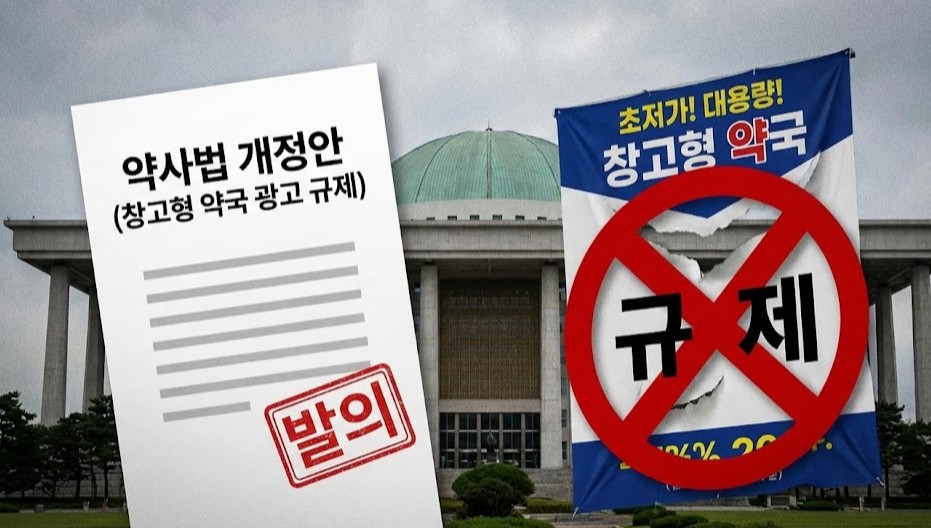
- It is highly likely that bills to mandate International Nonproprietary Names (INN) prescribing limited to supply-unstable drugs designated by the government, as well as bills to strengthen regulations on the signage, advertising, and opening scale standards of warehouse-type pharmacies, will be considered at the National Assembly Health and Welfare Committee's Legislation Subcommittee scheduled for the end of this month.This is because the decision by the lawmakers who proposed the relevant legislation to request the ruling and opposition party leadership of the Health and Welfare Committee to prioritize the review of the limited generic prescribing bill and the bill aimed at resolving drug misuse and abuse caused by the opening of warehouse-type pharmacies.On the 13th, the Health and Welfare Committee requested that ruling and opposition members submit the agenda for the First Legislation Subcommittee, which is expected to be held on the 26th.However, sources report that since the February subcommittee schedule falls immediately after the Lunar New Year holiday, and the leadership has agreed to the March plenary session, the New Year's business reports from relevant ministries, and the holding of the subcommittee, each lawmaker's office has been advised to submit only one agenda item.Despite this limitation, the bill to strengthen the supply chain for supply-unstable drugs and mandate limited generic prescribing, along with the bill to regulate the signage, advertising, and opening scale of warehouse-style pharmacies, are expected to be the top priority for the February subcommittee.Both bills are considered bills affecting daily lives, and resolving the drug supply instability issue is a national task of the new administration. Furthermore, the bill to strengthen regulations on warehouse-type pharmacies has gained urgency as large-scale warehouse-type pharmacies have recently opened in Seoul and other parts of the country, intensifying the debate between proponents and opponents and increasing the need to address potential side effects through legislative review.The bill details to resolve the drug supply instability crisis allows the Minister of Health and Welfare to designate supply-unstable drugs through the deliberation of the Drug Supply Management Committee. Among these, for drugs designated for emergency production or import, the bill permits pharmaceutical companies (manufacturers and importers) to place emergency production or import orders.Notably, the bill mandates that physicians write the generic name rather than the brand name on prescriptions for supply-unstable drugs, with penalties for violations. This provision aims to support the safe supply of medicines to patients by mandating limited generic prescribing.Representative Jang Jong-tae, who proposed the bill to resolve the drug supply instability issue, stated his legislative intent: "Recently, drug supply instability has been occurring frequently due to reasons such as temporary surges in demand, suspension of supply, and difficulties in securing raw materials," added, "Despite being a problem that threatens the public's right to health and causes confusion in the healthcare field, the current law lacks provisions regarding the response to drug supply instability."The bill to regulate warehouse-type pharmacies primarily prohibits the use of terms such as 'warehouse,' 'plant,' or 'factory' on pharmacy signs or promotional materials. It also mandates a preliminary review by the Pharmacy Opening Committee under the provincial governor or metropolitan mayor when an individual intends to register the opening of a pharmacy above a certain scale.The legislative goal is to prevent the incitement of excessive drug consumption and misuse among consumers and to strengthen the preliminary review authority of local governments and pharmacist associations regarding the opening of deformed pharmacies.Democratic Party Representatives Seo Young-seok, Nam In-soon, Kim Yun, Jeon Hyun-hee, and Jang Jong-tae have each proposed related legislation.An official from a ruling party member’s office on the Health and Welfare Committee explained, "We plan to submit the agenda items for the February subcommittee within the deadline," added, "The bill to resolve the drug supply instability crisis has high necessity and urgency for discussion, so we plan to request it as a first-priority bill for tabling."Another official from a ruling party member’s office stated, "As warehouse-type pharmacies have opened in several locations, it has become a national interest. The Ministry of Health and Welfare has also begun drafting regulations to prevent side effects, such as drug misuse, at warehouse-type pharmacies," and concluded, "It is necessary to accelerate the legislative review."
- Company
- BeOne Medicine’s ‘Tevimbra’ moves closer to reimb expansion
- by Eo, Yun-Ho Feb 20, 2026 10:04am
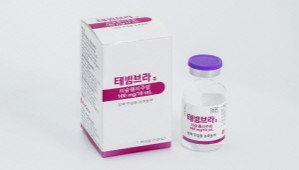
- Attention is focused on whether progress will be made in the insurance reimbursement process for the immuno-oncology drug ‘Tevimbra.Having passed the final Cancer Disease Deliberation Committee meeting of 2025, it remains to be seen whether it will complete evaluation stages like this year's Drug Reimbursement Evaluation Committee and expand the cost-effective immunotherapy treatment landscape.BeOne Medicine’s PD-1 inhibitor Tevimbra (tislelizumab) is currently undergoing discussions for reimbursement expansion across five indications.Following its success last April as the first immunotherapy to gain coverage for esophageal cancer, Tevimbra added five additional indications for solid tumors, including esophageal cancer, gastric cancer, and non-small cell lung cancer. BeOne Medicine simultaneously submitted reimbursement applications alongside the indication expansions.The specific indications include ▲ First-line combination therapy for patients with unresectable, locally advanced, or metastatic esophageal cancer; ▲ First-line combination therapy for patients with unresectable or metastatic HER2-negative gastric or gastroesophageal junction adenocarcinoma; and ▲ Two first-line combination regimens and one second-line monotherapy indication in NSCLC.With reimbursement procedures for additional indications progressing rapidly, Tevimbra’s role is expected to expand across multiple cancer types in Korea.Notably, BeOne Medicine previously reached an agreement with authorities while emphasizing a “reasonable pricing” strategy at the time of initial listing. This precedent has contributed to expectations surrounding the ongoing reimbursement discussions.Whether the company can maintain its stated philosophy of ‘providing innovative therapies at sustainable prices while improving patient access’ will serve as an essential factor.Meanwhile, Tevimbra has demonstrated efficacy and safety across multiple tumor types through the RATIONALE clinical trial program (RATIONALE-303, 304, 305, 306, 307).Notably, it demonstrated clinical benefit across the entire patient population for esophageal squamous cell carcinoma and gastric or gastroesophageal junction adenocarcinoma, showing consistent results even in pre-specified subgroups based on PD-L1 expression.
- Policy
- Weighted average price of apixaban falls 24%
- by Jung, Heung-Jun Feb 20, 2026 10:04am
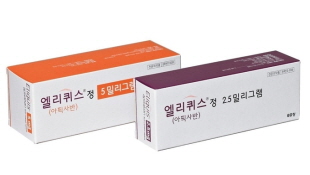
- The weighted average price of apixaban declined by 24% last year, driven by increasing market penetration of generic products competing with the original anticoagulant Eliquis (apixaban) and reductions in reimbursement ceiling prices.Further declines are expected this year as generic competition intensifies, with products such as Chong Kun Dang’s Liquisia and Samjin Pharmaceutical’s Elxaban expanding their market presence.According to the Health Insurance Review & Assessment Service (HIRA)’s 2025 annual weighted average prices by active ingredient data, apixaban’s weighted average price fell from KRW 744 to KRW 566 year-over-year.BMS Pharmaceutical Korea’s Eliquis has been engaged in market share competition with generics since the year before last. Pharmaceutical companies that had withdrawn from the market after losing patent lawsuits relaunched their generics, and last year they launched aggressive market penetration efforts, including voluntary price reductions.Chong Kun Dang’s Liquisia reduced its reimbursement ceiling price from KRW 570 to KRW 567 through a voluntary price cut in October last year. Samjin Pharmaceutical’s Elxaban, expanding its presence in tertiary hospitals, is priced at KRW 550. Boryung’s BRapix also voluntarily reduced its ceiling price from KRW 724 to KRW 549 starting last November.Eliquis itself saw its ceiling price reduced from KRW 745 to KRW 570 last September following the reentry of its generic versions. All in all, the weighted average price of apixaban declined sharply within a single year due to generic relaunches and price adjustments.Despite this decline, apixaban’s weighted average price remains close to Eliquis’s ceiling price. This may indicate that generic penetration, while increasing, is not yet dominant enough to drive deeper price erosion.It also indicates that aggressive low-price bidding to enter tertiary hospitals has not yet occurred. Price management is being well-executed even amid market competition.The extent of further declines in the weighted average price for both the first and second halves of this year will likely be determined by the expansion of generics' market share. The key factor will be changes in market share held by Samjin and Boryung, which are expanding prescriptions using price competitiveness as their weapon.According to pharmaceutical market research firm UBIST, Eliquis sales declined from KRW 77.3 billion in 2023 to KRW 74.2 billion in 2024, representing a 3.9% decrease. The impact of generic re-entry is expected to continue to grow.Prior to market withdrawal following patent litigation losses, apixaban generics held a 24% market share. As of the third quarter of last year, their share stood at around 13% post-relaunch. Therefore, even considering only the previous market share, there remains potential for approximately 11% growth.
- Policy
- Takhzyro to be reimbursed from next month
- by Lee, Jeong-Hwan Feb 20, 2026 10:04am
- Takeda Korea’s hereditary angioedema treatment Takhzyro (lanadelumab) will be newly added to the National Health Insurance reimbursement list starting next month, approximately 5 years after receiving domestic marketing approval.Yuhan’s allergic rhinitis therapy Ryaltris Nasal Spray will also see an expansion of its reimbursement criteria.Currently reimbursed only for adolescents aged 12 and older and adults, Ryaltris’s coverage will be extended to pediatric patients aged 6 to 11.In addition, the reimbursement scope for the rare autoinflammatory disease treatment Kineret Inj (anakinra) will be explicitly revised to include treatment of macrophage activation syndrome (MAS).On the 19th, the Ministry of Health and Welfare (MOHW) issued a pre-announcement of a partial revision to the notification detailing reimbursement standards and application methods for pharmaceutical benefits.Under the revision, the Takhzyro Prefilled Syringe will be newly reimbursed effective March 1.Eligible patients include adolescents aged 12 and older and adults diagnosed with hereditary angioedema (Type 1 or Type 2), confirmed via serum testing for C1-esterase inhibitor deficiency or dysfunction (quantitative or functional), who meet the following conditions.Either they must have experienced attacks requiring emergency treatment (icatibant injection) at least 3 times per month on average over the previous 6 months, despite receiving oral danazol for at least 6 months, or they must have experienced a similar frequency of attacks if danazol could not be administered due to contraindications or adverse effects.After using Takhzyro for 6 months, if the average monthly number of episodes requiring emergency treatment (icatibant injection) has decreased by at least 50% compared to the initial treatment period, an additional 6 months of administration is approved.Subsequent reimbursement will require reassessment every six months, with continued coverage contingent upon maintaining the initial 6-month response level.However, after 6 months from the initial administration date, for patients showing stable disease activity and no adverse effects, self-administration is permitted following appropriate education on the administration method, based on the physician's judgment. Self-injection can be prescribed for up to a 2-month supply.Patients must complete a ‘patient medication diary’ to verify the medication administration period, with healthcare institutions responsible for its oversight.Takhzyro must be prescribed by a specialist with experience treating patients with hereditary angioedema. Objective documentation (medical records, test results, etc.) regarding the patient's eligibility for initial administration and response evaluation for continued administration must be submitted.In the case of the ENT medication Ryaltris Nasal Spray, its reimbursement, which was previously limited to patients aged 12 and older, will be expanded, effective March 1, to include children aged 6 to 11. However, the administration must strictly follow the indicated dosage and administration guidelines.Meanwhile, the reimbursement scope for Kineret Inj will be clarified in accordance with the approval conditions set by the Minister of Food and Drug Safety.Coverage will now include treatment for chronic infantile neurologic cutaneous and articular syndrome (CINCA), cytokine release syndrome (CRS) potentially occurring after CAR-T cell therapy, neurotoxicity syndrome, hemophagocytic lymphohistiocytosis (HLH) following CAR-T cell therapy, Schnitzler syndrome, and macrophage activation syndrome (MAS).
