
- LOGIN
- MemberShip
- 2026-04-24 18:24:13
- Opinion
- [Reporter's View] Is reimb criteria restricting patient access?
- by Son, Hyung Min Feb 05, 2026 07:47am
- The same question is asked whenever the reimbursement criteria for a new drug are unveiled. "Is regulation aligning with the disease treatment flow?"Concerns are mounting about the reimbursement criteria for Ozempic, a GLP-1-based diabetes drug. Despite the goal of its criteria to suppress prescriptions for obesity, the criteria may narrow treatment access.Professionals in clinical practice are continually raising issues. They assert that the government's goal in reducing unregulated prescriptions for obesity treatments can be acknowledged. Yet if this goal is applied too broadly, it could undermine effective diabetes treatments.The government limited Ozempic reimbursement recipients by considering factors such as body mass index (BMI), blood sugar levels, and prior medication history. The problem is that the criteria were designed to focus on reducing the risk of abuse rather than reflecting patient condition variables.According to the reimbursement criteria for Ozempic, the drug can be prescribed as part of a triple therapy including metformin and sulfonylurea (SU), or in combination with insulin to Type 2 diabetes patients whose glycated hemoglobin (HbA1C) levels remain at 7% or higher despite at least 2 to 4 months of combination drug therapy. Following the initial treatment, when patients experience substantial improvement in blood sugar levels, their treatment scheme can be switched to a dual combination therapy (metformin + Ozempic).Additionally, reimbursement is applied to the combination therapy of Ozempic plus basal insulin (±metformin) if the glycated hemoglobin (HbA1c) level remains at 7% or higher even after administering basal insulin monotherapy or metformin combination for more than 2-4 months, or if the HbA1c remains at 7% or higher following the combination therapy of Ozempic and metformin (±SU).In current clinical practice, combination therapies centered on DPP-4 inhibitors and SGLT-2 inhibitors are widely used, and there is a trend toward increasingly excluding SU due to the risk of hypoglycemia and specific patient characteristics.Despite this, requiring patients to return to sulfonylureas and essentially forcing a "treatment failure" to meet reimbursement requirements feels less like a typical clinical pathway and more like a regulatory mandate that mandates failure.Another concern is that even non-reimbursement prescriptions are not permitted for patients who fail to meet the reimbursement criteria. While the intent is to block use for obesity purposes, the result is the elimination of even the minimum leeway to adjust treatment strategies based on individual patient characteristics. This has resulted in backlash, with accusations that the government has arbitrarily and preemptively defined the therapeutic needs of patients.A bigger problem is the high probability that these criteria will be applied identically to other GLP-1 class diabetes treatments to be released in the future. If the structure of the criteria is finalized, with even innovative new drugs having their reimbursement status judged through a single frame of BMI, blood sugar, and prior treatment conditions, the domestic reimbursement policy will inevitably tilt further toward regulation. This serves as a warning that South Korea's clinical practices may continue to diverge from international treatment guidelines.In the case of migraine treatments, international and domestic guidelines recommend calcitonin gene-related peptide (CGRP) class agents as first-line medications.However, because Korean insurance criteria are excessively stringent, there are cases where patients must wait until their pain worsens or repeat multiple medication failures to meet reimbursement requirements. Consequently, new drugs that were granted reimbursement to increase treatment accessibility have become even more out of reach for patients.Everyone acknowledges that institutional mechanisms to prevent misuse and abuse are necessary. However, a structure in which regulations are created first without clear standards ultimately result in uncertainty and disadvantages patients.If the purpose of regulation is to aid patient treatment, what is needed now is not simple control, but a sophisticated design that places the patient at the center.
- Policy
- Will the NA pass the 'mandatory INN prescription' bill?
- by Lee, Jeong-Hwan Feb 04, 2026 06:51am
- While the simplified post-notification system for substitution drugs through the government's electronic network was implemented on February 2, the pharmaceutical industry is increasingly focusing on the "limited International Nonproprietary Names (INN) prescription" bills currently pending in the National Assembly.Members of the ruling party on the Health and Welfare Committee have expressed a consensus on the need to accelerate the review of these bills, noting that the Lee Jae Myung administration has chosen mandatory INN prescription for national essential medicines as a national task to resolve supply instabilities.As of February 3, three bills related to limited INN prescription, introduced by Rep. Kim Yoon and Rep. Jang Jong-tae of the Democratic Party, are pending in the National Assembly.Rep. Kim Yoon's Pharmaceutical Affairs Act Bill proposes a legal definition for supply-unstable drugs and allows the Minister of Health and Welfare to recommend the use of INN for national essential and supply-unstable drugs.This method is considered less coercive as it does not mandate health professionals to use INN prescription during patient care and prescription.Rep. Jang Jong-tae's Medical Service Act & Pharmaceutical Affairs Act Bill requires the MOHW to designate supply-unstable drugs after deliberation by a Supply Management Committee. It mandates physicians to use INN instead of brand names when prescribing these designated drugs.Notably, Rep. Jang's proposal is considered highly coercive because it includes a penalty of up to one year in prison or a fine of up to KRW 10 million for physicians who violate the INN mandate.Some ruling party members on the Health and Welfare Committee state that if a legislative subcommittee is held this month, these bills should be officially adopted for review. They argue there is no reason to delay, especially given President Lee's recent criticisms regarding the slow pace of legislation.Rep. Kim's bill has been pending for over a year since its introduction in December 2024.The pharmaceutical industry is showing significant attention as the MOHW and the Health Insurance Review and Assessment Service (HIRA) began the implementation of the simplified post-notification system for substitution drugs, formulations, and dosages on February 2.An official from the Health and Welfare Committee stated, "The ruling and opposition party mangement groups are currently coordinating the schedule for the February legislative subcommittee," and added, "If the schedule is confirmed, there is a high possibility that the INN prescription bills will be placed on the agenda, as they are drawing significant attention from both the proposed offices and the committee members."
- Policy
- Merck’s mirdametinib drug receives GIFT designation
- by Lee, Tak-Sun Feb 04, 2026 06:51am
- Gomekli (mirdametinib) was approved by the US FDA in February last yearMerck’s neurofibromatosis treatment candidate mirdametinib has been designated for the Ministry of Food and Drug Safety’s (MFDS) expedited review support program, GIFT (Global Innovative products on Fast Track).As a result, the drug’s entry into the Korean market is expected to accelerate.According to the MFDS, mirdametinib was designated as a GIFT product on the 20th of last month.GIFT is an expedited review program launched in September 2022 to support rapid product development and provide patients with faster access to new treatment options.The program targets innovative medicines, including those for life-threatening diseases, rare diseases with no existing treatment alternatives, and new drugs developed by certified innovative pharmaceutical companies.The MFDS designates GIFT products based on a comprehensive evaluation of factors such as innovative therapeutic effects, contribution to addressing public health needs, and the developer’s efforts.Once designated, the review period is reduced by at least 25% (from 120 working days to 90 working days).The program also applies rolling reviews, under which submitted data are reviewed on an ongoing basis, and provides close communication between regulators and developers through product briefings and supplementary meetings. In addition, regulatory consulting and other support measures are offered to facilitate rapid commercialization.Mirdametinib is Korea’s 64th GIFT product. The proposed indication submitted to the MFDS is for the treatment of ‘pediatric and adult patients aged 2 years and older with neurofibromatosis type 1 (NF1) who have symptomatic, inoperable plexiform neurofibromas.’Mirdametinib is a selective inhibitor of mitogen-activated protein kinase kinases 1 and 2 (MEK1/2). It exerts antitumor activity by blocking MEK activity, thereby inhibiting the phosphorylation of Extracellular-regulated kinase 1 and 2 (ERK1 and ERK2) within the Mitogen-activated protein (MAP) pathway.It received Fast Track designation from the US FDA on February 11 last year and was approved by the EMA on July 17 last year. In Korea, it was designated as an orphan drug on December 11 last year.Mirdametinib was originally developed by the U.S. biotech company SpringWorks Therapeutics. In April 2023, SpringWorks was acquired by Germany-based Merck for USD 3.9 billion, giving Merck global commercial rights to the drug.Once launched, mirdametinib is expected to compete with the existing neurofibromatosis therapy Koselugo (selumetinib, AstraZeneca).Koselugo, which is also indicated for neurofibromatosis type 1, has been reimbursed by Korea’s national health insurance for patients aged 3 years and older since January 2024.Neurofibromatosis is a type of neurocutaneous syndrome characterized by abnormalities affecting both the skin and the central nervous system. Among its various subtypes, neurofibromatosis type 1 is the most common. Depending on the location of the neurofibromas, patients may exhibit brain tumor symptoms, and spinal involvement can lead to scoliosis. As of 2024, there are 6,490 known patients in South Korea.With recent increases in cases of reduced reimbursement for Koselugo, calls for improving reimbursement criteria are growing among neurofibromatosis patients and medical professionals.

- Company
- Pharma companies cut distribution margins in succession
- by Son, Hyung Min Feb 04, 2026 06:51am
- Generated using AIThe pharmaceutical distribution industry is mounting strong opposition as pharmaceutical companies successively cut distribution margins in the wake of the government's drug price system reform.According to industry sources on the 4th, one multinational pharmaceutical company has reportedly lowered distribution margins on certain products by approximately 5% compared with previous levels.In addition, several small and mid-sized domestic pharmaceutical companies are said to have begun implementing or reviewing margin cuts in the range of 1% to 4%.The distribution industry is concerned that these unilateral, unconsulted adjustments could destabilize the industry ecosystem.A distribution company official stated, “While we understand that pharmaceutical companies face increased burdens due to the drug price reform, reducing margins without discussion with distributors undermines the mutually beneficial structure.”A senior official from the Korea Pharmaceutical Distribution Association also pointed out, “Indiscriminate margin reductions shake the foundation of normal business operations. With logistics costs and labor expenses already significantly increased, further reductions are difficult to withstand.”In some quarters, calls have even emerged to reconsider handling products from pharmaceutical companies that have reduced margins. Industry sentiment is rapidly cooling, with distributors warning that accumulated profitability deterioration, combined with margin cuts, could directly lead to bankruptcy risks.Meanwhile, pharmaceutical companies maintain that this is an unavoidable adjustment to withstand the government's pressure for drug price reductions. However, the distribution industry is strongly protesting, claiming its survival is threatened, leading to an escalation of conflict between the two sides.Against this backdrop, the Korea Pharmaceutical Distribution Association is scheduled to hold its general assembly on the 4th to discuss response measures. Industry observers are watching closely to see whether the association will outline strategies such as ▲strategic negotiation with pharmaceutical companies ▲collective responses, including refusal to handle products ▲policy recommendations directed at the government.An association official emphasized, “The pressure structure between pharmaceutical companies and distributors must not be repeated due to changes in the drug pricing system. When designing policies, the government must reflect the realities of the distribution structure, and a consultative body involving pharmaceutical companies, distributors, and the government is necessary.”Ho-young Park, Chair of the Korea Pharmaceutical Distribution Association (right), also expressed concern at a New Year's press briefing last month about the potential reduction in distribution margins arising from drug price cuts.
- Company
- Why new drugs are still not reimbursed within 150 days
- by Eo, Yun-Ho Feb 04, 2026 06:50am
- Questions continue to surround the effectiveness of Korea’s pilot program for parallel approval, assessment, and price negotiation.The Ministry of Health and Welfare has operated the parallel ‘approval–assessment–negotiation’ pilot program since 2023 to improve access to treatments for life-threatening severe and rare intractable diseases. The program’s core objective is to shorten the time required for new drugs to be listed on the National Health Insurance (NHI) reimbursement scheme by running regulatory approval, reimbursement assessment, and price negotiations in parallel. The stated goal is to reduce the reimbursement listing timeline, which used to take a maximum of over 300 days, to 150 days.As of 2026, expectations for the Approval-Evaluation-Negotiation pilot project were high, but the results appear to be less than satisfactory.The first pilot program, launched in 2023, concluded after nearly two years, which was longer than originally planned. Among the drugs included, Bylvay (odevixibat), the last to secure reimbursement status, took more than a year to listing.Similarly, the drugs selected for the second pilot project in December 2024—▲‘ Winrevair(sotatercept)’, ▲‘Rimqarto (anbal-cel)’, ▲‘Fintepla (fenfluramine)’—have not shown significant progress even though nearly a year has passed since the program began.At the start of the new year, the government announced plans to strengthen support for rare and severe intractable diseases, stating the intent to “reduce the reimbursement listing period for rare disease treatments, which previously took over a year, to 100 days through streamlining reimbursement appropriateness evaluations and negotiations.” However, skepticism remains within the pharmaceutical industry, questioning, “Given that even the ‘150 days’ target of the pilot project was rarely met, is this really feasible?”If the existing cost-effectiveness evaluation method remains unchanged, for chronic rare and intractable diseases requiring lifelong treatment, the longer a patient survives, the longer they must continue taking the medication. This means that while the drug improves survival and quality of life, the associated drug costs also increase.This structure makes it inherently disadvantageous to demonstrate cost-effectiveness and, in extreme cases, creates a dilemma in which a patient’s earlier death would paradoxically improve cost-effectiveness outcomes.A representative example is Winrevair, a pulmonary arterial hypertension (PAH) therapy included in the second pilot program. Winrevair is the first approved activin signaling inhibitor (ASI) in this therapeutic area, where drug development is particularly challenging. Unlike existing therapies focused on vasodilation, Winrevair improves vascular remodeling, the fundamental cause of the disease.Consequently, no comparable therapeutic alternative is available. If Winrevair is evaluated within the existing economic assessment framework, it would be compared to treatments developed two decades ago. This situation naturally delays the listing process. This challenge is not unique to Winrevair but is one commonly faced by drugs included in the parallel pilot program. Nearly 200 days have already passed since Winrevair received approval from Korea’s Ministry of Food and Drug Safety.Moreover, pulmonary arterial hypertension is a rare, severe, and chronically progressive disease. The longer patients receive sustained treatment to reach a low-risk group and maintain a favorable condition, the longer the drug is used. This creates the irony that proving cost-effectiveness becomes difficult precisely because the drug ‘keeps patients alive longer’. This is why flexible application of the ICER threshold is necessary.A representative from a multinational pharmaceutical company commented, “The parallel approval–assessment–negotiation pilot program was introduced to recognize the value of innovative medicines, yet it continues to apply conventional comparative evaluation criteria. The system was designed to improve access to innovative therapies for rare and severe intractable diseases, but it lacks evaluation standards capable of reflecting that innovation.”
- Policy
- Novartis withdraws all statin agents from the Korean mkt
- by Lee, Tak-Sun Feb 03, 2026 10:32pm
- Product photo of LescolNovartis is withdrawing all its statin agents used to treat hyperlipidemia from the Korean pharmaceutical market.Analysis suggests that the product's competitiveness has weakened due to other statin agents.According to the Ministry of Food and Drug Safety (MFDS) on the 2nd, Novartis Korea reported discontinuing supply of 'Lescol XL Tab (fluvastatin sodium),' the company's only statin-containing drug.Novartis stated, "In accordance with our global strategy and supply planning, we are discontinuing the supply of Lescol XL extended-release Tablet."The supply discontinuation date is set for July 31. Novartis noted, "Following the discontinuation of supply, please consider substituting with other statin-based products of the same mechanism of action (e.g., rosuvastatin, atorvastatin, simvastatin, pravastatin, etc.)."Lescol XL Extended-Release Tablet is currently the only statin product from Novartis that remains approved.Novartis entered the statin market in Korea in 1994, after obtaining MFDS approval for Lescol capsule. However, the product failed to achieve high performance as it lost out in competition with other statin products.Consequently, five of the six approved fluvastatin items were removed from the approval list in 2022 and 2023 due to withdrawals.Lescol XL was the only remaining product. However, following the latest report of supply discontinuation, fluvastatin will be completely withdrawn from the Korean market. There are currently no separate generic items available.Lescol XL Tab is indicated for ▲reduction of risk for cardiovascular disease, ▲hyperlipidemia ▲an adjunct to diet to reduce elevated total cholesterol, LDL-cholesterol, apo-B protein, and triglyceride levels and to increase HDL-cholesterol in pediatric and adolescent patients (boys: aged 9 to 16; girls: aged 10 to 16 and post-menarche) with heterozygous familial hypercholesterolemia who do not respond adequately to dietary therapy.Based on 2024 UBIST data, outpatient prescription amount totaled KRW 2.8 billion, a 23.7% decrease from the previous year. The sales volume is considered small when compared to Viatris' Lipitor (atorvastatin calcium trihydrate), a statin agent, which recorded KRW 188.6 billion in prescription sales during the same period.The underperformance is considered the most significant factor in this withdrawal from the Korean market.

- Policy
- Pharma, preparing for the future…generic launch in 2030s
- by Lee, Tak-Sun Feb 03, 2026 06:24am
- Product photos of Tagrisso (left) and K-CAB (right).Are they already preparing for the future? The Korean pharmaceutical industry is preparing for generics that would be launched five years later. They are also fiercely competing to secure priority marketing authorization by filing patent applications and seeking approvals.According to the Ministry of Food and Drug Safety (MFDS), 'Otinib tablet (Chong Kun Dang),' a generic version of the non-small cell lung cancer treatment Tagrisso (osimertinib), was approved on the 27th and also secured the priority marketing authorization. When assigned a priority marketing authorization, the drug receives an exclusive sales period of 9 months, during which the sale of generics containing the same active ingredient is banned.However, the effective date of the priority marketing authorization is not approaching soon. It is set to begin on December 28, 2023, and terminate on September 27, 2034. Approximately 8 years remain until the product launch. This is because the Tagrisso patent is set to expire on the specified date.Generic versions of K-CAB (tegoprazan), a P-CAB for gastroesophageal reflux disease (GERD), are increasingly receiving approvals. Yet, the priority marketing authorization is scheduled to take effect after August 26, 2031.Until now, pharmaceutical companies that received K-CAB generic approvals include GC Cross, Withus Pharm, Genuonesciences, Korea Drug, Ildong Pharmaceutical, KyungDong Pharm, and Hutecs Korea.As K-CAB is a mega-blockbuster item generating over KRW 200 billion in annual sales, numerous companies are competing for approvals to gain pre-occupancy in the generic market.Generics to Daiichi Sankyo's neuropathic pain treatment Taleaje (mirogabalin besilate) can be launched on or after 2031.Five pharmaceutical companies have applied for approval of their products containing mirogabalin besilate. Several companies have started patent challenges, excluding substance patents. Huons, Daewoong Pharm, Dong-A ST, JW Pharmaceutical, KyungDong Pharmaceutical, and Samjin Pharm.Five pharmaceutical companies that successfully challenged patents would be leading candidates to obtain priority marketing authorization. Despite this advantage, more than 5 years remain until the launch of generics, as the patent on the active ingredient is set to expire on June 4, 2031.Taleaje is still a non-reimbursed drug, and its sales cannot be estimated yet. Despite this circumstance, Korean generic companies have anticipated the bright future of the Taleaje market and have entered the race to secure a generic position.

- Company
- HK inno.N’s GLP-1 drug approved in China for diabetes
- by Cha, Ji-Hyun Feb 03, 2026 06:24am
- HK Inno.N's GLP-1 class obesity and diabetes treatment, ecnoglutide (XW003), currently undergoing Phase III clinical trials in Korea, has received its first product approval in China. Its original developer, Saiwind Biosciences, obtained new drug approval for the type 2 diabetes indication from Chinese authorities, which is expected to bolster HK Inno.N’s domestic development strategy.According to the biotech industry on the 2nd, Sciwind received approval from China’s National Medical Products Administration (NMPA) on the 30th of last month (local time) for the injectable formulation of ecnoglutide indicated for glycemic control in adult patients with type 2 diabetes.Previously, Sciwind had submitted marketing authorization applications to the NMPA for ecnoglutide for type 2 diabetes and obesity indications in November and December 2024, respectively. The obesity indication is currently under NMPA review in China.Ecnoglutide's cAMP-biased GLP-1 receptor agonist mechanism (Source: Sciwind Biosciences)Ecnoglutide is the world’s first cAMP-biased GLP-1 receptor agonist. Compared with conventional GLP-1 therapies, it enhances signaling selectivity, resulting in prolonged efficacy and improved metabolic effects.The approval was based on results from the Phase III EECOH-1 and EECOH-2 clinical trials conducted in China by Sciwind. In the EECOH-1 study, patients with type 2 diabetes inadequately controlled by diet and exercise achieved a reduction in HbA1c of up to 2.43% after 24 weeks of treatment. In the EECOH-2 study, ecnoglutide demonstrated superior glucose-lowering efficacy compared with dulaglutide, an existing GLP-1 therapy, in patients receiving concomitant metformin. In both studies, sustained efficacy and safety were confirmed through 52 weeks of treatment.Upon the approval, attention is turning to the pace of development and future approval strategy for HK Inno.N’s obesity and diabetes pipeline currently undergoing Phase III clinical trials in Korea. HK Inno.N signed a licensing agreement with Sciwind in May 2024 to secure exclusive domestic development and commercialization rights for ecnoglutide. Under the agreement, Under the agreement, HK inno.N paid an upfront payment, milestone payments tied to development stages, and royalties based on post-launch sales.HK Inno.N is currently conducting a Phase III clinical trial for ecnoglutide targeting the obesity indication. Recruitment for the domestic Phase III trial was completed last January, and the trial has now entered the dosing phase. HK Inno.N received Investigational New Drug (IND) approval from the Ministry of Food and Drug Safety in May last year. After enrolling the first patient in September, HK inno.N completed recruitment of a total of 313 participants in approximately four months.The Phase 3 study is being conducted at 24 medical institutions, including Kangbuk Samsung Hospital, and targets adult Korean patients who are obese or overweight without diabetes. Participants receive once-weekly subcutaneous injections of either ecnoglutide or placebo to evaluate efficacy and safety. The primary endpoints are the percentage change in body weight from baseline at week 40 and the proportion of participants achieving at least a 5% reduction in body weight.

- Policy
- Korea’s Innovative Pharmaceutical Company certification overhaul
- by Lee, Jeong-Hwan Feb 03, 2026 06:24am
- Director Kang-seop LimAttention is focused on how much the domestic pharmaceutical industry's request for rationalization of the ‘one-strike-out’ rebate regulation will be reflected in the reform plan for the Korea Innovative Pharmaceutical Company certification system, for which a legislative notice is being prepared by the Ministry of Health and Welfare within February.The MOHW has gathered extensive industry feedback on the current rule mandating the immediate revocation of innovative certification for companies found guilty of illegal rebates. Based on this input, the ministry plans to partially modernize regulations that could excessively hinder innovation in the pharmaceutical industry.However, regarding the previously discussed proposal to shift from immediate revocation to a points-based penalty system for rebate violations, the MOHW said it remains cautious and has not yet reached a decision.On the 1st, Director Kang-seop Lim of the Pharmaceutical and Bio-Industry Division met with the Ministry of Health and Welfare's press corps and explained, “We will announce the legislative notice for the enforcement decrees, enforcement rules, and notices related to innovative pharmaceutical companies by February at the latest.”The overhaul of the Korea Innovative Pharmaceutical Company certification system has emerged as a key issue for the industry, as it will operate in line with the drug pricing reform scheduled for implementation this year.Under the proposed drug pricing reform, price premiums would be applied depending on whether a company is certified as an innovative pharmaceutical company and the proportion of R&D investment in new drugs within such companies.Regarding the industry’s primary demand of converting the immediate revocation of innovative certification for rebate violations to a points-based system, Lim said, “This is still under discussion, and no decision has been made.”However, Lim explained that the ministry is preparing the reform plan in full consideration of the industry's persistent demand that the current penalty, where innovative certification is immediately revoked upon confirmation of a rebate incident, is excessively harsh for pharmaceutical companies dedicated to innovation, including new drug development.As the importance of the certification system has grown significantly with the upcoming drug pricing system reform, Lim explained that the ministry is particularly examining the feasibility of introducing several of the improvement measures requested by pharmaceutical companies.Overall, the MOHW is expected to pursue an administrative approach that maintains a certain level of penalties for unfair pharmaceutical trade resulting from illegal rebates, while improving regulations that excessively revoke or withdraw innovative certification based on overly stringent standards.According to industry sources, discussions are underway on rationalizing elements such as the period of application for penalties imposed on companies involved in rebate violations within the legislative and administrative notice.Lim said, “Pharmaceutical companies have repeatedly requested that the criteria for revoking innovative certification due to rebate violations be made more reasonable than they are now. We are internally reviewing measures that can both partially accommodate industry demands while continuing to regulate illegal rebates.”He added, “The decision on whether to adopt a points-based system is still under discussion. Currently, a rebate violation immediately renders a company ineligible as an innovative pharmaceutical company, leading to automatic revocation of certification. We are considering various options to improve this framework in a more rational way. By early February, we must simultaneously announce draft amendments to the enforcement decree, enforcement rules, and public notices. We will prepare a revised innovative certification scheme that enhances predictability for pharmaceutical companies.
- Company
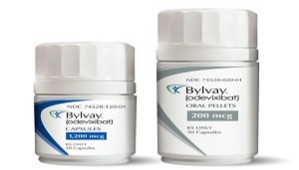
- Bylvay may be prescribed at Big 5 Hospitals in Korea
- by Eo, Yun-Ho Feb 03, 2026 06:24am
- Bylvay, the first drug approved under Korea’s parallel approval–assessment–negotiation linkage pathway, has successfully secured prescribing access at major tertiary hospitals.According to industry sources, Ipsen Korea’s Bylvay (odevixibat), a treatment for pruritus in patients aged three months and older with progressive familial intrahepatic cholestasis (PFIC), has been approved by the Drug Committees (DCs) of Korea’s “Big 5” hospitals, including Samsung Medical Center, Seoul National University Hospital, Asan Medical Center, and Severance Hospital.Since its inclusion in the national health insurance reimbursement list in October last year, Bylvay has rapidly expanded its prescribing environment.Bylvay is the world’s first oral therapy indicated for the treatment of PFIC-related symptoms. It offers a non-invasive and sustainable treatment option for patients who previously had few alternatives other than high-risk procedures such as liver transplantation.Following its initial approval in the US and Europe in 2021, it has received authorization in major countries. In Korea, it was selected as the first drug under the Ministry of Health and Welfare's ‘Parallel Approval-Evaluation-Negotiation Pilot Program’ in 2023.PFIC is a rare, inherited disease that typically manifests in childhood and causes severe pruritus, growth impairment, and liver failure. Patients and their families endure suffering across all aspects of daily life, including sleep deprivation, interrupted education, and social isolation. Bylvay is a treatment that alleviates this diminished quality of life and opens the possibility for patients to return to their daily routines.Meanwhile, Bylvay demonstrated its efficacy through the Phase III ASSERT study conducted in pediatric and adolescent patients aged 17 years and younger.Study results showed that Bylvay met its primary endpoint by significantly reducing pruritus compared with placebo. It also statistically significantly improved the key secondary endpoint, mean serum bile acid levels at weeks 20 and 24 of treatment, compared to placebo. These therapeutic effects were sustained through 24 weeks of treatment.Professor Seak-hee Oh of the Department of Pediatrics at Asan Medical Center said, “Liver transplantation was a treatment option that had to be chosen as a last resort, despite an average failure rate exceeding 10% and the risk of serious complications. In a situation where there were virtually no alternatives other than transplantation, Bylvay could establish itself as an important alternative that can protect patients without the need for liver transplantation.”
