
- LOGIN
- MemberShip
- 2026-04-24 18:24:16
- Company
- AZ Achieves dual milestone in liver and biliary tract cancers
- by Eo, Yun-Ho Feb 13, 2026 08:28am
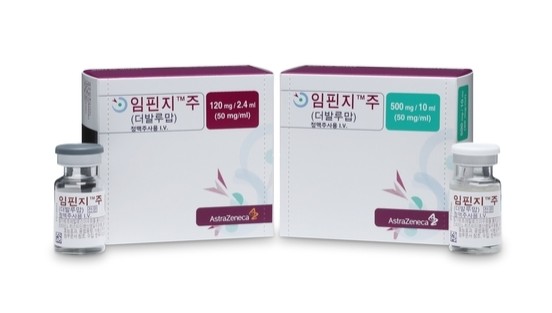
- AstraZeneca has achieved a significant milestone. AstraZeneca’s immunotherapy-based combination regimens in both hepatocellular carcinoma (HCC) and biliary tract cancer (BTC) are expected to be simultaneously listed for reimbursement in Korea.According to Dailypharm coverage, AstraZeneca Korea recently concluded price negotiations with the National Health Insurance Service for the combination therapy of the PD-L1 inhibitor ‘Imfinzi (durvalumab)’ and the CTLA-4 inhibitor ‘Imjudo (tremelimumab)’ as first-line treatment for adult patients with advanced or unresectable hepatocellular carcinoma.In parallel, reimbursement pricing was also concluded for Imfinzi in combination with gemcitabine and cisplatin for first-line treatment of patients with locally advanced or metastatic biliary tract cancer.This achievement comes approximately 3 months after Imfinzi and Imjudo passed the Drug Reimbursement Evaluation Committee (DREC) review in November last year. For biliary tract cancer, this marks the emergence of a new treatment option in nearly a decade.The journey toward reimbursement listing for the Imfinzi-based combination regimens was not smooth. In November 2024, the Imfinzi + chemotherapy regimen for HCC, and the Imjudo combination regimen for BTC successfully passed the Cancer Drug Review Committee. However, when submitted to DREC 10 months later in September of the following year, both regimens received a redeliberation decision.In this context, passing the DREC review in November and concluding the price negotiation demonstrates the pharmaceutical company's efforts. The government's second flexible application of the ICER threshold, following the antibody-drug conjugate (ADC) anticancer drug Trodelvy (sacituzumab govitecan), also played a significant role.The Imfinzi and Imjudo combination therapy involves administering the combination only once initially, followed by maintenance therapy with Imfinzi alone. This approach reduces the burden of administration compared to existing standard therapies that include VEGF antibodies and offers the advantage of being suitable for patients with vascular invasion.This therapy demonstrated improved overall survival (OS) in the HIMALAYA study, which became the first Phase III clinical trial targeting patients with unresectable hepatocellular carcinoma receiving first-line treatment to show such benefit.There had been virtually no treatment option that demonstrated safety and efficacy through a large-scale Phase 3 clinical trial in first-line biliary tract cancer. Imfinzi, which had been partially non-reimbursed in this area, became the new standard of care after over a decade, based on the improved overall survival in the TOPAZ-1 study when used in combination with gemcitabine and cisplatin.
- Company
- Big pharma companies report strong financial results
- by Chon, Seung-Hyun Feb 12, 2026 06:38am
- Last year, major South Korean pharmaceutical and biotech companies reported robust earnings, driven by differentiated R&D capabilities in innovative drugs, biosimilars, and contract development and manufacturing (CDMO). Samsung Biologics and Celltrion set all-time highs, while traditional pharmaceutical firms maintained record-breaking performances based on their proprietary research. According to the Financial Supervisory Service on the 12th, 14 out of 15 leading domestic firms with annual revenues exceeding KRW 500 billion, including Yuhan Corporation, GC Biopharma, Daewoong Pharmaceutical, and Hanmi Pharmaceutical, showed sales growth compared with the previous year. 13 of these 15 firms reported increased operating profits, with the exceptions of Chong Kun Dang and Dong-A ST.Samsung Biologics·Celltrion Continue Record Performance…Operating Profit HikeSamsung Biologics and Celltrion have significantly accelerated their growth, widening the distance from traditional pharmaceutical companies.Samsung Biologics and Celltrion have significantly accelerated their growth, widening the distance from traditional pharmaceutical companies through aggressive expansion and high-margin business models. Samsung Biologics recorded an unprecedented operating profit of KRW 2.07 trillion, a 56.6% increase, on revenue of KRW 4.56 trillion. Its operating profit margin reached 45.4%.Samsung Biologics primarily focuses on Biopharmaceutical Contract Manufacturing (CMO) and Contract Development (CDO). The company’s growth was increased by the stable, full-capacity operation of Plants 1-3, alongside the successful launch of Plant 4. Since its inception, Samsung Biologics has steadily increased its capacity from Plant 1 (30,000L), Plant 2 (155,000L), and Plant 3 (180,000L) to Plant 4, which stands as the world’s largest single facility at 240,000L. With the 180,000-liter Plant 5 commencing operations in April last year, Samsung Biologics’ total production capacity has expanded to 785,000 liters.The company's performance exceeded the previous year's consolidated figures, even after excluding its biosimilar subsidiary, Samsung Bioepis.Following a corporate spin-off in November, Samsung Biologics now focuses strictly on the CDMO business, while the newly formed Samsung Epis Holdings oversees biosimilars and new drug development.Celltrion also recorded an annual operating profit of 1.17 trillion KRW, a 137.5% year-on-year increase. Revenue grew by 17.0% to exceed 4.16 trillion KRW for the first time in the company’s history, yielding an operating profit margin of 28.1%.Celltrion has obtained marketing authorizations in Europe and the United States for a robust portfolio, including Remsima, Herzuma, Truxima, Remsima SC, Zymfentra, Yuflyma, Vegzelma, Steqeyma, Stoboclo·Osenvelt, Omlyclo, AVTOZMA, and Eydenzelt.While existing products such as Remsima, Truxima, and Herzuma maintained stable growth, Celltrion's recently launched biologics, including Remsima SC, Yuflyma, Vegzelma, Steqeyma, Stoboclo·Osenvelt, Omlyclo, AVTOZMA, and Eydenzelt, were classified as new revenue drivers. All of these products reached record-high annual sales.Celltrion has secured 25 approvals across Europe and the United States. Specifically, Remsima, Herzuma, Truxima, Remsima SC, Zymfentra, Yuflyma, Vegzelma, Steqeyma, Stoboclo·Osenvelt, Omlyclo, AVTOZMA, and Eydenzelt have all received regulatory green lights in these regions.Remsima recorded sales of KRW 1.0495 trillion last year. Additionally, Remsima SC, Truxima, Yuflyma, Vegzelma, Herzuma, Steqeyma, and Zymfentra each surpassed KRW 100 billion in annual revenue.Traditional Pharmaceutical Companies Show Record Sales...In-House Developed Drugs Drive PerformanceMajor traditional pharmaceutical companies also posted record-breaking financial results, led by the success of their proprietary new drugs.Companies such as GC Biopharma, Daewoong Pharmaceutical, and HK inno.N saw both revenue and operating profit rise by more than 10%, driven by the strong performance of medicines developed through their accumulated R&D expertise.GC Biopharma reported an operating profit of KRW 69.1 billion last year, a 115.4% increase year-on-year, while revenue grew 18.5% to KRW 1.9913 trillion. This represents the company's largest annual revenue to date.Strong U.S. sales of the blood product Alyglo significantly bolstered performance. Alyglo's revenue in the U.S. market reached $106 million (KRW 151.1 billion) last year, a 211% increase from the previous year. Approved by the U.S. Food and Drug Administration (FDA) in December 2023, Alyglo is a liquid immunoglobulin G (IVIG-SN 10%) purified from human plasma. It is indicated for the treatment of primary humoral immunodeficiency (PI), such as congenital immunodeficiency and immune thrombocytopenia. Alyglo is the first blood product developed by a South Korean company to enter the U.S. market.GC Biopharma commenced full-scale sales in July 2024, following the initial shipment of Alyglo. Alyglo's U.S. sales reached $106 million (KRW 151.1 billion) last year, growing 211% year-on-year. GC Biopharma initiated full-scale commercialization after shipping the first batch in July 2024 and surpassed $100 million in just its third year of entering the U.S. market.Daewoong Pharmaceutical's operating profit rose 33.0% to KRW 196.8 billion last year, with revenue increasing 10.4% to KRW 1.5709 trillion. This marks the fifth consecutive year since 2021 that the company has broken its own records for both revenue and operating profit.According to the pharmaceutical market research firm UBIST, prescription sales for Fexuclue reached KRW 90 billion last year, a 10.6% increase from the previous year. Fexuclue is a potassium-competitive acid blocker (P-CAB) indicated for gastroesophageal reflux disease (GERD). It received marketing authorization in December 2021 and began full-scale sales in July 2022 following its addition to the National Health Insurance drug reimbursement list.Envlo, the 36th domestically developed new drug, saw its prescription sales rise 11.7% to KRW 11.8 billion last year. Envlo is an SGLT-2 inhibitor for diabetes, the first of its kind developed by a domestic pharmaceutical company. It received domestic approval in late 2022 and launched in May 2023.The botulinum toxin Nabota recorded KRW 228.9 billion in sales last year, up 19.0% from the prior year. Nabota's export performance grew 23% year-on-year, driven by strengthened partnerships in North America and expanded supply to emerging markets, including South America and the Middle East. Nabota received FDA approval in 2019 through a partnering company, Evolus.HK inno.N surpassed the KRW 1 trillion milestone for the first time, recording revenue of KRW 1.0631 trillion, an 18.5% increase. Operating profit rose 25.7% to KRW 110.9 billion.K-CAB, a new drug for GERD, saw its annual prescription sales reach KRW 217.9 billion, up 10.6% year-on-year. Authorized in 2018 as South Korea's 30th new drug, K-CAB is a P-CAB class treatment. After surpassing KRW 100 billion in prescriptions in 2021, just three years post-launch, it has maintained the 100-billion-won level for four consecutive years, setting a new record by exceeding KRW 200 billion last year.HK inno.N's performance was also supported by co-promotion agreements for Pfizer's COVID-19 vaccine and Roche's oncology drug Avastin.Profitability Gains for Hanmi, Yuhan, JW Pharm, and Boryung... SK Biopharm and SK Bioscience Benefit from New Drugs and M&AHanmi Pharmaceutical, Yuhan Corp, JW Pharmaceutical, and Boryung significantly improved profitability through their in-house new drugs.Hanmi Pharmaceutical's operating profit rose 19.3% to KRW 257.8 billion last year, while revenue increased 3.5%. Both figures represent all-time highs. Its operating profit margin stood at 16.7%, the highest among traditional pharmaceutical firms.The new combination drug Rosuzet recorded KRW 227.9 billion in outpatient prescription sales, an 8.4% increase from the previous year. Rosuzet is a combination therapy of rosuvastatin and ezetimibe. In 2024, Rosuzet became the first domestically developed drug to lead the overall market with KRW 210.3 billion in sales and has maintained the top position for two consecutive years.Last year, Hanmi Pharmaceutical's total outpatient prescription sales reached KRW 1.0151 trillion, a 2.0% increase, securing the top market position. Hanmi has held the lead in prescription performance for eight consecutive years since 2018 and is the first pharmaceutical company (domestic or foreign) to exceed KRW 1 trillion in annual prescription sales.Beijing Hanmi Pharmaceutical, the company's Chinese subsidiary, recorded revenue of KRW 402.4 billion and an operating profit of KRW 77.7 billion, surpassing the KRW 400 billion mark for the first time since its founding. This was driven by the normalization of local distribution inventory and increased sales of respiratory disease treatments. Yuhan's operating profit surged 90.2% to KRW 104.4 billion last year, while revenue rose 5.7% to KRW 2.1866 trillion. This marks the first time the company’s operating profit has exceeded KRW 100 billion, surpassing the previous high of KRW 97.8 billion set in 2016.Significant licensing income (milestone payments) contributed to this growth. Yuhan Corp recognized KRW 104.1 billion in licensing revenue last year, marking the second consecutive year of exceeding KRW 100 billion in technology-related inflows, following KRW 105.3 billion in 2024.In the fourth quarter of last year, KRW 70.3 billion in licensing revenue was generated. The milestones are from the Chinese market entry of the oncology drug Leclaza.In August last year, China's National Medical Products Administration (NMPA) approved Leclaza, in combination with Johnson & Johnson's Rybrevant, as a first-line treatment for adults with locally advanced or metastatic non-small cell lung cancer (NSCLC) harboring EGFR Exon 19 deletions or Exon 21 L858R substitution mutations. Yuhan Corp received a $45 million (KRW 69 billion) milestone payment from Janssen Biotech in Q4 for achieving this stage.JW Pharmaceutical's operating profit grew 13.5% to KRW 93.6 billion last year, with revenue increasing 7.7% to KRW 774.8 billion.The Livalo family, based on pitavastatin for dyslipidemia, has shown remarkable growth. Livalo (monotherapy) recorded KRW 84.8 billion, Livalozet recorded KRW 101.0 billion, and Livalo V recorded KRW 3.5 billion. Combined sales of the three Livalo products reached KRW 189.3 billion, a 16.9% increase year-on-year.Livalozet, a combination of pitavastatin and ezetimibe, has maintained a high growth trajectory since its launch in October 2021. Livalozet posted sales of KRW 64.4 billion in 2023 and KRW 76.2 billion in 2024; last year, it continued its strong performance, exceeding the KRW 100 billion mark just 4 years after launch.Hemlibra, a hemophilia treatment, saw its revenue expand 48.5% to KRW 72.6 billion last year. Hemlibra is a routine prophylactic treatment for Hemophilia A caused by Factor VIII deficiency. Sales skyrocketed after the drug was covered by health insurance for 'Hemophilia A patients aged 1 year or older without Factor VIII inhibitors' starting in May 2023.Boryung's revenue grew modestly by 1.9% to KRW 1.0360 trillion, while its operating profit jumped 21.4% to KRW 85.5 billion.Boryung improved its profitability by "maximizing self-produced product capabilities." As the proportion of in-house manufactured products—which offer better cost-of-goods margins, increased, operating profit improved. Product revenue refers to sales derived from items a company manufactures itself. Last year, Boryung's self-produced product revenue rose 11.5% to KRW 550.3 billion. In the fourth quarter, product revenue hit an all-time high of KRW 148.4 billion, up 16.8% year-on-year.Profitability was further bolstered as Boryung transitioned and began producing original drugs, such as Gemzar, Zyprexa, and Alimta, in-house. The steady growth of core businesses, including the Kanarb family and oncology treatments, drove the company's overall expansion.SK Biopharmaceuticals and SK Bioscience saw significant performance improvements driven by new drug success and M&A activity.SK Biopharmaceuticals' operating profit expanded 111.7% to KRW 203.9 billion, while revenue grew 29.1% to KRW 706.7 billion.U.S. sales of the epilepsy drug Xcopri rose 43.7% to KRW 630.3 billion. Xcopri (cenobamate) is prescribed for adults with partial-onset seizures. SK Biopharmaceuticals managed the entire process from initial development to FDA approval independently, receiving authorization in November 2019. Since May 2020, it has been sold directly through SK Life Science, the company's U.S. subsidiary. Xcopri surpassed KRW 100 billion in 2022, with sales of KRW 169.2 billion, and has continued its steep annual growth.SK Bioscience's revenue surged 143.5% to KRW 651.4 billion last year. Revenue jumped significantly as the financial results of IDT Biologika, a German CDMO acquired in 2024, began to be reflected in the consolidated statements.SK Bioscience acquired IDT Biologika in October 2024. Through a wholly owned German subsidiary, it purchased a 60% stake in IDT Biologika from the Klocke Group.Last year, IDT Biologika recorded revenue of KRW 465.7 billion, a 17% increase year-on-year. IDT Biologika accounted for more than 70% of SK Bioscience's total revenue. While sales had dropped sharply after the end of the COVID-19 pandemic, the M&A strategy successfully offset the revenue gap.
- Policy
- Will the acetaminophen shortage crisis end?
- by Lee, Tak-Sun Feb 12, 2026 06:32am
- AI-generated ImageThe shortage of acetaminophen (AAP)-based fever reducers and pain relievers during COVID-19 highlighted the necessity and urgency of domestic pharmaceutical production, or pharmaceutical localization.Following this crisis, the Ministry of Food and Drug Safety (MFDS) conducted a research project for the stable supply of essential medicines, achieving the complete domestic production of acetaminophen from active pharmaceutical ingredient (API) to finished dosage form.On the 10th, the MFDS approved Corepharm Bio’s ‘Coacet Tab 500mg’ (OTC).This product is an acetaminophen tablet and represents the first approved finished drug using a domestically developed API, which was manufactured by MFC.The Ministry of Food and Drug Safety designated acetaminophen (tablets and syrup) as a national essential drug in November 2023 and included the ingredient in its ‘National Essential Medicines Supply Stabilization Research Program’ to support the development of its manufacturing process control technologies for domestic production.The National Essential Medicines Supply Stabilization Research Program is a KRW 5 billion initiative to develop 10 domestically manufactured essential medicines.For the acetaminophen domestic production project, MFC was selected for the API manufacturing, and Corepharm Bio’s for the finished product.MFC completed development of the acetaminophen API last year and finalized its DMF (Drug Master File) registration. Corepharm Bio subsequently secured regulatory approval for the finished product using this API. Previously, APIs for acetaminophen tablets were entirely dependent on overseas sources.Analysis indicates that domestically produced acetaminophen APIs are more expensive per unit than imported alternatives, which historically made the commercialization of finished products challenging. Nevertheless, Corepharm Bio has completed receiving approval for its finished product and is in preparation for domestic market launch.Industry observers anticipate that finished products using domestic API will require sufficient drug pricing support to ensure a stable supply. Consequently, high pricing for this product is expected to be key to ensuring a stable supply.The Ministry of Health and Welfare decided last year to apply a 68% price premium to national essential medicines manufactured using domestically produced APIs. An industry official stated, “It's difficult to say that the development of domestic APIs will completely resolve supply instability. Continued pricing support and policy incentives are necessary to ensure companies can maintain stable production and supply.”
- Company
- New Nucala autoinjector indication nears reimb
- by Eo, Yun-Ho Feb 12, 2026 06:32am
- The self-injection formulation of the antibody therapy Nucala is moving closer to reimbursement listing in Korea.In January, GSK Korea reportedly accepted the condition to price the Nucala Autoinjector (mepolizumab) below the evaluation amount and successfully passed the final review by the Drug Reimbursement Evaluation Committee (DREC) of the Health Insurance Review & Assessment Service (HIRA).As a result, the Nucala Autoinjector now only needs to complete the drug price negotiation process with the National Health Insurance Service (NHIS). Because the autoinjector includes additional indications compared with the existing Nucala formulation, the reimbursement process follows procedures equivalent to a new drug, rather than a simple formulation addition.Approved domestically in March last year, the Nucala Autoinjector underwent distribution network and supply volume securing processes before launching as a non-reimbursed product in November of the same year.It remains to be seen whether Nucala, which has established its position in the eosinophilic asthma treatment space, can further expand its influence through reimbursement listing of the new formulation.The new autoinjector formulation adds indications beyond treating severe eosinophilic asthma in adults and adolescents (12 years and older), including: ▲ Eosinophilic granulomatosis with polyangiitis (EGPA) in adults ▲ Hypereosinophilic syndrome (HES) in adults.Nucala is a self-administered injection used to treat eosinophilic diseases. It is indicated for add-on maintenance therapy in adolescents and adults aged 12 years and older with severe eosinophilic asthma (SEA), as add-on maintenance therapy in adult patients with EGPA, and as add-on maintenance therapy in adult patients with HES (excluding FIP1L1-PDGFRα positive patients).The autoinjector formulation’s key feature is its convenience, which allows patients to administer the drug easily at home. This is evidenced by a self-injection success rate exceeding 96%, high patient preference, and ease of use.Meanwhile, Nucala is poised to enhance its competitiveness by securing an indication for chronic obstructive pulmonary disease (COPD). The drug obtained additional approval from the U.S. FDA in May as ‘add-on maintenance therapy for adult patients with COPD with an eosinophilic phenotype.’This approval was based on the results of the Phase III MATINEE and METREX studies. In these studies, among a broad spectrum of COPD patients with an eosinophilic phenotype, the Nucala treatment group showed a significantly lower annual rate of moderate-to-severe exacerbations compared with placebo.
- Company
- New ADCs and immuno-oncology drugs approved for ovarian cancer
- by Son, Hyung Min Feb 12, 2026 06:31am
- The treatment landscape for platinum-resistant ovarian cancer (PROC) is rapidly expanding.Following the antibody-drug conjugate (ADC) ‘Elahere’ (mirvetuximab soravtansin), the immunotherapy ‘Keytruda’ (pembrolizumab) has gained a new indication in the US, marking its full-fledged entry into the ovarian cancer field. Eli Lilly is also focusing on developing a new ADC targeting the area.Keytruda+paclitaxel demonstrates benefit regardless of Avastin useImmuno-oncology drug KeytrudaAccording to industry sources on the 12th, the U.S. Food and Drug Administration (FDA) recently approved Keytruda in combination with ‘paclitaxel ± Avastin (bevacizumab)’ for patients with PD-L1 (CPS ≥1) positive platinum-resistant ovarian cancer, fallopian tube cancer, and primary peritoneal cancer.For epithelial ovarian cancer, which accounts for 90% of ovarian cancers, taxane-based drugs like paclitaxel and platinum-based anticancer drugs like carboplatin and cisplatin are primarily used.However, for platinum-resistant ovarian cancer, which is resistant to platinum-based drugs, response rates to standard chemotherapy have generally been low, significantly limiting survival improvements.This approval is based on results from the Phase III KEYNOTE-B96 trial. In this trial, patients were randomized 1:1 to either Keytruda + paclitaxel (± Avastin) or placebo + paclitaxel (± Avastin).Analysis of 466 PD-L1-positive patients showed that the PFS in the Keytruda combination group was 8.3 months, compared to 7.2 months in the placebo combination group. Overall survival (OS) was also 18.2 months in the Keytruda combination group versus 14.0 months in the placebo combination group. This is considered the first clinical trial demonstrating a clear survival benefit for immunotherapy in platinum-resistant ovarian cancer.The safety profile was consistent with known Keytruda adverse reactions, with continued emphasis on the need for monitoring immune-mediated adverse reactions.Alongside Keytruda’s indication approval, the FDA also approved PD-L1 IHC 22C3 pharmDx as a companion diagnostic, enabling patient selection.Notably, consistent benefits were confirmed regardless of whether Avastin, the existing standard therapy, was included in the combination regimen. This has led to the assessment that immunotherapy-based combination strategies are emerging as a new pillar in ovarian cancer treatment.Lilly develops next-generation FRα ADCAs the immunotherapy Keytruda received FDA approval for platinum-resistant ovarian cancer, broadening treatment options in platinum-resistant ovarian cancer, a new follow-up candidate has emerged in the field of FRα-targeted antibody-drug conjugates (ADCs) as well.Eli Lilly’s investigational FRα ADC, sofetabart mipitecan, recently received Breakthrough Therapy designation from the FDA.The designation specifically applies to patients previously treated with Avastin and AbbVie's already commercialized FRα ADC, Elahere. While Elahere offers later line options for patients with FRα overexpression, sofetabart mipitecan demonstrated differentiated benefit by showing responses regardless of FRα expression levels.ADC anticancer drug ‘Elahere’FRα, the target of both Elahere and sofetabart mipitecan, is minimally expressed in normal tissues but highly overexpressed in ovarian cancer cells.Research indicates that approximately 35-40% of ovarian cancer patients are classified as FRα-positive, meeting Elahere’s FRα positivity criteria.The breakthrough therapy designation of sofetabart mipitecan is based on Phase I clinical trial results (NCT06400472). Data presented at major global conferences last year reported an overall response rate (ORR) of approximately 45-50% and a disease control rate (DCR) of approximately 74-78% for sofetabart mipitecan.Notably, the ORR rose to 55% in the 4mg/kg dose group, leading to its selection as the provisional recommended Phase II dose (RP2D). More significantly, ORRs of 40–54% were consistently observed across FRα expression subgroups.Regarding safety, nausea, anemia, fatigue, and vomiting were the most common adverse events. Grade 3 or higher adverse reactions included anemia (20–25%) and neutropenia (18–24%). Notably, high-grade ocular toxicity and peripheral neuropathy, which were issues in previous ADCs, were not observed. Pharmacokinetically, minimal drug accumulation was confirmed, supporting a 3-week dosing interval.The designation of this innovative therapy, which explicitly specifies the patient population, carries significant implications for future treatment sequencing. The fact that it demonstrated meaningful response even in patients who had already undergone Avastin and Elahere therapy suggests this ADC has the potential to emerge as a new standard option in later-line therapy. Lilly is currently conducting a Phase 3 clinical trial for sofetabart mipitecan.
- Company
- "Request to postpone drug price reform"…KPBMA issues resolution
- by Chon, Seung-Hyun Feb 11, 2026 08:09am
- During the board meeting held on February 10, the Korea Pharmaceutical and Bio-Pharma Manufacturers Association (KPBMA ) announced a resolution urging the government to suspend and delay the implementation of its proposed drug pricing reform.The Korea Pharmaceutical and Bio-Pharma Manufacturers Association (KPBMA ) held the first board meeting of the year on February 10, and unanimously adopted a resolution urging the government to suspend and delay the implementation of its proposed drug pricing reform.Through its resolution, the KPBMA Board of Directors urged the government to ▲ delay the vote and implementation of the large-scale drug price reduction plan by the Health Insurance Policy Deliberation Committee ▲an impact assessment on how these cuts would affect public health and employment ▲the abolition of the market-linked actual transaction price implementation plan ▲ support measures to help small and medium-sized pharmaceutical companies upgrade their business structures ▲a formal governance structure between the government and industry to regularly discuss drug pricing policies and industrial growth.Previously, in November of last year, the Ministry of Health and Welfare reported to the Health Insurance Policy Deliberation Committee a reform plan to drop the price calculation rate for generics and patent-expired drugs from 53.55% to the 40% range. This restructured pricing system is slated for a final vote in February, with implementation following in July.The board stated, "The industry, which should be fueled with the heat of innovation and challenge, has been thrown into shock by the government's unilateral and rapid push for price cuts centered on domestic prescription drugs," and added, "If the government continues to treat domestic pharmaceuticals merely as tools for cutting the health insurance budget, the industry will face a collapse of its overall foundation, characterized by shrinking R&D investment, reduced facility spending, workforce downsizing, and a weakened supply chain."Korean pharmaceutical companies are concerned that, if the government's large-scale drug price reductions are enforced, they will be forced to abandon essential long-term research and development (R&D) in favor of short-term survival strategies. This would result in destroying sustainable industry structure and deteriorate industry competitiveness.The Board of Directors emphasized, "Large-scale drug price reductions would worsen pharmaceutical companies' profitability to an unsustainable level. This would force companies to abandon the production of exit-prevention medicines and low-priced essential drugs, which are indispensable to the public, thereby leading to the loss of the nation's health security foundation."The board stated, "If our demands are ignored, we will pursue all possible measures to defend health security and national competitiveness, including adopting a petition to the President, making a public appeal to the citizens, and filing legislative petitions."During the meeting, the board officially appointed the vice-chairman candidates recommended by incoming Chairman Kwon Kibum, who is set to begin his two-year term this March, as originally proposed.The 15 vice-chairmen who will form the leadership team alongside Chairman Kwon include, ▲Kim Woo Tae, Chairman of Guju Pharm ▲Yoon Jae-Chu, Vice Chairman of Daewoong ▲Baek In-hwan, President of Daewon Pharmaceutical ▲Jae-hun Jung, CEO of Dong-A ST ▲Kim Jung-gyun, CEO of Boryung ▲Jaeyong Ahn, President of SK Bioscience ▲Son Jee-woong, President of LG Chem Life Sciences ▲Cho Wook-je, President of Yuhan Corporation ▲Yoon Woong-sup, Chairman of Il-dong Pharmaceutical ▲Shin Young-seop, President of JW Pharmaceutical ▲Han Sang-cheol, President of Jeil Pharmaceutical ▲Young-Joo Kim, President of Chong Kun Dang ▲Eun-chul Huh, President of GC Biopharma ▲Park Jae-hyun, President of Hanmi Pharmaceutical ▲Yoon Sung-tae, Chairman of Huons Group.The board also reappointed three full-time executives whose terms expire at the end of February—Vice Chairman Lee Jae-gook, Senior Managing Director Eum Seung-in, and Managing Director Hong Jung-ki—and appointed Park Ji-man, head of the Public Relations Division, as a new full-time executive (Managing Director).Additionally, the board approved the recommendations for 48 directors (including the current leadership) and two auditors, which will be submitted as agenda items for the 81st Regular General Assembly on February 24. The general assembly will also address the revised articles of incorporation, the 2025 financial settlement, and the 2026 business plan and budget, all of which were passed during this board meeting.Chairman Yoon Woong-sup stated "The drug pricing reform currently under discussion is a policy that weakens the R&D investment base and the industry's future competitiveness, and added, "We will focus on creating a policy environment where industrial sustainability and public health improvement can harmonize through a strategic response led by the emergency committee."KPBMA President Yunhong Noh stated, "KPBMA intends to mobilize all means to achieve the goals of leaping forward as a global powerhouse in new drug development and establishing a national health safety net," and concluded, "We ask member companies to continue to support to ensure that all countermeasures are pursued to overcome the current difficulties."
- Policy
- Alfacalcidol approvals increase with expansion of Prolia biosimilars
- by Lee, Tak-Sun Feb 11, 2026 08:09am
- AI-generated imageAs biosimilars for the osteoporosis treatment ‘Prolia (denosumab)’ continue to emerge, products containing the active ingredient alfacalcidol are also increasing.Denosumab-based osteoporosis therapies have effectively dominated the market due to their strong bone mineral density–enhancing effects and patient convenience, as they are administered via subcutaneous injection once every six months.However, because denosumab carries a risk of hypocalcemia, patients are required to take calcium and vitamin D supplements. As a result, the value of alfacalcidol, an “active form of vitamin D,” has also been increasing.According to the Ministry of Food and Drug Safety (MFDS), seven alfacalcidol products have been approved so far in 2026. As of February 9, a total of 42 alfacalcidol products have been approved, with 27 products (over 60%) receiving approval since 2025.Yuyu Pharma has emerged as a major contract manufacturer for alfacalcidol products. Meanwhile, YS Life Science, which has developed tablet formulations that are easier to swallow than capsules, is also expanding its contract manufacturing business. Notably, all three recently approved products are tablet formulations manufactured by YS Life Science.The recent increase in alfacalcidol product development is closely linked to the expansion of the denosumab biosimilar market. The compound patent for Prolia, which accounts for approximately KRW 1.7 trillion in annual market size in Korea, expired in March 2025.Following the patent expiration, Celltrion and Samsung Bioepis launched biosimilar products last year, and on February 4, HK inno.N received approval for its denosumab biosimilar, Izambia Prefilled Syringe. With the entry of additional biosimilars, the overall market size is expected to continue growing further.Denosumab inhibits osteoclast activity, thereby preventing bone destruction and increasing bone mineral density. It offers improved convenience in administration with a single subcutaneous injection every six months.However, because it strongly suppresses bone resorption, there is concern that it may increase the risk of hypocalcemia, particularly in patients with chronic kidney disease or those undergoing dialysis.In 2024, the U.S. Food and Drug Administration (FDA) added a boxed warning to the Prolia label regarding the increased risk of severe hypocalcemia in patients with advanced chronic kidney disease. This update, based on clinical data, has also been reflected in Korea’s label and indication as well.Accordingly, healthcare providers are advised to monitor patients for signs of hypocalcemia after Prolia administration and to prescribe calcium and vitamin D supplements concurrently.Alfacalcidol is an active form of vitamin D that does not require renal activation, offering the advantage of reduced burden on the kidneys. For this reason, it has been gaining attention as a complementary therapy to Prolia. The indications for alfacalcidol are: ▲ Improvement of symptoms associated with vitamin D metabolism disorders in chronic renal failure, hypoparathyroidism, and vitamin D-resistant rickets/osteomalacia; ▲ Osteoporosis.Looking ahead, alfacalcidol product development is expected to continue increasing through expanded contract manufacturing. An industry source commented, “As an over-the-counter drug, alfacalcidol faces no bioequivalence regulations, making contract manufacturing easy and straightforward. Coupled with the anticipated market expansion due to the emergence of denosumab biosimilars, it is expected to remain popular in the product development market for the foreseeable future.”
- Policy
- Concerns mount over push for 100-day listing of rare disease drugs
- by Jung, Heung-Jun Feb 11, 2026 08:08am
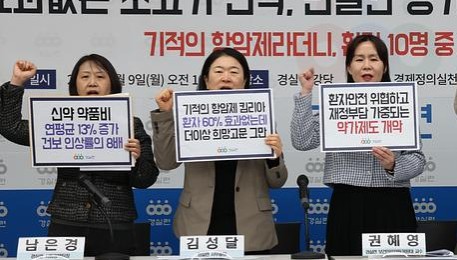
- Concerns are mounting over the government’s plan to list rare disease therapies within 100 days, with critics warning that the absence of concrete post-marketing evaluation measures could ultimately undermine the national health insurance system.Some point to the lack of sufficient social consensus in the drug pricing reform as the fundamental issue, arguing that a formal discussion body involving civil society groups, patient advocacy groups, and experts should be established before it is too late.On the 9th, the Citizens’ Coalition for Economic Justice (CCEJ), the Korean Pharmaceutical Association for a Healthy Society, and the Korea Severe Disease Association held a joint press conference to express their opposition to the fast-track listing of rare disease treatments.Even after the event, Dong-geun Lee, Vice President of the Korean Pharmacists' Association for Healthy Society, repeatedly stressed the problems inherent in pursuing fast-track listing without post-marketing evaluation measures.Lee emphasized, “It makes no sense to push ahead with the fast-track listing without a post-marketing evaluation plan in place. We have already conveyed our concerns, but the Ministry of Health and Welfare appears intent on proceeding according to a predetermined schedule.” He emphasized that post-marketing evaluation measures must be established first before any fast-track listing is pursued.The Korean Pharmacists' Association for a Healthy Society maintains that even if the timing of the drug pricing system reform plan, including expedited listing, is delayed, the potential side effects of the policy must be thoroughly examined.Lee said, “The February Health Insurance Policy Deliberation Committee (HIPDC) decision timeline was also arbitrarily set by the Ministry. Even if the schedule is pushed back, sufficient discussion is necessary. If there is even a draft plan for post-marketing evaluation, it should be disclosed so that meaningful dialogue can take place.”Lee also warned, “To make listing within 100 days possible, verification would have to be bypassed and prices approved as requested. That kind of timeline is only feasible for drugs exempt from negotiation or for generics. But based on what has been announced so far, rare disease therapies would effectively be eligible for listing without any additional hurdles.”Given that rare disease treatments often cost tens to hundreds of millions of won, critics argue that if a large number of previously unlisted products are approved, the additional financial burden could exceed one trillion won. Despite this, they say, the government has yet to present any clear plan for securing the necessary funding.The groups also insist that the results of performance-based evaluations for high-priced drugs should be transparently disclosed to patients. Some rare disease therapies already listed have failed to deliver the expected outcomes, and groups argue that this information must be transparently provided to patients.Lee said, “Although the ministry has met with patient groups, it appears to be merely notifying them of decisions already made and pushing the policy through. More discussion is needed with citizens, patient groups, and experts. Above all, the government must disclose its basic plans for post-marketing evaluation and funding.”The Korean Pharmacists' Association for Healthy Society, CCEJ, and patient groups are also continuing discussions on the effectiveness and potential problems surrounding the reform of the generic drug pricing system, suggesting that criticism of the broader drug pricing overhaul is likely to intensify further.
- Company
- Vanflyta wins nod in KOR…expanded AML targeted therapy options
- by Son, Hyung Min Feb 11, 2026 08:08am
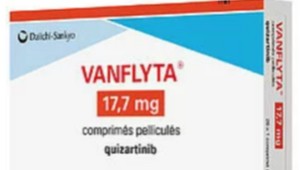
- Vanflyta (quizartinib), a new targeted therapy for acute myeloid leukemia (AML), has officially been added to first-line treatment options in South Korea, intensifying market competition.Until now, Vanflyta has faced significant hurdles, including rejections from global regulatory bodies due to safety concerns. However, it has been reevaluated based on survival benefits, signaling a potential shift in the FLT3 inhibitor market, currently dominated by Rydapt (midostaurin) and Xospata (gilteritinib).A key factor in this market restructuring is Vanflyta's comprehensive treatment model, which includes maintenance therapy for patients with the high-risk FLT3-ITD mutation.Strategy for targeting FLT3-ITD has been clarifiedAccording to industry sources on February 11, Daiichi Sankyo Korea announced that Vanflyta (quizartinib) obtained approval in Korea.AML therapy 'Vanflyta'With this approval, Vanflyta can now be used in combination with standard cytarabine and anthracycline induction therapy and standard cytarabine consolidation therapy for newly diagnosed adult patients with FLT3-ITD mutation–positive AML. It is also approved as a maintenance monotherapy.Up to 37% of newly diagnosed AML patients carry the FLT3 mutation, with approximately 80% specifically possessing the FLT3-ITD variant. This mutation is known to drive cancer growth, increase recurrence risk, and shorten overall survival. The five-year survival rate for these patients has been reported at about 20%.The approval is based on the Phase 3 QuANTUM-First study, which involved 539 treatment-naive FLT3-ITD-positive AML patients.In this study, the Vanflyta group showed a 22% reduction in mortality risk compared with the placebo group. At a median follow-up of 39.2 months, the median overall survival (OS) in the Vanflyta group was 31.9 months, more than double the 15.1 months observed in the placebo group.In terms of safety, addverse events were similar to those of the placebo group, with common observations including febrile neutropenia, hypokalemia, and pneumonia.In particular, patients who participated in the study received induction, consolidation, and maintenance for up to 3 years, regardless of whether they unwent allogeneic hematopoietic stem cell transplantation (HSCT). Therefore, it is a distinct advantage of Vanflyta in the clincial field.Expected to bring a shift to the market centered around Xospata·RydaptThe FLT3 inhibitor market has been led by Novartis's first-generation Rydapt and Astellas's second-generation Xospata.While Rydapt reduced mortality by 23% in the RATIFY study when combined with standard therapy, it lacks strong evidence for maintenance therapy post-transplant and has relatively lower selectivity for FLT3-ITD.(from left) Novartis 'Rydapt', Astellas 'Xospata'Xospata was commercialized as the first once-daily oral monotherapy for relapsed or refractory AML, with response rates better than those with Rydapt.However, Xospata failed to demonstrate sufficient clinical benefit in trials for first-line induction or post-transplant maintenance. Because of this, it is firmly established in the market. analysis suggests that this drug has limitations in obtaining an expanded indication spectrum.Medical experts are focusing on Vanflyta's inclusion of maintenance therapy. While previous inhibitors lacked clear strategies for consolidation, Vanflyta's effectiveness was demonstrated in extending complete remission (CR) and safety through long-term follow-up of over 5 years.There have been various hurdles for Vanflyta until it was approved in Korea. This drug was originally developed by Ambit Biosciences, which was acquired by Daiichi Sankyo in 2014.Vanflyta faced a major roadblock in 2019 when the U.S. FDA denied approval. The FDA cited risks of QT interval prolongation and inadequate cardiac toxicity management plans.The QT interval is measured from the beginning of the Q wave to the end of the T wave on an electrocardiogram (ECG). It represents the total time required for the heart's ventricles to undergo depolarization and repolarization. Abnormally long or short QT interval is linked to the increased risks of abnormal heart rhythm or occurrence eof sudden death.In the case of Vanflyta, Daiichi Sankyo addressed these risks by enhancing its Risk Evaluation and Mitigation Strategy (REMS) and safety protocols. However, in 2023, the FDA issued a 3-month extension for an additional safety review.After that, the FDA approved the drug following the Phase 3 QuANTUM-First study, which demonstrated significant benefits in overall survival (OS) for AML patients. This led to Vanflyta's subsequent approvals in Europe and South Korea, and Vanflyta succeeded in entering the global market.
- Company
- Will Ofev be reimbursed for idiopathic pulmonary fibrosis in Korea?
- by Eo, Yun-Ho Feb 11, 2026 08:08am
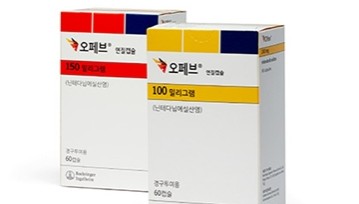
- Attention is once again focused on whether reimbursement coverage for Ofev (nintedanib) can be expanded to include idiopathic pulmonary fibrosis (IPF) in Korea. Despite being approved a decade ago, the drug has remained non-reimbursed for this indication.According to Dailypharm coverage, Boehringer Ingelheim Korea submitted an application in the second half of last year to expand reimbursement coverage for idiopathic pulmonary fibrosis (IPF) following the drug’s successful listing for progressive pulmonary fibrosis in May last year.This time, the company is reported to have additionally submitted real-world data (RWD) on patients who failed first-line treatment with Pirespa (pirfenidone), including those who discontinued therapy due to adverse events.Ofev was approved in Korea in October 2016, but reimbursement discussions have been delayed due to disagreements between the government and the manufacturer over pricing. The drug’s patent has since expired domestically, and multiple generic versions have entered the market.Nevertheless, a significant unmet medical need has persisted even after Ofev’s initial reimbursement listing. At the time, the government deemed reimbursement inadequate for the IPF indication, citing insufficient cost-effectiveness data.As a result, attention is now turning to whether IPF patients could use Ofev with reimbursement within the year.Meanwhile, idiopathic pulmonary fibrosis is the leading cause of death among rare diseases in Korea. It is a rare, intractable condition where the interstitial tissue between the alveoli becomes fibrotic and progressively hardens without an identifiable cause. As the lung structure responsible for oxygen exchange is destroyed, chronic cough and shortness of breath occur, ultimately progressing to respiratory failure.Disease progression is also rapid. While normal adults experience an annual decline in lung function of approximately 10–20 cc, patients with IPF lose 150–250 cc per year, corresponding to roughly 10% of lung function annually.Acute exacerbations, which occur in about 10% of patients each year, are particularly fatal. When this state occurs, causing the lungs to rapidly deteriorate within weeks, approximately half of the patients die. The risk of developing lung cancer is 5 to 7 times higher than in the general population, and serious comorbidities such as cardiovascular disease, stroke, and depression are also common.
