
- LOGIN
- MemberShip
- 2026-04-24 18:24:14

- Opinion
- ‘LEO Pharma serves as a KOR–DEN healthcare bridge’
- by Son, Hyung Min Feb 20, 2026 10:04am
- Korea and Denmark share similarities. Both nations operate universal healthcare systems and face the dual challenges of introducing innovative treatments while maintaining fiscal sustainability. The policy environment in both countries shares the dilemma of preserving public value while promoting research and development.Building on these shared priorities, the two nations have expanded multilayered partnerships involving governments, companies, and research institutions across various healthcare fields, including infectious disease response, aging populations, digital health, and chronic disease management.Established in 2011, LEO Pharma Korea has served as a bridge within the Korea–Denmark healthcare collaboration framework, particularly in dermatology. Through close engagement with Korean clinicians and evidence-based medical research, the company has executed a patient-focused innovation strategy while functioning as a strategic hub connecting the results to the Danish market.Against this backdrop, Frederik Kier, Executive Vice President of International Operations at LEO Pharma, who was appointed in June last year, recently visited Korea. His visit focused on reviewing the Korean subsidiary's strategy and discussing the direction of Korea–Denmark pharmaceutical and biotech collaboration with Mikael Hemniti Winther, Ambassador of Denmark to the Republic of Korea.Dailypharm recently met with Ambassador Winther and Executive Vice President Kier at the Danish Ambassador's residence in Seongbuk-dong, Seoul, to discuss bilateral healthcare cooperation, Korea’s strategic role, and the practical implementation plans for patient-focused innovation.“Designing public value and innovation together”… Emphasizing Korea-Denmark healthcare cooperationMikael Hemniti Winther, Ambassador of Denmark to the Republic of Korea.Ambassador Winther identified how Korea and Denmark's commonality lies not just in systems but in values. He emphasized that both nations have democratic systems and operate their healthcare systems on the basis of social agreement on welfare and public responsibility.Ambassador Winther said, “The Danish government views patients not as customers but as individuals for whom it bears responsibility. Policies are designed around that responsibility.”Denmark established a universal healthcare system early and has operated a healthcare infrastructure centered on public hospitals. Within this structure, pharmaceutical companies have served as a vital link, acting as a critical link that translates public research outcomes into real-world therapies beyond mere supply.He explained, “Denmark has pursued a welfare society relatively early on. Health insurance and the healthcare system serve as its core pillars. The system functions only when high-quality treatments are available for the patients. To achieve this, the government and pharmaceutical companies need to collaborate toward common goals.”He added, “The welfare system entails enormous costs. The key challenge is how to design incentives that encourage innovation while maintaining competition and transparency.”He also emphasized the culture of cooperation between the government and pharmaceutical companies. In Denmark, public research institutes, universities, hospitals, and companies are organically connected, and industry opinions are partially reflected in the system design process.He explained that cooperation between Korea and Denmark can also be understood within this context. The two countries continue policy exchanges across various fields, including infectious disease response, aging populations, and digital health. The embassy regularly communicates with Danish companies operating in Korea.Ambassador Winther stated, “Currently, Danish companies are actively collaborating not only in the pharmaceutical sector but across diverse industries, sharing the fundamental values Denmark upholds. I believe there remains substantial potential for expanded collaboration going forward.”LEO Pharma's execution strategy… Securing leadership in ‘medical dermatology’Frederik Kier, Executive Vice President of International Operations at LEO PharmaEVP Kier described Korea’s importance from an industry perspective. LEO Pharma, he noted, has dedicated more than 115 years to dermatology, defining its mission as leadership in Medical Dermatology.EVP Kier stated, “LEO Pharma aims to become a global leader in dermatology and is offering a broad range of treatment options for patients with skin conditions in Korea. Our existing portfolio includes diverse product lines, from acne therapies to treatment for psoriasis and atopic dermatitis.”Marking its 15th anniversary in Korea, the company has expanded its presence in recent years. One prime example is its atopic dermatitis treatment ‘Adtralza (tralokinumab)’, which received domestic approval in 2023 and was added to the national health insurance reimbursement list in 2024.The EVP explained that Adtralza has secured differentiated data in improving lesions on exposed areas like the head and neck and hands, establishing itself as a meaningful option in clinical practice.EVP Kier said, “The Korean market already has various atopic dermatitis treatment options. Nevertheless, Adtralza deserves attention for its superior efficacy on exposed areas like the head, neck, and hands. These areas are known to be challenging to treat, and it is precisely in these areas that we believe Adtralza provides tangible and meaningful benefits to Korean patients.”LEO Pharma has also secured Korean approval for ‘Anzupgo Cream (delgocitinib),’ a topical pan-JAK inhibitor targeting chronic hand eczema, and added it to its dermatology portfolio. Anzupgo is a topical formulation that inhibits JAK1, JAK2, JAK3, and TYK2 and was developed for patients who do not respond sufficiently to existing therapies.EVP Kier explained, “Chronic hand eczema is an inflammatory disease that persists for more than 3 months or recurs frequently, with a significant patient population not responding adequately to existing topical treatments. It represents a clear area of unmet medical need. Anzupgo Cream demonstrated strong clinical efficacy and was shown to improve multiple eczema symptoms. We are currently in the final stages of preparation for its official launch in Korea.”LEO Pharma is also preparing reimbursement procedures for Spevigo (spesolimab), a treatment for acute exacerbations of generalized pustular psoriasis (GPP). The company recently acquired commercialization rights through a licensing agreement with Boehringer Ingelheim.EVP Kier described the developments as part of building an end-to-end portfolio spanning mild localized diseases to severe and rare dermatologic conditions.EVP Keir specifically highlighted the Korean market as a strategic operational base in Asia. In his view, Korea is not merely a sales market, but an operational hub for data generation through clinical trials involving Koreans and a joint promotional base for raising awareness on the necessity of long-term treatment among healthcare professionals.EVP Keir stated, “Chronic skin diseases are not conditions resolved with short-term prescriptions. Both clinicians and patients must share a common understanding of the need for long-term management.”He added, “LEO Pharma views providing therapies for diseases with significant unmet medical needs as its most important contribution. To further establish leadership in dermatology, we will continue developing new candidates and treatment options within these disease areas.”“Healthcare as both industry and diplomacy”… the need for government–private collaborationThe significance of the discussion extended beyond introducing LEO Pharma’s corporate strategy. Its weight lay in the shared recognition, based on the common ground that both Korea and Denmark are welfare states operating public healthcare systems, of how to design and implement healthcare as a pillar of national strategy.Ambassador Winther said, “Denmark holds Korea's healthcare system in high regard. To address common challenges like aging populations and fiscal burdens, cooperation between the government and private sectors will become increasingly vital going forward. Healthcare is not merely an industry but a policy domain that the state must shoulder responsibility for. We need a structure where intergovernmental policy dialogue and corporate activities are discussed together.”EVP Kier echoed this perspective. “Korea possesses an advanced healthcare system, and its medical professionals demonstrate high understanding and implementation capabilities regarding innovative therapies. LEO Pharma seeks to act not merely as a supplier but as a long-term partner aligned with Korean healthcare professionals.”Both Ambassador Winther and EVP Kier expressed confidence in the expansion of Korea–Denmark cooperation.Another key theme emerging from this discussion was LEO Pharma's expansion of its domestic communication scope.EVP Kier stated, “While engagement previously centered on patient groups in the past, it has recently expanded to include academic exchanges and clinical discussions with Korean medical professionals, broadening the scope of collaboration. This expansion of domestic communication contributes to enhancing understanding within the healthcare field and strengthening the practical implementation capabilities for innovative therapies.”EVP Kier also added that certain skin conditions significantly impact patients' social lives and work performance. He remarked, “These conditions require greater attention from the medical community and society at large. LEO Pharma will continue being committed to introducing innovative new drugs to Korea.”Ambassador Winther said, “Korea and Denmark face significant demographic and economic challenges. Through close cooperation among health authorities, governments, and the private sector, both nations can share experience and deliver greater benefits to patients,” he stated.He concluded, ”The values shared by companies rooted in Denmark are reflected not only in LEO Pharma's treatments but also in the overall operations of Danish companies in Korea. We hope LEO Pharma's activities will contribute positively to Korean society.”
- Opinion
- [Reporter's View] New drugs for intractable cancers
- by Son, Hyung Min Feb 20, 2026 10:04am
- Although there are diverse types of intractable cancer, different diseases and varying prognoses coexist. The common feature of platinum-resistant ovarian cancer, small cell lung cancer (SCLC), and bile duct cancer is clear. They are characterized by limited treatment options, a short average survival period, and quickly diminishing next-line options.Drug discovery is fundamentally challenging in this field. The number of patients is limited, biological heterogeneity is significant, and designing a clinical trial scheme is difficult because many patients have worsened systemic conditions at diagnosis. Furthermore, it is difficult to set up a control group and clearly demonstrate a difference in overall survival (OS) due to crossover or follow-up treatments.As a result, clinical outcomes are mostly reported as improvements in Progression-Free Survival (PFS) or Hazard Zatios (HRs). There have been studies in which the difference in PFC between the control and treatment groups is only 1 month. The outcomes, such as HR 0.73, a 27% reduction in disease progression or risk of death, and an HR below 1, indicate effective treatment and statistical significance.However, what patients experience is not the relative risk reduction or the time they have saved. Studies with PFS extended from 3.8 months to 5.2 months translate to HR 0.73 and a 1.4-month extension. It shows progress in terms of statistics; however, the clinical significance is much more complicated.Nevertheless, a tiny improvement in PFS cannot be taken lightly. For patients with few treatment options remaining, disease control of 6 to 8 weeks can represent an opportunity to bridge to the next treatment and time to preserve quality of life. If Objective Response Rate (ORR) or PFS2 appear meaningful, and a patient group with a long Duration of Response (DoR) exists, the 'long tail' behind the median is by no means small. In the HR 0.72 value, the varying times of different patients are contained.The problem arises when these figures assume identical expectations for all patients. Outcomes such as a 1 to 2-month improvement in PFS must be interpreted alongside toxicity burden, treatment discontinuation rates, and Patient-Reported Outcomes (PRO). Particularly in situations where OS data is not sufficiently mature, the criteria for 'meaningful time' become more complex as PFS-centered evaluations are repeated.This concern extends beyond the clinical field into institutional judgment. Within limited budgets, which drugs should be permitted for which patient groups and at what point? The fact that the risk of death was reduced by 20% does not necessarily translate into the same reduction for all patients. It is more important to determine how precisely patients with a high likelihood of response can be selected, and how to verify and enhance efficacy in clinical practice.The approach must be more careful in the field of intractable cancers. Rather than opening the door uniformly to all patients, a structure is needed that applies treatments stepwise, starting with patient groups where evidence is confirmed. A system must be operated in parallel, with access initially permitted on a limited basis while accumulating Real-World Data (RWD), followed by a re-evaluation of OS, PFS2, treatment durability, and quality-of-life improvements after a certain period.The issue is not the size of the number, but how it is interpreted. Between the desperation of intractable cancer and statistical significance, judgment must be more delicate and transparent.However, if OS improvement is used as the sole absolute criterion without sufficient consideration of the characteristics of intractable diseases and the difficulties of drug development, patient access to new drugs will inevitably remain low. It is difficult to justify a structure where treatment opportunities are narrowed simply because a patient has a specific type of cancer.

- Policy
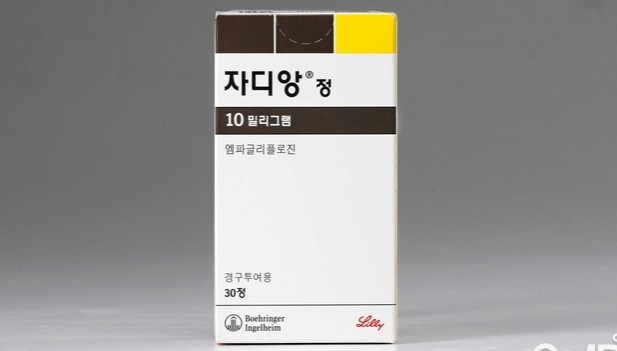
- Empagliflozin, linagliptin see sharp price drops amid generic entry
- by Jung, Heung-Jun Feb 20, 2026 10:04am
- The weighted average prices of diabetes drugs empagliflozin and linagliptin plummeted by as much as 34% after patent expiry due to generic penetration.For empagliflozin 10mg, the weighted average price stood at KRW 618 two years ago but fell to KRW 408 last year, reflecting significant downward pressure from generic competition.According to a comparison of the 2025 annual weighted average prices by active ingredient, released by the Health Insurance Review & Assessment Service (HIRA), with 2024 figures, empagliflozin and linagliptin recorded notable price reductions.Statin+ezetimibe combination therapies also posted weighted average price declines of 1–3% across strengths. AI-generated image.Additionally, the weighted average prices of other dyslipidemia combinations, such as atorvastatin + ezetimibe and rosuvastatin + ezetimibe, also decreased slightly. While the reduction rate is lower than that of diabetes drugs, at around 3%, the financial impact remains substantial given the large prescription volumes.The patent expiry of Jardiance triggered a surge of generic launches, significantly reducing empagliflozin’s weighted average price. In 2024, empagliflozin 10mg and 25mg were priced at KRW 618 and KRW 798, respectively, but fell to KRW 408 and KRW 532 last year.Linagliptin followed a similar trajectory after patent expiry of Trajenta, with expanding generic competition driving weighted average price erosion. The weighted average price for linagliptin 5mg fell 23.7%, from KRW 523 to KRW 399.Salt-modified products, including linagliptin besylate, also recorded parallel reductions. The weighted average price, which was KRW 525 in 2024, decreased by 23% to KRW 402 last year.Dyslipidemia combination drugs showed relatively smaller declines. The weighted average prices of statin+ezetimibe combinations decreased slightly.For example, the weighted average price of atorvastatin 80mg + ezetimibe 10mg decreased from KRW 1,387 to KRW 1,340, a 3.4% drop. Rosuvastatin 2.5mg + ezetimibe 10mg decreased from KRW 696 to KRW 670, a 3.7% drop.The statin + ezetimibe market is worth approximately KRW 1.4 trillion, and due to the large volume of prescriptions, even a single-digit percentage decrease results in a significant reduction.Despite the slight decline in the weighted average price, the statin + ezetimibe market continues to grow. This indicates that prescription volumes are increasing sufficiently to offset the price declines.

- InterView
- "Leclaza comb included in the U.S. guideline"
- by Cha, Ji-Hyun Feb 20, 2026 10:04am
- Professor Se Hoon Lee of the Division of Hematology-Oncology at Samsung Medical CenterThe global status of Korea-made novel anticancer drug 'Leclaza' (ingredient: lazertinib) is shifting. The shift was brought by the 2026 National Comprehensive Cancer Network (NCCN) Clinical Practice Guidelines for Non-Small Cell Lung Cancer (NSCLC), which included the combination therapy of Leclaza + 'Rybrevant' (ingredient: amivantamab) as a 'Preferred Regimen' for first-line treatment, while Leclaza monotherapy was included as an option that is 'Useful in Certain Circumstances.'Analysis suggests that this is highly significant as the first Korea-made novel drug has been included in the NCCN Category 1 first-line treatment bracket. DailyPharm met with Professor Se Hoon Lee of the Division of Hematology-Oncology at Samsung Medical Center, who led the follow-up studies of the Phase 3 MARIPOSA trial, to discuss the significance of this guideline revision and the evolving treatment strategies in clinical practice.OS data changed the standard... "Combination therapy enters the stage of discussion"Yuhan's Leclaza and Janssen's RybrevantLeclaza is a third-generation NSCLC treatment targeting Epidermal Growth Factor Receptor (EGFR) mutations, which received domestic approval in January 2021 as South Korea's 31st novel drug. The Leclaza-Rybrevant combination therapy was approved by the U.S. Food and Drug Administration (FDA) in August 2024 as a first-line treatment for adult patients with locally advanced or metastatic NSCLC with EGFR exon 19 deletions or exon 21 L858R substitution mutations.Professor Lee identified the foundation of this revision in the Overall Survival (OS) data.Professor Lee stated, "The Phase 3 MARIPOSA trial, which served as the basis for this revision, was a study comparing the Leclaza-Rybrevant combination therapy against the existing standard of care, 'Tagrisso' (ingredient: osimertinib) monotherapy. Given that monotherapy has already established itself as the standard treatment, demonstrating whether clinical benefits actually translate into OS improvement was paramount, especially considering the inevitable toxicity burden of combination therapy."Professor Lee added, "If it were a comparison between monotherapies with similar efficacy and toxicity profiles, a shift in the standard could be discussed based on Progression-Free Survival (PFS) results alone. However, for combination therapies, the criteria for decision differ," and added, "It is meaningful that by confirming statistical significance for OS through this study, the grounds for discussing combination therapy as a standard treatment option have been established."According to the Phase 3 MARIPOSA OS results presented at the European Lung Cancer Congress (ELCC) last March, the Leclaza-Rybrevant combination therapy demonstrated statistical significance, reducing the risk of death by approximately 25% (HR 0.75, 95% CI 0.61–0.92) compared with Tagrisso monotherapy.The median Overall Survival (mOS) has not yet been reached (not reached). This means that more than half of the patients in the combination therapy group survived during the follow-up period, and a sufficient number of death events did not occur to calculate a median value. Considering that the mOS of Tagrisso monotherapy was confirmed at 36.7 months, there are projections that once the mOS for the Leclaza-Rybrevant combination therapy is finalized in the future, the gap between the two groups could widen to more than a year.Professor Lee also expected that this revision could serve as a starting point for restructuring international treatment guidelines. He noted, "The NCCN guidelines are be revised relatively quickly among global guidelines, so this change is highly likely to become the starting point for revisions of other international guidelines in the future. While European guidelines may take a more cautious approach as they consider economic evaluations simultaneously, I expect the general direction itself to unfold similarly."Changes in the guidelines are also influencing the domestic clinical field.Professor Lee stated, "Following the changes in global guidelines, a shift in perception regarding first-line treatment strategies is emerging in the domestic medical field. Since OS has improved by more than a year, many medical professionals believe that combination therapy should be considered a priority."He added, "Compared to when the MARIPOSA study's PFS data was first released, I can feel that the perception of medical staff is changing over time. While individual opinions vary, it is a clear trend that as more experts gather to discuss, the proportion of those considering combination therapy is gradually expanding."Comparison of monotherapies…attention on safety differencesThe double-blind, Head-to-Head direct-comparison data between Leclaza and Tagrisso monotherapy are gaining attention.Generally, it has been perceived that studies directly comparing two drugs with proven efficacy are difficult to establish. Regarding a standard treatment that has already preempted the market, a result showing inferiority could pose significant commercial risks, and the practice of randomly assigning patients when a standard treatment is established can provoke ethical controversies.Professor Lee explained, "As the FDA required the individual contribution of each component drug in the combination therapy study to be proven, a design involving a direct comparison of monotherapies within the same study could be included," added, "This data is unique globally and is precious data that will be difficult to replicate in the future."As this was an exploratory analysis, it has limitations regarding the number of patients. However, the professor explained that the reliability of the interpretation is enhanced by the fact that the two drugs were directly compared under the same conditions within the same clinical trial, rather than through indirect methods that compare results from different studies. Such data can serve as evidence for fine-tuning treatment strategies in clinical practice.The direct comparison showed that the two drugs had similar efficacy, as evidenced by their survival curves, but differences in their safety profiles were observed. Among these, the point of clinical interest is cardiac toxicity.Professor Lee stated, "Tagrisso showed a tendency toward more reports of cardiac-related adverse events such as heart failure or QT prolongation compared to Leclaza," added, "It has been suggested that this may be due to Tagrisso's characteristic of more broadly inhibiting HER2 (ERBB2), which is associated with cardioprotection."Professor Lee further explained, "While the incidence of cardiac toxicity itself is low at less than 2%, it is a clinically important consideration as it is a life-threatening adverse event," added, "Peripheral neuropathy is observed more frequently in Leclaza monotherapy, but this is not a life-threatening adverse event, and its clinical impact tends to be limited."Consistent survival benefit confirmed in Asian patients... "Combination will become the basic option"Leclaza is also securing consistent clinical data in the Asian patient population. This contrasts with the FLAURA2 study, which evaluated the Tagrisso-chemotherapy combination, where the efficacy in the Asian subgroup excluding China appeared limited.In the FLAURA2 study, the OS Hazard Ratio (HR) for the Asian subgroup excluding China was 1.00 (95% CI 0.71–1.40), showing no additional survival benefit compared to monotherapy. In contrast, the MARIPOSA study reported an OS HR of approximately 0.77 for the total population, including Asian patients, confirming a death risk reduction effect.Professor Lee stated, "The mechanism explaining the HR difference observed in the Asian patient population is not yet clear, making it difficult to draw conclusions based on subgroup analysis alone. However, since consistent OS improvement was confirmed in the total population, including Asian patients, in the MARIPOSA study, these differences need to be scrutinized through further research in the future."Professor Lee believes the focus on first-line treatment strategies is gradually shifting toward combination therapy.Professor Lee said, "In the past, monotherapy was the default, with combination therapy considered for some patients; however, recently, there is a spreading view that combination therapy should be the baseline strategy, with monotherapy applied selectively," added, "This is similar to the trend where the combination of immunotherapy and chemotherapy has become the standard of care in NSCLC."Furthermore, Professor Lee stated, "In my opinion, a strategy of first checking the response with monotherapy for about three to six weeks and then switching to combination therapy for patients who need it is desirable," added, "However, in a reimbursement system, it is important to secure the option of combination therapy, so an approach starting with combination therapy whenever possible can be rational."Ultimately, Professor Lee predicted that future first-line treatment strategies will be restructured as a matter of choice between combination therapies. He concluded, "If both Leclaza + Rybrevant and Tagrisso + chemotherapy combination therapies are included in the reimbursement system, the focus of discussion will move beyond simply whether to use combination therapy to which of the two combination strategies to choose,'' and concluded, "At that stage, further discussions will be necessary, considering not only survival indicators but also the mechanistic differences, immunological changes, and molecular biological characteristics of each treatment strategy."

- Policy
- Will the generic drug price cut be put on hold?
- by Lee, Jeong-Hwan Feb 20, 2026 10:03am
- The Ministry of Health and Welfare (MOHW) has decided to exclude the proposed drug pricing reform plan, which includes price reductions for already listed generics, from the agenda of the Health Insurance Policy Deliberation Subcommittee meeting scheduled for today (20th), drawing attention to the rationale behind the move.With the reform proposal removed from the subcommittee agenda, it is also expected to be excluded from the February HIPDC meeting set for the 25th.Observers suggest the ministry deferred subcommittee review to gather additional industry opinions, following strong opposition from the pharmaceutical industry against the Ministry's plan to significantly lower the generic drug price calculation rate from 53.55% to the 40% range.Originally, the Ministry planned to approve the broad framework of the drug pricing system reform plan at this month's HIPDC meeting, targeting implementation in July this year.However, the Ministry appears to have excluded the drug pricing system reform plan from the February subcommittee agenda to gather additional opinions, following strong opposition to the price reduction policy from an emergency counterresponse committee comprising 5 major organizations - Korea Pharmaceutical and Bio-Pharma Manufacturers Association (KPBMA), Korea Biomedicine Industry Association (KoBIA), Korea Pharmaceutical Traders Association (KPTA) , Korea Drug Research Association (KDRA), and Korea Pharmaceutical Industry Cooperative (KPICO).As a result, the timeline for subcommittee review of the reform plan is effectively delayed by approximately one month. During this period, the domestic pharmaceutical industry is expected to actively engage in negotiations with the Ministry of Health and Welfare for potential revisions.The industry argues that the Ministry's excessive generic drug price reduction rate undermines investment momentum for new drug R&D, encourages the production of low-quality generics, exacerbates employment instability, and ultimately collapses the pharmaceutical industry.The scale of future conflict surrounding the drug price reduction administration will likely depend on how much and how the Ministry of Health and Welfare accommodates the industry's opinions.A representative from domestic pharmaceutical company A commented, “We understand the Ministry excluded the item from February's deliberation agenda to gather sufficient opinions. Since the implementation date is set for July, the key question is whether the public and private sectors can agree on concrete revisions beyond simply excluding the item.”A representative from domestic pharmaceutical company B said, “Given the pharmaceutical industry's growing resistance, it would have been difficult for the Ministry to unilaterally push through the drug price reduction plan as scheduled. But delaying the deliberation once has little effect in quelling substantial industry backlash. What is needed now is policy action that genuinely reflects on-the-ground realities.”
- Policy
- GOV to boost open innovation in the pharma industry
- by Lee, Jeong-Hwan Feb 13, 2026 08:29am
- The government will support industry growth by linking matching between global biopharma companies and domestic pharmaceutical companies in Korea.The Ministry of Health and Welfare (MOHW) and the Korea Health Industry Development Institute (KHIDI) announced that they are recruiting participating companies for the "2026 Global Leading Company Collaboration Program" to vitalize global open innovation in the pharmaceutical and biotechnology sectors.The MOHW and KHIDI have been promoting this global open-innovation support project to solve significant uncertainties for domestic firms. While Korean companies often lack capital and experience in global drug development and face complex regulatory landscapes across different nations.Previously, various programs that facilitated global companies' selection of outstanding domestic firms have yielded success, such as in technology transfer and transactions. As global leading companies show increasing interest, the project will be integrated into a single unified brand starting this year: "K-BioPharma Next Bridge."Specifically, the global companies will select domestic partners as follows: Roche: 4 companies for the "Korea-Switzerland Bio Pass," AbbVie: 2 companies for the "Biotech Innovator Award," Amgen: 2 companies for the "Golden Ticket," Novo Nordisk: 3 companies for "Partnering Day," MSD: 5 companies for "Partnering Day," AstraZeneca: Selection for "Project Nova" (no limit).The Summary of the "K-BioPharma Next Bridge". Roche: 4 companies for the "Korea-Switzerland Bio Pass," AbbVie: 2 companies for the "Biotech Innovator Award," Amgen: 2 companies for the "Golden Ticket," Novo Nordisk: 3 companies for "Partnering Day," MSD: 5 companies for "Partnering Day," AstraZeneca: Selection for "Project Nova" (no limit).Companies selected for the "K-BioPharma Next Bridge" project will receive various growth opportunities, including R&D support, business consulting, prize money, support for residency at international accelerating centers (such as Basel SIP), and investment matching.Eun-young Jung, Head of the Bureau of Health Industry at the MOHW, stated, "As the achievements of open innovation accumulate, the interest of global companies in Korean firms is rising," and added, "We will continue to expand open innovation with global leading companies to ensure domestic companies with promising technologies can enter the global market and succeed in business."Soon-do Cha, President of KHIDI, added, "We will lay the bridge for domestic companies to reach the global market through various open innovation collaborations, such as joint research, mentoring, and residency support," and added, "We will actively support the global expansion and performance of the Korean pharmaceutical and bio industry."

- Company
- The significance of Ozempic's reimbursement coverage in KOR
- by Son, Hyung Min Feb 13, 2026 08:29am
- Novo Nordisk’s GLP-1 receptor agonist Ozempic has entered Korea’s reimbursement system.Experts consider this development highly significant, as this newly reimbursed therapy has demonstrated not only glucose-lowering efficacy but also evidence supporting reductions in cardiovascular and renal risks. However, discussion continues regarding the gap between reimbursement criteria and real-world clinical practice, as the coverage requirements are structured around failure with existing therapies such as sulfonylureas (SU), potentially limiting patient access.On the 13th, Novo Nordisk held a briefing at the Four Seasons Hotel in Jongno-gu, Seoul, to commemorate the domestic reimbursement approval of Ozempic (semaglutide), a type 2 diabetes treatment.(From the left) Hee Woo Lee, Director of Diabetes BU at Novo Nordisk Korea; Jang Won Son, Professor of Endocrinology at Bucheon St. Mary's Hospital; Cheol-Young Park, Professor of Endocrinology at Kangbuk Samsung Hospital; Ju Ok Lim and Ji Hyun Kim from Medical Affairs, Novo Nordisk KoreaOzempic is indicated for patients who have received metformin + an SU agent for at least 2–4 months but maintain HbA1c ≥7% who are a BMI ≥25 kg/m² or who are unable to undergo basal insulin therapy. For these patients, only triple combination therapy (metformin + SU + Ozempic) is reimbursed initially. Switching to dual combination therapy (metformin + Ozempic) is only permitted if significant glycemic improvement is achieved thereafter.Additionally, if HbA1c remains ≥7% despite 2-4 months of basal insulin monotherapy or metformin combination therapy, or if HbA1c remains ≥7% despite Ozempic combined with metformin (±SU), reimbursement is granted for use of Ozempic + basal insulin (±metformin) combination therapy.In clinical trials, Ozempic demonstrated improvements not only in glycemic control but also across cardiovascular and renal endpoints.Specifically, in the Phase III SUSTAIN 1-5, 7, and 9 trials, Ozempic showed a higher rate of achieving HbA1c below 6.5% compared to placebo.Furthermore, in the Phase III SUSTAIN 6 trial, Ozempic reduced the risk of major adverse cardiovascular events (MACE) by 26% compared to the placebo group. In the Phase III FLOW trial, it reduced the risk of the composite renal outcome measure by 24% compared to placebo.Ozempic is the only GLP-1 receptor agonist to demonstrate therapeutic benefits in reducing cardiovascular and renal disease risks.Dr. Jang Won Son, Professor of Endocrinology at Bucheon St. Mary's Hospital, emphasized, “With the clinical value of GLP-1 receptor agonist-based therapy reaffirmed, Ozempic’s reimbursement coverage represents a significant step forward in improving treatment accessibility.”Reimbursement criteria remain restricted... Need for consideration to improve patient accessDespite guideline recommendations supporting the use of GLP-1 therapies for patients with inadequate glycemic control or coexisting cardiovascular/renal disease, treatment access had remained limited due to its non-reimbursed status.According to the Diabetes Fact Sheet 2025 released by the Korean Diabetes Association, approximately half of diabetes patients are obese, with 61.1% of them exhibiting abdominal obesity. Consequently, there is high potential for utilizing GLP-1 agents, which can demonstrate weight loss effects among diabetes treatments.Dr. Cheol-Young Park, Professor of Endocrinology at Kangbuk Samsung Hospital, said, “While disease awareness among Korean diabetes patients is relatively high at 74.7%, only 32.4% achieve HbA1c below 6.5%, indicating persistent challenges in glycemic control.”He added, “Major domestic and international guidelines recommend a comprehensive approach that considers various risk factors alongside blood glucose management to reduce the risk of diabetes complications. Semaglutide formulations, in particular, can be considered a treatment option for patients with type 2 diabetes accompanied by chronic kidney disease and atherosclerotic cardiovascular disease (ASCVD), as well as for those requiring weight management.”However, concerns have been raised about limitations in the reimbursement criteria. In current clinical practice, combination therapy using DPP-4 inhibitors and SGLT-2 inhibitors is widely used, with sulfonylurea increasingly being avoided due to the risk of hypoglycemia and patient characteristics.Yet, the need to use sulfonylureas again to meet the treatment failure requirement in Ozempic’s reimbursement criteria borders on a regulation that forces failure. The fact that even discretionary non-reimbursed prescriptions are not permitted for patients who fail to meet reimbursement criteria is also controversial. This has led to backlash, with critics questioning whether the government is preemptively assuming patients' treatment needs.Professor Park said, “Although GLP-1 agents are recommended in numerous guidelines, limitations in reimbursement access have constrained their practical application in domestic clinical settings. Many guidelines recommend integrated treatment, but this remains difficult in the Korean environment. It has been over 10 years since DPP-4 inhibitors emerged. Even when DPP-4 inhibitors first appeared, most clinicians did not consider SUs as first-line therapy. The reimbursement criteria need to change."Professor Son emphasized, “The recently announced domestic reimbursement criteria have some limitations compared to current guidelines. Therefore, continued discussions are needed to enable a more flexible application that reflects complication risks. It is crucial to confirm whether measures initially taken out of excessive concern for misuse could be reevaluated later.”
- Policy
- 253 new diabetes drugs listed in 1 year
- by Jung, Heung-Jun Feb 13, 2026 08:29am
- Diabetes medications accounted for the largest share among drugs newly listed for National Health Insurance reimbursement coverage over the past year.Notably, the mass listing of triple combination therapies is accelerating a market shift centered on these multi-drug combinations that emphasize dosing convenience.Reviewing the HIRA reimbursement list on the 12th shows that new diabetes drug listings (classification code 396) surged from 1,723 to 1,976 items from 1,723 in January last year to 1,976 in January this year, representing an increase of approximately 14%.Among drugs newly covered over the past year, the increase in diabetes medications (classification code 396) is the most noticeable. (AI-generated image)The impact of Jardiance (empagliflozin, Boehringer Ingelheim) patent expiry was significant. Over 200 generics were listed around the expiry date last October and are still being added to the reimbursement list. Empagliflozin combination products, in particular, showed a noticeable increase.Previously, AstraZeneca decided to withdraw Forxiga (dapagliflozin) from the Korean market 2 years ago, generic competition intensified significantly. During that period, Jardiance also expanded its prescription volume by capturing market share vacated by Forxiga.This time, however, the focus shifted as a large number of generics entered Jardiance’s KRW 110 billion market, driving a rapid rise in reimbursed diabetes drug listings.Compared to January last year, the number of triple-combination diabetes drugs doubled. The number increased from 16 items in January last year to 32 items this January. Triple combinations featuring sitagliptin, metformin, and empagliflozin or dapagliflozin became mainstream.Following empagliflozin’s patent expiry, multiple new triple combinations have been introduced. Meanwhile, dapagliflozin-based products are expanding primarily through dose diversification within existing combination portfolios.Although dual combination therapies continue to grow, the segment already includes more than 1,000 products, resulting in intense market competition. Consequently, pharmaceutical companies are increasingly pursuing triple combination products as a competitive strategy. The number of triple-combination drugs entering the reimbursement list is expected to increase further this year.While the clinical rationale centers on multi-mechanism therapy and improved patient adherence, industry observers note that market share defense is also a significant factor driving this trend.Conversely, single-agent drugs like metformin showed a slight decline, further reflecting the market’s transition toward combination-based treatment strategies.

- InterView
- "Psoriasis, stage-specific strategy emerges…Sotyktu"
- by Son, Hyung Min Feb 13, 2026 08:28am
- The treatment paradigm for psoriasis is rapidly shifting. While the past was characterized by a structure transitioning from systemic therapies for severe patients to biologics, the recent emergence of oral therapies is segmentizing treatment strategies.In particular, with the introduction of BMS's selective TYK2 inhibitor 'Sotyktu (deucravacitinib),' discussions regarding intermediate-stage treatments that can be utilized before biologic, are in full-scale.Professor Dong Hyun Kim of the Department of Dermatology at Cha University Bundang Medical Center (CBMC)DailyPharm met with Professor Dong Hyun Kim of the Department of Dermatology at Cha University Bundang Medical Center (CBMC) to discuss changes in the psoriasis treatment landscape and remaining challenges for improvement.Psoriasis is a chronic inflammatory skin disease caused by immunological abnormalities. It is characterized by silvery-white scales (dead skin cells) accumulating over red rashes. As symptoms worsen, lesions merge extensively into plaque psoriasis, which accounts for 80–90% of all psoriasis patients.While the domestic prevalence is estimated at approximately 3% (about 1.5 million patients), fewer than 15% actually visit medical institutions. Despite the heavy mental and social burden, as lesions often appear on exposed body parts, a significant treatment gap persists.Psoriasis is more than just a skin condition. It is highly associated with metabolic diseases such as psoriatic arthritis, hypertension, diabetes, and dyslipidemia. Reports suggest that the risk of systemic disease in psoriasis patients is 1.5 to 2.5 times higher than in the general population. This is why long-term, systematic management is needed.Recently, with the introduction of various advanced therapies, including biologics and small-molecule drugs, treatment goals are steadily rising.Sotyktu, the first selective TYK2 inhibitor to emerge in this space, is known for its mechanism of selectively targeting and inhibiting TYK2 signaling, a key inflammatory pathway in psoriasis development. By doing so, it suppresses the release of pro-inflammatory cytokines and chemokines. Notably, as an oral option, Sotyktu may be highly utilized for patients who are averse to injectable treatments.Professor Kim explained, "The recent changes in the treatment landscape are significant not just because of the increase in new drugs, but because we can now design customized strategies for individual patients."Q. How has the psoriasis treatment landscape changed compared to the past?In the past, methotrexate or cyclosporine were the center of first-line systemic therapy. However, it was difficult to maintain sufficient dosages due to concerns over long-term side effects such as hepatotoxicity. As a result, there was a strong tendency to treat moderate patients primarily with topical agents.Recently, the arrival of biologics and small-molecule treatments, such as TYK2 inhibitors, has made long-term treatment feasible. While the past goal for Sotyktu might have been PASI 75 (75% improvement in psoriasis severity), we are now in an era where we expect PASI 90 or even 100. More patients are reaching a state where lesions are almost non-existent.Q. What are the mechanistic advantages of the oral agent Sotyktu?In psoriasis, pathological Th17 cells that overproduce interleukin (IL)-17 play a central role. IL-23 is the cytokine that continuously activates these Th17 cells, and TYK2 plays a critical role in transmitting this signal into the cell. Sotyktu is a treatment designed to block the root of the pathological inflammatory response by selectively inhibiting this TYK2 signaling.Globally, before Sotyktu’s launch, the apremilast was an advanced oral option. In Korea, only generics were used instead of the original drug, and because their efficacy was not superior compared to other options, they were not widely used in clinical practice. Sotyktu has been shown in clinical trials to be more effective than apremilast.Q. Given that psoriasis requires long-term management, what are the advantages of oral agents in chronic care?In practice, assuming the treatment method and efficacy are equal, patients may prefer treatments with longer administration intervals that require fewer hospital visits. However, there are clear differences between oral and injectable medications. The biggest advantage of oral drugs is high medication convenience. Nevertheless, to maintain therapeutic effects, it is crucial to take them consistently without interruption.In clinical settings, preferences vary by age group. Younger patients who are socioeconomically active due to employment, interpersonal relationships may find daily dosing burdensome or desire rapid results. Conversely, older patients tend to maintain medication adherence more consistently and choose options with a lower financial burden.Q. What factors do you comprehensively consider when selecting a treatment?In practice, we select treatments based not only on the severity of psoriasis but also on the patient's lifestyle and expectations. Domestic consensus generally evaluates IL-17 inhibitors and IL-23 inhibitors as having overall equivalent efficacy, with differences primarily in the speed of action. These features, dosing cycles, and patient preferences affect the choice.The health insurance in Korea is also a major variable. Biologics are generally expensive and mostly prescribed to patients covered under the "Special Calculation System". However, fewer than 10% of Korean psoriasis patients qualify for this system. Given that clinicians often struggle to apply this status, even in moderate-to-severe cases, oral agents like Sotyktu are a rational choice given patients' out-of-pocket costs.Sotyktu, taken as one pill a day, is characterized by its safety for long-term use. With patient co-pays at approximately KRW 200,000 to 250,000 per month and eligibility for private indemnity insurance, I believe it is an appropriate option for patients who require long-term treatment but do not yet meet the criteria for the Special Calculation System.Q. Which patient groups are considered for Sotyktu prescriptions as a primary treatment?The most important characteristic of the patient group for whom I prioritize Sotyktu is a resistance to injectable therapy. Previously, clinicians typically thought of biologics as the immediate next step after first-line systemic therapy failed. Now, I believe an "intermediate" treatment option has emerged between those steps.Sotyktu can be a suitable choice for patients who have failed systemic therapy but find the prospect of moving directly to biologics burdensome.While the concept of "intermediate-stage therapy" is not yet clearly defined, if a patient does not necessarily require biologics, an approach that first passes through this stage, reserving biologics for those with an insufficient response, can also be rational from a pricing perspective. Additionally, there is a tendency to prefer Sotyktu for scalp treatment.Since some patients do reach PASI 90, identifying the right patient is key. It is an option worth considering for those with severe symptoms in localized areas, such as the scalp, or for patients whose Body Surface Area (BSA) does not exceed 10% but who have severe local lesions.Q. How do you evaluate the data and efficacy of Sotyktu in Asian patients?Currently, Real-World Data (RWD) for Sotyktu is gradually accumulating across various hospitals and medical institutions in Korea. In cases where patients who participated in previous clinical trials had to stop treatment for a period due to insurance issues and later resumed with Sotyktu, those who previously responded well tended to maintain efficacy upon re-administration.While Asian patients may have different clinical characteristics compared to Western populations, they generally have lower body weights and often diligently combine oral treatment with topicals. Considering this, as more RWD is collected, we may observe clinical efficacy even better than that seen in clinical trials.I have a patient who was referred to our hospital and participated in a clinical trial to take Sotyktu. The patient had very severe symptoms at the time but has now continued treatment for nearly six years, with the effect remaining stably maintained.Q. Late-comer treatments are expanding indications beyond psoriasis and psoriatic arthritis. Do you expect the utility of TYK2 inhibitors to grow as their indications expand?Because TYK2 inhibitors are involved in multiple inflammatory signaling pathways, not just IL-23 but also interferons (IFN), I understand that clinical trials are currently underway to expand their indications.If indications are expanded, the scope of utility could include various inflammatory diseases, including autoimmune conditions such as lupus. From a dermatological perspective, I expect it will be most widely used for psoriasis and psoriatic arthritis for the time being. Beyond that, there is ample potential for its application to expand into inflammatory bowel disease (IBD) or various rheumatic diseases.Q. What aspects of the psoriasis treatment environment need improvement?As of now, many patients are not sufficiently aware of Sotyktu. Unlike in other countries, drug advertising is prohibited in Korea, so clinicians must directly explain the drugs to patients. Despite psoriasis being a disease with clear treatment effects, many patients discontinue treatment or repeat ineffective treatments due to vague fears about side effects.Another realistic issue is the insurance authorization process. To maintain Special Calculation status, PASI and BSA must be evaluated every six months, which involves tedious, time-consuming procedures such as charting and photography. Since there is no separate medical fee for this process, primary care physicians are sometimes hesitant to use it.Even though these treatments can be prescribed without specialized equipment, institutional conditions limit drug utility in the field. Consequently, since the psoriasis Special Calculation System began in 2017, there has been cases where patients crowding into university hospitals. In the future, I believe the government should establish fees for PASI/BSA evaluations and patient education so that primary care and regional medical institutions can manage psoriasis patients more systematically.

- Opinion
- [Reporter's View] Why the rush for drug pricing reform?
- by Jung, Heung-Jun Feb 13, 2026 08:28am
- While the pharmaceutical industry and citizen groups are calling for a postponement of the drug pricing system reform, the government is remaining silent.With the conclusion from the Health Insurance Policy Review Committee imminent, doubts persist regarding the effectiveness and feasibility of the reform.The reform plans appear underdeveloped, leading to concerns that achieving National Health Insurance (NHI) financial savings may prove difficult. Under these circumstances, the government may need a break to ensure the successful achievement of its policy goals.Voices calling for the establishment of a social consultative body are mounting. Following the pharmaceutical industry and the Federation of Korean Trade Unions (FKTU), civic groups, including the Citizens' Coalition for Economic Justice, have joined in expressing concern over the enforcement of policies without adequate communication.Regarding the price reduction of generic drugs, a backlash involving the weakening of the industrial base and employment instability is anticipated. If the reform is implemented in its current state, pharmaceutical companies are predicted to shift toward austerity measures rather than expanding investment in research and development (R&D).Furthermore, the policy to enhance access to treatments for rare diseases continues to draw demands for clarity on financial management and post-monitoring measures. This is precisely the concern raised recently by these organizations.Critics question whether a management plan is in place for the NHI budget, which is expected to increase as the entry barriers for high-priced new drugs are lowered. If the funds saved from generic price cuts are entirely absorbed by high-priced drugs, the anticipated drug expenditure reduction effect of the reform will vanish.The Ministry of Health and Welfare (MOHW) cites the restructuring of the Korean pharmaceutical industry and the creation of momentum for global expansion as the expected goals of this reform. However, the policy could unexpectedly cause industrial imbalance and exacerbate an unstable growth foundation. This suggests a need for the government to take the time to address concerns from the field.No one disputes the justification for improving the generic industry's constitution or enhancing access to rare disease treatments.However, policy is not made by good intentions alone. The MOHW repeatedly emphasizes the number of generic items to justify the need for structural reform. In response to the industry's question, "Why the rush?", the government must show a willingness to discuss qualitative strategies for constitutional improvement rather than merely listing quantitative figures.On the 10th, the Korea Pharmaceutical and Bio-Pharma Manufacturers Association (KPBMA) announced a resolution calling for a postponement of the reform and presented the government with an impact assessment of the proposed changes. Additionally, citizen groups have announced a follow-up press conference on the impact of the generic drug pricing reform. As industry, citizen, and labor groups all express a sense of crisis, the government must communicate to find ways to minimize adverse side effects.
