
- LOGIN
- MemberShip
- 2026-05-20 10:25:10
- Company
- Itaewon club-linked COVID-19 threatens the industry
- by An, Kyung-Jin May 12, 2020 06:28am
- Seoul Square building in Jung-gu, Seoul The pharmaceutical industry is straining as the number of confirmed COVID-19 from Seoul Itaewon Club increases. Pharmaceutical companies in the Seoul Square building where COVID-19 confirmed patients visited Itaewon went into emergency telecommuting, and nearby pharmaceutical companies are also watching closely. According to the industry on the 11th, MSD Korea and Korea Mundipharma, who entered the Seoul Square building in Jung-gu, Seoul, entered an emergency telecommuting work on this day. This is due to the fact that an employee of Pernold Ricard Korea, a company that imports and distributes alcoholic beverages, was confirmed COVID-19 after a visit to the area near Itaewon in Seoul. Pernold Ricard Korea has an office on the 10th floor of Seoul Square. Seoul Square carried out quarantine of the entire building over the weekend and closed the 10th floor. The policy is not to close the entire building immediately, but to decide whether to close the building based on the results of the epidemiological investigation. On the 10th, MSD Korea and Korea Mundipharma, which had received notice of outbreak of confirmed cases, decided to carry out telecommuting for one day on the 11th and implemented their own quarantine. These companies have just started working in the office again, and are worried about whether they will return to work from home. MSD Korea has returned to normal business since the 27th of last month. The office workers work in the office, and the sales positions are made to be flexible depending on the workplace. Mundipharma has also applied its own guidelines to resume office activities as far as possible, while office workers go to the office three times a week from the end of April. Both companies are observing the trend for one day on the 11th and then deciding whether to go to work on the 12th through management meetings. Pharmaceutical companies that are not companies in Seoul Square are also watching carefully. Companies near the building with confirmed patients are more nervous. Beringer Ingelheim Korea is located in the Yonsei Severance Building, just next to Seoul Square. Employees of Boehringer Ingelheim are currently working normally on the 11th. Instead of switching to telecommuting right away, they are watching the occurrence trend of Itaewon's confirmed cases, including the news of the partial closure of the Seoul Square building. GSK and Janssen Korea, which have offices in Yongsan-gu, Seoul, do not have any changes in their attendance policy at this time. GSK ended telecommuting on the 6th and began to go to the office, and Janssen Korea has been applying for a policy to go to work every other day since the end of April. The two companies worked in telecommuting in February when a confirmed patient occurred in the office on the 16th floor of the same building. It is said that the situation is being watched by the spread of Itaewon club-linked COVID-19 and measures to close nearby buildings, but there are no plans to resume telecommuting at this time. The Yongsan LS Tower, where GSK and Janssen Korea resides, is located a 10-minute walk from the LG Uplus Yongsan office building, which was closed from the 11th. LG Uplus, a telecommunications company, shut down the Yongsan office building in Seoul for three days from the 11th, when an employee went to the Itaewon Club on the 10th and was confirmed positive. An official from the pharmaceutical industry said that the company attempted to resume sales marketing activities while switching to distancing in daily life, but concerns about COVID-19 re-proliferation are increasing. He said he was worried about going back to a month ago.
- Company
- Delay in choline alfoscerate reimbursement reevaluation
- by Kim, Jin-Gu May 12, 2020 06:28am
- Popular brand drugs with choline alfoscerate, Gliatamin and Gliatirin The sources speculate the Korean pharmaceutical industry’s hot potato, the reimbursement feasibility reevaluation on choline Alfoscerate would be postponed to the latter half of the year. On May 11, pharmaceutical industry sources reported the reimbursement reevaluation on choline alfoscerate has been pressed on since the last year’s National Assembly audit. Answering to Democratic Party Lawmaker Nam In-soon’s criticism on the underwhelming efficacy of choline alfoscerate during the audit session, the Minister of Health and Welfare Park Neung-hoo said, “The reevaluation would be promptly completed by June next year (2020).” From then on, the choline alfoscerate’s efficacy has been questioned increasingly. Ultimately, Health Insurance Review and Assessment Service (HIRA) convened a meeting for Drug Reimbursement Evaluation Committee (DREC) in last February addressing the plan to reevaluate the said substance. Seemingly, the reevaluation plan was close to being set on stone, but the committee meeting did not get to officially discuss over the subject, because it was addressed within ‘reporting agenda,’ not ‘deliberation agenda.’ Regardless, the table has turned as the novel coronavirus started spreading rapidly in Korea from March. As HIRA fully concentrated its capacity on COVID-19 treatment related work, other pharmaceutical affairs have been pushed aside indefinitely. After the February meeting, none of choline alfoscerate reevaluation related vis-à-vis meeting, expert consultation or pan-governmental collaboration have been progressed. Amid the pandemic, HIRA has confirmed ‘completing the reevaluation by June’ is practically impossible. On a phone interview with Daily Pharm, a HIRA official stated, “Due to the COVID-19 pandemic, it is true that [the discussion on the reevaluation] is getting delayed,” and “Since [the DREC meeting in] February, the government agency has not seen any progress on the matter. None of prospective scheduling has been set.” The official explained the agency would be unable to fully conclude the reevaluation within June as the actual time is running out, even if HIRA resumes the discussion immediately. For the reevaluation to rekindle the discussion and to proceed to reimbursement adjustment, the procedure would have to undergo consultation with industry officials, finalize the reevaluation decision, set detailed reimbursement standards, and have the Minister of Health and Welfare to notify the reimbursement standards. The overall procedure would take at least over a month. The pharmaceutical industry also gave a similar outlook. An industry official commented, “Technically, the government’s initial plan to reevaluate the substance in June is unlikely to happen,” and “The practical discussion could resume only in the latter half of the year.” The pharmaceutical industry seems to be relieved by the delayed talks on the reimbursement reevaluation. Prior to the outbreak, the industry officials have continuously requested the government to postpone the listed drug reevaluation. In March, the Federation of Korean Industries (FKI) claimed “The listed drug reevaluation should be postponed for a year.” And in April, the Korea Pharmaceutical and Bio-Pharma Manufacturers Association (KPBMA) again urged the government to “defer the listed drug reimbursement reevaluation.” Currently, Ministry of Food and Drug Safety (MFDS) and Ministry of Health and Welfare (MOHW) are respectively deliberating the choline alfoscerate reevaluation discussions. MFDS is contemplating on whether to remove a part of three approved indications during a Special Reevaluation session after the drug renews its item license. With HIRA, MOHW is considering on reducing reimbursement on some of the drug’s indications or switching the reimbursement type to selective reimbursement. As MOHW has constantly expressed negative stance on providing reimbursement on choline alfoscerate, the ministry would highly likely to reduce reimbursement on some of the three approved indications or to turn the reimbursement type into selective benefit. At the moment, choline alfoscerate has been indicated to treat patients showing secondary symptoms of cerebrovascular insufficiency and degenerative brain-organic psychiatric syndrome— impairment of sense of direction, motivation, judgment and concentration due to confusion and degenerated memory, judgment and motivation; changes in emotions and behaviors—emotionally insecure, hypersensitive to stimulation, and indifferent to surrounding; and senile pseudo-depression.
- Policy
- Chong Kun Dang to enhance Eliquis generic quality
- by Lee, Tak-Sun May 12, 2020 06:27am
- Chong Kun Dang is to enhance quality of Liquisia, a generic version of coagulant medicine Eliquis. Currently leading the Eliquis generic market, Liquisia is aiming for sales expansion through the substance quality improvement. On Apr. 29, Ministry of Food and Drug Safety (MFDS) approved of bioequivalence test plan for Liquisia (apixaban) 5 mg tablet (apixaban). The test would confirm Liquisia’s pharmaceutical absorption rate in healthy adult equal to Eliquis 5 mg tablet. However, Liquisia 5 mg has already passed a bioequivalence test against Eliquis before. The apixaban generic is not even manufactured by a cosigned company. It was approved as a directly manufactured item in March of 2018. The Korean pharmaceutical company has reportedly initiated the latest bioequivalence test project to improve the quality of pharmaceutical substance and manufacturing procedure. The details of the improvement to be made from the existing version have not been revealed, yet. Recently, Chong Kun Dang’s Liquisia sales has skyrocketed. According to the pharmaceutical industry research firm UBIST, the generic’s outpatient prescription volume has reached 395 million won in last first quarter, placing itself on the top among the apixaban generics. Compared to fourth quarter last year, the prescription volume has surged by approximately 80 percent. Although the volume was insignificant against Eliquis generating 12.28 billion won in the same quarter, the industry experts view Chong Kun Dang’s new strategy to expand its new oral anticoagulant (NOAC) generic sales to clinics would work in the end. The company is most likely to strengthen the commercial value and market competitiveness of the generic by enhancing the substance quality. Facing fierce marketing strategies from generics, the original Eliquis maker Bristol-Myers Squibb (BMS) would have to make tighter actions. The multinational pharmaceutical company’s damage would snowball once the currently suspended pricing reduction is executed or the company completely loses in the ongoing patent trial. Fortunately, BMS has successfully protected the initial pricing as Administrative Court, High Court and the Supreme Court accepted the company’s application for an injunction. However, the pricing would be lowered by 30 percent, if the litigation on pricing reduction processed by the High Court is ruled against the company Also, an outcome of the ongoing patent nullification litigation on the original’s pharmaceutical substance could drastically change the market scene. If the Court makes the decision to nullify the patent, already-approved 20 to 30 generics would be launched shortly, dodging the patent infringement issue. The Korean industry would keep a close eye on the apixaban market as it has opened the first door to the NOAC market for Korean companies.
- Company
- Teva gave Celltrion ₩200 billion in copyright deposit
- by An, Kyung-Jin May 12, 2020 06:27am
- 허쥬마(왼쪽)와 트룩시마 제품사진 Celltrion group surpassed the exclusive rights of the two biosimilars in North America, and it was found that it generated a technology fee of nearly ₩200 billion. In a report submitted to the Securities and Exchange Commission (SEC) on the 7th (local time), multinational pharmaceutical company Teva revealed the history of a biosimilar copyright agreement signed with Celltrion Healthcare in the past. According to the report, the company confirmed that in October 2016, it paid out $160 million to Celltrion Healthcare under the condition of exclusive supply of 'Truxima' and 'Herzuma' in the United States and Canada. At the time, both products were subject to a condition of being refundable for $60 million of the down payment because they were prior to obtaining official approval. At present, both 'Truxima' and 'Herzuma' have been approved by the FDA and Health Canada, and their condition has expired when they start selling products. This is the first time that Celltrion Healthcare has revealed the amount of license revenue received from handing over biosimilars' exclusive overseas distribution rights. Celltrion Healthcare was an unlisted company when it signed an agreement with Teva, and did not disclose details of the contract. In the business report submitted to the Financial Supervisory Service by Celltrion Healthcare, only the timing of the contract (October 4, 2016) and distribution countries (USA, Canada, Puerto Rico) were mentioned for the 'Truxima' and 'Herzuma' supply contract' with Teva. The main thing to note in this contract is the size of the down payment. The $160 million secured by Celltrion Healthcare is the third largest among technology transfer contracts signed by domestic pharmaceutical bio companies. In 2015, three types of diabetic new drugs, which Hanmi exported to Sanofi, received the largest contract amount of €204 million. Hanmi's long-lasting obesity diabetes treatment drug ($105 million) was handed over to Janssen for the second largest down payment. SK Biopharmaceuticals signed a technology transfer contract with Able Therapeutics of Switzerland in February last year for a new drug candidate for encephalopathy, 'Cenobamate'. 'Truxima' is a biosimilar product of 'Mabthera' (Rituximab), a flagship product of multinational pharmaceutical company Roche. Mabthera is prescribed for autoimmune diseases such as rheumatoid arthritis, including blood cancer. In the U.S. alone, it is forming a market of about ₩5 trillion (based on 2018 IQVIA). Celltrion Healthcare and Teva were approved for FDA sales of Truxima in November 2018, and launched in the U.S. market starting in November 2019. In February this year, the product was launched in Canada. 'Herzuma' is a biosimilar product of Roche's anti-cancer drug 'Herceptin' (Trastuzumab), which is prescribed for breast cancer, stomach cancer, etc. Herzuma was approved by the FDA in December 2018, and began selling in the US in March this year. In Canada, it was released in January this year. Under the agreement, Teva and Celltrion Healthcare share revenue from product sales in the United States and Canada. An official of Celltrion Healthcare said, "The $ 160 million that Teva released was a pre-paid deposit when it signed a biosimilar license transfer agreement in October 2016. There was a provision that Teva would refund $ 60 million if it did not get FDA approval." "There is no obligation to return when we start selling locally." "Other details cannot be mentioned at a public expense," he said.
- Policy
- Ongentys will be reimbursed upon accepting the committee
- by Lee, Hye-Kyung May 12, 2020 06:27am
- SK Chemicals' new drug 'Ongentys (Opicapone)', which is a new treatment for Parkinson's disease, ,accepts below the evaluation amount of the Pharmaceutical Benefits Advisory Committee the reimbursed price will likely pass. The HIRA (President Seon-min Kim) released the results of the deliberation on the adequacy of the medical care benefits of the decision-making drug that was deliberated by the 5th Pharmaceutical Benefits Advisory Committee on the 8th. The only drug that has been evaluated for reimbursed adequacy at this time is MSD Korea's CMV infection treatment, 'Prevymis (Letermovir) 250mg and 480mg'. Prevymis, a drug that prevents giant cell virus infection in hematopoietic stem cell transplant patients, has been approved for use in the prevention of CMV infection and disease in adult patients who have undergone allogeneic hematopoietic stem cell transplant (HSCT) from the MFDS in 2018. The U.S. permit was in 2017, and the FDA has also designated Prevymis as a breakthrough therapy, a priority review drug, and a fast track drug. Ongentys 50mg deliberated by the committee and the ovarian stimulant 'Rekovelle Prefilled Pen (Follitropin delta)', which is a controlled ovarian stimulant in women receiving supplementary reproductive therapy from Ferring Pharmaceuticals, has a reasonable reimbursement, but the amount requested by the pharmaceutical company is high. Ongentys is a standard treatment for Levodopa/Dopa decarboxylase inhibitor (DDCI), and is an adjunct to Levodopa/Dopa decarboxylase inhibitor (DDCI) in patients with Parkinson's syndrome with symptoms of motor agitation, which do not improve symptoms. It was approved in Korea on November 26, last year. Rekovelle Prefilled Pen received domestic approval as an indication for controlled ovarian stimulation to mature multiple follicles in women receiving adjuvant reproductive procedures, such as in vitro fertilization or intracellular sperm injection, on December 27 last year. The HIRA said that Ongentys and Rekovelle Prefilled Pen are recognized for the appropriateness of the reimbursement when they are accepted below the evaluation amount. However, if the pharmaceutical company does not accept it, non-reimbursement price will be continued. On the other hand, in accordance with Article 11-2 of the Rules on the Regulation for Criteria for Providing Reimbursed services in the NHI, the HIRA evaluates the adequacy of pharmaceuticals through the deliberation of the Pharmaceutical Benefits Advisory Committee. The final evaluation result can be changed if changes in details of the scope of the drug and the standard items of the drug, changes in the permission of the item requested for decision, and withdrawal of the permission.

- Company
- Samsung Biologics, ranked No.1 in the market cap
- by An, Kyung-Jin May 11, 2020 06:19am
- Samsung Biologics (left) & Celltrion headquarters Samsung Biologics is taking third place in the market capitalization of KOSPI with the reflex profit of COVID-19. Difference in market capitalization with Celltrion is about ₩10 trillion, and it has been holding a position as a bio leading stock for 7 months. According to the Korea Exchange on the 8th, Samsung Biologics closed the transaction at ₩588,000, up 3.6% from the previous trading day. Compared to last year's closing price of ₩433,000, the stock price jumped 71.6% in five months. Celltrion's closing price on this day was ₩21,500, up 3.2% from the previous trading day. Although it increased 16.3% from the closing price last year, it did not significantly exceed Samsung Biologics' share price growth during the same period. Changes in market cap of Samsung Bioepis & Celltrion (Unit: ₩100 million, Source: the Korea Exchange) As of 8th, Samsung Biologics' market capitalization is ₩38.90 trillion, ranking third in the KOSPI market. It surpassed Celltrion's market capitalization of ₩28.36 trillion by more than ₩10 trillion, recording the largest market capitalization among pharmaceutical bios. Samsung Biologics' market ranking dropped to 12th place in May last year due to the prosecution investigation by suspicion of fraudulent accounting. However, after the third quarter of last year, the share price turned to a recovery, reflecting good earnings and expectations for growth of subsidiary Samsung Bioepis. Prospects that demand for contract manufacturing organization (CMO) will increase with the spread of COVID-19 this year increased market cap. After signing a CMO contract worth $360 million with Vir Biotechnology in the US last month, as the possibility of market reorganization was raised with regard to additional contract manufacturing organization (CMO) for COVID-19 treatment, it served as a trigger for the share price rise. Samsung Biologics completed the technology transfer process with Vir Biotechnology this year and will start production next year. It is said that the CMO work has been addressed at the 3rd plant, which resolved the concerns about utilization rates raised by some people. On the 10th of last month, when the contract was signed with Vir, Samsung Biologics' market capitalization jumped to more than ₩500 million a day, at ₩3.7 billion. Since then, the market cap continues to rise, and the market capitalization approaches ₩40 trillion at its peak. During the same period, Celltrion's market cap fell slightly from ₩27.17 trillion to ₩26.89 trillion (₩128.3 billion), and the gap with Samsung Biologics widened by more than ₩10 trillion. At the end of last year, Celltrion's market capitalization rose by more than ₩5 trillion over the past five months from ₩23.23 trillion to ₩28.36 trillion. Celltrion, like Samsung Biologics, is on the rise following the COVID-19 crisis, but its growth is far less than that of Samsung Biologics, and falls short of a bio leading stock. The securities firm predicts that this year, the two companies will have the highest performance ever. FnGuide, a financial information company, predicted that Celltrion would record an operating profit (stock price estimate average) of ₩569 billion, up 58.1% from the previous year based on separate financial statements. It is predicted that Samsung Biologics will increase operating profit by ₩228.4 billion, an increase of 149.1%.
- Company
- COVID-19 affected off-patent drug market share plunge?
- by Chon, Seung-Hyun May 11, 2020 06:18am
- Although off-patent originals have been consistently expanded their market shares in recent years unaffected by the army of generics entering the market, the original’s market share shrunk in last first quarter. The Korean pharmaceutical industry experts analyze the originals struggled to grow in the market against intense marketing of generics amid COVID-19 pandemic. ◆Lipitor and Crestor market shares stagger in the first quarter On May 10, pharmaceutical industry research firm UBIST stated Pfizer’s antihypertensive Lipitor (atorvastatin) has generated 47 billion won from outpatient prescription in the first quarter showing 0.2 percent decrease from the same time last year. Its prescription volume has been surging for last few years, but the growth seems to have slowed down. Compared to the first quarter last year, the prescription volume has increased only by 5.5 percent. The overall prescription volume of individual atorvastatin drugs in the first quarter reached 138.2 billion won with 2.3 percent increase from the year before. The overall market volume has grown but the original’s prescription volume has gone down. Quarterly prescription volume (left) and market volume (right) of Lipitor (Unit: KRW 100 million) Source: UBIST In the individual atorvasatin drug market, Lipitor’s pie took up 33.98 percent, which was reduced by 1 percent point compared to last year (34.83 percent). Even compared to the fourth quarter (34.92 percent) last year, the first quarter’s volume fell by 1 percent point. Since the third quarter of 2016 (33.66 percent), Lipitor’s quarterly market share has hit the lowest point in 42 months. Regardless of over 100 generics entering the market from 2009 as Lipitor’s patent was expired, the original has been constantly growing in the market. Lipitor’s market share steeply expanded from 31.70 percent in the first quarter 2015 to 34.92 percent in the fourth quarter last year. Although it maintained the market share over 34 percent since the fourth quarter of 2016, the figure plummeted this year at around 33 percent. Besides Lipitor, many of off-patent drugs that showed off their strong growth until last year saw their market share drop, simultaneously. Quarterly prescription volume (left) and market volume (right) of Crestor (Unit: KRW 100 million) Source: UBIST In the first quarter, Crestor (rosuvastatin) has made 22.5 billion won, recording a 5.1-percent drop from the same time last year (23.7 billion won). Compared to the previous year, Crestor had an 11.8-percent growth in last year’s first quarter, generating 23.7 billion won. The overall individual rosuvastatin drug market in the past first quarter has generated 84.1 billion won, jumping 5.2 percent from the same time last year. Despite the general growth in the market, Crestor’s first quarter market share has gone down significantly from 29.67 percent last year to 26.76 percent this year. Even against the last fourth quarter, this year’s first quarter market share fell by 2 percent point from 28.63 percent. Although it defended the market share of around 30 percent against over 100 generics for a while, this year’s first quarter market share has hit the lowest point. ◆Prescription volumes in Plavix, Aricept and Exforge also plunge The anticoagulant agent clopidogrel’s market also demonstrated similar trend. The first quarter prescription volume in Plavix (clopidogrel) was at 23.0 billion won with 1.4 percent increase than the previous year. The growing tendency continued but it was sluggish. In last year’s first quarter, Plavix generated 22.7 billion won, increased by 10.7 percent from the year before. In the first quarter of 2018, the drug’s prescription volume was 6.8 percent higher than the previous year. The overall individual clopidogrel drug market generated 2.6 percent more in the first quarter this year at 89.8 billion won, compared to 87.6 billion won in 2019. In the first quarter clopidogrel market, Plavix’ share was brought down to 25.65 percent by 0.38 percent point from 25.93 percent in last year. Compared to the fourth quarter last year at 26.27 percent, this year’s first quarter share was decreased by 0.62 percent point. The drug’s quarterly market share recorded the lowest in 18 months since the third quarter of 2018. Quarterly prescription volume (left) and market volume (right) of Plavix (Unit: KRW 100 million) Source: UBIST Moreover, other major off-patent drug market manifested noticeable plunge in original’s market share. The overall market of an Alzheimer’s disease-associated symptom treating agent donepezil has made 58.2 billion won this past first quarter with 1.0 percent increase from the same time the year before. Compared to 21.6 billion won made last year, the original brand drug Aricept has only made 23.0 billion won in last first quarter, recording 6.0 percent fall. In 2017 and 2018, Aricept’s first quarter prescription volume marked 18.9 billion won and 20.9 billion won, respectively, and showed a continuous growth but it turned downward this year. Aricept’s market share in the first quarter within the donepezil market has hit the lowest at 37.21 percent. Compared to last year at 39.99 percent, the first quarter share this year fell by 3 percent point. And from the fourth quarter last year, the number was again dropped by 0.3 percent point. Quarterly prescription volume (left) and market volume (right) of Aricept (Unit: KRW 100 million) Source: UBIST An amlodipine and valsartan combined antihypertensive, Exforge has also slipped. The first quarter prescription volume was at 20.2 billion won marking 1.6 percent drop from the year before. In the first quarter of last year, Exforge has generated 22.0 percent more in prescription volume against the year before. Influenced by the impurity found in valsartan in July 2018, the prescription volume of Exforge has surged but it has been stagnating recently. Taking up 41.54 percent of the combination drug market in this year’s first quarter, Exforge’s share has plummeted by over 3 percent point from 44.91 percent last year. Quarterly prescription volume (left) and market volume (right) of Exforge (Unit: KRW 100 million) Source: UBIST ◆Despite showing continued growth until last year, off-patent drugs crippled this year, possibly affected by COVID-19 In fact, patent-expired novel drugs continued to show strong growth up until last year, regardless of the generics intensely tackling the market. The industry experts claim the originals have advantages in market share growth due to Korea’s unique drug pricing system. When a generic is first released to the market, the original’s reimbursed price is reduced down to 70 percent of its initial pricing. And after a year from then, the pricing is again adjusted to 53.55 percent of the pricing before the patent expiration. The maximum pricing of a generic can be up to 59 percent of the original’s price before the patent expiration, and a year later the price also drops to 53.55 percent of the original’s pre-patent expiration price. The experts argue the prescribers seemingly prefer originals as it gets priced on par with generic pricing before the patent expiration. In this year, however, generics’ market share has gone up significantly. In this first quarter, the overall generic outpatient prescription volume has reached 3.70 trillion won with a 2.7-percent surge from last year at 3.60 trillion won. The industry experts analyze most of the original market has been engulfed by generics. Trend in monthly outpatient prescription volume (Unit: KRW 100 million) Source: UBIST Some experts carefully question if the COVID-19 pandemic has affected the dull growth of overall off-patent drugs. When multinational pharmaceutical companies have halted their salespeople from visiting healthcare institute amid COVID-19 outbreak, Korean companies could have assertively approached the healthcare providers and convinced them to prescribe generics. Since the first confirmed case of COVID-19 in Korea on Jan. 20, a growing number of pharmaceutical companies have refrained from visiting healthcare institutes, starting from the multinational companies. Most of the pharmaceutical company salespeople have started working from home as the number of confirmed cases skyrocketed since the discovery of the 31st confirmed case on Feb. 19. The experts also speculate many of chronic disease patients could have received prescription for a longer period of time at once to avoid visiting their healthcare providers. They also noted more clear trend in prescription drug market would be visible after April or May, when the pandemic heavily influenced the prescription volume.
- Policy
- Will generic for Nexavar be released?
- by Lee, Tak-Sun May 11, 2020 06:18am
- The attention is focused whether the generic drug of Nexavar (Sorafenib, Bayer) which has an absolute position as the first drug for liver cancer will be available in the market soon or not. Access to the patient is expected to improve further if the generic for Nexavar which has established an almost exclusive position in the liver cancer treatment market is launched. According to the MFDS, as of 29th of last month, a generic company filed an application for permission for generic for Nexavar. According to the patent linkage system, the patent holder Bayer was informed of the application for permission. Currently, Nexavar is registered in the patent list only crystalline form patent until September 20, 2025. Hanmi decided to evade the patent in December 2017 after a lawsuit to the Supreme Court. In addition, Hanmi claimed to be invalid in the formulation patent & the method of use patent that were due to expire on February 22, 2026, and the patent was invalidated after a lawsuit to the Supreme Court. And only the crystalline form patent avoided by Hanmi is effective after the active ingredient patent expires on January 12th. In the meantime, Hanmi has been developing generics through bioequivalence tests. On the 24th, Kwangdong Pharmaceuticals was also approved for the bioequivalence test plan for Nexavar’s generics. It is not known which company applied this time. However, given the recent development history, it is possible that it is Hanmi. If approved, it is expected to raise expectations in the market as the first generic for Nexavar. Nexavar acquired a domestic product license in January 2008, and established an exclusive position in the market until Lenvima (Lenvatinib mesylate) by Eisai Korea was released last year. According to IQVIA, the sales amount was ₩25.4 billion last year. It is noteworthy whether generic will succeed in launching early and threaten the original company’s absolute share.

- Policy
- Treatment standards are changed in the early stage of MDR-TB
- by Kim, Jung-Ju May 11, 2020 06:17am
- In order to combat multidrug-resistant tuberculosis (MDR-TB), health authorities have changed treatment standards so that new drugs such as Bedaquiline can be used as core drugs even in the early stages of disease. This is to increase the success rate of treatment. The KCDC (Director Eun-Kyeong Jung) has published Korean guidelines for tuberculosis 4th edition, which includes rapid diagnosis and use of new drugs to combat multidrug-resistant tuberculosis (MDR-TB). MDR-TB refers to tuberculosis caused by Mycobacterium tuberculosis resistant to two anti-tuberculosis drugs: Isoniazid and Rifampin. This TB treatment guideline is the fourth revised version since the first edition of 2011, and suggests a treatment and management method for tuberculosis that fits the reality of Korea. First, in order to increase the success of treatment, this amendment changed the criteria for rapid diagnosis and use of new drugs, such as diagnosing MDR TB patients more quickly and allowing new drugs to be used in the early stages. To increase the success rate of MDR-TB treatment, the KCDC classified Bedaquiline (new drug), Linezolid, and Quinolone-based drugs as core drugs to be included from the beginning of treatment for MDR-TB. Another new drug, Delamanid, was classified as a core drug by the WHO, but the domestic guidelines recommend that it be classified as a selective drug (C2 group) and used as an alternative to Bedaquiline. The KCDC explains that if treatment is possible with the core drugs (groups A and B), the risk of side effects is reduced and patient convenience is increased. Along with this, the KCDC recommended rapid susceptibility test of Isoniazid and Rifampin for the first culture strain or antibacterial smear positive sample of all tuberculosis patients to reduce the delay in the diagnosis of MDR-TB, and also recommended the rapid susceptibility test for Quinolone-based drugs that can be additionally used when MDR-TB is confirmed. Therefore, the government has established and operated a Quinolone rapid susceptibility test system so that recommendations can be applied at the medical treatment site. The guidelines were revised through the Joint Committee for the Revision of Korean Guidelines for Tuberculosis, which was organized by experts from the Korean Academy of Tuberculosis and Respiratory Diseases (KATRD). Based on the recommendations of the World Health Organization (WHO) in March of last year, the KCDC contained standardized MDR-TB diagnosis and treatment methods suited to the domestic reality. Meanwhile, the number of new tuberculosis patients in Korea last year was 23,821 (46.4 per 100,000 people), which has been declining for 8 consecutive years since 2011. The success rate of MDR-TB treatment was 64.7% in 2017, which is still low compared to 70-80% in advanced countries, and efforts to reduce disease burden are urgent. The Korean guidelines for tuberculosis 4th edition will be available on May 7th through the website (www.mois.go.kr, the KCDC, TBzero, the Integrated Control System for Diseases and Health) and printed copies will be distributed to private medical institutions and local governments by the end of this month.
- Product
- Fexuprazan taking over K-CAB market? Study unveiled
- by choi, sun May 11, 2020 06:15am
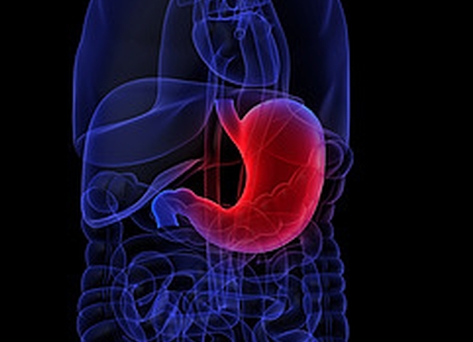
- As Daewoong Pharmaceutical unveiled Phase III clinical data of its next-generation gastroesophageal reflux disease agent in development, fexuprazan, the Korean pharmaceutical industry is keeping a close eye on the prospective competition between the existing proton pump inhibitors (PPI) tegoprazan (Brand name: K-CAB) and the novel agent. Reversibly blocking the proton pump, a potassium-competitive acid blocker’s (P-CAB) efficacy compared to PPI has been confirmed through the clinical trial conducted in Korea, but the market competition would heavily rely on pricing, indication and improved efficacy. ▲Improved efficacy against PPI esomeprazole confirmed On May 2, the Korean pharmaceutical company presented the Phase III clinical data of fexuprazan at Digestive Disease Week (DDW) 2020 as an e-Poster. Daewoong Pharmaceutical’s novel agent treating gastroesophageal reflux disease (GERD), fexuprazan is a P-CAB that reversibly blocks the proton pump secreting gastric acid from the stomach walls. Clinical trial result on heartburn relief Frequently, a PPI is prescribed to treat patients with GERD, but its limitations like slow acting time, varying effects depending on prior food intake and individual CYP2C19 genotype, and drug-drug interaction have been reported. Whereas P-CAB agent is considered a new generation of medicine that covers most of the limitations PPI faces. The Phase III clinical trial was conducted in patients with erosive esophagitis at 25 hospitals in Korea, and it compared efficacy in 40 mg of PPI esomeprazole (n=111) and 40 mg of P-CAB fexuprazan (n=107). Until week 4, fexuprazan and esomeprazole respectively demonstrated endoscopic mucosal healing rate at 90.3 percent and 88.5 percent, but they reached 99.1 percent at week 8. Specifically, P-CAB showed comparatively faster and better heartburn relief. 30.8 percent of fexuprazan group and 23.4 percent of esomeprazole group had their day and nighttime symptoms relieved at day 3. Comparing only patients with moderate to severe symptoms, 22.4 percent of fexuprazan group experienced symptom relief, whereas only 7.9 percent of esomeprazole group did. At day 7, the heartburn symptom relief rates were recorded at 26.2 percent and 21.6 percent in fexuprazan and esomeprazole users, respectively. Comparing again the patients with moderate to severe symptoms, fexuprazan demonstrated better rate at 13.8 percent against 7.9 percent. The results were similar when comparing symptom relief during nighttime. Reportedly, PPI was unable to maintain the effect during nighttime. The nighttime heartburn relief rate of fexuprazan and esomeprazole at day 3 each marked 41.1 percent and 35.1 percent, but in patients with moderate to severe symptoms, the rate was at 34.5 percent and 17.5 percent, respectively. The atypical symptom relief rates in patients with GERD were at 81.2 percent and 68.6 percent in fexuprazan and esomeprazole users, respectively, at Day 3. And the rate remained around the same at week 8 at 80.6 percent and 69.3 percent, respectively. Adverse reactions reported from both groups were about the same. In the future, the novel agent would be inevitably compared to the ‘Old Drug,’ esomeprazole. ▲Competitive against the market-dominating tegoprazan? In 2018, CJ Healthcare has received the government’s approval on the 30th Korean-made novel P-CAB agent ‘K-CAB (tegoprazan).’ In Japan, vonoprazan is released in the market, but K-CAB is the only P-CAB available in the Korean market. As a follow-on drug, fexuprazan would attempt to take over the market from tegoprazan, unavoidably. In last March, tegoprazan has been indicated to treat helicobacter pylori infection and also it has ongoing clinical trials regarding maintenance therapy after treating GERD and preventive therapy against nonsteroidal anti-inflammatory drug-induced duodenal ulcer to expand indications. Fexuprazan would have to face tegoprazan, currently dominating the market not only with its effect, but as a first-in-class and its variety of indications. Then, how about the differences in their efficacy? In March last year, a SCI-level medical journal Alimentary Pharmacology & Therapeutics (AP&T) published Phase III clinical data of tegoprazan. Same with fexuprazan, the study compared tegoprazan’s efficacy and safety in patients with erosive esophagitis against esomeprazole’s. The eight-week multicenter Phase III trial on tegoprazan conducted in Korea tested 302 patients with erosive esophagitis by administering 50 mg (n=100) and 100 mg (n=102) of tegoprazan and 40 mg (n=100) of esomeprazole. At week 8, the mucosal healing rate of three patient groups all reached 98.9 percent. As for fexuprazane, the rate was at 99.1 percent. The heartburn rate in tegoprazan 50 mg group started from 1.76 and was increased to 0.53 and 0.56 at week 4 and week 8, and in 100 mg group the rate fell from 1.86 to 0.62 and 0.62 at the same period. The rate in esomeprazole group was dropped from 1.84 to 0.48 and 0.47 at week 4 and week 8. The prevalence of adverse reaction in 50 mg and 100 mg of tegoprazan users reached 28.3 percent and 23.5 percent, respectively. The rate was similar in 40 mg of esomeprazole users with 30.3 percent. Professor Kim Gwang Ha of Pusan National University Department of Internal Medicine, who participated in both tegoprazan and fexuprazan studies, explained “The clinical trial on fexuprazan confirmed significantly improved efficacy in the novel agent against esomeprazole with patients having moderate to severe symptoms,” and “when it gets released in the market, it could be more expensive than PPIs but the benefit could outweigh the high pricing.” He added, “Based on the acting time and effect of inhibiting proton pump faster and better than PPI demonstrated in the clinical trial, the novel agent would fulfill the medical unmet needs the existing PPIs lacked,” and “patients who failed to relieve the symptoms with PPI would benefit from P-CAB.” “However, the healthcare providers should be aware that not all P-CABs have same effect and safety profile,” so “their marketability and competitiveness should be more accurately assessed with further head-to-head studies between different P-CABs,” the professor noted.
