
- LOGIN
- MemberShip
- 2026-05-20 12:49:39
- Study: Is convalescent plasma actually effective on COVID-19
- by choi, sun Apr 09, 2020 06:27am
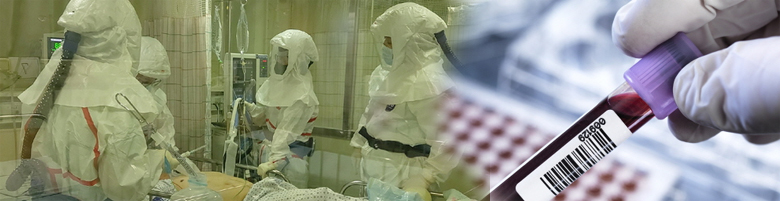
- Following the case reported in China, Korea has published a case study of effective plasma therapy on COVID-19 patients. As the Korean infectious disease control authority has announced its plan to establish a plasma therapy guideline for the COVID-19 patients, the public’s interest on the therapeutic mechanism and effect has heightened. Following is a discussion over the issues regarding the plasma therapy’s mechanism of action and efficacy. ▲Plasma therapy using recovered patient’s antibody to fight against the virus A vaccine has a preventive effect but does not treat the disease after the viral infection. Antiviral remdesivir, currently used to treat COVID-19 patients, relies on inhibition of viral replication and symptomatic therapy relieving the symptoms. On the other hand, plasma therapy uses immune system of a patient who has completely recovered from the viral infection. In the recovered patient’s blood, plasma containing antibody is generated during the process of post-viral infection recovery. And if the convalescent plasma is extracted from the donor and transfused to another patient with severe symptoms, the antibody from the plasma fights against the virus in the patient. Theoretically, the antibody that experienced a specific virus can easily detect the antigen or can mass produce antibody. In such case, the time to alleviation of symptoms and treatment against the virus could be shortened. This is usually the reason why the plasma therapy is a last resort for patients in a critical state of a novel infectious disease without a treatment or vaccine. The U.S. Food and Drug Administration (FDA) on Mar. 24 and Korean health authority on Apr. 1 have respectively approved of using blood product extracted from people who have cured from COVID-19 for treatment purpose. After China has published a clinical study result confirming the therapeutic benefit on five people, Korea has also reported cases cured from blood product. ▲Effect of plasma therapy? “All cured” On Apr. 6, Journal of Korean Medical Science (doi.org/10.3346/jkms.2020.35.e149) has published a study on the use of convalescent plasma therapy in two COVID-19 patients led by Professor Choi Jun Yong (Department of Internal Medicine, Severance Hospital, Seoul) and his research team. This is a first report of using convalescent plasma extracted from recovered patients to treat COVID-19 cases in Korea. The first case, a 71-year-old man, has been treated with antimalarial and HIV drug, but his symptoms worsened. The respiratory rate was over 30 times per minute (normally under 20 times per minute) and chest radiographs showed critical pneumonic symptoms in both of his lungs. C-reactive protein (CRP) was up at 172.6 mg/ L (normally less than 8 mg/ L). When the second case, a 67-year-old woman, was hospitalized, her respiratory rate was at 24 times per minute and oxygen saturation was at 93 percent (normally over 95 percent), while her CRP elevated up to 314 mg/ L with signs of lymphopenia. Regardless of using corticosteroid on top of administering antimalarial and HIV drugs, the female patient sustained lymphopenia and the viral titer was increased. The researchers administered 500 ml of convalescent plasma, obtained from a recovered donor, twice in 12-hour interval and initiated corticosteroid treatment simultaneously. The patients were discharged from hospital after seeing lymphopenia recovery, reduction in viral titer, and recovery of CRP level. A plasma therapy study on critically ill patient with COVID-19 in China, led by Professor Chenguang Shen (National Clinical Research Center for Infectious Disease), has also demonstrated similar outcome. Five patients with COVID-19 and acute respiratory distress syndrome (ARDS) have recovered normal body temperature in three days after receiving convalescent plasma, and showed increase in oxygenation capacity and decrease in viral titer. Three out of five patients were discharged (hospitalized for 53, 51 and 55 days, respectively) and two patients stabilized on day 37 after the plasma therapy. ▲Plasma therapy with positive outcomes, but why the negative issue? The problem is the effect. One says the effect has been confirmed, but the others say it has not been fully confirmed. So why are there contrasting claims? The dispute has sparked due to the limitations in the clinical environment the plasma therapy was conducted. As the studies were conducted in critically ill and desperate patients with novel infectious disease, the variables were not properly controlled in all cases. To appropriately prove the efficacy of the plasma therapy, the infected patients should be divided into three groups. A large-scale long-term clinical study with patient groups receiving plasma therapy only, plasma therapy plus antiviral agent (symptomatic therapy), and placebo should be conducted to test the clinical efficacy. However, the studies published so far had five or two subjects and combined therapy or prior therapies were given to the patients, which makes it difficult to conclude the correlation of plasma therapy and ‘full recovery.’ Professor Choi Jun Yong of Department of Internal Medicine at Severance Hospital commented, “As corticosteroids were used besides convalescent plasma, the research cannot claim the recovered cases were a direct and sole result of the plasma therapy. Such study is leaves limitations in confirming the effect of each therapy type as various antibodies were administered to the patient due to their severity.” “However, the study in Korea has witnessed the drop in viral load, which could be assessed as an effect of transfusing convalescent plasma, as using systemic corticosteroids can only relieve inflammatory response but does not block viral replication,” the professor emphasized. ▲Korean disease control authority setting convalescent plasma use guideline, what to look out for? The limitations still exist because plasma therapy is not the only option and is definitely not the fully proven option. The government guideline should take account of limited convalescent plasma from a donor, prioritization of administrated subject and different level of effect depending on the donor’s condition. But also the authority should keep in mind that the therapy lacks sufficient medical evidences. Medical experts stress that confusion in clinical scene and waste in resources would be minimized if only the health authority clarifies detailed guideline of convalescent plasma use. Professor Choi Jun Yong highlighted, “As for the guideline, the Korean Society for Laboratory Medicine has a lot to contribute. More than anything, it would have to recommend standard of prioritizing the subject for limited convalescent plasma transfusion considering the efficiency and benefit.” And he added, “Depending on the donor’s health condition, the convalescent plasma’s effect and outcome could differ. Future studies should follow to evaluate adequacy of donor and recipient.” The professor also suggested, “The level of neutralizing antibody related to the plasma therapy needs more research. The guideline should consider testing the donor’s neutralizing antibody titer prior to the transfusion, as the young age of a donor does not guarantee high level of the antibody.”
- Product
- Imported drugs are out of stock due to COVID-19 crisis
- by Kim, Min-Gun Apr 09, 2020 06:27am
- Difficulties in supplying medical products are also continuing in the aftermath of COVID-19, which hit Europe. According to the distribution industry on the 7th, domestic and foreign pharmaceutical companies, such as Kuhnil Pharmaceutical, Daewoong Pharmaceutical, JW Pharmaceutical, and Pfizer Korea, stopped supply due to delays in the production of some specialized pharmaceutical products. Recently, Amilo (100T/1000T), a diuretic sold by Kuhnil, was temporarily out of stock. This is because the factory in China, the main raw material for the production of Amiloride, was caught in the aftermath of COVID-19. Kuhnil announced that it will stop operating the plant by May 8th at distributors. Because of this, it will be temporarily out of stock for a month. Resupply is expected on May 11th. Fosrenol 500mg (45T), which JW Pharmaceutical has imported from the UK in the form of finished products, have been suspended from March. Fosrenol is used to treat hyperphosphatemia in patients with chronic renal failure who undergo hemodialysis or peritoneal dialysis. It seems that the spread of COVID-19 in the UK is seriously affecting domestic supply. In mid-March, when JW pharmaceutical announced that the supply would be temporarily suspended due to the manufacturer's circumstances, the British government banned and closed the business of public gathering places such as cafes, pubs and restaurants, except essential facilities such as pharmacies and supermarkets. As of today (7th), the total number of COVID-19 confirmed patients in the UK exceeded 50,000 people and 5373 patients died. British Prime Minister Boris Johnson infected with COVID-19, is undergoing a strong social distance campaign while receiving intensive treatment due to worsening symptoms. JW pharmaceutical announced that it can be replaced with Fosrenol powder 1g packets instead of Fosrenol tablets. COVID-19 is also causing problems in exporting medical products in Germany. Supply of Instanyl nasal spray 100mcg/1.8 mL, imported from Takeda, Germany by Daewoong Pharmaceutical was cut off. Due to the spread of COVID-19 in Europe, Daewoong said that the German government's export permission department in February was delayed for two months, causing a disruption in domestic supply. This month, Pfizer Korea Pharmaceutical's Solu-Medrol 125mg, produced in Belgium, a neighboring country of Germany, was also sold out for a long time. Pfizer Korea expects that normal supply will be possible by November. Pfizer Korea does not give details of the reasons for the out of stock, but the company only explained that it was a delay in the production schedule of Solu-Medrol. Currently, there are 20,000 COVID-19 confirmed patients in Belgium and 1632 deaths. The Belgian government has also been taking steps to close companies temporarily and measures to restrict national movement since mid-March. Meanwhile, Nitropress by Pfizer Korea, which is indicated for the immediate reduction of blood pressure of adult and pediatric patients in hypertensive crises, is also out of stock until May.
- Company
- Social distance postponed tax investigations
- by Nho, Byung Chul Apr 09, 2020 06:26am
- In order to prevent the spread of COVID-19, tax investigations by some pharmaceutical companies in progress are reportedly delayed. According to the industry, Daewoong Bio, Bayer Korea, and Hanmi Pharm are currently under investigation by the National Tax Service. This survey is believed to be a regular tax investigation, not a special tax investigation. On the 30th of last month, the National Tax Service announced the policy of minimizing on-site tax investigations of local tax offices and front-line tax offices to actively participate in the government's social distance following COVID-19. As a result, the pharmaceutical industry's tax investigation schedule is also postponed until the COVID-19 situation calms down. When conducting an on-site tax investigation, the National Tax Service is minimizing on-site investigations based on the judgment that face-to-face contact with investigators and the company's working team is inevitable, and it can also put more psychological burden on the company. However, it said that it is performing as scheduled on issues that are bad or urgent such as act of cornering and hoarding of masks or hand sanitizers. Since mid-February, the NTS Jungbu Regional Office has been conducting tax investigations by dispatching employees from the Bureau 1 to the Daewoong Bio Office. A representative of Daewoong Bio explained, "The NTS Jungbu Regional Office Bureau 1, 2, and 3 are usually in charge of general tax investigations. Since 2015, they have been faithfully engaged in regular tax investigations received in five years." In the 2015 tax investigation, the NTS Jungbu Regional Office judged the commission paid by Daewoong Bio to CSO (sales agency) in full, and collected ₩15.3 billion in taxes the following year. In response, Daewoong Bio brought a judgment against the Tax Tribunal and was finally judged by the National Tax Service's misconduct. In 2017, there was a precedent that received a total of ₩15.3 billion back, which is the total collection tax amount related to sales agency fees. Unlike the claims of the Korea Customs Service, through the final ruling, the tax tribunal clearly identified the substance of the CSO, paid a fee according to the contract, and the CSO also filed a tax return as an import amount while also acting as a pharmaceutical sales agent for pharmaceutical companies other than Daewoong Bio. Was judged to be a normal business activity. In addition, on the basis of the fact that it was difficult to judge that the CSO sales agency activity violated related laws and social order, such as the pharmaceutical affairs law the company decided that it was difficult to consider the company to spend entertainment expenses. At the time, about 40% of the fees that Daewoong Bio paid to the CSO were judged as entertainment expenses, and taxes were collected. In a ruling, the tax tribunal said that there was no specificity at the industry's normal level. Currently, the pharmaceutical industry typically pays 40% to 50% of the fees paid to CSOs. The owner-related specialty corporation mentioned in the last tax investigation was also found to be one of the largest number of CSOs operated by Daewoong Bio, which is currently less than 1% of the total CSO operation fee. At that time, Daewoong Bio was using about 200 CSOs.
- Policy
- Can generic listing negotiation prevent reckless listing?
- by Kim, Jung-Ju Apr 09, 2020 06:26am
- Although some pharmaceutical companies are voicing their concerns over the generic reimbursement negotiation, to be enforced from the second half of the year, some are actually welcoming the new system with an anticipation of positive benefits. Along with the revised drug pricing system coming in effect around the same time, the generic negotiation is expected to eliminate ‘reckless’ competition among reimbursed drugs in same class. Pharmaceutical industry sources reported on Apr. 6 about the growing voices of the industry claiming the partially revised Regulation on National Health Insurance (NHI) Reimbursement Standard is needed for the amended stepped drug pricing system. The revised Regulation on NHI Reimbursement Standard aims to require drugs receiving automatically calculated reimbursed pricing to negotiate with the government and the insurer to sign an agreement before listing. The Korean government and insurer manage drug pricing with pricing and projected volume negotiation prior to the listing, and with price-volume agreement (PVA) negotiation after the listing. So far, the pre-listing obstacles have been mostly targeting new drug or high-cost drugs only, but soon the generics would have to undergo similar procedure to enhance reimbursement listing value and NHI expenditure efficiency. Reimbursement negotiation does not only regard drug pricing, but also regards supplier’s duty, patient accessibility and financial stability depending on the various pursuing items, which allows healthcare insurance to be utilize more directly to manage active pharmaceutical ingredient’s supply and quality and drug production and distribution. The negotiation for generics with National Health Insurance Service (NHIS) would be completed under 60 days like the new drug reimbursement procedure. The government is currently accepting the industry’s opinion while scheduling the amendments to take an effect from the second half of the year. Nevertheless, the industry has expressed their concerns of the government trying to burden the pharmaceutical companies with excessive liability through unnecessary administrative procedure. And some even complained of the government trying to reinforce pre-listing obstacles and keep pharmaceutical companies on a leash to lower drug pricing. However, contrasting voices have been raised, noticeably. They claim the newly revised stepped pricing system could motivate generics to recklessly apply for reimbursement to be more competitive in the market. Accordingly, other set of regulation to manage the generic pricing system is needed. A pharmaceutical company insider said, “Regardless of their sales plan, some generic products are aggressively applying for reimbursement after their approval. When the stepped pricing system comes in effect, generic makers with actual plan to release the product would unfairly receive pricing close to nothing.” The insider also noted the negotiation with the government and insurer would be able to resolve the loophole issues. Another pharmaceutical industry insider argued “When the reckless listing phenomenon gets more prevalent, pricing of some originals with extremely low marketability could be pressured to drop and they could suspend supplying for the Korean market and cause shortage. Ultimately it could negatively affect patient’s accessibility and treatment, so the government and NHIS should clearly address the subject on the agreement.” Moreover, another pharmaceutical company has mentioned of a reverse discrimination. The company insider said, “The government and the insurer impose duty and liability on original item and its company’s agreement, only because it is a first-in-class. But their competitors, the generic companies, are free of any liability. This is why the question of reverse discrimination has surfaced.” The company insider emphasized, “The government should be considerate of some companies complaining of generic reimbursement negotiation, but also some agreeing on the necessity of the system. Based on the industry’s reaction, hopefully the government and the insurer could reflect their opinions on the system”
- Product
- Disaster subsidies must be paid to all citizens
- by Jung, Heung-Jun Apr 09, 2020 06:26am
- 9 out of 10 Dailypharm readers expressed their opinion that the government's emergency disaster aid under COVID-19 should be paid to the entire population, not just the bottom 70% of income. Dailypharm conducted an opinion poll on how to pay for emergency disaster aid through the online survey of Issue & Poll from the 1st to the 7th. Of the 262 Daily Farm readers working in the health and medical industry, 87.8% (230 people) said that all citizens should receive disaster relief funds. Only 12.2% (32 people) voted in favor of the government method of paying the bottom 70%. The readers in favor of the payment of the whole nation thought that it would be reasonable to give it to the whole nation even if the amount was lowered a little. On the other hand, those who favored the selective payment method for the lower 70% insisted that it would be better to pay only the lower 30% or even a little more to the lower income class.
- Company
- HIRA Cancer Committee canceled and postponed again
- by Eo, Yun-Ho Apr 08, 2020 06:24am
- The talks on anticancer treatment coverage enhancement has been postponed yet again. Pharmaceutical industry sources reported the Korean health authority has canceled the Health Insurance Review and Assessment Service (HIRA) Cancer Deliberation Committee’s meeting, initially scheduled today on Apr. 8. The government agency plans to push the meeting back two weeks later. After postponing the Cancer Deliberation Committee meeting from Feb. 26, the schedule has been called off again. Affected pharmaceutical companies are expressing their concerns, now that Deputy Director Choi Kyung-ho of Pharmaceutical Benefit Division at MOHW has been reportedly dispatched to Central Disaster and Safety Countermeasure Headquarters on COVID-19. The delayed meeting schedule has added more items on the committee’s agenda, and some items were inevitably put off to May agenda depending on their priority level. Originally, major items like AstraZeneca’s targeted therapy Tagrisso (osimertinib) and Ono Pharmaceutical and Bristol-Myers Squibb’s (BMS) immunotherapy Opdivo (nivolumab) were supposed to be deliberated in February. And in April, the Cancer Committee was supposed to review BMS’ multiple myeloma treatment Revlimid (lenalidomide) and MSD’s immunotherapy Keytruda (pembrolizumab). A multinational pharmaceutical company official said, “Despite the national emergency, cancer patients are still waiting for their treatment to get listed. Delaying the meeting twice would cause a significant damage. The government should be more considerate of those patients when handling pharmaceutical reimbursement listing and expansion.” Epidermal growth factor receptor (EGFR) tyrosine kinase inhibitor (TKI) Tagrisso has an ongoing deliberation over expanding its reimbursed indication to cover a first-line treatment for patients with EGFR-mutated non-small cell lung cancer (NSCLC). PD-1 inhibitor Opdivo has a number of indications seeking for reimbursement, such as renal cell carcinoma-treating first-line combination therapy with Yervoy, second-line treatment for renal cell carcinoma, second-line treatment for relapsed or metastatic head neck squamous cell carcinoma, and second-line treatment for classical Hodgkin’s disease. But, the controversial indication as a second-line treatment for NSCLC regardless of expression of PD-L1 was omitted from the application. Moreover, Revlimid was targeting reimbursement expansion on its maintenance treatment indication as a monotherapy, and Keytruda’s reimbursement expansion application included an indication as a first-line treatment for NSCLC, bladder cancer and Hodgkin’s lymphoma, which have been denied previously, but also included two new indications—first-line treatment for metastatic non-squamos NSCLC as a combination therapy with pemetrexed and platinum chemotherapy, and first-line treatment for metastatic squamous NSCLC as combination therapy with carboplatin and paclitaxel.
- COVID-19 may cause another outbreak with immunization gap
- by Lee, in-bok Apr 08, 2020 06:21am
- The National Immunization Program (NIP) for both children and adult is stepping into an alarming state as a gap in the program is widening while the COVID-19 curve has not been flattened, yet. The fear of healthcare-associated infection is surging amid the COVID-19 outbreak and many people are avoiding hospital visits as a precaution. But immunization experts are voicing concerns of a secondary impact as COVID-19 bringing down the children’s immunization rate drastically. Fear of COVID-19 outbreak hindering state-run vaccination program According to medical industry on Apr. 3 the COVID-19 outbreak has caused a sharp drop in the vaccination rate in Korea compared to last year. The outbreak-stricken people around the country have started avoiding healthcare institutes as their fear of infection has outweighed the benefits of receiving vaccination. Including university hospitals, most of hospitals and clinics are basically paralyzed with most of people cancelling the vaccination appointment. A pediatrics and adolescents doctor at a clinic in Bundang commented, “To tell the truth, the pediatrics are open but without any actual patients visiting and not even for vaccination. Some parents and their children visit hospitals wearing with all kinds of preventive equipment, but we had no one visiting for vaccination in last month.” “Although the hospital is sending out text messages regarding vaccination schedule to registered contacts, but none of them has showed up on their scheduled dates. Even when outpatients who need follow-up visitation are avoiding university hospitals, who would think of visiting clinics for vaccination?” the director added. University hospitals continue to provide medical service for patients with severe conditions, but generally all vaccination schedules have fallen through. A university hospital director in Seoul explained, “As the virus is still spreading across the country, the hospital is strictly controlling incoming visitors with a fever check at entrance and separate doors to pediatrics. We do not allow walk-ins but require an appointment-basis visits and a visitor’s guardian is restricted to only one.” “All doctors, nurses and even reception staffs are wearing level D PPE at the hospital. Although the hospital is far better prepared than during the past MERS outbreak, fear of infection has taken over the visitors and most of appointments including vaccination are canceled at the moment,” the hospital director said. Vaccination experts worried over adult vaccination gap firing up a secondary outbreak The medical experts carefully express their concern over the gap in essential immunization of hepatitis B, BCG, DTap, varicella and MMR. These diseases could cause cross infection between an adult to a child and vice versa, which could entail another nationwide outbreak. When the seroprevalence rate of hepatitis in adults in 30s and 40s has fallen under 20 percent, continuous delay in vaccination on all adults and children could start a detrimental outbreak. As the adults with low seroprevalence rate are highly likely to have become parents by now, a whole household with children could be vulnerable to the infection. An infectious disease expert at a doctor’s association in South Gyeongsang province pointed out, “The seroprevalence rate in Korean adults over the age of 20 is at around 10 percent, because most of them had not received boosting injection. So delayed vaccination in their children could put their whole family in danger.” Concerns on measles and whooping cough are also high. Many of adults have not had boosting injection for measles vaccines. Whooping cough was close to eradication in Korea, but the immunization rate has been constantly falling due to the lack of public awareness and prevalence rate in Korea climbing up every year. According to Korea Centers for Disease Control and Prevention (KOEDC), nine cases of whooping cough were reported in 2008 but the number has surpassed 800 in 2018 and 1,000 in 2019. Since the outbreak in 2018, measles is a high-risk as the nationwide immunization rate has dropped. An executive director at the Korean Society of Pediatric Infectious Diseases pointed out, “As pertussis is spreading through adults these days, delaying or cancelling vaccination could put many people at a huge risk. Korea is definitely not safe from pertussis.” The executive director stressed, “At least measles and DTaP vaccination included in the NIP should be done. As polyvalent vaccines with DTaP are available now, public awareness of the vaccines should be raised better” Accordingly, medical experts argue the government should recognize the state’s widening gap in vaccinations and plan out response actions. The infectious disease expert from the doctor’s association warned, “The biggest obstacle in the immunization program amid the COVID-19 outbreak is the growing fear of healthcare-associated infection and public health centers unable to provide services. If the current situation is to continue for a long time, the nationwide immunization rate would dip alarmingly, and other infectious disease could start spreading.” The expert added, “The government should raise awareness of the poor immunization state and related risk to prevent other outbreaks. Families with children, who have missed the vaccination schedule, should look into catch-up immunization schedule immediately.”
- Product
- Boots, withdraws from the pharmacy market in 3 years
- by Kim JiEun Apr 08, 2020 06:21am
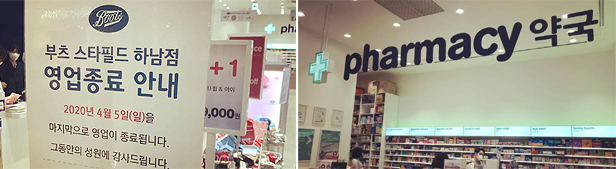
- 'Boots', which opened ambitiously in Korea, claiming to be a premium health & beauty store, eventually withdrew their business after failing to overcome the continuing sluggish profitability. According to the industry on the 6th, the company recently decided to withdraw its entire business and closed the recently opened stores. In 2017, E-Mart received a lot of attention in the H&B market as it landed in Korea by exclusively contracting with Walgreen Boots Alliance, the UK's No.1 H & B store company. In addition to opening and operating 33 stores only in the year of landing in Korea, it was also differentiated from existing H & B stores based on “Premium”. However, it was reported that e-mart decided to withdraw its business after failing to overcome the continued deficit and deteriorating profitability. It is also analyzed that the boots that failed to dominate the competition with other H & B stores in Korea are factors that failed. E-Mart closed 18 boots stores in the first half of last year, and it was confirmed that the six remaining stores were closed in turn following the closing of Starfield COEX and Sinchon stores earlier this year. With the withdrawal of the boots business, the pharmacies operated by each store were forced to close. It is known that there are about 6 pharmacies in Boots, 4 of which are now closed, and the other 2 are in business and are in negotiations with the head office. Boots Star Pharmacy in Starfield Hanam branch also closed on the 5th. At the time of opening the store, it contracted for a 5-year lease, but the business was withdrawn after 3 years of opening, so the branch could not fill the contract period and stopped operating the pharmacy. Yong-han Choi, Rph, said the branch had planned to withdraw from business since February, and that road shops were almost closed. Stores and pharmacies were closed on the 5th, when the discount event to remove inventories ended. Pharmacist Choi said it was unfortunate that the branch was the first pharmacy and could not finish the five-year contract period, and in fact it was closed by a compromise. He added that he plans to rent another store in Starfield Hanam, where he opened the pharmacy independently, and it is just like starting a new one.
- Policy
- GV1001 developed as a demetia drug, approved for COVID-19
- by Lee, Tak-Sun Apr 08, 2020 06:21am
- The Ministry of Food and Drug Safety approved a new drug candidate 'GV1001' by GemVax, which is being developed as a treatment for dementia, for the purpose of treating COVID-19 patients. The request for approval for the use of treatment was made by Kyungpook National University Chilgok Hospital. The MFDS approved the use of GV1001 (Tertomotide HCl), applied by Kyungpook National University Chilgok Hospital on the 3rd, for COVID-19 confirmed patients. Kyungpook National University Chilgok Hospital applied for two cases, and two patients received GV1001. GemVax, which is developing GV1001, said that GV1001 has applied for a patent related to COVID-19. GV1001 is a peptide derived from hTERT (Human Telomerase reverse transcriptase). The enzyme telomerase maintains the length of telomere located at the ends of chromosomes, and the treatment has anti-inflammation, anti-oxidation cellular protective effects, as well as anti-cancer effect. GemVax is currently conducting clinical trials to develop Alzheimer's treatments. GemVax explained that GV1001 proved through preclinical studies to prevent cytokine storms by regulating various inflammatory mediators such as cytokines against severe inflammation caused by COVID-19 infection. The approval for the use of treatment is a system that enables the use of clinical trial drugs for treatment purposes in order to provide treatment opportunities to patients with life-threatening diseases without other means of treatment. In other words, it is different from commercialization clinical trials for product approval for large-scale patients, or sponsor-investigator trials conducted by researchers to prove effectiveness or safety. Approval of use for treatment purposes requested by the hospital is permitted for individual patients, and at the time of application by the company, two or more persons are permitted. Therefore, there is not enough data to demonstrate the effectiveness or safety of the therapeutic use.

- Policy
- Will Rovelito by Handok & Sanofi succeed?
- by Lee, Tak-Sun Apr 07, 2020 06:44am
- Handok & Sanofi-aventis Korea are jointly developing a combination of Irbesartan & Amlodipine, which is antihypertensive drug and are expecting synergy effect between the two companies. Previously, Sanofi-aventis Korea co-developed Rovelito (Irbesartan-Atorvastatin calcium trihydrate), a new combination drug for hypertension/ hyperlipidemia with Hanmi Pharm. Because it was successful in the market through joint promotions, interest is also gathered in this joint development with Handok. In a business report reported to the DART of the Financial Supervisory Service on the 30th of last month, Handok signed a license agreement with Sanofi-aventis Korea for the domestic development, manufacture and licensing of antihypertensive combination drug on October 18 last year. The contract ends on October 17, 2029. The antihypertensive combination drug made by both companies is Aprovasc & CoAprovel. Prior to this, the substance of the combination was revealed through clinical approval from the MFDS on March 4th. It is a combination drug of ARB-based Irbesartan and CCB-based Amlodipine besylate by Sanofi, and a phase II clinical trial will be conducted to confirm efficacy and safety from a total of 440 people this month to March 2021. To date, several ARB-CCB combinations are available, but Irbesartan-Amlodipine combinations are not available. Therefore, it is expected that there will be a prescription merit due to product rarity. In addition, synergies can be doubled if joint marketing is continued between the two companies. Sanofi-aventis Korea has already demonstrated its power through joint marketing of Rovelito with Hanmi Pharm. Rovelito was also a combination drug developed jointly between the two companies. In 2012, the two companies agreed to jointly develop a new drug that combines Irbesartan and Atorvastatin, and acquired an item license in November 2013 under the name 'Rovelito'. Last year's outpatient prescription amount (Source: UBIST) for Rovelito was ₩20.1 billion, and Rovelito pushed out Yuhan's Duo Well (₩18.1 billion/Telmisartan-Rosuvastatin) and Daewoong Pharmaceutical Olostar (₩12 billion /Olmesartan medoxomil/Rosuvastatin) and holds the No. 1 position in the ARB-statin market. In the industry, Rovelito is said to be desirable as a combination of foreign pharmaceutical companies and domestic pharmaceutical companies. Therefore, it is paying attention to whether joint development of Sanofi and Handok will succeed. However, in the case of Rovelito, it was the first product among ARB-statin preparations, so the competition was not severe. The combination of ARB and Amlodipine (including 3 drugs) is not expected to be an easy challenge to the Sanofi-Handok, as there are more than 1,000 licensed products and market competition is fierce.
