
- LOGIN
- MemberShip
- 2026-04-29 13:38:16

- Company
- ‘Policy support required for hidradenitis suppurativa’
- by Whang, byung-woo Apr 30, 2025 06:06am
- “Hidradenitis suppurativa is difficult to cure and requires long-term treatment. As it is a rare disease, I think it is desirable to increase access to treatments with clear treatment benefits by providing both reimbursement and special calculation for this disease, which has a small number of patients.” Hidradenitis suppurativa is a disease whose exact cause or pathogenesis has not yet been fully identified, and it is a rare disease with a prevalence rate of less than 1% in South Korea. The number of patients with hidradenitis suppurativa in South Korea is estimated to be approximately 10,000 as of 2022, which only includes those who have been clearly diagnosed after experiencing recurrent lesions and formation of tracts beneath the skin. Although TNF-α inhibitors are a reimbursable treatment option, options are limited when considering treatment failure and side effects. Joo Yeon Ko, Department of Dermatology, Hanyang University Medical CenterAt an interview with Dailypharm, Joo Yeon Ko, Professor of Dermatology at Hanyang University Medical Center emphasized the need to improve access by expanding treatment options for hidradenitis suppurativa. Hidradenitis suppurativa causes abscesses to form in various areas around the sebaceous glands beneath the skin. Unlike typical abscesses, the lesions are connected to each other, forming channels known as “tracts.” It is broadly classified into ▲active, where inflammation persists, and ▲inactive, where no further inflammation occurs; however, it is difficult to clearly distinguish between the active and inactive states. Professor Ko explained, “Even in the same patient, the condition can be highly active at one time and stable at another, so the medication and treatment methods used may vary depending on the individual's condition. In the case of active disease, the patient experiences severe pain due to inflammation in areas such as the armpits, and the goal of treatment is to reduce the frequency of the inflammation.” He continued, “Mild-to-moderate patients rarely visit university hospitals, and mild patients with symptoms in one or two areas are mainly treated at private clinics. It is important to identify the potential for progression to severe disease in mild patients, as a higher recurrence rate is associated with a higher risk of progression.” Limited treatment options for suppurative hidradenitis, IL-17 emerges but faces hurdles for use The basic treatment for suppurative hidradenitis is I&D (incision and drainage), which involves incising the area where the patient feels pain to remove the internal inflammation. In addition, antibiotics are administered for about 3 months to reduce inflammation, and if there is a high risk of recurrence, sebum inhibitors used to treat acne are also used. However, in severe cases, these treatments are not sufficient to control the inflammation, and biological agents are used. Currently, Humira (adalimumab), a TNF-α inhibitor, is covered by insurance. In addition, although not yet covered by insurance, the interleukin-17 (IL-17) inhibitor Cosentyx (secukinumab) was approved in Korea in 2015, approximately 8 years after the approval of Humira. Professor Ko said, “TNF-α inhibitors covered by insurance have the advantage of broadly blocking inflammation, but they also have the limitation of blocking the inflammatory response that is necessary for our bodies. IL-17 inhibitors have a more targeted mechanism than TNF-α inhibitors and show similar therapeutic effects and superior safety.” According to overseas and domestic guidelines, both TNF-α inhibitors and IL-17 inhibitors are currently recommended as first-line treatment options. If sufficient therapeutic effects are not achieved with oral medications, one of the two approved biological agents can be selected. Regarding this, Professor Ko explained, “Although TNF-α inhibitors have been covered by insurance in Korea for over 5 years, not many patients actually use them on-site. TNF-α inhibitors have a broad anti-inflammatory mechanism, which raises concerns about side effects, and when we explain this to patients, they are reluctant to use them.” In actual treatment, patients who received IL-17 inhibitors (Cosentyx) showed a significant improvement in quality of life after continuing treatment for one and a half years, said Professor Ko. Previously, patients had severe symptoms requiring surgery and were unable to move their arms properly, but after treatment, their symptoms improved significantly, and the use of antibiotics and other medications decreased to 25% of the previous level. Professor Ko stated, “In global clinical trials, approximately 60% of patients achieved HiSCR 50 with Cosentyx. This means that 60% of patients experienced a 50% or greater improvement in symptoms. While a 50% improvement may seem modest, it actually represents a significant improvement.” He added, “Hidradenitis suppurativa is a disease that develops at a young age and requires long-term management, so controlling it with medications that have few side effects is the best approach. In this regard, I believe Cosentyx is a good option at this point.” “Hidradenitis suppurativa, a rare and intractable disease pustular psoriasis…unrestricted special reimbursement calculation support is needed” However, there are restrictions on the use of the IL-17 inhibitor Cosentyx. Unlike Humira, which is covered by reimbursement, Cosentyx is not yet covered. In fact, Novartis Korea applied for reimbursement expansion for Cosentyx for hidradenitis suppurativa in November last year, but the discussions are at a standstill. Professor Ko said, “IL-17 inhibitors have already been used extensively in psoriasis, so there is a tendency to prefer Cosentyx, but it is difficult to use it actively because it is not covered by insurance. Currently, if TNF-α inhibitors are used and sufficient effects are not seen, the cost of using Cosentyx thereafter is extremely high.” Professor Ko emphasized that while it may be worth considering distinguishing treatment sequence within biological agents based on practical factors like drug prices, from a medical perspective, it is important to prioritize options that have fewer side effects. He said, “If TNF-α inhibitors are used in the first line and are not effective, using Cosentyx as a the next treatment option can be an alternative, but this cannot be considered the ideal approach from a medical standpoint. In the long term, it would be desirable to apply reimbursement so that both treatments can be used on an equal footing.” Additionally, Professor Ko stressed the need for policy support to apply special reimbursement calculation provisions for the rare and intractable disease suppurative hidradenitis. Currently, suppurative hidradenitis is classified according to severity, and only severe cases are eligible for special reimbursement and insurance coverage, but the total number of patients is only about 10,000, and among them, less than 1,000 are estimated to be severe cases. Therefore, even if reimbursement and special calculations are applied simultaneously, it is unlikely to place a significant financial burden on the government. Professor Ko said, “For diseases like hidradenitis suppurativa, which have a small number of patients and treatments offer clear benefits, it is necessary to increase access to treatment by providing both reimbursement and special calculations. Even if reimbursement and special calculations are applied simultaneously, only a few dozen patients will actually benefit and use Cosentyx each year.” Finally, he added, “Effective medications for treating hidradenitis suppurativa are continuing to emerge, and better ones will be developed in the future. I hope patients do not lose hope and actively consult with medical professionals and seek treatment.”
- Opinion
- [Reporter's View] Prescribing pre-reviewed new drugs
- by Eo, Yun-Ho Apr 30, 2025 06:06am
- New drugs that patients long-awaited are being reimbursed, but no hospitals are prescribing them. There have been various attempts at improving the system, but an issue related to new drug access remains unresolved in South Korea. Public petitions for reimbursement of a particular new drug are frequently listed, and more patient organizations are gathering petition signatures. Yet, new drugs that successfully overcome challenges to be listed often are not prescribed at hospitals even though there are no prescription requirements, often mandated for gene therapies, for these drugs. Although these are first-in-class drugs and quality for reimbursement, there are only a handful of drugs that become prescribed at medical institutes throughout the country half a year after inclusion to the reimbursement list. This often occurs because hospitals tend to be afraid of being responsible for high-cost drugs after administration of such drugs upon doctor's advice and having the risk of insurance deduction. Distributing companies often contribute to this matter. During the process of distribution, loss results in substantial financial loss. Many of these cases involve drugs that have undergone a pre-review system for reimbursement. The 'pre-review' system processes the appropriateness of reimbursement for high-cost orphan drugs before authorization. It has been established to consider strengthening patient drug access and protecting National Health Insurance finance. It conducts both pre-reviews of determining the appropriate patient pool and continuance of administration after approval through pre-review. In other words, especially for high-cost drugs, the system offers a pre-review to determine whether a drug is deemed reimbursable. Drugs that underwent pre-review can be prescribed during an emergency and under a doctor's advice. The problem is that the drug has been administered but is deemed not reimbursable afterward. It does not mean that hospitals and distributors must endure losses. However, these drugs have been added to the reimbursement list after substantial efforts and demands. Hospitals and distributors need to collaborate on the issue of 'risk-sharing.' These drugs entered the system after meeting the criteria for at least two types of risk-sharing agreement (RSAs). There is no time to hesitate, and we must find a solution.
- Policy
- Ofev will be reimbursed next month
- by Lee, Tak-Sun Apr 29, 2025 05:57am
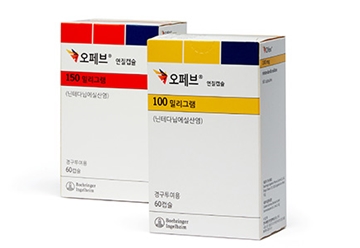
- Product photo of Ofev Ofev Soft Cap (nintedanib esylate, Boehringer Ingelheim Korea) , which was approved in South Korea in 2016, will be listed for reimbursement next month, creating an opportunity for follow-on drugs. It took a long time to secure reimbursement, and with its compound patent already expired, generic manufacturers have obtained marketing authorization and are now awaiting reimbursement. Generic manufacturers plan to apply for reimbursement immediately upon Ofev’s listing to receive the same reimbursement price and commence market sales soon. Some generic companies are even securing distribution channels by launching non-reimbursed versions before the reimbursement takes effect. According to industry sources on the 28th, Ofev soft cap will be reimbursed from next month at KRW 26,220 for the 150 mg and KRW 20,960 for 100 mg. After Ofev was approved in South Korea in October 2016, the drug applied for reimbursement in October 2020 but was deemed non-reimbursable, and the company re-applied for reimbursement in March of last year. Ofev has secured three indications. At the time of its domestic approval in October 2016, it was indicated for idiopathic pulmonary fibrosis (IPF), in February 2020, for systemic sclerosis-associated ILD, and in June 2020, for chronic fibrosing ILD with a progressive phenotype (PPF). The current reimbursement criteria cover only ILD with a PPF. The Health Insurance Review & Assessment Service (HIRA) determined that reimbursement for IPF was not appropriate, as the company did not submit separate cost-effectiveness evidence. In the case of IPF, Ildong Pharmaceutical's Pirespa Tab (pirfenidone) established a dominant position when they were reimbursed under a risk-sharing agreement (RSA) starting in October 2015. Subsequently, generic pirfenidone formulations entered the market, and Pirespa Tab's RSA ended in October 2017. Currently, pirfenidone formulations from Ildong Pharmaceutical, Yungjin Pharmaceutical, Kolon Pharma, and Korea United Pharm are listed for reimbursement. When Pirespa entered the RSA, it was difficult for follow-on products in the same indication to be included in the scheme, making reimbursement listing for Ofev challenging. After securing Ofev's three indications in 2020, the company was reportedly focused on obtaining reimbursement for PPF, a segment with no market competition. The Drug Reimbursement Evaluation Committee (DREC) recognized clinical utility, citing the significant improvement in the annual decline rate of forced vital capacity (FVC) compared with placebo and judging that the cost-effectiveness ratio fell within an acceptable range, deeming reimbursement appropriate. Reimbursement also includes patients with systemic sclerosis-associated interstitial lung disease who exhibited delayed lung function decline. It is estimated that approximately 329 patients will be eligible for Ofev reimbursement in Korea. With reimbursement, annual out-of-pocket drug costs are expected to amount to KRW 5.74 million, significantly reducing the financial burden. Under non-reimbursed status, costs amounted to approximately KRW 19.14 million. However, the imminent entry of generic versions poses a threat to Ofev. Ofev's compound patent expired on January 25 of this year. As a result, generic manufacturers have either already launched their products or are preparing to do so following approval. The currently approved generics are Daewoong Pharmaceutical's Opevia Tab, Yungjin Pharm's Nintebro Tab, and Ildong's Cuinnta Tab. With Ofev being listed as an innovator drug, these generics are now more likely to receive reimbursement within three months of their listing applications. If they apply for reimbursement in May, they could be covered as early as August. The fact that the compound patent has expired and that nintedanib is designated as an orphan drug allows it to receive the same top reimbursement price as the original, creating opportunities for the generics. In particular, companies that have already established a foothold in the pulmonary fibrosis market with pirfenidone formulations can expect synergies by maintaining their existing customer base while expanding their product line. Pirfenidone and nintedanib have different reimbursed indications. Last year, pirfenidone formulations posted sales of KRW 34 billion for Ildong's Pirespa (according to UBIST) and KRW 4.9 billion for Yungjin's Fybro. Yungjin began marketing immediately after the patent expired, while Ildong recently started non-reimbursed marketing. Ildong held a symposium on the launch of Cuinnta Tab on the 26th–27th at the Gravity Chosun Seoul Pangyo Hotel, attended by approximately 80 respiratory medicine specialists from across the country.

- Policy
- 13 items including Jakavi receive price cuts in May
- by Lee, Tak-Sun Apr 29, 2025 05:56am
- Starting May 1, the insurance price ceiling of 13 items on the drug reimbursement list will be reduced. Among them, five items are voluntary reductions requested by the manufacturers. According to industry sources on the 28th, the insurance ceiling prices of 13 items will be reduced in May, including the price of Jakavi Tab, which will be lowered based on the Price-Volume Agreement. Jakavi Tab (ruxolitinib phosphate, Novartis), a treatment for myelofibrosis, will have its price reduced under Type B Price-Volume Agreement negotiations. Type B negotiations are conducted if the maximum price was previously adjusted under Type A negotiations, or if the claims amount for the same product group has increased by more than 60% compared to the previous year's claims amount without Type A negotiations, or the increase is 10% or more and the increase amount exceeds KRW 50 billion. In such cases, the price is adjusted through price negotiations with the National Health Insurance Service. Accordingly, the price of Jakavi 5mg tablets will be reduced from KRW 25,962 to KRW 25,339, Jakavi 10mg tablets from KRW 38,943 to KRW 38,398, Jakavi 15mg tablets from KRW 52,199 to KRW 59,460, and Jakavi 20 mg tablets will be reduced from KRW 52,213 to KRW 50,960. Lorviqua, reimbursement for which has been expanded to cover the reimbursement of first-line treatment for anaplastic lymphoma kinase (ALK)-positive locally advanced or metastatic non-small cell lung cancer, underwent a procedure to adjust the maximum price in accordance with the expansion of the scope of use of risk-sharing agreement drugs. As a result, the price of Lorviqua Tab 25mg will be reduced from KRW 52,819 to KRW 51,234, and the price of Lorviqua Tab 100mg will be reduced from KRW 158,457 to KRW 153,703. Two migraine treatment drugs that contain naratriptan, will have their prices reduced due to the expiration of the pricing premium. This is because there are now four or more Naratan ODT 2.5mg products available. The health authorities terminate the premium pricing immediately when the number of companies with the same formulation registered after the expiration of the premium pricing period (one year) reaches four or more. As a result, the price of CMG Pharm’s Narafil ODF 2. 2.5mg will be reduced from KRW 2,437 to KRW 2,193, and Yuyu Pharmaceutical's Nagran ODT 2.5mg will be reduced from KRW 2,867 to KRW 2,193. These products were previously granted first-generic exclusivity last month, but the premium was terminated within a month due to the introduction of same-ingredient products. A total of 5 products will have their price ceiling reduced following voluntary price reduction requests from manufacturers. These include 3 products from Daewoong Bio (Serotapin Tab), one from Bukwang Pharm (Ariplus Tab), and one from Hyundai Pharm (DM Duo Tab). The price of Serotapin Tab 25mg will be reduced from KRW 274 to KRW 230, Serotapin Tab 100mg from KRW 688 to KRW 544, and Serotapin Tab 200mg from KRW 1,012 to KRW 927. The price of Ariplus Tab will be adjusted from KRW 3,879 to KRW 2,990, and DM Duo Tab will be adjusted from KRW 3,879 to KRW 3,658. Ariplus and DM Duo are donepezil + memantine combination drugs that were listed for reimbursement in March. Bukwang and Hyundai voluntarily lowered their drug prices just two months after their release.

- Company
- ‘Oral drug Fabhalta changes PNH treatment paradigm'
- by Son, Hyung Min Apr 29, 2025 05:56am
- Youngil Koh, Professor of Hematology/Medical Oncology, Seoul National University Hospital “While significant progress has been made in the treatment of paroxysmal nocturnal hemoglobinuria (PNH), unmet needs remain. Given the relatively young age of patients, there is an increasing emphasis on the need for treatment strategies that not only ensure survival but also improve anemia and enable patients to return to their daily lives. Therefore, I believe that Fabhalta, which improves ease of administration and has been shown to be effective in improving anemia, will become more widely used." Youngil Koh, Professor of Hematology/Medical Oncology, at Seoul National University Hospital, emphasized so in a recent interview with Dailypharm regarding the paradigm shift being made in the PNH treatment landscape. PNH is a rare condition caused by acquired genetic mutations. While the term “acquired mutation” often brings to mind cancer, PNH is classified as a type of “clonal hematopoiesis,” not a blood cancer. While multiple mutations in hematopoietic stem cells can lead to blood cancer, PNH occurs when a single mutation occurs in the PIGA gene, which is located on the X chromosome. PNH is currently known to have no fundamental cure. However, with advancements in science, treatment approaches have been evolving with therapies developed to inhibit the activity of the complement system. The complement system is a core component of the innate immune system, serving as a powerful defense mechanism that directly attacks and destroys pathogens. This system consists of multiple pathways, including C3 and C5, and ultimately forms the “membrane attack complex (MAC),” which destroys red blood cells. Until now, treatments that inhibit C5, located at the terminal pathway of the complement system, have been primarily used. Notably, the introduction of Soliris, an injectable medication administered every 2 weeks, followed by Ultomiris, which can be administered every 8 weeks, has improved the treatment landscape. Many patients still manage their condition using these treatments. However, among the PNH patients receiving treatment, unmet needs still remain in those suffering from persistent fatigue, insufficient symptom improvement, and blood transfusion dependence. In particular, even when C5 is inhibited, the activation of the upstream C3 pathway continues, leading to the premature removal of red blood cells in the liver and spleen and the repeated need for blood transfusions. Professor Koh said, “Statistically, only about 20% of all PNH patients are reported to have their symptoms sufficiently controlled by C5 inhibitors alone to enable them to live normal lives. The remaining 80% of patients cannot completely control their symptoms, and about half of them clearly need other treatment options.” He added, “The complement system is composed of multiple pathways, with C3 located at the upper stage and C5 at the lower stage. While existing C5 inhibitors have acted by blocking the lower stage, it has been confirmed in actual clinical settings that inhibiting C5 alone may still pose issues due to the activation of C3 at the upper stage.” Introduction of Fabhalta, the first oral option Fabhalta was developed to address these issues and works by inhibiting complement factor B, which plays an important role in C3 activation. By regulating the overactivation of C3, it enables a new therapeutic approach to areas that were not addressed by existing C5 treatments. Based on this mechanism of action, Fabhalta is attracting attention as a new treatment option that can meet unmet needs that could not be addressed with existing C5 inhibitors alone. In particular, this treatment has the advantage of being effective against anemia and extravascular hemolysis. Fabhalta demonstrated efficacy in the APPLY-PNH Phase III clinical trial, which enrolled 97 adult PNH patients aged 18 years and older with residual anemia (mean hemoglobin level less than 10 g/dL) despite receiving C5 inhibitors for at least 6 months. Through random assignment, 35 of the 97 patients continued C5 inhibitor treatment, while the remaining 62 switched to Fabhalta, and the effects of the treatments were evaluated for 24 weeks. The clinical results showed that patients who switched to Fabhalta had normalized hemoglobin levels from week 4, and this effect continued through week 24. Hemoglobin normalization was confirmed in approximately two out of three patients. In addition, four out of five patients showed clinically significant increases in hemoglobin levels, and 95% of patients overcame their blood transfusion dependence. No adverse reactions requiring discontinuation of treatment occurred with Fabhalta. The incidence of acute hemolysis was significantly lower than that of C5 inhibitors, and although headaches, diarrhea, and nausea occurred, they were generally mild and resolved within one week. Professor Koh said, “The main purpose of this clinical trial was to confirm the effectiveness of Fabhalta in improving anemia, and the results showed that the hemoglobin level improved in more than 80% of the Fabhalta group and that blood transfusions were avoided in about 90% of the cases. On the other hand, no such improvement was observed in the group of patients who received only conventional C5 inhibitors.” He added, “These results are considered to have served as clinical proof that Fabhalta is a treatment option that can improve anemia that could not be resolved with existing treatments and significantly reduce dependence on blood transfusions.” The strength of Fabhalta lies in its formulation. As an oral medication, Fabhalta is easier to administer than existing intravenous formulations such as Soliris and Ultomiris. Many patients in clinical practice have expressed their desire to switch to Fabhalta if it becomes reimbursed by insurance, and Koh explained that patient satisfaction with treatment is likely to increase not only because of improved hemoglobin levels but also because of the switch to an oral formulation. Professor Koh stated, “PNH has an average onset age in the early 40s, making it more common in relatively younger age groups. In actual practice, many patients continue working while undergoing treatment. Among existing treatments, Ultomiris is an injectable medication administered every 2 months, which reduces the burden of hospital visits compared to Soliris, significantly improving patient satisfaction. Based on this experience, Fabhalta is the first oral medication that can be taken without visiting a hospital, which is a big change for patients in terms of the method of administration alone." Unmet demand remains…Treatment environment needs improvement Professor Koh expressed a very positive outlook on the ongoing development of therapies with various complement inhibition mechanisms because these can potentially address the unmet needs that could not be resolved with existing C5 inhibitors. For example, Fabhalta inhibits factor B, Empaveli (pegcetacoplan) inhibits factor C3, and Voydeya (danicopan) inhibits factor D, with each drug having a different treatment profile because they act at different sites. Professor Koh said, “All of these treatments can be effective in meeting unmet needs, but they have distinct advantages and disadvantages in terms of dosage method and whether they are used in combination. Empaveli requires twice-weekly subcutaneous injections, which can be burdensome, but it can be an effective option for patients who have little aversion to injections. On the other hand, Voydeya requires combination therapy with a C5 inhibitor, which increases the medication burden, but it also has the advantage of potentially improving adherence through the use of a combination injection.” He added, “However, under the current reimbursement standards in Korea, initial treatment must still begin with C5 inhibitors, so in practice, we discuss which drug patients may switch to when unmet needs arise, such as anemia.” Novartis Korea is currently negotiating Fabhalta’s drug prices with the National Health Insurance Service, the final gatekeeper for insurance reimbursement. Professor Koh said, “When discussing with patients, there are quite a few cases where they are waiting for reimbursement for Fabhalta. We have recommended Empalveli to some patients, but many of them feel burdened by the twice-weekly injections and have expressed their intention to switch to oral medication once it becomes covered by insurance. This tendency is particularly prominent among young patients who are socially active.” He added, “Fabhalta has shown potential as a first-line treatment option. In the future, newly developed drugs with new mechanisms of action must be adopted as first-line treatments so that PNH patients can be said to be receiving more practical and comprehensive care.”
- Company
- Launch of a nasal spray vaccine imminent
- by Whang, byung-woo Apr 29, 2025 05:56am
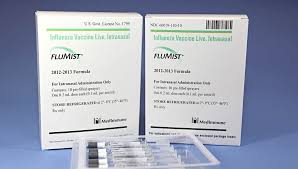
- AstraZeneca Korea's nasal spray, four-valent influenza vaccine 'FluMist' is set to launch domestically in the second half of the year, and new competition is expected. Product photo of FluMistAccording to industry sources, AstraZeneca Korea is preparing to introduce FluMist for the 2025–2026 influenza vaccination season. FluMist is a live‐attenuated, four-valent influenza vaccine administered via nasal spray. This drug was approved by the Ministry of Food and Drug Safety (MFDS) on May 22 last year and is indicated for the prevention of influenza in children and adolescents aged 24 months to 17 years, and in adults up to 49 years of age. FluMist was first approved by the U.S. Food and Drug Administration (FDA) in 2003 and its indication was expanded to four-valent vaccine in 2012. Notably, in September of last year, it became the first self‐administered influenza vaccine approved by the FDA. Globally, FluMist recorded sales of KRW 252.7 billion (USD 175 million) in 2023. In South Korea, GC launched FluMist in 2009 after acquiring it from MedImmune but discontinued sales in 2014 after underperforming. At that time, it was introduced as a three-valent formulation. Thus, a nasal spray-type influenza vaccine will be launched approximately ten years later as a four-valent formulation. Furthermore, it is also the first influenza vaccine to be launched in South Korea by AstraZeneca. The company has reportedly begun preparations for launch, including hiring dedicated staff. In a recent organizational restructuring, AstraZeneca Korea consolidated all its product lines, excluding oncology and rare diseases, into a single division where it will be responsible for the influenza vaccine business. Once FluMist is introduced domestically in the second half of the year, it will provide a new option in a market dominated by injectable vaccines. The Korean market for influenza vaccination includes domestic and foreign manufacturers designated in the National Immunization Program (NIP). Currently, available vaccines are all injectable formulations. The introduction of a nasal spray delivery method is expected to be particularly attractive for children and adolescents who fear needles. According to the Korea Disease Control and Prevention Agency (KDCA), the pediatric influenza vaccination rate in 2024 is approximately 60%, lower than the adult rate (over 80%), with needle phobia identified as a significant barrier. FluMist's nasal delivery could help overcome this. However, several constraints, notably price, remain before FluMist can gain significant market traction. In North America, FluMist is priced about 20–30% higher than injectable vaccines, suggesting it may also be positioned as a premium product in Korea. A further hurdle is that FluMist's primary target population, children and adolescents, is already covered by free NIP vaccinations. There may be little incentive to choose a paid nasal spray alternative. Additionally, the storage and administration requirements for a nasal spray differ from those for injectables, posing an adaptation challenge for healthcare institutions. As a result, some industry observers expect FluMist to be adopted initially by large tertiary hospitals. A vaccine industry employee said, "A nasal spray influenza vaccine can offer an alternative for those with needle phobia, but factors such as price, consumer perception, and competition remain variables. We expect AstraZeneca Korea to monitor the market closely before finalizing its marketing strategy."

- Company
- Shingrix sales KRW 42B… leads shingles vaccine mkt
- by Nho, Byung Chul Apr 29, 2025 05:56am
- In the shingles vaccine market, the genetically engineered recombinant zoster vaccine Shingrix has achieved sales of KRW 42 billion in just over 3 years since its launch, maintaining its lead in the market for 2 consecutive years. Based on pharmaceutical distribution performance, GSK's Shingrix recorded sales of KRW 360 million, KRW 38.4 billion, and KRW 42 billion in 2022, 2023, and 2024, respectively, leading the market. The sales figures for attenuated vaccines SK Bioscience's SKYZoster and MSD's Zostavax in 2023 were KRW 18.7 billion and KRW 17.4 billion, respectively. Among the two attenuated vaccines, it is noteworthy that the later-launched SKYZoster surpassed Zostavax’s sales, which was launched 8 years earlier. Zostavax was approved by the MFDS in April 2009, and SKYZoster in September 2017. As the first-ever vaccine to receive FDA approval, Zostavax maintained its position as the only shingles vaccine available in the domestic market from its launch until SKYZoster was released. However, its lead has been threatened by the launch of the recombinant zoster vaccine Shingrix, a strong competitor. In 2023, it even fell behind SKYZoster, a later-generation attenuated vaccine, further losing its market position. In 2023, SKYZoster generated sales of KRW 26.2 billion, surpassing Zostavax by KRW 3.9 billion. Nevertheless, the market trend is shifting from first-generation attenuated vaccines to second-generation genetically engineered vaccines, resulting in a significant decline in the performance of first-generation vaccines. Zostavax's sales plummeted from KRW 43.2 billion in 2020 to KRW 17.4 billion in 2024. During the same period, SKYZoster’s sales also plummeted from KRW 29.1 billion to KRW 18.7 billion. Attenuated vaccines and genetically engineered vaccines exhibit stark differences in terms of advantages and disadvantages, which serve as a key determinants in sales growth. Zostavax and SKYZoster are attenuated vaccines that weaken the virulence of the virus. It has a preventive efficacy of around 60–70% in people aged 50–60 and offers high convenience as a single dose. However, their preventive efficacy decreases with age, potentially dropping to 30% in those over 70. Genetically engineered vaccines, which create antigens similar to the virus, pose no risk of infection. It demonstrates strong preventive efficacy, with a protection rate of 97.4% in those in their 60s and 91.35% in those in their 70s, achieving over 90% protection across all age groups. In addition, its safety has been demonstrated in clinical trials targeting individuals aged 18 and older with weakened immune systems, making it suitable for administration to those with compromised immunity, such as cancer patients or organ transplant recipients.
- Opinion
- [Reporter's View] Enhanced GMP reg for sterile drug products
- by Lee, Hye-Kyung Apr 28, 2025 05:55am
- Starting December 27, production·good manufacturing practices (GMP) regulations for sterile medicinal products produced by aseptic processing will be strengthened. The Ministry of Food and Drug Safety (MFDS) amended the 'Regulations on Good Manufacturing Practices (GMP) for Medicinal Products' in 2023. The revision had been conducted to modify the production·good manufacturing practices (GMP) regulations for sterile medicinal products following the Pharmaceutical Inspection Convention (PIC) and the Pharmaceutical Inspection Co-operation Scheme (PIC/S) ahead of the reevaluation by the PIC/S. The guidelines state the establishment of contaminant management methods through GMP regulations and the latest sterile manufacturing equipment and technology. However, considering all pharmaceutical companies to have adequate preparation time to establish contaminant management methods, the MFDS announced the implementation of the regulations on sterile medicinal products two years after the notification. Companies must establish a contaminant management strategy for sterile medicinal products starting in December and undergo risk assessment for PIC/S regulations and gap analysis. To accomplish these tasks, manufacturing plants' divisions must begin working together 1-2 years before implementing the regulations. Research and related technology investments are needed to prepare for the 'Pre-Use Post Sterilization Integrity Testing (PUPSIT).' Until now, manufacturing companies that have not established contaminant management strategies will not be able to meet the standards for strengthened GMP measures starting in December. Due to this update, manufacturing companies with old manufacturing equipment announced suspending their productions. Several companies, including Pharma I, Pharma B, Pharma G, Pharma D, Pharma A, and Pharma K, have reported to the MFDS. These companies anticipated replacing old equipment following the PIC/S would cost billions in Korean won. Therefore, they resorted to switching to CMO and discontinuing injectable line facilities that do not generate profits compared to investments due to low reimbursement ceiling caps. In fact, there were calls for facility investment costs and pricing support even during the briefings held for manufacturers ahead of the revision of the sterile medicinal products GMP regulation. However, the MFDS believed that the 2+1-year grace period would give manufacturers sufficient time to adapt, and it did not introduce any additional support measures. As the regulation’s enforcement date approaches, companies are beginning to withdraw from injectable production, and organizations such as the Korea Pharmaceutical and Bio-Pharma Manufacturers Association (KPBMA) have stepped in to survey the state of the industry. There are currently approximately 110 aseptic-preparation manufacturers in South Korea. Of these, about 10% have already announced plans to suspend production. If many manufacturers shut down their facilities simultaneously before the implementation date, there could be a shortage of injectable products. If this includes designated National Essential Medicines, the crisis could escalate uncontrollably. Instead of pointing to the fact that the MFDS already completed briefings, public comment, and a grace period during the regulation revision process, it needs to listen to what manufacturers require. Related parties must jointly consider support measures for aseptic‐preparation companies, such as assistance with developing contamination‐control strategies and options like price increases for injectable products. There will inevitably be challenges in securing new personnel or installing new facilities under the new system, such as freeze dryers and sterilization equipment.
- Policy
- Will Enhertu be reimb for HER2-low cancer in Korea?
- by Whang, byung-woo Apr 28, 2025 05:55am
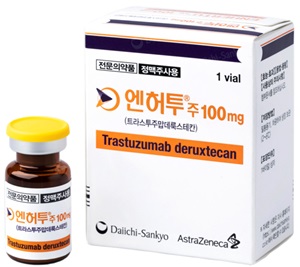
- Results of the deliberation on the reimbursement expansion of the new antibody-drug conjugate (ADC) Enhertu (trastuzumab deruxtecan) for HER2-low breast cancer and lung cancer are drawing attention. Pic of Enhertu According to industry sources, the Health Insurance Review and Assessment Service's Cancer Disease Deliberation Committee (CDDC) is scheduled to hold a meeting on the 30th to review 2 additional indications for Enhertu. The indications under review are ▲HER2-low metastatic breast cancer and ▲HER2-mutated non-small cell lung cancer (NSCLC). If the reimbursement expansion is approved, this is expected to expand treatment access for breast cancer and lung cancer in Korea. Both indications were approved by the Ministry of Food and Drug Safety in May last year based on the DESTINY-Breast04 and DESTINY-Lung02 clinical studies. Notably, the trials demonstrated the efficacy of Enhertu in HER2-low breast cancer, where treatment options were previously for HER2-negative status patients, and marks the emergence of the first and only targeted therapy for HER2-mutated lung cancer. Additionally, Enhertu has expanded its indication to include HER2 ultra-low expression in the United States by the FDA, suggesting its potential as a new standard treatment option for patients with metastatic breast cancer across the entire spectrum of HER2 expression, including HER2-positive, HER2-low, and HER2 ultra-low expression breast cancer. The main point of the CDDC review was also focused on how to evaluate Enhertu's efficacy in HER2-low expression breast cancer, where existing HER2-targeted therapies have shown limited efficacy, despite the significant improvement in treatment outcomes for HER2-positive breast cancer achieved by existing HER2-targeted therapies. Previously, HER2-positive breast cancer was defined as “HER2-positive if IHC 3+ or IHC 2+ and ISH-positive, and HER2-negative if IHC 0, IHC 1+, or IHC 2+ and ISH-negative.” Joohyuk Sohn. Professor of Medical Oncology at Yonsei Cancer Center, said, “With the domestic approval of Enhertu's indication for HER2-low metastatic breast cancer, patients previously classified as HER2-negative with limited treatment options now have a new treatment option. This is expected to further improve the treatment landscape for HER2-positive metastatic breast cancer in Korea.” Enhertu is the first anti-HER2 agent to demonstrate treatment benefits in HER2-low metastatic breast cancer, redefining the definition of HER2-low and presenting a new paradigm for metastatic breast cancer treatment. Another key point is that patients with HER2-low breast cancer account for nearly half - approximately 45% to 55% - of all breast cancer patients. Additionally, HER2-low breast cancer accounts for approximately 60% of HER2-negative breast cancer cases. Apart from the benefits of Enhertu, this means that the financial burden on health insurance due to the large number of patients would also likely need to be taken into consideration to a certain extent. If reimbursement is expanded to include indications such as HER2-low breast cancer and HER2-mutated non-small cell lung cancer, this is expected to increase Enhertu’s insurance claims amount significantly. This is why there are industry views that the reimbursement expansion will depend on the financial sharing plan proposed by the pharmaceutical company. However, when Enhertu was listed for reimbursement in Korea last April as a treatment for HER2-positive metastatic breast cancer and gastric cancer, the government had flexibly applied the ICER threshold to grant its reimbursement. In March, Daiichi Sankyo reportedly applied for and held a drug briefing session on Enhertu’s use in HER2-mutated non-small cell lung cancer. Drug information briefing sessions were introduced in 2010 to enhance the transparency and objectivity of evaluations by facilitating mutual sharing of information between pharmaceutical companies and reviewers regarding new drugs. Daiichi Sankyo also utilized this system during the initial approval of Enhertu. Enhertu was jointly developed and commercialized by Daiichi Sankyo and AstraZeneca. In South Korea, it is co-developed and promoted by Daiichi Sankyo Korea and AstraZeneca Korea, with distribution handled by Daiichi Sankyo Korea.
- Company
- Hemophilia A drug 'Obizur' available at major hospitals
- by Eo, Yun-Ho Apr 28, 2025 05:54am
- Product photo of Obizur Obizur, a treatment for acquired hemophilia A, is now available for prescription at general hospitals. According to industry sources, Takeda Korea's 'Obizur (susoctocog alfa),' a treatment for acquired hemophilia A (AHA) in adult patients, has passed drug committees (DC) of tertiary general hospitals, including Samsung Medical Center, Seoul St. Mary's Hospital, and Sinchon Severance Hospital, and other medical institutes, such as Kyung Hee University Medical Center and Seoul National University Bundang Hospital. Obizur has consistently expanded prescription areas since its inclusion on the insurance reimbursement list in March. Obizur was designated Korea's orphan drug in July 2021, and it was considered for reimbursement evaluation immediately after obtaining domestic approval in March. Under the AHA indication, this drug restores the missing coagulant VIII, unlike existing medications designed to bypass it. A recombinant product was created by removing the B-domain from porcine coagulation factor VIII, which is highly homologous to the human protein. Because autoantibodies less readily recognize it, it can substitute for inactivated human factor VIII, aiding coagulation and helping to control bleeding. Through this mechanism, it is the only AHA therapy whose factor-VIII levels can be reliably monitored by the standard assay, enabling individualized dosing. Meanwhile, in a prospective, nonrandomized, open-label Phase 2/3 study evaluating the efficacy of Obizur in 28 patients with AHA, all participants treated with the product demonstrated a positive response for every initial bleeding episode at the 24-hour assessment. Positive response was defined as cessation or reduction of bleeding accompanied by clinical improvement or factor-VIII activity exceeding target levels. At the final dosing assessment (within two weeks of administration), the overall treatment success rate was 85.7% (24/28 patients), with higher success rate observed in those receiving it as first-line treatment. The patient group who received Obizur as a first-line treatment achieved a 94% success rate (16/17 patients), while the second-line patient group showed a 73% success rate (8/11 patients). No serious adverse events or deaths related to the product were reported.
