
- LOGIN
- MemberShip
- 2026-04-29 06:18:22
- Company
- BeiGene announces name change to 'BeOne Medicines'
- by Whang, byung-woo May 29, 2025 05:51am
- BeiGene announced on May 28 that it has relaunched as BeOne Medicines Ltd., a company registered in Switzerland, along with its new name. This name change marks a significant milestone for the company and is part of a broader effort to strengthen its identity within the global biopharmaceutical industry. BeiGene Korea, the domestic entity, will also change its corporate name to 'BeOne Medicines Korea,' effective June 30. John V. Oyler, founder and CEO, stated, "BeOne is more than just a name change. It's a declaration of identity, signifying 'uniting to overcome cancer' alongside diverse stakeholders worldwide, including patients, caregivers, scientists, healthcare professionals, and governments." Oyler added, "We are already opening a new era through the remarkable growth of the hematologic cancer treatment Brukinsa, the expanding potential of the immuno-oncology drug Tevimbra, and over 50 oncology pipelines." This change was officially approved at a general shareholders' meeting held on April 28. The new 'BeOne' corporate brand will be progressively applied across all global business operations spanning six continents over the next few months. The relocation of corporate registration from the Cayman Islands to Switzerland will not affect the existing policy of operating flexibly, based on regional hubs, without a fixed headquarters organization. However, it will further strengthen the company's long-term growth foundation by reinforcing its strategic position in Switzerland, a global hub for pharmaceuticals and biotechnology. BeOne Medicines has consistently invested strategically across research and development (R&D), clinical trials, and manufacturing. The company has been building differentiated competitiveness and a sustainable growth foundation. This distinct business model not only enhances time and cost efficiency but also consistently maintains high-quality standards, thereby strengthening long-term operational resilience and contributing to the expansion of treatment access for more patients. Its flagship product, Brukinsa, has secured the broadest range of indications among treatments in the same class and currently holds the leading market share for new patients across all approved indications in the United States. Brukinsa, along with the BCL2 inhibitor (sonrotoclax) and the CDAC platform-based BTK protein degrader (BGB-16673), both in late-stage development, forms a core pillar of the company's hematologic cancer treatment portfolio. BeOne Medicines' research team advanced 13 new pipelines into the clinical stage in 2024 alone, a number that surpasses even those of major global pharmaceutical companies. Its current clinical development teams, comprising 3,700 people, are conducting or preparing clinical trials in over 45 countries, accelerating early clinical innovation through a 'Proof-of-Concept' strategy. To date, over 25,000 patients have participated in more than 170 clinical trials, and this execution speed and cost-efficiency ensure differentiated competitiveness within the industry. The company continues to expand its global manufacturing capabilities, centered around US$ 800 million in R&D and production base within the Princeton West Innovation Campus in Hopewell, New Jersey, USA.

- Policy
- Lee pledges ‘generic prescribing for essential medicines'
- by Lee, Jeong-Hwan May 29, 2025 05:51am
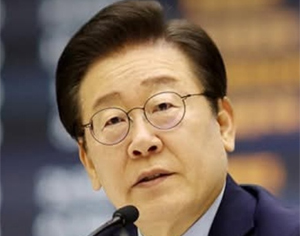
- The Democratic Party of Korea’s presidential candidate Jae-Myung Lee (No. 1) pledged to introduce a limited implementation of the generic (ingredient-based) prescription system for essential medicines with unstable supply. The pledge also included plans to institutionalize telemedicine (non-face-to-face treatment) and establish a public electronic prescription transmission system to enhance patient safety and convenience. Also, plans to establish a neighborhood-based primary healthcare system centered on the patients’ regular clinics and pharmacies, and strengthen interprofessional collaboration among healthcare professionals, and secure adequate personnel were included. To resolve the instability in the supply of essential medicines, the candidate promised to establish a public consignment manufacturing and distribution system. To lay the groundwork for this, the candidate plans to expand support for the production and stockpiling of essential and shortage prevention medicines, actively support the development of technologies for the localization and self-sufficiency of essential raw materials and vaccines, and expand incentives for finished drugs using domestically produced raw materials. Lee also revealed his intention to establish a system linking new drug R&D investment ratios with drug price compensation systems and to strengthen the social responsibility of pharmaceutical companies by improving the Korea Innovative Pharmaceutical Company certification system. Lee issued the Democratic Party of Korea’s Central Policy Pledge Book on the 28th and announced that he would “strengthen national investment and responsibility in the pharmaceutical and biotechnology industry and establish a stable supply system for essential medicines.” Will address drug shortages through ingredient name-based prescriptions... establish a public electronic prescription system The most notable part was the pledge to introduce ingredient name-based generic prescriptions for essential medicines to address the problem of unstable supply. In addition, Lee announced plans to promote substitute prescriptions to resolve drug shortages and establish a public manufacturing and distribution system to stabilize the supply of essential drugs. At the same time, the candidate promised expanded support and stockpiling for manufacturing facilities of essential and drug shortage prevention medications, and active support for the development of domestic manufacturing and self-sufficiency technologies for essential raw materials and vaccines. Incentives for finished drugs using domestically produced raw materials will also be expanded. Telemedicine will also be institutionalized with consideration for medical quality and safety. The plan aims to establish a legal basis for telemedicine as a complementary means to face-to-face medical care and halt indiscriminate pilot projects. Lee will ensure medical quality and safety by setting reasonable scope and standards for telemedicine, while announcing plans to prohibit dedicated medical institutions and strengthen the management system for platform operators. The construction and utilization of a public electronic prescription transmission system are also included in the policy pledge. The plan is to establish a public electronic prescription system to ensure patient safety and prevent prescription forgery and misuse. Patient safety will be strengthened by preventing prescription information input errors in advance. Introduction of a drug price linkage system for new drug R&D…Improvement of the Korea Innovative Pharmaceutical Company certification system For the pharmaceutical and biotechnology industry, Lee included the establishment of a support system for innovative pharmaceutical companies and the strengthening of social responsibility for pharmaceutical companies. Lee also pledged to establish a drug price compensation system linked to R&D investment ratios, whereby pharmaceutical companies that invest more in new drug R&D will be rewarded with higher drug prices. Also, the pledge included a proposal to improve the certification system for Korea Innovative Pharmaceutical Companies, taking into account continuous investment and innovation, and encouraging pharmaceutical companies to expand their social contributions and diversify their contribution methods. Notable proposals for expanding national investment and reforming the compensation system to foster a pharmaceutical and biotechnology powerhouse included strengthening the strategic R&D investment system and the performance-based public return support system, establishing an investment ecosystem such as a bio-specialized fund, and concentrating efforts to cultivate specialized human resources. To encourage R&D investment, Lee pledged to integrate drug price management reforms to ensure predictability and create an ecosystem that integrates new technologies such as AI and big data for global new drug development. To improve the accessibility and innovation of medicines, Lee will promote the expansion of risk-sharing agreements (RSA) and, as part of its commitment to preparing for the next pandemic, expand support for research and development of next-generation vaccine platforms such as mRNA and synthetic antigen technology. The candidate will establish a governance framework for responding to the next pandemic, advance the infectious disease response system, expand joint research on infectious diseases, and strengthen international cooperation in responding to public health crises. Additionally, he pledged to support sustainable and appropriate ODA cooperation in the health sector commensurate with the nation's standing.
- Policy
- Lee ‘promises support for essential medicine companies’
- by Kang, Shin-Kook May 29, 2025 05:50am
- Jae-Myung Lee, presidential candidate for the Democratic Party of Korea, promised to support pharmaceutical companies producing essential medicines. On the 28th, Lee posted on his social media, “The state will take responsibility for supporting the supply of essential medicines. Over the past 5 years, the supply of over 100 essential medicines has been discontinued due to poor sales and deteriorating profitability. If essential medicines are not supplied on time, the damage will ultimately fall on the people.” He also stated, “We will expand the emergency introduction of essential medicines through the Korea Orphan & Essential Drug Center and push for support for domestic pharmaceutical companies.” Additionally, Lee noted, “Last year, there were 370,000 patients with rare diseases and 750,000 patients with severe and intractable diseases. This represents a 27.4% increase over the past 5 years.” He emphasized, “For these patients, what’s even harder to bear than the disease itself is that there is either no treatment available or the existing one is too expensive to afford?” He added, “The state must stand close to the pain of its people. We will ensure that patients with rare and intractable diseases are diagnosed early and receive timely treatment. We will strengthen the medical safety net with broader and thicker coverage.” The candidate promised to reduce the burden of medical expenses for patients with rare and intractable diseases. Currently, the out-of-pocket maximum system reimburses medical expenses exceeding a certain annual threshold, but this remains a significant burden for patients and their families who must pay large sums upfront. The candidate emphasized, “We will gradually reduce the out-of-pocket coinsurance rate under the health insurance special calculation system for rare and severe intractable diseases from the current 10%. We will alleviate concerns about treatment costs.” He also stated, “We will expand health insurance coverage for treatments for severe and rare intractable diseases. Currently, only about half of rare drugs are covered by health insurance. We will expand coverage to improve access to treatment and reduce the economic burden.” Additionally, he declared, “The primary responsibility of the state is to protect the lives of its citizens. We will build a country that does not give up on rare diseases or turn away from intractable diseases.”
- Company
- Global expansion in sight for organoid leader CellArtgen
- by Whang, byung-woo May 28, 2025 05:58am
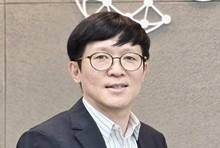
- Organoids, miniature organs composed of cells, are emerging as a technology to replace animal testing in the pharmaceutical and biotechnology industry. With the field of organoids gaining attention, the activities of CellArtgen, which was founded by Cho Seung-woo, a leading expert in the field and professor at Yonsei University's Department of Biotechnology, have also been drawing attention. Based on its core platform technology patents, the company has been expanding its presence by building advanced drug evaluation platforms, including the organoid disease platform 'ORANOSCREEN.’ Seung-Woo Cho. CEO of CellArtgen (Professor of Biotechnology, Yonsei University) CellArtgen was founded by Seung-Woo Cho, one of the world's leading experts in advanced biomaterials and organoid technology. As the company was established with an academic foundation, the company's strong point lies in its extensive portfolio of proprietary technologies. Dailypharm met with CellArtgen (a member of the KoreaBIO) to discuss the company's vision and strategy. The technical strengths of the CellArtgen organoid platform lie in the integration of “extracellular matrix (ECM)-based microenvironment creation technology” and “microfluidics chip technology.” Cho explained, “We remove cells from tissues or organs and introduce the remaining ECM into organoid culture. By using organ-specific ECM, we create an environment similar to actual organs, thereby enhancing the performance of organoids.” For example, to create heart organoids, the ECM matrix obtained from decellularized hearts is used to produce organoid models that not only include tissue-specific cellular components but also recapitulate the inherent microenvironment, including immune cells and vascular cells, on a standardized platform with high efficiency. In particular, CellArtgen highlights its “multi-organoids-on-a-chip” technology, which connects organoids from multiple organs onto a single chip to mimic the human body's digestive, respiratory, and nervous systems. Cho stated, “When direct interaction between organoids is required, we apply ‘assembloids,’ which combine different organoids. The fact that we have independently secured ECM materials, organ chips, and multi-organ integration technology and integrated them into a single platform is the differentiating factor of CellArtgen’s technology.” FDA regulatory changes… organoid technology gains attention The company has been gradually increasing sales and expanding its customer portfolio based on its proprietary technology. Last year, the first year of commercializing its technology, CellArtgen achieved sales of KRW 200 million, and this year, it expects sales of approximately KRW 3 billion by combining ECM products and organoid-based drug evaluation services. The market environment is also becoming more favorable for CellArtgen. The U.S. Food and Drug Administration (FDA) removed the mandatory animal testing requirement for new drug approvals at the end of 2022 and officially announced its plan to phase out animal testing last month, signaling changes in the new drug evaluation system. According to Cho, in addition to the long-term regulatory changes, the overall sentiment of pharmaceutical companies is also changing. He mentioned, “Pharmaceutical companies are showing more interest in organoid technology than before, and there is a growing movement on its practical use in the industry. The change in the atmosphere is palpable.” Cho believes that changes may occur faster than expected, particularly because global pharmaceutical companies are taking more proactive steps than large Korean pharmaceutical companies. Cho added, “Major pharmaceutical companies in the US and Europe have already made significant preparations, such as acquiring organoid companies and recruiting experts to form dedicated teams. While domestic pharmaceutical companies are still observing the situation, CellArtgen is striving to secure a leading position in line with global trends.” He also noted that the extent to which CellArtgen, which is still a bioventure, can accumulate successful cases will serve as a benchmark for its strategy to survive the global competition. In this regard, CellArtgen has already begun providing organoid model services for difficult-to-treat diseases such as MASH (metabolic dysfunction-associated steatohepatitis) and IPF (idiopathic pulmonary fibrosis) to domestic pharmaceutical companies, accumulating initial results. Cho emphasized, “Some of the major domestic pharmaceutical companies that have utilized our services have expressed satisfaction to the extent that they have requested CellArtgen’s organoid experiment services again, and are currently preparing to forge long-term partnerships. Since the service was launched less than a year ago, we have not yet accumulated many cases, but we plan to thoroughly accumulate domestic cases by the first half of next year and then begin full-scale cooperation with overseas big pharmas.” Two-track strategy of diversifying business for revenue while targeting IPO by 2027 However, while organoid services for new drug development have significant long-term potential, the company also faces the limitation of being difficult to generate substantial revenue in the short term. In response, CellArtgen has adopted a realistic strategy. The company has chosen to commercialize ECM materials, with a particular focus on expanding into the cosmetics and medical device sectors. Cho explained, “While the company's ECM technology was originally developed for organoid culture, we identified its potential to achieve a certain level of regenerative therapy effects without cells and applied it to products for wound treatment and cosmetic purposes. For example, skin ECM can be used as a wound treatment agent or in cosmetics or as skin boosters, while cartilage ECM can be utilized as a cartilage filler or a treatment material for osteoarthritis.” In other words, the company is pursuing a two-track strategy to simultaneously achieve short-term revenue and technological validation by applying ECM-based materials developed for organoid culture to wound dressings (wound treatments) and skin beauty injections. While CellArtgen’s moves might seem like a bio-venture's foray into unfamiliar territory, the company is attracting attention for its technology, as evidenced by active discussions on development partnerships with major and mid-sized domestic pharmaceutical and biotech companies. First, the company launched its ECM-based cosmetic brand, Cellumé, in the first half of the year and is currently collaborating with the cosmetics industry. Cho stated, “A major domestic cosmetics ODM company has also taken notice of CellArtgen’s ECM raw material technology, conducted sample tests, and is currently requesting product supply. Additionally, we have been selected as the finalist in an open innovation competition hosted by a top-tier domestic medical device company and have begun discussions on joint development of next-generation medical devices utilizing ECM.” CellArtgen is pursuing a business strategy centered on collaboration. After demonstrating potential through the launch of its own brand, the company is placing emphasis on open innovation by partnering with capable companies. In the medical device sector, the company is actively utilizing external projects while continuing its development. CellArtgen aims to commercialize an ECM-based Class 2 wound dressing by the end of this year and then a Class 4 cartilage regeneration filler through government projects to launch it in 2027 after clinical trials. With its dual focus on organoid services and ECM-applied products, CellArtgen plans to pursue an IPO on the KOSDAQ market around 2027. The company aims to achieve sales of approximately KRW 3 billion this year, followed by KRW 5 billion in 2026, KRW 11 billion in 2027, and then KRW 50 billion by 2030. More than half of this is expected to come from sales of the aforementioned ECM cosmetics and wound dressings. However, while securing short-term sales and attracting investment is important, the company plans to maintain its identity as a regenerative therapy company based on its organoid platform technology, which is the company’s foundational technology that could revolutionize the paradigm of new drug development. Cho added, “We believe that CellArtgen’s organoid model has global competitiveness in areas such as antifibrotic therapy and metabolic diseases, and our goal is to replace animal testing and become a game-changer in the regenerative medicine field. We have a roadmap aimed at developing regenerative therapies for intractable liver diseases.”

- Policy
- 'Cabometyx' for ncRCC, failed to nego for expanded reimb
- by Lee, Tak-Sun May 28, 2025 05:57am
- Product photo of Cabometyx The anticancer drug Cabometyx tab (cabozantinib, Ipsen Korea), a treatment of kidney cancer, did not pass the expanded reimbursement during negotiations with the National Health Insurance Service (NHIS). Cabometyx tab gatherered attention following reimbursement for the first-line treatment of patients with non-clear renal cell carcinoma (ncRCC), which account for 10-15% of all kidney cancer. However, it will take more time due to the current failed negotiation. On May 26, the National Health Insurance Service (NHIS) announced on its website that 'Cabometyx' had failed to negotiate. This drug was determined to have appropriateness for expanded reimbursement by the Drug Reimbursement Evaluation Committee (DREC) of the Health Insurance Review & Assessment Service (HIRA) in February, provided that the company accepted a price below the evaluated amount. After that, the pharmaceutical company accepted a price below the evaluated amount, and drug price negotiations withthe NHIS have been ongoing since March. Cabometyx was initially listed for reimbursement in February 2019 as a monotherapy for patients with advanced renal cell carcinoma who had previously received VEGF-targeted therapy. As of March 2022, it was reimbursable in combination therapy with the immuno-oncology drug nivolumab (Opdivo) in patients with advanced renal cell carcinoma. The company continued to push for further expanded reimbursement. In August of last year, the Cancer Disease Review Committee (CDRC) reviewed its use as a 'monotherapy in patients with locally advanced or metastatic differentiated thyroid cancer (DTC) who have previously received VEGF-targeted therapy or whose disease has progressed during treatment, and who are ineligible for or refractory to radioactive iodine therapy (RAI)' and 'first-line monotherapy in patients with non-clear cell renal cell carcinoma.' However, reimbursement criteria were not established at that time. However, in February of this year, DREC approved the ncRCC indication. Clear cell renal cell carcinoma (ccRCC) accounts for 80-85% of kidney cancers, with the remaining 10-15% being ncRCC. Despite ncRCC having a poorer treatment response compared to clear cell, there are currently few drugs covered for reimbursement. However, Cabometyx has emerged as a targeted therapy, gaining attention as a next-generation treatment option. The problem is the lack of reimbursement. With the breakdown of these negotiations, it is expected to take more time for Cabometyx to obtain reimbursement for ncRCC. Meanwhile, the NHIS announced that it is in negotiations with Novartis for 'Leqvio pre-filled syringe.' This drug, intended for the treatment of primary hypercholesterolemia or mixed dyslipidemia, passed the DREC in April.
- Company
- KDDF successfully holds 2025 KDDF Global Biotech Showcase
- by Whang, byung-woo May 28, 2025 05:55am
- 2025 KDDF Global Biotech Showcase Group Photo [The Korea Drug Development Fund (KDDF, CEO Yeong-Min Park) announced on the 27th that it will hold the '2025 KDDF Global Biotech Showcase' to attract overseas investment for excellent new drug candidates developed in Korea. The showcase, which will be held over two days from May 27 to 28 at the Fairmont Ambassador Seoul Hotel, will focus on 1:1 partnering meetings with venture capitalists (VCs), where companies and investors will meet directly to discuss specific cooperation plans, to inject practical vitality into the domestic new drug development ecosystem. Additionally, the event will focus on strengthening domestic pharmaceutical and biotech companies’ presence in the global market and accelerate new drug development through collaboration with investors. Even in the current contracted global investment environment, it is crucial to provide domestic pharmaceutical and biotech companies with opportunities to connect with global investors and pharmaceutical firms through trusted platforms. This approach lays the groundwork for overseas expansion and technology transfer while building trust through ongoing communication with investors. The opening ceremony was attended by Chang-Yune Lee, 1st Vice Minister of Science and ICT, who expressed the government's high level of interest and support. In his congratulatory address, Deputy Minister Lee said, “The Korean government recognizes the pharmaceutical and biotechnology industry as a core industry that will determine the future competitiveness of the country. I expect today's event will serve as an important catalyst for the development of the industry.” Now in its third year, the event has seen a significant increase in participation from global VCs as well as domestic VCs and CVCs (corporate venture capital). The event strategically expanded the investment value chain by structuring it to enable follow-on investment discussions that connect early-stage funding, commercialization, and entry into domestic and global markets. A total of 67 investors, including global and domestic VCs and CVCs, will participate in various programs such as panel discussions, special lectures, roundtable meetings, and one-on-one partnering meetings. Park said, “We anticipate that this event, where domestic and international investors gather in one place, will serve as a turning point for domestic new drug development companies and institutions to secure substantial investments.” He emphasized, “The KDDF will further strengthen its role as an industrial ecosystem platform that accelerates the Korean companies’ entry into the global market.” The participating global VC and CVC institutions are as follows: ▲AbbVie Inc. ▲Johnson & Johnson Innovation ▲Boehringer Ingelheim ▲Boehringer Ingelheim Venture Fund ▲Novo Holdings ▲ARCH Venture Partners ▲L illy Ventures) ▲Roche ▲Roche Accelerator ▲Solasta Ventures ▲YAFO Capital ▲Playground ▲Panacea Venture ▲Pivotal BioVenture Partners ▲Avidity Partners ▲DCI Partners (DCI Partners Co., Ltd.) ▲Mass General Brigham Innovation ▲Qiming Venture Partners ▲Humboldt fund ▲JLABS ▲Ascenta Capital ▲Astellas Venture ▲Lexington Partners. Domestic VC/CVC participating institutions are as follows. ▲IMM Investment ▲Mirae Asset Capital ▲Partners Investment ▲Woori Venture Partners ▲Intervest ▲ Widwin Investment ▲KB Investment ▲CKD Venture Capital Inc ▲HLB Investment ▲Daewoong Investment ▲Scale Up Partners ▲LSK Investment Co., Ltd ▲Stonebridge Ventures ▲KB Securities ▲Kakao Ventures ▲ Korea Technology Finance Corporation ▲Samil PwC ▲Celltrion ▲SK Biopharm ▲LG Chem ▲Huons ▲Huons Global ▲GC Cell (Green Cross).
- Company
- Novartis Korea holds Cosentyx symposium at KCR 2025
- by Whang, byung-woo May 28, 2025 05:54am
- Novartis Korea Novartis Korea announced on the 27th that it held a luncheon symposium at the 45th Korean Congress of Radiology Annual Scientific Meeting (KCR 2025) to highlight the clinical value of Cosentyx (secukinumab) as a treatment for ankylosing spondylitis. The luncheon symposium was moderated by Professor Yong-Beom Park of the Department of Rheumatology at Severance Hospital, with Dr. Lianne S. Gensler, Professor of Clinical Medicine at the University of California San Francisco (UCSF), serving as the presenter. Dr. Gensler presented on the topic “Secukinumab in Ankylosing Spondylitis: Improving Patient Outcomes Through IL-17 Inhibition,” and shared key clinical data and treatment insights from real-world practice. First, Dr. Gensler explained, “Cosentyx is a representative interleukin-17A inhibitor that has demonstrated high treatment response compared with placebo in patients with ankylosing spondylitis who have no prior treatment experience with biological agents, establishing itself as an important early treatment option.” In the MEASURE 2 study, a representative clinical trial evaluating the efficacy and safety profile of Cosentyx in ankylosing spondylitis, patients with no prior experience with biologic agents demonstrated a significantly higher ASAS20 response rate (Assessment of SpondylArthritis international Society 20% response criteria) at week 16 compared to the placebo group. Additionally, the 5-year long-term follow-up study of the same trial confirmed sustained symptom improvement, demonstrating the drug's long-term efficacy. On the same day, Dr. Gensler presented the results of the SURPASS study, which targeted patients with ankylosing spondylitis who had high CRP levels (C-reactive protein levels) of 0.5 mg/dL or higher and at least one syndesmophyte (bone-like bony growth originating inside a ligament) at baseline, indicating a high risk of disease progression. The primary endpoint of the study was the proportion of patients without radiographic progression at week 104, and there was no significant difference between treatment groups. Dr. Gensler said, “In the SURPASS study, patients with ankylosing spondylitis who had no prior experience with biologic therapy received either Cosentyx (150 mg, 300 mg) or adalimumab biosimilar 40 mg, and both treatment groups demonstrated high levels of disease control.” Dr. Gensler also presented real-world data from the FORSYA study, which examined differences in treatment maintenance rates based on the timing and sequence of Cosentyx administration in ankylosing spondylitis, showing that using Cosentyx as the first biologic agent resulted in higher 1-year treatment maintenance rates. Dr. Gensler emphasized, “These results are significant as using Cosentyx as early as possible may lead to more sustained treatment effects and improved patient adherence.” Professor Yong-Beom Park, who attended as the moderator at the luncheon symposium, said, “Ankylosing spondylitis is a condition where early diagnosis and treatment are crucial for symptom control and prevention of joint damage. Fortunately, effective treatment options have been developed, allowing us to anticipate better treatment outcomes for patients compared to the past. Since Cosentyx has established itself as a first-line biologic therapy for ankylosing spondylitis in Korea, and we have been able to recognize its clinical value on-site thereafter, it was meaningful to share the latest treatment insights on Cosentyx at today's symposium.”
- Company
- Will JAK inhibitors for inflammation expand mkt presence?
- by Moon, sung-ho May 28, 2025 05:54am
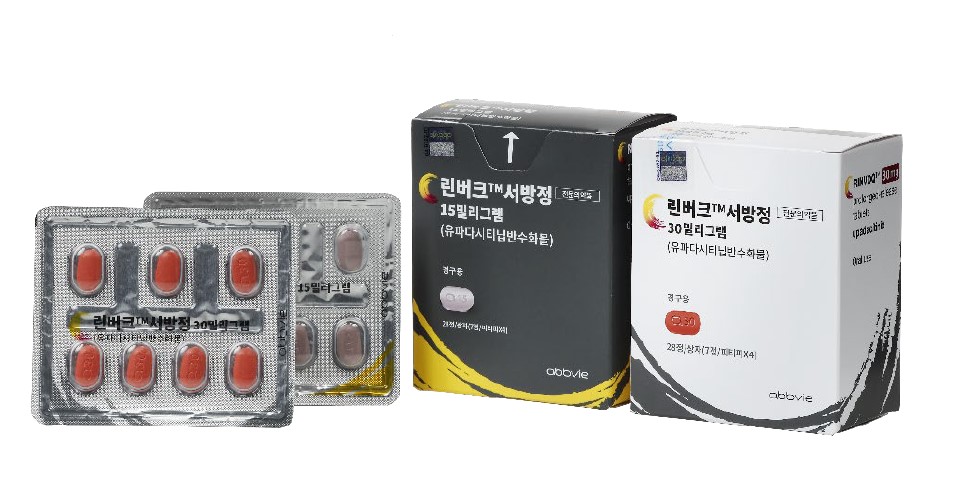
- It has been confirmed that Janus kinase (JAK) inhibitors are more effective at rapidly and powerfully controlling inflammatory responses in atopic dermatitis compared to biologics. Now that switching therapies between different drug classes is allowed, this finding is expected to serve as a key basis for drug selection in clinical practice. According to the pharmaceutical industry, on May 26, the Ministry of Health and Welfare (MOHW) revised reimbursement criteria as of March, allowing for the switching of therapies between JAK inhibitors and biologics for the treatment of atopic dermatitis. Subsequently, clinical settings will have to consider treatment strategies following reimbursement approval for switching between drug classes. Recently, the results of sub-analysis studies, Heads Up and Level Up clinical trials, were reported. The study involved a comparison between the JAK inhibitor Rinvoq (upadacitinib, AbbVie) and the biologic dupilumab. This research not only showed that Rinvoq rapidly and strongly suppresses Type 2 inflammatory responses, a core pathogenesis of atopic dermatitis, but also effectively controls other significant inflammatory responses related to atopic dermatitis, such as Type 1 and Type 17/22 responses. Specifically, in the sub-analysis of the Heads Up study, at week 2 of treatment, the gene expression patterns (transcriptomes) in the skin of the Rinvoq group were approximately 66.5% similar to those of normal skin. In contrast, dupilumab's transcriptome normalization was only 2.0% (P < 0.001). At week 16 of treatment, the level of transcriptome normalization was 104.4% for the Rinvoq group and 62.9% for the dupilumab group, with the Rinvoq group showing significantly higher efficacy (P
- Policy
- Expanded reimb for Jardiance's CKD indication imminent
- by Lee, Tak-Sun May 27, 2025 06:19am
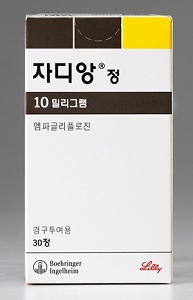
- Jardiance Tab It is to be watched whether the SGLT-2 inhibitor Jardiance (empagliflozin, Boehringer Ingelheim) will be approved for expanded reimbursement to include chronic kidney disease (CKD) indication, in addition to diabetes and chronic heart failure indications. The evaluation by the Health Insurance Review & Assessment Service (HIRA) is expected to be nearing end following the reimbursement expansion filed in the first half of last year. According to industry sources on May 26, HIRA is reportedly reviewing expanded usage scope and pre-drug price reduction system for Jardiance's CKD indication. The pre-drug price reduction system for expanded usage scope drugs is designed to quickly enhance patient access to treatment by omitting the cost-effectiveness evaluation and applying a pre-reduction rate table, with a maximum 5% reduction in the ceiling cap, considering the estimated additional claim amounts due to the expanded reimbursement criteria. Once the pharmaceutical company submits financial impact analysis data and HIRA determines the pre-reduction rate through practical review, the Drug Reimbursement Evaluation Committee (DREC) will deliberate. If the pharmaceutical company accepts the deliberation results, the revised reimbursement criteria notification is completed after negotiation with the National Health Insurance Service (NHIS). The company applied to HIRA for reimbursement expansion for Jardiance's CKD indication in the first half of last year. Jardiance was the first SGLT-2 inhibitor to file. The approved indications for Jardiance 10mg tablets are: 1. Type 2 diabetes mellitus, 2. chronic heart failure, and 3. chronic kidney disease. Jardiance Tab, which were listed for reimbursement as a diabetes treatment in 2017, have also been reimbursed for chronic heart failure since February 2024. Since January, the reimbursement criteria have been expanded, allowing patients with heart failure with preserved ejection fraction (HFpEF) who have symptoms and signs of heart failure and a left ventricular ejection fraction exceeding 40% to receive national health insurance benefits. Currently, the only SGLT-2 drugs covered for diabetes and chronic heart failure patients, besides Jardiance, are Forxiga (dapagliflozin) and HK inno.N's DapaN Tab, which transferred Forxiga's indications. However, there is currently no drug reimbursable for CKD. If the reimbursement expansion procedure for Jardiance is completed, it is expected to be the only SGLT-2 drug with CKD reimbursement coverage. The efficacy of Jardiance has been demonstrated through clinical trials, showing a statistically significant 28% relative risk reduction in the progression of kidney disease or cardiovascular death compared to placebo. The competition in the market for SGLT-2 has been intensified due to the expiration of dapagliflozin patent in 2023 and the launch of generic drugs, Jardiance's expanded reimbursement scope to include CKD will give Jardiance a competitive advantage. Generic drugs are expected to launch following Jardiance's substance patent expiration in October. However, Jardiance's heart failure and kidney disease indications are expected to remain protected, so expanded reimbursement is anticipated to minimize the impact of generic entry. The pharmaceutical industry anticipates that the reimbursement expansion for Jardiance's CKD indication will be approved after July or by the end of the year.
- Company
- Will Imfinzi finally be reimbursed for biliary tract cancer?
- by Eo, Yun-Ho May 27, 2025 06:18am
- With the advent of an era in which a single drug is used for multiple indications, awareness is growing on the need to address the issue of non-reimbursed indications. In particular, in order to improve Korea’s rigid reimbursement evaluation system, which is regarded as the main cause of reimbursement delays, not only using the flexible application of ICER but also the weighted average price (blended pricing) method for each indication is being specifically discussed. The recent “Policy Debate on Addressing Inequality in Access to Innovative Drugs and Improving Regulatory Frameworks” also focused on the need for system reforms to enhance patient access and discussed the necessity of introducing the blended pricing method in depth. The blended pricing method calculates the average drug price by reflecting the value of each indication for multi-indication drugs and is considered an effective way to enhance patient access while efficiently managing health insurance finances. Italy, France, and Australia are already using this method to secure flexibility in reimbursing innovative drugs. In particular, IBP applies to risk-sharing agreements (RSAs) and is emerging as a realistic alternative due to its high feasibility and lower administrative costs. One example is the PD-L1 inhibitor Imfinzi (durvalumab). This drug was first listed in 2020 for the treatment of non-small cell lung cancer and is currently undergoing the reimbursement process for biliary tract cancer, a disease with limited treatment options. In the poor prognosis setting of biliary tract cancer, where the average survival period was just over 7 months, the emergence of the innovative new drug Imfinzi has brought about a shift in the treatment landscape. Compared to the standard chemotherapy regimen, Imfinzi improved overall survival by more than twofold at the 3-year mark, and in a subgroup analysis of Korean patients, the drug demonstrated superior survival benefits over the overall patient population. However, in Korea, patients' access to treatment is still limited due to the high reimbursement barrier. It has been almost three years since Imfinzi was approved by the Ministry of Food and Drug Safety as a first-line treatment for metastatic biliary tract cancer, but there has been no concrete progress on reimbursement since it was approved by the Cancer Disease Review Committee in November 2024. Jung Yong Hong, Professor of Hematology and Oncology at Samsung Medical Center, said, “The ultimate goal of the government, pharmaceutical companies, and healthcare professionals is to provide the verified treatment benefits of Imfinzi as standard therapy to patients with biliary tract cancer as quickly as possible. We must explore ways to strengthen institutional flexibility to enhance treatment access for patients with bile duct cancer.” Korea applies a relatively strict ICER criteria in the pharmacoeconomic evaluation process for innovative new drugs. The lower the cost of existing treatments and the longer the extended survival period, the more unfavorably the ICER value is set. In other words, when compared to chemotherapy approved 20 years ago, the cost-effectiveness of Imfinzi is difficult to fully reflect under the current evaluation system. It is encouraging that there is a growing movement in Korea to flexibly apply ICER thresholds. In February, the Health Insurance Review and Assessment Service applied more flexible ICER standards than before in the process of evaluating the appropriateness of reimbursement for Trodelvy (sacituzumab), a targeted therapy for triple-negative breast cancer. The government is also gradually promoting institutional improvements to increase patient access to new drugs. At a recent policy debate, Jung-kyu Lee, Director of the Bureau of Health Insurance Policy at MOHW, said, “We agree on the need to introduce blended pricing and will comprehensively review the matter to ensure that innovative new drugs are supplied at the right time,” raising expectations for future system improvements. Given that the government has directly mentioned the possibility of institutional improvements, attention is focused on whether discussions regarding the flexible application of ICER and the introduction of blended pricing will lead to actual cases, enabling prompter access to innovative drugs such as Imfinzi to patients with biliary tract cancer. Meanwhile, countries such as Canada, the United Kingdom, Australia, Japan, and Taiwan have acknowledged the clinical innovativeness of Imfinzi and moved quickly to provide reimbursement. In the case of the UK, considering the dire treatment landscape for biliary tract cancer and the fact that Imfinzi is the first first-line treatment for this indication, an exception was made during pharmacoeconomic evaluations by applying a weighted adjustment to Quality-Adjusted Life Years (QALY), thereby allowing for a more flexible application of the ICER threshold.
