
- LOGIN
- MemberShip
- 2026-04-29 13:38:17
- Policy
- Myung In’s Nuvigil first generic listed for reimb in Korea
- by Lee, Tak-Sun May 23, 2025 05:52am
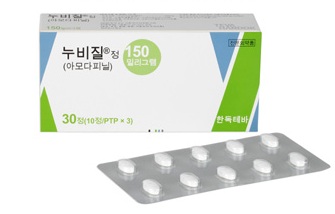
- Myung In Pharm’s first generic version of the narcolepsy drug Nuvigil (amodapine) is expected to be sold in earnest following its reimbursement listing in June. Currently, narcolepsy treatments are primarily composed of two ingredients: modafinil and amodafinil. With Mitsubishi Tanabe Pharma's ' 'Wakix (pitolisant)' recently withdrawing from the Korean market, fierce competition among existing treatments is anticipated. Currently, modafinil and armodafinil are primarily used for the treatment of narcolepsy. With Mitsubishi Tanabe Pharma Korea's recent withdrawal of 'Wakix (pitolisant)' from the Korean market, the competition among existing treatments is expected to intensify further. Amidst this situation, Myung In Pharm lowered the price of its generic product at a price below the calculated price and announced plans for aggressive market entry. According to industry sources on the 22nd, two dosages (150 mg and 250 mg) of its Amonil Tab, the first generic version of Nuvigil, will be listed for reimbursement on June 1. This drug is the first generic version of armodafinil, the active enantiomer of Provigil (modafinil). It works by activating dopamine in the brain to promote wakefulness and is characterized by its improved duration of action compared to the original drug. The original amodafinil drug is Teva-Handok’s Nuvigil. Nuvigil was approved for reimbursement in Korea in June 2018 and is competing with existing modafinil preparations. Last year, the amount of outpatient prescriptions for the drug amounted to KRW 1.1 billion, according to UBIST. Narcolepsy is a neurological disorder characterized by excessive daytime sleepiness, hallucinations when falling asleep or waking up, sleep paralysis, and sleep attacks. It is designated as a rare and intractable disease in Korea due to the low number of patients. The prevalence rate in Korea is estimated to be 0.002–0.18%, and it primarily occurs during adolescence or early adulthood before the age of 30. Due to the small number of patients, there are few medications available. For modafinil, there are two products: JW Pharmaceutical's Provigil Tab 200mg and Hanmi Pharmaceutical's Modanil Tab 200mg. For amodafinil, there are only two brands: Nuvigil Tab and the newly approved Amonil Tab. Even Wakix, a new drug that was approved in 2021 and listed for reimbursement that same year, withdrew from the Korean market last year due to the small number of patients and low drug prices. From the perspective of pharmaceutical companies, the domestic market for narcolepsy treatments is not so attractive. Nevertheless, Myung In Pharm is showing enthusiasm, lowering its drug’s price during reimbursement listing. Amonil 150mg is priced at KRW 1,206 per tablet, which is about 59% of the price of the original Nubizil 150mg at KRW 2,027. The price of Amonil 250mg is also significantly cheaper at KRW 1,766, compared to Nubizil 250mg at KRW 2,968. Amonil Tab is used for excessive daytime sleepiness associated with adult narcolepsy, with a recommended dosage of 150 mg once daily in the morning. The maximum daily dose is 250 mg. Therefore, attention is now focused on whether Myung In Pharm, which has been making notable strides in the central nervous system treatment area, will also establish a strong presence in the narcolepsy treatment market with its first generic version of Nuvigil.
- Company
- Won-dollar rate lowest in 6mths... industry mixed
- by Kim, Jin-Gu May 23, 2025 05:51am
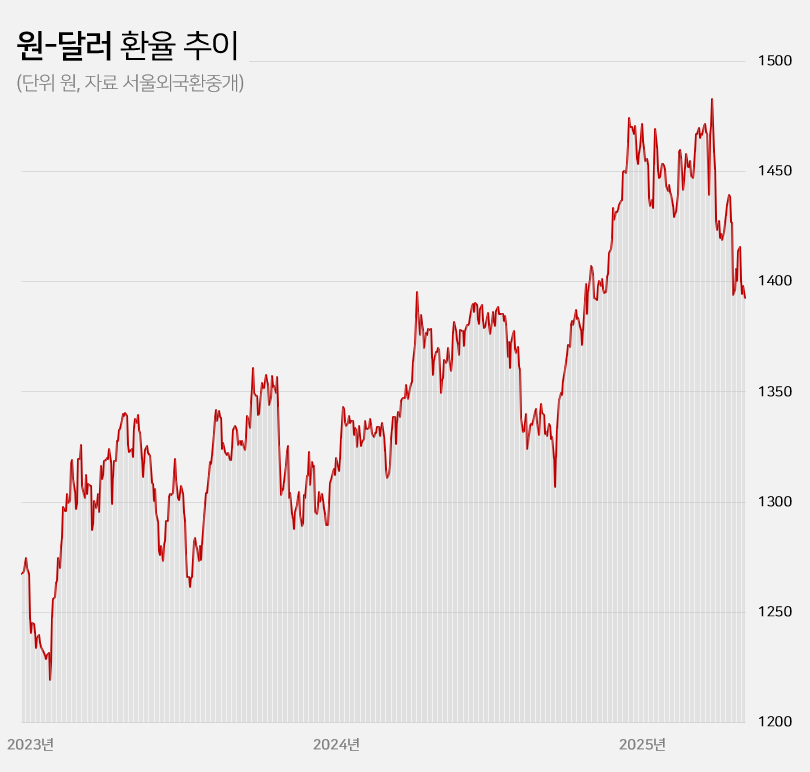
- With the won-dollar exchange rate falling below KRW 1,400, pharmaceutical and biotech companies are experiencing a mix of anticipation and concern. If the prolonged high exchange rate returns to previous levels, API imports and overseas clinical trial costs are expected to decrease, leading to an improvement in the cost structure. On the other hand, some predict that the asset value of pharmaceutical and biotech companies with a high proportion of drug exports will decline. Won-dollar exchange rate falls below KRW 1,400... Will the burden of API purchases and overseas clinical trials decrease? According to industry sources on the 22nd, the won-dollar exchange rate closed at KRW 1,392.60 on the 21st, down KRW 5.40 from the previous trading day. This is a 6.1% (KRW 90.30) decrease from the KRW 1,482.90 on the 10th of last month when concerns over the U.S.’s mutual tariffs were at their peak. The won-dollar exchange rate has remained high for a long time since entering the KRW 1,300 range in March 2023. It rose further to over KRW 1,350 from the middle of last year and broke through KRW 1,400 after the martial law crisis at the end of last year. With mutual tariffs by the US adding to the concern, the exchange rate soared to exceed KRW 1,480 at the beginning of last month. However, the won-dollar exchange rate has been falling this month amid expectations that trade tensions between the US and China will ease. In particular, the exchange rate has remained in the KRW 1,300 range for 4 consecutive trading days since the 16th, raising expectations that the prolonged high exchange rate trend will return to normal levels. KRW to USD exchange rate The pharmaceutical industry is hopeful that the decline in the won-dollar exchange rate will continue, leading to an improvement in the cost structure. Over the past 2 years, the rise in the won-dollar exchange rate has had a negative impact on the cost structure of domestic pharmaceutical and biotechnology companies. Due to their high dependence on imported APIs, the exchange rate increase directly led to higher manufacturing costs. Additionally, since these companies purchase APIs from China and India, with a high import dependency, they were significantly affected by the rise in the won-dollar exchange rate. As of 2023, the self-sufficiency rate for domestically produced APIs for pharmaceuticals stands at 25.4%. Among these, imports of APIs from China account for 30.5% of the total, while those from India make up 15.2%. Together, these two countries account for nearly 50% of the total API imports. Although manufacturing costs rose due to the increase in the won-dollar exchange rate, unlike other consumer goods, the price of finished drugs cannot be arbitrarily set by companies. As a result, the deterioration of the cost structure in the pharmaceutical industry has become more pronounced over the past 2 years. Additionally, the burden of clinical trial costs conducted overseas has steadily increased during the prolonged high exchange rate environment. Most clinical trials targeting the US and European markets are conducted locally. When the won-dollar exchange rate rises, global clinical trial costs also increase accordingly. In this situation, there are expectations that a decline in the won-dollar exchange rate will reduce the cost of importing APIs and the burden of global clinical trials, ultimately improving cost burdens. In the long term, improvements in the cost structure are expected to contribute positively to performance recovery. Asset value decline is inevitable for companies with high export ratios... Samsung Biologics to lose KRW 91.6 billion if exchange rate falls by 10% However, companies with high export ratios, such as Samsung Biologics and Celltrion, are expected to see their asset values decline due to the decline in the won-dollar exchange rate. These companies earn a large amount of assets in dollars overseas, so when the exchange rate rises, their asset values increase. Conversely, when the exchange rate falls, their asset values decline. Samsung Biologics had an overseas sales ratio of 96.5% in the first quarter. Of the KRW 1.2983 trillion in sales rendered in the first quarter, KRW 1.2528 trillion came from overseas. As the proportion of overseas sales is high, its performance is expected to be greatly affected by fluctuations in the exchange rate. Samsung Biologics explained in its quarterly report that a 10% increase or decrease in the won-dollar exchange rate would result in a KRW 91.6 billion increase or decrease in pre-tax income. Considering how the current won-dollar exchange rate has fallen by 1.5% compared to the average exchange rate (KRW 1,452.66) at the time of the quarterly report, the recent decline in the exchange rate is estimated to have reduced asset value by approximately KRW 14 billion. Samsung Biologics has seen an increase in cash and cash equivalents over the past 2 years due to the impact of high exchange rates. The figures were KRW 12.2 billion in 2023 and KRW 41.6 billion last year. This was due to the average won-dollar exchange rate rising from KRW 1,291.95 in 2022 to KRW 1,307.90 in 2023 and KRW 1,363.09 in 2024. The same goes for Celltrion and SK Biopharm. Given their high proportion of overseas sales, they are relatively more affected by fluctuations in the exchange rate. Celltrion saw its cash and cash equivalents increase by KRW 52.4 billion last year due to exchange rate changes. The company explains that, assuming all other variables remain constant, an 8% change in the won-dollar exchange rate would result in a KRW 33.8 billion increase or decrease in pre-tax profit. For SK Biopharm, the change in cash and cash equivalents due to exchange rate fluctuations last year amounted to KRW 3.6 billion. Based on the exchange rate at the end of last year, a 10% change in the exchange rate would result in an increase or decrease of KRW 14.1 billion in the company's pre-tax profit. It is expected that the fluctuation in pre-tax profit due to exchange rate changes will widen further this year if sales of Xcopri increase in the United States.
- Opinion
- [Reporter's View] 'Samsung Epis' as independent firm
- by Whang, byung-woo May 23, 2025 05:51am
- Samsung Biologics officially announced on May 22 that its shareholders determined to conduct a spinoff of Samsung Bioepis and establish 'Samsung Epis Holdings.' The business independence of Samsung Bioepis, which expanded its focus on biosimilars, was conducted earlier than anticipated. It has been two years since Samsung Biologics acquired Biogen's entire share in Epis. The current spinoff is meaningful in a way more than simply reorganization of the firm. This indicates Samsung Bioepis' performance over 10 years, future market changes, and efforts to achieve the technological leap. Samsung Bioepis was established as a joint venture between Samsung Biologics and the biotech firm Biogen in 2012. In 2022, Samsung Biologics acquired 49.9% of the U.S.-based Biogen's share in Samsung Bioepis for approximately USD 2.3 billion, acquiring Epis as a 100% subsidiary. After that, Samsung Bioepis established a partnership-based collaborative structure that is flexible and strategic rather than simply a shareholder relationship. Its performance in the past two years can be seen as a period of testing the firm's 'independent survival.' Samsung Bioepis will become a completely independent entity after the spinoff. At the same time, Samsung Epis Holdings will strengthen its role in Samsung Group's biotech business. Samsung Bioepis' performance in the global market is notable. According to IQVIA, Samsung Bioepis ranked No.2 in the market share of Humira biosimilars as of 2023. However, the company's competitors are fiercely rising. For instance, Celltrion has established a competitive ground as it obtains approval and distributes new products in addition to existing biosimilars. Samsung Bioepis' new project is 'new drug discovery,' preparing beyond biosimilars. Whereas the past performance focused on proving equivalence against original products and expanding market presence, the company will likely focus on securing a proprietary new drug pipeline for the next 10 years. Samsung Bioepis has already started investing in R&D of proprietary new drug discovery. It has begun searching for next-generation technologies, such as establishing an AI-based new drug discovery platform and antibody-drug conjugate (ADC). However, the company's new drug pipeline for clinical trials has not been officially announced. The company will likely seek an R&D model that could balance profitability and risk rather than delving into new drug discovery, requiring time and funds but carrying low success. This approach has both pros and cons. This means there is an opportunity to choose and focus on an area with a high probability of success rather than taking risks and being reckless. Celltrion employs a similar strategy. Samsung Epis Holdings' establishment can be seen as Samsung Group entering a new stage of 'comprehensive biotech strategy' beyond biosimilars. This is likely to be followed by efforts to expand into fundraising, co-development with global big pharma, and the rare disease and vaccine sectors. There's still a long way to go. Their experience in new drug discovery remains in the early stages, and there are many challenges to overcome, such as securing high-value pipelines, navigating the regulatory environment, and securing talent. The company's journey was like 'starting from scratch' and turning question marks from external and internal sources into exclamation points. Conversely, it was also an expression of pride in leading the company to its current level with a relatively minor organization compared to large entities like Samsung Electronics and Samsung C&T. The launch of Samsung Bioepis Holdings signifies confidence in past achievements and represents a bold first step toward new challenges and responses. We anticipate Samsung Bioepis' continued strong presence in future competition, leveraging their 'original vision' and proven competitiveness in the biosimilar industry.
- Company
- Will Tibsovo be reimbursed for cholangiocarcinoma this time?
- by Eo, Yun-Ho May 22, 2025 06:10am
- Attention is focused on whether the targeted anticancer drug “Tibsovo” for cholangiocarcinoma and acute myeloid leukemia will be successful in its attempt to be reimbursed by health insurance in Korea. Servier Korea’s IDH1 (isocitrate dehydrogenase 1) genetic mutation targeting therapy recently passed the Health Insurance Review and Assessment Service's Cancer Disease Review Committee. The drug is indicated for use in IDH1-mutation-positive patients in combination with azacitidine for newly-diagnosed acute myeloid leukemia (AML) with a susceptible isocitrate dehydrogenase-1 (IDH1) mutation in adults aged ≥75 years, or who have comorbidities that preclude use of intensive induction chemotherapy, or as monotherapy for locally advanced or metastatic cholangiocarcinoma in previously treated adults with IDH1 mutation. The dual AML indication passed the Health Insurance Review and Assessment Service's Cancer Disease Review Committee’s review in October last year, but the cholangiocarcinoma indication had not been approved until now. It remains to be seen whether Tibsovo will be submitted to the Drug Reimbursement Evaluation Committee and complete the reimbursement process in the field of cholangiocarcinoma, where treatment options are limited. Cholangiocarcinoma is a highly aggressive cancer with a poor prognosis, with a 5-year relative survival rate of just 28.9%. In particular, 65% of patients with intrahepatic cholangiocarcinoma are diagnosed at an advanced stage where surgery is not feasible. Tibsovo is the only targeted therapy recommended by the National Comprehensive Cancer Network (NCCN) in the highest category (Category 1) as a second-line treatment for bile duct cancer. According to the Phase III ClarlDHy trial, Tibsovo reduced the risk of disease progression by 63% compared to placebo, with a median progression-free survival (PFS) of 2.7 months (1.4 months in the placebo group). Additionally, the median overall survival (mOS) was 10.3 months in the Tibsovo group, more than twice as long as the 5.1 months in the placebo group. Do-Youn Oh, Professor of Hematology-Oncology at Seoul National University Hospital, stated, “The development of drugs for cholangiocarcinoma has accelerated significantly in recent years. As new drugs are being developed, many companies are also actively working on the development of treatments for cholangiocarcinoma. Patients with cholangiocarcinoma must follow the doctors’ guidance and receive appropriate treatment rather than feeling discouraged, so they can participate in clinical trials and access new treatment opportunities.” Meanwhile, in the Phase III AGILE study that enrolled patients with acute myeloid leukemia, Tibsovo demonstrated improved event-free survival (EFS) when used in combination with azacitidine, and also significantly improved overall survival (OS). The median OS in the Tibsovo-treated group was 24.0 months (7.9 months in the placebo group), and long-term follow-up results showed that the median OS with Tibsovo combination therapy was 29.3 months, over 3.7 times longer than with placebo combination therapy. Kyu-Pyo Kim, Professor of Oncology at Asan Medical Center, said, “Tibsovo is indicated for IDH1 mutation-positive cholangiocarcinoma and acute myeloid leukemia, and has demonstrated excellent efficacy and safety in clinical studies. Considering that both studies allowed crossovers, the significant improvement in survival is a very meaningful result.” He added, “Given the limited treatment options for cholangiocarcinoma and acute myeloid leukemia, the emergence of a new targeted therapy with promising efficacy is expected to contribute to improving treatment outcomes and quality of life for patients with these diseases in Korea.”
- Company
- SK Bioscience wins the '8-year Prevenar patent dispute'
- by Kim, Jin-Gu May 22, 2025 06:09am
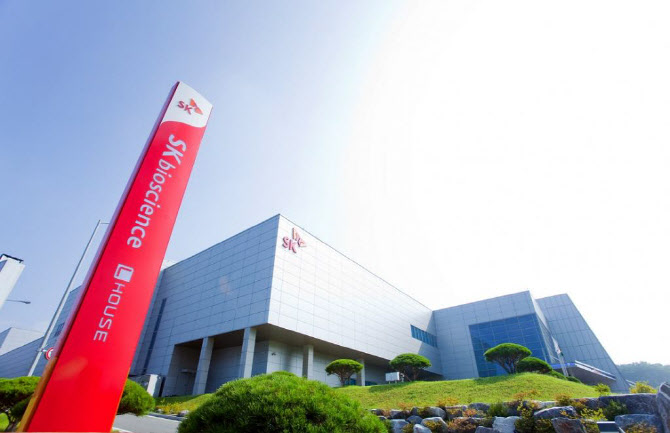
- In a patent infringement trial against Pfizer involving SK Bioscience's export of 'SKYPneumo' raw solution, SK Bioscience has won after eight years. The latest ruling is expected to enable SK Bioscience's global export of its pneumococcal conjugate vaccine 'SKYPneumo' raw solution. Ruling that 'Exporting SK Bioscience's SKYPneumo raw solution does not infringe on the patent'…an opportunity has been presented to export According to SK Bioscience, on May 21, the Supreme Court of Korea ruled in favor of SK Bioscience in a legal dispute filed by Pfizer for 'Cessation of infringement of Pfizer's Prevenar 13 (PCV13) pneumococcal conjugate vaccine patent.' The Supreme Court recently upheld the second trial ruling, which ruled in favor of SK Bioscience. SK Bioscience and Pfizer long fought over whether the overseas supply of SKYPneumo's raw solution infringes on Pfizer's 'Prevenar 13.' This eight-year legal battle began in 2017 when Pfizer filed a patent infringement lawsuit. The Supreme Court ruled that "Producing and supplying PCV13 finished products for research purposes does not infringe on the patent," adding, "Individual conjugates that make up PCV13 do not fall within the scope of the patent claim." It is analyzed that the Supreme Court's final ruling favoring SK Bioscience is expected to open the door for SK Bioscience to export SKYPneumo raw solution overseas. SK Bioscience says, "While supplying PCV13 finished products is not permitted, the latest ruling presents an opportunity for supplying individual conjugates overseas," and added, "We plan to initiate a new project to supply raw solution of individual conguates to regions with high vaccine demand, such as Southeast Asia and Central and South America. We also intend to pursue technology transfer through local partnerships." SK Bioscience vs. Pfizer: Patent Invalidation·Infringement Lawsuits…3 out of 4 cases transferred to the Supreme Court In addition to this case, the dispute between SK Bioscience and Pfizer surrounding the Prevenar 13 patent has been ongoing for a long time, including 'patent invalidation' lawsuits filed by SK Bioscience and 'cessation of patent infringement' lawsuits counter-filed by Pfizer. First, SK Bioscience challenged two related patents after developing SKYPneumo, a follow-up product to Prevenar 13. SK Bioscience challenged two of Pfizer's Prevenar 13-related patents: ▲Expiring in March 2026, 'a novel formulation that stabilizes immunogenic compositions and prevents precipitation' patent ▲Expiring in April 2027, 'a multivalent pneumococcal polysaccharide-protein conjugate composition' patent. SK Bioscience filed invalidation trials for both patents. Among these, the patent expiring in 2026 was successfully invalidated. The Intellectual Property Trial and Appeal Board (IPTAB) ruled in favor of SK Bioscience in January 2020, and the decision was finalized without an appeal from Pfizer. On the other hand, the patent expiring in 2027 ultimately failed to be invalidated. SK Bioscience argued for the invalidation of this patent, but received a dismissal from IPTAB in June 2015. SK Bioscience also lost in the second trial, which proceeded with SK Bioscience's appeal, in November 2017. SK Bioscience decided to appeal to the Supreme Court. However, they again received a losing ruling from the Supreme Court in 2018. In conclusion, the patent expiring in March 2026 was successfully invalidated, while the patent expiring in April 2027 was not. Consequently, domestic sales of SKYPneumo are prohibited until April 2027. Pfizer counter-filed a patent infringement prohibition lawsuit against SK Bioscience during this process. In 2017, Wyeth LLC, the patent holder of Prevenar 13, and Pfizer Korea, the domestic distributor, filed a lawsuit claiming that SKYPneumo infringed on their patent rights. This lawsuit also went to the third trial. Ultimately, the Supreme Court issued a recommendation for settlement in 2019, essentially siding with Pfizer. The Supreme Court ruled that Pfizer's patent was valid and prohibited the production and launch of SK Bioscience's SKYPneumo until 2027. SK Bioscience voluntarily withdrew the product approval for SKYPneumo. However, they re-obtained approval for SKYPneumo in June 2021. The conflict between the two companies continued thereafter. Facing difficulties with the domestic launch, SK Bioscience signed a license agreement to transfer related technology to a Russian pharmaceutical company to develop vaccines in that region. SK Bioscience supplied raw solution for its self-developed pneumococcal vaccine and finished pharmaceutical products for research. Pfizer and Wyeth LLC also interfered with this, filing a cession of patent infringement lawsuit in 2020. SK Bioscience countered, arguing that supplying raw solution for research and testing purposes, not finished products, to overseas markets was outside the scope of patent infringement. In August 2023, Pfizer won in the first trial. SK Bioscience appealed, and ultimately, the Patent Court overturned the first trial ruling and sided with SK Bioscience. This time, Pfizer appealed to the Supreme Court after losing in the second trial. Finally, the Supreme Court upheld the original ruling in the appeal. The two companies engaged in a long-term battle, going to the Supreme Court for three out of four cases, including patent invalidation lawsuits and patent infringement lawsuits. With this, most disputes between the two companies concerning the Prevenar 13 patent have been concluded. However, a trade commission dispute remains. The Korea Trade Commission under the Ministry of Trade, Industry and Energy is investigating SK Bioscience's unfair trade practices. This is because Pfizer and Wyeth LLC have filed a complaint requesting a cessation on exporting SK Bioscience's pneumococcal raw solution. In the pharmaceutical industry, there is an outlook that the trade commission dispute surrounding the export of pneumococcal raw solution will also be concluded soon due to this Supreme Court ruling.

- Policy
- Govt-ind sees consensus on 'AI-based new drug governance'
- by Lee, Jeong-Hwan May 22, 2025 06:09am
- The current administration has promised support and promotion for the establishment of a national governance system for AI-based new drugs, which the domestic pharmaceutical industry has called for the attention of the presidential election candidates. The National Bio Committee, which reports directly to the president, has selected AI-based new drug development as one of the 10 key tasks that the government will focus on for research and development (R&D) in the future. The vision is to discover optimal new drug candidates based on AI and big data, and to fulfill national responsibilities by supporting the entire cycle, including design and validation. On the 20th, the pharmaceutical and biotechnology industry expressed their broad consensus on the needs of the pharmaceutical industry in response to the announcement of the vision of the National Bio Committee. The domestic pharmaceutical industry has repeatedly suggested that the infrastructure for new drug development utilizing AI and big data should be established at the national level. In fact, the Korea Pharmaceutical and Bio-Pharma Manufacturers Association has proposed a policy to establish AI-based drug development governance for each candidate ahead of the June 3 presidential election. The demand is that the government should aggressively provide budget and policy support to utilize AI and big data to revitalize new drug development, which requires astronomical investment and time, and has a significantly low success rate. In particular, global big-tech companies such as Google AlphaFold 3-AlphaProteo, Nvidia BioNeMo, and Microsoft are developing AI super gap technology to be utilized in the whole stage of drug development based on large-scale investments and resources from global pharmaceutical companies. The KPBMA believes that Korea must not fall behind in the AI drug development competition with advanced countries to become a new drug powerhouse. Therefore, it is suggested that the government's full support is needed to create a national data-based open innovation ecosystem, build a big data platform for new drug development, and develop an AI-based intelligent autonomous laboratory optimization model. The next administration should collect national bio R&D public data for each field of drug development and create a new drug development big data platform for pharmaceutical companies’ access. Also, KPBMA’s policy proposal includes securing skilled professionals through an academia-industry collaborative training program for AI-driven drug discovery, as well as carrying out a joint platform project for shared use of AI-bio computing resources. As the National Bio Committee directly agreed with the pharmaceutical industry's policy proposal, there are expectations that the green light has been given for national-level budget and policy support for AI-based drug development even after the presidential election. An industry official said, “All previous administrations have set the goal of fostering the pharmaceutical industry as a future growth driver for the country, including developing new domestic drugs and discovering indigenous blockbusters. The government that will be established after the presidential election should realize that establishing governance for AI drug development is a prerequisite for creating domestic blockbusters, and should provide policy support and budgetary investment at the entire government level.” “The National Bio Committee's selection of developing infrastructure for AI-based drug development as one of the top 10 key R&D tasks has become a cog in the domestic pharmaceutical industry's policy proposals. We expect the new government to recognize that it is difficult for the private sector to create AI and big data drug development platforms, which are costly, and to take active policy and budgetary measures.”
- Company
- KPBMA proposes policies ahead of the presidential election
- by Kim, Jin-Gu May 22, 2025 06:08am
- The Korea Pharmaceutical and Bio-Pharma Manufacturers Association (KPBMA) proposes the "Pharmaceutical and Biotech Policies for Korea Ahead of South Korea's 21st presidential election, the Korea Pharmaceutical and Bio-Pharma Manufacturers Association (KPBMA) has proposed "The Ten Pillars of Pharmaceutical and Biotechnology Policies." KPBMA's proposal can be summarized in three keywords: supporting R&D, establishing an AI-based new drug development platform, and improving the drug pricing system. The KPBMA proposed initiatives, such as establishing performance-based R&D policies, creating a compensation system for domestically developed novel drugs, and supporting domestically-produced active pharmaceutical ingredients (APIs). The KPBMA also asked the government to develop an AI-driven drug discovery big data platform and cultivate specialized professionals in this field. Furthermore, they asked to establish a reinvestment cycle where drug price reduction exemptions based on R&D investment ratios are reinvested. They also urged the creation of a predictable drug pricing roadmap according to the balanced post-market management policies. In its policy report published on May 19, the KPBMA proposed its "Pharmaceutical and Biotech Policies for Korea's Healthy Future for the 21st Presidential Election." ◆Performance-Based R&D Policy Establishment = According to the KPBMA, the Korean government's 2023 R&D budget for the pharmaceutical and biotech sector was KRW 2.5826 trillion. However, only KRW 347.7 billion, or 13.5%, was allocated to direct corporate support. This differs significantly from the IT sector, where the proportion of corporate support reached 44.5%. In response, the KPBMA called for the establishment of a strategic R&D investment system. They stressed the need for institutional improvements, including expanding the 'Korean ARPA-H' project (a reference to the U.S. Advanced Research Projects Agency for Health) and applying exemption from preliminary feasibility studies. Furthermore, they urged for the continuous expansion of mega-funds to foster the creation of blockbuster novel drugs and to broaden tax credits for pharmaceutical and biotech companies' investments in bio-ventures. The KPBMA also stressed a shift in R&D budget policy towards an 'performance-based' approach. They emphasized the need to increase the corporate support ratio of government R&D budgets to over 30%. Additionally, they stressed the importance of strengthening support for Phase 2 and 3 clinical trials and global market entry to enhance the success rates of new drug development and commercialization. ◆Domestically Produced Vaccines·Treatments for Infectious Disease = The KPBMA asked for expanded support for research and development into next-generation vaccine platforms, such as mRNA and synthetic antigen technologies. They stressed the urgent need for swift countermeasures to the infectious disease crisis, citing initiatives like a '100-Day Vaccine Development Project' or 'Large-scale Rapid Global Clinical Projects.' Furthermore, the KPBMA proposed introducing a 'loss compensation system' and establishing pre-purchase schemes and long-term procurement contract systems to accelerate the development of national essential vaccines and treatments. For instance, countries like the United States and Japan actively utilized pre-purchase systems during the COVID-19 pandemic to shorten development timelines. ◆Establishing a Compensation System for Domestically Developed Novel Drugs = The KPBMA urged an improved drug pricing compensation system for domestically developed innovative new drugs. Currently, preferential drug pricing is only applied to novel drugs produced by innovative pharmaceutical companies or those that conduct domestic clinical trials. The KPBMA argued this should be expanded to pharmaceutical and biotech companies that contribute to the supply of essential medicines or job creation. The KPBMA also called for expanding the scope of the refund system, also known as a dual pricing system, to enhance global competitiveness. They anticipate that the refund system could be applied when the market launch plans for new drugs developed overseas or those subject to technology export are identified. ◆Supporting domestically produced APIs = According to the KPBMA, the number of domestic API manufacturers in Korea decreased significantly over the last decade, from 381 in 2013 to 296 in 2023. During the same period, API items sharply declined from 10,341 to 6,244. This trend is attributed to the lower price competitiveness of domestically produced raw materials, leading to an increased reliance on APIs from China·India. The KPBMA also pointed out the severe lack of policy support, such as preferential reimbursement drug pricing and tax incentives, as a reason for the lack of revitalization in API development. While the government introduced a system for preferential reimbursement pricing (68%, 5 years + 5 years) for using domestically produced raw materials, its application is limited to newly listed national essential medicines. Concerns remain regarding potential drug price reductions due to post-market management. In response, the KPBMA urged the establishment of a control tower to build a stable drug supply system and called for real-time investigation, analysis, and monitoring of drug supply and demand. In the mid-to-long term, they recommended developing a supply stability plan and establishing a government preferential procurement system for domestically produced essential medicines. Furthermore, they proposed expanding tax benefits for APIs under Korea's 'Act on Restriction on Special Cases Concerning Taxation.' They also emphasized the need for incentives, such as preferential drug pricing or manufacturing facility support, when diversifying supply sources or achieving self-sufficiency. ◆Accelerating AI-Driven Drug Discovery Initiatives = Korea's AI-driven drug discovery technology is estimated to be at 74% of the level of the United States, indicating a technology gap of approximately five years. While over 50 domestic AI drug discovery specialized companies demonstrate capabilities, a diagnosis suggests limitations in competing with global companies due to insufficient infrastructure, including data, specialized personnel, and computing resources. Accordingly, the KPBMA called for expanding federated learning and establishing a collaborative AI drug discovery acceleration project (AIDA). They proposed expanding the concept of the 'K-MELLODDY Project' to foster a nationwide data-driven open innovation ecosystem. ◆Developing a New Drug Discovery Big Data Platform = The KPBMA recommended establishing a government-funded 'New Drug Discovery Big Data Platform.' This platform would collect 'bio R&D public data' tailored to the specific needs of each drug discovery area and support industry access. Additionally, they called for developing an 'AI-based intelligent autonomous laboratory optimization model' to generate and accumulate high-quality experimental data for new drug development purposes. ◆Training AI-based Biotech Specialized Talent = Currently, the government is running an 'AI-based New Drug Development Education and Promotion Project.' The KPBMA proposed expanding this initiative to develop an 'AI Drug Discovery Industry-Academia Cooperative Convergence Talent Training Program,' where industry and universities jointly produce talent. They anticipate that establishing this program would significantly alleviate the shortage of AI talent in Korea. ◆Operating Industry-Led Advanced Industry Academies = The KPBMA proposed designating and operating an industry-led 'Pharmaceutical and Bio-Pharma Advanced Industry Academies.' This initiative would involve leading industry organizations coordinating government, industry, and academia to support practical education and employment linkages. Through this, they emphasized the importance of building a sustainable talent supply system and nurturing talent to prepare for future new technology demands. ◆Reinvestment of Drug Price Reduction Exemptions Based on R&D Ratios = The KPBMA pointed out that existing post-market drug price management systems, such as the drug price-volume agreement (PVA) program and actual transaction price-based drug price reductions, operate inefficiently. They highlighted that drug price reduction risks frequently arise, leading to adverse effects such as a decrease in companies' R&D investment capacity. Therefore, they called for strengthening compensation, including expanding exemptions based on R&D investment ratios during drug price reductions. They argued for establishing a virtuous cycle where the reduced drug prices are reinvested into R&D, leading to new drug creation. Specifically, they suggested Belgium's 'R&D Incentive Drug Pricing Model' as an alternative. ◆Establishing a Predictable Drug Pricing Roadmap = The KPBMA proposed establishing an intuitive and predictable long-term roadmap through balanced post-market management policies. They argued for rationalizing the fragmented post-market management systems and integrating the implementation schedules for drug price reductions to enhance predictability for the pharmaceutical industry. Furthermore, they also urged that pediatric and orphan drugs should be excluded from post-market management systems. The KPBMA argued for excluding pediatric and rare disease drugs, which are difficult to produce and have low profitability, from preferential drug pricing and post-market management selection.

- Company
- "Aiming the Alzheimer's market with ultrasound"
- by Whang, byung-woo May 22, 2025 06:07am
- Korea's biotech company Deepsonbio is gaining interest for its ultrasound-based brain disorder treatment technology. The company's recent exploratory clinical trials demonstrated the effect of improving cognitive function for patients with Alzheimer's disease and those with normal pressure hydrocephalus. Deepsonbio plans to enter the market on a full scale. Based on its multiple-low intensity pilant ultrasound (M-LIPUS) technology, Deepsonbio is projected to revolutionize treatments for brain disorders, such as Alzheimer's disease. DeepsonbioDaily Pharm met with Deepsonbio, a member of the KoreaBIO organization, to listen to the company's potential and vision. Deepsonbio is led by CEO Lee Dong-hyuk, who is currently a professor at Gachon University of Medicine and Science's Department of Biomedical Engineering. The company's key technology is its proprietary M-LIPUS. Unlike existing high-intensity focused ultrasound (HIFU) or transcranial magnetic stimulation (TMS), M-LIPUS uses safe, low-intensity ultrasound to non-invasively clear waste from the brain. Notably, the technology utilizes multiple ultra-sound generating devices, stimulating brain areas with ultrasound energy and promoting the cerebrospinal fluid (CSF) flow, ultimately increasing clearance of amyloid-β (Aβ), known as the pathogenesis of Alzheimer's disease. Deepsonbio CEO Lee said, "Disorders like Alzheimer's disease are caused by the accumulation of waste in the brain due to decreased CSF flow," and added, "M-LIPUS has been demonstrated to promote the elimination of Aβ and tau proteins, which are key waste in the brain. Clinical results showed that M-LIPUS improved cognitive function and neural functions." The company's recently finalized exploratory clinical results demonstrated Deepsonbio's technological advancement. It was found that within a month of ultrasound treatments, patients' cognitive function significantly improved. Furthermore, clinical evaluation showed a clear improvement in cognitive function with the trail making test (TMT) performance time, which is used to evaluate cognitive function in patients with Parkinson's disease, reduced by up to half. Additionally, biological indicators observed positive changes, including activated glucose metabolism in the brain and a significant reduction in beta-amyloid levels. When asked, "Are there any barriers to entering the brain disease treatment market using ultrasound technology?" CEO Lee emphasized that a shift in perspective led to the company's unique technology. Lee said, "Previous research focused more on opening the blood-brain barrier (BBB) rather than improving CSF fluidity. The ultrasound used in those studies was also less effective in humans, so no cases showed the same efficacy as Deepsonbio's low-intensity ultrasound." Global market entry and strategy to achieve 'KRW 100 Billion' mark Deepsonbio is targeting the global Alzheimer's treatment market. The global Alzheimer's treatment market is valued at approximately KRW 20 trillion as of 2023, showing rapid annual growth of over 20%. Deepsonbio aims to complete confirmatory clinical trials by the end of this year and secure additional medical device indications both domestically and internationally by early next year, thereby officially entering the global market. The company's strategy, led by CEO Lee, a regulatory expert, is expected to facilitate rapid market penetration. Considering that current Alzheimer's new drugs focus on early treatment to slow cognitive decline rather than fundamentally improving symptoms, there is an expectation that Deepsonbio's role could expand significantly. The company is actively pursuing domestic and international patent applications to enter the global market, including the United States. The company plans to secure a unique global medical device market position. Specifically, assuming a 6.4% market share of the domestic dementia population after receiving approval this year, Deepsonbio aims for approximately KRW 80 billion in revenue by 2028. CEO Lee stated, "Deepsonbio's device is not large, so there's no need to secure a separate space, which we predict will allow us to expand our influence in the non-reimbursable market rapidly." He added, "Our goal is to quickly generate revenue through the commercialization of our ultrasound technology." Expected to expand indications beyond Alzheimer's disease to normal pressure hydrocephalus Another area where Deepsonbio anticipates treating with its ultrasound technology is normal pressure hydrocephalus (NPH). The company has demonstrated that even with ultrasound treatment alone, patients with NPH significantly improved walking ability within a week, especially when existing treatments are limited. These results are evaluated to suggest the possibility of future indication expansion. Lee described Deepsonbio's technology as 'the technology of happiness.' In a reality where brain diseases like dementia and hydrocephalus severely impair the quality of life for entire families, he believes it is an innovative and valuable technology that can restore happiness to both patients and their families. Finally, Lee presented a vision to expand indications beyond the Alzheimer's disease treatment market to various brain disease treatment areas and to establish strong competitiveness in the global medical device market. Lee remarked, "Deepsonbio's technology can be a game-changer in the Alzheimer's disease treatment market," and added, "We will overcome the limitations of existing treatments, and our medical device will provide real and sustainable happiness to patients and their families."
- Company
- Dyslipidemia drug 'Leqvio' enters drug price negotiatiation
- by Eo, Yun-Ho May 21, 2025 06:37am
- Product photo of Leqvio Leqvio, a new drug for dyslipidemia administered once yearly, has recently entered into negotiations with the National Health Insurance Service (NHIS). In February, Novartis Korea's siRNA drug Leqvio (inclisiran) had initially failed at setting criteria for 'reducing cardiovascular events in patients with atherosclerotic cardiovascular disease (ASCVD)' indication at the Health Insurance Review and Assessment Service (HIRA)'s Drug Reimbursement Evaluation Committee (DREC) review, then conditionally passed the HIRA's DREC review with its 'heterozygous familial and non-familial, or mixed dyslipidemia' indication. Novartis Korea accepted the conditional decision of the DREC and has recently begun drug pricing negotiations. Accordingly, it is to be watched when Leqvio will be listed for the first time. Leqvio gained attention as it can be administered twice-yearly by medical practitioners at hospitals. In addition to reduced number of administration, it has the advantage for medical practitioners administering the drug at hospitals rather than self-administration. In fact, 78.4% of the patient group, including ASCVD patients who received Leqvio up to 6.8 years, reached the LDL-c goal. In a real-world study conducted in the United States, the fully adherent ASCVD patient group, including heart attack, had a 27% lower major adverse cardiovascular events (MACE) than the low adherent group. Additionally, analysis suggests that the fully adherent group also had less yearly medical cost than the low adherent group. Therefore, Leqvio was found to lower the risk of cardiovascular disease relapse and financial burden in ASCVD patients. Leqvio's administration convenience provides a significant therapeutic benefit. The market for Statins and ezetimibe is worth KRW 1 trillion. Including the spending on Statins and PCSK9 inhibitors, the fund for lowering LDL-c is estimated to be approximately KRW 1.5 trillion to KRW 2 trillion. However, LDL-c achievement rate remains at 24% in Korean ASCVD patients. Meanwhile, Leqvio recently acquired additional study data demonstrating significant improvement in the lipidemia profile of patients with dyslipidemia. The meta-analysis results were published in the American Journal of Cardiology last month, including five randomized comparative clinical trials evaluating Leqvio in patients with dyslipidemia. 4072 participants were included in the five trials. 2129 participants were assigned to the Leqvio group and 1943 to the control group. The analysis suggests that the Leqvio group had 51.25% lower LDL-c than the control group.
- Company
- ‘Bispecific antibodies gain attention as option for DLBCL'
- by Whang, byung-woo May 21, 2025 06:36am
- Diffuse large B-cell lymphoma (DLBCL) is considered a difficult disease to treat due to its aggressive nature, but the emergence of new drugs has brought about a paradigm shift in its treatment. As efforts for DLBCL progress towards a cure beyond extending survival, the role of bispecific antibody therapies is garnering attention. Georg Lenz, Professor at Münster University Hospital in Germany, and Jung-ok Lee, Professor of Hematology and Oncology at Seoul National University Bundang Hospital, emphasized the diversified DLBCL treatment options and the importance of timely treatment for maximizing treatment efficacy during their interview with Daily Pharm. Professor Georg Lenz (Münster University Hospital) Approximately 60% of DLBCL patients can expect a cure with first-line treatment, but around 30–40% of the remaining patients are resistant to first-line treatment or experience relapse. Although no two patients are in the same situation, the two professors explained that achieving complete remission remains the primary goal, even for patients with relapsed or refractory (r/r) disease or those who have undergone third-line or later-line treatments. Innovative new drugs such as “bispecific antibodies” and “antibody-drug conjugates (ADC)” are playing a major role in this process. However, DLBCL, which is characterized by rapid progression and aggressive characteristics among non-Hodgkin's lymphomas, is one disease that is difficult to cure. Overseas, particularly in countries such as Germany, CAR-T therapy and bispecific antibody therapies have become clear treatment options depending on the recurrence period and health status of DLBCL patients. According to Professor Georg, Germany uses various bispecific antibody therapies, including Epkinly, glofitamab, and odronextamab in the third-line treatment stage. Professor Georg explained, “For r/r DLBCL patients receiving third-line treatment, bispecific antibody therapies become a treatment option. If CAR-T therapy was not administered in previous treatment stages, CAR-T therapy can also be considered as a treatment option in the third-line treatment stage.” In contrast, in South Korea, the only CAR-T therapy available after second-line treatment is Kymriah, and bispecific antibody therapies are not reimbursed. Regarding this, Professor Lee stated, “Polatuzumab vedotin in combination with R-CHP improved progression-free survival (PFS) compared to R-CHOP in the first-line treatment of DLBCL, and it is being used as a first-line treatment in several countries overseas. However, in Korea, R-CHOP remains the standard of care, so the rate of recurrence after first-line treatment will be relatively high.” In particular, the difference in treatment access between Korea and other countries is evident after second-line treatment. This is because while three CAR-T therapies have been approved in the United States, only one, Kymriah, has been approved in Korea. Professor Lee emphasized, “The domestic treatment environment falls short of global standards, and patients are missing out on real treatment opportunities. In addition to Kymriah, it is urgent to introduce additional CAR-T therapies such as Axi-cel and Liso-cel and apply reimbursement to bispecific antibodies such as Epkinly.” With Epkinly prescriptions on the rise, the challenge is to overcome the remaining “treatment hurdles” The reason why it is important for new drugs such as Epkinly, a bispecific antibody, to enter the regulatory system is because the ultimate goal of r/r DLBCL treatment is a complete cure. Although bispecific antibodies lack long-term data compared to CAR-T therapies, which were developed earlier, they are considered to be a useful treatment option due to their relatively lower toxicity for elderly patients and others who cannot receive CAR-T therapy. Professor Jeong-Ok Lee (Seoul National University Bundang Hospital) Professor Georg said, “I believe that approximately 3 years of long-term data accumulation will be sufficient. Considering the rapid changes in the treatment environment and the various data, I think there is a high possibility that Epkinly will firmly establish itself in the second-line treatment area in the near future.” He added, “Based on the clinical data disclosed to date, the results of Epkinly combination therapy are showing positive trends. We optimistically anticipate that Epkinly may advance into an earlier line treatment option or even become a first-line treatment option used before the r/r stage, rather than completely replacing CAR-T therapy.” According to three-year follow-up data presented at the American Society of Hematology (ASH) 2024 Annual Meeting, Epkinly achieved an overall response rate (ORR) of 59%, with 41% achieving complete remission. Professor Lee explained, “It is encouraging that the 36-month survival rate of patients that reached complete remission was 63%. Additionally, the fact that the progression-free survival (PFS) curve showed a stable ‘plateau’ pattern after a certain point is a positive signal that the treatment effect may persist in the long term.” Although direct comparison is difficult as long-term follow-up data has not yet been accumulated as much as for CAR-T therapy, Professor Lee believes that Epkinly is also expected to achieve high response rates, complete remission, and sustained response. Clear differences exist in the global and domestic treatment environments… reimbursement needs to be realized There are various conflicting opinions regarding the current position of CAR-T therapy and bispecific antibody therapy, including their complementary positions as a 'bridge therapy' before CAR-T therapy. Both professors stated that it is difficult to determine the exact order considering reimbursement conditions and their clinical experience, but mentioned that Epkinly may be considered over CAR-T therapy in elderly patients in terms of adverse reaction management. Professor Georg explained, “Epkinly has shown meaningful clinical efficacy in elderly or refractory patients who are difficult to treat with CAR-T therapy. In particular, it has a low and predictable incidence of cytokine release syndrome (CRS) and has been reported to be associated with minimal neurotoxicity in the form of Immune Effector Cell-Associated Neurotoxicity Syndrome (ICANS), making it highly safe.” He added, “CAR-T therapy takes about a month to manufacture, so Epkinly may be considered first when time is limited. Although there are no age restrictions for either Epkinly or CAR-T, Epkinly may be a more appropriate choice for patients who are in poor overall health or are elderly.” The problem remains that the reimbursement situation in Korea is still lacking in terms of a global standard of care. He emphasized the need to improve the reimbursement system and access to treatment so that DLBCL patients in Korea can receive the latest global standard treatment. Professor Lee said, “In South Korea, there is a gap between the global standard and Korea’s treatment in all lines of treatment, from the first to the third. Therefore, other effective CAR-T therapies besides Kymriah should be introduced as soon as possible, and bispecific antibody therapies, including Epkinly, should be included in the health insurance reimbursement system.” Finally, he added, “As a hematologist treating DLBCL patients and a member of the Korean Society of Hematology, I hope that a medical environment is established where patients can receive bispecific antibody therapy as soon as possible. I feel a sense of responsibility as an expert and plan to actively voice my opinions and fulfill my role in both my academic society and as an individual physician.”
