- LOGIN
- MemberShip
- 2026-09-21 13:14:18
- ‘Oral drug Fabhalta changes PNH treatment paradigm'
- by Son, Hyung Min | translator Alice Kang | 2025-04-29 05:56:52

Given the relatively young age of patients, there is an increasing emphasis on the need for treatment strategies that not only ensure survival but also improve anemia and enable patients to return to their daily lives.
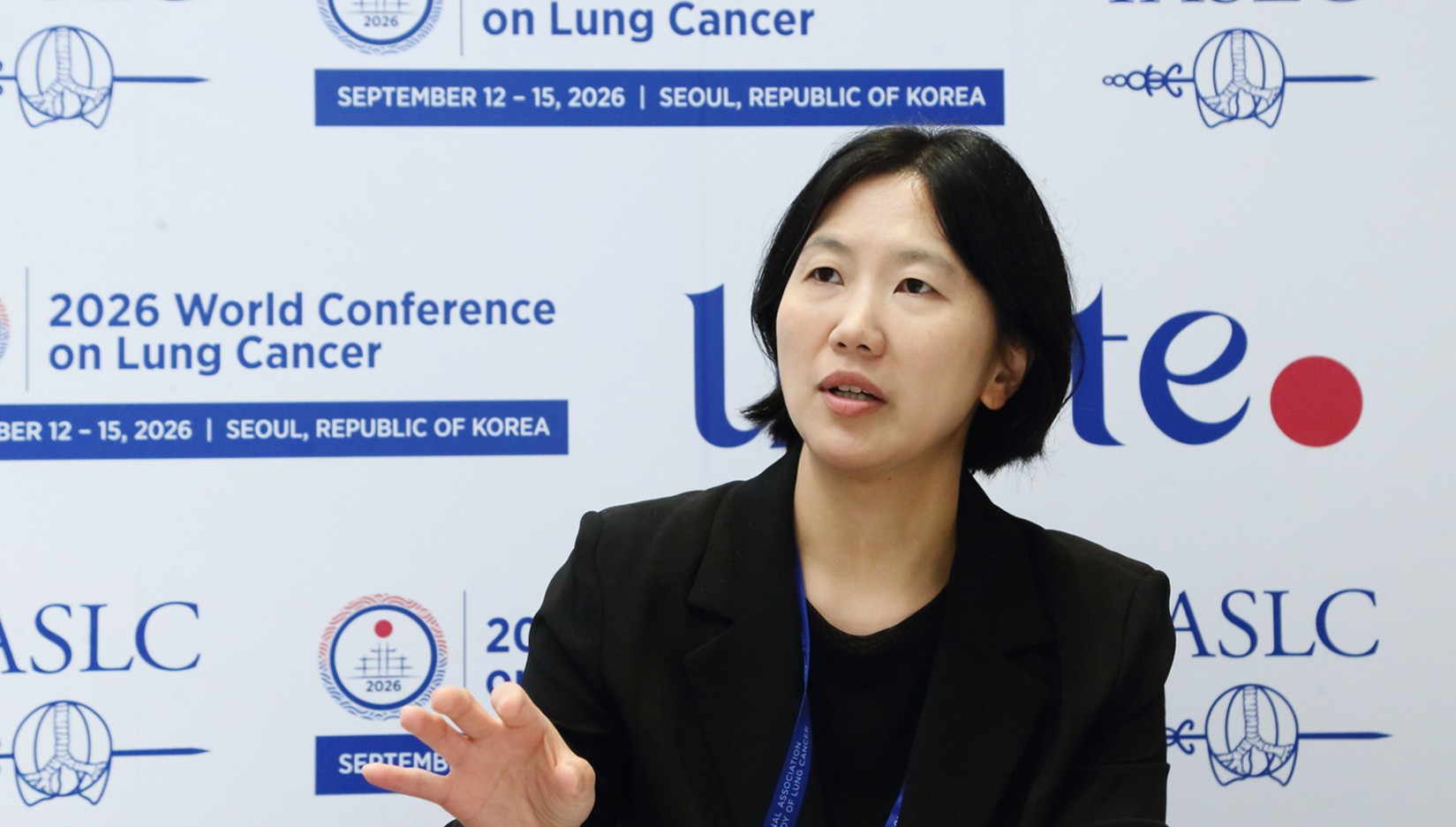
Therefore, I believe that Fabhalta, which improves ease of administration and has been shown to be effective in improving anemia, will become more widely used." Youngil Koh, Professor of Hematology/Medical Oncology, at Seoul National University Hospital, emphasized so in a recent interview with Dailypharm regarding the paradigm shift being made in the PNH treatment landscape.
PNH is a rare condition caused by acquired genetic mutations.
While the term “acquired mutation” often brings to mind cancer, PNH is classified as a type of “clonal hematopoiesis,” not a blood cancer.
While multiple mutations in hematopoietic stem cells can lead to blood cancer, PNH occurs when a single mutation occurs in the PIGA gene, which is located on the X chromosome.
PNH is currently known to have no fundamental cure.
However, with advancements in science, treatment approaches have been evolving with therapies developed to inhibit the activity of the complement system.
The complement system is a core component of the innate immune system, serving as a powerful defense mechanism that directly attacks and destroys pathogens.
This system consists of multiple pathways, including C3 and C5, and ultimately forms the “membrane attack complex (MAC),” which destroys red blood cells.
Until now, treatments that inhibit C5, located at the terminal pathway of the complement system, have been primarily used.
Notably, the introduction of Soliris, an injectable medication administered every 2 weeks, followed by Ultomiris, which can be administered every 8 weeks, has improved the treatment landscape.
Many patients still manage their condition using these treatments.
However, among the PNH patients receiving treatment, unmet needs still remain in those suffering from persistent fatigue, insufficient symptom improvement, and blood transfusion dependence.
In particular, even when C5 is inhibited, the activation of the upstream C3 pathway continues, leading to the premature removal of red blood cells in the liver and spleen and the repeated need for blood transfusions.
Professor Koh said, “Statistically, only about 20% of all PNH patients are reported to have their symptoms sufficiently controlled by C5 inhibitors alone to enable them to live normal lives.
The remaining 80% of patients cannot completely control their symptoms, and about half of them clearly need other treatment options.” He added, “The complement system is composed of multiple pathways, with C3 located at the upper stage and C5 at the lower stage.
While existing C5 inhibitors have acted by blocking the lower stage, it has been confirmed in actual clinical settings that inhibiting C5 alone may still pose issues due to the activation of C3 at the upper stage.” Introduction of Fabhalta, the first oral option Fabhalta was developed to address these issues and works by inhibiting complement factor B, which plays an important role in C3 activation.
By regulating the overactivation of C3, it enables a new therapeutic approach to areas that were not addressed by existing C5 treatments.
Based on this mechanism of action, Fabhalta is attracting attention as a new treatment option that can meet unmet needs that could not be addressed with existing C5 inhibitors alone.
In particular, this treatment has the advantage of being effective against anemia and extravascular hemolysis.
Fabhalta demonstrated efficacy in the APPLY-PNH Phase III clinical trial, which enrolled 97 adult PNH patients aged 18 years and older with residual anemia (mean hemoglobin level less than 10 g/dL) despite receiving C5 inhibitors for at least 6 months.
Through random assignment, 35 of the 97 patients continued C5 inhibitor treatment, while the remaining 62 switched to Fabhalta, and the effects of the treatments were evaluated for 24 weeks.
The clinical results showed that patients who switched to Fabhalta had normalized hemoglobin levels from week 4, and this effect continued through week 24.
Hemoglobin normalization was confirmed in approximately two out of three patients.
In addition, four out of five patients showed clinically significant increases in hemoglobin levels, and 95% of patients overcame their blood transfusion dependence.
No adverse reactions requiring discontinuation of treatment occurred with Fabhalta.
The incidence of acute hemolysis was significantly lower than that of C5 inhibitors, and although headaches, diarrhea, and nausea occurred, they were generally mild and resolved within one week.
Professor Koh said, “The main purpose of this clinical trial was to confirm the effectiveness of Fabhalta in improving anemia, and the results showed that the hemoglobin level improved in more than 80% of the Fabhalta group and that blood transfusions were avoided in about 90% of the cases.
On the other hand, no such improvement was observed in the group of patients who received only conventional C5 inhibitors.” He added, “These results are considered to have served as clinical proof that Fabhalta is a treatment option that can improve anemia that could not be resolved with existing treatments and significantly reduce dependence on blood transfusions.” The strength of Fabhalta lies in its formulation.
As an oral medication, Fabhalta is easier to administer than existing intravenous formulations such as Soliris and Ultomiris.
Many patients in clinical practice have expressed their desire to switch to Fabhalta if it becomes reimbursed by insurance, and Koh explained that patient satisfaction with treatment is likely to increase not only because of improved hemoglobin levels but also because of the switch to an oral formulation.
Professor Koh stated, “PNH has an average onset age in the early 40s, making it more common in relatively younger age groups.
In actual practice, many patients continue working while undergoing treatment.
Among existing treatments, Ultomiris is an injectable medication administered every 2 months, which reduces the burden of hospital visits compared to Soliris, significantly improving patient satisfaction.
Based on this experience, Fabhalta is the first oral medication that can be taken without visiting a hospital, which is a big change for patients in terms of the method of administration alone." Unmet demand remains…Treatment environment needs improvement Professor Koh expressed a very positive outlook on the ongoing development of therapies with various complement inhibition mechanisms because these can potentially address the unmet needs that could not be resolved with existing C5 inhibitors.
For example, Fabhalta inhibits factor B, Empaveli (pegcetacoplan) inhibits factor C3, and Voydeya (danicopan) inhibits factor D, with each drug having a different treatment profile because they act at different sites.
Professor Koh said, “All of these treatments can be effective in meeting unmet needs, but they have distinct advantages and disadvantages in terms of dosage method and whether they are used in combination.
Empaveli requires twice-weekly subcutaneous injections, which can be burdensome, but it can be an effective option for patients who have little aversion to injections.
On the other hand, Voydeya requires combination therapy with a C5 inhibitor, which increases the medication burden, but it also has the advantage of potentially improving adherence through the use of a combination injection.” He added, “However, under the current reimbursement standards in Korea, initial treatment must still begin with C5 inhibitors, so in practice, we discuss which drug patients may switch to when unmet needs arise, such as anemia.” Novartis Korea is currently negotiating Fabhalta’s drug prices with the National Health Insurance Service, the final gatekeeper for insurance reimbursement.
Professor Koh said, “When discussing with patients, there are quite a few cases where they are waiting for reimbursement for Fabhalta.
We have recommended Empalveli to some patients, but many of them feel burdened by the twice-weekly injections and have expressed their intention to switch to oral medication once it becomes covered by insurance.
This tendency is particularly prominent among young patients who are socially active.” He added, “Fabhalta has shown potential as a first-line treatment option.
In the future, newly developed drugs with new mechanisms of action must be adopted as first-line treatments so that PNH patients can be said to be receiving more practical and comprehensive care.”
-

- 0
댓글 운영방식은
댓글은 실명게재와 익명게재 방식이 있으며, 실명은 이름과 아이디가 노출됩니다. 익명은 필명으로 등록 가능하며, 대댓글은 익명으로 등록 가능합니다.
댓글 노출방식은
댓글 명예자문위원(팜-코니언-필기모양 아이콘)으로 위촉된 데일리팜 회원의 댓글은 ‘게시판형 보기’와 ’펼쳐보기형’ 리스트에서 항상 최상단에 노출됩니다. 새로운 댓글을 올리는 일반회원은 ‘게시판형’과 ‘펼쳐보기형’ 모두 팜코니언 회원이 쓴 댓글의 하단에 실시간 노출됩니다.
댓글의 삭제 기준은
다음의 경우 사전 통보없이 삭제하고 아이디 이용정지 또는 영구 가입제한이 될 수도 있습니다.
-
저작권·인격권 등 타인의 권리를 침해하는 경우
상용 프로그램의 등록과 게재, 배포를 안내하는 게시물
타인 또는 제3자의 저작권 및 기타 권리를 침해한 내용을 담은 게시물
-
근거 없는 비방·명예를 훼손하는 게시물
특정 이용자 및 개인에 대한 인신 공격적인 내용의 글 및 직접적인 욕설이 사용된 경우
특정 지역 및 종교간의 감정대립을 조장하는 내용
사실 확인이 안된 소문을 유포 시키는 경우
욕설과 비어, 속어를 담은 내용
정당법 및 공직선거법, 관계 법령에 저촉되는 경우(선관위 요청 시 즉시 삭제)
특정 지역이나 단체를 비하하는 경우
특정인의 명예를 훼손하여 해당인이 삭제를 요청하는 경우
특정인의 개인정보(주민등록번호, 전화, 상세주소 등)를 무단으로 게시하는 경우
타인의 ID 혹은 닉네임을 도용하는 경우
-
게시판 특성상 제한되는 내용
서비스 주제와 맞지 않는 내용의 글을 게재한 경우
동일 내용의 연속 게재 및 여러 기사에 중복 게재한 경우
부분적으로 변경하여 반복 게재하는 경우도 포함
제목과 관련 없는 내용의 게시물, 제목과 본문이 무관한 경우
돈벌기 및 직·간접 상업적 목적의 내용이 포함된 게시물
게시물 읽기 유도 등을 위해 내용과 무관한 제목을 사용한 경우
-
수사기관 등의 공식적인 요청이 있는 경우
-
기타사항
각 서비스의 필요성에 따라 미리 공지한 경우
기타 법률에 저촉되는 정보 게재를 목적으로 할 경우
기타 원만한 운영을 위해 운영자가 필요하다고 판단되는 내용
-
사실 관계 확인 후 삭제
저작권자로부터 허락받지 않은 내용을 무단 게재, 복제, 배포하는 경우
타인의 초상권을 침해하거나 개인정보를 유출하는 경우
당사에 제공한 이용자의 정보가 허위인 경우 (타인의 ID, 비밀번호 도용 등)
※이상의 내용중 일부 사항에 적용될 경우 이용약관 및 관련 법률에 의해 제재를 받으실 수도 있으며, 민·형사상 처벌을 받을 수도 있습니다.
※위에 명시되지 않은 내용이더라도 불법적인 내용으로 판단되거나 데일리팜 서비스에 바람직하지 않다고 판단되는 경우는 선 조치 이후 본 관리 기준을 수정 공시하겠습니다.
※기타 문의 사항은 데일리팜 운영자에게 연락주십시오. 메일 주소는 dailypharm@dailypharm.com입니다.