
- LOGIN
- MemberShip
- 2026-04-25 23:56:20

- Company
- 'Leqembi will reshape early dementia care landscape'
- by Hwang, byoung woo Nov 05, 2025 06:23am
- Leqembi (lecanemab), a therapy that directly removes the pathogenic protein driving Alzheimer's disease and slows disease progression, is opening a new treatment paradigm in a super-aged society. Unlike existing drugs that primarily focused on symptomatic relief, Leqembi has demonstrated disease-modifying potential, signaling broad changes across clinical practice and policy. Dailypharm spoke with Professor Min-young Chun, neurologist at Yongin Severance Hospital, regarding Leqembi’s long-term evidence, real-world clinical implications, and the importance of early diagnosis and early intervention in Alzheimer's disease. “Leqembi delays disease progression by one year, which is a significant extension in the survival period” Professor Min Young Chun, Department of Neurology, Yongin Severance HospitalLeqembi is the first disease-modifying treatment to emerge in the field of Alzheimer's disease, which had seen no new drugs for over 20 years. Since the 1990s and early 2000s, there have been almost no new drugs developed for Alzheimer's disease, resulting in a prolonged 20-year innovation gap without any new drug approvals. While existing drugs focus on symptom relief, Leqembi is drawing attention for its mechanism that directly removes amyloid beta to slow the fundamental progression of the disease. Professor Chun stated, “Leqembi is the first treatment option that directly targets amyloid beta to slow the fundamental progression of the disease, marking a significant advancement that ends the 20-year gap in new drug development.” She further explained, “In the recently published 4-year long-term analysis, the Leqembi treatment group showed a delay in disease progression of approximately one year compared to the natural decline in Alzheimer's disease. Based on the CDR-SB score, it was 1.75 points lower versus ADNI and 2.17 points lower versus BioFINDER.” Furthermore, no new safety concerns were observed during the 4-year OLE study, and the ARIA incidence rate decreased after the initial 12 months of treatment and remained stable without significant change over the 4 years. Professor Chun emphasized, “Some may underestimate a one-year delay, but just as a 6-month survival gain in oncology is considered a meaningful outcome, delaying the time when independent daily living becomes impossible by even one year holds immense value.” Lower ARIA rate in Asians…Will also strengthen domestic monitoring system As Leqembi has not been released in Korea for long, sufficient data has not yet accumulated to yield statistically significant results. Concerns also exist regarding the management of amyloid-related imaging abnormalities (ARIA), the most notable adverse reaction requiring caution during Leqembi treatment. On this, Professor Chun explained, “ARIA-E occurred in 6.2% and ARIA-H in 14.4% of Asian patients %, lower than the overall population. This could be attributed to complex factors like differences in APOE ε4 gene frequency or drug dosage variations due to body weight.” She further noted, “South Korea has well-established imaging infrastructure, including MRI and PET, enabling systematic monitoring before and after administration. This environment supports the safe use of new drugs like Leqembi.” According to Professor Chun, the Asian subgroup analysis of Leqembi’s Phase III Clarity AD clinical trial showed an ARIA-E incidence rate of 6.2% in Asians, lower than the 12.6% rate in the overall population. The ARIA-H incidence rate was also lower in Asians at 14.4%, compared to 17.3% in the overall population. She added, “Adverse reactions are being closely managed through regular monitoring. When they occur, treatment is guided by established medication-related guidelines. Currently, multiple institutions are compiling and analyzing Leqembi treatment data, and clearer results are expected as early as the beginning of next year. Regarding the approval of the subcutaneous (SC) maintenance therapy formulation in the U.S., Professor Chun noted, “The Leqembi SC formulation offers similar efficacy to the intravenous (IV) formulation while having a lower incidence of infusion-related adverse events. This allows patients or caregivers to administer the drug themselves, offering significant advantages in terms of accessibility and compliance.” “Early diagnosis and treatment of Alzheimer's reduces socioeconomic burden” With South Korea entering a super-aged society, dementia has emerged as a socioeconomic challenge beyond an individual disease. Professor Chun emphasized that advancing the timing of treatment is key to reducing the national burden. She stated, “Domestic dementia care costs approximately KRW 25 trillion annually. Delaying progression to severe stages through early diagnosis and treatment can significantly reduce long-term care and medical expenditure.” Long-term simulation data showed Leqembi confirmed such an effect. Leqembi delayed progression to mild-and-moderate stages by 2.7 years and 2.9 years, respectively — supporting meaningful savings in healthcare costs. Regarding this, Professor Chun explained, “These results can enhance the efficiency of the dementia management system and positively impact national healthcare finances.” Institutional challenges remain. The treatment remains non-reimbursed, and while MRI scans are covered, amyloid PET scans remain non-reimbursed, resulting in patient out-of-pocket costs. Professor Chun noted, “Beyond amyloid, the long-term therapeutic effect of new drugs like Leqembi is more pronounced in patients with lower tau protein accumulation. As Alzheimer's disease progresses, tau protein accumulation increases. Therefore, I believe it would be efficient to prioritize coverage for the early stages when tau levels are lower.” Professor Chun further explained, “We are conducting amyloid PET scans to compare how much amyloid is removed before and after Leqembi administration, but this process incurs significant cost burdens. If amyloid PET scans were covered, it would greatly aid patients in receiving early diagnosis and treatment.” Finally, Professor Chun reiterated the necessity of early intervention for Alzheimer's disease. Professor Chun added, “Early detection and intervention are paramount for Alzheimer's disease, yet some delay hospital visits due to fear of dementia diagnosis. The sooner diagnosis and treatment occur, the greater the effect. If treatments become reimbursed, it would alleviate household medical expenses and could positively impact socioeconomic aspects and reduce national healthcare costs in the long term.”
- Company
- Alfresa launches Jenecell to expand stem-cell business in KR
- by Chon, Seung-Hyun Nov 05, 2025 06:22am
- Alfresa Group, a major Japanese pharmaceutical distribution company, has entered the Korean market with the establishment of its subsidiary Jenecell and declared its entry into the stem cell business market. Hee-seok Joo, CEO of Jenecell Alfresa Corporation announced on the 3rd that it has established Jenecell in Korea. The Alfresa Group is a Japanese healthcare company engaged in diverse businesses, including pharmaceutical distribution, operation of dispensing pharmacies, and regenerative medicine–related businesses. The group recorded annual sales of JPN 2.961 trillion (approx. KRW 28 trillion) last year. Jenecell was established to expand the group's business in the stem cell sector, which the group has identified as a next-generation growth engine. Alfresa plans to strengthen its presence in the Asian market and accelerate global expansion through Jenecell. The company appointed Hee-Seok Joo, former Vice President of Medytox, as CEO. Joo is a seasoned industry expert with 35 years of experience at Daewoong Pharmaceutical and Medytox, spanning operational roles through executive leadership. He has led regulatory affairs, pricing, PR, and marketing, and is known for his broad network and expertise across the pharmaceutical industry. Joo selected “Forever Young” as the corporate slogan, reflecting a commitment to the pursuit of eternal youth. Leveraging Korea’s advanced biotechnology infrastructure, Jenecell plans to pursue ▲regenerative medicine research, ▲stem cell and culture-media-based product development, and ▲strategic partnerships and M&A with promising domestic biotech companies. The company is accelerating recruitment talent in key functions, including R&D, marketing, and business development. Hee-seok Joo, CEO of Jenecell, said, “Leveraging the expertise and broad network built through years of experience, I plan to grow Jenecell into a global core hub in the stem cell field. Based on Alfresa’s technological capabilities and know-how, we will advance high-value product development and premium brand positioning.”
- Company
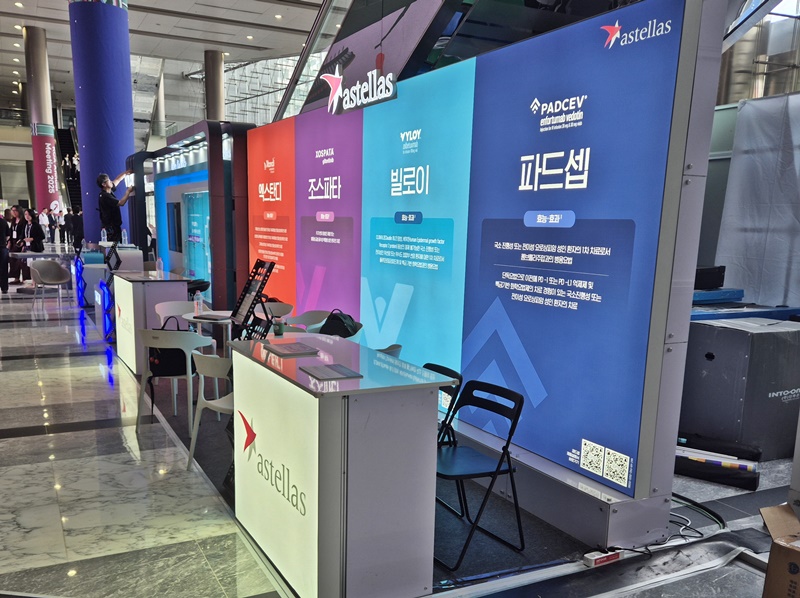
- Vyloy gains reimb momentum...targets gastric cancer mkt
- by Moon, sung-ho Nov 05, 2025 06:22am
- After clearing reimbursement review on its second attempt, Astellas’ Vyloy (zolbetuximab) is expected to reshape the metastatic gastric cancer treatment landscape. The entry of a targeted therapy option into a market previously dominated by immuno-oncology drugs presents a dilemma for treatment selection in clinical practice. #According to industry sources on the 3rd, the Health Insurance Review and Assessment Service (HIRA) recently convened its 8th Cancer Disease Deliberation Committee to review reimbursement criteria for major anticancer drugs submitted for consideration. At this meeting, Vyloy, the first-in-class CLDN18.2-targeted therapy, successfully established reimbursement criteria, and the application will now move up for review by the Drug Reimbursement Evaluation Committee. The indication approved for reimbursement is as ‘first-line treatment, in combination with fluoropyrimidine- and platinum-based chemotherapy, for patients with unresectable locally advanced or metastatic CLDN18.2-positive, HER2-negative gastric adenocarcinoma or gastroesophageal junction adenocarcinoma. The current treatment landscape for metastatic gastric cancer is dominated by immuno-oncology drugs. Specifically, Opdivo (nivolumab) is currently reimbursed in domestic clinical settings and is considered a first-line treatment option. Patients with PD-L1 expression levels of ‘CPS 5 or higher’ are granted Opdivo use with reimbursement. The other two options (Keytruda, Tevimbra) remain non-reimbursed. Under the recently revised partial coverage policy for combination anticancer therapies, only existing platinum and fluoropyrimidine-based chemotherapy regimens qualify for ‘partial coverage (5/100)’, while immuno-oncology drugs remain uncovered. However, Keytruda is currently undergoing price negotiations with the National Health Insurance Service for metastatic gastric cancer indications, with coverage expected in the first half of next year. However, Keytruda's situation is not so rosy. As its reimbursement criteria were set at ‘CPS 10 or higher,’ meaning its listing could actually impose greater restrictions on its use relative to Opdivo. In such a context, the industry believes that Vyloy would be sufficiently competitive if it were to be covered. Furthermore, according to the integrated analysis of the SPOLIGHT and GLOW studies presented at last year's European Society for Medical Oncology Annual Congress 2024 (ESMO 2024), the median progression-free survival (PFS) was 9.2 months in the Vyloy-chemotherapy combination group and 8.2 months in the placebo group. The median overall survival (OS) was 16.4 months in the Vyloy combination group and 13.7 months in the placebo group. Subsequent analysis of the Korean subgroup showed that the Vyloy combination group's mPFS and mOS were 12.6 months and 30.0 months, respectively. This is a marked improvement compared to the results previously published in the global study. Having passed the National Health Insurance Service (NHIS) review, if reimbursement is approved, as nearly 40% of all gastric cancer patients express Claudin-18.2, clinicians may consider between Vyloy and immuno-oncology drugs. Professor Minkyu Jung (Department of Medical Oncology) at Yonsei Cancer Hospital stated, “For clinicians, a major dilemma arises when a patient is both Claudin-18.2 and PD-L1 positive: which agent should be used first?” He added, “For patients who are Claudin18.2-positive and have a PD-L1 CPS (Combined Positive Score) between 5 and 10, the hazard ratio confirmed for Vyloy is 0.77, lower than that for immuno-oncology drugs. If reimbursement status is not a factor, many oncologists prefer using Vyloy in that patient group. He emphasized, “Claudin18.2 is a biomarker expressed in gastric and pancreatic cancers. It may be a pivotal biomarker in the entire gastric cancer treatment paradigm.”

- Policy
- 'Rebate points deduction system' has been stalled
- by Lee, Jeong-Hwan Nov 04, 2025 06:13am
- The revision of South Korea's Innovative Pharmaceutical Company Certification System, which the Ministry of Health and Welfare (MOHW) is pursuing to foster the Korean pharmaceutical industry, is stalling. This is likely due to arguments for and against 'conversion to a rebate scoring system.' Following agreement with the pharmaceutical industry, the MOHW had tentatively finalized a revision to switch the 'one-strike-out' rule for innovative pharmaceutical companies caught giving illegal pharmaceutical rebates to a 'points deduction system.' However, due to recent concerns about revising the scoring system, the MOHW has yet to decide. The MOHW is criticized by opponents who argue that the current one-strike-out rule is a "poison clause" and an excessive·dual regulatory burden for companies penalized for past rebate incidents. In contrast, the counter-argument is that it is illogical to grant the Innovative Pharmaceutical Company designation, along with tax and drug price benefits, to unethical and unlawful pharmaceutical companies. Some in the pharmaceutical industry even express concern that the conversion of the rebate penalty rule from a penalty to a points system, which had been discussed positively by the Yoon Suk Yeol administration until the inauguration of the Lee Jae Myung administration, might not be pursued. The MOHW is internally reviewing the final proposal and the timing for the administrative pre-announcement of the certification system on November 2. MOHW delays the administrative pre-announcement for revision from October The MOHW had planned to complete the administrative pre-announcement procedure for the certification system revision last month (October), aiming for implementation in January of next year. Specifically, this involved amending the 'Regulations on the Certification of Innovative Pharmaceutical Companies (Notice)'. However, the ministry failed to proceed with the notice revision because it could not reach an internal conclusion on provisions such as converting the penalty for revision-violating pharmaceutical companies to a points deduction system. Consequently, the administrative pre-announcement of the revision was delayed, making the planned January implementation of the revision impossible. Pharmaceutical companies caught giving rebates, dispute over certification The point of the argument is a regulatory proposal that would ease penalties for innovative pharmaceutical companies that previously provided illegal drug rebates. This involves differentiating and converting the current standard, which immediately revokes the designation, to a lesser penalty, such as a '10-point deduction'. Pharmaceutical companies have long maintained that the Innovative Pharmaceutical Companies system, intended to encourage domestic new drug R&D and increase the potential for new drug creation, is burdened by excessive regulation that allows the certification to be revoked instantly for a debate violation. The MOHW had tentatively decided to partially reflect the pharmaceutical industry's views by abolishing the one-strike-out rule and changing the disqualification criteria to a scoring system that would deduct points from companies' scores for rebates. A 10-point deduction during the certification review for a company found to have provided rebates was highly likely. This decision by the MOHW was made during the Yoon administration, and according to the original plan, the reform, which included converting the rebate penalty to a points system, should have been finalized and revised during the first quarter of this year. However, the situation surrounding the revision changed with the transition of government. The argument gained traction that the conversion to a points system could have a negative effect, softening vigilance against illegal drug rebates or hindering the deterrent effect against unlawful activities. Accordingly, Vice Minister of Health and Welfare Lee Hyung-hoon and others were reportedly instructed to review and reconsider the detailed proposal for the rebate points deduction system. Will the scoring system be abandoned? The conversion of the rebate penalty to a points deduction system is an administrative reform strongly requested by domestic and international industry stakeholders. With news emerging that the MOHW is struggling with the transition to the points system, some parts of the pharmaceutical industry are even speculating that the conversion of the rebate penalty might be abandoned entirely. The pharmaceutical industry is considering the possibility that the MOHW may set more specific, stringent criteria for the 10-point deduction proposal. For instance, some in the pharmaceutical industry anticipate that the current regulation will be further refined into a cumulative strike-out system, where the deduction points would be increased based on the number of violations and the amount of rebates: a 10-point deduction for the first violation, 15 points for the second, and certification revocation for the third. Another side of the pharmaceutical industry predicts that the transition to a points deduction system will be abandoned. This is due to prevailing social opposition, which argues that implementing the reform could grant re-certification opportunities to pharmaceutical companies whose certification was previously canceled due to rebates (despite the penalty period), which would be socially unacceptable. In fact, during this year's parliamentary inspection, Democratic Party Rep. Kim Yoon had planned to question the CEO of a domestic pharmaceutical company as a witness regarding the appropriateness of granting re-certification opportunities and associated benefits to companies involved in rebates, but the subpoena for the witness was later withdrawn. There is also an argument for implementing the rebate deduction system, but applying the one-strike-out rule (revocation of certification) only to pharmaceutical companies that provide rebates after the new system's introduction date. This logic attempts to reflect the claim that revoking certification based on old illegal rebate incidents is overly archaic and excessive regulation, while still securing a deterrent effect against future rebate activities. The certification system revision, which appeared to be progressing smoothly, has encountered an unexpected barrier, drawing the attention of both the pharmaceutical and healthcare sectors toward the MOHW's administration. An official from a mid-sized domestic pharmaceutical company said, "It's true that there were strong complaints that the rebate revocation rule contradicted the purpose of the Innovative Pharmaceutical Company Certification System, which is to expand benefits for R&D-focused pharmaceutical companies." He added, "I understand that the MOHW accepted this, decided to switch to a points system, and even went through the deliberation of the MOHW. However, the administrative delay, coupled with the change in administration and the appointment of new ministers, altered the atmosphere." The official added, "The MOHW is reconsidering because of the growing perception that the conversion to a rebate deduction system could be viewed externally as regulatory easing that partially condones illegal activities by pharmaceutical companies." He said, "We cannot rule out the possibility that the points system transition will be abandoned. Even if the conversion proceeds, we hear that the direction will likely be to clarify the disqualification criteria for companies whose certification has already been revoked or to increase the severity of the deduction penalties." Minister of Health and Welfare Jeong Eun Kyeong stated during this parliamentary inspection regarding the revision, "The MOHW is internally reviewing the comprehensive drug pricing system revision proposal as well as the Innovative Pharmaceutical Company Certification System improvement plan."
- Company
- 'Mounjaro' prescription now available at general hospitals
- by Eo, Yun-Ho Nov 04, 2025 06:10am
- 'Mounjaro,' which ranked No. 1 in global sales, is actively pursuing the prescription area in Korea. According to industry sources, Lilly Korea's dual GIP/GLP-1GIP/GLP-1 receptor agonist Mounjaro (tirzepatide) has passed drug committees (DC) of 66 medical institutes nationwide, including Samsung Medical Center, Kangbuk Samsung Hospital, Konkuk University Medical Center, Seoul National University Bundang Hospital, Soonchunghyang University Hospital, Ajou University Hospital, Eulji Medical Center, Chung-Ang University Hospital, and Hanyang University Seoul Hospital. Lilly Korea is pursuing an insurance reimbursement listing for the diabetes indication. With the obstructive sleep apnea indication added, the company plans to make prescriptions available at more general hospitals by the end of this year. In Korea, Mounjaro is approved as an adjunct drug to diet and exercise for improving glycemic control in adult patients with Type 2 diabetes (as monotherapy or combination therapy). It is also approved as an adjunct to a low-calorie diet and increased physical activity for chronic weight management in obese adults (initial BMI≥30kg/m2) or overweight adults (initial BMI≥30kg/m2) with at least one weight-related comorbidity (hypertension, dyslipidemia, type 2 diabetes, obstructive sleep apnea, or cardiovascular disease).
- Opinion
- [Reporter’s View] ‘Selection & Focus’ to foster K-Bios
- by Hwang, byoung woo Nov 04, 2025 06:10am
- The keyword “selection and focus” resurfaced in this year’s National Assembly audit as a core strategy for fostering Korea’s pharmaceutical and bio industry. During the NA audit last month, lawmakers again raised the need for bold investment and full-cycle support for innovative drugs to strengthen Korea’s global competitiveness in the pharmaceutical and biotech industry. In response, Korea Health Industry Development Institute (KHIDI) President Soon-do Cha outlined the direction, stating, “We will strategically foster medical artificial intelligence (AI) and bio-data.” This signifies the government's emphasis on streamlining R&D efficiency centered on the two pillars of medical AI and bio-data. However, the perspective from the field is slightly different. While policy speaks of concentration, execution remains fragmented. AI, big data, advanced biotechnology, CDMO, vaccine self-sufficiency—all are repeatedly touted as core industries in discussions of the pharmaceutical and biotech sector, with similar slogans endlessly repeated. Consequently, budgets remain scattered across multiple ministries, and the pace of implementation varies widely. This means that while choices are plentiful, there are question marks about whether true focus is actually happening. The problem of lacking a proper control tower has also been a recurring topic for years. The medical AI and bio-data industries mentioned this time may seem like different fields at first glance, but they are closely connected. To harness AI, data infrastructure is essential. The government is pursuing a biobank of one million individuals, and hospitals are building their own data banks. The problem lies in utilization. Differences in linkage standards make analysis difficult even when data is combined, and there are also criticisms that companies spend months navigating access procedures. AI imaging solutions are increasing, but adoption in hospitals remains low. The government opened the regulatory door, but support measures to boost utilization are relatively inadequate. Data and technology are piling up, but the pipelines for their actual use are narrow. The government advocates selection and focus, but criticism follows that actual support is broad but shallow. The government often refers to its data-collection strategy as a “data dam.” Just as building a dam secures a water source, the data dam aims to prepare data resources for use in the AI era. But building the dam is only half the job — we also need pipelines that allow data to flow and be used. Even considering that government-level policies set the broad framework, the current situation demands clearer prioritization and guaranteed execution. If data fails to flow into industries and medical settings, policy choices lose their meaning. Having established the broad direction at the government level, clear priorities and execution must now follow. If data fails to flow into industries and medical settings, policy choices lose their meaning. During the NA audit, it was noted that as of 2023, the combined R&D investment of the top 10 domestic listed pharmaceutical companies amounted to only approximately KRW 1.3 trillion. This represents a significant gap compared to the KRW 20 trillion invested by global pharmaceutical giant Johnson & Johnson (J&J). Considering this, the government's approach of ‘select and focus’ is clearly the right direction. However, for the two pillars of medical AI and bio-data—presented by the state as future industries—to translate into industrial achievements, structural change is needed, not just slogans. Ultimately, the key lies in execution. Policy priorities must be clearly defined, and overlapping projects streamlined. If ‘selection and focus’ remains just a slogan, the industry will lose its direction once again. What is needed now is not a new strategy, but proof of focus demonstrated through action.

- Company
- Imfinzi reimb discussions at a standstill in Korea
- by Son, Hyung Min Nov 04, 2025 06:10am
- Concerns are mounting over multinational pharmaceutical companies’ market strategies as U.S. President Donald Trump’s Most-Favored-Nation (MFN) drug pricing policy moves toward implementation. If enforced, U.S. drug prices would be pegged to the lowest levels among major advanced markets — raising the risk that Korea’s comparatively low prices could be used as reference points, escalating fears of a “Korea-passing” scenario. In fact, the ripple effects of the MFN policy are becoming concrete as major multinational pharmaceutical companies like Pfizer and AstraZeneca engage in negotiations. Domestic drug prices for major new drugs are only about one-fourth of their U.S. counterparts. Consequently, concerns are mounting that multinational pharmaceutical companies may avoid the Korean market or reduce supply, inevitably leading to reduced access to new drugs. During the recent NA audit, Rep. Jia Han of the People Power Party warned, “If the MFN policy is implemented, Korea could be excluded from new drug introductions. Patients with severe illnesses could be particularly harmed.” Bile duct cancer coverage gap remains unfilled for 10 years… Urgent need for ‘Imfinzi’ listing raised ImfinziThis trend is especially critical for bile duct cancer patients, who have extremely limited treatment options. Bile duct cancer is difficult to diagnose early, with over half of patients diagnosed at metastatic stages. The 5-year survival rate for patients diagnosed with distant metastasis is only 4.1%. In 2022, the immune checkpoint inhibitor ‘Imfinzi (durvalumab)’ was approved in combination with chemotherapy as first-line treatment for bile duct cancer, offering the possibility of long-term survival. In clinical trials, Imfinzi demonstrated improved 3-year long-term survival rates compared to the control group, with even more pronounced effects observed in Korean patient cohorts. However, despite being approved over 3 years ago, reimbursement has yet to be granted. Imfinzi received a “redeliberation” verdict from the Drug Reimbursement Evaluation Committee (DREC) in September, but subsequent discussions have stalled, deepening patient anxiety. Notably, no new drugs for bile duct cancer have been reimbursed in the past decade. This stands in stark contrast to the expansion of reimbursement for immune-oncology drugs in other cancers like lung and breast cancer. Professor Changhoon Yoo of the Department of Medical Oncology at Asan Medical Center in Seoul emphasized, "Biliary tract cancer has a very poor prognosis and limited treatment options. While Imfinzi improves survival rates and quality of life, its non-reimbursed status places a heavy financial burden on patients. Patients need rapid access to this global standard of care.“ ” Strengthening compensation for innovative drugs"... attention rises on November DREC review results Experts unanimously agree that a flexible drug pricing evaluation system that reflects disease characteristics and societal needs is necessary for covering innovative treatments like Imfinzi. In the UK, considering Imfinzi was the first approved immunotherapy for primary biliary cancer as a first-line treatment, the ICER (Incremental Cost-Effectiveness Ratio) threshold was applied flexibly to determine its National Health Service coverage. The longer discussions drag on, the more unlikely reimbursement becomes due to the aftermath of MFN-driven global pricing effects. AstraZeneca Korea said it “remains committed to improving access and fulfilling all required procedures for Imfinzi’s reimbursement.” At the recent NA audit, Minister of Health and Welfare Eun-kyeong Jeong acknowledged MFN-related access risks and pledged to “improve compensation for innovative new drugs and improve patient access through expedited listing.” Consequently, attention is focused on whether discussions regarding Imfinzi's reimbursement will resume at the upcoming DREC meeting on November 6. The industry is watching closely to see if this committee meeting could mark a new turning point in treatment for bile duct cancer patients.
- Policy
- AI-driven drug R&D key to narrowing gap with global leaders
- by Lee, Jeong-Hwan Nov 04, 2025 06:09am
- Soon-do Cha, President of KHIDI The President of the Korea Health Industry Development Institute (KHIDI stressed that Korea must strategically nurture AI and data capabilities to dramatically improve the productivity of AI-based drug R&D and rapidly close the technology gap with advanced pharmaceutical nations. He also revealed a plan to create a KRW 1-trillion mega-fund by 2027 to support large-scale clinical trials and global expansion of domestic biopharma companies. He further stated that support would be strengthened throughout the entire lifecycle for global market entry, including expanding open innovation and exports between global pharmaceutical companies, domestic anchor companies, and startups. Soon-do Cha, President of KHIDI, responded so to a written inquiry from Representative In-soon Nam of the Democratic Party of Korea regarding the promotion of the pharmaceutical and biotech industry during the National Assembly audit on the 31st. First, Cha agreed with Nam's views on the necessity of full-cycle support for the global expansion of the pharmaceutical and biotech industry, the cultivation of core talent, and regulatory improvements. He further stated that selection and focus are crucial for achieving the government's national policy tasks, emphasizing that the core lies in convergence-based selection and concentration, namely convergence-type R&D. Accordingly, the KHIDI will actively pursue support projects in collaboration with various government ministries, including the Ministry of Health and Welfare, to successfully execute the national task of realizing Korea into a medical AI, pharmaceuticals, and biohealth powerhouse. Cha explained, “We will strengthen support for open innovation and export expansion among global pharma companies, domestic anchor companies, and startups. We will also establish a KRW 1 trillion mega-fund by 2027 to support large-scale clinical trials and global expansion, and support the implementation of a plan to cultivate 110,000 core biohealth talents.” He further emphasized, “We will operate a regulatory reform forum to continuously identify field challenges and pursue ongoing regulatory improvements. Our strategy is to steadily increase investment in basic and translational research in areas like pharmaceuticals, regenerative medicine, and medical devices—where we face technological gaps but hold national health and industrial importance—to narrow these gaps.” Cha added, “Strategically nurturing our strengths in AI and data is also part of our strategy. Ultimately, focusing on convergence R&D that combines these two fields will secure a global competitive advantage. A Applying AI to drug development to sharply raise R&D productivity is one prime example.” He further noted, “The findings from the healthcare and industrial technology level survey indicate that addressing technological gaps in core areas like drug development and advanced regenerative medicine, along with cultivating specialized personnel and securing government policy support, are extremely urgent. KHIDI will focus on enhancing the efficiency of government R&D investment and cultivating the specialized personnel needed by industry, including physician-scientists.”
- Opinion
- [Desk View] Unsettling relief from pharma tariff agreement
- by Chon, Seung-Hyun Nov 03, 2025 06:09am
- Analysis suggests that the burden of tariffs on the pharmaceutical sector has been significantly alleviated following the settlement of the US-Korea tariff negotiations, which had dragged on for about five months. According to the agreement, the Most Favored Nation (MFN) designation will be granted to synthetic new drugs and biological new drugs (biosimilars/biobetters) in the pharmaceutical sector. Generic drugs and natural resources not produced in the United States will be subject to zero tariffs. The pharmaceutical and biotech industries express clear relief. Concerns over pharmaceutical tariffs emerged after President Donald Trump stated on his social media platform, Truth Social, in September that "100% tariff would be imposed on all branded drugs and patented drugs from companies not building manufacturing plants in the U.S. starting the following month." The Korea Pharmaceutical and Bio-Pharma Manufacturers Association (KPBMA) welcomed the agreement, stating, "We greatly welcome the settlement of the Korea-U.S. tariff negotiations." They added, "Securing MFN designation along with maintaining zero tariffs for generic drugs ensures trade conditions that are not unfavorable compared to other major countries. We expect this to positively impact the strengthening of our pharmaceutical and bio-industry's global competitiveness." The KoreaBio Association also welcomed the agreement, stating, "With the tariff negotiation settlement, South Korea is not disadvantaged compared to competitors like Europe and Japan when exporting pharmaceuticals to the U.S., and we expect a significant reduction in trade uncertainties with the U.S." In fact, the expectation was that imposing tariffs would not have a significant impact on the overall domestic pharmaceutical industry, as the scale of Korean pharmaceutical and biotech companies' exports to the U.S. is small. Only a few companies, such as Celltrion, Samsung Biologics, Samsung Bioepis, SK Biopharmaceuticals, Daewoong Pharmaceutical, and Green Cross Corp, are actively pursuing entry into the U.S. market. The majority of domestic pharmaceutical and biotech companies have no experience entering the U.S. market. The fact is that the industry as a whole did not show strong interest because the pharmaceutical tariff risk was seen as 'someone else's problem' for most pharmaceutical and biotech companies. According to the Ministry of Food and Drug Safety (MFDS), the U.S. export value of domestically produced pharmaceuticals in Korea last year was $1.49117 billion (approximately KRW 2 trillion), accounting for only about 1% of the total U.S. export value of $127.8 billion. This is less than 5% of the $36.6 billion in automobile exports. Pharmaceutical exports to the U.S. are also dominated by Samsung Biologics and Celltrion. Samsung Biologics recorded U.S. export sales of KRW 1.1741 trillion last year through Contract Development and Manufacturing Organization (CDMO) services for biopharmaceuticals. Celltrion's biopharmaceutical sales in the North American market last year amounted to KRW 1.0453 trillion. Domestic pharmaceutical and biotech companies have released a total of 40 new drugs since SK Chemicals' Sunpla in 1999, up to Medytox's Nuviju in September this year. However, products that have entered the U.S. market are limited to LG Chem's Factive, Dong-A ST's Sivextro, Hanmi Pharmaceutical's Rolontis, and Yuhan Corporation's Leclaza. Most domestically developed new drugs that enter the U.S. do not have large export sales. Leclaza is gradually increasing sales after recent U.S. approval, but this does not count toward Korea's export performance, as the product is manufactured locally by its partner, Janssen, for sale in the U.S. This is the background why the pharmaceutical industry welcomed the US-Korea tariff negotiation, but did not achieve consensus across the entire industry. It is why they seem to be in vain. The settled negotiation is welcome, but it offers little immediate tangible benefit. In contrast to the vigorous success of domestic manufacturing, such as K-Beauty and K-Food, in the U.S. market, the performance report for K-Bio in the U.S. is still at a nascent stage. The majority of domestic pharmaceutical companies are still largely dependent on the domestic market. However, the recent increase in U.S. exports is encouraging. In 2014, the U.S. export value of domestic pharmaceuticals was $120.57 million, accounting for only 5.0% of the total export value of $2.40349 billion. Last year, the U.S. share of total pharmaceutical exports was 16.1%, an increase of more than threefold from 10 years ago. While the total pharmaceutical export volume last year increased by 3.9 times compared to 10 years ago, the U.S. export value increased by 12.4 times during the same period. The increase in U.S. exports of finished pharmaceutical products is a positive development. In 2014, API exports to the U.S. were $88.53 million, more than double the finished pharmaceutical product exports of $32.04 million. Last year, finished pharmaceutical products accounted for $1.29899 billion of U.S. pharmaceutical exports, exceeding API exports of $192.19 million by more than five times. In 2014, the U.S. ranked 6th among destination countries for pharmaceutical exports, but it jumped to 1st place last year. The U.S. export value of finished pharmaceutical products last year expanded by 40.5 times compared to 10 years ago, which is in contrast to the 2.2-fold increase in API U.S. export value over the past 10 years. This shows that finished pharmaceutical products incorporating domestic companies' R&D technology are gradually accelerating their penetration into the U.S. market, thus slowly but incrementally expanding their presence. Recently, not only biosimilars but also domestically developed botulinum toxin products and blood products are actively pursuing entry into the U.S. market. The success of new drug out-licensing among biotech companies is spreading, and there are increasingly noticeable cases of global pharmaceutical companies launching new drugs using K-Bio technology. We hope for a time when the R&D achievements of domestic pharmaceutical and biotech companies are used as wild cards on the global stage, leveraged in negotiations, and when successful tariff negotiations translate into tangible benefits.
- Company
- Bispecific antibodies pass reimbursement hurdle
- by Son, Hyung Min Nov 03, 2025 06:09am
- (from left) bispecific antibodies Major bispecific antibody therapies targeting hematologic cancers have successively cleared the first stage of reimbursement. With patients who have failed prior therapies desperately needing new options, attention is focused on whether these new drugs with innovative-mechanism will secure insurance reimbursement. According to industry sources on November 3, the Health Insurance Review & Assessment Service (HIRA) recently held its 8th Cancer Disease Review Committee (CDRC). At the meeting, reimbursement criteria were established for two hematologic bispecific antibodies: Janssen's 'Tecvayli (teclistamab)' and 'Pfizer's Elrexfio (elranatamab).' Multiple myeloma is a blood cancer characterized by the proliferation of abnormal plasma cells, which are created in the bone marrow, throughout the body. A relatively large number of treatments have emerged for this cancer type, with new drugs being approved for up to fifth-line treatment and beyond. Besides bispecific antibodies, various CAR-T new drugs like 'Kymriah (tisagenlecleucel)' and 'Yescarta (axicabtagene ciloleucel)' also target this disease. Due to exiting alternative like CAR-T had led to the assessment that reimbursement for bispecific antibodies would not be easy. However, limitations of CAR-T therapies include complex manufacturing processes, the time delay of over a month until administration, and the requirement for patients to maintain a certain health condition. Unlike these, bispecific antibodies are off-the-shelf anti-cancer drugs that work by simultaneously recognizing cancer cells and T-cells, activating the T-cells to indirectly eliminate the cancer cells. BCMA is a protein expressed on the surface of B cells, and CD3 is expressed on the surface of T-cells. Elrexfio and Tecvayli have a novel mechanism that induces myeloma cell death by targeting both. Elrexfio demonstrated efficacy in the MagnetisMM-3 Phase 2 study in patients who had failed three or more prior therapies. In the trial, Elrexfio showed an Objective Response Rate (ORR) of 61%, and the rate of maintained response at 15 months was confirmed to be 71%. The median Overall Survival (OS) for the Elrexfio group was 24.6 months, and the median Progression-Free Survival (PFS) was 17.2 months. Tecvayli was administered to 165 patients in the MajesTEC-1 Phase 2 study, resulting in an ORR of 63%, with a stringent Complete Response (sCR) of 32.7%, a Complete Response (CR) of 6.7%, and a Very Good Partial Response (VGPR) of 19.4%. The median time to response was 1.2 months, and the duration of response was reported to be 18.4 months. Bispecific antibodies for B-cell lymphoma also await to be reviewed bispecific antibodiesDiscussions on reimbursement for bispecific antibodies are also progressing in relapsed/refractory Diffuse Large B-cell Lymphoma (DLBCL), another type of hematologic cancer. Among these, AbbVie's 'Epkinly (epcoritamab)' passed the CDRC in July, after its reimbursement criteria were established. DLBCL is the most common B-cell lymphoma, accounting for about 40% of non-Hodgkin lymphomas, and has an aggressive nature with rapid progression. The failure rate after first-line treatment reaches about 15%, and even patients who achieve CR have a relapse rate of 25% within 18 months. Although existing CAR-T therapies are reimbursed and utilized, their application to elderly patients is limited due to treatment initiation delays and neurotoxicity (ICANS). Thus, the demand for new treatments still exists. Epkinly was evaluated in the EPCORE NHL-1 Phase 1/2 study, involving 167 patients with CD20-positive relapsed or refractory DLBCL who had received two or more prior lines of therapy. The results showed an ORR of 62%, a CR of 39%, and a median Duration of Response (DOR) of 15.5 months. bispecific antibodyAttention is also focused on the re-attempt for Roche's bispecific antibody, 'Columvi (glofitamab).' Columvi was submitted to the CDRC in December last year and July this year but failed to establish reimbursement criteria. Columvi was submitted concurrently with Epkinly in December last year; however, Epkinly succeeded in passing the CDRC hurdle in June on its second attempt. Since Columvi has expanded its indication to second-line DLBCL treatment in the U.S. and Europe, Roche may be considering a simultaneous reimbursement application for both second- and third-line settings. Columvi is a treatment with a maximum duration of 12 cycles, approximately 8 months, and has a defined end of treatment. In clinical trials, Columvi showed a CR of 40%, an ORR of 52%, and a median DOR of 26.9 months for patients who achieved CR. It also recorded a 67% CR maintenance rate at 18 months.
