
- LOGIN
- MemberShip
- 2026-04-25 23:56:22
- Company
- Imfinzi nears reimb for biliary tract cancer in Korea
- by Son, Hyung Min Nov 11, 2025 06:09am
- Immunotherapy Imfinzi Inj The immunotherapy drug Imfinzi has cleared the Drug Reimbursement Evaluation Committee review and has taken one step closer to expanding reimbursement for biliary tract cancer. Beyond biliary tract cancer, Imfinzi has also shown efficacy in hepatocellular carcinoma and gastric cancer, signaling its potential across the spectrum of gastrointestinal cancers. According to industry sources on the 11th, the Health Insurance Review and Assessment Service's Drug Reimbursement Evaluation Committee recently approved the reimbursement appropriateness of AstraZeneca's ‘Imfinzi (durvalumab)’. The specific indication is as a first-line treatment for patients with advanced or metastatic biliary tract cancer, in combination with gemcitabine and cisplatin. Imfinzi is an immuno-oncology drug that targets PD-L1. It has been approved for multiple cancer types, including non-small cell lung cancer, small cell lung cancer, hepatocellular carcinoma, endometrial cancer, and bladder cancer, in addition to bile duct cancer. However, except for non-small cell lung cancer, it is currently not reimbursed in Korea, limiting patient access. The DREC approval is significant as it raises potential for expanding access in the treatment of gastrointestinal cancers, where treatment gaps have persisted. First reimbursable new drug for biliary tract cancer to be introduced in a decade Immunotherapy Imfinzi InjBiliary tract cancer has long been one of the most challenging areas in oncology drug development. Although the patient population is smaller than that of other cancers, early detection is difficult, and the disease is characterized by rapid invasion and frequent recurrence, yielding a 5-year relative survival rate of only 28.9% (2017–2021) in Korea. The mortality rate stands at 11.6%. Another reason for the low survival rate is the limited treatment options available. For locally advanced or metastatic biliary tract cancer where surgery is not feasible, and after failure of first-line therapy, there is a shortage of treatment options available as second-line therapies. In this context, in 2022, Imfinzi was approved as a first-line therapy in combination with chemotherapy, demonstrating the potential for improving long-term survival in biliary tract cancer patients. Imfinzi demonstrated an improved 3-year long-term survival rate compared to the control group in clinical trials, with particularly pronounced effects observed in the Korean patient cohort. Notably, no new drugs for biliary tract cancer have been reimbursed in Korea over the past decade. The Imfinzi combination therapy also offers the advantage of higher overall survival (OS) rates in Korean patients. According to the study results at the time, the 2-year survival rate for the Korean patient group receiving the Imfinzi combination therapy was 38.5%, more than double the 14.1% survival rate in the group receiving chemotherapy alone. Furthermore, the 36-month survival rate was 21.0% for the Imfinzi combination group, more than double the 8.8% in the chemotherapy group. Expanding to hepatocellular carcinoma and gastric cancer... ‘Immunotherapy combination’ competition intensifies During the same reimbursement review, Imfinzi also demonstrated potential as a first-line therapy for hepatocellular carcinoma in combination with Imjudo (tremelimumab), a CTLA-4–targeting immuno-oncology drug. The Imfinzi–Imjudo immunotherapy regimen has already entered the Korean market. Imfinzi, a PD-L1-targeted immune checkpoint inhibitor, was launched domestically in May as a liver cancer treatment in combination with the CTLA-4-targeted Imjudo. The Phase III HIMALAYA study demonstrated the efficacy of the Imfinzi and Imjudo combination. The trial compared the efficacy and safety of the Imfinzi + Imjudo combination versus Bayer's Nexavar in 1,171 patients aged 18 years or older with previously untreated, unresectable HCC. The study showed that Imfinzi + Imjudo reduced the risk of death by 22% compared to Nexavar alone. Median overall survival was 16.4 months versus 13.8 months, respectively. The Imfinzi–Imjudo combination is expected to face stiff competition from Roche’s Tecentriq-Avastin combination regimen. Imfinzi is considered to carry a lower bleeding risk. In contrast, Roche's already approved combination of the immuno-oncology drug Tecentriq and the targeted therapy Avastin is known to cause bleeding issues at a relatively high frequency due to Avastin. Liver cancer patients often have impaired liver function, increasing their bleeding risk. However, as the Imfinzi combination therapy carries a lower bleeding risk, it offers the advantage of enabling immediate endoscopic treatment. The expansion of Imfinzi's indications for gastrointestinal cancers is extending beyond bile duct and liver cancers to include gastric cancer. The final analysis of the Phase III MATTERHORN trial that was presented at the recent European Society for Medical Oncology (ESMO) Annual Congress 2025 in Berlin, Germany, confirmed that Imfinzi neoadjuvant and adjuvant therapy statistically significantly improved overall survival (OS). This study is considered the first instance of an immunotherapy demonstrating a survival benefit as neoadjuvant and adjuvant therapy for gastric cancer. The study enrolled patients with resectable locally advanced gastric cancer (stages II–IVA) and gastroesophageal junction cancer, and patients received Imfinzi plus FLOT combination therapy pre-surgery, followed by maintenance Imfinzi post-surgery. The Imfinzi combination group reduced the risk of death by 22% compared to the control group, with consistent survival benefits observed regardless of PD-L1 expression levels. Event-free survival (EFS) was also improved, reducing the risk of disease progression or recurrence by 29%. The pathological complete response (pCR) rate was also more than double in the Imfinzi group (19%) compared to the control group (7%).

- Company
- UCB "Korea is a key country globally…patient access"
- by Hwang, byoung woo Nov 11, 2025 06:08am
- The regulatory strategy of global pharmaceutical companies is changing to enhance access to new drugs in the treatment landscape for rare and intractable diseases. The trend is a 'regulatory science approach' that goes beyond simply meeting approval requirements. It now involves incorporating patient-reported treatment experience and quality-of-life (QoL) measures into regulatory and evaluation processes from the early stages of development. In line with the current trend, UCB is restructuring its global regulatory strategies, focusing on a patient-centric approach across clinical design, evaluation variables, and regulatory cooperation. DailyPharm met with Susanne Dorn, Senior Vice President and Head of Global Regulatory Affairs at UCB, to discuss the shift toward patient-centric regulatory strategies and the direction of collaboration in the Korean market. Changes in regulatory strategy, strengthening patient-centric access Susanne Dorn, Head of Global Regulatory Affairs at UCBSusanne Dorn evaluated that the regulatory function within pharmaceutical companies is shifting from merely meeting requirements to a scientific discussion focused on delivering value to patients. She said, "In rare and intractable diseases, it is difficult to secure sufficient evidence using conventional clinical trial designs alone," and explained. "Therefore, an approach that sets the actual difficulties and burdens experienced by patients and their families during the treatment process as variables in the clinical design stage is becoming critical." According to Dorn, UCB is incorporating everyday patient experiences, such as the degree of functional recovery, the burden of taking medicine, and the long-term sustainability of treatment, into its clinical trial endpoints. She said, "UCB sets investment priorities and establishes strategies to simultaneously meet regulatory requirements and deliver tangible value to patients during the drug development process," and emphasized, "The patient's story is not just a reference, but it is the motivation and starting point for why we must continue developing this therapy." Dorn also noted the expansion of the regulatory environment toward Regulatory Science, shifting from an approval-procedure focus to one centered on scientific evaluation. "Given the increasing complexity of diseases, it's crucial to set appropriate endpoints and find the optimal pathway from the product development stage," she stressed. "In areas where the total population is small, such as rare diseases or pediatrics, an efficient evaluation design that maintains scientific evidence is necessary." It means that the importance of developing faster, more efficient evaluation methods while maintaining scientific integrity through collaboration with regulatory authorities aligns with the discussion of utilizing Real-World Data (RWD). Dorn added, "Regulatory agencies in various countries are actively considering new evaluation methods like expedited approval, and UCB is collaborating closely with them." "Korean approval success provides crucial global insights" UCB's regulatory perspective is drawing attention because the company has recently achieved success in new drug approvals in Korea. Starting with the psoriasis treatment Bimzelx (approved August 2024, reimbursed June 2025), the company has continued its success with the systemic myasthenia gravis treatments Zilbrysq (approved November 2024) and Rystiggo (approved April 2025). Regarding these successes, Dorn said, "Korea is a vital country in the global market, and we are extremely proud of the achievements made in the short span of the last one or two years. We see the effort to resolve unmet needs through a patient-centric approach in neurology and immunology as highly exemplary." UCB is pursuing collaborations that leverage the environments and strengths of each country in line with its global strategy. The recent experience in Korea is considered crucial for the execution of the global strategy. "Based on these experiences, we are deliberating on how to implement successful cases from the U.S. and Europe even more effectively in the Korean market," she emphasized. "This visit to Asia is also intended to broadly understand institutional differences between countries and further strengthen global collaboration." UCB is also currently preparing for the domestic approval of its Dravet syndrome treatment candidate. The drug has been selected as a target for the MFDS's Concurrent Approval-Evaluation-Negotiation Pilot Program, which is noteworthy. Dorn stressed, "Dravet syndrome is a severe intractable disease that impacts the entire daily life of not only the children affected but also their caregivers and siblings. The treatment goal is not just to reduce seizure frequency and manage comorbidities but also to restore the family's quality of life." She said, "Access to innovative treatments is not only a matter of drug price or budget discussions; it is a matter of the time remaining for patients," and added, "UCB will collaborate with Korea's institutional efforts and do its utmost to create an environment where innovative treatments genuinely change the lives of patients and their families." Dorn concluded by stating that the global headquarters and the Korean branch will work closely together to expand patient access to patient-centric, innovative treatments continuously. "Our goal is to create an environment where Korean patients can rapidly benefit from innovative treatments through efforts, including regulatory collaboration and clinical evidence generation," she added. "UCB will continue to accurately identify unmet patient needs and fulfill its role as a partner contributing to the improvement of the treatment environment."
- Policy
- NA requests rapid reimb listing for diabetes drug Mounjaro
- by Jung, Heung-Jun Nov 11, 2025 06:08am
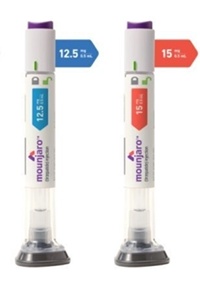
- The Ministry of Health and Welfare (MOHW) announced that it will reflect the results of the October expert advisory meeting in reimbursement criteria for Mounjaro (tirzepatide), Eli Lilly’s dual GIP/GLP-1 receptor agonist, following growing calls for its rapid inclusion under the National Health Insurance for type 2 diabetes. The ministry also stated it is working to ensure the smooth reimbursement process for Ozempic (semaglutide), Novo Nordisk’s GLP-1 receptor agonist, which was reviewed by the Drug Reimbursement Evaluation Committee in October. On the 10th, Miae Kim, a lawmaker from the People Power Party, inquired about the current status of the reimbursement application process for Mounjaro for type 2 diabetes during a written inquiry session for the Ministry of Health and Welfare's comprehensive audit. She also questioned the plans for utilizing the expedited listing system, which reflects international drug prices and reimbursement cases. According to the Ministry of Health and Welfare, Mounjaro applied for reimbursement approval in March last year and was discussed by the Drug Reimbursement Criteria Subcommittee in May of the same year. Subsequent evaluations on its reimbursement adequacy were conducted in August and December 2023, and March and June 2024 by the Cost-Effectiveness Evaluation Subcommittee. The Ministry explained, “The company applied for reimbursement of Mounjaro in March last year and is currently undergoing a review on its reimbursement adequacy. The drug is being reviewed in accordance with HIRA regulations, referencing factors such as its listing status in other countries, listed prices, and coverage criteria.” It added, “To ensure appropriate use of the GLP-1 agonists Mounjaro and Ozempic for diabetes patients, HIRA held an expert advisory meeting last October to discuss patient selection criteria and evaluation methods. The findings will be reflected in the drug's reimbursement criteria.” Rep. Seo Mi-hwa of the Democratic Party of Korea also inquired about the Ministry's stance on reviewing insurance coverage for new drugs to strengthen diabetes management. The Ministry responded, “We agree that the health insurance coverage of new diabetes drugs should be actively reviewed. Currently, GLP-1 receptor agonists Ozempic and Mounjaro are undergoing the listing process. We will closely monitor to ensure the listing process proceeds smoothly and continue our efforts to improve treatment accessibility.”
- Company
- Yuhan-Janssen Korea to jointly sell 'Leclaza + Rybrevant'
- by Son, Hyung Min Nov 11, 2025 06:08am
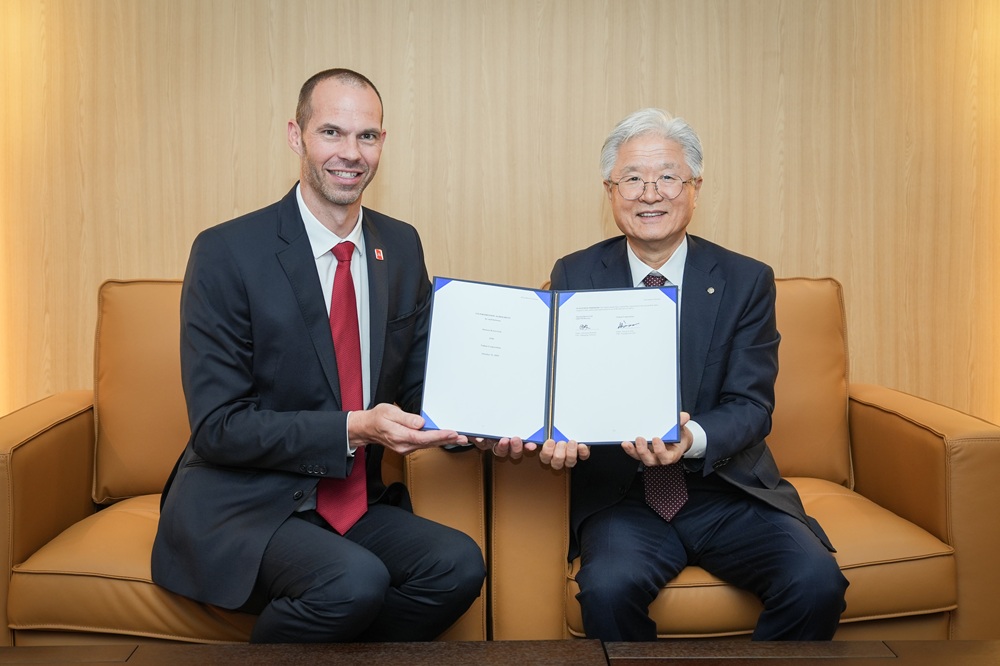
- (from left) Christian Rodseth, Managing Director of North Asia for Johnson & Johnson Johnson & Johnson's Korea-based pharmaceutical unit, Janssen Korea (CEO Chris Rodseth), announced that it will jointly conduct domestic promotion for the non-small cell lung cancer treatment combination therapy, Leclaza (lazertinib) + Rybrevant (amivantamab), with Yuhan Corporation (Yuhan). Previously, promotional activities for the Leclaza + Rybrevant combination therapy were led by Johnson & Johnson, which holds the global rights. Through this new agreement, the promotion will be conducted jointly with Yuhan. Yuhan had previously been responsible for promoting Leclaza monotherapy and will now expand its role to include co-promotion of the combination therapy. The Leclaza + Rybrevant combination therapy received approval from the Ministry of Food and Drug Safety (MFDS) this January for the first-line treatment of non-small cell lung cancer (NSCLC) with EGFR exon 19 deletions or exon 21 (L858R) substitution mutations. Christian Rodseth, Managing Director of North Asia for Johnson & Johnson's pharmaceutical sector, said, "Through this strategic partnership with Yuhan, we hope that more NSCLC patients in Korea can benefit from the treatment of this combination therapy." Rodseth added, "Johnson & Johnson is dedicated to changing patients' lives through science and innovation, and we will do our best to provide better treatment opportunities to patients based on close collaboration and communication with Yuhan." In addition to Leclaza monotherapy, for which Yuhan holds the rights and conducts promotion in Korea, Johnson & Johnson will exclusively conduct promotion for: second-line or later treatment of adult NSCLC patients with EGFR exon 19 deletion or exon 21 (L858R) substitution mutations, and first-line treatment of adult NSCLC patients with EGFR exon 20 insertion mutations. Johnson & Johnson will also supply Rybrevant exclusively.
- Company
- NSCLC standard treatment options undergo major change
- by Son, Hyung Min Nov 11, 2025 06:07am
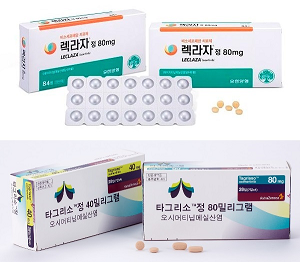
- YuhanThe Leclaza + Rybrevant combination therapy has been recommended as the first-line treatment option by the National Comprehensive Cancer Network (NCCN) guidelines, based on its clinical utility. With Tagrisso also listed as a preferred therapy in combination with platinum-based chemotherapy, combination therapy is expected to become the major strategy in first-line treatment for EGFR-positive non-small cell lung cancer (NSCLC). According to industry sources on November 8, the NCCN recently revised its NSCLC treatment guidelines, including the combination of Yuhan's 'Leclaza (lazertinib)' and Janssen's 'Rybrevant (amivantamab)' as a Category 1 Preferred, first-line recommendation for EGFR-positive NSCLC. Consequently, experts preferentially recommend combination therapy as first-line treatment when an EGFR exon 19 or exon 21 mutation is identified in NSCLC. The Leclaza + Rybrevant combination therapy, which was first listed as a general recommendation last year, achieved the significant result of being changed to a Preferred recommendation in just about a year. This opens the door to recognition of combination therapy as a Standard of Care (SOC) globally. The NCCN provides guidelines for the diagnosis, treatment, and prognosis of cancer. This organization is a federation of 32 institutions, including U.S. National Cancer Centers and research institutes, and healthcare professionals worldwide refer to NCCN as a primary guide for cancer care and treatment. The reason the Leclaza + Rybrevant combination therapy was listed as a Preferred recommendation by the NCCN is that it secured sufficient efficacy results. Leclaza is a new EGFR-positive NSCLC drug developed by Yuhan, a 3rd-generation tyrosine kinase inhibitor (TKI) targeting exon 19 and exon 21 (L858R) mutations. Johnson & Johnson secured the global rights to Leclaza and has been conducting clinical research to evaluate its efficacy in combination with Rybrevant, a targeted treatment option that targets exon 20 and the MET mutation. The final overall survival (OS) analysis of the Leclaza + Rybrevant combination therapy showed superior OS compared to 'Tagrisso (osimertinib)' monotherapy. This combination therapy is currently expected to secure the longest OS results among all pivotal clinical studies for EGFR-positive targeted therapies. In the trial, the combination therapy group showed a statistically significant improvement in survival compared with the Tagrisso monotherapy group (p< 0.005). In detail, the median OS for the Leclaza + Rybrevant group was not estimable (42.9 months-NE). In contrast, the Tagrisso group showed an OS of 36.7 months. Based on the distribution of survival indices, the Leclaza + Rybrevant group is expected to extend OS by at least 12 months compared with the Tagrisso group. These study results were recently published in the New England Journal of Medicine (NEJM), attracting significant attention from the academic community. Previously, Tagrisso monotherapy, a 3rd-generation TKI targeting EGFR exons 19 or 21, had been recommended as the Preferred treatment option in major guidelines, such as the NCCN guidelines. However, the Leclaza + Rybrevant combination therapy, which is a 3rd-generation TKI similar to Tagrisso, demonstrated superior results compared to Tagrisso monotherapy, suggesting potential changes in key cancer treatment guidelines. The Leclaza + Rybrevant combination therapy is achieving significant success in both the OS results, which were identified as the key to commercialization, and its NCCN guideline listing. As the NCCN guidelines have been revised, the Leclaza + Rybrevant combination therapy has been recommended as the first-line treatment option. Tagrisso + platinum-based chemotherapy receives the priority recommendation…combination with Rybrevant possible AstraZenecaTagrisso was also recommended as a preferred therapy in combination with platinum-based chemotherapy, alongside its monotherapy use. While Tagrisso became the SOC for first-line EGFR-positive NSCLC through monotherapy, the Leclaza + Rybrevant combination therapy joined the competition. AstraZeneca received approval for Tagrisso in combination with platinum-based chemotherapy as a first-line EGFR-positive treatment. The company aims to extend survival by using chemotherapy, previously a second-line treatment, at an earlier stage. The Tagrisso + platinum-based chemotherapy combination therapy demonstrated efficacy compared with Tagrisso monotherapy in the FLAURA2 study. The clinical results showed that the combination therapy recorded an OS of 47.5 months, longer than Tagrisso monotherapy's 37.6 months. The median Progression-Free Survival (PFS) based on the investigators' assessment was 25.5 months, an extension of 8.8 months compared with Tagrisso monotherapy at 16.7 months. AstraZeneca is confirming the possibility of combining its targeted therapies with various options. The company is currently conducting combination trials of Tagrisso with the Antibody-Drug Conjugate (ADC) 'Datroway (datopotamab)' and the targeted therapy 'savolitinib'. In addition, AstraZeneca is conducting a clinical trial in collaboration with the global Contract Research Organization (CRO) Parexel to assess the combination potential of Tagrisso and Rybrevant. The Phase 2 OSTARA study began in July 2023 and is evaluating the efficacy and safety of the Tagrisso + Rybrevant combination therapy as a first-line treatment for EGFR-positive NSCLC. With the efficacy of the Rybrevant + Leclaza combination therapy validated, AstraZeneca also plans to confirm the potential of combining Tagrisso with a targeted therapy.

- Policy
- Cancer & orphan drugs apply for reimb within 1 week of apv
- by Jung, Heung-Jun Nov 10, 2025 06:10am
- Anticancer drugs and rare disease drugs that were approved in Korea this year are racing to apply for reimbursement as quickly as within a week. Six rare/serious disease treatments approved by the Ministry of Food and Drug Safety this year are undergoing reimbursement review, excluding those subject to the approval-evaluation-negotiation system. According to industry sources on the 7th, multiple new drugs, including those designated under the Global Innovative product on Fast-Track (GIFT) scheme, are applying for reimbursement quickly after approval. Takeda Korea’s Fruzaqla (fruquintinib), which was approved in March for metastatic colorectal cancer, was submitted for reimbursement last month and is currently being assessed for clinical benefit. The drug, designated GIFT No. 20, was specifically requested for expedited coverage during this year’s NA MOHW audit as a third-line therapy for metastatic colorectal cancer. Qalsody (tofersen), Biogen’s amyotrophic lateral sclerosis (ALS) treatment and GIFT No. 31, received approval on August 20 and was immediately filed for reimbursement to expand its prescription. Imdelltra (tarlatamab), Amgen Korea’s small-cell lung-cancer drug (GIFT No. 25), was approved on May 30 and submitted for reimbursement on August 28. Augtyro (repoterrectinib), Bristol Myers Squibb’s therapy for metastatic non-small-cell lung cancer and solid tumors, followed a similar path — approved in June, filed 2 months later. Gilead Sciences’ Yescarta (axicabtagene ciloleucel), a CAR-T therapy for diffuse large B-cell lymphoma, and Janssen Korea’s Opsynvi (macitentan + tadalafil) for pulmonary arterial hypertension, both received approval in July and August, respectively, and each applied for reimbursement within just 1 week of approval. Opsynvi is now undergoing a cost-effectiveness evaluation. Industry analysts attribute this accelerated pace partly to the current administration’s policy direction under President Jae-myung Lee, which emphasizes improving patient access to orphan and severe-disease treatments. However, even with early reimbursement filings, such drugs typically face lengthy review cycles as significant time is required for clinical utility and cost-effectiveness reviews. Even if they clear the threshold of proof, a protracted drug price negotiation process remains. Currently, 33 drugs that applied for reimbursement last year and this year remain under review, suggesting fierce behind-the-scenes competition among drugs for priority listing.
- Company
- HAE treatment 'Takhzyro' closer to reimbursement
- by Eo, Yun-Ho Nov 10, 2025 06:08am
- Product photo of Takhzyro (lanadelumab) A hereditary angioedema (HAE) treatment, 'Takhzyro,' appears closer to insurance reimbursement listing, approximately five years after acquiring domestic approval in South Korea. Takeda Korea's Takhzyro (lanadelumab) has recently passed the Drug Reimbursement Evaluation Committee (DREC). This is the first achievement since receiving approval from the Ministry of Food and Drug Safety (MFDS) in February 2021. Attention has been drawn to whether Takhzyro will successfully undergo drug pricing negotiations with the National Health Insurance Service (NHIS) to become a new treatment option for the HAE area, where treatments are lacking. HAE is a rare disorder caused by dysfunction of the C1-esterase inhibitor (C1-INH) protein, resulting in recurrent, unpredictable, and sudden swelling in different parts of the body. Upper airway edema can restrict breathing and lead to asphyxiation. Gastrointestinal tract swelling can cause emergency events, such as severe pain and intestinal obstruction. Approximately 40% of patients have their first episode before age 5, and 75% before age 15. However, most individuals undergo a 'diagnostic odyssey' and receive an accurate diagnosis only as adults. This is why the number of diagnosed cases in South Korea was only 200-250 as of last year, despite an estimated total of approximately 1,000 patients. In fact, it takes an average of 19 years to get diagnosed. Even after the diagnosis, patients are exposed to unpredictable HAE attacks and emergencies. However, in South Korea, patient access to treatments that provide fundamental care has been low. Therefore, the medical field has been consistently requesting reimbursement listing for Takhzyro. It remains to be seen whether drug price negotiations with the NHIS for Takhzyro will be successfully concluded and emerge as a new treatment option for HAE, where therapeutic agents are scarce. Meanwhile, Takhzyro demonstrated efficacy in the Phase 3 HELP study. The study results showed that the group receiving Takhzyro every two weeks reduced the average monthly attack frequency of HAE attacks by 87% compared with the placebo group, while the group receiving Takhzyro every four weeks achieved a 74% reduction.
- Policy
- Budget cut 20% despite increased COVID-19 vaccine uptake
- by Lee, Jeong-Hwan Nov 10, 2025 06:08am
- The Korea Disease Control and Prevention Agency (KDCA) has cut the national immunization program (NIP) budget for COVID-19 vaccines for the 2026-27 season by 20% compared to the previous year, raising societal concern over potential drops in immunity among high-risk groups like the elderly, increased mortality risk, and the possibility of early vaccine stock depletion. Moreover, the KDCA’s 20% cut to the COVID-19 NIP budget was based on the 2023-2024 season's vaccination rate of 42%, failing to reflect the 48% rate from this season (2024-2025 season). This has drawn criticism as an administrative decision that undermines effective epidemic prevention. The National Assembly Budget Office pointed out that both the number of vaccinated individuals and the coverage rate are on the rise, and has urged the KDCA to raise its target vaccination rate and revise the budget accordingly. The Budget Office recommends increasing the budget from the government’s draft of KRW 175.8 billion to KRW 200.8 billion – a KRW 25 billion increase. On the 10th, the National Assembly Health and Welfare Committee will review the KDCA budget, including the COVID-19 vaccine NIP budget, during its plenary session. The COVID-19 vaccine NIP covers high-risk groups - persons aged 65 and older, residents in communal or institutional facilities aged 6 months to 64 years, and immunocompromised individuals – with the aim of securing immunity and preventing severe illness and death. The KDCA set the 2026 NIP budget based on a vaccination rate of 42%. But looking at recent seasons, the number vaccinated was 2.90 million (39.3%) in 2022-23; 4.10 million (41.3%) in 2023-24; and 4.97 million (47.8%) in 2024-25, it was for the 65+ age group, continuing an upward trend. The major issue highlighted by experts and the Budget Office was that, despite rising vaccine uptake, the KDCA’s budget estimate remains anchored to the 42% figure from the 2023-24 season. Given statistics showing the 2024-2025 season vaccination rate approaching 48%, experts and the Office believe that setting the budget based on an incorrect baseline will inevitably lead to early vaccine depletion if the vaccination levels stay the same or increase, making it impossible to achieve the target vaccination rate. The argument is that recognizing the vaccine budget as an investment rather than an expense and rationally increasing the budget for infectious disease response is necessary to prevent potential outbreaks among high-risk groups and increases in mortality rates. In fact, 5.3 million doses of COVID-19 vaccines were secured this year based on last year's vaccination rate. However, increased uptake due to simultaneous COVID-19 and flu vaccination campaigns by health authorities and local governments led to vaccine shortages at some medical institutions just 2 weeks after the National Immunization Program (NIP) began. The NIP is a public health investment to protect citizens' lives. Prioritizing long-term effects over short-term costs will lead to socioeconomic benefits, including reduced healthcare expenses, alleviated burden on the medical system, and maintained national productivity. Furthermore, since the 2023 declaration of endemic status, COVID-19 has continued to mutate repeatedly, with the number of hospitalized patients and mortality rates constantly being reported. According to the KDCA’s infectious disease portal sample surveillance results, the number of COVID-19 hospitalizations last year was approximately 3 times that of influenza hospitalizations. The mortality rate was also higher for COVID-19 hospitalized patients at 5.97%, compared to 3.75% for influenza hospitalized patients. In the National Assembly, lawmakers, including Representative Jin-sook Jeon and Representative Nam-hee Kim of the Democratic Party of Korea, have been scrutinizing the KDCA's unreasonable NIP budget cuts. In response, the NA Budget and Planning Office has proposed the need to increase next year's NIP budget to reflect the rising trend in COVID-19 vaccination numbers and rates. The request is to increase the budget by KRW 25 billion, raising it from the KDCA's budget of KRW 175.8 billion (based on a 42% target vaccination rate) to KRW 200.8 billion (based on a 48% vaccination rate). The Budget and Planning Office analyzed, “Considering the recent trend of increasing COVID-19 NIP vaccinated individuals and vaccination rates across all 3 seasons, there seems to be a need to increase the project budget. Calculating the budget based on raising the target vaccination rate from 42% to 48% (a 6 percentage point increase) results in an estimated KRW 200.8 billion, an additional KRW 25 billion .”

- Policy
- ‘No drugs are benefitting from Korea's dual pricing scheme'
- by Jung, Heung-Jun Nov 10, 2025 06:08am
- Although a separate contract system was introduced for dual pricing of drugs in March this year, following a Ministry of Health and Welfare notice, no drugs are currently subject to the dual drug pricing system, prompting the government to review expansion plans. The NHIS stated it is reviewing with the government on expanding the scope of drugs eligible for the separate contract system. On the 7th, Democratic Party of Korea lawmakers Young-seok Seo and Byeong-hoon So submitted written inquiries during the NHIS’s comprehensive NA audit, seeking clarification on the direction and intent behind expanding the dual pricing policy. The Ministry of Health and Welfare had enacted a new notice titled “Evaluation criteria for drugs requiring assessment based on their impact on healthcare” in March, thereby introducing the separate contract system. Rep Young-seok Seo questioned the drugs currently subject to the system and the operational plan. The NHIS responded, “To be subject to the separate contract system, a drug must satisfy all 3 conditions: being an innovative new drug developed by an innovative pharmaceutical company, being approved under the expedited review system, and having undergone domestic clinical trials. Currently, there are no drugs that meet all the criteria. It added, “We are reviewing with the government and other stakeholders the expansion of drugs subject to the separate contract system to facilitate the early introduction of innovative new drugs for patient treatment access.” Representative Byeong-hoon So inquired about plans for expanding the dual pricing system. He also questioned whether plans exist to ensure fiscal stability when expanding the refund-type contract system. The NHIS stated, “Considering the enhancement of health insurance sustainability and the promotion of an innovative industrial ecosystem, we will consult with the government to improve the drug listing system, including expanding the separate contract system, and establish a balanced roadmap.”
- Company
- GSK seeks reimb for self-injectable form of its asthma drug
- by Eo, Yun-Ho Nov 07, 2025 06:17am
- The self-injectable formulation of the antibody drug ‘Nucala’ is aiming to enter Korea’s insurance reimbursement system. GSK Korea recently filed for insurance reimbursement of its Nucala Autoinjector (mepolizumab), an anti-IL-5 (interleukin-5) antibody for treating eosinophilic diseases. Nucala Autoinjector was approved in Korea last March and was released as a non-reimbursed drug this month after securing a distribution network and supply volume. It remains to be seen whether Nucala, which has established its position in the field of eosinophilic asthma, can successfully secure reimbursement coverage for the new formulation upon its launch and expand its influence in Korea. The new autoinjector formulation is approved not only for severe eosinophilic asthma in adults and adolescents (12 years and older), but also ▲ eosinophilic granulomatosis with polyangiitis (EGPA) in adults, and ▲ hypereosinophilic syndrome (HES) in adults. This medication is a self-administered injection used to treat eosinophilic diseases. It is indicated as add-on maintenance therapy in adolescents and adults aged 12 years and older with severe eosinophilic asthma (SEA), as add-on maintenance therapy in adult patients with eosinophilic granulomatosis with polyangiitis (EGPA), and as add-on maintenance therapy in adult patients with hypereosinophilic syndrome (excluding HES, FIP1L1-PDGFRα positive patients). The autoinjector formulation enables patients to self-administer injections conveniently at home. This is evidenced by a self-injection success rate exceeding 96%, high patient preference, and ease of use. Meanwhile, Nucala has been enhancing its competitiveness by securing an indication for chronic obstructive pulmonary disease (COPD). The drug obtained additional approval from the U.S. FDA in May as an “add-on maintenance therapy for adult patients with COPD with an eosinophilic phenotype.” This approval was based on the results of the Phase III MATINEE and METREX studies. In these studies, among a broad spectrum of COPD patients with an eosinophilic phenotype, the Nucala treatment group showed a significantly lower annual rate of moderate-to-severe exacerbations compared to the placebo group.
