
- LOGIN
- MemberShip
- 2026-04-25 16:15:55
- Policy
- Bambec to withdraw from Korean mkt after 31yrs
- by Lee, Tak-Sun Dec 12, 2025 07:54am
- Bambec 10mg (bambuterol hydrochloride), used for asthma, is being withdrawn from the domestic market. This is a strategic withdrawal made by a multinational pharmaceutical company in response to declining competitiveness.Yuhan Corporation reported the discontinuation to the MFDS on December 10, noting that the final supply date was October 31.The company stated, “The discontinuation occurred following AstraZeneca Korea’s decision to cease sales, which led to the termination of the contract manufacturing agreement.”Approved in August 1994, Bambec had been sold in Korea for more than three decades. It is a long-acting β-adrenoceptor agonist (LABA) used for bronchial asthma, chronic bronchitis with bronchospasm, pulmonary emphysema, and other respiratory diseases.In recent years, combination therapies have dominated asthma and COPD treatment, reducing the market need for LABA monotherapy products and weakening their market competitiveness. According to UBIST data, Bambec's outpatient prescription sales reached KRW 1.4 billion in 2024.AstraZeneca sells other respiratory drugs in Korea besides Bambec, including Daxas, Pulmicort, and Symbicort. Compared to other products, Bambec’s sales performance is relatively low, and this relatively small market performance likely contributed to the global headquarters’ strategic decision to discontinue sales.Fortunately, generic versions remain available, so the discontinuation of the original drug is unlikely to create a significant gap. Generic versions with the same ingredients and formulation include Chong Kun Dang’s Asterol, Medica Korea’s Bambi, and Ildong Pharmaceutical's Bambutol.
- Company
- Cardiomyopathy indication added to Amvuttra
- by Eo, Yun-Ho Dec 12, 2025 07:54am
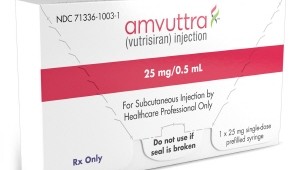
- The RNAi therapy Amvuttra may be additionally approved to be used for ATTR-CM.The Ministry of Food and Drug Safety (MFDS) is currently reviewing expanding the indication for Amvuttra (vutirisiran), developed by Alnylam and introduced by Medison Pharma Korea, to treat transthyretin amyloid cardiomyopathy (ATTR-CM).Amvuttra was first approved in Korea in November 2023 as a treatment for transthyretin familial amyloid polyneuropathy (hATTR-PN).Administered as a single subcutaneous injection every 3 months, Amvuttra targets and silences specific messenger RNA, blocking the production of both wild-type and hereditary transthyretin (TTR).The drug’s efficacy in ATTR-CM was demonstrated through the Phase III HELIOS-B study.Designed as a randomized, double-blind, placebo-controlled, multicenter, global clinical trial, the study included diverse patients, including those previously treated with standard therapies such as Vyndaqel (tafamidis) and sodium-glucose cotransporter-2 (SGLT-2) inhibitors.Study results showed that Amvuttra significantly reduced the risk of all-cause mortality or recurrent cardiovascular events by 28% compared to placebo in patients with ATTR-CM. Furthermore, the risk of all-cause mortality or recurrent cardiovascular events was reduced by 33% in the group receiving only Amvuttra without Vyndaqel.ATTR-CM is a systemic protein deposition disorder caused by structural instability of transthyretin (TTR).TTR is a tetrameric transport protein primarily synthesized in the liver, responsible for stabilizing and transporting thyroid hormones and vitamin A. However, when genetic mutations or age-related changes destabilize the protein, the tetramer dissociates into monomers. These monomers then misfold and convert into insoluble amyloid fibers with a β-sheet structure. The accumulated amyloid fibers deposit in various organs, causing structural damage and functional decline.Meanwhile, Medison Pharma is currently working toward reimbursement listing for Amvuttra’s hATTR-PN indication. The drug recently passed the Drug Reimbursement Evaluation Committee review on December 4 and is now set to enter pricing negotiations with the National Health Insurance Service.
- Opinion
- ADCs in the frontline in triple-negative breast cancer
- by Son, Hyung Min Dec 12, 2025 07:54am
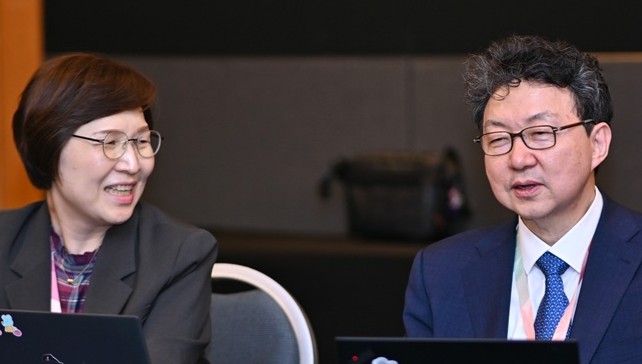
- “In the metastatic stage, nearly half of breast cancer patients still do not survive beyond five years. A significant number of HER2-overexpressing patients experience disease progression within two years after first-line treatment, and those with triple-negative breast cancer (TNBC) relapse even faster due to the lack of targeted treatment options. Ultimately, providing stronger therapeutic options earlier in the treatment sequence is key to improving survival.”Professors Sung-Bae Kim (Medical Oncology, Asan Medical Center) and Kyong-Hwa Park (Medical Oncology, Korea University Anam Hospital) stressed the above during an interview with journalists at ESMO Asia 2025 in Singapore, noting that the greatest unmet need in metastatic breast cancer is redefining effective first-line treatment strategies.(from the left) and Professor Kyong-Hwa Park (Medical Oncology, Korea University Anam Hospital), Professor Sung-Bae Kim (Medical Oncology, Asan Medical Center)For metastatic breast cancer, the realistic goal remains not a cure, but how long and how well patients can endure. This is because while the 5-year survival rate for early-stage breast cancer exceeds 99%, the 5-year survival rate for patients diagnosed at the metastatic stage is only about 49%. In particular, the subtype and treatment strategies for metastatic breast cancer are completely divided based on HER2 and hormone receptor (HR) expression, with distinct unmet needs remaining for each subtype.For HER2-positive breast cancer with HER2 overexpression, survival extension has been achieved over the past decade with the so-called ‘THP regimen’ (taxane + Herceptin (trastuzumab) + Perjeta (pertuzumab)). However, in reality, disease progression occurs within two years in a significant number of patients, and brain metastases develop in about 25%, highlighting its limitations.The most aggressive subtype, triple-negative breast cancer (TNBC), which lacks expression of HER2, HR, and estrogen receptors, has a high rate of distant metastasis within 5 years of diagnosis and a sharply elevated risk of recurrence between 1-2 years post-diagnosis. However, the limited availability of targetable therapies remains a significant challenge.As a result, the importance of frontline therapy is becoming increasingly important in the field. In metastatic breast cancer, drug treatments tend to show a clear decline in efficacy as treatment lines progress. This means that the effectiveness of therapies deployed in the earlier treatment sequence, when patients are in relatively good condition, can significantly influence the overall survival curve.In the DESTINY-Breast09 trial, the HER2-targeted antibody-drug conjugate (ADC) ‘Enhertu (trastuzumab deruxtecan)’ extended progression-free survival (PFS) by approximately 1.5 times (40.7 months) compared to the THP regimen, which has been the first-line standard for HER2-positive metastatic breast cancer for over a decade, signaling a paradigm shift in first-line treatment. Particularly noteworthy is its consistent benefit even in high-risk subgroups, such as those with brain metastases or PIK3CA mutations.Signs of change also emerged in TNBC. Until now, only a subset of PD-L1-positive TNBC patients could receive immunotherapy, while the remaining 60-70% of patients had to rely on cytotoxic anticancer drugs, which are highly toxic and frequently develop resistance. The Trop-2-targeted ADC ‘Datroway (datopotamab deruxtecan)’ emerged as a key first-line ADC-based option in this field. In the Phase III TROPION-Breast02 trial, it significantly improved both PFS and overall survival (OS) compared to standard cytotoxic chemotherapy in the first-line treatment of metastatic TNBC patients ineligible for immunotherapy.Professors Kim and Park concurred that ADCs are demonstrating strong efficacy in key areas of breast cancer, signaling that the time has come to shift treatment strategies.Q. The treatment line of Enhertu has been pulled forward to first-line treatment based on the DESTINY-Breast09 study. What is the clinical significance of this study?Professor Park: Approximately 25% of HER2-positive metastatic breast cancer patients develop brain metastases, and THP has limitations in preventing or treating this. PIK3CA mutations also predict shorter PFS. Furthermore, biomarker-related clinical studies show that patients with resistance genes like PIK3CA mutations exhibit slightly shorter PFS compared to those without such mutations.In this context, Enhertu, which achieved significant benefits as a second-line treatment for HER2-positive metastatic breast cancer, has now been moved forward to first-line therapy. In the DESTINY-Breast09 trial, Enhertu demonstrated an unprecedented PFS of 40.7 months when used as first-line treatment. Furthermore, the study included approximately 10% of patients with pre-existing brain metastases and patients with PIK3CA mutations. Enhertu consistently demonstrated superior efficacy compared to existing first-line treatments across all patient subgroups. It is anticipated to provide clear therapeutic benefits in patient populations with significant unmet medical needs.Q. If Enhertu is introduced as first-line therapy in practice, how should its treatment strategy be established?Professor Sung-Bae Kim (Medical Oncology, Asan Medical Center) Professor Kim: We should use the therapy proven to be most effective. THP remains effective, and Enhertu carries an ILD risk in approximately 10% of patients. THP (which includes the cytotoxic agent taxane) is typically given for 6–8 cycles to maximize tumor reduction, but maintaining only trastuzumab and pertuzumab therapy after 6 cycles of THP therapy can extend survival by more than 12 months.Nevertheless, the fact that Enhertu has clearly surpassed THP therapy carries great significance. Furthermore, since HER2-positive breast cancer is inherently an aggressive type, Enhertu is likely to be the preferred initial therapy. Establishing subsequent maintenance treatment strategies is a separate issue. Professor Park: THP can offer an excellent quality of life in select patients. Although not approved in Korea, for HER2-positive, hormone receptor-positive cases, hormone therapy can be added while maintaining Herceptin and Perjeta. Furthermore, the recently published PATINA study confirmed that adding a CDK4/6 inhibitor significantly prolongs PFS, generating considerable expectation.While Enhertu has good therapeutic efficacy, there are some concerns regarding quality of life as well. Even if Enhertu is introduced as a first-line treatment with reimbursement in actual clinical practice, not every patient will need it in the first line. Ultimately, a strategic, individualized approach is essential. Q. Which patients should receive the Enhertu+Perjeta combination therapy first?Professor Park: Patients with CNS metastases from the outset or those with PIK3CA mutations are known to have slower responses or develop resistance more quickly. Patients like this, who have extensive metastases at diagnosis and a high tumor burden, need rapid tumor reduction. In these cases, the Enhertu+pertuzumab combination therapy can achieve faster tumor reduction compared to the existing THP regimen, and I believe it can be a more preferred therapy for this patient group.Professor Kim: In the pivotal CLEOPATRA trial for the THP regimen, less than 10% of participants had previously received trastuzumab as adjuvant therapy. If Herceptin was used as prior adjuvant therapy, but recurrence still occurred, the disease could be considered more aggressive. The DESTINY-Breast09 study included such patients and still achieved a PFS of 40.7 months, making the combo’s significance even greater.Q. How will the first-line standards change if the Enhertu combination therapy gains approval and reimbursement in Korea? Also, what is the likelihood of its reimbursement?Professor Park: If Enhertu is approved as first-line therapy, the decision will ultimately depend on the patient's situation. In Korea, if Enhertu becomes reimbursed in the first line, patients might feel they'd be at a disadvantage if they don’t use it, leading many to want it. However, using THP therapy first doesn't eliminate the opportunity to use Enhertu later. Therefore, a thorough discussion with the patient and their family is necessary to determine which treatment to use first, considering factors like underlying diseases or quality of life. Personally, I would likely use THP therapy first in HER2-positive, hormone receptor-positive patients, except in special cases like brain metastases, PIK3CA mutations, or high tumor burden. This is because if THP therapy is effective, adding the PATINA regimen (Ibrance(palbociclib) maintenance therapy) can sustain efficacy for a considerably long period. However, if the patient is HER2-positive or has a high tumor burden requiring rapid symptom relief, I would likely use Enhertu first.Professor Kim: The recent DESTINY-Breast11 study compared neoadjuvant Enhertu (4 cycles) followed by THP (4 cycles) vs. cytotoxic chemotherapy (4 cycles) followed by THP (4 cycles). The Enhertu group showed a higher rate of pathological complete response (PCR), particularly in the hormone receptor-negative breast cancer subgroup, where PCR was reported at 83.1%.Also, the DESTINY-Breast05 study reported favorable outcomes when Enhertu was administered for an additional 14 cycles to patients who did not achieve PCR after neoadjuvant therapy. In such cases, if both approaches demonstrate efficacy, a dilemma may arise regarding the optimal treatment sequence. The principle is to make decisions considering the patient's overall situation. Generally, the more effective treatment will eventually be moved to an earlier stage.Q. I'd like to follow up on the Dartroway question. It's said that about 70% of TNBC patients cannot use immune-oncology drugs. Why do so many patients not respond to these drugs? I'm curious if the same goes for other cancer types, or if this is a characteristic unique to triple-negative breast cancer.Professor Kyong-Hwa Park (Medical Oncology, Korea University Anam Hospital)Professor Park: The situation has completely changed with the advent of ADC (Antibody-Drug Conjugate) drugs, which deliver the drug much more precisely. The drug being carried by the ADC was also a new agent not previously used in breast cancer treatment, and its mechanism kills cancer cells much more effectively than conventional chemotherapy drugs. Therefore, the synergy between immuno-oncology drugs and ADCs has improved the efficacy of breast cancer treatment.Particularly for PD-L1-negative patients, only cytotoxic anticancer drugs were available until now, but even these couldn't be used long-term due to toxicity, and PFS was only around 4-5 months at best. Furthermore, many patients passed away after just 2-3 treatments, resulting in an OS of just over a year. However, with the advent of the innovative ADC anticancer drug, a clear survival extension effect has now been confirmed. Datroway, in particular, demonstrated this effect for the first time in the TROPION-Breast02 study.Professor Kim: mmunotherapy efficacy depends on PD-L1 expression, which is present in only 30–40% of TNBC. The remaining 60-70% of patients without PD-L1 expression have no choice but to use conventional cytotoxic anticancer drugs.Fundamentally, ADCs appear effective because they selectively target cancer cells. Previously, 60-70% of TNBC patients who were PD-L1 negative and thus unable to use immune-oncology drugs posed a problem. Recently developed ADC anticancer drugs target TROP2, which is expressed in most cancers and is relatively more prevalent in triple-negative breast cancer, making it a promising target. The emergence of these ADC anticancer drugs has created treatment opportunities for patients who previously could not use immune checkpoint inhibitors. Q. I understand that recent discussions are leaning toward using Enhertu if there is even minimal HER2 expression. I'm curious how this discussion might change if Datroway becomes available.Professor Park: Enhertu has not been studied as a first-line treatment in TNBC patients. If a patient has already used one other anticancer drug and shows even minimal HER2 expression, Enhertu can be considered based on findings from the DESTINY-Breast04 study. Currently, for first-line treatment of TNBC, TROP2 ADC is the only option with clinical trial data-based evidence, so the introduction of Datroway will be a new treatment option that has been previously unavailable.Professor Kim: Based on the DESTINY-Breast04 study, if the disease progresses after using cytotoxic chemotherapy and there is even minimal HER2 expression, Enhertu can be used, though it is not yet reimbursed. Alternatively, it can be used after one course of cytotoxic chemotherapy following hormone therapy. For hormone receptor-positive breast cancer, using Enhertu before cytotoxic chemotherapy, after hormone therapy, is supported by the DESTINY-Breast06 study.Q. For PD-L1-negative patients, two ADC options appear available. In a situation where one drug has OS data, and the other only has PFS2 data, should the drug with OS benefit be considered more valuable?Professor Kim: A similar example is Kisqali (ribociclib) versus Verzenio (abemaciclib) in the adjuvant setting. Kisqali started development earlier and could demonstrate OS data, while Verzenio, developed later, faced difficulties in providing OS data. Therefore, ribociclib, which showed benefits in both PFS and OS, was considered the gold standard. Given the same cost, it was reasonable to choose the treatment with confirmed OS evidence.Some argue that simply preventing cancer recurrence is meaningful enough, so meeting the primary endpoint has significance. Later, Kisqali and Verzenio were indeed found to have similar OS levels. However, since OS is the most critical indicator, under identical conditions, this patient would prefer a treatment with a confirmed improvement. Additionally, confirming treatment benefit through OS can also help secure reimbursement.Professor Park: In Korea, reimbursement status primarily influences treatment selection.Q. If Datroway is introduced in Korea, what role do you think it will play in TNBC treatment?Professor Kim: Datroway can be used for patients who relapse within 6 months after treatment or within 12 months of disease-free survival. For TNBC patients, it's necessary to first confirm whether recurrence occurred within one year. Dartroway's advantage lies in its slightly different criteria in terms of recurrence compared to existing treatments.Professor Park: The situation Professor Kim mentioned represents the patient group most urgently in need of ADCs. However, the currently available ADC anticancer drug for triple-negative breast cancer in Korea, sacituzumab govitecan, cannot be used in that specific situation. Therefore, the current approach involves first administering other treatments whose efficacy is uncertain, followed by sacituzumab govitecan as a second-line therapy. Once Datroway is introduced in Korea, it may be able to fill this treatment gap.
- Company
- AZ "Expanding Asia-based evidence…solid cancer trt options"
- by Son, Hyung Min Dec 11, 2025 08:40am
- AstraZeneca (AZ) highlighted the importance of building clinical evidence and a research network in Asia while presenting new therapeutic options across major solid tumor area.The company announced that it aims to have its treatments administered to one in three liver cancer patients, one in three bile duct cancer patients, and one in seven gastric cancer patients by 2030, emphasizing that Asia is the core driver of this vision. AstraZeneca explained that 60–70% of patients participating in its gastrointestinal (GI) cancer clinical trials are recruited from Asia, and with approximately 50 research sites operating across the region, Asia is playing a central role in global development.명이다. Key data unveiled for breast, lung, and GI cancers..."Survival improvement consistent in Asian patients"According to industry sources on December 10, AstraZeneca held a media briefing at the recent European Society for Medical Oncology Asia (ESMO Asia 2025) annual meeting in Singapore. Senior global executives from AZ uniformly stated that Asia is emerging as the central axis for new drug development, clinical evidence generation, and early diagnostic technology, moving beyond being just a participating region.From left, Eldana Sauran, Asia Oncology Director, Sylvia Varela, Vice President for AstraZeneca, Mark Sims, Vice President for AstraZeneca, Katy Miller, Vice President for AstraZeneca, Osama Rahma, Vice President for AstraZenecaThe executives particularly emphasized that the research disclosed at the conference, focusing on cancers with high incidence and unmet clinical needs in Asia, including lung, breast, and gastrointestinal cancers, will become "the evidence driving future changes to the global standard of care."AstraZeneca summarized and shared the latest data presented at the conference across major cancer types, including HER2-positive breast cancer, triple-negative breast cancer (TNBC), EGFR-mutated lung cancer, and early-stage gastric, liver, and bile duct cancers.First, in breast cancer, the key updates included ▲the potential of 'Enhertu (trastuzumab deruxtecan) + Perjeta (pertuzumab)' as a first-line therapy for HER2-positive metastatic breast cancer ▲Enhertu's role in the neoadjuvant preoperative setting ▲survival improvements demonstrated by 'Datroway (datopotamab deruxtecan)' in PD-L1-negative TNBC patients. It was strongly highlighted that the effects observed in the Asian patients were consistent with global findings.Sylvia Varela, Vice President for AstraZeneca, explained, "The Enhertu-based combination therapy in HER2-positive metastatic breast cancer showed the potential to surpass the limitations of the existing standard of care, and Datroway showed survival improvement in first-line triple-negative breast cancer, where immunotherapy is challenging. The shift towards ADC-centric treatment in breast cancer is fully underway."For lung cancer, clinical data were released concerning Asian patient characteristics, where EGFR mutations are particularly prevalent.Mark Sims, Vice President for AstraZeneca, noted that the 'Phase 3 NeoADAURA' study of neoadjuvant Tagrisso confirmed maintenance of patient quality of life and the Phase 3 'FLAURA2' study (Tagrisso + chemotherapy) achieved a median Overall Survival (OS) of nearly 4 years.Sims assessed, "The strategy of moving therapeutic intervention to an earlier stage, from early-stage disease to metastatic disease, is yielding definitive results in Asian patients as well. Furthermore, consistent PFS improvement was reported in the Asian subgroup analysis for the savolitinib combination strategy targeting MET resistance mechanisms."For major GI cancers, including gastric, liver, and bile duct cancers, positive data for the immune checkpoint inhibitor 'Imfinzi (durvalumab)' were also presented across. Key studies included ▲MATTERHORN study, which demonstrated a new treatment axis in early-stage gastric cancer ▲SIERRA study, which confirmed therapeutic benefit for patients with hepatocellular carcinoma (liver cancer) with high unmet needs ▲TOURMALINE study, which demonstrated additional potential for the Imfinzi + gemcitabine combination.Katy Miller, Vice President for AstraZeneca, stressed, "A total of four GI-related studies were selected for oral presentation at ESMO Asia. This clearly demonstrates the high level of interest the oncology community has in these disease groups, and how critical these diseases are in the Asian region."Strengthening next-generation platform, precision medicine, and combination strategiesGiven the high cancer burden in Asia, AstraZeneca stated that the region will also be the center of development for next-generation oncology platforms.AstraZeneca presented its multi-mechanistic pipeline, including ▲next-generation ADCs (HER2, CLDN18.2) ▲the TIGIT-based bispecific antibody rilvegostemab ▲GPC3 CAR-T and T-cell engagers ▲next-generation PARP and PRMT5 inhibitors, and EGFR/MET-targeted radioconjugates. The core strategic directions presented were 'early stage intervention, precision targeting strategies, and presenting new combination possibilities to overcome resistance.AstraZeneca hosted a media briefing at the ESMO Asia 2025 event in Singapore to share its vision.Through this presentation, AstraZeneca clearly affirmed that Asia will play a decisive role in the future global oncology ecosystem.Since 60–70% of clinical trial participants are recruited from Asia and the majority of research is based on Asian data, evidence from Asia is expected to become even more important in future drug approval and reimbursement discussions.Osama Rahma, Vice President for AstraZeneca, stated, "We aim to move effective treatments to the earlier stages of the disease, because the earlier we intervene, the closer we can lead more patients to a cure," and added, "60–70% of patients participating in GI cancer clinical trials are recruited from Asia, and approximately 50 active clinical trial sites are operating across the region. We will continue our close collaboration with researchers and clinicians throughout Asia."VP Varela stated, "The proportion of cancer patients in Asia is continuously increasing. Cancer burden in Asia is expected to grow further due to population growth, aging, industrialization, increased exposure to environmental and occupational carcinogens, and lifestyle changes," and emphasized, "AstraZeneca aims to launch 20 new medicines by 2030, half of which are in oncology. Our vision is to eliminate cancer as a cause of death through therapeutic innovation and achieve health equity by improving access to diagnosis, treatment, and early detection."
- Company
- Oral ALS drug 'Radicut Suspension' wins nod in KOR
- by Eo, Yun-Ho Dec 11, 2025 08:39am
- The oral formulation of the Amyotrophic Lateral Sclerosis (ALS) treatment, 'Radicut', has been commercialized in South Korea.The Ministry of Food and Drug Safety (MFDS) granted final marketing approval on December 10 for Tanabe Pharma Korea's Radicut (edaravone) Oral Suspension, an ALS treatment.The advantage of the Radicut oral suspension is that it reduces the burden on patients by decreasing the number of required hospital visits and minimizing discomfort compared to the existing intravenous (IV) formulation.This drug was designated for Accelerated Approval by the U.S. FDA in October 2019 and was subsequently approved in May 2022. In countries like the U.S., the Radicut oral suspension is marketed under the product name 'Radicava'.The suspension formulation of Radicut significantly shortens the administration time compared to the IV injection. While the IV formulation requires the infusion of two ampules (60 mg edaravone) diluted in normal saline over 60 minutes once daily, Radicava ORS takes only a few minutes to administer.Tanabe Pharma conducted a comprehensive clinical development program for both the intravenous and oral formulations of edaravone over more than 10 years. The approval of Radicut oral suspension was based on data from multiple studies, including the Phase 3 clinical trial MCI186-19, which evaluated 137 patients with ALS.Notably, the MCI186-19 study measured the ALS Functional Rating Scale-Revised (ALSFRS-R), a validated assessment tool for monitoring disease progression, at Week 24. The oral suspension group showed a 33% slower decline in physical function compared to the placebo group.In addition, Tanabe Pharma conducted seven Phase 1 clinical pharmacology studies to investigate the pharmacokinetics, safety, drug interactions, dosage, bioavailability, and bioequivalence of Radicava ORS in healthy subjects and in ALS patients with or without a Percutaneous Endoscopic Gastrostomy (PEG) tube or a Nasogastric (NG) tube.Furthermore, a 24-week global Phase 3 clinical trial demonstrating the safety and tolerability profile of 'Radicava ORS' treatment in 185 ALS patients was also conducted. A Phase 3 clinical study evaluating the long-term safety and tolerability for up to 96 weeks is currently ongoing.

- InterView
- [Reporter's View] Generic price cuts…SME status
- by Choi Da Eun Dec 11, 2025 08:39am
- The price reduction of generic drugs in South Korea is once again putting severe pressure on small and medium-sized pharmaceutical companies. If the proposed price cuts are implemented, small and medium-sized pharmaceutical companies that heavily rely on generic sales will face greatest impact. For these companies, where over 70% of revenue comes from generics, a reduction of over 10% in drug prices could threaten their foundation.Drug pricing policy has been continually strengthened to ensue the sustainability of the National Health Insurance fund. Significant price reductions began in 1999 when the government reformed the drug reimbursement system, lowering prices for listed pharmaceuticals by an average of 30.7%. This was followed by the 'Drug Expenditure Rationalization Plan (DERP)' in 2006, which reduced the price of generics from 80% to 68% of the original product price.As high-cost drug usage and the launch of generics expanded in the late 2000s, concerns over the health insurance fund's financial deterioration intensified. The government undertook a major reform of the drug pricing system in 2012. This action eliminated the 'step-wise drug pricing system,' which gradually lowered prices based on the generic's market entry rank, and implemented a 'Comprehensive Price Reduction,' unifying the ceiling price for both off-patent original drugs and generics to 53.55% of the original price.Recently, the reform announced by the Ministry of Health and Welfare includes a plan to secure funding to improve access to innovative new drugs by further reducing generic prices. It is intended to lower the existing generic price standard from 53.55% to the 40% range. The government aims to implement this change in the latter half of next year.The limitation of the generic industry has long been predicted. The companies that are hit first and hardest by these price cuts are the domestic small and medium companies that lack robust R&D or global business foundations. Many firms introduced identical-component, identical-formulation products, fragmenting the market. Now, increased manufacturing costs in addition to further price cuts have severely dropped profitability.Excluding companies with high reliance on Contract Development and Manufacturing Organization (CDMO) or non-reimbursed products, the average operating profit margin for 100 domestic pharmaceutical companies over the last three years was a merely 4.8%, with a net profit margin of only 3%.The problem in these drug pricing reforms is simply focusing on reducing government health insurance expenditure. Conversely, the strategic support framework for the industry following these price cuts remains vague and ambiguous. While the government supports the pharmaceutical and bio industry as a future driver, it appears indifferent to the harsh realities facing the companies that are behind it. Current pricing regulations effectively become a price pressure mechanism that forces smaller companies out of the market first.The most significant expected adverse effects of the price reductions are cuts in R&D spending and corporate restructuring. Companies facing immediate operational cost depletion and severe financial distress will likely view R&D as a luxury, inevitably leading to a reduction in demand for specialized personnel. The market reality and policy objectives are clearly flawed and clash.Of course, pharmaceutical companies must also adjust their portfolios and profit strategies to cope with government regulatory pressure. For instance, they must maintain generic-based revenue while aggressively cutting down lower-profit items. If R&D burden is high, a cost-diversified research approach is necessary, such as through collaboration utilizing AI, platform technologies, and external R&D partnerships.It is difficult to deny that price reduction is a tool for stabilizing the health insurance fund and that more resources should be allocated to innovative new drugs. However, the approach of solving the problem solely through price cuts is overly simplistic. If financial efficiency directly undermines industry competitiveness, it will only worsen profit polarization among pharmaceutical companies, leaving the government's vision for the pharmaceutical industry a mere illusion.

- Policy
- RSA Collateral calculation method under review
- by Jung, Heung-Jun Dec 11, 2025 08:39am
- The National Health Insurance Service (NHIS) is currently reviewing improvements to the collateral calculation method for the refund-type risk-sharing agreement.Setting collateral in risk-sharing contracts is a crucial safeguard to secure claims in case refund obligations are not met. While a formula exists for setting the collateral amount, shortcomings were identified in some newly established RSA types, prompting NHIS to review improvements.According to industry sources on the 9th, this year’s NHIS audit highlighted deficiencies in the collateral calculation method for certain RSA types. The NHIS was advised to establish alternatives that would secure unpaid refund amounts for risk-sharing types lacking a collateral calculation formula.The NHIS's collateral-related operations are governed by the “Detailed Operational Guidelines for Drug Price Negotiations under Risk-Sharing Agreements.” Article 13 of the guidelines stipulates that the NHIS must receive collateral from companies to ensure the fulfillment of contractual obligations.Furthermore, the collateral amount is calculated using a separate formula, and the amount can be adjusted based on the type, the expected reimbursement amount, and the level of uncertainty.The collateral calculation methods are broadly categorized and specified in the guidelines as: ▲Conditional sustained treatment and refund hybrid type ▲Total expenditure cap type ▲Refund type ▲Patient-Unit usage cap type. For example, the Total expenditure cap type sets collateral at expected claim amount × refund rate × 30%.Within the RSA refund type, ▲the outcome-based reimbursement type is a newly added category for which no standardized calculation method is defined in the guidelines.According to the NHIS, the type of guarantee calculation formula identified as inadequate during the audit is the ‘outcome-based reimbursement type’. The NHIS stated it is currently under internal discussion and plans to revise the guidelines if necessary.An NHIS official explained, "The guidelines lack a calculation formula for the outcome-based reimbursement type. Internal discussions are ongoing, and revisions will be made to the guidelines if necessary."The outcome-based refund type is a contract type in which the applicant refunds a certain percentage of the total claim amount to the NHIS if the treatment effect set for each treated patient is not achieved after tracking and observing the treatment effect over a specified period.The outcome-based refund type is applied to some ultra-high-priced drugs, including Kymriah and Zolgensma.

- Policy
- Korea’s pharma industry: 20 years of rebate competition
- by Lee, Jeong-Hwan Dec 10, 2025 08:49am
- An argument has been raised that even if generic drug prices are cut, fostering generic drug companies capable of achieving economies of scale in selected therapeutic areas will increase the likelihood of the domestic pharmaceutical industry's global expansion.The logic is that unless the industry structure, in which many pharmaceutical companies produce and sell a little bit of every ingredient's generic version in a multi-product, small-volume production model, is reformed, the repetitive, destructive rebate competition among pharmaceutical companies will inevitably continue.There was also a suggestion that government policy must follow to prevent generic drug price reductions from leading to supply instability for certain generics.On the 5th, Professor Sung-min Park of Seoul National University's Graduate School of Public Health expressed concern at a National Assembly forum on drug pricing policy reform, stating, “Korea’s generic price competition has been distorted for decades and has instead manifested as rebate competition.”Professor Park's view is that the problem, where a higher market share is gained by higher generic prices, resulting in low drug expenditure savings from generic use, has persisted for 20 years. Consequently, the means of generic competition continues to be rebates to prescribing physicians rather than price reductions.Professor Park pointed out, “As sanctions against illegal rebates intensified, the practice became more covert to evade detection. While the margin rate for general wholesalers is 6%, CSO commission rates range from 40% to 50%, and can even reach 100%. The structure requires sales practices that benefit prescribers to secure generic prescriptions.”He stressed, “Korean generic companies have no real competitive tools besides rebates, being forced into rebate wars. Rebate competitiveness is far easier to achieve than price or quality competitiveness. This leads to an increase in small and micro pharmaceutical companies.”Professor Park proposed that the government should focus on creating a generic industry structure where economies of scale operate as a solution to these problems.Professor Park's solution is to transform the domestic generic industry, currently characterized by domestic-focused, multi-item, small-volume production, into an export-driven industry producing consumer goods like cosmetics and automobiles.Professor Park explained, “In the sheltered environment without genuine price competition, Korea's generic industry has many companies producing a little of this and that for the domestic market. Generic companies may be highly competitive in terms of rebates because they work hard to win sales. However, rebate competition that drives domestic prescription is meaningless in the global market.”Professor Park elaborated, “Even if we build competitiveness by supporting companies through methods like paying 40-50% commissions to CSOs, giving special margins to wholesalers who pay upfront, donating to hospital-related foundations, or setting up booths and paying fees at medical conferences, exporting domestic generics overseas remains a distant prospect. For the generic industry to become an export industry, it must achieve economies of scale that allow for price and quality competitiveness.”He noted, "We should refer to Japan's Ministry of Health, Labour and Welfare's generic pharmaceutical industry policy. MHLW categorizes generic companies into two types: general trading company-type firms with high market share, numerous product lines, and overall improved productivity; and specialized domain-focused companies leading specific areas and concentrating on products where they have strengths to secure productivity. Japan concluded that limiting competition to about 5 companies per active ingredient is optimal for a stable supply.Professor Park added, “While lowering generic drug prices, we must foster generic companies to achieve economies of scale across numerous items or in specific areas of strength, enabling global expansion. We must also be cautious that generic drug price reductions do not lead to supply instability for certain generics. We must not repeat the major disruption caused by the acetaminophen shortage during COVID-19.”
- Policy
- Revaluations for herbal medicines begin in earnest
- by Lee, Tak-Sun Dec 10, 2025 08:48am
- Some herbal preparations are entering comparative clinical trials for equivalence reevaluations.This comes one year after the Ministry of Food and Drug Safety announced the reevaluation of herbal preparations’ reimbursement last December, indicating how long it took for clinical trial protocols to be approved.According to industry sources on the 9th, the MFDS recently approved two clinical trial protocols submitted by manufacturers of Pelargonium sidoides extract tablets for equivalence reevaluations.The original brand for Pelargonium sidoides is Hanwha Pharma’s Umckamin, used for acute bronchitis.The approved clinical trials are reportedly led by Dasan Pharma and Genuone Sciences.Currently, 30 Pelargonium sidoides tablet products maintain marketing authorization (excluding export-only products). Of these, 28 are subject to the equivalence reevaluation. Dasan Pharma’s trial is said to have the largest number of participating products.The clinical trial is expected to proceed to submit a final report in two years. The MFDS granted an additional six months beyond the initially planned duration. However, depending on trial progression, the submission deadline may be shortened or delayed.Unlike Pelargonium sidoides tablets, the generic versions of the gastritis treatment ‘Stillen Tab and the osteoarthritis reliever ‘Layla Tab, which are also subject to reevaluation, are reportedly still undergoing revisions to their clinical trial protocols.The herbal medicine equivalence reevaluations began upon the MFDS’ announcement in December last year. The MFDS stated that proving bioequivalence through standard BE testing was unsuitable for these formulations, and that comparative clinical trials would be required instead. This marks the first time equivalence reevaluation will be performed through full clinical trials.Comparative clinical trials are considered the most burdensome form of equivalence testing for companies, costing tens of billions of won and requiring more than two years. As a result, about half of the original 212 products subject to reevaluation have already withdrawn their marketing authorization or converted to export-only status.Upon the MFDS review announcement, companies submitted clinical trial protocols by June. A total of seven trials will be conducted (three for Stillen generics, three for Umckamin generics, and one for Layla generics). Poonglim Pharmatech will be conducting 2 trials for 2 Stillen generics; Mother’s Pharm 1 for Stillen generic and 1 for Layla generic; and Dasan Pharma and Genuone Scinces, Korea United Pharm will each lead 1 Umckamin generics trial.However, due to MFDS requests for revisions and companies’ extension requests, approvals for the trials have been repeatedly delayed.Consequently, the first trial plan approval came a full year after the announcement. The Umckamin generic companies whose plans were approved this time must submit their result reports by December 2027 to demonstrate equivalence with the original product.
- Policy
- First batch of Korean anthrax vaccine Barythrax Inj released
- by Lee, Jeong-Hwan Dec 10, 2025 08:48am
- GC Biopharma announced on the 8th that Barythrax Inj., the world’s first recombinant-protein anthrax vaccine that it had co-developed with the Korea Disease Control and Prevention Agency (KDCA), has been released domestically for the first time.This comes about 8 months after receiving marketing approval as Korea’s 39th homegrown new drug last April, marking the country’s transition from full reliance on imported anthrax vaccines to enabling self-sufficiency.The first batch shipped from the Hwasun plant will be supplied as reserve vaccines for the KDCA.Unlike existing vaccines that directly use non-pathogenic anthrax bacteria, Barythrax expresses and purifies only the Protective Antigen (PA) protein, a key component of anthrax toxin, offering a higher safety profile.Preclinical and clinical studies demonstrated Barythrax’s excellent safety and strong immunogenicity, and the platform allows rapid large-scale manufacturing when needed.Barythrax is produced at GC Biopharma’s vaccine plant in Hwasun, Jeonnam, which has the capacity to manufacture up to 10 million doses annually, sufficient for approximately 2.5 million people based on a four-dose regimen per person.GC Biopharma particularly emphasized that Barythrax is a vaccine developed entirely with domestic technology, making it highly significant in terms of securing national vaccine self-sufficiency.The KDCA expects this shipment to help secure the stable supply of essential national medicines. As a core material in the bioterrorism response system, anthrax vaccines have previously relied on overseas products, raising persistent concerns about supply disruptions.The KDCA's position is that securing a domestic production base strengthens vaccine sovereignty and enables a more systematic response to infectious disease and bioterrorism.KDCA Commissioner Seung-Kwan Lim said, “The first shipment of the domestically produced anthrax vaccine is an achievement made through close cooperation between government agencies and private companies. This case will serve as a turning point to elevate the technological capabilities and production base of Korea’s vaccine industry to the next level.”He added, “We will continue to pursue the domestic production of essential national vaccines and build a more robust vaccine stockpiling system for infectious diseases and bioterrorism preparedness.”GC Biopharma CEO Eun-chul Heo remarked, “We are pleased to be able to ship the first supply of a domestically developed anthrax vaccine that we jointly developed with KDCA. GC Biopharma will continue to strive to strengthen Korea’s disease prevention capabilities and achieve vaccine self-sufficiency.”
