
- LOGIN
- MemberShip
- 2026-04-25 16:15:55
- Policy
- Moderna’s RSV vaccine gains expedited approval
- by Lee, Tak-Sun Dec 19, 2025 09:08am
- The Ministry of Food and Drug Safety (MFDS) announced on the 18th that it has approved mRESVIA Prefilled Syringe (respiratory syncytial virus [RSV] mRNA vaccine, Moderna Korea) as the first biologic drug to be authorized under the newly implemented ‘New Drug Marketing Authorization and Review Procedures’ implemented this year.The revised New Drug Marketing Authorization and Review Procedures, introduced earlier this year, include expedited review measures such as the formation of dedicated product review teams and prioritizing GMP reviews. These measures were established as follow-up actions to the increase in new drug approval review fees.For the approval of mRESVIA, the MFDS formed a dedicated review team consisting of 18 members, including specialists in new drug evaluation, conducted priority GMP reviews, and held individualized face-to-face meetings before and after the marketing authorization application. Through close communication with the applicant, the MFDS was able to complete the approval process in an expedited manner.The newly approved imported drug, mRESVIA Prefilled Syringe, is indicated for the prevention of lower respiratory tract disease (LRTD) caused by RSV in adults aged 60 years and older, as well as in high-risk individuals aged 18 to under 60 years. It is the first RSV preventive vaccine in Korea approved using an mRNA platform.Respiratory syncytial virus (RSV) is a virus that causes acute respiratory infections with symptoms similar to those of the common cold.Meanwhile, the first small-molecule drug approved under the new fast-track review system was Xcopri Tab (cenobamate) developed by Dong-A ST, which received marketing authorization in November.The MFDS stated that it plans to further enhance the new drug review system through in-depth preliminary assessments, item-by-item parallel reviews, and stage-specific tailored meetings during the new drug approval process. These efforts aim to facilitate rapid market entry of innovative medicines, provide patients with quicker access to treatment options, and support the growth of the biopharmaceutical industry.

- Policy
- Support grows for reform of aHUS reimb pre-approval system
- by Jung, Heung-Jun Dec 19, 2025 09:08am
- Concerns about improving the pre-approval review process for Soliris, a treatment for aHUS, has also been raised during last year's NA auditCalls to improve reimbursement access for treatments for atypical hemolytic uremic syndrome (aHUS) are gaining momentum, with the Anti-Corruption and Civil Rights Commission (ACRC) joining the National Assembly in pressing for institutional reform.Previously, the National Assembly had criticized the low approval rate of prior authorization for Soliris, an aHUS treatment, and urged regulatory relaxation.On the 17th, the ACRC has recommended system-wide improvements, including designating aHUS and other “ultra-urgent rare diseases” as a separate category and improving the system to ensure prior reviews are completed within 2-3 days.It ordered the establishment of a 48-hour fast-track review process for prior approval and the creation of a ‘Rare Disease Drug Review Committee (tentative name)’ to ensure such reviews are conducted swiftly.The ACRC has given the Health Insurance Review and Assessment Service (HIRA) an implementation deadline of December next year. If the recommendations are not implemented, the Commission plans to continue monitoring progress.ACRC investigator Joon-hyung Kim said, “We are aware of the issues raised by the National Assembly. We listened to the voices of medical professionals, patients with rare and severe diseases, and patient organizations. We also conducted an on-site investigation at HIRA this summer. Through stakeholder meetings, we consolidated opinions and finalized our recommendations. This is not limited to aHUS alone. There are several other ultra-rare diseases requiring immediate emergency care.“Kim added, ”HIRA is likely aware of the need for improvement, having conducted its own investigation. We have now communicated the recommendations along with a deadline for implementation by December next year."While these are recommendations without legal enforceability, the ACRC stated that it will actively follow up and encourage implementation if reforms are not carried out.Investigator Kim conveyed, “Even if it goes beyond December next year, we will continuously monitor whether implementation occurs and manage the situation to ensure improvements are made.”The prior approval system is a mechanism designed to obtain reimbursement approval before administering ultra-high-priced new drugs, considering the financial stability of the National Health Insurance budget.Last year's National Assembly audit pointed out low approval rates and review delays for treatments like atypical hemolytic uremic syndrome (aHUS) and spinal muscular atrophy (SMA).Meanwhile, the reimbursement criteria for aHUS treatments were partially relaxed this October.
- Company
- 'Mounjaro' confirmed to have reimb appropriateness
- by Son, Hyung Min Dec 17, 2025 09:51am
- There are ongoing concerns that the treatment landscape for Type 2 Diabetes (T2D) in South Korea is facing limitations.While this issue persists, the GLP-1/GIP receptor dual agonist Mounjaro has passed the initial hurdle for national health insurance reimbursement coverage for diabetes, drawing significant attention to whether it will lead to a paradigm shift in domestic treatment.According to industry sources on December 17, Mounjaro (tirzepatide) passed the initial stage for national health insurance reimbursement earlier this month. Consequently, Mounjaro's developer, Eli Lilly, will now enter price negotiations with the National Health Insurance Service (NHIS). Lilly has been pursuing reimbursement for Mounjaro since early 2024, achieving the positive result after approximately two years.Lilly confirmed that Mounjaro demonstrated improved clinical utility compared to comparator drugs. Following discussions on cost-effectiveness based on economic evaluation with the Health Insurance Review and Assessment Service (HIRA), Mounjaro was considered for the final Drug Reimbursement Evaluation Committee (DREC) meeting of the year and was received reimbursement appropriateness decision. Experts anticipate that the remaining steps will proceed quickly, given Mounjaro’s acknowledged clinical value, economic feasibility, and necessity within the domestic treatment environment.Type 2 diabetes treatment 'Mounjaro'T2D diabetes management becomes harder over time...demands for new treatment option↑Given rising obesity rates and an aging population, there is a growing demand for treatment options that can manage not only blood glucose but also body weight and overall metabolism. T2D is a chronic condition where prolonged disease duration leads to cumulative decline in insulin secretion function and increased insulin resistance, resulting in a significant number of patients failing to reach target blood glucose levels with conventional strategies alone.According to the 2025 Factsheet by the Korean Diabetes Association, 6 out of 10 diabetes patients in South Korea are not achieving the treatment goal of a hemoglobin A1c (H1A1c) level of 6.5%. T2D is a progressive disease with difficulty achieving remission. With prolonged disease duration, pancreatic insulin secretion deteriorates, worsening insulin resistance and leading to difficulties in glucose regulation.The prevalence of obesity is also rising. Over half of diabetes patients (52.4%) are also obese, and 61.1% have abdominal obesity. Conversely, the prevalence of diabetes among the obese population is 17.6%, about twice as high as in the non-obese population. Among the obese population aged 65 and over, one in three (31.6%) has co-morbid diabetes.The problem is that, in patients with high Body Mass Index (BMI), visceral fat contributes to insulin resistance, and inflammatory responses in adipose tissue impair insulin action. This not only makes blood glucose management difficult but also reduces overall metabolic function. Consequently, blood glucose regulation can be challenging with conventional oral treatments or insulin alone. Failure to control blood glucose in T2D patients increases the risk of various complications, including retinopathy, neuropathy, stroke, angina, and myocardial infarction due to arteriosclerosis. One study showed that T2D patients who fail to control their blood glucose have a 2–3 times higher risk of cardiovascular disease in men and 3–5 times higher risk in women compared to the general population.Thus, there is high demand among healthcare providers and patients for GLP-1 class treatments that offer benefits not only in blood glucose control and weight loss but also in overall metabolic health. Mounjaro, which can be administered once weekly, is the first and only therapeutic agent designed to bind to and activate both GLP-1 and GIP receptors selectively.Mounjaro has mechanistic advantages that stimulate insulin secretion, improve insulin sensitivity, lower glucagon levels to lower blood glucose, and delay gastric emptying to reduce food intake, leading to weight loss.Mounjaro demonstrated superior HbA1c reduction across all doses compared to all comparator arms in the five Phase 3 clinical trials (SURPASS 1–5) involving T2D patients. The achievement rate of the T2D treatment goal, which is HbA1c level below 6.5%, in the Mounjaro group was up to 95% (SURPASS-5, 10mg), and the achievement rate of HbA1c < 5.7%, indicating a near-normal blood glucose level, reached up to 62% (SURPASS-5, 15mg). Furthermore, since a weight reduction of over 10% significantly improves blood glucose in T2D patients, up to 69% of patients in the Mounjaro group achieved this goal (SURPASS-3, 15mg).Notably, despite effective blood glucose reduction, the risk of clinically significant or severe hypoglycemia did not increase compared to the control groups. This means that even patients whose treatment options were limited by hypoglycemia risk can now expect to reach their target blood glucose (HbA1c < 6.5%) and achieve higher levels of glycemic control with Mounjaro.Mounjaro recommended in major guidelines..."Effective strategy needed for long-term metabolic health"In October, the Korean Diabetes Association (KDA) issued a statement emphasizing the need to manage comorbid conditions in T2D. A key change in the KDA's newly proposed T2D management algorithm is the initial separate listing of the GIP/GLP-1 receptor dual agonist from existing GLP-1 receptor agonists. The KDA also specified the GIP/GLP-1 receptor dual agonist as a preferred medication for T2D patients with co-morbid obesity.Professor Byung-Wan Lee (Endocrinology and Metabolism, Department of Internal Medicine, Yonsei University, Severance Hospital), who directed Guidelines for the KDA stressed, "T2D patients with co-morbid obesity require a more effective treatment strategy that includes weight loss and improved insulin sensitivity, in addition to overall and long-term metabolic health improvement."Professor Lee stated, "It is significant that, following the last guideline revision where Mounjaro was first listed as a distinct component name separate from existing GLP-1 receptor agonists to emphasize its efficacy in blood glucose and weight control, this algorithm update reconfirms the clinical utility of the GIP/GLP-1 receptor dual agonist in T2D patients with obesity."He added, "For T2D patients with obesity who failed to reach target blood glucose levels even with existing oral treatments or insulin, We hope access to Mounjaro is improved as quickly as possible so that these patients can benefit from Mounjaro's blood glucose and weight loss results."An algorithm for Type 2 diabetes management.Based on Mounjaro's clinical and practical value, domestic and international guidelines categorize it separately from existing GLP-1 receptor agonists. Furthermore, the World Health Organization (WHO) designated Mounjaro as an Essential Medicine in September for T2D patients with comorbid conditions such as obesity.This decision is significant as it officially recognizes Mounjaro as an essential, public-health-critical drug for T2D treatment with co-morbid obesity, underscoring the need to improve access through expanded insurance coverage.Professor Lee stated, "In a situation where the number of T2D patients with obesity is rising, ensuring accessibility to innovative treatments that can improve overall metabolic health beyond simple blood glucose reduction, regardless of economic status, is beneficial, both for individual patients and for long-term national health improvement," and added, "As Mounjaro has been recognized globally as an essential medicine for T2D patients with obesity, prompt policy action is needed so that it can be managed under the system and safely used by patients who critically need it."
- Company
- CKD and Bayer sign copromotion agreement for Eylea
- by Lee, Seok-Jun Dec 17, 2025 09:51am
- Chong Kun Dang Pharma (CEO Young-joo Kim) announced on the 16th that it has signed a domestic copromotion agreement with Bayer Korea (CEO JinA Lee) for the retinal disease treatment Eylea (aflibercept) at its headquarters in Chungjeong-ro, Seoul.Under the agreement, Chong Kun Dang will be responsible for sales, marketing, and distribution of both Eylea 2 mg and Eylea 8 mg, targeting clinic-level medical institutions.Bayer’s Eylea is an anti-vascular endothelial growth factor (anti-VEGF) therapy used to treat a range of retinal diseases, including wet age-related macular degeneration (AMD), diabetic macular edema, macular edema secondary to retinal vein occlusion, and vision impairment due to choroidal neovascularization associated with pathological myopia. Based on its innovative therapeutic efficacy and trust, Eylea has maintained its position as a standard of care for more than 10 years.In particular, Eylea 8 mg, the high-dose formulation that was launched last year, demonstrated comparable vision improvement and safety to Eylea 2 mg while allowing the dosing interval to be extended to up to 20 weeks, significantly improving treatment convenience for patients.Young-joo Kim, CEO of Chong Kun Dang Pharma, said, “Chong Kun Dang has already built extensive sales and marketing capabilities in the ophthalmology field through our diverse product lineup. Leveraging our expertise and sales strength in ophthalmic diseases, we will actively promote the excellence and stability of Eylea and further expand the market.”JinA Lee, CEO of Bayer Korea, stated, “Through our collaboration with Chong Kun Dang, we aim to further enhance patient access to Eylea, which has led the anti-VEGF market for over a decade. Building on our strong partnership, we will continue to provide reliable treatment options more smoothly to patients with retinal diseases and healthcare professionals in Korea, and contribute to improving patients' quality of life.”Chong Kun Dang and Bayer Korea have maintained a successful partnership, co-promoting the antibiotics Ciprobay and Avelox since 2005, and the type 2 diabetes-associated chronic kidney disease treatment Kerendia since 2024. In addition, Chong Kun Dang independently distributes Bayer Korea’s cardiovascular drugs Aspirin Protect and Adalat OROS, as well as the hepatocellular carcinoma treatments Nexavar and Stivarga.
- Policy
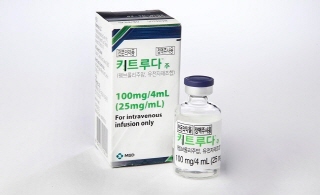
- Keytruda completes price negotiations for reimb in KOR
- by Jung, Heung-Jun Dec 17, 2025 09:50am
- MSD Korea’s immunotherapy drug Keytruda (pembrolizumab) has completed price negotiations with the National Health Insurance Service (NHIS), with reimbursement coverage expected to expand to additional indications starting next month.Keytruda previously received approval for reimbursement appropriateness for 11 indications, including gastric cancer and esophageal cancer, at the 9th Drug Reimbursement Evaluation Committee meetingAccording to industry sources on the 16th, MSD Korea has finalized a drug price agreement with the NHIS regarding the reimbursement expansion for Keytruda. Following review by the Health Insurance Policy Deliberation Committee (HIPDC), the Ministry of Health and Welfare is expected to issue a formal notice next month.The 11 additional indications approved by the Drug Reimbursement Evaluation Committee this time include gastric cancer, esophageal cancer, endometrial cancer, colorectal cancer, squamous cell carcinoma, cervical cancer, breast cancer, small intestine cancer, and biliary tract cancer. Approximately 2 years after the initial reimbursement expansion request in 2023, the decision now awaits only the Health Insurance Review and Assessment Service (HIRA) resolution.Previously, Keytruda was granted reimbursement for seven indications across four cancer types: non-small cell lung cancer, Hodgkin lymphoma, melanoma, and urothelial carcinoma.For metastatic or unresectable recurrent head and neck squamous cell carcinoma, reimbursement was granted for first-line treatment as ▲ monotherapy in PD-L1-positive patients, ▲ combination therapy with platinum and fluorouracil-based chemotherapy.Keytruda to show strong momentum in both regulatory approvals and reimbursement expansion in head and neck cancer.In October, the Ministry of Food and Drug Safety approved an expanded indication for Keytruda as perioperative therapy (pre- and post-surgery) in patients with resectable locally advanced head and neck squamous cell carcinoma.Given this expanded approval in head and neck cancer, MSD is expected to pursue further reimbursement expansion for the approved indications. Beyond head and neck cancer, it holds 35 indications across 18 cancer types, leaving significant potential for additional reimbursement expansion.Keytruda’s annual claims exceed KRW 400 billion, and claims are expected to increase starting next year as additional reimbursed indications start being prescribed.
- Policy
- President Lee "Review reimb of hair loss·obesity drugs"
- by Lee, Jeong-Hwan Dec 17, 2025 09:50am
- President Lee Jae Myung has drawn attention by instructing the Minister of Health and Welfare, Jeong Eun Kyeong, to specifically review the possibility of extending National Health Insurance (NHI) coverage to hair loss and obesity treatments.President Lee stated, "I previously made a campaign pledge to support hair loss medication. Isn't hair loss also part of a disease? I hear many young people use it, so have you reviewed the possibility of coverage?" He added, "I would like you to examine the potential costs, and if unlimited support poses a financial burden, consider limiting the number of doses or imposing a total expenditure cap."President Lee asked, "I assume the reason for the lack of coverage is that genetic factors cause baldness. But isn't a genetic disease also caused by genetics? It becomes a matter of defining whether something is a disease or not." He concluded, "This does not seem logical."President Lee further added, "In the past, hair loss was viewed as a cosmetic issue, but these days, it seems to be perceived as a matter of survival." He then asked, "The same seems to be true for obesity treatment. Is coverage for severe obesity medication under review?"Minister Jeong responded that it is necessary to consider medical urgency or priority when covering hair loss medication.Minister Jeong explained, "NHI supports treatment for alopecia areata caused by medical reasons. NHI does not cover hair loss due to genetic factors because its link to medical treatment is considered low." She added, "It is true that many non-covered medical services include treatments for hair loss, acne, and obesity."Minister Jeong said, "Since they are not life-threatening diseases, other treatments deemed cosmetic are also not covered by the NHI," and added, "We will review [NHI coverage] for these conditions."Regarding coverage for obesity medication, Lee Jung-kyu, Director of the NHIS Bureau, replied, "For severe obesity, we currently provide partial coverage for surgical treatments based on the Body Mass Index (BMI) criteria."Minister Jeong further explained, "We are still reviewing these medications. Since an application for reimbursement has just been submitted, we need to proceed with the review for reimbursement appropriateness.
- Company
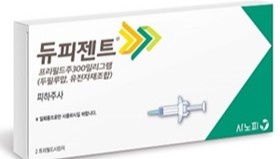
- Dupixent reimb for asthma imminent beyond atopic dermatitis
- by Eo, Yun-Ho Dec 17, 2025 09:50am
- The reimbursement coverage of the dual interleukin inhibitor Dupixent is expected to expand further in Korea.According to industry sources, Sanofi Korea has recently concluded price negotiations with the National Health Insurance Service (NHIS) for Dupixent (dupilumab), a biologic that inhibits both interleukin-4 (IL-4) and interleukin-13 (IL-13), for the indication of moderate-to-severe type 2 inflammatory asthma in adults and adolescents.This achievement comes approximately three months after the drug passed the Health Insurance Review and Assessment Service's Drug Reimbursement Evaluation Committee in September.As a result, starting in 2026, Dupixent is expected to become reimbursable for patients with type 2 inflammatory asthma.First approved in Korea in 2018, Dupixent was initially listed for reimbursement in 2020 for the treatment of atopic dermatitis, with its reimbursement criteria gradually expanded over time. With the latest expansion into asthma, including adolescent patients, attention is now turning to whether the company will apply for reimbursement listing of its additional indications, such as chronic rhinosinusitis with nasal polyps and chronic obstructive pulmonary disease (COPD).The efficacy of Dupixent for asthma, for which the drug price negotiation was concluded this time, was demonstrated through the Phase III TRAVERSE study. This study drew attention as it also released results from a Korean subgroup analysis.According to the study, Dupixent demonstrated long-term efficacy up to 96 weeks and a consistent safety profile in Korean adolescents aged 12 years and older and adults with moderate-to-severe asthma. This reaffirms that Dupixent is an important treatment option for Korean patients with moderate-to-severe asthma, for whom long-term treatment data are limited.The Phase III TRAVERSE Open-Label Extension (OLE) study enrolled 2,282 patients with uncontrolled moderate-to-severe asthma who had previously participated in a Dupixent clinical trial.Patients enrolled in the TRAVERSE study after completing either a Phase II clinical trial (DRI study, 24 weeks) or a Phase III clinical trial (QUEST study, 52 weeks) and received an additional 96 weeks of Dupixent 300mg every 2 weeks. A subgroup analysis was conducted on 74 adolescent and adult patients aged 12 years and older enrolled at domestic study sites.Results showed that the unadjusted annualized rate of severe exacerbations was low at 0.47 throughout the treatment period. As early as two weeks after treatment initiation, patients experienced a rapid improvement in lung function, with a mean increase of 0.42 L (SD 0.47) in pre-bronchodilator FEV₁, which was sustained through week 96. In addition, the five-item Asthma Control Questionnaire (ACQ-5) score improved by a mean of –1.32 (SD 0.76) from baseline at week 48, indicating better asthma control.
- Company
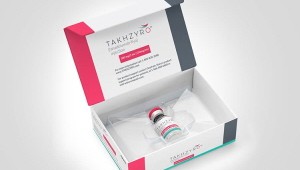
- Takhzyro enters pricing negotiations with NHIS for reimb
- by Eo, Yun-Ho Dec 16, 2025 08:36am
- The hereditary angioedema drug ‘Takhzyro’ has entered the final stage towards reimbursement listing in Korea.Takeda Pharmaceuticals Korea, in accordance with an order from the Ministry of Health and Welfare, has begun price negotiations with the National Health Insurance Service (NHIS) for Takhzyro (lanadelumab), a treatment for hereditary angioedema (HAE). This marks the first tangible step toward reimbursement nearly 5 years after the drug received approval from the Ministry of Food and Drug Safety (MFDS) in February 2021.Therefore, attention is now focused on whether the company will successfully conclude pricing negotiations for Takhzyro so that the drug could emerge as a new treatment option in the HAE, where therapeutic choices remain limited. The drug passed the Drug Reimbursement Evaluation Committee of the Health Insurance Review and Assessment Service (HIRA) in November.Hereditary angioedema is a rare disease characterized by recurrent, unpredictable episodes of acute swelling throughout the body caused by abnormalities in the C1 esterase inhibitor (C1-INH) protein.Respiratory swelling can lead to breathing difficulties or even asphyxiation, while gastrointestinal edema causes severe pain and emergency conditions such as bowel obstruction.Approximately 40% of patients experience their first attack before age 5, and 75% before age 15. However, the majority undergo a prolonged “diagnostic odyssey” and receive an accurate diagnosis only in adulthood. Despite an estimated 1,000 HAE patients in Korea, only 200–250 cases had been diagnosed as of last year.On average, it takes about 19 years for patients to receive a diagnosis, and even after diagnosis, they remain constantly exposed to unpredictable attacks and emergency situations.Until now, access to disease-modifying therapies in Korea has been limited, prompting repeated calls from the medical community for the reimbursement of Takhzyro.Whether Takhzyro will successfully complete price negotiations with the NHIS and establish itself as a new therapeutic option in the underserved HAE treatment landscape remains to be seen.Meanwhile, Takhzyro demonstrated its efficacy in the Phase III HELP study. According to the results, patients receiving Takhzyro every two weeks experienced an 87% reduction in the mean monthly number of HAE attacks compared with placebo, while those receiving the drug every four weeks showed a 74% reduction.
- Company
- Ildong's market cap fivefold↑ over eight months
- by Chon, Seung-Hyun Dec 16, 2025 08:36am
- Ildong Pharmaceutical's stock price has surged significantly, setting continuous record highs on expectations for its obesity treatment development. The company's market capitalization has increased nearly fivefold over the past eight months. The oral obesity drug being developed by Ildong Pharmaceutical's subsidiary has demonstrated weight-loss effects in its Phase 1 clinical trial.According to the Korea Exchange on December 13, Ildong Pharmaceutical's stock closed at KRW 44,300 on the 12th, a 9.4% increase from the previous trading day. This continued the sharp rise following a 24.6% surge on the 11th.Ildong Pharmaceutical's stock price showed an increasing trend over five consecutive trading days since a 0.4% increase on the 8th. The stock jumped by 6.6% on the 9th and by 9.4% on the 10th. Compared with the closing price of KRW 27,750 on the 5th, the stock soared 59.6% over the five trading days.Based on the closing price on the 12th, Ildong Pharmaceutical's market capitalization reached KRW 1.4016 trillion, an increase of KRW 523.6 billion from KRW 878.0 billion just a week prior. Ildong Pharmaceutical surpassed the KRW 1 trillion mark again on the 10th, about two months after recording KRW 1.0725 trillion on September 29. The company's market capitalization increased from KRW 1 trillion on December 12 to KRW 1 trillion on December 27, 2022. The largest ever was KRW 1.5412 trillion recorded on July 18, 2022, when the stock surged on expectations for a COVID-19 treatment.The trend of Ildong Pharmaceutical's market capitalization (unit: KRW 100 million, source: Financial Supervisory Service)Ildong Pharmaceutical's stock price continued to soar with the attention to its new oral obesity drug candidate. The value of orally administered obesity treatments has increased significantly overseas.Pfizer recently acquired the rights to the small-molecule GLP-1 class obesity treatment 'YP05002' from China's Fosun Pharma subsidiary, Yao Pharma, for up to $1.93 billion (approximately KRW 3 trillion), including an upfront payment of $150 million (approximately KRW 220 billion).YP05002 is a new drug candidate currently undergoing Phase 1 clinical trials in Australia and is being developed as an oral obesity treatment. Pfizer will conduct the Phase 2 clinical trial after Yao Pharma completes the ongoing Phase 1 trial.This global trend is the background for the high interest in 'ID110521156', the oral obesity drug being developed by Ildong Pharmaceutical's new drug development subsidiary, Yunovia.ID110521156 is a GLP-1 receptor agonist that acts as an analogue of the GLP-1 hormone, which induces insulin secretion to regulate blood sugar levels in the body. The GLP-1 hormone is produced by the beta cells of the pancreas. It plays a role similar to that of GLP-1, which is involved in insulin synthesis and secretion, blood glucose reduction, regulation of gastrointestinal motility, and appetite suppression.While existing GLP-1 receptor agonists are primarily injectable formulations of biological agents such as peptides, ID110521156 is a small-molecule synthetic compound candidate. Ildong Pharmaceutical's strategy is to position the drug as a convenient oral treatment for patients, capitalizing on its structurally stable properties compared to peptide formulations, offering superior manufacturing efficiency and productivity.The weight loss effect of ID110521156 was confirmed in the Phase 1 topline data released in September. The study was conducted on 36 healthy adults admitted to a clinical facility. Participants were divided into three dosage groups ▲50mg ▲100mg ▲200mg, with 12 subjects assigned to each group. ID110521156 was administered once daily for 4 weeks (28 days).Results showed that the 50mg and 100mg groups achieved average weight-loss efficacy of 5.5% and 6.9%, respectively, over 4 weeks. The 200mg group showed excellent weight loss, with an average of 9.9% and a maximum of 13.8%. The company explained that it secured clinically significant data, as the percentage of subjects who achieved 5% or more weight loss after the four-week treatment was 0% in the placebo group, but 55.6% in the 50mg group, 66.7% in the 100mg group, and 87.5% in the 200mg group.Ildong Pharmaceutical's market capitalization was only KRW 294.7 billion on April 9 and remained in the KRW 300 billion range until July 4. The stock surged after hitting the upper limit on July 7 and continued its upward trend, leading to an approximate fivefold increase in market capitalization over eight months.

- Policy
- ‘Expand 1st line reimb for anabolic agents to reduce healthcare costs’
- by Jung, Heung-Jun Dec 16, 2025 08:36am
- Calls have been raised for expanding reimbursement coverage for anabolic agents as first-line therapy in order to prevent osteoporotic fractures and the resulting rise in direct and indirect healthcare costs.As reimbursement for bone-forming agents is limited to second-line treatment only, experts argue that coverage should be expanded to include first-line use. Representative agents in this class include Evenity (romosozumab) and Forteo (teriparatide).Seung-hoon Baek, Director of Insurance and Policy at the Korean Society for Bone and Mineral ResearchOn the 15th, Seung-hoon Baek, Director of Insurance and Policy at the Korean Society for Bone and Mineral Research, emphasized the need for a first-line treatment strategy using anabolic agents at a National Assembly policy forum on osteoporosis fracture prevention held on the 15th.Director Baek stated, “Recent domestic and international guidelines recommend anabolic agents as a first-line treatment strategy for the very high-risk group. Global guidelines, including those from the American Association of Clinical Endocrinology, also position them as first-line treatment options.”The KSBMR also established guidelines in 2024 recommending the use of anabolic agents as first-line therapy in high-risk groups meeting criteria such as: ▲ a fragility fracture within the past year ▲ multiple fractures ▲ a bone mineral density T-score below -3.0.Director Baek explained, “If bone resorption inhibitors are administered first, there is a risk that bone formation may also be suppressed. Therefore, administering anabolic agents first is more effective for improving bone density."A study involving 1,000 women aged 75 showed that 43 fractures occurred when antiresorptive agents were used first, compared with 22 fractures when anabolic agents were used as first-line therapy, confirming a significant fracture-reduction effect.However, in Korea, reimbursement for anabolic agents is granted only if they are used after bone resorption inhibitors prove ineffective, which has been cited as a major limitation.Furthermore, the target population must meet all of the following conditions: ▲ Age 65 or older (or postmenopausal women aged 65 or older for romosozumab) ▲ T-score ≤ -2.5 ▲ History of two or more osteoporotic fractures.Director Baek emphasized, “Korea's reimbursement criteria are excessively restrictive compared to major countries overseas. Following the UK and Japan, Australia also expanded reimbursement for romosozumab as a first-line treatment for high-risk groups in early November last year. While there may be an increase in drug costs in the short term, a reduction in healthcare costs is expected in the long term. Overseas, this is the basis for its use in the first-line.”He further elaborated, “Patients who experience osteoporotic fractures incur approximately 80% higher per-patient medical costs compared to those without fractures. Preventing fractures is key to curbing rising healthcare expenditures.”Specifically, experts proposed recognizing it as a first-line treatment and expanding the target population from postmenopausal women aged 65 and over to include those aged 50 and over. The proposed eligibility criteria include: ▲ Relaxing the bone density test requirement from ≤-2.5 to <-3.0 ▲ Expanding from patients with two or more fractures to those with a fracture within the past year ▲ Patients meeting any one of the following: bone density ≤-2.5 and two or more fractures.
