
- LOGIN
- MemberShip
- 2026-05-08 13:04:44
- Policy
- Original for Parkinson's dz tx released are withdrawn
- by Lee, Tak-Sun Jul 21, 2023 05:41am
- Decisions are being made to withdraw from Korea one after another, citing the weakening profitability of Parkinson's disease original treatment drugs, for which generics have appeared. Early this year, following Roche Korea's Madopar, Boehringer Ingelheim Korea's Mirapex ER also decided to stop supplying. The problem is that existing patients have a distrust of generic drugs, so there is a concern about a treatment gap if the supply of the original drug is discontinued. According to the industry on the 19th, Boehringer Ingelheim Korea recently informed the retailer that it would stop supplying Mirapex ER. Accordingly, Mirapex ER 0.375mg is expected to be sold out by July 31 next year, Mirapex ER 1.5mg by February 28 next year, and Mirapex ER 0.75mg by July 31 next year. However, Boehringer Ingelheim decided to maintain the supply of Mirapex. Mirapex is taken three times a day and Mirapex ER is taken once a day. Discontinuation of the supply of Mirapex ER, which is highly convenient, seems to be related to the entry of generics. Mirapex ER started with Hyundai Pharm's Mirap ER in 2014, followed by Samil Pharm's Prapexole ER and Myeongin Pharm's PD-Pexol ER. As three generic companies compete fiercely to preoccupy the market, drug prices are also falling. Each generic company is widening the gap with the original drug by voluntarily lowering the drug price. The profitability of original drugs has fallen due to drug price cuts following the introduction of generics, and market share is also in an emergency due to the generic offensive. In the case of Pramipexole ER 0.75mg, a component of Mirapex ER, the lowest price for generics has fallen from 740 won to 707 won. There is a difference of 74 won from the original price of 781 won. Due to the price reduction of Mirapex ER, Mirapex taken three times a day is better than Mirapex ER in terms of profitability. For this reason, some analyze that Behringer withdrew Mirapex ER and left Mirapex in the market. Roche Korea's Madopar also decided to discontinue supply in January of this year after the drug price was reduced when the generic was first released in August 2021. However, patients are requesting the resupply of Madopar through national petitions because generic drugs have side effects. Accordingly, Roche Korea and the Ministry of Health and Welfare are seeking a way out of the controversy by extending the insurance deletion grace period from July 31 to December 31. Roche has yet to make an official statement about resupply. CNS drugs such as Parkinson's disease drugs are highly dependent on drugs, so there is a high preference for existing prescribed original drugs. In this situation, patients' dissatisfaction is growing as original drugs are withdrawn from Korea due to profitability problems. Accordingly, while some argue that drug price hikes should be considered to maintain the supply of original drugs, others oppose that the government should step forward and implement policies to increase the reliability of generic drugs.
- Company
- Exports of botulinum in the first half rose by 26%
- by Kim, Jin-Gu Jul 21, 2023 05:41am
- In the first half of last year, exports of domestic botulinum toxin increased by 26% compared to the previous year. In particular, exports to Brazil increased significantly. In the pharmaceutical industry, analysts say that Brazil is emerging as a major exporter of domestic botulinum toxin along with China and the United States. According to the Korea Customs Service on the 19th, the export of domestic botulinum toxin in the first half of last year was 166.1 million dollars (about 210 billion won). It increased by 26.4% compared to $131.4 million in the first half of last year. By country, exports to China and the United States still account for a large proportion. In the first half of the year, botulinum toxin exports to China amounted to US$23.55 million, accounting for 14.2% of the total. Exports to the US account for 13.9% at $23.01 million. Following China and the United States, Brazil has the third-highest export performance of botulinum toxin. In the first half of the year, exports of botulinum toxin to Brazil were $21.07 million. Compared to $13.32 million in the first half of last year, it increased by 58.1% in one year. The share of total exports increased by 2.6%p from 10.1% to 12.7% over the same period. If the period is extended, the increase in botulinum toxin exports to Brazil becomes even more remarkable. In the first half of 2020, three years ago, the export of botulinum toxin to Brazil was only $5.57 million. Its share of the total was 6.1%. In just three years, the amount of exports has increased nearly four times, and the share has more than doubled. In this process, it is similar to China and the United States, which are existing major exporters, and their share in total exports has increased. An official from the pharmaceutical industry explained, "It seems that interest in Korean botulinum toxin is growing in the South American market, especially in Brazil." “Recently, botulinum toxin exports are diversifying not only to South America but also to emerging markets such as Southeast Asia and the Middle East,” he said.

- Company
- Korean pharmas busy recruiting talent from global pharmas
- by Lee, Seok-Jun Jul 21, 2023 05:41am
- Korea's pharmaceutical and bio businesses are busy recruiting talents from multinational pharmaceutical companies to further accelerate their global entry. Handok appointed Miyeon Kim (56) as the new CEO as of July 1st. At Pfizer, the new CEO Kim worked as the Strategic Planning Manager, Product Manager, Marketing Manager, and as the BU Lead of the company’s Established Products Business Unit. Afterward, she was appointed VP of Pfizer’s Established Products Business Unit at Pfizer US and led the US Brands Team. Kim also has served as the Cardiovascular Metabolic Franchise Head and Country General Manager of Alcon. In June, Handok had appointed Yoon-Mi Kim as Executive Director to head its ETC business unit. Executive Director Kim started her career in 2001 as a sales and marketing manager at Handok. At Pfizer Korea, she served as the Marking Manager for Viagra and Champix, and as Director of Business Operations and Strategy, Oncology at Pfizer APAC Region. Until recently, she had served as a Hematology & Oncology BU Lead at BMS before returning to Hanok. Hana Pharm appointed Tae-Hong Choi (66) as its new President/CEO. President Choi had previously served as the CEO of Boryung Pharmaceutical from January 2013 to March 2019, then as CEO of Daewon Pharmaceutical from June 2019 to 2022. Choi has extensive experience in multinational pharmaceutical companies before leading various Korean pharmaceutical companies. He joined Janssen Korea in 1987 and served as the VP of the Korean and Hong Kong Janssen and as the Head of the North Asian region, etc. Anterogen will hold a special shareholders meeting on September 4th to discuss the appointment of Hong-Ki Ryu (66) as the full-time auditor. After working as a marketing and planning executive at various domestic and multinational pharmaceutical companies including AstraZeneca, Novartis, JW Pharmaceutical, etc., Rhu joined AbbVie (then Abbott) in 2004 and rose to the position of CEO in 2008. Rhu continued to lead the company until early 2019 even after Abbott separated into the current AbbVie and Abbott in 2013. Also, Shaperon has appointed former GSK executive Yeon-Sam Oh as Head of Business Development, and Lotte Biologics appointed former Roche and Genentech executive Hyungduk Yoo as Chief Operation Officer (COO) this year. Global business expansion The domestic pharma and bio companies’ recruitment of personnel from multinational companies is interpreted as the companies’ move to advance into the global market. Hana Pharm is one example. The company had posted annual sales of KRW 210.8 billion last year. Among them, exports amounted to KRW 1.3 billion, less than 1% of the total sales. The company’s sales depend on domestic demand. It had posted no overseas sales in the Q1 this year. President Tae-Hong Choi is well-versed in global affairs to the extent that he served as the General Manager of the North Asian region at Janssen Korea. While serving at Boryung Pharmaceutical, he demonstrated his overseas proficiency by winning several export contracts for Kanarb (high blood pressure drug). Most of Boryung Pharmaceutical's exports of Kanarb occurred after President Choi was appointed in 2013. Choi is expected to focus on the global business at Hana Pharm. He expects to create synergy with Director Yerim Cho (43, second daughter of the owner), who is in charge of the global business. The preliminary preparations for the global advancement are complete. Last year, Hana Pharm completed the construction of a production plant to produce the new anesthetic drug ‘Byfabo Inj.’ In 2020, the company acquired the right to sign exclusive contracts in 6 Southeast Asian countries to expand overseas sales of its new anesthetic drug. The company recently received approval in the Philippines, one of 6 countries, and is preparing to release Byfabo there in Q4. Also, the company is aiming to sign consignment manufacturing (CMO) export agreements in Europe and Japan.
- Company
- NHIS starts RSA reevaluations for AD drug Dupixent
- by Eo, Yun-Ho Jul 21, 2023 05:40am
- Sanofi has started reevaluation negotiations for its atopic dermatitis treatment ‘Dupixent,' which has been receiving reimbursement under the RSA (Risk Sharing Agreement). According to industry sources, Dupixent’s RSA term ends on December 31st, therefore, the drug is undergoing reevaluation negotiations with the National Health Insurance Service. In other words, the company needs to renew the RSA contract within the year to allow the drug to be applied for reimbursement without any issue. Of course, no company has failed to renew its RSA until now. However, the mechanism of the RSA makes it so that every time a reevaluation is conducted, the price is further reduced, raising tensions. In Korea, unlike general drugs that are listed after demonstrating cost-effectiveness through pharmacoeconomic evaluations, RSA drugs are required to receive additional evaluations for clinical utility and cost-effectiveness every time the contract term expires. The cost-effectiveness evaluations are inevitably affected by the price of its alternatives at the time of evaluation. And during the 5-year RSA term, the price of the alternative drug is also reduced through various follow-up measures (reduction in original drug price due to generic listing, price-volume price linkage system, ceiling price cut due to reimbursement extensions, etc). Furthermore, the revisions in the announcement made in 2020 allowed latecomers to receive reimbursement through RSA, allowing the price of the latecomers to directly affect the cost-effectiveness of the first entrants. This has added to the already long list of issues that have been constantly raised about RSA renewals in the industry. However, the entry of latecomer drugs to the RSA scheme has been a long-awaited wish come true from the industry’s perspective, and the government expanded its benefits after various considerations Also, it is not unreasonable for price adjustments to be made for drugs that have alternatives with the same mechanism of action, even if the indications are not identical. Meanwhile, reimbursement extensions for Dupixent to cover severe asthma and pediatric AD are also in progress. Whether Sanofi Korea can reach an agreement and receive reimbursement extensions remains to be seen.

- Policy
- How Scemblix received reimb without negotiations
- by Lee, Tak-Sun Jul 21, 2023 05:40am
- The chronic myeloid leukemia treatment Scemblix (asciminib, Novartis) was passed the Drug Reimbursement Evaluation Committee review for costing the same as another 3rd generation CML treatment, Iclusig (ponatinib, Otsuka), The company agreed to set its price at 100% or below the weighted average price of its therapeutic alternative to waive the drug pricing negotiation process and succeeded in being listed within one year since it applied for reimbursement on July 27 last year. According to industry sources on the 20th, the DREC’s evaluation results on Scemblix were recently disclosed by the Health Insurance Review and Assessment Service showed that the cost of Scemblix, which was the same as that of Iclusig, was the decisive factor that prompted the committee to accept the adequacy of Scemblix’s reimbursement. Scemblix is a treatment for adult patients with Philadelphia chromosome-positive chronic myeloid leukemia (Ph+ CML) in the chronic phase previously treated with two or more tyrosine kinase inhibitors (TKIs). For Scemblix’s review, DREC selected Iclusig as the therapeutic alternative in consideration of the drug’s label, literature, academic opinion, and reimbursement standards. The committee explained, “The NCCN guidelines recommend the drug that submitted the application at the same level as ponatinib (Iclusig generic name), and as the drug’s improvement in effect over its therapeutic alternative is unclear in various variables, the two drugs are appropriate comparators in terms of drug administration cost.” In other words, the committee determined that Iclusig’s price will be the key factor that determines the adequacy of Scemblix’s reimbursement. In response, Novartis accepted a price that is 100% or lower than the weighted average price of its alternative. Accordingly, DREC determined Scemblix’s reimbursement appropriate and cost-effective because its effect was similar to its alternative, and the cost was the same. In particular, the company was able to waive the NHIS drug pricing negotiations as it accepted a price below the set standard. The drug price negotiation waiver system is applied to drugs that are deemed to have reimbursement adequacy, have similar effects to their alternative, and are cost-effective as they cost less or are equivalent to their therapeutic alternative. Scemblix is one example of how a company accepted a price at 100% or below the weighted average price and only underwent negotiations for the estimated claims amount. However, Scemblix had to overcome its share of obstacles to reimbursement listing. Most of all, the fact the approval can increase NHI financial spending as switching between Iclusig and Scemblix is allowed served as a major obstacle. This was why the Cancer Disease Deliberation Committee failed to set Scemblix’s reimbursement standards at its meeting last December. Reflecting this, Novartis applied for reimbursement again on January 12 this year. The DREC also acknowledged the adequacy of Scemblix’s reimbursement but added the condition that it would be necessary to consider the fiscal impact of switching. Accordingly, the company would have dealt with the switching issue during negotiations with the NHIS on the expected claims amount. Meanwhile, Scemblix 20mg’s reimbursement ceiling price was set at KRW 50,914, and Scemblix 40mg at KRW 76,371. Iclusig 15mg’s reimbursement ceiling price is KRW 60,400, and Iclusig 45mg is KRW 152,742. When considering how the recommended dose of Scemblix is 80mg, and Iclusig 45mg, the price of the two drugs are comparable.
- Policy
- Evrysdi also subject to prior authorization for reimb
- by Lee, Tak-Sun Jul 20, 2023 05:35am
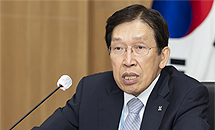
- Pic of SMA treatments (from the left) Spinraza, Evrysdi, Zolgensma The Health Insurance Review and Assessment Service is expected to require the oral SMA (spinal muscular atrophy) treatment ‘Evrysdi Dry Syrup (risdiplam, Roche)’ to receive prior authorization for reimbursement. Also, HIRA is planning to reflect the prior authorization experience it has accumulated from Spinraza for Evrysdi. HIRA’s Healthcare Review and Assessment Committee announced so at a special press corps meeting with industry reporters on the 18th. Jin-Su Lee, Chair of the Healthcare Review and Assessment Committee, said, ”After literature review and reflection of overseas cases, we have prepared an announcement on the revised measures for prior authorization drugs based on the RWD (Real World Data) data we obtained from the prior authorization for Spinraza. The revised standards will be applied to the prior authorization review of the oral SMA treatment Evrysdi that was recently granted reimbursement. Jin-Su Lee, Chair of HIRA’s Healthcare Review and Assessment Committee is answering questions at a special press corp meeting on the 18th Currently, Roche is having pricing negotiations with the National Health Insurance Service for Evrysdi, after which reimbursement listing is expected. Also, the company for Spinraza Inj, a drug already listed for reimbursement, is negotiating to expand the use age for the drug with NHIS. The reimbursement standards for the two drugs are prepared after completing pricing negotiations, and the measure HIRA presented on the 18th will be reflected then. Lee said, “We expect the new measure to contribute to saving finances unnecessarily spent on SMA patients who are judged to have no effect with Spinraza Inj.” Based on the comment, it is likely that the Healthcare Review and Assessment Committee will be disapproving reimbursement of the drug to patients who are judged to have no effect. Spinraza is a high-priced drug that costs KRW 554 million per patient in the first year, then KRW 277 million every year thereafter. A HIRA official explained, "We cannot conclusively say that Evrysdi will be subject to prior authorizations as its reimbursement standards have not been announced yet. However, as the other existing SMA treatments are also required to receive prior authorizations, it is true that the drug’s chances of being subject to the same conditions are high.” Currently, the SMA treatments Spinraza and Zolgensma are subject to prior authorizations for reimbursement. Lee also added that just as in Spinraza's reimbursement standards, the committee will be reflecting the experience accumulated from other prior authorizations in the reimbursement review process as well. Lee stressed, “We will continue to sequentially analyze the data of other prior authorization drugs in addition to Spinraza inj. Although the purpose and content analyzed may differ by item, we will be assessing the possibility and need for the subject drugs to switch to general review drugs and identify whether there is a need to improve the reimbursement standards for others.” He added, "If the committee judges that it is necessary to improve the reimbursement standard based on data analysis, and there is valid evidence to support the change, we will closely work with relevant departments to make the necessary improvements." SMA is a rare condition in which the SMN1 gene is innately deficient or mutated to result in progressive muscle atrophy. In the case of SMA Type 1, the most common and severe form of SMA, if left untreated, over 95% of the motor neurons are damaged within 6 months, and 90% die before the age of 2 or require permanent respiratory support devices. Also, 30% of SMA Type 2 patients can die before the age of 25 and requires lifelong treatment. The reimbursement decision for the SMA treatment Spinraza has been subject to prior authorization ever since it was listed for reimbursement in April 2019. Also, ‘Zolgensma Inj,’ better known as the one-shot treatment for SMA, has been added as a prior authorization drug.
- Policy
- The more applications for pre-screening drugs, the higher
- by Lee, Tak-Sun Jul 20, 2023 05:34am
- .. Lee Jin-soo, chairman of the Medical Review and Evaluation Committee, "If the number of applications increases, the understanding of the benefit standards also increases." It was found that the higher the number of applications for pre-screening drugs, the higher the approval rate. It is an interpretation that the approval rate increases as the understanding of the salary standards accumulates. However, there is an interpretation that the salary standard is strict in the first place, so there is a high probability of disapproval of the salary in the pre-screening. Among pre-screening drugs, Soliris, which treats 'atypical hemolytic uremic syndrome (aHUS)', has a meager initial approval rate. The Health Insurance Review and Assessment Service presented an interpretation at the Korea Special Press Association meeting on the 18th that the understanding of the benefit standard was poor. In response to a question about the cause of Soliris' aHUS initial review approval rate and improvement plans, Chairman Lee Jin-soo explained, "I think the approval rate will increase if the clinical site fully understands the benefit standard and applies for it." He explained, “When we analyzed the status of approvals by the institution by 2022, we confirmed that the more cumulative applications there are, the more often they are approved.” According to the table released by the Clinical Review and Evaluation Committee, a total of 47 institutions applied for prior approval of Soliris in aHUS disease, and 51 cases (20.3%) out of 251 cases were approved. However, agency A, which applied the most, was approved for 10 out of 35 cases, with an approval rate of 28.6%, higher than the average. On the other hand, all 15 institutions that applied for prior approval were rejected. Regarding this, Chairman Lee explained, "As the number of applications for Solily increases, the understanding of the salary standard increases." Even so, it is pointed out that the approval rate of Soliris aHUS is too low compared to other drugs with an initial approval rate of more than 50%. In response, the Medical Review and Assessment Committee also said, "The expansion of the Soliris reimbursement standard was discussed at a recent advisory meeting, and the review results have been reported to the Ministry of Health and Welfare." In fact, it is pointed out that the Soliris aHUS salary standard is more difficult than overseas. In Korea, the benefit is approved only when all four criteria are satisfied: platelet count, mitotic red blood cell count, hemoglobin, and LDH, but the medical community says that the standard is higher than overseas. The Korean Society of Nephrology also submitted an opinion asking for relief standards to be relaxed. In March, Yoo Mi-young, head of the drug management office at HIRA, said, "A number of academic societies, including the Society for Nephrology, have submitted proposals for revising the reimbursement standards (for Soliris aHUS), including discontinuation of administration, administration standards, and evaluation methods." "We are currently reviewing the salary standards by identifying the reasons for pre-approval and disapproval and referring to expert opinions," she explained. It is noteworthy whether the pre-examination approval rate of Soliris will increase through the improvement of the benefit standard.
- Company
- MET-targeting Tepmetko lands in general hospitals in KOR
- by Eo, Yun-Ho Jul 20, 2023 05:34am
- The MET-targeted anticancer therapy ‘Tepmetko’ can now be prescribed at general hospitals in Korea. According to industry sources, ‘Tepmetko (tepotinib),’ a treatment for patients with locally advanced or metastatic non-small-cell lung cancer with MET exon 14 skipping mutations, passed the drug committees (DCs) of various medical institutions in Korea including Seoul National University Hospital, Konyang University Hospital, Chungnam National University Hospital, Chungbook National University Hospital, Kyungpook National University Chilgok Hospital, and Hanyang University Medical Center. The drug has been slowly expanding its scope of prescriptions since its official release in October last year. However, Tepmetko is still a non-reimbursed drug in Korea. The drug was unable to pass the Health Insurance Review and Assessment Service’s Drug Reimbursement Evaluation Committee review on February 2nd. The company voluntarily withdrew its reimbursement process. Tepmetko was approved at the same time as Tabrecta (capmatinib), which has the same mechanism of action as Tepmetko in 2021 and started the reimbursement process, but both drugs remain non-reimbursed until now. MET exon 14 skipping mutation is a rare type of cancer that is present in approximately 3-4% of patients with non-small-cell lung cancer (NSCLC). In particular, 1.9% of the 1,020 NSCLC patients in Korea were diagnosed with MET exon 14 skipping mutation. Tepmetko demonstrated its efficacy through the VISION study, which enrolled the largest number of patients among clinical trials for NSCLC patients with MET exon 14 skipping mutations. Results showed a significant life extension effect with a median progression-free survival (PFS) of 15.3 months and an objective response rate (ORR) of 56.8 percent. Also, the median duration of response (DoR) was 46.4 months, and the median overall survival (OS) was 25.9 months, showing continuous antitumor activity in the long term. Also, according to a presentation Ji-Youn Han, Professor of Oncology at the Center for Lung Cancer at the National Cancer Center, made at the Korean Association for Lung Cancer International Conference last year after analyzing 79 Asian patients that participated in the VISION study, the ORR was quite high at 66.7%, and 48.1% in the second-line treatment group.
- Company
- AZ and SK's Sidapvia is approved, first collab in 10 yrs
- by Jung, Sae-Im Jul 20, 2023 05:34am
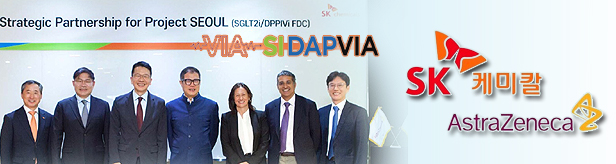
- The first collaboration between a domestic company and big pharma has come to fruition. This is the first collaboration made in almost a decade since the development of Rovelito. Whether AstraZeneca, which is trying to increase the use of its diabetes treatment 'Forxiga' in clinics in Korea, and SK Chemicals, which is trying to increase production through global expansion with AstraZeneca, will create a synergistic effect is gaining attention. According to industry sources on the 19th, AstraZeneca and SK Chemicals succeeded in codeveloping a combination treatment for Type 2 diabetes. The drug, Sidapvia, is a combination of the SGLT-2 inhibitor dapagliflozin and DPP-4 inhibitor sitagliptin. Under the collaboration agreement, AstraZeneca will be in charge of the commercialization strategy and execution of Sidapvia. The company also holds the global commercialization rights to Sidapvia as its licensor. SK Chemicals will be in charge of its manufacture and supply. The executives of both compnaies are celebrating the first production of the diabetes combo drug in June at SK Eco Hub in Pangyo, Korea. (from the left)Yoon-Ho Kim (CEO, Pharma at SK Chemicals) Jae-Hyun Ahn (President and CEO, SK Chemicals) Choi Chang-won (Vice chairman, Discovery), Leon Wang (Executive Vice President, International and China President AstraZeneca), Sylvia Varela(Vice Presdient, Asia AstraZeneca), Ankush Nandra (Vice President, Finance and Chief Financial Officer International AstraZeneca), Sangpyo Kim ( Country President, AstraZeneca Korea) Both companies are looking forward to the synergistic effect that the collaboration will bring, accentuating their strengths and supplementing their weakness. AstraZeneca owns Forxiga, the original dapagliflozin drug. Also, as a global company with branches around the world, the company owns the infrastructure that can easily facilitate Sidapvia’s global entry. SK Chemicals will be supporting AstraZeneca, which does not own a domestic manufacturing facility, by manufacturing the dapagliflozin+sitagliptin combination in Korea. The collaboration between the two companies began in early 2020 when they signed an agreement for the development, manufacture, and global commercialization of a combination therapy for diabetes. To develop the combination, AstraZeneca supplied the API and invested R&D expenses to SK Chemicals. Based on such support, SK Chemicals conducted the R&D and domestic clinical trials for the combination drug. Building on Sidapvia’s approval in Korea, AstraZeneca plans to start the approval process for Sidapvia in 12 countries and plans to further expand the countries in the future. First combo drug collaboration made in 10 years It is rare for a global pharmaceutical company and a domestic pharmaceutical company to jointly develop and commercialize a drug. Combination drug for hypertension and hyperlipidemia produced through collaboration between Hanmi Pharm and Sanofi in 2013 One similar case was ‘Rovelito,’ a treatment for hypertension and hyperlipidemia. The drug was jointly developed by the global pharmaceutical company Sanofi-Aventis and domestic company Hanmi Pharm. The drug is a two-drug fixed-dose combination of the ARB class irbesartan and atorvastatin. Hanmi Pharm manufactured Rovelito and for the two companies to sell together. Unlike now, at the time of the companies' collaboration in 2013, combination drugs were an unfamiliar concept for hypertension and hyperlipidemia. Hanmi Pharm received attention for releasing an incrementally modified two-drug combination. One of Rovelito’s APIs, Avapro, was the original irbesartan drug owned by Sanofi. This was why the collaboration brought a synergistic effect. In fact, Rovelito posted annual sales of KRW 20 billion and was recorded as a commercialization success case. The drug also served a major role in establishing Hanmi Pharm as a strong player in the field of incrementally modified drugs. No other collaboration between a global company and a Korean company has risen since then. One reason was that Hanmi Pharm’s success prompted many Korean companies to jump into the combination drug market, making it difficult for such collaboration to lead the competition. Also, the change in the business strategy of global pharmaceutical companies played a role. The global pharmaceutical companies spun off their chronic disease businesses that lost profitability and started focusing on high value-added areas such as anticancer drugs and rare diseases, removing the areas for collaboration. Therefore, AstraZeneca and SK Chemicals agreement was the first collaboration made for a combination drug in 10 years in the field of chronic diseases. As Sidapvia’s licensor is AstraZeneca, the industry believes the collaboration reflects AstraZeneca’s strong will for the development of a combination drug. With the collaboration, AstraZeneca now owns a line-up of 4 products in Type 2 diabetes - ▲single dapagliflozin, ▲dapagliflozin+metformin combination, ▲ dapagliflozin+saxagliptin(DPP-4i) combination, and a ▲dapagliflozin+sitagliptin combination. AstraZeneca already owns the original DPP-4 inhibitor class saxagliptin drug ‘Onglyza,’ and also ‘Qtern,’ which is a combination of Onglyza and Forxiga. Also, Qtern posted the most monthly prescription sales in May, when sales of SGLT-2i+DPP-4i combos started. Despite such success, AstraZeneca is thought to have added Sidapvia to its lineup because sitagliptin holds the largest share of the DPP-4 inhibitor market. Sitagliptin accounts for over 25% of the DPP-4 inhibitor market and is the leading ingredient in the area. The Januvia family that contains sitagliptin had posted outpatient prescription sales of KRW 150 billion last year. Unlike DPP-4 inhibitors, which are widely used in private clinics around the nation, only half are using SGLT-2 inhibitors. This means that the combination drugs that contain DPP-4 inhibitors can benefit from the established DPP-4 inhibitor market and quickly broaden prescriptions for the combined SGLT-2 inhibitors as well. Owning a combination drug that contains sitagliptin, the most commonly used DPP-4 inhibitor, would facilitate the company in expanding the use of its SGLT-2 inhibitor as well. Il Shim, Director of the CVRM (Cardiovascular, Renal, and Metabolism) Business Unit at AstraZeneca Korea, said, “Sidapvia is a very special product we developed in collaboration with SK Chemicals. We hope our combination drug Sidapvia, which is based on Korea’s only SGLT-2 inhibitor that owns indications for Type 2 diabetes, chronic kidney disease, and chronic heart failure, will help patients to more easily and effectively manage their Type 2 diabetes.”
- Policy
- MFDS organizes a Clinical Trial Consultative Body
- by Lee, Tak-Sun Jul 19, 2023 05:20am
- The Ministry of Food and Drug Safety announced on the 17th that it has organized and is operating a ‘Clinical Trial Consultative Body’ with the industry to hold an ear out to the domestic clinical trial industry’s opinion and facilitate the smooth operation of the systems that are being newly introduced. The consultative body will consist of 14 members, experts in the bio-industry, including pharmaceuticals, vaccines, and cell therapies recommended by associations (Korea Pharmaceutical and Bio-Pharma Manufacturers Association, Korean Research-based Pharmaceutical Industry Association, Korea Biomedicine Industry Association), and the 1st meeting of the body was held on the 13th (Thurs) at the KRPIA head office. At the meeting, the MFDS discussed ▲the main improvements required for the factual survey on Good Clinical Practice and disclosure of the main results of the factual survey ▲ mandatory up-to-date Development Safety Update Reporting, and also ▲ shared and guided the system for the therapeutic use of investigational drugs overseas and discussed related standards, producers, and subjects in depth. In addition, the committee members proposed the ▲activation of a central IRB, ▲simplification of data reported to MFDS, etc. An MFDS official said, “The 'Clinical Trial Consultative Body' requested that we continue to propose reasonable system improvements in all areas related to clinical trials. Also, the members asked for the MFDS’s active support and utilization of the body so that it can play its role in developing regulations for clinical trials in Korea.’ The MFDS will continue to support the rapid development of safe and effective new products and the expansion of patient treatment opportunities through active communication between the public and private sectors based on the 'Clinical Trial Consultative Body'.
