
- LOGIN
- MemberShip
- 2026-05-08 13:04:39
- Company
- Decreased drug price and inclusion of impurities in Januvia
- by Jung, Sae-Im Jul 25, 2023 05:46am
- Nitrosamine impurities management hidden ambush... The standard will be significantly strengthened. The diabetes treatment 'Januvia series', for which sales rights were recently transferred to Chong Kun Dang, is experiencing sluggishness in the prescription market. Following last year's drug price cut, the company suffered voluntary withdrawals due to excess impurities in the first half of this year, and the scale shrank by 13% in two years. According to UBIST, a pharmaceutical market research institute, on the 24th, the total outpatient prescriptions for the Januvia series (Januvia, Janumet, and Janumet XR) in the first half of this year were 75.4 billion won, down 8% from 81.9 billion won in the same period last year. By item, Janumet decreased by 9% from 36.2 billion won in the first half of last year to 32.9 billion won this year. Then, Januvia 10% (21.7 billion → 19.6 billion won) and Janumet XR 5% (24 billion → 22.9 billion won) each decreased. Sitagliptin is a treatment for type 2 diabetes. It is a representative DPP-4 inhibitory mechanism that led the domestic diabetes market. The Januvia series consists of a total of three products. ▲Sitagliptin single drug 'Januvia' ▲Metformin + Sitagliptin combination drug 'Janumet' ▲Janumet extended-release formulation 'Janumet XR' with enhanced convenience. Janumet, Janumet XR, and Januvia have the highest prescriptions in that order. MSD opened the DPP-4 inhibitor market with the domestic approval of Januvia and Janumet in 2007, and in 2013, it had a lineup with Janumet XR. DPP-4 inhibitors have become mainstream by replacing existing diabetes drugs with the advantage of having a good blood sugar-lowering effect and little concern for side effects. Among them, the Januvia series has emerged as the most widely used DPP-4 inhibitor in Korea. It is 2021 when prescriptions for the Januvia series reach their peak. The Januvia series, which recorded 164.3 billion won in 2019 and 173.8 billion won in 2020, raised 176.3 billion won in 2021. Janumet 79.2 billion won, Janumet XR 50 billion won, Januvia 47.1 billion won. In particular, the number of outpatient prescriptions recorded by the three products in the second half of 2021 was 89.4 billion won, the largest half-year prescription amount ever. The decline of the Januvia series started last year. The biggest factor is the drug price of the Januvia series. MSD has signed a 'trade-off' agreement with the government to expand reimbursement for Keytruda, an immuno-oncology drug that it has been pushing for. It is content that voluntarily lowers the price of the Januvia series in exchange for allowing the expansion of the primary lung cancer benefit for Keytruda. With this agreement, the prices of all three Januvia products have been lowered by an average of 6% since March last year. In the aftermath of drug price cuts, last year's Januvia series recorded 81.9 billion won in the first half and 80.6 billion won in the second half, down 6% and 10% year-on-year. In the first half of this year, the decline was even greater with an 8% decline. It is analyzed that there was an additional drug price cut of about 1% due to the expansion of insurance coverage for diabetes drugs and that some products were affected by voluntary recalls due to the occurrence of impurities that exceeded the standard. Compared to two years ago, the amount of prescriptions has decreased by 13%. In the second half of this year, the decline is expected to continue due to the expiration of the Januvia patent. The Januvia substance patent expires on September 1. Domestic pharmaceutical companies are preparing to release sitagliptin generics in time for expiration. If a generic with the same ingredients is registered for reimbursement, the price of Januvia is automatically reduced by 30%. A simple calculation of drug price cuts would result in about 50 billion won of annual prescriptions being subtracted. Attention is focused on the move of Chong Kun Dang, which acquired the Januvia series from MSD. Chong Kun Dang paid 45.5 billion won (down payment + milestone) to acquire all rights, including license, trademark, manufacturing, sales, and distribution of Januvia. Considering the annual prescription amount of the existing Januvia series, 45.5 billion won is an amount that can be recovered within half a year. However, considering drug price cuts and competition among generics, Chong Kun Dang is bound to be nervous. Some predict that the key to Januvia's future generic competition will be impurities. Januvia carries the risk of nitrosamine-like impurities, and the tentative daily intake is set at 246.7 ng. The global guidelines aim to lower the daily allowance to 37ng in the future. It is expected that the stricter standards will be applied at the end of the year or next year at the earliest. To this end, it is known that the Ministry of Food and Drug Safety recently instructed pharmaceutical companies to implement safety measures by setting the daily intake of Sitagliptin to 37ng. The original Januvia has already been fully prepared to meet the reinforced intake allowance. However, generic companies that have just entered the Sitagliptin market have a relatively short preparation time. It is expected that it will be a difficult fight for generic companies as it is to manage impurities within 30% of the current standard.
- Policy
- Be aware of interstitial renal tubulitis when taking Vimovo
- by Lee, Hye-Kyung Jul 25, 2023 05:45am
- When taking anti-inflammatory drugs containing Esomeprazole and Naproxen, care must be taken to prevent the occurrence of interstitial renal tubulitis. The Ministry of Food and Drug Safety recently prepared a change (draft) for permission based on the results of a review of safety information on formulations containing 'esomeprazole and naproxen' from the European Medicines Agency (EMA). The analgesic is used for the symptomatic treatment of osteoarthritis, rheumatoid arthritis, and ankylosing spondylitis in patients who are at risk of gastric ulcer or duodenal ulcer associated with steroidal anti-inflammatory drugs (such as naproxen) and who are not satisfied with low-dose Naproxen or other non-steroidal anti-inflammatory drugs. Domestically approved items are LG Chem's 'Vimovo 500/20mg', Hanmi Pharm's 'Naxozol 500/20mg', Chong Kun Dang's 'Naxen S 500/20mg', SK Chemical's 'Nafmed 500/20mg', Korea PMG Pharm's 'Synflex 500/20mg', Korea Pharmaceutical's 'Esoroxen', Alvogen Korea's 'Esoroxen' Naprazole' and 7 items. If looking at the approval change plan prepared by the Ministry of Food and Drug Safety, the adverse reaction term 'interstitial nephritis' is deleted, and 'interstitial renal tubulitis' is added. A general precaution also includes 'Acute interstitial renal tubulitis: Acute interstitial renal tubulitis has been observed in patients treated with esomeprazole and naproxen-containing agents'. It is also added that acute interstitial renal tubulitis may occur at any time during the treatment period of this drug and may progress to renal failure, and that patients suspected of having acute interstitial renal tubulitis should discontinue administration of this drug and take appropriate measures. The Ministry of Food and Drug Safety said, "If you have a review opinion on the change, please submit the reason and supporting data to the Drug Safety Evaluation Division by August 7."다.
- Company
- 'Paxlovid reduces the risk of deaths in high-risk groups'
- by Jung, Sae-Im Jul 25, 2023 05:45am
- ‘Paxlovid,’ the oral COVID-19 treatment used to prevent progression to severe COVID-19, has finally removed its ‘temporary’ approval tag, 1 year and 7 months after its introduction to Korea. Although the drug has now been officially approved as a new drug, it is still not being well utilized on-site. Therefore, whether the misunderstandings and misconceptions regarding the drug can be cleared and be actively prescribed to patients by HCPs is gaining attention. The Ministry of Food and Drug Safety officially approved Pfizer’s COVID-19 treatment ‘Paxlovid (nirmatrelvir ritonavir tablets)’ on the 14th. The approval comes 1 year and 7 months after the company had received the emergency use approval (EUA) in December 2021. Paxlovid’s official approval was based on data from the Phase 2/3 EPIC-HR and EPIC-SR studies. The EPIC-HR study enrolled unvaccinated, non-hospitalized adults, aged 18 years and older, with confirmed COVID-19 who were at increased risk of progressing to severe disease. Results showed an 86% reduction in risk of COVID-19-related hospitalization or death from any cause through Day 28 in patients who initiated treatment with Paxlovid within 5 days of symptoms onset, compared to placebo. Recent real-world studies further support Paxlovid’s effect. According to a real-world study, the relative risk reduction effect of Paxlovid was confirmed in all high-risk patients regardless of whether they had been vaccinated or not. Based on this, the U.S. Food and Drug Administration (FDA) estimated in March that taking Paxlovid ‘could lead to 1,500 lives saved and 13,000 hospitalizations averted each week” in the U.S.’ Despite such supporting data, Paxlovid is not well used in Korea. The government and the company had carried out extensive promotional and education activities, but the prescription rate of Paxlovid in elderly patients remains in the 30% range, unable to break the 40% wall. Pfizer Korea Eun-Ji Kim, (COVID-19 Marketing Lead), and Hyemin Oh (Policy & Public Affairs Lead), Jae-Yoon Ryu, (Medical Sr. Manager), and Hyemin Oh (Policy & Public Affairs Lead) (Source: Pfizer Korea) On the 24th, Pfizer Korea held a meeting to celebrate the official approval of Paxlovid at its headquarters in Jung-gu, Seoul. Jae-Yoon Ryu, (Medical Sr. Manager) Eun-Ji Kim, (COVID-19 Marketing Lead), and Hyemin Oh (Policy & Public Affairs Lead) attended the event to correct the misunderstandings and explain the truth about Paxlovid. At the same time, the members shared the company’s plans on transitioning Paxlovid into a general medical system. The following are the common misunderstandings and truths about Paxlovid that were addressed at the event. # Misunderstanding 1: Paxlovid can only be used on patients with severe symptoms = Paxlovid’s is indicated for ‘the treatment of patients with mild-to-moderate COVID-19 whose condition is at high risk of progressing to severe disease, including hospitalization or death.’ However, in the field, there remains a strong impression that Paxlovid should only be used on patients whose conditions are so severe that they should be transferred to general hospitals immediately. And symptomatic therapy is still mainly used on high-risk patients with mild symptoms. This misconception is the biggest hurdle to increasing the prescription rate of Paxlovid in the high-risk group. To be clear, Paxlovid is not a symptomatic treatment- the drug was approved based on its evidence in preventing severe disease, in lowering the risk of serious illness and death in high-risk patients. Although the symptoms are getting milder with the mutation of the COVID-19 virus, the disease burden is still high and about 10 people still die from worsening COVID-19 every day. Even if the symptoms are mild, if you have any of the high-risk factors, you need to be prescribed Paxlovid. # Misunderstanding 2: Elderly patients that take many medications cannot use Paxlovid due to contraindications = That is one reason why patients find it difficult to receive Paxlovid prescriptions - Paxloivd has too many contraindications. Doctors avoid prescribing Paxlovid if a patient says they take other medications. 26 drug ingredients are known to be dangerous or are not allowed to be used in combination with Paxlovid. However, just the fact that you are using one of the 26 ingredients does not forbid your use of Paxlovid. Those who use 19 of the 26 ingredients can use Paxlovid if they discontinue use of their respective drugs or receive alternative medications. Paxlovid’s use is contraindicated only for the other 7 ingredients. # Misunderstanding 3: The drug is difficult to use as it is cumbersome to check all the contraindicated drugs = In Korea, HCPs can use the Drug Utilization Review (DUR) program to check for contraindications of each ingredient. If the doctor wants to use Paxlovid, Korea has a system in place that allows doctors to quickly check for contraindications. Of course, some ingredients like St. John’s Wort that are nutritional supplements are not listed in the DUR and have to be checked separately. However, most of the prescription drug ingredients can be checked automatically with DUR, and we have been distributing medication guides for pharmacists, educational material, and use guides for the elderly. We are also contemplating ways to increase patient convenience. For example, if patients need to be prescribed alternative medications, they have to pick through all of the medications they take to replace the ones in need. And they need to visit the pharmacy to do this. So we are trying to find ways to make it easier for patients to take alternate medications safely. # Misunderstanding 4: Paxlovid’s emergency use status will be converted and be subject to the general medical system in the first half of next year =Currently, the Korean government purchases Paxlovid in advance and supplies it free of charge to patients in need. We are discussing when this system should be converted into a general medical system. Please understand that there are still a lot of government purchases left, and we need to undergo the reimbursement process, therefore, it is not clear how its use will be converted to the private sector and whether there will be an overlapping period. However, the government and the company are continuing close discussions so that patients who need the drug do not experience inconvenience in the middle. It is not ordinary for a drug that is approved just now to be registered in the first half of next year. We will be going through all the procedures that existing new drugs go through, but are negotiating on the timeline for quicker listing. The company is doing its best to submit the data required for listing to the government in a timely manner.
- Company
- Cinqair’s quicker reimb renders reimb difficult for others
- by Eo, Yun-Ho Jul 25, 2023 05:45am
- Attention is rising on the progress of the two new asthma drugs that chose to receive reimbursement through the RSA track, unlike Cinquair. According to industry sources, GSK Korea’s ‘Nucala (mepolizumab)’ has recently been reviewed by the Health Insurance Review and Assessment Service’s Risk Sharing Agreement (RSA) subcommittee for reimbursement. However, no news has been heard for AstraZeneca Korea’s Fasenra (benralizumab)’ yet. Unlike Teva-Handok’s Cinqair (reslizumab), which opted to take the general reimbursement listing track, the two drugs faced difficulties after passing the Drug Reimbursement Evaluation Committee review in July. If Cinqair completes drug pricing negotiations and is listed with reimbursement, it becomes virtually impossible for the other two drugs to receive reimbursement through the RSA track. Although the RSA subcommittee reviewed Nucala’s reimbursement, whether it can continue on the reimbursement discussions for RSA also remains to be seen. No other drug has been reimbursed for severe asthma since the reimbursement approval of Novartis Korea’s ‘Xolair (omalizumab)’ in 2020 Although the three drugs seem similar to Xolair as all are indicated to treat ‘asthma,’ Xolair can only be used for allergic asthma. Therefore, the drugs’ indications do differ. However, the government used Xolair as a comparator for reimbursement review, and the drug price set using Xolair was too low for the three new biological agents to accept. This is why the companies had foregone the reimbursement listing process. Nucala’s efficacy was demonstrated through the Phase III DREAM, MENSA, and SIRIUS studies. Among these, MENSA is the main trial for the drug, and its results were published in the NEJM in 2014. The MENSA study was conducted on patients with severe asthma who experienced exacerbations despite the use of various controller medications including high-dose inhaled corticosteroids (ICS). In particular, patients whose blood eosinophil count was ≥150 cells/μL at screening (≥300 cells/μL in the previous year) enrolled in the study. The patients received mepolizumab or placebo and were assessed for the annualized rate of clinically significant exacerbations. Results showed that at Week 32, the rate of exacerbations was reduced by 47% among patients receiving intravenous mepolizumab 75mg and by 53% among those receiving subcutaneous mepolizumab 100mg, as compared with those receiving placebo. At week 32, patients receiving Nucala had also shown significant improvement in quality of life and showed higher levels of satisfaction in terms of asthma control.

- Company
- Original Forxiga’s sales strong despite generic entry
- by Kim, Jin-Gu Jul 24, 2023 05:26am
- Pic of Forxiga (left)·Xigduo Three months have passed since generic versions of the SGLT-2 inhibitor class diabetes treatment ‘Forxiga (dapaglifloin)’ were released en masse in Korea. Despite the release, the original product had successfully defended its lead, increasing outpatient prescriptions. The generic companies raised a combined prescription performance of KRW 5.9 billion in the first quarter after their release, increasing their influence to 18% of the total market. However, as more than 60 companies that have entered the competition, the average prescription performance per company was less than KRW 100 million. Despite entry of a large number of generics...Prescriptions of Forxiga, Xigduo rise 12% within the year On the 22nd, according to the market research institution UBIST, the outpatient prescriptions of single agent and combination dapagliflozin drugs in Q2 was KRW 32.2 billion. Among those, Forxiga and Xigduo posted combined sales of KRW 26.3 billion. Compared to the KRW 23.4 billion in Q2 last year, the sales of the two drugs rose 12% YoY. Generic drugs entered in bulk after Foxiga’s substance patent expired in April. Over 60 companies have released Xigduo generics in Q2 alone. The generic companies posted combined prescriptions of KRW 5.9 billion in Q2. Its share in the overall market increased to 18% in 3 months. Despite the increasing performance of generic drugs in the market, prescriptions of Forxiga and Xigduo have increased. Industry analysis that AstraZeneca is defending its performance by carrying out active promotion activities with its copromotion partner, Daewoong Pharmaceutical. Forxiga and Xigduo’s drug prices were not reduced despite the release of generics. Originally, the drug prices of Forxiga and Xigduo were scheduled to be reduced by 30% ex offico by the Ministry of Health and Welfare following the reimbursement listing of its same ingredient generics. However, AstraZeneca filed an administrative suit claiming that the disposition was unfair and requested that the disposition be delayed until the ruling is complete. The court cited the request for suspension of execution, and the drug prices of Forxiga and Xigduo had remained the same ever since. Combined prescription of generic drugs amount to KRW 5.9 billion...Average sales per generic company less than KRW 100 million As for the generic companies, each company produced less than KRW 100 million per company. So many companies have simultaneously released their generic versions that the prescriptions each company had made were at an insignificant level. In Q2, 62 companies had released their single-agent Forxiga generic drugs, raising KRW 3.9 billion in total. Each company made roughly KRW 62 million. Only 5 of the companies’ products - Boryung’s Trudapa, Hanmi Pharm’s Dapalon, Chong Kun Dang’s Exiglu, Aju Pharm’s Daparil, Dong-A ST’s Dapapro – made over KRW 200 million in Q2. 50 of the 62 companies (81%) that released their generic versions had made less than KRW 100 million in Q2. The situation was similar for the combination generic drugs as well. 32 companies had released their generic Xigduo versions and posted combined sales of KRW 2.1 billion. Each company made roughly KRW 65 million. Only 5 of the companies’ products - Hanmi Pharm’s Dapalon Duo, Boryung’s Trudapa M, Kyung Dong Pharma’s Dapamet SR, Daewon Pharmaceutical’s Dapawon-M, Aju Pharm’s Daparil Duo - made over KRW 200 million in Q2. 25 of the 32 companies (78%) that released their generic versions had made less than KRW 100 million in Q2.
- Policy
- Reimbursement extended for 18 Factor VIII hemophilia drugs
- by Kim, Jung-Ju Jul 24, 2023 05:26am
- The reimbursement for recombinant factor VIII therapies that are used to treat hemophilia is expected to be extended soon. The government accepted the requests of related medical societies and patients and analyzed its fiscal impact, and the pharmaceutical companies with relevant products accepted the government’s request and will share the fiscal burden of the reimbursement extensions with the government. Starting next month, the drug price of the recombinant factor VIII therapies will be cut in line with the reimbursement extensions. According to industry sources, the Ministry of Health and Welfare is working to revise its ‘drug reimbursement list and reimbursement ceiling price table’ to apply the abovementioned changes. The revised list and table will become effective as of the 1st of next month. There has been a constant demand for reimbursement extensions on Factor VIII therapies in Korea. Patients can only maintain daily life when the patient’s factor activity is maintained at 1% or higher during pharmacokinetic tests. Patients whose factor activity is less than 1%, have a high possibility of experiencing complications due to repeated joint bleeding and spontaneous bleeding. Thus, the Korean Society of Hematology had asked the government to grant reimbursement when patients receive the maximum dose allowed within the range approved in the indication to maintain their coagulation factor activity level at 1% or higher. Acknowledging the need, the government held a financial subcommittee to analyze the fiscal impact of the reimbursement extensions. At the June meeting, the subcommittee analyzed that the additional budget required annually will be in the KRW 6.57 billion range. However, the government’s ex officio adjustment on the price of the drugs would not be significant due to the small number of items that can be adjusted and the small amount of financial savings that would follow. Therefore, the government sought another way to extend reimbursement. Among pharmaceutical companies with related products, the MOHW requested 4 major pharmaceutical companies to share the fiscal burden, and 3 accepted and submitted a voluntary price-cut proposal to the authorities. As a result, the price of 18 items of 4 ingredients will be voluntarily reduced. The government expects that increasing the administered dose of the Factor VIII therapies will delay the timing of Hemlibra administration. Also, as the patients that benefit from the new reimbursement extensions may overlap with those already receiving reimbursement through the current standards, the MOHW believes the budget impact may be less than expected. The affected 18 products are Takeda Pharmaceuticals Korea’s Advate Inj and Adynovate Inj, Pfizer Korea’s Xyntha Solofuse Prefilled Inj, Sanofi-Aventis Korea’s Eloctate Inj. The companies decided to voluntarily reduce the price of their items from 0.1% to up to 5.6% each.
- Opinion
- [Reporter's view] A groundbreaking policy is needed
- by Lee, Tak-Sun Jul 24, 2023 05:26am
- Controversy is in full swing over Madopar, a Parkinson's disease drug that withdrew from the Korean market early this year due to profitability issues. Patients want Madopar again, saying that the only remaining generic drug after Madopar was withdrawn has severe side effects. Furthermore, it raises the question of calculating the drug price of the original drug. First of all, the government extended the grace period for Madopar's insurance benefit deletion from July 31st to December 31st. During this period, benefits can be applied even if Madopar is prescribed in stock. However, extending the grace period is only a short-term solution. After December 31st, it is clear that patients' dissatisfaction will increase. Accordingly, some are discussing ways to recall Madopar within the current drug pricing policy. It is said that the upper limit amount will be raised through the drug ceiling amount adjustment system so that the Ministry of Food and Drug Safety must obtain re-permission. The Ministry of Health and Welfare also said that it would speed up the related procedures if it applied for reimbursement after re-permission by the Ministry of Food and Drug Safety. But even this is not a fundamental solution. In the future, such a situation may arise again in the market where the original is withdrawn and only the generic remains. This has a problem in that it is difficult to maintain order in the drug price system, and above all, it can further accelerate distrust of generic drugs. We need the best way to calm patients' dissatisfaction right away, but we also need to come up with measures to cut off distrust of generics in the long term. If patients cannot trust generics because of side effects, health authorities should consider verifying their effectiveness through various data and patient interviews. Through this, it is necessary to verify whether some side effects are inflated or whether side effects actually appear only in generic drugs. If side effects appear only in generic drugs, the background should be found and reflected in the improvement of the approval system. This is because the Ministry of Food and Drug Safety may miss something just by verifying the equivalence of drug efficacy. The measures currently put forward by the authorities are only short-term prescriptions aimed at calming patients and public opinion. Even if things become complicated, we must take a broader perspective and respond preemptively. That's the only way for generic trust.

- Policy
- BMS makes 2nd voluntary price cut for Baraclude this year
- by Lee, Tak-Sun Jul 24, 2023 05:26am
- BMS Korea made the decision to carry out a second voluntary price cut on its flagship hepatitis B treatment ‘Baraclude’ this year. It is rare for an original drug to undergo two voluntary price cuts in one year. The industry analysis is that the company is using the price cut of its off-patent drug Baraclude as leverage to list new drugs. According to industry sources on the 21st, BMS Korea voluntarily reduced the insurance ceiling price for its 0.5mg dose Baraclude (entecavir) from KRW 3,030 to KRW 3,006, and its 1mg dose from KRW 3,430 to KRW 3,403, effective as of August 1st. As a result, Baraclude’s price is now placed in the mid-range among same ingredient drugs. Eighteen 0.5mg dose and eight 1mg dose generic drugs are now more expensive than the original Baraclude. The company had already voluntarily reduced the price of Baraclude once in June. The 0.5mg dose’s price had been reduced from KRW 3,064 to KRW 3,030 at the time, and the price of the 1mg dose from KRW 3,470 to KRW 3,430 then. Coincidentally, a new drug from BMS was listed a month after the company carried out the voluntary price cut. In June, the myelofibrosis treatment Inrebic Cap (fedratinib) was listed for reimbursement, and in August, the acute myeloid leukemia treatment Onureg Tab is set to be listed for reimbursement through the RSA system. This is why the industry believes that BMS has carried out a 'trade-off' twice – lowering the price of its off-patent drug to list a new drug under the pretext of sharing the government’s financial burden. Such trade-offs are not revealed on the surface due to a confidentiality clause made during negotiations between the NHIS and pharmaceutical companies. However, there is a definite possibility that the company made trade-offs as the company made the voluntary price cuts for its off-patent drug the same month a new drug was listed. Recently, pharmaceutical companies are known to be the first to propose such trade-offs to the NHIS to list new drugs. Baraclude has remained in the top rank ever since its patent expired in 2015. Last year, it had made outpatient prescriptions of KRW 71 billion and ranked second to Viread (tenofovir disoproxil fumarate, Gilead), which had recorded KRW 89.5 billion. However, Baraclude’s sales had fallen 3%p last year due to the release of Vemlidy (tenofovir alafenamide hemiFumarate, Gilead), and the strong inflow of generics.

- Company
- CDK4/6 anticancer drug is very active in early breast cancer
- by Jung, Sae-Im Jul 24, 2023 05:25am
- The activity of CDK4/6 inhibitors in early breast cancer is not limited to Verzenio. Kisqali also presented data on adjuvant therapy after successful surgery at ASCO held in June. Although they are the same class of drugs, the clinical designs of the two drugs in early breast cancer are different in many ways. First, Verzenio was targeted for high-risk patients with lymph node metastasis. On the other hand, Kisqali did not limit the presence of lymph node metastases. Relatively less risky patient groups were also included in the clinical trial. The dose and duration of administration are also different. Verzenio uses the same dose as for metastatic breast cancer, and after two years of administration, only endocrine therapy is continued. On the other hand, Kisqali lowered the dose by two-thirds and set the duration of administration to 3 years while conducting clinical trials. It appears to be intended to lower the risk of side effects by reducing the dose. CDK4/6 inhibitor options are increasing in early breast cancer, but their use in the field is still limited. This is because there are no drugs that have entered the right to benefit. HIRA reviewed Verzenio's early breast cancer reimbursement standards in May but did not set standards. There is also a prejudice against early cancer. It is a view that the patient group is wider than terminal cancer and that life is not in a relatively dangerous situation. At the same time, there are practical questions about whether it would be cost-effective to spend significant drug costs on all 100 people to reduce the risk of recurrence in several people. Dailypharm listened to changes and improvements in treatment strategies for early breast cancer through a conversation with Professor Nadia Harbeck, head of the breast center at Munich University, Germany, and Professor Lim Seok-ah, Department of Hematology and Oncology, Seoul National University Hospital. Professor Lim Seok-ah -There are increasing cases of CDK 4/6 inhibitors spreading to early breast cancer. How to expect to meet the prognosis and unmet needs of early breast cancer patients in terms of quality of life. =Professor Lim Seok-ah: Korea has a well-operated breast cancer screening system, so there are many early breast cancer cases. About 80% of breast cancers are of the HR+ type, and the number of patients with this type is relatively high among young people between the ages of 45 and 55. In the West, premenopausal female patients account for 20-30% of all breast cancer patients, but in Korea, they account for almost half. Young women's breast cancer has a slightly more aggressive characteristic, especially among the HR+ types, the luminal B type has a faster tumor growth rate than the luminal A type. In light of treatment experience, the proportion of patients with Luminal B type is higher in HR+ breast cancer among women in their 40s and 50s in Korea. In these patients, relapse is quite common during the first 2 to 3 years of endocrine therapy for 5 years after surgery. Personally, I believe that reducing the recurrence rate by using Verzenio for 2-3 years, when the recurrence frequency is high, can yield important results that increase the patient's chance and possibility of a full recovery. Korea has recently started to use ovarian function inhibitors and aromatase inhibitors as adjuvant therapy for HR+/HER2- breast cancer. Now, with the addition of Verzenio, we believe that the treatment strategy will proceed in the direction of improving the prognosis by reducing the recurrence rate of early breast cancer patients, including premenopausal women. =Professor Nadia Harbeck: Patients with HR+/HER2- early breast cancer had significant unmet needs in the past. Even if patients underwent endocrine therapy or chemotherapy, the data in terms of survival were not good. It is very encouraging that Verzenio can now be used in early patients to increase the chances of a full recovery. This is because cure is the ultimate treatment goal in early breast cancer. Professor Nadia Harbeck -Recently, following Verzenio, other CDK 4/6 inhibitors also released new data in the field of early breast cancer. What are the prospects for the use of CDK 4/6 inhibitors in the field of early breast cancer in the future? Along with this, there are opinions that administering drugs to 100 patients to prevent the risk of recurrence in about 3 patients is not cost-effective. What do you think? =Professor Lim: The appearance of CDK 4/6 inhibitors is providing hope to early breast cancer patients who have been fearful of recurrence due to limited treatment options. In addition, as clinical trials were conducted for patients with a high risk of recurrence, it plays an important role in preventing high-risk early breast cancer patients from spreading to recurrent and metastatic breast cancer. If other clinical studies are successfully completed, the use of CDK 4/6 inhibitors in reducing the risk of recurrence of early breast cancer will be broadened. Treatment for early breast cancer has a fixed duration. If the recurrence of a patient can be prevented through active therapeutic intervention in the early stage of breast cancer for a certain period of time, the social and economic medical costs of the patient in the stage of metastatic and advanced breast cancer can be reduced. When reviewing cost-effectiveness, these factors should also be considered. - Since Verzenio was approved in Germany last year, reimbursement was applied immediately. What are the criteria for determining the salary? What are the effects experienced in actual clinical settings? =Professor Harbeck: In Germany, reimbursement starts immediately for drugs approved by the European Medicines Agency (EMA). Verzenio's prescription and reimbursement are conducted according to the monarchE research standards, and overall, both medical staff and patients are having a fairly positive experience. As a participant in one of the actual monarchE clinical research sites, following the experience in the research process, prescriptions are being routinely conducted in the real world. In actual clinical settings, there are patients who need dose adjustment due to some diarrhea or fatigue at the beginning of treatment, but most of them are satisfied with the treatment and have excellent treatment compliance. Because patients know that they are at high risk of recurrence, they are very satisfied that there is a new treatment available to them that can protect them from the risk of recurrence.
- Company
- The synergy between strengths & strengths
- by Kim, Jin-Gu Jul 21, 2023 05:41am
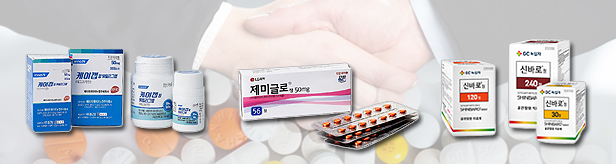
- The number of domestic pharmaceutical companies collaborating to jointly sell drugs has increased significantly. In the past, drug co-promotion contracts were mainly concluded between multinational pharmaceutical companies and domestic pharmaceutical companies. In the pharmaceutical industry, it is interpreted as a result in which the needs of both sides are well-matched. Companies with relatively weak sales power can enjoy the effect of increasing sales and securing customers by collaborating with companies that have expertise in a specific area. Companies entering the market through joint sales can expect the effect of expanding their product lineup. Here, it is analyzed that it can be relatively advantageous to enter the market through joint sales instead of selling products at low drug prices as generics. According to the pharmaceutical industry on the 4th, there are more than 10 cases of marketing and sales collaboration, such as co-promotion contracts for joint sales of drugs between domestic pharmaceutical companies this year. Last month ▲MOU for domestic sales and marketing of Insulin Glargine, a Lantus biosimilar between Dongkuk and GC Pharma ▲MOU between Dongkuk and Korea Pharmbio for intestinal sales co-promotion of Orafang ▲CCB series 3 between Samjin and Ilsung Four contracts were signed, including a co-promotional agreement for Azelblock, a first-generation hypertension treatment, and a co-promotional agreement between Anguk Pharm and CMG Pharmaceutical for rosuvastatin + omega 3 combination drug 'Mega M Dual Soft Cap'. Last month ▲ Dongkuk Pharm and GC Pharma's domestic sales and marketing business agreement for Lantus biosimilar Insulin Glargine, ▲ Dongkuk Pharm and Korea Pharmbio's booklet payment Orafang's hospital sales co-promotion business agreement, ▲ Samjin Pharm and Ilsung New Drug's CCB A co-promotion agreement was signed for Azelblock, a third-generation high blood pressure treatment affiliate, and ▲Mega M Dual Soft Cap, a rosuvastatin + omega-3 combination drug between Anguk Pharmaceutical and CMG Pharmaceutical. In January, ▲an exclusive sales contract between Kwangdong Pharm and Hanlim Pharm for the highly concentrated liquid nutritional tonic 'Horban', ▲an extension contract for joint sales of Edarbi and Edarbyclor between Donga ST and Celltrion Pharm, ▲HK Innoen and Samyang Holdings' domestic sales of Paclitaxel-based anticancer drug Genexol ·Marketing joint sales contract, and ▲Amortan-R' co-promotion contract between Anguk Pharm and CMG Pharmaceutical, a three-drug combination drug for hypertension and hyperlipidemia. Anguk and CMG Pharmaceuticals also signed a co-promotion for Lacbio, an intestinal medicine, in December last year. In the same month, SK Chemicals also signed an exclusive sales and distribution contract with Mothers Pharmaceuticals for Acerisone, a non-steroidal anti-inflammatory drug. (From left) K-CAB, Zemiglo, Shinbaro. It is regarded as an example of a successful co-promotion contract between domestic companies Since the end of last year, at least 13 domestic pharmaceutical companies have signed joint sales contracts in the past half year. It is evaluated that the cases of collaboration between domestic companies have increased significantly compared to the past. In the pharmaceutical industry, there is an analysis that collaboration between domestic companies is becoming a new trend. In the past, most of the co-promotional contracts in the domestic pharmaceutical bio-industry were in the form of multinational pharmaceutical companies borrowing the local area sales force of domestic pharmaceutical companies. It was mainly a method in which multinational companies were in charge of general hospitals and domestic companies were in charge of local clinics. The drug co-promotion between domestic pharmaceutical companies is interpreted as a result of the needs of the two contracting parties matching well. Pharmaceutical companies with relatively weak sales power can seek to increase sales by collaborating with companies that have expertise in a specific area. Even in the opposite case, it is an analysis that the pharmaceutical company can create synergy by expanding its lineup in the treatment area. Taking the Glarzia case of Dongkuk and GC Pharma as an example, Dongkuk is actively seeking to expand into the diabetes field. Dongkuk received approval for Daflzin, Tenelikan, Sitakan, and Sitakandapeul one after another from the end of last year. In April, a relay symposium was held for 500 medical staff in five regions across the country ahead of full-fledged sales promotion. Dongkuk Pharmaceutical's plan is to strengthen its diabetes treatment lineup by adding Glarzia, an insulin injection. GC Pharma plans to reverse the sluggish sales flow after the introduction of the product through collaboration with Dongkuk Pharmaceutical. GC Pharma introduced Glarzia from Indian pharmaceutical company Biocon and launched it in November 2018. At the time, Handok was in charge of domestic sales and marketing, but sales continued to be sluggish at around 1 billion won a year. It shows a big difference from the original Lantus, which generates sales of more than 20 billion won a year. Like K-CAB and Zemiglo, we also accumulated positive results from joint sales. It is analyzed that the steady accumulation of positive co-promotion results also contributed to the expansion of cooperation between domestic companies. A representative example is the joint sale of K-CAB by HK inno.N and Chong Kun Dang. HK inno.N signed a joint marketing contract with Chong Kun Dang and K-CAB in January 2019. As a result, K-CAB expanded its annual prescription amount to more than 130 billion won in four years of collaboration between the two companies. HK inno.N took on the challenge with P-CAB-type drugs at a time when PPI-type drugs were leading the market. It is an analysis that HK inno.N was able to quickly settle K-CAB in the market through collaboration with Chong Kun Dang. Chong Kun Dang has also established K-CAB as a product that greatly contributes to corporate performance. Daewoong and LG Chem jointly sold Zemiglo, GC Pharma and Daewon Pharm jointly sold Shinbaro, and Boryung and GC Pharma jointly sold Neulapeg. In the pharmaceutical industry, analysis is raised that there will be some impact from the stepped drug pricing system that took effect in July 2020. This system is a structure in which the drug price is reduced starting with the 21st registered drug. It means that the generic means that the drug price is lower. For generic companies, it may be more beneficial to jointly sell products that have already been released rather than belatedly developing generics and entering the market.
