
- LOGIN
- MemberShip
- 2026-04-28 07:35:14
- Policy
- Boryung's follow-on Lenvima, 'Lenvanib,' becomes reimbursed
- by Lee, Tak-Sun Jul 07, 2025 06:09am
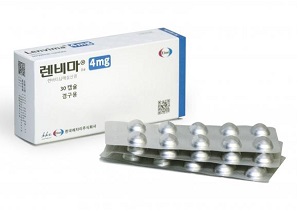
- Product photo of LenvimaBoryung has successfully obtained reimbursement listing for all dosages of 'Lenvanib Cap (lenvatinib mesylate dimethyl sulfoxide),' its follow-on drug to the anti-cancer medication Lenvima (lenvatinib mesylate, Eisai), which is used to treat conditions such as liver cancer. With the patent dispute with the original manufacturer, Eisai, still ongoing, Boryung is expected to commence sales following the listing of reimbursement. According to industry sources on July 4, Boryung's Lenvanib Cap 10 mg and Lenvanib Cap 12 mg were listed for reimbursement this month. Consequently, all three approved products, including Lenvanib Cap 4mg, which was listed for reimbursement in May, can be reimbursed. Lenvanib Cap is the first follow-on drug to Eisai's Lenvima in Korea. Unlike Lenvima, it has a solvate (dimethyl sulfoxide) attached. Boryung proved its equivalence to Lenvima through bioequivalence testing. Through this, Boryung filed patent invalidation or circumvention, and most of its claims were accepted by the Intellectual Property Trial and Appeal Board. However, Eisai has appealed the rulings concerning the invalidation of the use patent and the circumvention of the composition patent, and these disputes are currently ongoing at the Intellectual Property Court of Korea. The drug price for Lenvanib Cap 4mg and Lenvanib Cap 10mg is the same at KRW 26,765, while Lenvanib Cap 12mg is KRW 29,442, making them slightly cheaper than the original drug. The original product, Lenvima Capsule 4mg and 10mg, costs KRW 29,739. There is no 12mg product for the original drug. The approved indications for both products are identical, covering a total of four efficacies·effects, ▲Locally recurrent or metastatic progressive differentiated thyroid cancer refractory to radioactive iodine ▲First-line treatment of unresectable hepatocellular carcinoma (HCC) ▲Combination therapy with pembrolizumab for the treatment of advanced endometrial carcinoma that is not MSI-H (microsatellite instability high) or dMMR (mismatch repair deficient), in patients who have received prior systemic therapy and whose disease has progressed, and for whom surgical or radiation therapy is not suitable ▲First-line treatment of advanced renal cell carcinoma in combination with pembrolizumab. Among these, the two companies are disputing over the use patent related to thyroid cancer. The substance patent expired in April. As Boryung has successfully obtained reimbursement listing for all three dosages of its follow-on drug to Lenvima, it is expected to proceed with sales based on the Intellectual Property Trial and Appeal Board's ruling. However, an analysis suggests that Boryung is likely to proceed cautiously with sales activities until the court results are finalized, as a loss in the ongoing patent litigation at the Intellectual Property Court of Korea could lead to market withdrawal and the risk of patent infringement compensation. The original Lenvima recorded sales of KRW 10.3 billion in 2023, based on IQVIA data.
- Policy
- MFDS reviews GMP standards for sterile preparations abroad
- by Lee, Hye-Kyung Jul 07, 2025 06:09am
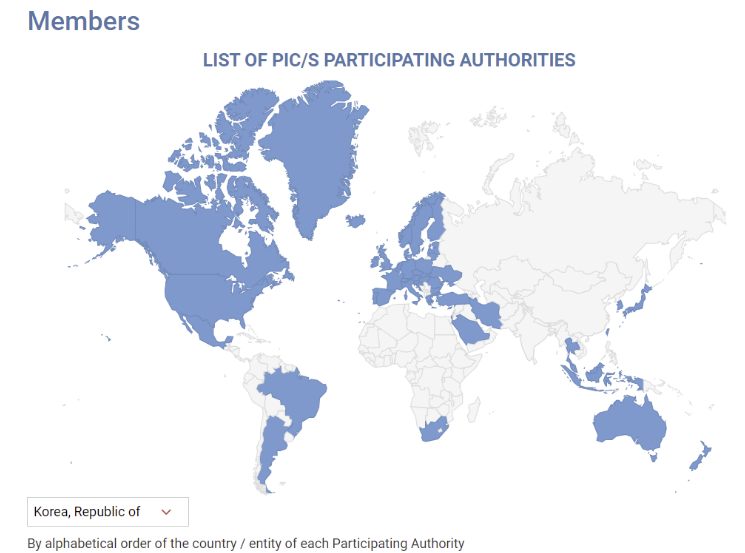
- With the Ministry of Food and Drug Safety planning to enforce revised GMP standards for sterile drug products reflecting PIC/S international standards in December, it plans to identify research tasks on items that require international harmonization by analyzing the regulatory status of reference countries. Ahead of its re-entry into PIC/S in 2023, the MFDS announced the “Regulations on Drug Manufacturing and Quality Control (MFDS Notice)” that contained a risk assessment-based systematic contamination management strategy and operational plan to enhance the quality assurance level of sterile drug products. Instead of implementing PIC/S-level strengthened GMP for sterile preparations in December as planned, the MFDS has decided to establish guidelines for large-volume parenteral solutions, contamination control strategies (CCS), and PUPSIT (Pre-use Post-sterilization Integrity Testing), referring to the results of the “Study on the Implementation of Sterile GMP Regulatory Harmonization” currently being conducted by the Manufacturing Quality Innovation Committee of the Korea Pharmaceutical and Bio-Pharma Manufacturers Association. Additionally, the MFDS recently announced a bid for the “Study on Implementation Strategies for Regulatory Harmonization of Manufacturing and Quality Control Based on Global GMP Trend,” aiming to establish implementation strategies for manufacturing and quality control based on an analysis of international regulatory trends, including those of advanced pharmaceutical countries and PIC/S regulations, to support the stable adoption of regulatory systems within the domestic pharmaceutical industry. The objective of the study is to establish a strategic foundation for regulatory harmonization in the pharmaceutical GMP field and expand domestic pharmaceutical exports by conducting a gap analysis based on research into international GMP regulatory trends. To this end, the regulatory status and implementation cases of advanced pharmaceutical countries and major PIC/S member countries (such as the United States, Europe, and Japan) will be studied, and gap analysis will be conducted between domestic GMP regulations and PIC/S GMP regulations to identify research tasks requiring international regulatory harmonization. In particular, the gap analysis will include the period before and after the revision of domestic GMP standards for sterile drug products, and future research tasks will include consideration of aseptic testing for large-volume parenteral solutions, the establishment of a CCS, and the application of PUPSIT. In addition, the formation of a pool of domestic and international experts in related fields, and consulting with relevant experts when necessary or holding seminars or presentations for the domestic pharmaceutical industry with invited external GMP experts as needed will also be studied. Based on the results of this study, the Ministry of Food and Drug Safety (MFDS) plans to develop draft guidelines for research topics requiring international regulatory harmonization.

- Company
- ‘Need to institutionalize reinvestment of funds into R&D'
- by Kim, Jin-Gu Jul 07, 2025 06:09am
- A recommendation was made for the implementation of a system that reinvests the savings from drug price reductions by pharmaceutical and biotech companies into R&D for new drugs and ensures a fixed price during the early stages of a new drug's market launch. Professor Jeonghoon Ahn of the Department of Convergence Health Sciences at Ewha Womans University stated in an issue report published by the Korea Pharmaceutical and Bio-Pharma Manufacturers Association (KPBMA) on the 3rd, “Post-marketing price management and R&D support must be designed to achieve policy coherence,” and proposed, “A predictable environment must be established to build a virtuous cycle in the pharmaceutical and biotech industry.” “Reinvesting savings from drug price cuts into R&D…differentiated price cut rates should be applied based on investment scale” Professor Ahn emphasized the need to move away from the dichotomy of viewing drug price cuts as a simple cost-cutting measure. He explained that a system should be established to encourage companies to reinvest the funds saved from drug price cuts into R&D. Professor Ahn proposed the institutionalization of a “drug price cut reinvestment system” as an alternative. He predicted that this system would enable efficient fiscal management without stifling industrial growth. Specifically, he proposed ▲differentiating drug price reduction rates based on the scale of a company's R&D investment, ▲institutionalizing the reinvestment of funds saved through drug price reductions into R&D, and ▲establishing a new program where the government and private sector jointly support high-risk stages of research such as Phase III clinical trials and allow recover of a certain portion of their support through sales upon success. Ahn also said that a system to guarantee the initial drug price of new drugs for a certain period of time is necessary. Similar to Japan's “price maintenance premium” system, this system guarantees drug prices for a certain period of time after the launch of a new drug and limits excessive price reductions during the patent period. Ahn also suggested that government-funded R&D should be reflected in drug pricing by allowing cost-based pricing for new drugs, and that a risk-sharing agreement should be established to enable companies to recover their investment. “Failed research should also be granted tax credits... Overall improvement of tax incentives is necessary” Along with improving the drug pricing system, Professor Ahn diagnosed that overall improvement of tax policies is necessary. In particular, he emphasized that failed research should also be included in tax credits, considering the possibility of failure in new drug development. In addition, he argued that tax support should be expanded for costs incurred during Phase III clinical trials, such as patient recruitment, CRO contracts, and data analysis. Furthermore, he noted the need for flexibility across the board in the system, including: ▲recognition of costs for purchasing clinical trial drugs and animals as material expenses; ▲clarification of criteria for verifying overseas clinical trial costs; and ▲relaxation of registration requirements for research institutes engaged in commissioned or joint R&D. Additionally, they suggested that the following issues should be reviewed: ▲reflecting the payment structure for each clinical stage in tax laws; ▲applying an exception to the minimum corporate tax rate based on the scale of R&D investment; ▲expanding the scope of tax credit carryover; ▲applying preferential tax rates on patent revenues earned through the introduction of a patent box system; and ▲shortening the depreciation period for research equipment. Professor Ahn said, “Given the high level of uncertainty in the pharmaceutical and bio industry, there must be substantial tax incentives for companies to decide on bold investments from a long-term perspective,” adding, “Tax and drug price systems must be organically linked for a virtuous cycle of R&D reinvestment to function.” “Risks of new drug development must be mitigated through predictable systems…Post-marketing management system needs reform” Professor Ahn pointed out that the current post-marketing drug price management system causes uncertainty in companies' R&D decision-making. Ahn criticized that the price-volume price linkage system and the actual transaction price reduction system are operated in a fragmented manner, resulting in repeated price reductions for certain items. They also pointed out that the drug price calculation and reduction criteria are unclear, making it difficult for companies to predict. To address these issues, he emphasized the need for structural improvements, including: ▲integrating the implementation timeline of the post-marketing drug price management system; ▲introducing an “R-zone” in the actual transaction price-based price reduction system; and ▲mitigating the concentration of price reductions on specific drug formulations. Professor Ahn stated, “The drug price management system and tax support measures must be designed in a predictable form so that companies can confidently invest in new drug development. This could lead to the enhancement of technological capabilities and global competitiveness in the domestic pharmaceutical and biotechnology industry.”
- Policy
- MFDS reviews emergency import of 'anakinra'
- by Lee, Hye-Kyung Jul 07, 2025 06:08am
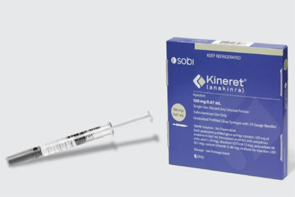
- Product photo of Kineret (anakinra) The Ministry of Food and Drug Safety (MFDS) is reportedly conducting a review of whether to urgently import anakinra (brand name Kineret) for the treatment of severe adverse reactions associated with CAR-T cell therapy. On June 2nd, in response to an official inquiry from specialized journalists, MFDS stated, "MFDS is currently reviewing the necessity of emergency import based on the safety, efficacy, and overseas usage status of this product and its indication." The current MFDS review is a follow-up action to the emergency import request for anakinra submitted by the Korean Society of Hematology. The Pharmaceutical Safety Bureau, which received the request, transferred the item to the MFDS Biopharmaceuticals Policy Division for an official review process. CAR-T cell therapy is an advanced, precision treatment that genetically modifies a patient's immune cells to target and attack cancer cells. It has garnered significant attention as a treatment offering different effects compared to conventional anti-cancer drugs, particularly for relapsed and refractory acute lymphoblastic leukemia, diffuse large B-cell lymphoma, and multiple myeloma. In South Korea, the treatment costs KRW 400-500 million. With national health insurance reimbursement applied, the patient's out-of-pocket burden has significantly decreased. Yet, while this high-cost therapy is supported with reimbursement, some adjuvant medications used to manage severe immune adverse reactions that can occur after treatment remain unreimbursed. 'Tocilizumab' or 'high-dose steroids' are primarily used as first-line agents. However, for patients who are refractory to these, anakinra, an Interleukin-1 (IL-1) inhibitor, serves as a crucial therapeutic alternative. However, anakinra's general use in Korea has been blocked since its withdrawal from the domestic market based on the manufacturer's decision. Anakinra is an interleukin-1 receptor antagonist manufactured by Sobi of Sweden. It's approved in countries such as the United States (FDA), Europe (EMA), and Japan (PMDA) for treating conditions including rheumatoid arthritis, CAPS (Cryopyrin-Associated Periodic Syndromes), FMF (Familial Mediterranean Fever), and Still's Disease. The 2025 European CAR T Handbook by the GoCART Coalition recommends high-dose anakinra administration for Cytokine Release Syndrome (CRS) and Immune Effector Cell-Associated Neurotoxicity Syndrome (ICANS), and its guidelines include co-administration with corticosteroids for patients with IEC-HS (Immune Effector Cell-Associated Hemophagocytic Lymphohistiocytosis/Macrophage Activation Syndrome). Specifically, the guidelines suggest anakinra as an essential treatment option for high-risk patients who do not respond to steroid and tocilizumab therapies. Furthermore, a study by Gazeau N et al. (Transplant Cell Ther. 2023) showed that among 43 patients who developed Grade 2 or higher complications after CAR-T therapy and were administered anakinra, the treatment-related mortality rate within 28 days was 0%, and the overall response rate was 77%. Meanwhile, in South Korea, anakinra is currently supplied only in a limited manner through the Korea Orphan & Essential Drug Center (KOEDC) as an urgently imported drug. Yet, it is not permitted for treating adverse reactions of CAR-T. Consequently, some hospitals are attempting to offer limited prescriptions through their own Institutional Review Board (IRB) approvals. However, the treatment is neither reimbursed nor guaranteed legal protection, making nationwide application impossible. The Korean Society of Hematology stated, "Currently, medical professionals are forced to off-label use anakinra, even risking illegal practice, to save patients' lives," and added, "This does not align with the fundamental principles of national public health systems and the right to life, and urgent institutional reform is desperately needed." The Korean Society of Hematology, which has submitted requests to the Ministry of Health and Welfare (MOHW) and the HIRA for several years following the reimbursement of CAR-T cell therapy, submitted a request via the 'Anti-Corruption & Civil Rights Commission (e-People)' portal in April regarding the allowance of off-label use of anakinra and institutional improvement. In response, MFDS replied that "upon request from a central administrative agency or professional organization, we can review the expansion of the reimbursement scope based on the necessity for patient treatment, availability of alternatives, and overseas approval status." In response, the Korean Society of Hematology formally submitted an emergency import request for anakinra to the MFDS Pharmaceutical Safety Bureau on May 19. The request included information such as product details, approval status in major overseas countries, usage cases in the U.S. and Europe, the necessity of its use in life-threatening situations, domestic demand prediction (less than 100 cases annually), and the lack of drug alternatives. The Korean Society of Hematology stated, "Rapid immune modulation is essential in life-threatening severe complications, and currently, there are no drugs with a similar mechanism to anakinra available in South Korea." They emphasized, "This emergency import request is an essential measure to protect patient lives and ensure access to treatment, and prompt institutional reform is required."
- Company
- 'Tecentriq' reattempts at lung cancer adjuvant therapy reimb
- by Eo, Yun-Ho Jul 04, 2025 06:06am
- Product photo of Tecentriq 'Tecentriq,' immunotherapy for cancer, will be submitted again for expanded insurance reimbursement of adjuvant therapy for lung cancer. According to our press coverage, Roche Korea applied for expanded reimbursement of its PD-L1 inhibitor Tecentriq (atezolizumab) and is awaiting review by the Cancer Disease Review Committee (CDRC) of the Health Insurance Review & Assessment Service (HIRA). It is their third attempt. The detailed indication that the company is applying for expanded reimbursement is 'adjuvant therapy after resection and platinum-based chemotherapy for Stage II-IIIA non-small cell lung cancer (NSCLC) where PD-L1 is expressed in 50% or more of tumor cells (TC).' Tecentriq was first submitted to the CDRC in May 2023; however, at that time, reimbursement criteria for the drug had not been established. Then, the company made a second attempt, but it did not pass the CDRC in July of last year. At that time, Roche presented overall survival (OS) improvement results at the American Society of Clinical Oncology (ASCO) meeting, but the company did not receive the outcome. Consequently, it is to be watched whether Tecentriq receives a different outcome at the third attempt. Meanwhile, Tecentriq is indicated for various types of lung cancer and was the first immunotherapy to be approved for first-line treatment of extensive-stage small cell lung cancer in combination with carboplatin and etoposide (chemotherapy). Furthermore, it continues to conduct various clinical studies to address unmet medical needs in advanced or metastatic NSCLC, either as a monotherapy or in combination with other targeted therapies, chemotherapy, or immunotherapies. NSCLC is a key lung cancer type that accounts for approximately 85-90% of lung cancer, which is the leading cause of cancer death in Korea. A significant number of patients are diagnosed at the locally advanced or metastatic stage, and about half of NSCLC patients who undergo complete resection still experience cancer recurrence after surgery. NSCLC poses a heavy burden on these patients.
- Policy
- National Office of Investigation announces rebate crackdown
- by Lee, Jeong-Hwan Jul 04, 2025 06:06am
- Amidst the National Police Agency's announcement of a special crackdown on illegal drug rebates following the launch of the new administration, the Ministry of Health and Welfare is also busy assessing the situation. The MOHW plans to actively consult with the National Police Agency if it receives a specific request for cooperation to crack down on illegal rebates. On the 2nd, an official from the MOHW explained, “The issue of illegal rebates is understood to be part of a national policy agenda related to the National Police Agency's special crackdown, aimed at eradicating corruption and promoting integrity among public officials.” However, the official said that no separate request for cooperation has been made by the National Police Agency to MOHW for the special crackdown on rebates so far. The Ministry of Health and Welfare is currently maintaining its routine of monitoring cases and referring them to investigative agencies such as the police, in accordance with the guidelines for handling illegal pharmaceutical rebates. The ministry also plans to respond to future requests for cooperation. The official said, “The MOHW requests investigations by the police or the prosecution when it receives external reports or complaints related to rebates. This is in accordance with our guidelines for handling rebates. The police or the prosecution launches an investigation, then reports the results to the MOHW.” He added, “There are cases where the police request an authoritative interpretation to the MOHW when legal interpretation is necessary, such as whether there has been a violation of the Pharmaceutical Affairs Act, and some investigative agencies request the submission of expenditure reports. In response to some requests earlier this year, we provided (submitted expenditure reports) within the scope that could be disclosed.” He added, “There are no immediate plans or policies regarding the media reports, but we are cooperating with the prosecution and the police and are requesting investigations if necessary.”
- Opinion
- [Reporter’s View] NHI finances and reimb expansions
- by Lee, Jeong-Hwan Jul 04, 2025 06:06am
- Striking a balance between improving the financial sustainability of the national health insurance system and enhancing patient access to drugs for rare and intractable diseases is a national issue. The two issues that repeatedly come into conflict have long occupied the attention of all political parties in their search for solutions, yet a clear and definitive answer has remained elusive. With ample finances, there would be no need to agonize over finding concrete solutions. The problem is that the surplus funds available for drug expenses within the health insurance budget are becoming increasingly scarce. The global paradigm for new drugs is rapidly shifting from chemical drugs to biopharmaceuticals. Global big pharmas are focusing on developing ultra-high-priced one-shot treatments for severe and intractable diseases for which there are no effective drugs, and the number of biopharmaceuticals approved in Korea is increasing accordingly. This in turn is increasing the health insurance authorities' concerns. There are an increasing number of cases where expensive drugs with therapeutic effects proven through clinical trials are being developed, but there are insufficient financial resources to ensure patient access to each and every drug that emerges with health insurance coverage. Another issue is that the entry of ultra-high-priced drugs for severe and intractable diseases developed by global big pharmas into the Korean market poses an unintended threat to domestic pharmaceutical companies. In order to increase reimbursement for ultra-high-priced drugs within the limited national health insurance budget, the easiest measure is to reduce the insurance ceiling price (drug price) of existing drugs to create financial leeway. This means that the prices of drugs manufactured by most domestic pharmaceutical companies that maintain their business with generic drugs are likely to fall. Drug price experts often describe the repeated administrative practice of lowering prices of already approved drugs to fund high-cost drugs as a zero-sum game. This expression metaphorically describes the reality of having to balance two conflicting priorities: expanding treatment opportunities for patients with severe and rare diseases while also supporting the domestic pharmaceutical industry, both of which are inextricably linked to the limited national budget. As such, the new administration is tasked with the challenge of reducing or eliminating the conflict zone between two zero-sum goals: “enhancing the sustainability of the national health insurance finances” and “improving access to new drugs.” Among the many ways to solve this problem, this reporter has two suggestions for the new administration based on the opinions of drug price experts. First, I ask the government to take the courage to pursue a new agreement on the allocation of health insurance drug expenses and consider the establishment of a separate fund for severe and intractable diseases, targeting high-cost drugs, as an additional funding source. This means reducing health insurance drug costs for mild diseases (by increasing patient copayments) and launching a process to gather opinions and reach a consensus across society and the public on expanding reimbursement for severe diseases, while at the same time securing additional financial resources with the mission of improving access to high-cost drugs. Both are expected to face significant challenges in implementation, but given the recurring zero-sum nature of the issue, it is an issue that cannot be ignored any longer. President Lee Jae-myung has repeatedly pledged to design a true Korea. We hope that the process of deriving a social consensus on a genuine health insurance policy aligned with the principles and philosophy of the National Health Insurance System will take its first steps in tandem with the design of a true Korea.

- Company
- Will the external reference pricing reevals be resumed?
- by Kim, Jin-Gu Jul 04, 2025 06:06am
- Tensions are rising in the pharmaceutical and biotech industry amid speculation that the external reference pricing reevaluations may be pushed forward again in the second half of this year. The industry is reacting sensitively, as the proposal previously discussed by the consultative body could lead to large-scale drug price cuts if adopted as is. External reference pricing reevaluation that was scheduled for this year... specific promotion schedule unclear According to industry sources on the 3rd, there is a possibility that the external reference pricing reevaluations will be pushed forward again in the second half of this year. Once the organizational restructuring is complete with the appointment of the Minister of Health and Welfare, it is expected that discussions on external reference pricing reevaluations will resume. The Lee Jae-myung administration has nominated Jeong Eun-kyung (60), former head of the Korea Disease Control and Prevention Agency, as Minister of Health and Welfare. With the appointments of the first and second vice ministers already finalized, the reorganization of the MOHW will be mostly complete once Jeong passes her confirmation hearing and is officially appointed as minister. This has led to speculation that the MOHW will accelerate its efforts to revive policies that have been effectively put on hold since the state of emergency was declared at the end of last year. Discussions on reevaluating foreign drug prices began in earnest at the end of 2023. The government formed a task force (TF) with the participation of the pharmaceutical industry and held a total of 10 meetings until July last year. The meetings discussed the foreign drug price reference standards, the targets for reevaluation, and the implementation date. It was decided to lower domestic drug prices in line with the adjusted average prices of the 6 countries with the highest and lowest prices among the A8 countries (the US, Japan, Germany, the UK, France, Switzerland, and Italy). The price cut will apply to 22,920 drugs listed on the drug reimbursement list, which will be divided into three categories and re-evaluated every three years. However, there were still some areas where no consensus was reached. These include the method of referencing Germany and Canada's drug prices. Ultimately, the pharmaceutical industry proposed to the government that the drug price reference standards for Germany and Canada be changed and that the drug price reduction rate be reduced by 50%. The government had originally planned to announce its final proposal by the end of last year and conduct the reevaluation in the first half of this year. It then planned to begin full-scale drug price adjustments in the second half of this year. However, all discussions were suspended after the state of emergency was declared at the end of last year. This situation continued until recently due to the impeachment of the president and early presidential elections. An industry official said, “As far as I know, there have been no official or unofficial discussions on the external reference pricing reevlautions since the last meeting last year. A new Director of the Division of Health Insurance Benefits has been appointed, but the situation remains the same.” Various scenarios proposed, ranging from “including integrated post-marketing management measures” to “excluding Germany and Canada” The pharmaceutical industry appears to be feeling burdened by the mere fact that related discussions may be restarted. An industry official said, “Although the continued uncertain state is unsettling, it is better than having a definite implementation schedule. There is an underlying hope that the discussions stay suspended for a long time.” With the implementation schedule and details still unclear, various scenarios are being raised. Some predict that the plan for the external reference pricing reevlautions will be included in the integrated post-marketing management plan and be renegotiated from scratch. This prediction is gaining traction given that President Lee Jae-myung promised to integrate and advance Korea’s post-marketing management of drug prices. In addition, there are predictions within and outside the MOHW that the government will partially accept the pharmaceutical industry's opposition. The government is expected to partially accept the pharmaceutical industry's opposition to the German and Canadian drug price reference methods and either exclude those two countries or change the reference method. On the other hand, there are also predictions that the government will push ahead with the reevaluation as originally planned. In this case, significant opposition is expected as considerable damage to the pharmaceutical industry is anticipated. A pharmaceutical industry official said, “Discussions on various pressing issues have been suspended. At present, it is difficult to predict when and how they will resume. However, it seems likely that discussions will resume in some form in the second half of this year.” The official added, “Among these, concerns about the resumed external reference pricing reevaluations are particularly high. If the re-evaluation proceeds as previously discussed, the damage is expected to be very significant. If the government decides to proceed with this, it must first once again engage in discussions with the pharmaceutical industry.”
- Company
- Lilly launches Ebglyss in Korea… sparks competition
- by Son, Hyung Min Jul 03, 2025 06:12am
- Professor Hyun-Chang Ko of the Department of Dermatology at Pusan National University Yangsan Hospital The official launch of Lilly's Ebglyss has expanded treatment options for atopic dermatitis patients in Korea. With the arrival of Ebglyss, the number of biological agents available for the treatment of atopic dermatitis in Korea has increased to three. Experts welcomed the emergence of diverse treatment options but emphasized that there is still room for improvement in terms of patient access, due to the inability to switch between different classes of drugs. On the 2nd, Lilly Korea held a press conference at the Plaza Hotel in Jung-gu, Seoul, to commemorate the domestic launch of Ebglyss. Ebglyss is a new biological agent that selectively blocks interleukin (IL)-13, a cytokine that is a major cause of atopic dermatitis. This treatment was approved in August last year as a treatment for moderate-to-severe atopic dermatitis in adults and adolescents aged 12 years and older (weighing 40 kg or more) who are not adequately controlled with topical treatments or for whom these treatments are not recommended, and was granted reimbursement starting this month. Previous atopic dermatitis treatments included Dupixent, which inhibits IL-4 and IL-13, the Janus kinase (JAK) inhibitor Rinvoq, and Adtralza, which targets IL-13. However, the introduction of Ebglyss has expanded treatment options. As atopic dermatitis is a chronic condition with no cure and a long treatment period, diverse treatment options are essential. Ebglyss has demonstrated efficacy and safety in Phase III clinical trials, including ‘ADvocate-1,’ 'ADvocate-2,‘ and 'ADhere.’ In the ‘ADvocate-1’ and ‘ADvocate-2’ studies evaluating Ebglyss monotherapy, the Ebglyss group achieved an EASI-75 response rate of 58.2% and 52.1% during the induction period (0–16 weeks), compared to 16.2% and 18.1% in the placebo group. The EASI-90 rate was 38.3% and 30.7% in the Ebglyss group, respectively, while the placebo group was 9% and 9.5%. EASI measures the severity and spread of atopic eczema. Also, after one year of maintenance therapy, the EASI-75 achievement rate in the severity group at Week 52 was 81.7%, and the EASI-90 ratio was 66.4%. These figures were higher than those in the placebo group (66.4% and 66.4%, respectively). In terms of safety, the most common adverse reactions were conjunctivitis (6.9%), injection site reactions (2.6%), allergic conjunctivitis (1.8%), and dry eyes (1.4%). Most adverse reactions were mild or moderate and did not lead to treatment discontinuation. Professor Hyun-Chang Ko of the Department of Dermatology at Pusan National University Yangsan Hospital commented, “Dupixent can be administered at two-week intervals, but extending the interval tends to reduce its efficacy. Ebglyss demonstrated sustained clinical efficacy and safety even with monthly maintenance therapy. Its long-lasting therapeutic effect also offers the advantage of greater convenience in administration.” He added, “In particular, Dupixent had a high rate of erythema and conjunctivitis, and this rate was lower in the pivotal clinical trial for Ebglyss. In terms of safety, Ebglyss did not show any notable adverse reactions compared to the placebo group.” Despite the emergence of various treatments, unmet needs remain Ebglyss is the third biological agent to enter this market. With the introduction of Ebglyss, patients, following Dupixent from Sanofi and Adtralza from Leo Pharma. However, some experts say that despite the introduction of various treatments, there are still unmet medical needs. According to domestic atopic dermatitis guidelines, systemic treatment is strongly recommended for patients with moderate-to-severe atopic dermatitis. However, while the proportion of moderate-to-severe patients among domestic atopic dermatitis patients increased from 30.9% in 2002 to 39.7% in 2019, the prescription rate for systemic immunosuppressants in this patient group remained at just 5%. Professor Min-kyung Shin of the Department of Dermatology at Kyung Hee University Medical Center, Min-kyung Shin, a professor of dermatology at Kyung Hee University Medical Center, said, “The effectiveness and side effects of each treatment may vary depending on the age and immune status of patients with severe atopic dermatitis. We are treating patients in consideration of their response to side effects such as latent tuberculosis, as well as whether the treatment can help with comorbidities, patient preferences, and clinical phenotypes.” Shin added, “Even though biological agents and JAK inhibitors are reimbursed in Korea, many patients are unable to receive optimal treatment due to financial burdens. Although it is possible to switch between biological agents and JAK inhibitors, it is still not possible to switch between treatments within the same class, so there is room for improvement.”
- Company
- Will twice-yearly Bayer's 'Eylea' become available in KOR?
- by Eo, Yun-Ho Jul 03, 2025 06:12am
- Product photo of Eylea Twice-yearly administration of 'Eylea,' used to treat eye disease, is anticipated to be possible in South Korea. The Ministry of Food and Drug Safety (MFDS) is conducting a review of the expanded indication for the administration of Bayer Korea's high-dose Eylea (aflibercept) 8 mg at intervals of up to 6-months. The approval is expected in the second half of this year. The detailed indication under review is vision disorder due to neovascular or wet age-related macular degeneration (nAMD) or diabetic macular edema (DME). Eylea 8 mg is an anti-vascular endothelial growth factor (VEGF) with increased sustainability achieved by increasing the molar dose of the existing 2 mg product by four times. This drug's 6-month interval administration obtained expanded approval from the European Commission (EC). The efficacy of Eylea's long-term administration was demonstrated through the PULSAR study, which involved macular degeneration, and through the PHOTON study, which involved DME. In the extension period (weeks 96-156) of both studies, patients randomized to Eylea 8mg at week 0 maintained their vision and anatomical improvements. Notably, 24% of nAMD patients and 28% of DME patients maintained their final treatment interval at six months after three years. The safety profile of Eylea 8mg remained favorable throughout the three years in both studies, consistent with the established safety profile of Eylea 2mg. No new safety issues were observed in the long-term safety data from either study. The data includes patients who switched from Eylea 2 mg to 8 mg at week 96. Meanwhile, high-dose Eylea was approved in South Korea in 2024 and received insurance reimbursement starting in October of the same year. The current reimbursement criteria include patients with nAMD and DME who meet the conditions of Hemoglobin A1c (HbA1c) 10% or less and a minimum central retinal thickness of 300 µm. The current dosing interval involves monthly injections for the first three months, which can then be extended up to 16 weeks, based on the doctor's judgment, following the results of a vision or anatomical examination.
