
- LOGIN
- MemberShip
- 2026-04-28 07:35:15
- Policy
- Release of Boryung’s generic version of Stivarga imminent
- by Lee, Tak-Sun Jul 24, 2025 06:07am
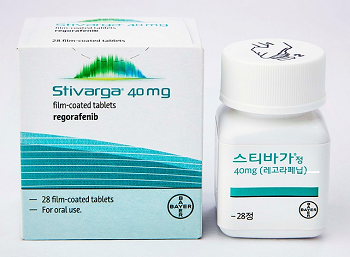
- The price of the liver cancer drug Stivarga Tab 40mg (regorafenib, Bayer) will be adjusted following the termination of the risk-sharing agreement due to the anticipated listing of its generic versions. Among the many companies, Boryung is expected to be the first company to launch a generic version of Stivarga in Korea. According to industry sources on the 23rd, the maximum price of Stivarga Tab 40mg will be adjusted from KRW 28,110 to KRW 22,450 from August. This is a measure following the termination of the risk-sharing agreement. Stivarga entered into a refund-type risk-sharing agreement when it was listed for reimbursement in June 2016 as a treatment for gastrointestinal stromal tumor (GIST). In addition, from May 2018, a refund-type RSA has been additionally applied to Stivarga as a second-line treatment for hepatocellular carcinoma. Last year, the company also signed a third RSA renewal contract with the Health Insurance Review and Assessment Service. The current insurance price cap is set at KRW 28,110, different from the actual price. However, the insurance price cap of KRW 22,450, to which the price will be adjusted after the termination of the RSA deal, is the actual price. The RSA has been in effect for 9 years, but a variable–entry of generic versions has emerged. In November last year, Boryung Pharmacuetical received approval from the MFDS for Regoranib Tab 40 mg, a generic version with the same active ingredient as Stivarga. Regoranib demonstrated bioequivalence to Stivarga through a bioequivalence test. This drug is expected to be released on the market after August 29, when Stivarga's patent expires. The industry expects it to be distributed on the market from September. The termination of the RSA for Stivarga was decided at the Drug Reimbursement Evaluation Committee (DREC) meeting held in April. The committee concluded that, considering Stivarga 40mg is expected to remain reimbursable even after the marketing of an equivalent generic formulation, the product qualifies for early termination of the RSA and that termination negotiations are required. Since then, the company completed negotiations to terminate the risk-sharing agreement with NHIS, and the insurance price ceiling amount was adjusted. Last year, Stivarga’s outpatient prescription sales amounted to KRW 7.7 billion, a decrease of 16.8% compared to the previous year. Since February, Chong Kun Dang has been exclusively distributing the drug in Korea under a contract with Bayer.
- Policy
- Ruling party introduces another bill to reimburse abortion
- by Lee, Jeong-Hwan Jul 24, 2025 06:07am
- Following Representative In-soon Nam of the Democratic Party of Korea, Representative Sujin Lee of the same party submitted a bill on the 23rd to legally allow artificial termination of pregnancy through drugs such as Mifegyne and to apply health insurance reimbursement to surgical and pharmaceutical abortion procedures. The partial amendment to the Mother and Child Health Act proposed by Rep Sujin Lee allows artificial termination of pregnancy with the consent of the pregnant woman and provides insurance reimbursement for relevant procedures. Also, the bill will revise the term "artificial abortion surgery" to "artificial pregnancy termination," and the Minister of Health and Welfare will be granted legal authority to establish and operate pregnancy and childbirth support centers. These centers will handle services such as emergency hotlines and online counseling for pregnancy and childbirth-related support. Local government heads will be required to establish comprehensive counseling centers within public health centers, or the Minister of Health and Welfare may designate such institutions to provide information on pregnancy and childbirth, and to conduct counseling related to both maintenance and termination of pregnancy. Under the proposed legislation, the head of the comprehensive counseling center will be required to promptly issue a certificate confirming the counseling session when requested by a woman who has received counseling on maintaining or terminating a pregnancy. Rep Lee explained, “Although the Constitutional Court has ruled that the crimes of self-induced abortion and physician-assisted abortion are unconstitutional, relevant laws have not yet been revised, resulting in a legislative gap. This legislation aims to allow the use of medication for pregnancy termination, permit artificial pregnancy termination without restrictions, and ensure that women can make their own decisions through adequate information and support.” Abortion pills are available overseas under the name “Mifegyne.” In South Korea, Hyundai Pharm has reportedly signed a licensing agreement and exclusive supply contract with British pharmaceutical company LinePharma International for the domestic distribution of the drug under the brand name “Mifegymiso.”
- Company
- Wegovy legend Novo Nordisk pursues public good and profit
- by Cha, Jihyun Jul 24, 2025 06:06am
- KRW 318 trillion. This is the market capitalization of Novo Nordisk as of the closing price on the 16th. The market capitalization of this single Danish pharmaceutical company is more than 15 times larger than the combined market capitalization of the top 10 pharmaceutical companies in South Korea (JW Pharmaceutical, Kwangdong Pharmaceutical, GC Biopharma, Daewoong Pharmaceutical, Dong-A Pharmaceutical, Boryung Pharmaceutical, Yuhan Corp, Ildong Pharmaceutical, Chong Kun Dang, and Hanmi Pharmaceutical), which totals approximately KRW 21 trillion. Novo Nordisk rose to the top of the European stock market by capitalization thanks to its GLP-1 (glucagon-like peptide-1) class obesity treatment drug “Wegovy.” The foundation-owned governance structure has served as a key factor to Novo Nordisk's explosive growth. The company operates under a model of “Foundation → Holding Company → Operating Company.” The nonprofit public interest foundation Novo Nordisk Foundation holds 100% of the shares in Novo Holdings, which in turn controls the core business entities such as Novo Nordisk and Novonesis.. Novo Holdings structure (Source: Novo Holdings) Thanks to this structure, Novo Holdings can consistently implement its investment philosophy without being swayed by short-term profits or market fluctuations. Novo Holdings does not prioritize financial performance above all else. Instead, it aims to create sustainable value by promoting human health and planetary health as its core values. Novo Holdings also has the flexibility to respond to changes in equity stakes and investment methods. It can secure a majority stake to deeply engage in direct management or, conversely, hold a minority stake while focusing on long-term support and public interest objectives. The timing of investment exits is not strictly predetermined. In other words, Wegovy is the result of a foundation-owned governance structure and a long-term investment philosophy. Novo Holdings' financial performance is also noteworthy. Last year, Novo Holdings generated revenue of EUR 8 billion (approximately KRW 13 trillion), a nearly twofold increase from the previous year. The portfolio return rate jumped from 9.4% in 2023 to 18% last year. Novo Holdings has expanded its global investment footprint significantly recently. In particular, since establishing its Asia office in Singapore in 2021, it has been rapidly expanding its presence in the region. Dailpharm met with Amit Kakar, Head of Novo Holdings' Asia and Managing Partner, about the company's investment vision and future plans for Asia, including Korea. Amit Kakar, Head of Novo Holdings Asia and Managing Partner -What are the core philosophies or principles guiding Novo Holdings' global investment decisions? As a long-term investor, Novo Holdings has a dual mandate to generate attractive financial returns while making a meaningful contribution to improving human health and planetary health. Our investment strategy is rooted in our deep heritage in life sciences, our global network, and our value-based responsible investment approach. -In terms of investment, what industries or platform technologies is Novo Holdings currently focusing on? Novo Holdings invests across the entire life sciences value chain. We focus on biotechnology, biopharmaceuticals, medical technology, healthcare information technology (IT), pharmaceutical services, diagnostics, and life science tools. We are also actively expanding into the field of planetary health and investing in science-based, scalable solutions to environmental and social issues. From an investment cycle perspective, we execute investments across all stages of corporate growth, ranging from early-stage investments such as seed or venture capital to growth-stage equity investments and large-scale direct investments. We also operate a globally diversified capital investment portfolio to spread risk. -How does Novo Holdings view investment opportunities in Asia, particularly in South Korea? Asia is a strategic growth region for Novo Holdings. The region combines rapid urbanization, growing healthcare demand, and innovation potential, which align closely with our long-term investment mission. To date, we have built a diverse portfolio through our teams in Singapore, Shanghai, and Mumbai. South Korea is an attractive market with strong innovation capabilities, a solid R&D infrastructure, and a growing global presence in the biopharmaceutical, diagnostics, and medical device sectors. Novo Holdings views South Korea as an important pillar of its Asia strategy and is actively seeking to build relationships to explore future collaboration and investment opportunities. -Are there any cases of ongoing or planned collaborations between Novo Holdings and Korean companies or institutions? South Korea is a key market of interest for Novo Holdings in Asia. In April last year, Novo Nordisk and the Korea Health Industry Development Institute (KHIDI) jointly hosted Novo Nordisk Partnering Day in Seoul. The event was organized to increase contact with innovative Korean companies and discover opportunities for synergy. We are also seeking collaboration opportunities with Korean investors who share our vision in various fields, including strategic focus areas such as medical devices, life science tools, and pharmaceutical services. This is part of our efforts to collaborate with outstanding companies or institutions that share our values and long-term vision. -How does Novo Holdings reflect social value and sustainability in its investment strategy in the Asia region? Sustainability is a core principle of Novo Holdings' investment strategy. Through its Planetary Health Platform, Novo Holdings invests in commercially viable companies that provide practical solutions to global challenges such as food, agriculture, materials, energy, and water. Asia plays a key role in this strategy due to its scale, biodiversity, and the urgency of its transition to sustainability. AgNext, a company in India that Novo Holdings recently invested in, uses artificial intelligence (AI) to improve the reliability and transparency of food systems. Sylvan, a company in China, develops fungus-based biotechnology for sustainable agriculture. These two investment cases are representative examples of the implementation of the company’s Planetary Health portfolio strategy in the Asia region. -Does Novo Holdings have a specific method for identifying and evaluating potential investment or partnership opportunities in Asia? How does the company manage risk in a dynamic region such as Asia? Novo Holdings' approach is based on local expertise and in-depth industry knowledge. We have teams across Asia and design our strategies specific to each country, taking into account its dynamics, market maturity, and regulatory environment. Risk management is embedded in Novo Holdings' investment process. We combine thorough due diligence with active ownership. We often participate in boards to align long-term goals and manage the governance of our portfolio companies. -Among various forms of collaboration, such as strategic minority investments, joint ventures, and mergers and acquisitions (M&A), does Novo Holdings have a preferred approach? Novo Holdings invests at all stages of corporate growth by utilizing both strategic minority stake investments and full acquisitions. However, in Asia, we tend to prefer strategic minority stake investments. We primarily utilize a partnership approach with founders and management to support growth and innovation. Of course, if the strategic direction and interests align well, the possibility of joint management or securing a majority stake is also open. Novo Holdings can collaborate with various stakeholders, including private equity funds, sovereign wealth funds, and family offices, thanks to its flexible investment structure. It can also adjust its investment approach to suit each investment opportunity. This approach enables the company to fulfill its role as a long-term, proactive, and responsible investor.
- Company
- The 1st RSV vaccine 'Arexvy' available at general hospitals
- by Eo, Yun-Ho Jul 23, 2025 06:09am
- Product photo of ArexvyThe RSV vaccine 'Arexvy' is becoming available for prescription at general hospitals. According to industry sources, GSK Korea's Arexvy, a respiratory syncytial virus vaccine, has passed the drug committees (DC) of tertiary general hospitals, including Seoul National University Hospital and Asan Medical Center in Seoul, and medical institutes, including Konkuk University Hospital, Konyang University Hospital, Kyungpook University Hospital, Korea University Anam Hospital, and Hanyang University Hospital. Additionally, Arexvy is available for vaccination nationwide in over 1,800 medical institutes, including private clinics. Arexvy, which is the first RSV vaccine, was approved by the Ministry of Food and Drug Safety (MFDS) at the end of December 2024 for the 'Prevention of lower respiratory tract disease (LRTD) caused by RSB in adults over 60 years of age and older.' The efficacy of Arexvy was demonstrated based on results from two Phase 3 studies, 'RSV OA=ADJ-006' and 'RSV OA=ADJ-004,' involving adults 60 years of age and older. The study results showed that during the first RSV season, Arexvy significantly lowered the RSV-LRTD risk by 82.6% and severe RSV-LRTD risk by 94.1% in participants 60 years of age and older compared to placebo. Furthermore, the efficacy of the vaccine regarding RSV-A-associated LRTD increases and RSV-B-associated LRTD increases were 84.6% and 80.9%, respectively. The transmissibility of RSV is comparable to that of influenza, with one infected person capable of infecting three others during the epidemic season (October to March). The transmission rate of RSV infection within families is particularly high, with the rate of secondary infection occurring from the first infected family member to other household members in the same space ranging from 11.6% to 39.3%. When adults aged 60 and over are infected with RSV, they face a high risk of developing severe complications such as pneumonia. In the United States, an estimated 177,000 adults aged 65 and older are hospitalized annually due to RSV infection, and approximately 14,000 die. About 80% of adults aged 60 and older hospitalized with RSV infection experience severe progression to the extent of needing oxygen supplementation. Lee Jae-gab, Professor of Infectious Diseases at Kangnam Sacred Heart Hospital, said, "Arexvy showed a vaccine efficacy of 94.6% against LRTD in adults with one or more comorbidities. This is noteworthy data, considering that 84% of adults aged 65 and older in Korea have one or more chronic diseases."
- Company
- Opdivo·Yervoy combination therapy for HCC
- by Whang, byung-woo Jul 23, 2025 06:08am
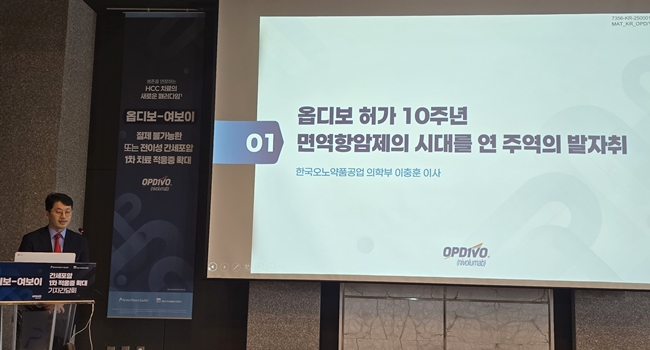
- Opdivo, celebrating its 10th anniversary of approval in South Korea, is expected to expand its influence by broadening the indication of its combination therapy with Yervoy to include first-line treatment for hepatocellular carcinoma (HCC). Experts assess that this will become a primary treatment option, given the unmet need in the existing first-line HCC treatment landscape, where tyrosine kinase inhibitors (TKIs) have been the standard of care for over 10 years. Although reimbursement remains a challenge, there is a view that it will become a new standard of care. Ono Pharma Korea and BMS Korea held a press conference on the 22nd of this month, highlighting the expanded indication of Opdivo (nivolumab) and Yervoy (ipilimumab) combination therapy for first-line HCC treatment. Opdivo is a PD-1 (programmed cell death-1) immune checkpoint inhibitor that reactivates the body's immune system to mount an anti-tumor immune response by inhibiting the PD-1 and PD-1 ligand pathways. Dr. Do Young Kim of the Department of Gastroenterology at Severance Hospital First introduced in Korea in 2015 as a second-line treatment for malignant melanoma, as of July 2025, it has secured 24 indications across a total of 11 cancer types. On July 10, the combination therapy of Opdivo and Yervoy received additional approval from the Ministry of Food and Drug Safety (MFDS) for the first-line treatment of unresectable or metastatic HCC. The CheckMate-9DW study, which served as the basis for the first-line approval of the Opdivo-Yervoy combination therapy for HCC, is receiving a positive evaluation for setting lenvatinib as a comparator drug. Dr. Do Young Kim of the Department of Gastroenterology at Severance Hospital explained, "Most treatments approved for first-line HCC treatment have used sorafenib as a comparator, but this study also set lenvatinib, which is a relatively newer treatment option, as a comparator." He added, "The significance lies in confirming the superiority of the Opdivo+Yervoy combination therapy under conditions more similar to the current clinical environment, as lenvatinib was administered to 85% of the overall comparator arm." The Opdivo+Yervoy combination therapy, based on the CheckMate-9DW study, demonstrated a median overall survival (OS) of 23.7 months, with a median follow-up period of 35.2 months. The comparator group had an OS of 20.5 months, showing that the Opdivo+Yervoy combination arm had a 21% lower risk of death than the comparator arm. The OS rates for the Opdivo+Yervoy combination therapy group at 2 and 3 years were 49% and 38%, respectively, surpassing the comparator group's 39% and 24%. Dr. Kim said, "The CheckMate-9DW study results showed that the improved overall survival benefit of the Opdivo+Yervoy combination therapy was maintained up to the 3-year mark compared to sorafenib and lenvatinib," and added, "This confirms its sustained efficacy as a dual immunotherapy." Dr. Kim also mentioned, "The Opdivo+Yervoy combination therapy showed approximately a threefold improvement in both response rate and complete response rate compared to the comparator group, and the median duration of response was 30.4 months. In other words, patients who respond to Opdiv+Yervoy combination therapy, long-term therapeutic effects of over 2.5 years can be expected." "Opdivo+Yervoy expected to address unmet needs in HCC" Dr. Chang-hoon Yoo, Professor of the Department of Medical Oncology at Asan Medical Center in Seoul, highlighted the possibility that the Opdivo+Yervoy combination therapy could become a new standard of care in HCC, where existing treatments have faced limitations. According to Dr. Yoo, liver cancer (disease code C22) had the second-highest mortality rate among major cancer types in Korea as of 2023, at 11.9%, following lung cancer (21.9%). In the same year, total deaths due to liver cancer amounted to 10,136. Dr. Chang-hoon Yoo, Professor of the Department of Medical Oncology at Asan Medical Center in SeoulDr. Yoo explained, "The 5-year survival rate for advanced HCC is reported to be less than 5%, and TKIs, which have been used as standard first-line treatment for over 10 years in the existing treatment environment, only showed a survival period of around one year." He added, "While immunotherapy-based combination therapies were introduced as new treatments for HCC in 2022, changing the treatment landscape, there was still a demand for additional alternatives in terms of survival duration, response rates, and side effects like variceal bleeding." Currently, Dr. Yoo's opinion is that the approval of Opdivo+Yervoy combination therapy for the HCC indication makes it the first treatment to consider for prescription. Dr. Yoo stated, "The CheckMate-9DW clinical trial results, which showed high response rates and the potential for long-term survival of approximately two years, demonstrated its potential to serve as a new standard of care in first-line HCC treatment in Korea." He added, "The treatment response of Opdivo+Yervoy combination therapy was consistent regardless of the patient's liver function, providing a basis for selecting it as a first-line option considering the patient's condition." He also assessed, "It can be primarily considered for patients whose main treatment goal is long-term survival." Notably, Dr. Yoo anticipated no concerns regarding safety, given that the Opdivo+Yervoy combination therapy has already accumulated sufficient clinical experience through the prior application system for several years. Dr. Yoo said, "The safety profile was similar to the existing profiles of each drug, and adverse events were mostly manageable," and added, "Opdivo and Yervoy have accumulated sufficient clinical experience in combination therapy for HCC through the prior application system for several years now." Dr. Yoo further added, "Immune-related adverse events can be safely managed through early detection and monitoring, and in actual clinical studies, cases where immune-related adverse events led to treatment discontinuation were rare. Concerns regarding adverse event management are expected to be minimal."
- Policy
- Supply shortage of Parkinson’s drug Equfina is expected
- by Lee, Hye-Kyung Jul 23, 2025 06:08am
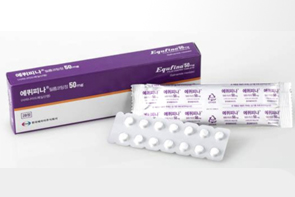
- Eisai Korea's Parkinson's disease treatment ‘Equfina Film-Coated Tab 50mg (safinamide mesilate)’ is expected to be in short supply for the next month, causing inconvenience to patients. In particular, although there are drugs with similar efficacy to Equfina, there are no direct therapeutic substitutes available with the same ingredients. The company reported the supply shortage to the Ministry of Food and Drug Safety on the 21st and announced today (from the 22nd) that a temporary supply shortage of Equfina is expected until August 31. The reason for the shortage is an issue with the release testing. Eisai stated, “Due to issues with the external testing agency, release testing has not been conducted, and a temporary supply disruption is expected once existing inventory is depleted.” Eisai explained, “While there are alternative medications with similar efficacy used for Parkinson's disease treatment, Equfina is a new drug, so there are currently no direct therapeutic substitutes. We will work closely with the testing agency to resolve the supply shortage as soon as possible.” Currently, there are no generic versions of Equfina available in the domestic market. However, companies such as Myung In Pharm, Bukwang Pharmaceutical, and Samil Pharmaceutical filed patent challenges. Myung In Pharm received approval on the 17th to initiate a bioequivalence test for its Equfina generic and is now proceeding with product development. Equfina was approved by the Ministry of Food and Drug Safety on June 24, 2020, as a once-daily levodopa adjunctive therapy for Parkinson's disease patients. Equfina is a new third-generation MAO-B (monoamine oxidase-B) inhibitor that acts on both dopaminergic and non-dopaminergic signaling pathways. In a Phase III clinical trial, it demonstrated significant improvements in both motor and non-motor symptoms in Parkinson's disease patients experiencing motor fluctuations. The current standard of care for Parkinson’s disease is levodopa, but it has been reported that approximately 75% of patients may develop complications after long-term (5 years or longer) use of levodopa. Equfina is used as an adjunctive therapy to levodopa, increasing the duration of action of levodopa, which may decrease with long-term use. Equipina is initiated at a dose of 50 mg once daily, with the option to increase the dose to 100 mg once daily (two 50 mg tablets) based on individual patient response and tolerability. The incidence of adverse reactions following Equipina administration was similar to that of placebo, with most (over 90%) being mild to moderate in severity. Even after two years of long-term administration, it demonstrated a safety profile similar to those observed in previous studies.
- Company
- The driving force behind Lundbeck's long-term innovation
- by Cha, Jihyun Jul 23, 2025 06:07am
- "Lundbeck is a publicly listed company, but 70% of its shares are held by the Lundbeck Foundation. This structure has provided a foundation for Lundbeck to focus on its core value without being swayed by short-term stock price fluctuations. The Lundbeck Foundation reinvests the dividend income it receives from the operating company (Lundbeck) in research and development in the fields of brain disorders and neuroscience." Lan Ding, Vice President of Corporate and Portfolio Strategy, spoke about the company’s governance system at Lundbeck's headquarters in Valby, Copenhagen, Denmark. Ding explained that the stable investment structure backed by the foundation acts as a catalyst for accelerating innovation through a virtuous cycle. Lan Ding, Vice President of Lundbeck Corporate and Portfolio Strategy Lundbeck is a pharmaceutical company that has focused exclusively on brain disease treatments since its establishment in 1915. It has built a pipeline covering the entire spectrum of central nervous system disorders, from mental illnesses such as schizophrenia and depression to neurological disorders such as migraine and epilepsy. As of the closing price on the 10th, the company's market capitalization stood at DKK 32.9 billion (approximately KRW 8 trillion), ranking among the top 20 companies on the Danish stock exchange. Ding holds a master's degree in supply chain management from Lancaster University in the UK and an EMBA from London Business School (LBS). She has worked in strategy and portfolio management at global pharmaceutical companies such as GlaxoSmithKline (GSK). She joined Lundbeck in January this year as vice president of corporate and portfolio strategy, and has been directing the company's mid- to long-term growth strategy. What has enabled Lundbeck to continue innovating for over 100 years? Ding cited four factors: ▲a focus on neuroscience, ▲continuous R&D investment, ▲open innovation, and ▲a foundation-owned governance structure. First, Ding emphasized the company's strategy of dedication and focus on CNS. “Our deep and unwavering focus on neuroscience is the foundation of Lundbeck's innovation,” said Ding. “Reinvesting more than 20% of our annual revenue in R&D based on scientific data and unmet medical needs is also a key factor.” Open innovation is another pillar supporting Lundbeck's innovation. Lundbeck is expanding its scientific scope and accelerating innovation by forming strategic partnerships with various stakeholders, including academia, biotech companies, and patient groups. Lundbeck is also actively pursuing mergers and acquisitions (M&A) to accelerate growth, not just technology adoption. A notable example is last year's acquisition of Longboard Pharmaceuticals for USD 2.6 billion, when the company secured a new drug candidate for epilepsy. The company’s foundation-based governance structure provides the grounds for the execution of such long-term strategies. “Since the Lundbeck Foundation holds approximately 70% of Lundbeck's shares, stable investment is possible from a long-term perspective,” said Ding, adding, “The Lundbeck Foundation itself is a major supporter of neuroscience research worldwide.” Currently, Lundbeck is focusing its resources on three core areas through a focused innovation strategy (Focused Innovator) to enhance capital allocation efficiency while pursuing sustainable and profitable growth in the long term. Ding explained, “Lundbeck is focusing on continuing development based on its long legacy in the field of mental illness, strengthening its position in the field of neurology, and expanding into the field of rare neurological diseases. We are concentrating on the acquisition of Longboard Pharmaceutical, the expansion of indications for Vyepti, and next-generation neurological drug programs such as PACAP inhibitors.” Lundbeck is also actively exploring external partnerships to enhance its global competitiveness in the rare disease field. Ding said, “Recently, we have been actively exploring external assets and technologies such as artificial intelligence (AI), neuroimmunology, and RNA-based technologies. When collaborating with external institutions, Lundbeck places importance on scientific excellence, alignment with our strategic focus areas, and the potential to deliver meaningful medical outcomes.” Lundbeck Asia, including South Korea, is also one of the regions that Lundbeck is focusing on. Lundbeck signed a contract with AprilBio in South Korea in October 2021 to introduce the technology for APB-A1, a candidate drug for autoimmune diseases, worth USD 448 million (approximately KRW 537 billion). The contract includes a non-refundable upfront payment of USD 16 million (approximately KRW 19 billion) and milestone payments of up to USD 430 million (approximately KRW 518 billion) based on the progress of development. Ding stated, “The agreement with AprilBio marks a strategic milestone for Lundbeck in accelerating its expansion into the neuroimmunology field. The program aligns well with Lundbeck's R&D strategy that focuses on biomarker-based, traceable development.” She added, “APB-A1 is a promising candidate with potential efficacy in various neuroimmunological diseases and is currently in Phase Ib clinical trials for thyroid eye disease.” Lundbeck's mission is to “advance brain health and transform lives.” Ding mentioned that the company always adheres to this management philosophy as the principle of all its strategies. Ding said, “Lundbeck is committed to scientific innovation that pushes the boundaries of neuroscience, with a patient-centered mindset at the core of all decision-making. We prioritize ethical and responsible research, placing the highest value on safety, transparency, and scientific integrity.” “Lundbeck is actively engaging with the outside world based on its philosophy of focusing on long-term impact rather than short-term results and working with various stakeholders to achieve greater progress. This principle is in line with Lundbeck's core values of passion, responsibility, and commitment to progress.”
- Company
- Samsung Medison aims to achieve 'competitive edge in tech'
- by Whang, byung-woo Jul 22, 2025 06:09am
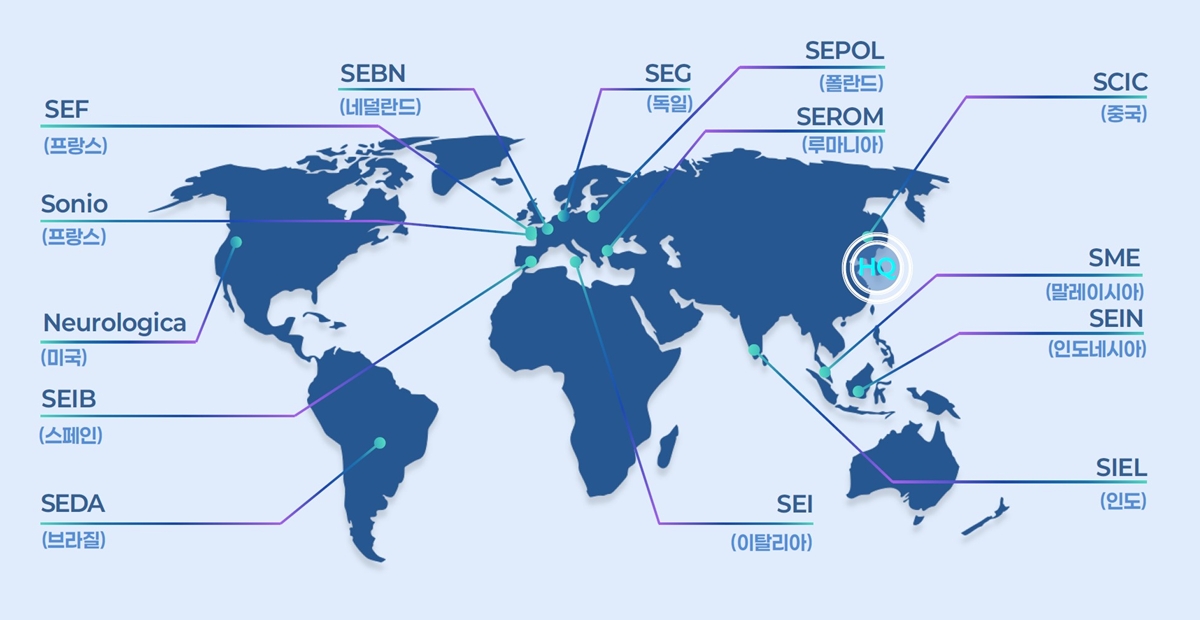
- Samsung Medison, a leading company in South Korea's medical device industry, is celebrating its 40th anniversary this year by investing heavily to become a top player in the diagnostic ultrasound equipment sector. Over the past 40 years, Samsung Medison has grown into a global medical device company, supplying diagnostic ultrasound equipment to over 100 countries worldwide and achieving more than 90% of its revenue through exports. Since Samsung Group acquired this company in 2011, Samsung Medison has consistently strengthened its product competitiveness through technology development, including improvements in imaging performance, the development of AI-powered diagnostic assistance features, and the implementation of user-centric designs. As a result, Samsung Medison showed over 14% growth in the first half of this year compared to the same period last year, and it is anticipated to record its all-time highest annual sales. Strong growth in the first half was driven by winning public tenders in multiple regions, including Europe, and expanding its presence in large hospitals across the U.S. Samsung Medison plans to take a leadership position in the diagnostic ultrasound equipment industry through comprehensive investments in future growth, including ▲Strengthening global sales capabilities ▲Securing next-generation technologies like AI ▲Expanding its portfolio and production capacity. To sustain its high growth in the second half of the year, Samsung Medison plans to recruit top talent, primarily in the U.S. and Europe, to enhance its direct sales capabilities. It will also subdivide and establish specialized sales organizations by medical division across different regions to boost its responsiveness to local markets. Additionally, the company aims to accelerate revenue growth by exploring new large markets, including Australia, Canada, and Mexico. Samsung Medison Global Sectors: France, Netherlands, Germany, Poland, Romania, China, Malaysia, Indonesia, India, Italy, Brazil, Spain, United States. The company also plans to focus on securing next-generation technologies, such as AI, which have recently become a hot topic, to ensure growth through maintaining a 'competitive edge in technology.' Currently, Samsung Medison is establishing an R&D system focused on AI capabilities and actively pursuing strategic partnerships with leading global medical institutions. It plans to expand the utilization of infrastructure, such as Samsung Electronics' overseas research institutes, and establish Innovation Labs and Next Generation Tech Labs locally. These efforts will drive the development of next-generation ultrasound technologies and diagnostic solutions while accelerating new market penetration. Furthermore, Samsung Medison will actively expand its portfolio beyond obstetrics and gynecology and radiology to include divisions such as cardiology·point-of-care diagnostics. The company aims to increase its global market share by strengthening its product lineup with AI features that automatically visualize·quantify the size of major organs and disease indicators in real time across various divisions, such as the heart, liver, and uterus. In line with increasing global demand, the company is also actively pursuing the expansion of its production facilities. The Hongcheon plant, currently undergoing expansion, will incorporate automation systems and smart processes, with plans to increase annual production capacity by over 50% by 2026. By 2030, when the expansion of the second plant is complete, the company aims to more than double its current production while also further enhancing quality. Kyu Tae Yoo, CEO of Samsung Medison, said, "Samsung Medison will continue to develop next-generation medical technologies to provide better diagnostic experiences for both medical professionals and patients." Yoo added, "We will combine the trust built with global medical professionals over the past 40 years with proactive investment to be reborn as a leading global diagnostic device company."
- Company
- Astellas Korea's Seonhee Lee appointed GM of Astellas Egypt
- by Whang, byung-woo Jul 22, 2025 06:07am
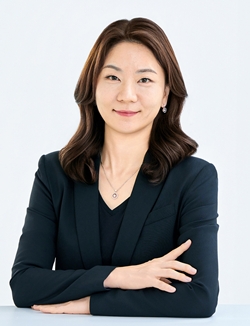
- Seonhee Lee, Commercial Excellence & Market Access Head at Astellas Pharma Astellas Korea announced on July 21 that the company has appointed Seonhee Lee, currently a Commercial Excellence & Market Access Head at Astellas Pharma, as the new General Manager of Astellas Egypt, effective from August 1.. Lee has 23 years of experience working in major pharmaceutical companies in South Korea and overseas and is a healthcare expert. She will be the first from the Korean pharmaceutical industry to step up as the GM of Astellas in the Middle East region. The current appointment is regarded as Astellas' strategy to seek and foster talents based on diversity and global career opportunities. Lee, who joined Astellas Korea in March 2024, has been leading the Commercial Excellence team and achieved various successes, including establishing the strategy, strengthening capacity, and advancing omnichannel marketing. After that, she expanded her leadership to the Market Access area, carefully establishing and conducting an insurance reimbursement listing strategy for anticancer agents. Lee has significantly contributed to increasing the likelihood of the market entry for Astellas' core pipeline products. Previously, Lee served in the key leadership positions, including Business Unit Head, Market Access, and global market, in various divisions such as vaccine, chronic diseases, specialty, and anticancer agents, while working at MSD Korea, Merck Serono, and JW Pharmaceutical. Astellas recently established its T-MEA (Turkey, Middle East, and Africa) Headquarters in Istanbul, integrating these regions, and is operating to address unmet medical needs in the area. Astellas Egypt was established in 2022 and is actively involved in various therapeutic areas, aiming to expand local treatment options in Egypt, a key country in the T-MEA region. Junil Kim, Head of Astellas Pharma Korea, stated, "Lee's advancement to the global branch is a significant outcome as it symbolizes the recognition of talent of Astellas Pharma Korea globally." Kim added, "Egypt is a major hub in the Middle East and Africa, a region with significant unmet medical needs, so we expect Lee to achieve meaningful results based on her experience and leadership." Meanwhile, Astellas Pharma Korea has been consistently recognized for its capabilities on the global stage, with a series of promotions and appointments of its executives and employees to overseas branches and new positions since last year. Last year, Sumi Moon, Oncology Brand Lead, moved to the Astellas International Region, and Kyungah Park, Medical Affairs Department Lead, was reassigned to the International Region and the China Medical Affairs Department.
- Company
- Original Prolia will remain ultimate despite patent expiry
- by Whang, byung-woo Jul 22, 2025 06:07am
- As an innovative new drug that transformed the treatment paradigm for osteoporosis, Prolia reached its peak last year with record-high sales. However, with its patent expiration in March this year and the looming entry of biosimilars, the market landscape is expected to undergo significant changes. Amgen Korea plans to solidify Prolia's position by responding to these challenges with a strategy that emphasizes “originality” and its accumulated evidence and brand value as the original drug. Hansam Jung, Bone Marketing Manager of General Medicine at Amgen Korea, who oversees the marketing of Prolia and Evenity, expressed confidence that Prolia would remain a leading example of how original brands can maintain their market position even after patent expiry by reinforcing their brand originality. ‘First-in-Class’ Prolia…targets the market equipped with its long-term data Prolia (denosumab), which was approved in Korea in 2014 and officially launched at the end of 2016, has been rapidly expanding its influence in the field of osteoporosis treatment. [BPM] Hansam Jung, Bone Marketing Manager, General Medicine BU, Amgen Korea Initially reimbursed only as a second-line treatment for osteoporosis in 2017, Prolia saw explosive growth after its reimbursement coverage was expanded to include first-line therapy in April 2019. In fact, Prolia’s domestic sales, which stood at approximately KRW 7.5 billion in 2018 just before the reimbursement expansion, surged to around KRW 44 billion in 2019 and exceeded KRW 80 billion in 2020. Since then, the product has continued to post double-digit growth annually. A key driver behind this growth has been Prolia’s robust clinical data. As a first-in-class drug that inhibits bone resorption, Prolia significantly improved patient adherence compared to oral therapies, thanks to its convenient dosing schedule of one injection every six months. It is also the only osteoporosis treatment that has been proven effective and safe for 10 years through a large-scale, long-term clinical trial. Jung said, “In the 3-year FREEDOM clinical trial and subsequent extension studies in postmenopausal osteoporosis patients, the Prolia group showed a 21.7% increase in vertebral bone density and maintained a non-vertebral fracture incidence rate less than 2%, confirming sustained improvements in bone density and reduced fracture risk through 10 years.” In particular, the risk of spinal fractures decreased significantly from the first year of Prolia treatment, falling 68% lower than the placebo group, while the risk of hip fractures also decreased by more than 40%. According to Jung, Prolia has gained trust as a “treatment that maintains its efficacy and safety even with long-term administration,” establishing itself as the standard first-line treatment for osteoporosis based on such data. “With the addition of real-world prescription experience to the accumulated long-term clinical research data, Prolia is increasingly recognized as a treatment that offers both fracture risk reduction and safety,” said Jung. “We frequently receive positive feedback on its impressive efficacy in improving bone mineral density and its favorable safety profile.” Prolia biosimilars enter the market... Company seeks a way forward by strengthening its marketing capabilities Another factor driving Prolia's growth is its meticulous marketing strategy. Amgen Korea joined forces with Chong Kun Dang from the early stages of Prolia's launch to target the Korean market. Through a partnership formed in 2017, Amgen Korea and Chong Kun Dang divided their cooperation according to their respective strengths. Amgen focused on university hospitals, while Chong Kun Dang targeted smaller hospitals and clinics, ensuring that healthcare professionals across various channels received a consistent message about Prolia's benefits. Jung explained, “Osteoporosis treatments are prescribed in various departments, so we were able to maximize synergy through collaboration with Chong Kund Dang and leveraging its extensive sales network. As a result, Prolia has expanded its prescription range from university hospitals to local clinics and is now the brand with the highest number of patients and sales in local clinics.” Pic of Prolia Amid such strong sales, the market's attention is focused on whether Prolia will be able to keep its lead even after patent expiry. At the end of March, as soon as Prolia's domestic compound substance patent expired, a cheaper biosimilar was listed for reimbursement. As a result, the price of Prolia was adjusted to KRW 123,760, a 20% reduction, from April 1. Although such price cuts will directly impact the original drug Prolia’s sales, some observers note that the growing population of osteoporosis patients due to an aging population could offset this decline through market expansion. Jung said, “As we enter a super-aged society, the number of patients requiring Prolia treatment will continue to increase in the future. While there may be a temporary decline in sales due to the price reduction, we expect to maintain growth by increasing the number of treated patients.” In fact, Prolia achieved sales of approximately KRW 170 billion in South Korea last year, reaching its growth peak. Amgen Korea plans to continue the steady growth of Prolia based on solid clinical evidence and its power as the original brand. Jung explained, “In the face of biosimilar launches, we will further highlight Prolia's strong efficacy and 9 years of real-world experience to emphasize its originality. Prolia can be prescribed for osteoporosis treatment across various medical departments, and we believe that our partnership with Chong Kun Dang will maximize synergy.” Will seek dual brand market penetration with Prolia and Evenity Meanwhile, Amgen Korea is pursuing a market strategy centered on its ‘Bone Portfolio’ for osteoporosis, leveraging a dual-brand approach with Prolia and Evenity to strengthen its presence in the osteoporosis treatment market. Evenity (romosozumab) is the world’s first anabolic agent that combines two mechanisms of action—inhibiting bone resorption and promoting bone formation. Introduced in Korea at the end of 2019, it has since established itself as a first-line treatment for patients at very high risk of fracture. Jung stated, “Prolia and Evenity are key strategic assets unique to Amgen. While their roles differ, we can deliver optimal treatment benefits to a broader range of patients by leveraging their synergy through sequential therapy and other approaches.” In fact, continuing maintenance therapy with Prolia after 12 months of treatment with Evenity has been shown to provide additional bone density improvement and fracture risk reduction, leading to the active adoption of the “Evenity-Prolia sequential treatment approach” regimen in practice. Finally, when asked to describe Prolia in one sentence, Jung replied, “The ultimate osteoporosis treatment for a fracture-free future.” This means that it is a treatment that can help osteoporosis patients achieve a “fracture-free life” through its long-term fracture risk reduction effects. He added, “Osteoporosis is a chronic disease requiring long-term treatment, and at the core of such sustained therapy is Prolia, which has proven its long-term efficacy through data. We will focus on creating success stories for Prolia to emphasize its originality further and ensure that more osteoporosis patients can benefit from its treatment.”
