
- LOGIN
- MemberShip
- 2026-04-28 07:35:15
- Policy
- Daewoong’s generic version of Migbose approved in Korea
- by Lee, Hye-Kyung Jul 09, 2025 06:09am
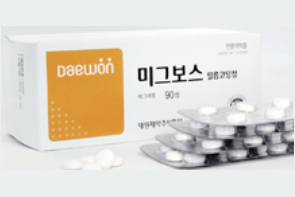
- Daewoong Pharmaceutical has been approved to sell a generic version of the diabetes treatment Migbose Film-Coated Tablets (miglitol) in Korea. On the 7th, the Ministry of Food and Drug Safety approved Daewoong Pharmaceutical's Daewoong Miglitol Tab. (miglitol). Like the original Migbose, Daewoong Miglitol Tab is a film-coated tablet indicated for the treatment of non-insulin-dependent diabetes mellitus (NIDDM) whose hyperglycemia cannot be adequately controlled by diet alone or with diet in combination with sulfonylurea therapy. It should be taken once daily with a small amount of water before meals or with a small meal. Although the active ingredient was developed as a diabetes treatment, it is primarily being prescribed off-label in practice for weight management. Approved in 2013, Migbose has a structure most similar to glucose, which stimulates the release of GLP-1 (glucagon-like peptide) and improves gastrointestinal side effects. Migbose regulates blood sugar by inducing the secretion of GLP-1. GLP-1 promotes the secretion of insulin, which lowers blood sugar, and inhibits the secretion of glucagon, which accumulates glucose and raises blood sugar, thereby regulating blood sugar levels. Migbose induces clinically significant levels of GLP-1 release upon intake, thereby regulating blood sugar levels. It also increases satiety by reducing gastrointestinal motility, making it useful for diabetic patients who need to lose weight. In addition, it is absorbed gradually in the small intestine, reducing the amount of carbohydrates that enter the large intestine, and therefore has relatively few gastrointestinal side effects. Daewon Pharmaceutical transferred the rights to Migbose to Daehan New Pharm in 2020. According to the pharmaceutical research institute IQVIA, the outpatient prescription amount for Migbose increased from KRW 0.5 billion in 2022 to KRW 1.2 billion in 2023.

- Company
- Adding amiloride effective in resistant hypertension
- by Son, Hyung Min Jul 09, 2025 06:08am
- Sungha Park, Professor of Cardiology, Severance Hospital A new treatment option has been proposed for patients with resistant hypertension that cannot be controlled even with the existing triple combination therapy for hypertension. A regimen combining an olmesartan-based triple combination therapy with the potassium-sparing diuretic ‘amiloride’ demonstrated similar blood pressure-lowering effects to spironolactone, which was previously recommended as a fourth-line treatment, with fewer side effects. The SPARE study, led by Professor Sungha Park of the Department of Cardiology at Severance Hospital, was published in the international medical journal JAMA, attracting significant attention. During an interview with Dailypharm, Professor Park emphasized that the amiloride-based combination therapy has established clinical evidence supporting its broader use in real-world clinical settings for resistant hypertension. Difficult-to-treat ‘Resistant Hypertension’...Need for use of amiloride highlighted There are approximately 12.3 million hypertension patients in South Korea, of whom 10 -15% are classified as having “resistant hypertension,” which is defined as failing to achieve target blood pressure despite the use of three or more antihypertensive medications. Patients who fail to control their blood pressure even with up to 5 antihypertensive medications are classified as having “refractory hypertension,” accounting for less than 1% of all patients. According to National Health Insurance Service data, approximately 7.4% of hypertensive patients in South Korea are diagnosed with true resistant hypertension. Patients with true resistant hypertension have a 1.5 to 2 times higher risk of developing cardiovascular diseases compared to general hypertensive patients, making active blood pressure control crucial for managing their prognosis. Resistant hypertension is treated by adding an antihypertensive drug to the three antihypertensive drugs used to control blood pressure in general hypertensive patients: calcium channel blockers, RAS blockers, and diuretics. For patients whose blood pressure remains uncontrolled even with the four-drug combination, spironolactone is recommended in the fourth line as an additional drug. Spironolactone is a diuretic that acts as an aldosterone receptor antagonist, inhibiting sodium reabsorption to lower blood pressure. If blood pressure remains uncontrolled even then, vasodilators such as beta-blockers, alpha-blockers, minoxidil, and hydralazine may be used. Professor Park stated, “The biggest issue with spironolactone is its side effects. Although spironolactone is an aldosterone antagonist, it can block sex hormones, leading to fatigue, gynecomastia in men, and menstrual irregularities in women. The most serious concern is the high risk of hyperkalemia.” He added, “Due to concerns about such side effects, its use is restricted in elderly patients or those with impaired renal function, and compliance may be low. Although spironolactone is recommended as a fourth-line drug in various clinical guidelines, it is not widely used in practice.” Professor Park said, “While spironolactone has been recognized as a typical potassium-sparing diuretic due to its proven efficacy in reducing the risk of cardiovascular disease after heart failure or myocardial infarction, amiloride has been relatively overlooked. Amiloride is a drug that was widely used in the past, as it acts as a diuretic while also increasing potassium levels.” Amiloride demonstrates non-inferiority to spironolactone To verify this, Professor Park's research team and 14 other domestic institutions conducted a study to confirm the non-inferiority of spironolactone and amiloride. This clinical trial is the first head-to-head trial comparing the two drugs. Professor Park explained, “Guidelines recommend considering amiloride for patients with poor tolerability due to spironolactone’s side effects. However, there was no randomized controlled trial (RCT) data to support this recommendation. Against this backdrop, we decided to conduct a randomized controlled trial comparing spironolactone and amiloride.” He added, “Amiloride is a potassium-sparing diuretic that directly acts on the epithelial sodium channel (ENaC) in the distal convoluted tubule to block sodium reabsorption and preserve potassium. Unlike spironolactone, which blocks aldosterone receptors, its different mechanism of action does not cause hormone-related side effects such as fatigue, gynecomastia, or menstrual irregularities.” The study, named SPARE, targeted patients whose blood pressure remained uncontrolled despite taking existing triple antihypertensive medications. The study focused on patients whose systolic blood pressure remained at or above 140 mmHg after a 4-week introductory treatment with Sevikar HCT (active ingredients: olmesartan, amlodipine, and hydrochlorothiazide), The research team then divided the patients into two groups and compared them for 12 weeks: one group additionally received amiloride 10 mg and the other additionally received spironolactone 25 mg. After 12 weeks of treatment, the average home systolic blood pressure and the rate of achieving target blood pressure in the clinic were measured. Professor Park emphasized the importance of selecting “true resistant hypertension patients” to ensure more accurate results during this process. Professor Park explained, “We focused on patients who had uncontrolled blood pressure despite taking three or more conventional antihypertensive medications. We noted that a single combination therapy drug was effective in improving medication adherence, so we administered Sevikar HCT, a three-drug combination therapy containing olmesartan, amlodipine, and hydrochlorothiazide, at an appropriate dose tailored to each patient's condition for four weeks.” He added, “Sevikar HCT has already been proven to be an effective combination with excellent blood pressure-lowering effects and target blood pressure achievement rates among olmesartan-based triple combination drugs. It is a combination with proven clinical evidence.” The study results showed that amiloride demonstrated non-inferiority to spironolactone in terms of blood pressure-lowering effects. More specifically, the average home systolic blood pressure at week 12 compared to baseline was reduced by 14.7 mmHg in the amiloride group and 13.6 mmHg in the spironolactone group. The difference in blood pressure reduction between the two groups was -0.68 mmHg, which was not statistically significant. Additionally, spironolactone was particularly effective in individuals with elevated aldosterone levels, whereas amiloride demonstrated consistent efficacy across all patients, regardless of aldosterone to renin ratio. It is known that an abnormally activated aldosterone-to-renin ratio can lead to elevated blood pressure. Professor Park stated, “Considering drug characteristics such as medication adherence, ease of use, and side effects, amiloride could serve as an alternative to spironolactone. However, further long-term follow-up studies and expanded application in practice would be necessary.” He continued, “It is uncertain whether this study can be directly applied to Caucasians, but at least in East Asian populations such as Koreans and Japanese, amiloride can be expected to provide sufficient blood pressure-lowering effects. Although it was only a three-month study, side effects were significantly reduced. There were no cases of hyperaldosteronism, and the incidence of hyperkalemia was low. These findings also relay an important message. Professor Park noted, “While amiloride has not been actively recommended in the past, major guidelines may likely incorporate this finding in the future.” The Korean Society of Hypertension is currently revising its guidelines, and there is a high likelihood that the updated guidelines will reflect this information next year. Since the study involved domestic patients, the findings will likely be reflected. The guidelines may include recommendations to use amiloride as an option for resistant hypertension when spironolactone cannot be used. I believe it may also be reflected in other guidelines as well.”
- Opinion
- [Reporter's View] The revision of the Commercial Act
- by Kim, Jin-Gu Jul 09, 2025 06:08am
- The bill on revising the Commercial Act has passed the National Assembly. The bill expands the fiduciary duty of directors to include not only the “company” but also “shareholders,” mandates the introduction of electronic shareholder meetings for listed companies with assets of KRW 2 trillion or more, and changes the title of “outside directors” to “independent directors.” The bill also includes a provision limiting the voting rights of the largest shareholder and related parties to 3% when appointing audit committee members. The pharmaceutical and biotechnology industry has been keenly eyeing the change. This is because many companies in the industry have traditionally been owner-managed. Owner-managed companies have the advantage of being able to make quick decisions and establish long-term strategies. Nevertheless, the absence of proper oversight mechanisms has often led to abuses such as unilateral decision-making and the pursuit of private interests. In fact, there are countless cases where internal transactions with special-related companies controlled by the owner's family are approved by the board of directors without any significant opposition. Many companies have not paid dividends for several years while the owners' compensation increases every year. The second and third generations of owners are appointed to key positions without any verification of their expertise, but the board of directors, which should serve as a check on them, fails to fulfill its role. Even when facing major business decisions such as changes in clinical strategies or whether to apply for approvals, management often unilaterally sets the direction without prior explanation or communication with shareholders. There have also been repeated controversies where clinical results are intentionally delayed or distorted information is leaked to boost stock prices, followed by the sale of shares held by owners or management at that time. These structural limitations are also evident in ESG evaluations. Pharmaceutical and biotech companies have consistently received lower ratings in the governance (G) category compared to the environmental (E) and social (S) categories. This is because the board of directors has lost its oversight function, and internal audits are often conducted merely as a formality. In the process of repeated closed and arbitrary decisions being made, general shareholders are pushed out of the decision-making structure. Such closed decision-making increases the risk of business failure, and its impact is not limited to the losses of the company concerned. It also leads to losses for investors, a decline in overall market confidence, increased risks for partner companies, and ultimately impose a burden on patients waiting for new drugs. The recent revision of the Commercial Act addresses these issues. The revision aims to expand the scope of directors' duties to include shareholders, clarify the status of independent directors, and strengthen shareholder participation through electronic shareholder meetings. Although issues such as cumulative voting and mandatory separation of audit committee elections remain as future tasks, the revision is analyzed as providing a clear direction for frontline companies. The pharmaceutical and biotechnology industry must now recognize shareholder oversight and participation not as a “burden” but as a “responsibility.” Owner-centric quick decision-making is not always the right choice. Especially in industries like new drug development, which require extensive time and resources, the initial direction of decision-making can determine success or failure. A governance structure with checks and balances and transparency is the only way to minimize the costs of failure. In the realm of corporate decision-making, direction is more important than speed. Though change is often uncomfortable, it is essential — and the pharmaceutical and biopharmaceutical sectors are no exception.

- Policy
- Industry requests postponement of drug reimbursement reevals
- by Lee, Tak-Sun Jul 08, 2025 06:37am
- The pharmaceutical industry has expressed the need to postpone next year's drug reimbursement reevaluations to the government. The reason is that the reevaluation targets have not been decided by the second half of the year, leaving insufficient time for the target companies to prepare the necessary data. As a result, some are even suggesting that the reevaluations be skipped next year. According to industry sources on the 7th, the Health Insurance Review and Assessment Service held a meeting with pharmaceutical organizations, including the Korea Pharmaceutical and Bio-Pharma Manufacturers Association, on the 4th to discuss the drug reimbursement adequacy reevaluations for 2026 and thereafter. The first phase of the drug reimbursement adequacy reevaluations will be completed this year. A pilot project was launched in 2020 targeting choline alfoscerate, for which reevaluations have been ongoing for 6 years. The ingredients subject to reevaluation were drugs that were listed for reimbursement from 2006 to 1990, before the implementation of the positive listing system. Accordingly, it is expected that the second phase of reimbursement reevaluation will focus on ingredients registered after the positive listing system was implemented. In fact, in a study on “Measures to Rationalize the Drug Reimbursement Adequacy Reevaluations” that was conducted by HIRA, the researchers presented a plan for the second phase of reimbursement adequacy reevaluations, focusing on ingredients registered between 2007 and 2013. However, it is known that some government officials are planning to strengthen the selection criteria and re-examine products that were registered before the positive listing system was introduced. The current criteria for drugs with annual claims of KRW 20 billion or more may be lowered to KRW 10 billion or more, and drugs whose reimbursement adequacy was controversial will be selected. However, as discussions with the pharmaceutical industry have only just begun, it is expected to take more time before the target ingredients are finalized. The pharmaceutical industry believes that it will be difficult to conduct a normal drug reimbursement adequacy reevaluation next year due to delays in discussions on target ingredients. An industry official said, “In the first phase, the ingredients to be reviewed for the following year were announced in March of the previous year, but this year, the ingredients have not been decided even after the start of the second half of the year, so it will be difficult to prepare data. The industry hopes that the data submission period will be extended or that the review will be postponed until the year after the next.” The ingredients to be reviewed for reimbursement adequacy in 2025 were announced in March last year. These opinions were delivered to HIRA by industry representatives at a meeting held on the 4th. Meanwhile, the first results of this year's reimbursement adequacy reevaluation will likely be announced after the DREC meeting in August. This year's reevaluation includes domestically produced natural drugs such as styrene and Joins, and the industry is paying close attention to the first results.

- InterView
- V-olet challenges to become a blockbuster fat-destroying inj
- by Nho, Byung Chul Jul 08, 2025 06:36am
- Kim Seul-ki, PM of Daewoong Pharmaceutical Daewoong Pharmaceutical's V-olet Inj, a deoxycolic acid (DCA)-based fat-destroying injectable, is garnering attention as it implements an external expansion strategy to become a global blockbuster drug, following Nabota Inj. Launched in 2021, V-olet Inj is an injectable that demonstrates significant improvement in moderate-to-severe bulging or excessive submental fat in adults through its mechanism of irreversible fat cell destruction and collagen synthesis. It currently holds a 90% market share in the Korean market. Deoxycholic acid (DCA) is a secondary bile acid that emulsifies and breaks down fat in the body. The active ingredient used in V-olet Inj is 100% chemically synthesized DCA, not derived from human or animal sources. Kim Seul-ki, PM of Daewoong Pharmaceutical's Nabota Business Team, stated, "V-olet Inj demonstrated significant submental fat improvement and safety in Koreans through a domestic Phase 3 clinical study." Kim added, "It is currently regarded as the only original product among related products launched in Korea." Notably, 72.1% of V-olet Inj recipients showed significantly higher satisfaction (compared to 25.4% for placebo), and not a single serious adverse event (SAE) occurred. Currently, V-olet Inj's domestic sales are handled by DNC Aesthetics and approximately 500 Daewoong Pharmaceutical sales representatives, and it is highly likely to surpass KRW 10 billion in annual sales soon. Kim stated, "Marketing approval for V-olet Inj was granted in the Philippines, and the company plans to seek approvals and launches in other Asia-Pacific countries, including China, Indonesia, and Thailand. Nabota, a blockbuster drug, is currently marketed in over 80 countries globally, and we are pursuing a product expansion strategy like Nabota." Q&A with Kim Seul-ki, PM, Daewoong Pharmaceutical. -Please introduce yourself. =Hello. I am Kim Seul-ki, overseeing the marketing of Daewoong Pharmaceutical's medical aesthetics pipeline, Nabota, and V-olet Inj. I was solely responsible for the launch of V-olet Inj in 2021, so it has already been five years since its release. -Belkyra was withdrawn from the Korean market, and there was a period without DCA-component products.What was the motivation for Daewoong Pharmaceutical to launch V-olet Inj in 2021? =Daewoong Pharmaceutical strives to develop and market differentiated, high-quality products. I believe DCA fat reduction was one of them. DCA is the only ingredient approved for fat improvement, so its efficacy is not disputed. The problem was that Belkyra was too expensive, which led to its failure in the Korean market. 'PPC (phosphatidylcholine),' which is currently suspended from sale but was previously used, and 'combination contour injections,' which most aesthetic clinics still offer, remain very popular fat-dissolving procedures. We assessed that the obesity market and fat-dissolving market would continue to grow, just as GLP-1 drugs like Wegovy are gaining attention today. As everyone is aware, Daewoong Pharmaceutical has been manufacturing and selling Nabota for over ten years. We believed that Nabota, indicated for wrinkle and muscle hypertrophy improvement, and V-olet Inj, focused on fat improvement, could create good synergy, and that V-olet Inj could establish itself as the next-generation product following Nabota. -V-olet Inj's initial launch reaction was significant, and I understand it quickly revitalized the DCA market in a short period. What's the secret to its rapid market impact? =It's thanks to our efforts to build trust as the first domestically produced DCA injectable. Notably, its approval as the only specialized pharmaceutical for fat improvement, along with its differentiated mechanism of action for fat cell destruction, was well communicated to medical professionals through significant effort. I believe that actively sharing the experiences of medical professionals with extensive clinical experience in the DCA field, and continuously conducting research to build trust, so that medical professionals can use it confidently, has played a significant role. Initially, concerns arose about potential side effects due to the word 'destruction.' Still, by emphasizing and educating on 'proper injection techniques,' many medical professionals are now using it with peace of mind. Additionally, when V-olet Inj was launched, some individuals were using DCA products with cosmetic approval that were not intended for internal body injection. By emphasizing the importance of approved specialized pharmaceuticals even more, those products seem to have largely disappeared now. I believe we played a significant role in changing market perception as well. -With V-olet Inj's success, many competing products are being launched. There are products like Bellacholine, which was launched last year. What are V-olet Inj's unique advantages? =The biggest differentiator is that V-olet Inj has undergone Phase 1-3 clinical studies and post-marketing surveillance (PMS), which current competing products have not. This allowed us to confirm its efficacy and safety in real-world clinical settings. Since DCA is currently the only approved ingredient in the fat-dissolving market, it was important for us to have clinical data to support its more widespread use, similar to toxins or fillers, in Korea. We have results from clinical studies involving over 960 Koreans. Now, in 5th year since launch, we have accumulated tens of thousands of treatment cases, which is another advantage. -It seems there are many more products available now for obesity and body contouring. Considering the mechanistic characteristics of fat-destroying injectables, what differentiates them from other products?. =Body contouring has become much easier thanks to drugs like Wegovy and various EBD (Energy-Based Device) products available today. However, DCA, meaning V-olet Inj, is the only injectable that can precisely target and destroy fat. There are also fat-destroying devices, such as InMode, but it's challenging to predict which fat layer those devices will target. In contrast, V-olet Inj is injected directly into the middle layer of fat, so it can be said to destroy the core of the fat. Additionally, one might worry about skin sagging as fat disappears, but V-olet Inj promotes collagen synthesis, which also improves skin elasticity. Compared to appetite suppressants like GLP-1 drugs, if you've ever tried dieting, you know that even if you lose weight, areas like a double chin or arm fat don't easily go away. V-olet Inj's advantage lies in its ability to target such areas and smoothly sculpt the body precisely. -In addition to submental fat improvement, research on body procedures seems to be active both domestically and internationally. Do you have plans for indication expansion? =V-olet Inj's approved indication is for improving moderate-to-severe bulging or excessive submental fat in adults. However, based on DCA's mechanism of action in improving fat, we conducted case studies with clinical research on various body areas. The results of a study on arm fat (upper arm) improvement using DCA were published in March. We confirmed for the first time in Koreans the effect of improving fat thickness and circumference in the upper arms. Overseas, research using DCA injectables on various fat-containing areas (e.g., jowls, abdomen, flanks, thighs, accessory breasts [axillary fat], under the buttocks, above the knees, "buffalo hump" neck, under-eye fat, lipomas, etc.) is already actively reported. Internally, we are viewing the market demand and potential for indication expansion positively. Currently, we are starting with small-scale studies, such as case studies. Thanks to its fat-destroying mechanism, its expandability seems limitless. -Daewoong Pharmaceutical plays a pioneering role in the domestic DCA market; however, competition is likely to intensify further. As the leading company in the fat-destroying injectable market, what are Daewoong's future aspirations and plans? =As you mentioned, competition in the domestic DCA market will indeed become very fierce. As various competing products emerge, the DCA market itself is expected to grow, which I view as a positive development from a marketer's perspective. V-olet Inj demonstrated trustworthiness in Korea. To help the DCA market grow to the size of the KRW 100 billion toxin market in Korea, as a pioneer of DCA, we plan to continue research on usage methods to help medical professionals utilize V-olet Inj more effectively. Furthermore, through various activities to deliver correct awareness and knowledge about fat improvement procedures to the public, we aim to create a more valuable market.
- Policy
- Low-strength salt-modified Pristiq now available
- by Lee, Tak-Sun Jul 08, 2025 06:35am
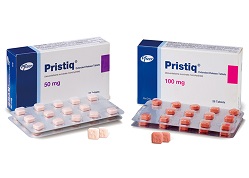
- Companies with salt-modified formulations of the antidepressant Pristiq (desvenlafaxine succinate monohydrate) are strengthening their market competitiveness with a 25mg low-strength product that had not been available in the original or generic formulations. With price adjustments near due to the entry of generics, attention is focused on whether the release of these salt-modified formulations will bring success. According to industry sources on the 6th, three items, including Nexpharm Korea's Desvela SR Tab 25mg, Myung In Pharmaceutical's S-Ven ER Tab 25mg, and Han Lim Pharm’s Prinexor ER Tab 25mg, were listed for reimbursement this month. The active ingredient in these products is desvenlafaxine benzoate, and the drugs are salt-modified versions of the original Pristiq. Neither the original nor the generic products have been available in a 25mg dosage until now. Prior to this, Whan In Pharm launched Defaxine SR Tab 25mg (desvenlafaxine) in June 2022. When patients suddenly discontinue taking antidepressants, withdrawal symptoms such as nausea, dizziness, anxiety, and other adverse reactions may occur. Therefore, a gradual reduction in dosage is necessary. In this context, the 25mg low-dose formulation of desvenlafaxine is expected to be useful for gradual dosage reduction. With a year passing since the launch of generic versions of desvenlafaxine benzoate preparations, drug price adjustments are scheduled for August this year to a level of 53.55%. As a result, drug prices for salt-modified drugs that have received premium prices may also be reduced. The 25 mg desvenlafaxine benzoate preparation, which has been added to the reimbursement list, is also scheduled to undergo a drug price adjustment one month later. With price adjustments imminent, companies need to preoccupy the market at its current price in just a month. The current maximum prices are KRW 469 for Nexpharm Korea's Nexpharm Korea's Desvela SR Tab 25mg, KRW 468 for Myung In Pharmaceutical's S-Ven ER Tab 25mg, and KRW 450 for Han Lim Pharm’s Prinexor ER Tab 25mg. Hanlim voluntarily lowered its price below the assessed price. A month later, the price of Desvela SR Tab 25mg will be adjusted to KRW 359, and the other 2 products will be priced similar at KRW 358. Last year, based on UBIST data, the three brands recorded the following outpatient prescription sales: Myung In Pharmaceutical's S-Ven ER Tab KRW 11.2976 billion, Nexpharm Korea's Desvela SR Tab KRW 50,981 million, and Han Lim Pharm’s Prinexor KRW 393.8 million. The original Pristiq SR TAb recorded KRW 2.2 billion, and Whan In Pharm launched Defaxine SR TAb recorded KRW 1.6 billion, and is leading the market.
- Company
- Novo Nordisk's injectables are in short supply
- by Nho, Byung Chul Jul 08, 2025 06:35am
- Product photo of NovoRapid injNovo Nordisk's diabetes insulin injections are experiencing a short-term shortage, causing supply difficulties in prescribing settings in Korea. The products with limited supply include NovoRapid Flexpen·Novomix Flexpen·Levemir Flexpen. Novo Nordisk sent a notice to distributors, pharmacies, hospitals, and clinics late last month, informing them of the supply limited period (April·May) and the expected resolution period (August·September). According to pharmacies, product supply has been inconsistent since around March, and despite efforts to secure stock, safety reserves are already depleted. Consequently, even if prescriptions are issued over the next two months, a substitute prescription will be unavoidable. Considering that diabetic patients are typically sensitive to medication changes, the inconvenience for doctors, pharmacists, and patients due to alternative dispensing is expected to increase significantly. One anonymous pharmacist in Yongsan-gu, Seoul, stated, "The current shortage seems to be caused by adjustments in production volume of existing products due to the explosive increase in demand for Wegovy." He asked Novo Nordisk to provide clear explanation. The basis for this speculation among medical professionals lies in the phenomenal popularity of the obesity drug Wegovy, which was launched domestically in October of last year. According to IQVIA data, Wegovy's sales of KRW 60.3 billion in Q4 of last year quickly climbing up to the top of the obesity drug market. The obesity drug market size in Q3 2024 was KRW 47.4 billion, but it surged by 97.9% to KRW 93.8 billion in just one quarter following the launch of Wegovy. In Q1 of this year, Wegovy's sales reached KRW 79.4 billion, capturing a 73.2% share of the overall obesity drug market. Wegovy, which received FDA approval in April 2023, is a GLP-1 analog containing semaglutide, confirmed to reduce HbA1c. Novo Nordisk developed Wegovy, a once-weekly obesity treatment using semaglutide, after observing weight loss effects in patients during clinical trials of GLP-1 class diabetes drug candidates. Wegovy, which received FDA approval in April 2023, is a GLP-1 analog containing semaglutide, confirmed to reduce HbA1c. Novo Nordisk developed Wegovy, a once-weekly obesity treatment using semaglutide, after observing weight loss effects in patients during clinical trials of GLP-1 class diabetes drug candidates. Regarding the overall situation, Novo Nordisk stated, "This supply shortage is due to reduced production at a filling plant caused by technical issues at some overseas manufacturing facilities and is unrelated to quality·safety." Novo Nordisk added, "We are making our utmost efforts to normalize product supply as soon as possible through close and active cooperation between the headquarters and our Korean subsidiary."
- Product
- KPDS ‘Gov’t action needed to counter price hike pressure’
- by Jul 08, 2025 06:35am
- The Korean Pharmacists for Democratic Society (President: Kyung-Lim Jeon, KPDS) urged the government to take decisive action against Trump and multinational pharmaceutical companies' pressure to raise drug prices. In a statement released on the 4th, the KPDS stated: “Trump signed an executive order on May 12 demanding a reduction in drug prices within the United States, claiming that ‘the United States accounts for less than 5% of the world's population but generates three-quarters of the global pharmaceutical industry's profits.” This is intended to support U.S. pharmaceutical companies by expanding their access to foreign markets, enabling them to lower drug prices within the United States while increasing profits in other countries.” However, ironically, the U.S. pharmaceutical industry has expressed opposition to President Trump's “most-favored-nation (MFN)” policy for the U.S., citing concerns that its double standard could lead to reduced investment and lower new drug development. The KPDS also pointed out that the U.S. pharmaceutical industry has long opposed policies that view health as a basic social security for citizens and seek to establish a foundation for the health of individuals and society as a whole through a national health insurance system and drug price control policies. Rather, the companies demanded a society where pharmaceutical companies can sell drugs at monopolistic prices that guarantee maximum profits, packaging the anti-market system of patent monopolies as “fair trade.” They have also sought to extend patent periods or operate various monopolistic systems, such as through the new drug product exclusivity system, and have exploited loopholes in the patent system. The KPDS stated, “US President Trump's executive order to lower drug prices acted as a catalyst, turning into a storm of drug price hikes for South Korea and many other countries. The Korean government must recognize this change in the trend and respond proactively.” The KPDS proposed 3 countermeasures. The first is to improve the drug pricing system being promoted by the government to reflect the innovative value of treatments. The currently promoted system is not a system for patients, but rather a capitulation to the demands of multinational pharmaceutical companies to raise drug prices. Efforts to increase bargaining power to counter the rapidly rising prices of new drugs should be prioritized. They also urged the government to seek international cooperation to counter the pharmaceutical companies' unreasonable demands for price hikes. KPDS stated, "The Korean pharmaceutical market accounts for only about 1% of the global market. The Korean government's bargaining power is so weak that multinational pharmaceutical companies can easily abandon the Korean market if they so desire. Recently, Europe has been countering the high prices of new drugs by forming alliances with neighboring countries to negotiate drug prices with companies. Korea must also build alliances with neighboring countries in various ways to strengthen its bargaining power with multinational pharmaceutical companies in drug price negotiations." In addition, they proposed the need to establish policies that would substantially reduce drug costs. The fundamental reason for the high price of drugs in the United States is that the government has excessively overestimated the value of drugs under the pretext of fostering domestic pharmaceutical companies and has made no effort to control drug prices. KPDS added, “The reason why rebates by Korean pharmaceutical companies continue is that the drug pricing policies that are lenient to domestic companies provide incentives for companies to sell drugs even if they have to pay extra to doctors. Amid rapid aging, South Korea's drug pricing policy needs to be readjusted, and it is urgent to establish new policies to resolve drug pricing issues, such as the 2006 ‘Drug Price Rationalization Plan.’” "From the perspective of reasonable corporate profits, drug prices in South Korea are not low. There is a growing trend of high-priced new drugs receiving economic evaluation waivers during review, and generic drug prices are among the highest in the world. From the U.S. perspective, demanding that all countries pay high drug prices on the grounds that South Korea's drug prices are low is not justifiable. Instead, the U.S. should review and reform its overly protective pharmaceutical patent monopoly system.

- Company
- PCV21 emerges…evidence-based vaccination policies discussed
- by Whang, byung-woo Jul 07, 2025 06:10am
- "To improve pneumococcal disease prevention in Korea, an evidence-based pneumococcal vaccination policy is essential. It's crucial to evaluate the efficacy of existing vaccines and conduct cost-effectiveness assessments for new vaccines based on domestic data." Despite the implementation of the National Immunization Program (NIP), pneumococcal disease remains a significant public health issue in South Korea. Therefore, experts emphasize the need to strengthen vaccine strategies, particularly targeting high-risk populations. Dr. Jung Yeon Heo, a professor at Ajou University HospitalDr. Jung Yeon Heo, a professor at Ajou University Hospital's Infectious Diseases Department, an expert in the field, emphasized the need for a 'dual protection strategy,' which involves the direct vaccination of high-risk adults in addition to pediatric pneumococcal vaccination. Pneumococcal infection is known to be fatal for elderly people, causing not only pneumonia but also various invasive diseases such as bacteremia and meningitis. Specifically, adults aged 65 and older face a greater risk of pneumococcal pneumonia and invasive infection. The risk of infection further increases for adults with chronic diseases compared to healthy adults of the same age. Dr. Heo explained, "Invasive Pneumococcal Disease (IPD) primarily occurs in high-risk groups, including adults aged 65 and older, immunocompromised individuals, and patients with chronic kidney disease or heart disease," and added, "Generally, the prevalence of these chronic or immunocompromised conditions increases with age, leading to a higher risk of pneumococcal infection in elderly people." Since 2013, South Korea has provided protein conjugate vaccines (PCV) for children and 23-valent polysaccharide vaccines (PPSV23) for adults (aged 65 and older) through the NIP. However, while the pediatric PCV vaccination rate is high at approximately 97%, the PPSV23 vaccination rate for adults aged 65 and older is only about 54.5%. Currently, there are concerns about the intergenerational transmission of pneumococcal bacteria, as the number of grandparents caring for grandchildren increases. Regarding this, Dr. Heo stated that indirect effects of reduced adult pneumococcal infection can be expected from pediatric vaccination, based on domestic and international cases. However, he also emphasized the importance of direct vaccination for a sufficient preventive effect. Dr. Heo said, "While indirect effects of reducing pneumococcal disease in adults can be expected from pediatric vaccination, indirect effects alone are not sufficient for adequate prevention in adults," and stressed, "In addition to pediatric vaccination, adult pneumococcal vaccination is also crucial." The distribution of serotypes also highlights the importance of prevention in elderly people. According to Dr. Heo, the most common pneumococcal serotypes in Korean adults are 3 and 19A. Despite these two serotypes being included in the currently used 13-valent pneumococcal conjugate vaccine (PCV13), they still cause infections. Dr. Heo pointed out, "This shows that even though the domestic pediatric vaccination rate is high, nearing 95%, for some serotypes, pediatric vaccination alone is not sufficient for full prevention." He added, "For certain serotypes, indirect effects alone are insufficient for adequate prevention, providing evidence that adults also need pneumococcal vaccination." Discussion of sequential·single-dose vaccination strategies..."Vaccine characteristics must be considered" However, with the emergence of newly approved pneumococcal vaccines, there is also anticipation for expanding the scope of pneumococcal disease prevention. Recently, the Korean Society of Infectious Diseases issued revised recommendations, recommending sequential vaccination with PCV15 + PPSV23 or single-dose vaccination with PCV20 for all individuals aged 6 months and older, as well as for high-risk individuals aged 19-64. Regarding sequential vaccination, Dr. Heo explained, "Vaccination is needed to enhance the immunogenicity in high-risk groups for pneumococcal disease while including as many serotypes as possible. This strategy was proposed because combining PCV's strong immune induction effect with PPSV23's broad serotype coverage can lead to more comprehensive and potent preventive effects." He also stated, "If patient convenience is prioritized, a single injection of PCV20 might be a simpler approach." However, he added, "The main reason why the sequential vaccination strategy is recommended is due to considerations of PPSV23's efficacy and cost-effectiveness." Currently, PPSV23, provided free through the domestic NIP, is considered highly cost-effective as it can prevent a wide range of serotypes at a relatively low cost. Conversely, individuals who can afford to cover the cost may opt for non-reimbursed vaccination with a single dose of PCV20, which is not covered by insurance benefits. Dr. Heo advised, "For those who can bear the cost, a single-dose PCV20 strategy can be considered. However, for those who wish to benefit from the NIP, sequential vaccination with PCV15 and PPSV23 is a good choice." He further stated, "Since each vaccine has its pros and cons and overall effects are similar, it's difficult to conclude that one vaccine is superior to another." He added, "Physicians should thoroughly explain the characteristics and differences of each vaccine and then decide on the appropriate vaccination method together with the patient." "PCV21 vaccine is expected to be introduced...Expectation for adult prevention effectiveness" In this context, the 21-valent pneumococcal conjugate vaccine (PCV21) is expected to be approved this year. Regarding this, Dr. Heo explained, "Theoretically, the PCV21 vaccine can prevent the broadest range of serotypes in adults," and added, "At the Infectious Diseases Society conference, attendees showed a preference for PCV21 among the 15-valent, 20-valent, and 21-valent options." PCV21 is distinguished from existing vaccines by excluding serotypes included in the original PCV7 and incorporating the most non-vaccine type (NVT) serotypes whose adult incidence has increased due to serotype replacement phenomena following vaccine use. Dr. Heo stated, "Considering even the indirect effects of pediatric vaccination, the 21-valent vaccine could be the ideal vaccine." He added, "However, what strategy will be most effective for adults will need to be determined through real-world data from future field use." Dr. Heo also emphasized the establishment of an evidence-based vaccine policy to improve the pneumococcal prevention environment in South Korea. In South Korea, PPSV23 is currently provided free of charge to adults aged 65 and older. However, with the emergence of new vaccines, a multi-faceted review is necessary. Dr. Heo pointed out, "As new pneumococcal vaccines continue to be introduced, we need to closely analyze the efficacy of existing vaccines and domestic usage data. When introducing new vaccines, cost-effectiveness must also be reviewed." He added, "However, to respond to diverse serotype distributions and serotype changes resulting from vaccine use, a pneumococcal vaccine covering a broader range of serotypes is needed." Finally, Dr. Heo suggested, "While expanding the adult NIP is not easy at the moment due to cost issues, we have no choice but to follow the trend as vaccine technology advances. Systematic policy preparation considering complex factors is necessary."
- Company
- PKU drug Sephience receives orphan drug designation in KOR
- by Eo, Yun-Ho Jul 07, 2025 06:10am
- Sephience, a new drug for phenylketonuria (PKU), a rare metabolic disorder, has been designated as an orphan drug in Korea. The Ministry of Food and Drug Safety recently announced so through a public notice. Specifically, the drug is indicated for the treatment of hyperphenylalaninaemia (HPA) in adult and pediatric patients with phenylketonuria (PKU). Sephience (sepiapterin), which was developed by U.S. biopharmaceutical company PTC Therapeutics, recently received marketing authorization from the European Commission and is currently undergoing approval procedures with the U.S. FDA. More specifically, the drug is an oral formulation of tetrahydrobiopterin, a critical enzyme cofactor involved in the metabolism of various biological substances. Tetrahydrobiopterin is known to reduce phenylalanine levels in the blood of patients with phenylketonuria. The efficacy of Sephience was confirmed in the Phase III APHENITY trial. In the trial, the phenylalanine levels in the sepiapterin arm decreased by an average of 63%. In detail, 84% of patients achieved phenylalanine levels below 360 µmol/L, which is the target level according to treatment guidelines, and the majority of participants successfully controlled their levels. Meanwhile, phenylketonuria is an autosomal recessive metabolic disorder caused by a deficiency of the enzyme that breaks down phenylalanine, which is present in proteins at levels of 2% to 5%. This deficiency leads to seizures and developmental disorders. Patients born with this congenital deficiency of the enzyme are known to have congenital impairments compared to the general population, resulting in intellectual disabilities, light brown skin and hair, and seizures. Early diagnosis and treatment during infancy are essential, and patients are required to follow a lifelong diet restricted in phenylalanine. If left untreated, elevated phenylalanine levels in the blood can lead to hyperphenylalaninemia, causing severe damage to the brain, liver, heart, and kidneys over time.
