
- LOGIN
- MemberShip
- 2026-04-25 05:43:35
- Policy
- MFDS approves Servier’s Voranigo Tab in KOR
- by Lee, Tak-Sun Jan 14, 2026 09:31am
- The Ministry of Food and Drug Safety (MFDS, Minister Yu-kyoung Oh) announced on the 13th that it has approved Servier’s imported orphan drug ‘Voranigo Tab (vorasidenib) 10mg·40mg.’This drug is indicated for the treatment of Grade 2 astrocytoma or oligodendroglioma that have a susceptible isocitrate dehydrogenase-1 (IDH1) or isocitrate dehydrogenase-2 (IDH2) gene mutation in pediatric and adult patients aged 12 years and older weighing at least 40 kg, following surgery, including biopsy, major resection, or complete resection.A biopsy refers to the procedure in which a portion of tissue or cells is collected and examined under a microscope for diagnostic purposes.IDH (Isocitrate Dehydrogenase) mutations cause the abnormal production of excessive metabolic substances (2-HG), which promote the growth and survival of cancer cells.Astrocytoma and oligodendroglioma are types of gliomas, tumors arising from glial cells in the brain and spinal cord. Gliomas are a major category of brain tumors.Voranigo is an IDH-targeted therapy that inhibits mutated IDH1 and IDH2, thereby reducing the production of the carcinogenic substance 2-hydroxyglutarate (2-HG) and suppressing tumor cell proliferation. The Ministry of Food and Drug Safety expects the new approval to provide a new treatment opportunity for patients with brain tumors that are positive for IDH1 or IDH2 mutations.
- Policy
- Reimb re-evaluation active ingredient results to be unveiled
- by Jung, Heung-Jun Jan 14, 2026 09:31am
- The announcement of active ingredients subject to this year's reimbursement re-evaluation is expected to change slightly from the previously mentioned seven ingredients. This is due to changes in the re-evaluation selection criteria.According to industry sources on the 14th, an agenda regarding the 2026 reimbursement re-evaluation is scheduled to be tabled at tomorrow's Drug Benefit Evaluation Committee (DBEC) meeting.Furthermore, the re-evaluation selection criteria are expected to be discussed. The criteria regarding the number of countries where the drug is listed and the scale of the claimed amount will be removed. Ingredients that need re-evaluation of their clinical usefulness are expected to be included.When the government announced the drug price system reform plan last November, it pre-announced a restructuring of the criteria to include: ▲ active ingredients for which health authorities in A8 countries have initiated clinical or reimbursement adequacy re-evaluations ▲ cases where data or clinical evidence conflicting with previously reported efficacy has been published ▲ medications for which the necessity of re-evaluation has been suggested by academic societies and experts.This means that instead of classifying by listing countries or claim scale as in the past, active ingredients assessed to require a review of clinical usefulness will be designated for re-evaluation.The Health Insurance Review and Assessment Service (HIRA) is expected to listen to the opinions of institutions and academic societies and further strengthen its monitoring role regarding changes in claiming trends.If the reimbursement re-evaluation criteria are revised after passing through the DBEC and the Health Insurance Policy Review Committee, the preparation of additional procedures, such as an expert advisory committee for reviewing ingredient designation, is also anticipated.Additionally, the results of the reimbursement re-evaluation will be simplified to either "reimbursement exclusion" or "selective reimbursement." This means that the breakthrough of maintaining reimbursement through voluntary drug price cuts by pharmaceutical companies will no longer exist.If clinical adequacy cannot be proven, it is expected to lead to either an exit from insurance coverage or a change in patient co-payments.The seven ingredients discussed as targets for this year's re-evaluation at last year's HIPDC subcommittee were Ginkgo biloba leaf dried extract, dobesilate calcium hydrate, kallidinogenase, meglumine gadoterate, diacerein, Afloqualone, and octylonium bromide.Because the reimbursement re-evaluation criteria are changing, some fluctuations are expected in the seven ingredients selected based on the previous criteria. Meanwhile, this DBEC meeting is the first since the replacement of the 10th-term members. The committee has launched with 74 members, including Professor Seung Hyuk Choi of Samsung Medical Center, Professor Kim Seong-hwan of Seoul St. Mary's Hospital, Professor Seh-Hyon Song of Kyungsung University College of Pharmacy, and Professor Hyunah Kim of Sookmyung Women's University College of Pharmacy.

- InterView
- Omjjara effective for high-risk myelofibrosis… access should be expanded
- by Son, Hyung Min Jan 13, 2026 06:59am
- “High-risk myelofibrosis patients with cytopenia have a clear unmet need due to the lack of appropriate treatment options. Omjjara is an option for these patients. This is why its reimbursement coverage is necessary.”Professor Sung-Eun Lee, Department of Hematology, Seoul St. Mary’s HospitalProfessor Sung-Eun Lee of the Department of Hematology at Seoul St. Mary’s Hospital emphasized the unmet needs in the myelofibrosis treatment landscape and the necessity of improving access to new therapies in a recent interview with DailyPharm.Myelofibrosis is a rare hematologic malignancy belonging to the chronic myeloproliferative neoplasm and is considered the most clinically severe condition within this group. Chronic myeloproliferative neoplasms are categorized based on the presence or absence of chromosomal abnormalities. Philadelphia chromosome–negative polycythemia vera and essential thrombocythemia generally show relatively slow progression.However, approximately 20% of patients with these conditions may progress to myelofibrosis and secondary acute leukemia over time, at which point the prognosis deteriorates rapidly.One of the most critical prognostic factors is hemoglobin level. Myelofibrosis is a disease where the bone marrow, the body's blood cell factory, is gradually replaced by fibrotic substances like collagen or reticulin, leading to a decline in normal hematopoietic function. As a result, blood cell production and maturation are disrupted, causing anemia.When anemia is present, the patient's quality of life significantly declines. Reports indicate that myelofibrosis patients with anemia have a survival rate approximately 3 to 4 times lower than those without anemia. For this reason, managing anemia is a major therapeutic goal in myelofibrosis treatment.In September last year, GSK’s Omjjara (momelotinib) received approval from the Ministry of Food and Drug Safety for the treatment of adult patients with intermediate- or high-risk myelofibrosis with anemia (including primary myelofibrosis, post–polycythemia vera myelofibrosis, and post–essential thrombocythemia myelofibrosis), thereby expanding treatment options.Omjjara differentiates itself through a unique mechanism of action. In addition to inhibiting JAK1 and JAK2 like conventional JAK inhibitors, it also inhibits ACVR1. This novel approach normalizes iron metabolism through suppression of hepcidin overexpression, a key cause of anemia.The introduction of Omjjara is expected to reshape myelofibrosis treatment strategies. However, as reimbursement coverage has not yet been granted, access to the drug remains limited for transfusion-dependent myelofibrosis patients in Korea.Professor Lee stressed the need to improve access to new treatments, emphasizing that myelofibrosis is a disease where patients can maintain social and daily life while undergoing treatment, and thus should not be restricted in all aspects of life.Q. Myelofibrosis is a relatively unknown rare blood cancer. Could you introduce the disease?Myelofibrosis is a disease closely associated with molecular genetic abnormalities, most commonly involving JAK2, CALR, and MPL mutations. JAK2 mutations are most frequent, followed by CALR and MPL mutations. Prognosis varies depending on the mutation type. Patients with CALR mutations generally have a relatively favorable prognosis, while so-called “triple-negative” patients are known to have the poorest prognosis. However, current clinical practice does not differentiate treatment strategies based on mutation subtypes.This disease presents with distinct symptoms and significantly impairs patients' quality of life. The course varies greatly depending on the patient's risk group and disease stage. As it is a functional disorder, there is currently no treatment that fundamentally halts disease progression. Therefore, selecting the appropriate treatment strategy based on patient status and risk assessment is critical.Median survival for intermediate- and high-risk patients is only 2 to 3 years, whereas early-stage patients may survive for more than 7 to 8 years. However, many patients are diagnosed only after symptoms develop, meaning many patients are already in the intermediate or high-risk group at diagnosis. In particular, patients with marked cytosis or the presence of blasts tend to show rapid disease progression.Q. How is myelofibrosis currently treated?The only curative treatment for myelofibrosis is hematopoietic stem cell transplantation. However, myelofibrosis predominantly affects elderly patients and is often accompanied by comorbidities, resulting in poorer post-transplant outcomes compared to other acute hematologic malignancies. Therefore, transplant candidates are selected very carefully based on age, general condition, comorbidities, performance status, and donor availability.For patients ineligible for transplantation, the primary treatment goals are to reduce splenomegaly and alleviate systemic symptoms. In this setting, JAK-STAT pathway inhibitors such as Omjjara, ruxolitinib, and fedratinib are used, each with distinct efficacy and characteristics. Because symptoms and clinical characteristics vary among patients, drug selection is personalized for each individual patient.Furthermore, securing a donor and improving the patient's overall condition prior to transplantation often requires a certain amount of time. During this period, drug therapy serves as a bridge to maintain the patient's condition in a stable state until transplantation.Q. What are the unmet needs in the current myelofibrosis treatment landscape?Historically, treatment options were limited for myelofibrosis. Ruxolitinib was effectively the only first-line therapy, followed by fedratinib. However, both drugs are difficult to use in patients with severe anemia or platelet counts below 50,000/µL.Anemia, in particular, has a profound impact on quality of life. Transfusion-dependent patients often require one or two units of blood per month and must spend 4–5 hours at the hospital for each transfusion. As the transfusion date approaches, systemic fatigue and weakness from anemia make mobility difficult. Patients often experience a pattern where daily functioning temporarily improves immediately after a transfusion, only to deteriorate again.When adverse reactions occur during treatment or the effect is insufficient, switching medications is necessary, but the limited alternatives have also been a major challenge in clinical practice. Consequently, patients who failed existing treatments or required additional therapy often had no options other than participating in clinical trials.Q. Omjjara was approved in Korea last September. Could you explain the clinical evidence supporting its approval?Unlike existing therapies, Omjjara has a mechanism of action that is favorable for anemia improvement and was therefore developed and approved specifically for myelofibrosis patients with cytopenia, an area with the greatest unmet need. Clinically, it can also be considered a treatment option for patients with severe thrombocytopenia, and improvements in anemia indicators are being observed in actual clinical practice.The SIMPLIFY-1 trial directly compared Omjjara with ruxolitinib and demonstrated non-inferiority in key endpoints such as spleen volume reduction. It also demonstrated clinically meaningful results in anemia-related parameters, providing the basis for the subsequent MOMENTUM study, which focused on anemia improvement and reduction in transfusion dependency.From a safety perspective, no new adverse effects of significant concern were identified compared to previous trials. While caution is required for infection management as with all JAK inhibitors, this falls within the familiar domain of healthcare providers treating hematologic malignancies and is deemed manageable in routine clinical practice.Q. Could you share any memorable patient cases or instances where notable changes occurred after using Omjjara?In Korea, experience with Omjjara has been accumulated through the Expanded Access Program (EAP), both as an initial treatment option or subsequent therapy after existing treatments in patients with myelofibrosis accompanied by anemia.Omjjara has also been used as a bridging therapy maintain stable conditions in patients awaiting hematopoietic stem cell transplantation. In one case, a patient with a baseline hemoglobin level below 8 g/dL and high transfusion requirements achieved recovery to approximately 11 g/dL after starting Omjjara. Furthermore, Omjjara is also being considered as an important treatment option for elderly patients for whom transplantation is difficult and who require long-term disease management.Q. What recommendations would you make to improve treatment access for myelofibrosis patients?Although myelofibrosis is a rare disease with a small patient population, unmet medical needs are substantial in clinical practice. In Korea, issues affecting large populations tend to receive more attention, while the voices of patients with rare, severe diseases are often overlooked. Consequently, the rarer and intractable the disease, the harder it is to secure reimbursement for new treatments.However, the unmet need is clear for high-risk myelofibrosis patients with cytopenia, as they lack appropriate treatment options. Furthermore, even intermediate-risk patients may experience changes in the clinical characteristics of their disease, making it crucial to secure multiple treatment options.Omjjara has accumulated robust clinical data in these patient populations. If reimbursement coverage is granted, patients who were previously constrained by repeated transfusions may be able to continue treatment more stably and return to daily life. Since myelofibrosis is a disease that allows patients to maintain social and daily activities while undergoing treatment, improving access to treatment will help ensure that patients are not forced to limit every aspect of their lives because of the disease itself.Currently, some patients continue Omjjara treatment through expanded access programs or at their own expense. Given the unmet needs in clinical practice, it is hoped that an environment will be established in which Omjjara can be introduced for more patients at the appropriate time.
- Company
- RNAi 'Amvuttra' to enter the final reimb process soon
- by Eo, Yun-Ho Jan 13, 2026 06:58am
- The RNAi therapeutic 'Amvuttra' is facing its final hurdle in insurance reimbursement listing process.According to sources, the Ministry of Health and Welfare (MOHW) recently ordered a drug price negotiation to the National Health Insurance Service (NHIS) for Amvutra (vutrisiran). Amvutra is a new treatment for hereditary transthyretin-mediated amyloidosis with polyneuropathy (hATTR-PN), developed by Alnylam Pharmaceuticals and introduced to the Korean market by Medison Pharma Korea.Accordingly, discussions are expected to begin once the NHIS negotiation team is formed. Amvutra previously passed the Health Insurance Review and Assessment Service's (HIRA) Drug Reimbursement Evaluation Committee in December last year.Amvutra was designated as an orphan drug by the Ministry of Food and Drug Safety (MFDS) in November 2023 and received final approval in November last year.Amvutra is administered by subcutaneous injection once every 3 months. This drug targets and silences specific messenger RNA (mRNA) to block the production of both wild-type and mutant transthyretin (TTR) protein.The efficacy of Amvutra was demonstrated through the HELIOS-A Phase 3 study. The Phase 3 trial enrolled 164 hATTR-PN patients with polyneuropathy across 22 countries. These patients were randomly assigned to either the Amvutra group (122 patients), receiving 25mg via subcutaneous injection every three months, or the 'Onpattro (patisiran)' group (42 patients), receiving 0.3mg/kg via intravenous injection every three weeks.Amvutra's efficacy was assessed by comparing its data with placebo data from the APOLLO study, which evaluated the efficacy and safety of Onpattro in a patient population similar to that in HELIOS-A.As a result, during the 9-month treatment period, the Amvutra group experienced less severe neurological impairment and showed improved quality of life compared to the placebo group. In the 10-meter walk test, which assesses a patient's walking speed and motor ability, the time taken by the vutrisiran group showed almost no change. NT-proBNP, a biomarker used to evaluate cardiac function, also showed improvement.Meanwhile, hATTR-PN, which affects approximately 1 in 100,000 people, is a disease caused by mutations in the transthyretin gene. It is characterized by systemic multiple autonomic neuropathies, including cardiac, gastrointestinal, and ophthalmic. Vyndaqel stabilizes the transthyretin protein.Generally, symptoms such as pain, paresthesia, and paralysis begin in the lower extremity nerves, where abnormal proteins tend to accumulate, eventually spreading to the upper body and affecting other organs, such as the heart, kidneys, and eyes. Life expectancy is 7 to 12 years on average from the onset of symptoms.
- Company
- Ferring and Hanmi to co-market Minirin and Nocdurna
- by Kim, Jin-Gu Jan 13, 2026 06:58am
- Ferring Korea and Hanmi Pharmaceutical will jointly market the desmopressin-based nocturia-enuresis treatments Minirin Tab and Nocdurna Sublingual Tab.On the 12th, the two companies announced that they had signed a co-marketing agreement for the two products. Under the agreement, Ferring Korea will be responsible for sales and marketing at general hospitals, while Hanmi Pharmaceutical will oversee sales and marketing at small-to-mid-sized hospitals with fewer than 300 beds, as well as clinics from January this year. All domestic distribution will be handled by Hanmi Pharmaceutical.Minirin is a synthetic analogue of the antidiuretic hormone vasopressin that works by reducing nighttime urine production and is used to alleviate nocturia symptoms. It is the standard treatment for primary nocturnal enuresis in children (aged five and older) and is also used to improve symptoms associated with nocturnal polyuria, a major cause of adult nocturia.Nocdurna is a low-dose sublingual tablet formulation of Minirin developed for the treatment of adult nocturia. It is designed to reduce the risk of hyponatremia, which is of particular concern in elderly patients. The sublingual formulation also improves medication convenience and bioavailability.Min-jung Kim, CEO of Ferring Korea, said, “This new partnership with Hanmi Pharmaceutical will further solidify the market leadership of Minirin and Nocdurna, which currently hold the No.1 market share, and enable their stable provision to more patients.”Jae-hyun Park, CEO of Hanmi Pharmaceutical, commented, “We are very pleased to be able to provide clinically validated nocturia symptom treatments to Korean patients through our partnership with Ferring Korea. Leveraging Hanmi’s extensive hospital network and field expertise, we will strive to ensure more patients experience the clinical benefits of Minirin and Nocdurna.”

- Company
- MenQuadfi emerges…SK-Sanofi shakes up meningococcal vacc mkt
- by Hwang, byoung woo Jan 13, 2026 06:58am
- The competition for next-generation vaccines has begun as SK Bioscience, in partnership with Sanofi, launches the next-generation meningococcal vaccine, MenQuadfi, into the market.The key differentiator for MenQuadfi is that it can be administered from as early as 6 weeks of age, significantly expanding the vaccination age for infants compared to existing products. This is viewed as a strategic move to secure portfolio leadership by preoccupying the early stages of the pediatric vaccination schedule.Product photo of MenQuadfiSK Bioscience recently cooperated with Sanofi's Korean subsidiary to launch the quadrivalent meningococcal conjugate vaccine 'MenQuadfi (MenACWY-TT).'MenQuadfi is a vaccine that can be administered to individuals aged 6 weeks to 55 years, preventing invasive meningococcal disease (IMD) caused by the major meningococcal serogroups A, C, W, and Y.It was initially authorized for ages 2 and older, then its indications were expanded at the end of August last year to include infants from 6 weeks to under 2 years of age, based on the results of the MET42 and MET61 studies.MenQuadfi contains 10μg of antigen for each of the four meningococcal serogroups (A, C, W, and Y). User convenience of this drug was improved as a fully liquid formulation that can be administered immediately without the need for separate dilution or mixing.Among the A, C, W, and Y meningococcal vaccines approved in Korea, MenQuadfi is the only product that includes serogroup A and can be used for infants aged 6 weeks to under 24 months. SK Bioscience will be responsible for the domestic distribution and supply for infants and children.Meningococcal infection is transmitted through respiratory secretions such as nasal mucus or saliva and can even be transmitted by asymptomatic carriers. Consequently, major countries such as the U.S., U.K., Australia, and Canada include meningococcal vaccines in national immunization programs or operate them as routine vaccinations based on official recommendations, focusing on infants, children, and adolescents.In Korea, the Korea Disease Control and Prevention Agency (KDCA) recommends vaccination for high-risk groups, including immunocompromised individuals, laboratory workers, new military recruits, university dormitory residents, those traveling to or staying in endemic areas, and contacts during an outbreak.Currently, the meningococcal vaccine market in Korea is relatively small. As of 2023, based on IQVIA data, the total market size is less than KRW 10 billion.The competitor the SK Bioscience and Sanofi joint force must overcome is GSK. Before the launch of MenQuadfi, Sanofi had a meningococcal vaccine called Menactra. Still, its market share was smaller than that of Menveo, GSK's vaccine against invasive meningococcal disease caused by serogroups A, C, W, and Y, which offers the same preventive effects (vaccination ages differ).GSK is currently targeting the market through a two-track vaccination strategy using Bexsero, a multicomponent meningococcal group B vaccine launched in 2024, and Menveo.Sanofi has decided to withdraw Menactra alongside the launch of MenQuadfi. In a situation where the market is small and a next-generation vaccine with broader protection has emerged, the company has concluded that there is no need to maintain a vaccine with the same level of protection. Regarding the exact timing of discontinuing Menactra supply, the company stated it remains flexible, depending on the market inventory.From SK Bioscience, which is in charge of domestic distribution and supply, it is expected to employ a strategy to increase market share through competition with GSK while maintaining its existing Menactra market.Positive aspects also exist. Through MenQuadfi, SK Bioscience has added another domestic distribution collaboration product with Sanofi to its market lineup.According to SK Bioscience's IR materials, the company is engaged in extensive cooperation ranging from National Immunization Program (NIP) vaccines to premium vaccines, including the pediatric 6-in-1 DTaP vaccine Hexaxim, the adult Tdap vaccine Adacel, and the RSV antibody Beyfortus.Following Hexaxim's entry into the NIP and the introduction of Avaxim in 2025, distribution performance for Sanofi-related vaccines rose from KRW 7.5 billion in the third quarter of 2024 to KRW 11.1 billion in the third quarter of 2025.Given that Beyfortus has begun full-scale operations for the winter season, these results are expected to grow further in 2026.The company plans to strengthen a preemptive prevention strategy against major pediatric infectious diseases based on its portfolio that includes both vaccines and preventive antibodies.In terms of R&D, this collaboration is predicted to strengthen further, as the company is currently in Phase 3 development of a 21-valent pneumococcal vaccine with Sanofi.Jaeyong Ahn, CEO of SK Bioscience, stated, "With the introduction of MenQuadfi, the options for preventing invasive meningococcal disease in infants and children in Korea have expanded," adding, "We will strengthen the infectious disease prevention setting based on global partnerships and continue to supply vaccines that can contribute to public health."
- Policy
- Three-month import suspension for Pfizer’s Prevnar 20
- by Lee, Tak-Sun Jan 13, 2026 06:58am
- Pfizer’s pneumococcal vaccine ‘Prevnar 20 Prefilled Syringe’ is subject to a three-month import suspension in Korea.The administrative action was imposed for importing and selling products that differed from the product specifications and standards described in the marketing authorization.On the 12th, the Ministry of Food and Drug Safety (MFDS) announced that it will suspend the import operations of Prevnar 20 Prefilled Syringe (Pneumococcal Diphtheria CRM197 Protein Conjugate Vaccine) for three months, from today through April 11.The MFDS explained that the action was taken because the company imported and sold products that differed from the product standard and specifications described in the marketing authorization.In June last year, the MFDS issued a safety letter and temporarily suspended the use of Prevnar 20 products that were supplied with injection needles that did not match the approved specifications.The vaccine is designed to be administered by attaching the enclosed needle to the syringe. While the approved needle length is 25 mm, the enclosed needles supplied were shorter, at 16 mm.At the time, the action was taken shortly after the product had entered the market. The current administrative penalty is understood to be a follow-up action based on the results of that investigation.Prevnar 20 is Pfizer’s first new pneumococcal vaccine in 14 years. It adds seven serotypes (serotypes 8, 10A, 11A, 12F, 15B, 22F, 33F) to the existing Prevenar 13 vaccine.
- Company
- Support for official academic conferences begins in July
- by Kim, Jin-Gu Jan 12, 2026 03:58pm
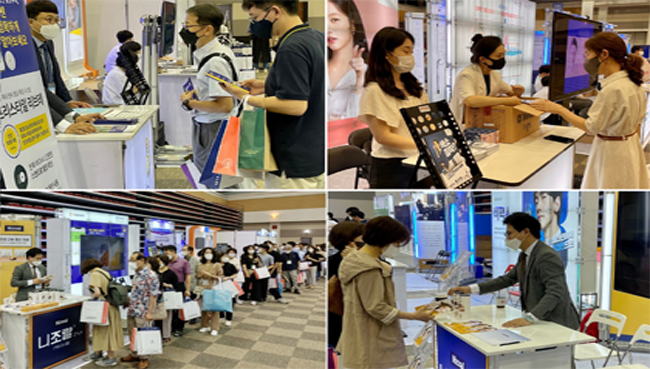
- Support for name-only 'international academic conferences' will be blocked. Starting in July, support will only be available for conferences recognized by professional associations, including the Korean Medical Association and the Korean Pharmaceutical Association.When supporting an academic conference, the overlapping provision of additional food and beverages, booth rentals, and advertisements is prohibited. Promotional materials at booths are limited to pens and notepads valued at KRW 10,000 or less. Exposing product names is prohibited, while exposing company names is permitted.The Korea Pharmaceutical and Bio-Pharma Manufacturers Association (KPBMA) recently received approval from the Fair Trade Commission for 'Code of Fair Competition for Pharmaceutical Trade (5th revision).' The revised Fair Competition Code focuses on blocking various 'pseudo-academic conferences' that pose as academic meetings and on the practice of indirect support. Evaluations suggest that this revision has clarified the boundaries between academic conferences, product presentations, and exhibitions·advertisements, effectively putting the brakes on support methods that utilize product presentations and satellite symposia during academic conferences.◆Blocking formality-only international events = The revised Fair Competition Code has established a new definition for 'internationally held academic conferences in Korea.' To use the title of an international academic conference, the event must pass the screening criteria set by medical and pharmaceutical associations. The screening criteria must include: ▲ number of foreign participants ▲ the level of internationalization of the conference program ▲ the number of annual applications, and ▲ the level of substance in the conference program.Additionally, the event must be held in Korea as an international-scale conference for at least 2 days, with on-site attendance from at least five countries and 50 or more foreign healthcare professionals (excluding those whose attendance is supported by the organizer or invited speakers). Furthermore, budget and settlement details must be submitted to the KPBMA. However, international conferences on rare diseases need only meet either the five-country or the 50-person requirement.The KPBMA will give prior notice requiring the submission of cost settlement details and other supporting documents within 90 days after the event ends to verify whether the international conference held in Korea was conducted in accordance with the plan. If the conference organizing body refuses, the KPBMA is authorized to suspend the conference support process.As there have been many cases that seemed international conferences but were in fact closer to domestic academic events, the codification of these standards is interpreted as a mechanism to filter out formality-only or expedient international events.◆Prohibition of splitting support for academic conferences = Methods for supporting the hosting and operation of academic conferences have also become stricter. When a pharmaceutical company sponsors a conference, it cannot provide overlapping ▲ donations ▲ food and beverages ▲ booth rentals ▲ advertisements related to that conference.Product presentations held during an academic conference are not recognized as 'separate events.' The new code clarifies that product presentations held during a conference are considered part of the conference and must be supported by Articles 8 and 9, which govern academic conferences.Accordingly, it has become virtually impossible to separate and provide independent support for satellite symposia or luncheon sessions held during the conference period as product presentations.This is interpreted as an intent to block overlapping or roundabout support during the conference period. Organizations hosting academic conferences must apply for support to the KPBMA at least 90 days before the event. If there is a potential violation, the KPBMA can demand an explanation or correction, and if not implemented, it can suspend the support process.◆New standards for booth fees limiting 'maximum KRW 3 million' = New standards regarding the operation of exhibition and advertising booths have been established. Booth fees for academic conferences hosted by academic societies range from KRW 2 million to 3 million per instance. In comparison, conferences hosted by medical institutions are set at KRW 500,000 to KRW 1 million per instance. However, booth fees may be adjusted considering inflation rates, etc., in which case they must undergo prior review by the Fair Trade Commission.Academic conferences eligible for booth fee payments are limited to events that provide three or more medical·pharmaceutical continuing education credits (minimum 3 hours) and are attended by 50 or more healthcare professionals (25 for rare disease societies).◆Promotional materials limited to 'pens and notepads' = Standards for promotional materials related to a company's own product presentations have also been strengthened. In principle, no items of value other than food and beverages can be provided. As an exception, only pens and notepads are permitted.In this case, the combined value of the pen and notepad cannot exceed KRW 10,000, in accordance with Appendix 2 of the Enforcement Rule of the Pharmaceutical Affairs Act. Labeling product names on pens and notepads is prohibited. However, company names may be labeled.◆Clarifying meal and transportation costs = Standards for meal and transportation costs for conference participants have become clearer. For domestic conferences, support for up to 3 meals per day can be provided, depending on the number of days attended. Receipts for payments made with a personal card or in cash at restaurants within the hosting region must be provided as evidence. The support limit per meal is KRW 50,000, with actual cost reimbursement.For overseas conferences, meal costs have been fixed by grade and country and city in accordance with the REGULATIONS ON TRAVEL EXPENSES FOR PUBLIC OFFICIALS. They are categorized into Grade A (KRW 100,000 per day), Grade B (KRW 80,000), Grade C (KRW 60,000), and Grade D (KRW 50,000).Standards for supporting local transportation costs for overseas conferences have also changed. Previously, up to KRW 150,000 could be supported based on actual travel costs, such as airport-to-hotel or accommodation-to-venue. Following the revision, a fixed amount of KRW 100,000 can be supported per academic conference.The blocking of formality-only international events, the prohibition on split support for conferences, and the new standards for booth fees will take effect on July 1 of this year. The limitation of promotional materials to pens and notepads, as well as the details regarding meal and transportation costs, have been in effect since January 1 of this year.In addition, this revision reflects new content regarding CSOs and the expenditure report system following revisions to related laws. A new provision requires pharmaceutical companies to prepare and disclose expenditure reports on the details of economic benefits provided to pharmacists, Asian pharmacists, medical professionals, founders of medical institutions, or employees of medical institutions within three months after the end of the fiscal year, and to retain the relevant expenditure reports, ledgers, and supporting data for five years.The definition of pharmaceutical sales promoters now includes not only pharmaceutical suppliers as defined in the Pharmaceutical Affairs Act (i.e., those who have received pharmaceutical product licenses, importers, or pharmaceutical wholesalers) but also "those entrusted with pharmaceutical sales promotion business and those sub-entrusted by them." It has been specified that CSO companies entrusted with sales representation by pharmaceutical companies or wholesalers can also be subject to the promotion business regulations of the Fair Competition Code.

- Company
- Average finished product output rises, but fewer products
- by Chon, Seung-Hyun Jan 12, 2026 03:58pm
- The average finished drug production value of pharmaceutical companies is showing a continued upward trend. With an increase of more than 20% compared to four years ago, average output per company has now surpassed KRW 70 billion. At the same time, the average number of products manufactured by each company has declined, suggesting that firms are gradually moving away from a “department-store-style” business model based on mass small-volume production. Companies with production volumes under KRW 10 billion accounted for half of the total, indicating a significant proportion of small-scale pharmaceutical firms.According to the 2025 Food and Drug Statistical Yearbook released by the Ministry of Food and Drug Safety (MFDS) on January 10, 403 pharmaceutical companies produced KRW 28.4623 trillion worth of finished drugs in 2024, with average production per company reaching KRW 71.2 billion.Average finished drug production value (left, KRW million) and number of products (right, %) (Source: MFDS)The average production value per pharmaceutical company has risen every year.In 2014, pharmaceutical companies produced an average of KRW 47.8 billion worth of products, expanding by 49.0% over the decade. The average production value per company has increased for four consecutive years since reaching KRW 53.2 billion in 2020. Over the past four years, it rose by 33.7%, surpassing KRW 70 billion for the first time.This expansion in average production value is analyzed as a result of the pharmaceutical industry's sustained growth as a whole. Total finished drug production value increased by 99.3%, from KRW 14.2805 trillion in 2014 to KRW 28.4623 trillion in 2024. During the same period, the number of finished drug manufacturers increased by 33.8%, from 299 to 400. As production growth far outpaced the increase in the number of companies, average output per company expanded significantly.In contrast, the number of finished drug products manufactured per company has clearly declined.In 2024, pharmaceutical companies produced an average of 51.3 finished drug products each, down 2.1 products from the previous year. The average stood at 53.4 products in both 2022 and 2023.In 2014, companies manufactured an average of 61.4 products, meaning the figure has fallen by more than 10 products over the past decade. This suggests that firms are gradually moving away from a “department-store-style” business model based on numerous low-revenue products and are instead pursuing structural reform.In 2024, the average production value per finished drug product reached KRW 1.387 billion, up 11.0% year-on-year. Over the past 10 years, the figure has increased by 80.1% from KRW 778 million in 2014. Industry observers interpret this as evidence that pharmaceutical companies are restructuring their product portfolios and pursuing a strategy of selection and concentration, reducing the number of products while improving profitability—marking a clear shift toward structural reform.Number of companies by finished drug production scale (Source: MFDS)Looking at the status of companies by finished drug production scale, small pharmaceutical companies with annual production value under KRW 10 billion accounted for a large proportion.In 2024, 205 companies recorded annual production of less than KRW 10 billion, representing 51.3% of all manufacturers. This represents an increase of 85 companies from the 140 companies below KRW 10 billion in 2014, with their share rising by 4.5 percentage points from 46.8%. In 2019, companies with production value below KRW 10 billion numbered 181, accounting for 51.9%.As of 2024, the largest group consisted of companies with annual production of less than KRW 1 billion, totaling 121 firms. This was followed by 56 companies with production between KRW 1 billion and KRW 5 billion, and 28 companies with production between KRW 5 billion and KRW 10 billion.The number of companies producing less than KRW 1 billion annually more than doubled over the past decade, rising from 51 firms in 2014. However, this segment peaked at 137 companies in 2020 before declining by 12 companies over the following four years.In contrast, large pharmaceutical companies have shown a steady increase. Firms with annual finished drug production of KRW 500 billion or more were just five in 2014, but more than doubled to 13 companies over the past decade. The number of companies with production exceeding KRW 500 billion remained at five through 2017, increased to six in 2018 and 2019, rose to eight in 2021, and surpassed ten from 2022 onward. In 2022, 11 companies recorded production of more than KRW 500 billion, with one additional company added each year for two consecutive years.

- Policy
- Lee administration’s bio-industry support plan revealed
- by Kang, Shin-Kook Jan 12, 2026 03:58pm
- The government is launching large-scale investment and policy support for the bio industry this year as part of its efforts to restore economic growth and secure future growth engines.On January 9, the government held the 2026 National Economic Growth Strategy Public Briefing at the Chungmu Room of the Blue House, presided over by President Jae-myung Lee, where it finalized and announced this year’s national growth strategy.Under the bio-industry development policy, the government will establish a National Bio Innovation Committee under the Prime Minister and announce a provisional Bio Industry Policy Roadmap in the first quarter of this year.President Jae-myung Lee is attending the 2026 National Economic Growth Strategy Public BriefingThe National Bio Innovation Committee will integrate and operate the National Bio Committee (chaired by the President) and the Bio-Health Innovation Committee (chaired by the Prime Minister).To support new drug development and commercialization, the government will expand regulatory review staff and accelerate approval timelines for medical products, while simplifying clinical trial and data submission procedures.The government's plan is to reduce the current approval review periods—420 days for new drugs, 406 days for biosimilars, and 398 days for new medical devices—to 240 days. Furthermore, criteria for exempting biosimilars from Phase III trials will be established this year.Comprehensive support measures covering finance, R&D, regulation, and location will also be implemented to help bio companies expand their global reach. First, ‘Bio Sector Mega Project’ will be established and promoted through the National Growth Fund. R&D support will also be provided for the entire lifecycle (development-clinical trials-approval) of advanced medical devices in six promising fields (medical robots, implants, etc.).Support for open innovation will be expanded to promote joint technology development between pharmaceutical companies and biotech ventures. The government will also pursue the enactment of a provisional Digital Healthcare Act to enhance the use of healthcare data and will upgrade existing bio-health clusters, such as advanced medical complexes, through infrastructure sharing and joint research.Furthermore, it will apply regulatory exemptions for data utilization to AI bio innovation hubs and establish a National Bio Data Integration System to lay the groundwork for data sharing and utilization. To this end, it will also push for the enactment of the proposed Bio Data Act.
