
- LOGIN
- MemberShip
- 2026-05-06 09:54:41
- Company
- Dong-A ST signs MOU with Israel’s Eleven Therapeutics
- by Son, Hyung-Min Jan 11, 2024 05:45am
- On the 9th, Dong-A ST announced that it had signed a memorandum of understanding (MOU) with Israel-based Eleven Therapeutics to develop an RNA-based gene therapy at the JP Morgan Healthcare Conference in San Francisco, USA. The two companies will conduct joint research to discover targeted RNA therapies for fibrotic diseases using Eleven Therapeutics' platform technology, TERA. The TERA platform leverages massively parallel processes to map the chemical space and reveal the structure-activity relationship (SAR) of RNA molecules using artificial intelligence (AI)/ machine learning (ML) and is being used to discover optimal xRNA drugs. Dong-A ST has selected gene therapy as one of its major areas of focus for its future and has been continuing efforts to expand its R&D capabilities from synthetic drugs - its previous forte - to gene therapy. Founded in 2020, Eleven Therapeutics is an Israeli biotech company that develops xRNA therapies by combining combinatorial chemistry and synthetic biology technologies with artificial intelligence and machine learning. The company received a USD 9 million investment from the Bill and Melinda Gates Foundation as support for the development of its RNA design platform and announced a research partnership with Novo Nordisk to develop RNA therapeutics for cardiovascular diseases using its DELiveri platform technology last summer. In addition to Israel, Eleven Therapeutics has laboratories and offices in Cambridge, UK, and Boston, USA, and has been actively continuing research activities in all three countries. Yaniv Erlich, CEO and co-founder of Eleven Therapeutics said, "We are delighted to be working with DONG-A ST on our journey to address the unmet medical needs in fibrotic diseases. Based on our newly forged partnership, we will work to apply xRNA therapies to various disease areas." Jae Hong Park, President of Research and Development at Dong-A ST, said, "By collaborating with Eleven Therapeutics, we have come one step closer to developing innovative RNA therapies. We will strive to transform into a gene and cell therapy specialty company."
- Company
- 5th JAK inhibitor Jyseleca lands in general hospitals in KOR
- by Eo, Yun-Ho Jan 11, 2024 05:45am
- Another JAK inhibitor can now be prescribed at general hospitals in Korea. According to industry sources, Gilead's Jyseleca (filgotinib) has passed the drug committee (DC) review of major national hospitals and medical institutions like Seoul Asan Medical Center and Hanyang University Hospital. After the drug was approved for reimbursement in November last year, its company is now starting to compete for prescriptions in earnest. Jyseleca was first approved with reimbursement as a treatment for rheumatoid arthritis and moderate-to-severe active ulcerative colitis. Patients eligible for reimbursement are those with either of the conditions and do not respond adequately to or are intolerant to existing treatment, and include those who show inadequate response or are intolerant to TNF-α inhibitors among patients aged 65 years and older. Jyseleca received a conditional reimbursement decision for the rheumatoid arthritis and ulcerative colitis indications from HIRA’s Drug Reimbursement Evaluation Committee in July last year. At the time, DREC judged that reimbursement was adequate if the company accepted a price below than the evaluated amount. Eisai Korea then accepted a price less than 90% of the weighted average price of alternative drugs, and omitted insurance price ceiling negotiations with the National Health Insurance Service and quickly received reimbursement in Korea. JAK inhibitors currently available in Korea include ‘Xeljanz (tofacitinib),’ ‘Olumiant (baricitinib),’ and 'Rinvoq (upadacitinib).’ How well Jyseleca will be able to exert its influence amid these drugs remains to be seen. Meanwhile, Jyseleca (filgotinib) is an adenosine triphosphate (ATP) a competitive and reversible inhibitor that selectively inhibits JAK1. JAK1 is a substance that transmits inflammatory cytokine signals and is considered a major treatment target for rheumatoid arthritis. Some of the recent treatments that were released inhibit JAK2 or JAK3, depending on their mechanism of action, but there is some opinion that both mechanisms are involved in immune cell proliferation and homeostasis regulation, and may cause adverse reactions. The drug's efficacy was demonstrated through Phase III trials, including FINCH1, FINCH2, and FINCH3. In the FINCH1 study, Jyseleca 200mg improved arthritis symptoms by more than 20% at 12 weeks when administered to patients with moderate-to-severe active RA (rheumatoid arthritis) despite continued methotrexate (MTX) treatment.
- Opinion
- [Reporter's View] GOV takes measures to stabilize supply
- by Lee, Hye-Kyung Jan 11, 2024 05:45am
- To resolve the issue of medicines supply instability, the government has announced a plan to conduct a field investigation of pharmacies and hospitals that engage in stockpiling of drugs, in collaboration with a local government starting in January. This is the government’s first active involvement in checking nursing homes and taking administrative measures. In March of last year, a public-private consultative body was established, comprised of the Ministry of Health and Welfare (MOHW), the Ministry of Food and Drug Safety (MFDS), the Korean Disease Control and Prevention Agency (KDCA), the Korean Medical Association, Korea Pharmaceutical and Bio-Pharma Manufacturers Association (KPBMA), the Korea Pharmaceutical Distribution Association (KPDA), the Korean Society of Health-system Pharmacists. The decision to investigate stockpiling in nursing homes was made during a meeting held in September last year. The items to be investigated include Sam Il’s ‘Sudafed tab.’ and Sama Pharm’s ‘Setopen suspension,’ and the criteria for categorizing purchases as stockpiling have been defined as cases where the claimed amount (usage) was less than 25% after purchasing. Notably, there have been 40 instances where medical institutions have acquired cold medicines with 0% recorded usage. In response, the government has chosen to examine these cases during the field investigation to see if indeed they were stockpiling. However, a few pharmacies have criticized the government for intervening with purchasing practices ahead of prescription. According to the government, drug shortages have historically been a recurring issue in many countries, regardless of their income levels. However, when addressing medicines of supply instability, such as common cold medicines, which are non-essential but can cause inconvenience when unavailable during the simultaneous outbreak of various respiratory diseases, even with increased production by pharmaceutical companies, government intervention may become necessary. Until now, several measures have been implemented to address the supply shortage. For six ingredients such as 'acetaminophen' and 'pseudoephedrine,' the government raised drug prices conditionally, and for twelve ingredients such as 'mifepristone' and 'cefpodoxime proxetil,' pharmaceutical companies were encouraged for production and provided with administrative support for raw materials. Following their request for cooperation in prescribing alternative medications to enhance demand management and minimize distribution disparities while ensuring fair access to drugs, the government has launched an investigation into stockpiling practices. In November last year, the list of national essential medicines was expanded to include seven products with six ingredients for pediatric drugs, including acetaminophen syrup. Over the past year, various measures, including the establishment of a public-private consultative body, have been prepared for drug supply stabilization. This year, taking suggestions from the meeting, it is crucial to establish a system aimed at preventing drug shortages. In addition, there should be a discussion about a follow-up plan. Waiting until major disruptions in drug supply occur would be too late. It appears that frequent surveys of supply shortages of drugs may be needed. Starting this year, the government plans to raise the prices of unprofitable drugs, extending a measure that was initially introduced last year for supply shortages of drugs. There is an expectation that these various measures will function effectively to address the drug supply issue. This year, we should see a decrease in instances where people ‘hop from one pharmacy to another in search of medicines.’
- Policy
- HIRA establishes new Pharmaceutical Benefits Dept
- by Lee, Tak-Sun Jan 11, 2024 05:44am
- High-priced drugs are changing the drug expenditure review paradigm in Korea. The high cost borne from the use of high-price drugs is increasing the importance of post-listing evaluation of high-priced drugs. To address this shift, the Health Insurance Review and Assessment Service established a ‘Pharmaceutical Performance Evaluation Department’ earlier this year, which is in charge of the post-listing management of high-priced drugs. This is the first time another pharmaceutical department has been established in HIRA since the Pharmaceutical Benefits Department was separately established from the Benefits Listing Department in 2006. According to industry sources on the 9th, HIRA had newly established a Pharmaceutical Performance Evaluation Department under its Health Insurance Review and Assessment Research Institute through restructuring earlier this year. The Pharmaceutical Performance Evaluation Department will be led by Director-General So-young Lee, who also serves as the Head of the Health Insurance Review and Assessment Research Institute. Lee graduated from Chung-Ang University College of Pharmacy and has a strong background in pharmaceutical listing management, including experience as the Director-General of HIRA's Benefits Listing Department. Also, Director Mi-Kyung Kim was appointed to the Pharmaceutical Performance Evaluation Department, who returned after receiving education at the Seoul National University School of Public Health. The Pharmaceutical Performance Evaluation Department will take over duties of the New Drug Performance Management Department that was established as a temporary organization under the Pharmaceutical Benefits Department in September 2022. That department had been temporarily established to address the need for post-listing management of high-priced drugs in line with the reimbursement listing of Kymriah, which costs KRW 360 million per dose. Specifically, the new department will be responsible for evaluating and analyzing the outcomes of patients receiving high-priced drugs at medical institutions. The number of items that are subject to performance evaluations has increased to 4, and includes Kymriah Zolgensma, Spinraza, and Evrysdi. Kymriah (above) and Zolgensma, drugs receiving post-marketing evaluation as high-priced drugs The Drug Performance Evaluation Department currently consists of 9 people under the Director-Genral and plans to expand its workforce in the future. For now, it is in charge of evaluating the performance of high-priced drugs, but in the future, it is expected to serve as a window for the post-listing management of PE exemption drugs that waived submission of pharmacoeconomic evaluation data. HIRA’s webpage introduces the duties of the Pharmaceutical Performance Evaluation Department as ▲ matters related to preparing the basis for performance management of high-priced drugs and system operations ▲ matters related to RWD utilization (E-form, etc.), and post-listing management ▲ matters related to cost-effectiveness evaluation and economic evaluation (reevaluation) of high-priced drugs ▲ matters related to research on the price, listing, and usage of drugs subject to performance evaluations. The post-listing management PE exemption drugs were also mentioned in the recently concluded report on ''Measures to improve the PE exemption system.' In the report, the researchers said, "The economic feasibility of listed PE exemption drugs were evaluated in all other HTA-based major countries,” suggesting the need for reevaluation of these listed drugs for the proper management of the price of drugs that will potentially be used as comparators for the listing of latecomers. The need for post-listing evaluation of PE exemption drugs based on RWE data was also mentioned during a public hearing on 'Measures to Manage Performance-based Reimbursement of Drugs using RWD/RWE' that was held in November last year. Ji-hye Byun, an associate researcher who published the RWE guideline for performance-based reimbursement management, is also in the Drug Performance Evaluation Department. When the plan to improve the post-management of PE exemption drugs is prepared, which is being promoted in earnest this year, the Pharmaceutical Performance Evaluation Department is likely to take the lead and take over the post-listing management work. The establishment of the Pharmaceutical Performance Evaluation Department holds significance as it serves as proof that the drug review paradigm has been changing. HIRA’s Pharmaceutical Benefits Department was separately established from the Benefits Listing Department in 2006 in response to the need to strengthen the management of drug prices and drug expenses. At the time, the measure was made in preparation for the positive-list system set to be introduced in December of the same year. If the positive-list system, which selects and applies reimbursement benefits to only clinically and economically high-value drugs, has led to changes in drug management work, it is interpreted that the new department opened a new paradigm in drug management that complements areas missed by the positive-list system, extending its work to post-management of high-value drugs. in his New Year's speech, Jung-Gu Kang, Director of HIRA, said, “Reimbursement for ultra-high-priced drugs and rare and incurable diseases has been rising as an ongoing issue recently. The entry of rapidly listed ultra-high-priced drugs into Korea’s reimbursement system after waiving economic evaluation has raised the need for post-management of drugs.” He added, “We want to create a mechanism that can monitor the treatment performance of a drug on each patient so that effective drugs can be administered to the public, and also reduce the risk of wasting major health insurance financial expenditures by strengthening post-listing management of drugs based on performance management."
- Policy
- MFDS to resolve production of chemotherapy drug '5-FU'
- by Lee, Hye-Kyung Jan 10, 2024 05:42am
- MFDS resolves One of the domestic pharmaceutical companies has agreed to produce the chemotherapy drug ‘5-fluorouracil (5-FU) injection.’ This measure will significantly aid in the treatment of cancer patients. ‘Since November last year, we received an information from the Korean Society of Health-system Pharmacists about a drug shortage of the chemotherapy drug 5-FU, and we reached out to the manufacturing company to investigate the cause,’ Kim Seonyoung, an official from the Ministry of Food and Drug Safety (MFDS)’s Heath Insurance Policy Review Committee stated. JW Pharmaceutical is responsible for the distribution of 5-FU, with Il Dong pharmaceutical serving as the Contract Manufacturing Organization (CMO). The MFDS discovered that Il Dong Pharmaceutical's efforts to upgrade certain facility units disrupted the production schedule of 5-FU. “To facilitate the drug’s distribution, we have expedited the production schedule, including stages like product quality testing and post-manufacturing processes. We have confirmed successful distribution of the drug on January 4th,” Official Kim stated Furthermore, another domestic pharmaceutical company has agreed to starting production of 5-FU as soon as the active ingredient is secured. This is expected to significantly improve the efficiency of the drug’s distribution starting from next month. Only one domestic pharmaceutical company is currently responsible for the distribution of 5-FU. To prevent any potential distribution instabilities, the committee inquired with several domestic pharmaceutical companies about their ability to produce the drug,” Official Kim mentioned. “With one of these companies now committed to distribution, more efficient distribution is likely starting in February.” The domestic pharmaceutical company that has agreed to produce 5-FU has requested not to disclose its name publicly. The Korean Pharmacists for Democratic Society (KPDS) announced a statement in response to the news about the supply shortage of 5-FU, a drug that has been listed as a shortage prevention drug (SPD) since 2010, that began in Dec. 2023. “Cancer patients are facing delays in chemotherapy schedules by 1 to 4 weeks or are frequently switching to alternative drugs,” the KPDS criticized. “The government claims to have a system in place for monitoring the supply and demand of essential medicines and receiving company reports on supply halts, in collaboration with relevant agencies and experts. However, details regarding the government's actions and corrective measures are lacking.”
- Product
- Saxenda’s shortage prolonged…raises inconveniences
- by Kang, Hye-Kyung Jan 10, 2024 05:42am
- Saxenda's prolonged out-of-stock status is inconveniencing consumers as well as pharmacies. As many patients set New Year’s resolutions of losing weight at the beginning of the year, the lack of Saxenda is causing dissatisfaction among pharmacies and consumers. Even diabetes patients are experiencing the inconvenience of insulin stockouts, including Saxenda. According to a local pharmacy, Saxenda’s stock shortage began to surface around November last year. Since then, supply and demand disruptions spread across the country, and it is now commonplace for patients to leave empty-handed from. pharmacies, even with prescriptions. Pharmacist A said, " Although many people are deciding to lose weight with the start of the new year, they can't fill their prescriptions because the pharmacies do not have the medicine. Many of those who come in with prescriptions complain that they have already visited several pharmacies due to Saxenda’s stock shortage.” While some doctors have reportedly notified the patients of this stock shortage and are not issuing prescriptions, many doctors who prescribe outpatient prescriptions do not give prior notice, leaving patients to do all the legwork. Pharmacist B said, "I've only heard that the manufacturer is experiencing difficulties in meeting the supply and that the supply will resume later this month, but I don’t know if this is accurate information. Most pharmacies will have also run out of stock due to the prolonged shortage.” Due to its rarity, local communities and diabetes communities are filled with posts asking which pharmacies still have remaining stock of Saxenda. This has led to some illegal trading between individuals or marketing by clinics. Because second-hand platforms forbid drug transactions between individuals, this has led to illegal transactions through open chat rooms. Dailypharm also covered the issue of second-hand trading of self-injectable drugs in open chat rooms in October last year. Pharmacist C said, “There are also posts that promote their clinics using the desperate psychology of consumers in finding Saxenda in stock. Although these advertisers use different nicknames for each internal cafe, the content is the same. I suspect these are PR posts uploaded by part-timers. It doesn't seem right that some clinics are using the stock shortage to promote their clinics when pharmacies are out of stock of Saxenda and unable to dispense the drug. Meanwhile, the Korean Pharmacists Association for a Healthy Society urged the government to take a responsible stance and address the out-of-stock drugs. "The severity of the problem is illustrated by dozens of posts on cancer cafes by cancer patients saying that they were unable to receive necessary treatment due to stock shortage, and the piling comments and inquiries on which hospitals have the necessary drugs. The government should take the best measures to ensure that citizens have the belief that the drugs they take today will be available tomorrow. We look forward to the government's efforts in ensuring the public to use essential medicines without worries."
- InterView
- Restoring confidence post-Invossa incident was my priority
- by Kim, Jin-Gu Jan 10, 2024 05:42am
- “Even in the face of failure, do not worry. As the CEO of the company, I will take full responsibility for everything. We will engage in frequent communication. Once we reach a consensus after thorough discussions, I will bear responsibility for the outcome, regardless of the outcome.” In his inaugural speech in March of the previous year, the newly appointed CEO, Kim Sun Jin, of Kolon Life Science sent the message to the executive and staff members. Kim dedicated a year of relentless efforts toward enhancing the corporate mood after assuming the leadership position at Kolon Life Science. Kim Sun Jin, CEO of Kolon Life Science CEO Kim became affiliated with Kolon Life Sciences after joining Kolon TissueGene as an independent director in March 2020. At the time, both Kolon TissueGene and Kolon Life Sciences were heavily affected by the Invossa incident. About ten months before his joining, the U.S. Food and Drug Administration (FDA) issued a clinical hold on Invossa in May 2019. The clinical hold was lifted in April 2020, however, the clinical trials in the United States were unable to resume immediately. Patient enrollment was significantly hindered by the Covid-19 pandemic. Further complicating matters, the clinical reagents sent to the Contract Manufacturing Organization (CMO) were inadvertently contaminated with foreign substances. Faced with one challenge with another, CEO Kim, serving as a Chief Medical Officer (CMO) of Kolon TissueGene, committed himself to resolving the problem. Subsequently, the Phase 3 trials for the drug resumed a drug administration in Dec. 2021. Kim is recognized for his pivotal role in successful resumption of Phase 3 U.S. trials for Invossa (current project name: TG-C). Although the U.S. trials resumed, the overall corporate mood remained depressed. Recognizing this, Kim stressed the saying ‘Even in the face of failure, do not worry.’ in his inauguration speech. "After the Invossa incident in 2019, Kolon Life Science experienced a somewhat depressed corporate mood overall," Kim recalled. “When someone experiences failure once, the fear of failing again intensifies,” Kim added, “The setback deeply affected everyone. So, I consistently reassured them that what happened was not an individual's fault. I tried to help the members of the company heal from those wounds and rebuild their confidence.” In the 2nd year of joining, CEO restructures the company…”Reinforcing R&D and bringing synergy among the four companies” While focusing on reorganizing the company roles, Kim focused on instilling confidence. Kim placed particular emphasis on restructuring the research division. As part of this effort, research headquarters was established within Kolon Life Science on January 1st of this year, making it the first major organizational change since he assumed the CEO role. Previously, the company's research capabilities were split between bio- and chemical research, and now, these have been merged into one. Additionally, synthetic drug development has been strengthened. The analysis is that after restructuring, the focus is more on new drug development without differentiating between chemical and bio research. Kim evaluated that Kolon Life Science and associated companies have a perfect rotational structure. With Kolon Life Science in the center, Kolon TissueGene is responsible for new drug R&D and clinical development, Kolon Biotech manages production, and Kolon Pharma manages domestic distribution and sales of these products. It is intended to encompass the entire process from discovering new drug candidates to production, distribution, and sales. However, Kim expressed some reservations about the level of organic integration among these companies. Kim believes that there is still room for improvement in utilizing the potential and capabilities of each company up to 100%. "After joining the company, I realized that, with the exception of Kolon Pharma, which is already normalized, other companies fell short," Kim remarked and added, "I focused on eliminating redundant functions across the four companies and internalizing as many R&D technologies as possible." Kim also announced that each company will specialize in R&D based on specific diseases and substances. The goal is to restructure and enhance the efficiency of R&D by allowing each company to maximize its unique expertise. "Just as a conductor leads an orchestra to bring out the unique talents of each musician, we will strive to create synergy among the four companies, allowing them to maximize their respective expertise in research and development, clinical development, production, and distribution," Kim remarked. “Invossa U.S. trials are nearing completion…In development with more stringent conditions” With the new organization, Kim’s goal is to successfully complete the clinical trials for Invossa (TG-C) in the short term and approach the commercialization of other candidate substances in the long term. For Invossa clinical trials, U.S. Phase 3 trials are nearing completion. The patient registration is closing. Industry experts predict that the trials will be near completion by early this year. Following the trial's completion and a subsequent two-year follow-up observation period, the company will be able to submit a Biologics License Application (BLA). “Invossa and TG-C are essentially the same substance,” Kim explained. “While there are minor differences in the volume and manufacturing of cells used in Korea and the United States, there aren’t any differences in the aspect of the safety and the efficacy.” “In cell and gene therapies, differences due to gender, age, or race are typically negligible. Therefore, the results from clinical trials conducted in Korea might be replicable in U.S. trials” Kim said. “I cautiously speculate that we can potentially achieve approval without significant difficulty.” However, having faced setbacks previously, Kim intends to stay vigilant until the very end. Therefore, the U.S. clinical trials will implement more stringent conditions. “For treatments targeting pain, external factors can influence the clinical outcome greatly. I wouldn’t jump to conclusion. We must stay focused until the completion,” Kim added. “While the overall clinical design is similar to that in Korean clinical trials, the U.S. trials are being conducted under more stringent conditions. To that extent, we are confident about these clinical trials,” Kim stressed. Kim elaborated that the development of other candidate products, in addition to Invossa, is actively progressing. Kim added that 'KLS-2031,' a potential therapeutic for radiculoneuropathy, is currently subjected to sub-group analysis with results from the concluded Phase 1/2a clinical trials in the United States. At the same time, non-clinical trials designed to expand indications are nearing completion. For 'KLS-3021,' a chemotherapy candidate currently in development, its indication was determined after additional non-clinical testing. The toxicity and distribution testing is in process prior to clinical trial entry. Kim, as an expert in clinical translation, emphasized the importance of innovative clinical trial designs. “A notable issue in the Korean pharmaceutical and biotech industry is the tendency to replicate clinical designs from overseas. I strongly oppose this approach. Instead, development of innovative designs optimized for candidate substances is needed,” Kim stated.
- Opinion
- [Reporter’s View] Be generous and provide tangible benefits
- by Eo, Yun-Ho Jan 10, 2024 05:42am
- Expectations of pharmaceutical companies that own new drugs have been rising in the light of the new year. The reason for this is the ‘Plan for Appropriate Compensation of the Innovative Value of New Drugs' that the government announced at the end of last year. According to the announcement, the government will grant reimbursement for innovative new drugs that have recognized innovativeness even if their economic feasibility exceeds that of the ICER threshold, an economic evaluation indicator. The criteria for innovativeness are those that satisfy all of the following conditions: a drug ▲ with no substitute or therapeutically equivalent product or treatment ▲ that demonstrated clinically meaningful improvement, such as a significant extension in survival, and ▲ has been approved by the Ministry of Food and Drug Safety through GIFT or received a breakthrough therapy designation (BTD) by the US FDA or a priority review (PRIME) by the European Union’s EMA. All three conditions must be met to qualify as an innovative drug. Although there is no documented figure, it is generally accepted that the ICER threshold for insurance reimbursement is KRW 50 million in Korea. Even drugs whose ICER value is KRW 50 million are rarely listed. In other words, the government announced that it will apply a flexible ICER threshold for drugs designated as an innovative new drug and satisfy all the conditions above, allowing such drugs an easy pass across the economic evaluation hurdle. This flexible application of the ICER threshold has been the industry’s greatest desire for some time. But there are also concerns over the large disappointment the high expectations may bring. If the actual increase in the threshold is less than expected, the pharmacoeconomic evaluations will still be a serious hurdle. If the KRW 50 million threshold, which was rarely applied, just becomes the norm, or the threshold is only increased by around KRW 5 million to KRW 10 million, their actual benefit will be minimal. This is not for all drugs, but just the innovative new drugs that meet all of the three conditions above. In fact, even if the threshold is raised by KRW 20 to KRW 30 million, the pharmaceutical industry may still long for a larger benefit. This will be especially true for drugs that have shown too much clinical improvement compared to existing drugs to demonstrate cost-effectiveness, i.e., drugs that are likely to be designated an innovative new drug. And these drugs will only increase in the future. As the government has already expressed its willingness to provide benefits, it would have devised a practical system to implement this year. All this reporter would like to ask of is, to be generous when giving out benefits. We know that the government is devising measures to cut costs along with measures that provide preferential treatment, therefore, all we ask is for the government to provide clear and generous benefits in areas it already decided to do so.
- Policy
- Will Enhertu be discussed in this year’s 1st DREC meeting?
- by Lee, Tak-Sun Jan 10, 2024 05:42am
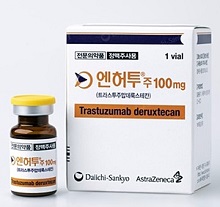
- The schedule for the Health Insurance Review and Assessment Service’s Drug Reimbursement Evaluation Committee meetings in 2024 has been finalized and released. The committee meeting will be held at the beginning of each month, starting with the first meeting on the 11th of this month. According to industry sources on the 8th, the 2024 DREC meeting schedule has been finalized. It will be held at the start of each month - on the 11th of this month, the 1st of next month, the 7th of March, the 4th of April, and the 2nd of May. At this month's meeting, it will be interesting to see if the new breast cancer drug Enhertu, which has been struggling at the pharmacoeconomic evaluation stage, will be presented for deliberation. Although the drug offers a significantly improved effect over existing drugs, it has faced difficulties in pharmacoeconomic evaluations due to its prolonged administration period. Therefore, when the government recently announced that the ICER threshold will be flexibly operated for innovative new drugs in the 'Innovative New Drug Appropriate Value Recognition Plan', Enhertu was considered to become a beneficiary. However, the plan to recognize the fair value of innovative new drugs has not yet been implemented. If Enhertu’s reimbursement agenda successfully passes the DREC review, it will not have to wait for the new system to settle into the country. Last month, Enhertu reportedly submitted supplementary pharmacoeconomic evaluation data to HIRA. In addition, an application for a price increase adjustment for the pediatric cough expectorant tulobuterol will be reviewed by the committee. Tulobuterol is facing difficulties in supply and demand due to the discontinuation of the original product, the increase in the unit cost of raw materials, and the increase in pediatric respiratory diseases. In response, the government plans to increase the drug price to encourage production. 2024 DREC Meeting Schedule The 2024 reimbursement adequacy reevaluation plan is also expected to be discussed in the February meeting. The first results of the reevaluation are expected to be presented to DREC in its August meeting and the final results at the December meeting. In addition, the reevaluation of sodium hyaluronate eye drops, which was not decided last year, is also expected to be redeliberated and reported to the DREC within the year. In addition, it is analyzed that the reevaluation of drug prices through external reference pricing, and the pharmacoeconomic evaluation data waiver system among others, may be discussed at this year's meeting.
- Company
- K-pharma advances in new Alzheimer’s drug discovery
- by Jan 09, 2024 05:50am
- New drugs for treating Alzheimer’s disease developed by Korean pharmaceutical companies have entered the late phase of clinical trials, and industry watchers are closely monitoring their potential for commercialization. Aribio has recently submitted an Investigational New Drug (IND) application for its oral treatment candidate AR1001 for Alzheimer’s disease, to eight European countries. Aribio is about to enter the late phase of clinical trials in Europe, following its success in initiating Phase 3 clinical trials in Korea and United States. Additionally, each of the new Alzheimer’s disease drug candidates developed by GemVex, CHA Biotech, and NKMAX has entered Phase 2 clinical trials. The Korean pharmaceutical companies including Aribio (candidate product: AR1001), GemVex (candidate product: GV1001), CHA Biotech (candidate product: CB-AC-02), NKMAX (candidate product: SNK01), Shaperon (candidate product: Nucerin), and Neurorive (candidate product: NR-0701), and others are advancing in new Alzheimer’s drug developments. Aribio entered Phase 3 clinical trials in the United Sates…GemVex has concluded Phase 2 clinical trials in Korea and is preparing for global clinical trials. According to the industry on the 6th, Aribio submitted a European IND application on the 26th of last month for the approval of a global Phase 3 clinical trials called ‘Polaris-AD’ for AR1001. The European clinical trials will enroll 400 patients with early Alzheimer’s disease from eight European countries, including the U.K., France, Germany, Spain, Italy, Denmark, Netherlands, the Czech Republic, and Slovakia. AR1001 utilizes multimodal mechanisms to target the underlying causes of Alzheimer’s disease, such as PDE5 and toxic proteins. In 2022, Phase 3 clinical trials were initiated in the United States, and these trials are recruiting patients and administering the drug at 60 major clinical sites across the United States. Samjin Pharmaceutical holds exclusive sales rights for AR1001 in Korea. Samjin Pharmaceutical and Aribio have signed a joint development of Phase 3 trials in Korea, as well as the exclusive sales rights for the domestic market. Both companies are currently conducting Phase 3 trials in Korea. In Phase 2 clinical trials, AR1001 demonstrated therapeutic effects in patients with elevated levels of blood pTau-181, a significant factor associated with Alzheimer’s disease. Additionally, the AR1001 10mg cohort demonstrated a decrease in cognitive decline compared to the placebo group, while the AR1001 30mg cohort demonstrated enhancements in cognitive abilities related to pattern recognition. GemVex is currently developing GV1001, a candidate multimodal treatment for Alzheimer’s disease. GV1001 has successfully concluded the Korean Phase 2 clinical trials and is preparing for global Phase 2 clinical trials. GV1001 binds to the Gonadotropin-releasing hormone receptor (GnRHR) expressed in microglia and astrocytes, effectively suppressing neuroinflammation. By binding to GnRHR, present on these two cell types, GV1001 functions as a cytokine that modulates brain immune responses. GemVex will conduct simultaneous clinical trials in seven European countries using the Phase 2 clinical trials IND application submitted to the FDA. The clinical trials will evaluate the therapeutic effects and safety of the drug with 185 moderate to severe patients administered with doses of 0.56 mg and 1.12 mg over 52 weeks. CHA Biotech is conducting Phase 1/2a clinical trials for its new drug candidate CB-AC-02. CB-AC-02 is a stem cell therapy utilizing placenta-derived mesenchymal stem cells and is under development using mass culture and cryopreservation techniques. NKMAX is currently developing the cell therapy SNK01 through its subsidiary NKGen Biotech. The company has successfully completed the drug administration to patients enrolling in the Phase 1/2a clinical trials. SNK01 is designed to recognize and eliminate reactive T cells and damaged neurons, thereby reducing neuroinflammation and improving the overall brain immune system. In the Phase 1 clinical trials conducted in Mexico, NKGen Biotech’s SNK01 demonstrated the therapeutic effects in patients with moderate to severe Alzheimer’s disease. Three out of ten patients who were administered SNK01 showed improved symptoms in the AD Composite Score (ADCOMS), while six patients showed no change without further deterioration. Furthermore, the FDA has granted permission to continue the Phase 1/2a clinical trials without requiring preclinical trials, based on the results obtained from the Mexico Phase 1 clinical trials. Neurorive and Shaperon, completing pre-clinical trials, aim to enter a late phase of clinical trials. Shaperon is developing NuCerin for treating patients with moderate to severe Alzheimer’s disease. NuCerin is designed to inhibit microglia and TNF-α production and under development to alleviate neuroinflammation. NuCerin is currently in the Korean Phase 1 clinical trials. Nucerin demonstrated no Dose Limiting Toxicities (DLT) up to the third level of dosage during the trial, following a dose escalation design. Additionally, Shaperon signed a technology transfer contract with Kukjeon Pharmaceutical in March 2021. Neurorive is currently conducting Korean Phase 1 clinical trials for their candidate product NR-0701. NR-0701 utilizes acetylcholinesterase and phosphodiesterase (PDE) inhibitors, which are the active ingredients found in medications like Donepezil, used for Alzheimer’s disease, and Viagra, respectively. Through this mechanism, Neurorive aims to achieve effects that are comparable to increased therapeutic effects of Alzheimer's disease drug Donepezil while simultaneously reducing the toxicity associated with Viagra-class drugs, maximizing neurotransmission capacity.
