
- LOGIN
- MemberShip
- 2026-05-05 11:26:31
- Opinion
- [Reporter’s View] Handling AI-collected ‘cancer info’
- by Kim, Jin-Gu Feb 06, 2024 06:10am
- Medical AI company Lunit announced on the 5th that it will be participating in the establishment of an internet-only bank. Lunit will join the U-BANK consortium, including Lendit, Jobis & Villains, Travel Wallet, and Hyundai Marine & Fire Insurance, to establish Korea’s fourth internet-only bank. An interesting part of the information is the Lunit’s role within the consortium. “The company aims to develop insurance services personalized to individuals and accurate,” Lunit announced. Lunit plans to utilize the data gathered from its ‘Lunit INSIGHT,’ the company’s primary product of artificial intelligence (AI)-enabled cancer detection, to develop insurance products with exceptional accuracy. It is expected that Lunit’s business operations will expand. Previously, Lunit’s business model involved receiving patients’ medical files containing cancer-diagnosis information. The company then uses artificial intelligence to analyze this Big Data, allowing them to determine whether a patient has a cancer from a single MRI image. With a current approach to expanding their business into developing insurance services and sales, companies involved in the consortium will likely take on different roles. The consortium is expected to operate the business by Lunit gathering an enormous amount of data from media files of cancer diagnoses and relaying those data to the consortium’s insurance company (Hyundai Marine & Fire Insurance), which will utilize the data to develop insurance products. Then, the consortium’s newly established internet-only bank will sell those products in a Banccasurance-like manner. There are concerns regarding the possibility of leaks when sensitive cancer personal information is utilized as an ingredient to develop insurance product. Under the current privacy protection law, consortiums like Lunit must obtain consent from each patient to develop and sell insurance products, clearly specifying the purpose and duration of use. The collected information must go through a separate processing step to ensure it cannot identify individuals. To transfer the data collected by Lunit to insurance companies or banks, they must also obtain third-party data-sharing consent. Lunit appears to be prepared to obtain consent. “When we receive patient data, personal information is anonymized. If we actively pursue business, we will properly manage to obtain patient consent related to utilizing personal information,” a Lunit representative stated. “Currently, we have only decided to invest, and we do not plan to change article of association to include insurance business at this time.” Even though Lunit provided these explanations, a feeling of uneasiness persists. This is because incidents of patient data leaks continue to occur in Korea. In July of last year, 17 university hospitals in Korea leaked sensitive patient information. Between April 2018 and January 2020, the hospitals leaked 185,271 cases of patient information. It was discovered that hospital staff or employees of pharmaceutical companies accessed the hospital system and took pictures or downloaded patient prescription information. Several years ago, there was a large-scale data leak in which IMS Health Korea and Korea Pharmaceutical Information Center (KIPIS) leaked patients’ personal information. At that time, the personal information of 43.99 million patients was leaked, amounting to 4.7 billion cases. In the era of Big Data, information is equivalent to goods. If a company decides to transform information into goods, like ‘alchemy,’ it must establish a safety net to protect individuals or patients who own personal data. This does not entail distrusting the corporation’s security policy of handling personal information or criticizing the company’s business model. However, companies must be highly cautious when collecting and utilizing patient information.
- Opinion
- [Desk’s View] New principles rouse moral responsibility
- by Lee, Tak-Sun Feb 06, 2024 06:10am
- The government’s reevaluation of approved and listed drugs is in full swing. The stated purpose is to filter out ineffective drugs and provide coverage to better ones. As this is very necessary for the public, it is the government's responsibility to fulfill this task. The reevaluation is being conducted omnidirectionally by the Ministry of Food and Drug Safety (MFDS), which conducts the approval review, and the Health Insurance Review and Assessment Service (HIRA), which conducts the reimbursement evaluations. MFDS is in charge of conducting the bioequivalence reevaluations for generic drugs and clinical reevaluations for drugs with little evidence literature. HIRA is conducting a reevaluation of the reimbursement adequacy of drugs that lack clinical utility. Last year, it also conducted a reevaluation of the insurance ceiling price, lowering the ceiling price of generic drugs that did not conduct direct bioequivalence tests. Once the authorities create the standards, the evaluation itself progresses at lightning speed. The problem is that the evaluation standards that are being applied after approval and listing this time are different from what had been applied before. For example, in the case of generic versions of natural product-derived drugs, the MFDS requires a comparative disintegration test (a test that compares the disintegration rate under the same conditions for two solid dosage forms with the same active ingredient and route of administration before approval but requires more than a just a bioequivalence test during the post-marketing reevaluations. Similarly, in the price ceiling reevaluations, companies were required to submit direct bioequivalence test results regardless of the criteria that had been applied before. As a result, most generic versions of natural product-derived drugs such as Stillen and Layla were unable to pass reevaluations. One company is said to be preparing a lawsuit against the unilateral price ceiling reevaluation standards that were applied, as it does not reflect the characteristics of each drug. The MFDS is also expected to set ‘comparative clinical trials’ as the standard for natural product-derived drugs. Since bioequivalence tests cannot be applied to natural product-derived drugs, the government is considering applying a higher standard of comparative trials. Comparative clinical trials are more expensive and time-consuming than comparative disintegration tests or bioequivalence tests, and it is not easy to demonstrate equivalence through such trials, therefore, there is analysis that many companies will fail to pass reevaluation if the MFDS applies the comparative clinical trial card. It is rumored that HIRA’s reimbursement adequacy reevaluations in 2025 will also include natural product-derived drugs such as Stillen and Joins. In the case of Stillen, it is questionable whether it will be subject to reevaluations as it was judged to be clinically useful in the 2006 drug list reorganization project. No one can object to the idea of conducting post-evaluation to weed out ineffective drugs. However, if the criteria for pre- and post-evaluation are different, it would be unfair to those who already received the evaluations. In that case, the government owes it to the company to at least explain why the standards have changed and why it was right then but wrong now. Also, when a drug passed pre-evaluations and was taken with confidence by patients, but the post-evaluations showed opposite results, the government should at least express regrets, if not an apology, to the patients who may be unable to use the drug in the future. Various reasons may lead to the same results, such as a lack of scientific evaluation methods at the time, or the fact that clinical utility can only be determined after their release, but this does not eliminate the moral responsibility of the state that is responsible for verifying the safety of the drugs for the public. Therefore, the government should at least express their regrets at the least. This is not something that can be passed over.
- Policy
- Bill for consigned manufacture of advanced biologics
- by Lee, Jeong-Hwan Feb 06, 2024 06:10am
- A bill is being promoted to allow advanced biological products such as cell and gene therapies Kymriah and Zolgensma to be manufactured by government-authorized consignment organizations and facilities. The goal of the bill is to expand the domestic production infrastructure for advanced biological products to reduce the time and cost of manufacture while increasing patient access to treatments. Rep. Hye-sook Jun of the Democratic Party of Korea submitted a bill for the partial amendment to the ‘Act on the Safety and Support for Advanced Regenerative Medicine and Advanced Biological Products’ as representative. Cell and gene therapies are highly complicated and expensive to produce as they require the harvesting of patient cells, but if developed successfully, it is highly effective in treating serious and incurable diseases and are therefore attracting attention in the global pharmaceutical market. Currently, most of the cell and gene therapies used in Korea are developed by foreign pharmaceutical companies, and it takes a lot of time and money to send the patients’ cells overseas, manufacture them into therapeutic products, and then bring them back to Korea to be administered to patients. If the therapies can be manufactured in Korea, it will be possible to reduce this time and cost, thereby increasing patient convenience. Rep. Jun explained that she saw the need for this bill in this aspect. In particular, Jun pointed out that even if Korean companies succeed in developing and receiving approval for homegrown cell and gene therapies in the future, it is not realistically possible for all domestic cell and gene therapy developers to build and operate large cell processing facilities for manufacture. Therefore, to encourage the development and use of cell and gene therapies in Korea, Jun explained that it is necessary to reorganize the system and allow proactive consigned manufacture of cell and gene therapies. For this, Jun introduced a bill to allow advanced biological products to be manufactured on consignment by institutions and facilities authorized by the Ministry of Food and Drug Safety. Jun said, "The bill aims to increase patient access to treatment by reducing the time and cost of developing cell and gene therapies as well as time to administering it to patients. It also aims to expand the domestic infrastructure for the manufacture of advanced biopharmaceutical drugs."
- Opinion
- [Reporter’s View] Restructuring in pharmaceutical industry
- by Son, Hyung-Min Feb 05, 2024 07:27pm
- Korea’s biopharmaceutical industry is facing corporate restructuring. Both global and Korean pharmaceutical companies are undergoing aggressive employee reductions. AstraZeneca Korea is implementing a voluntary resignation as a follow-up measure related to the withdrawal of Forxiga, a diabetes treatment, from the Korean market. The company is reducing its employees and offering an Early Retirement Plan (ERP) compensation package. Pfizer Korea is also planning to implement a voluntary resignation program. Since Pfizer’s headquarters in the United States is reducing employees as part of its cost realignment program, the extent of the staff reduction for the Korean subsidiary of Pfizer is under discussion. Korean pharmaceutical companies are also considering implementing employee reduction. GC Biopharma is reducing its employee by 10%. Ildong Pharmaceuticals began a restructuring process in May of last year, including voluntary retirement, which led to a 20% reduction in its employee. Moreover, companies such as Kyung Dong Pharmaceutical, Aprogen, YuYu Pharma, and Genome & Company also implemented restructuring measures last year. In light of the recent economic downturn, many pharmaceutical companies face challenges, and there is a growing concern that this restructuring trend may continue throughout the industry. Moreover, the timing of these restructuring efforts, which coincides with the typical employee reshuffling season at the beginning of the year, is worsening these concerns. According to a spokesperson overseeing the restructuring measures, the internal atmosphere is depressing despite the provision of appealing compensation packages. There are concerns that the biopharmaceutical industry may be entering another challenging period. Even during the Covid-19 pandemic, when face-to-face marketing was not feasible and shortages of essential drugs occurred, the pharmaceutical industry successfully implemented countermeasures tailored to the circumstances. The pharmaceutical industry is selecting and focusing on business as if choosing a candidate product. Each pharmaceutical company focuses on what it is best at, chooses an area to focus on, and develops an R&D plan. The industry anticipates that restructuring in the pharmaceutical industry could serve as an opportunity for advancement. Some global pharmaceutical companies have achieved success in corporate improvement via aggressive restructuring. Pfizer underwent significant restructuring in 2007 and 2015. The company successfully revamped its portfolio, focusing on cancer drugs and developing new drugs such as Ibrance and Lorbrena. Pfizer also achieved success in vaccine development during the Covid-19 pandemic. GSK has undergone multiple restructuring efforts to successfully reshape its portfolio. The company has focused on respiratory drugs, cancer treatments, and vaccines, which have led to the development of several blockbuster drugs. The company's growth has been attributed to employee optimizations to increase profits. Government and industry experts have suggested that the industry should transition from a generic-centered approach to new drug development. Many pharmaceutical companies have invested heavily in new drug development. Certain pharmaceutical companies are actively undergoing R&D despite having to endure operating losses. However, investing beyond their limit would be risky. It is wise to come up with an effective investment strategy and employee optimizations. Hopefully, Korean biopharmaceutical companies will achieve success similar to global pharmaceutical companies that have successfully developed new drugs by revamping their portfolios after corporate restructuring.
- Company
- Growth hormone Ngenla can be prescribed in general hospitals
- by Eo, Yun-Ho Feb 05, 2024 05:54am
- The growth hormone ‘Ngenla’ can now be prescribed in general hospitals in Korea. According to industry sources, Pfizer Korea’s once-weekly growth hormone Ngenla (somatrogon) has passed the drug committee (DC) reviews of tertiary hospitals including Seoul Asan Medical Center and Sinchon Severance Hospital, as well as medical institutions including Kangdong Sacred Heart Hospital, Seoul National University Bundang Hospital, Bundang CHA Hospital, and Ajou University Hospital. Ngenla, which was listed for reimbursement since September last year, is reimbursed for pediatric patients who meet all of the following conditions: height falls below the 3rd percentile for their chronological age, is confirmed through two or more growth hormone stimulation tests, and is aged 3 or older with growth hormone secretion disorders where bone age is less than chronological age. A multicenter, randomized, open-label Phase III clinical study for Ngenla was conducted on 228 prepubertal children with growth hormone deficiency from April 2017 to August 2019 in 21 countries, including South Korea. In the study, 224 patients were randomized to receive once-weekly Ngenla (0.66 mg/kg/week) or somatropin (0.034 mg/kg/day). Study results showed that at 12 months, annual height velocity in the Ngenla arm was 10.10 cm/year, and 9.78 cm/year in the somatropin arm. The difference was 0.33cm/year between the two treatment arms. In pre-specified subgroup analyses, height growth rates in the Ngenla arm were similar to those in the somatropin group, regardless of age, gender, or growth hormone secretion levels. Hyun Wook Chae, Professor of Pediatrics at Severance Children's Hospital, said, "With its convenience of once-weekly dosing and prefilled pen formulation, Ngenla had a lower treatment burden compared to daily growth hormone formulations according to a Phase III crossover study on treatment burden, and increased treatment experience satisfaction, making it a preferred treatment option for patients and their caregivers.” He added, “With prescriptions now underway in practice, I believe Ngenla will contribute to improved treatment adherence in pediatric growth hormone deficiency patients and change the paradigm of treatment for growth hormone deficiency patients in Korea."

- Product
- Forxiga return policy in question amid AZ-Daewoong dispute
- by Kang, Hye-Kyung Feb 05, 2024 05:54am
- Forxiga Tab. There was initial confusion among front-line pharmacies regarding the return policy for Forxiga, which is set to be withdrawn from the Korean market. However, it appears that the issue is now being resolved. According to the pharmacy industry sources, there has been a disagreement between AstraZeneca Korea and Daewoong Pharmaceutical regarding the return policy of Forxiga tablet following the decision for Forxiga withdrawal from the domestic market. In 2018, AstraZeneca Korea entered into a partnership agreement with Daewoong Pharmaceutical to co-promote Forxiga and Xigduo. After the end of the domestic distribution contract with Daewoong Pharmaceutical, confusion arose in the market. Currently, HK inno.N has taken over the sales of Forxiga. During this period, pharmacists were denied returning the drugs. A pharmacist commented on the experience such as "I have initially requested a return for the drug to the distributor, but the answer was 'We do not accept returns because the marketing and distribution agreement has ended. Instead, contact AstraZeneca.' However, AstraZeneca said, 'We do not take returns because we are no longer involved in the distributing business.' Both parties rejected returns." "When I was making returns due to changes in the prescription, having two parties reject the returns was confusing," said the pharmacist. It was reported that other pharmacies had also experienced confusions when processing returns. Daewoong has officially informed wholesalers, hospital pharmacy departments, and pharmacies that 'Starting from the 19th, distribution of Forxiga will be suspended due to the contract ending. Although the sales and distribution of existing stock will continue, any returns must be made through AstraZeneca Korea once the distribution and sales are suspended.' On the 30th, AstraZeneca clarified its return policy and informed that 'Returns can be processed through HK inno.N’s cooperating wholesalers, and the pharmacies that have direct transactions with Daewoong can continue to make returns through Daewoong.' On the 30th, AstraZeneca Korea and HK inno.N entered into a partnership agreement to distribute Forxiga and co-promote Xigduo Tab and Sidapvia Tab. "We will do our best to stabilize the supply of Forxiga for patients who are using it for the treatment of diabetes, chronic heart failure, and chronic kidney disease. AstraZeneca Korea will be responsible for the marketing and sales of Forxia and HK inno.N will manage the distribution of Forxiga by the end of this year," AstraZeneca Korea and HK inno.N stated.
- Company
- Enhertu passes the DREC review in KOR
- by Eo, Yun-Ho Feb 05, 2024 05:54am
- Enhertu (trastuzumab deruxtecan). ‘Enhertu,’ which had faced difficulties in securing insurance reimbursement listing due to its exceptional effectiveness, has finally received approval from the Drug Reimbursement Evaluation Committee (DREC) of the Health Insurance Review and Assessment Service (HIRA). This approval comes eight months after Enhertu passed the review by the Cancer Disease Review Committee in May last year. Now, Daiichi Sankyo Korea and AstraZeneca Korea will enter the negotiations with the National Health Insurance Service (NHIS) for drug pricing of Enhertu (trastuzumab deruxtecan). Enhertu is at the final stage in the process for reimbursement approval. However, there is still a long journey ahead to complete negotiations for drug pricing with the NHIS and secure reimbursement listing. Previously, after clearing the Cancer Disease Review Committee, Enhertu was rejected eight times by the DREC. For an extended period, the Economic Evaluation Committee did not reach a conclusion regarding Enhertu's cost-effectiveness even though the price suggested by the company was the minimum globally. The delay in decision by the committee may have been due to difficulties in determining the appropriate price for Enhertu because Enhertu’s efficacy, based on Phase 3 clinical trial, differ significantly from that of existing medicine. In a positive turn of the situation, Enhertu received 50,000 votes in a national petition posted on Korea’s public petition website. As a result, the national assembly consistently raised the issue with the government. Under this pressure, Enhertu was likely to be considered for reimbursement listing. Given Enhertu’s limited flexibility in lowering drug pricing, the DREC's approval of this round suggests that the government may have proposed an ICER value in the mid-to-late-range. The remaining question is how much more ‘room’ is left for both sides in drug pricing negotiations. Although HIRA has proposed a flexible pricing range, it seems that negotiations for the company may be restricted. The potential approval of Enhertu for reimbursement is drawing significant attention due to its remarkable improvement in the survival period. The DESTINY-Breast03 clinical study compared Enhertu to trastuzumab emtansine (T-DM1) in patients with HER2-positive unresectable or metastatic breast cancer who have previously received one or more anti-HER2 therapy. Compared to T-DM1, Enhertu demonstrated an improvement in a progression-free survival (PFS) score. According to the interim analysis reported in 2022, median progression-free survival (mPFS) by blinded independent central review, which was the primary endpoint, was 28.8 months for Enhertu-treatment group. This result was 22 months longer than the 6.8 months mPFS observed in the T-DM1-treatment group. In terms of overall survival (OS), which was the secondary endpoint, the Enhertu-treatment group showed a reduction in the mortality risk by 36% compared to the T-DM1-treatment group. “Enhertu, a treatment for advanced gastric cancer in patients who have received Trastuzumab treatment, is the first and the only HER2 targeting treatment that has a proven record of OS of more than a year. Considering that a small group of patients can benefit from this treatment, I hope Enhertu will be approved for reimbursement soon,” said Rha, Sun Young, a professor from the Division of Medical Oncology in the Department of Internal Medicine at Yonsei Cancer Center.
- Policy
- Reimb of Enhertu, Ilaris pass DREC review…deemed adequate
- by Lee, Tak-Sun Feb 05, 2024 05:53am
- High-priced drugs such as Enhertu and Ilaris have passed the Health Insurance Review and Assessment Service's Drug Reimbursement Evaluation Committee review. This means that they have crossed the 80% mark to reimbursement, as the drugs can now be covered by health insurance after negotiating drug prices with the National Health Insurance Service. The Health Insurance Review and Assessment Service (HIRA) announced that it recognized the adequacy of reimbursement for Enhertu Inj and Ilaris at the 2nd DREC meeting that was held on the 1st. Enhertu Inj is indicated for HER2-positive breast cancer and HER2-positive gastric or gastroesophageal junction (GEJ) adenocarcinoma. Although it has a high cost, of over KRW 5 million per single administration, it has demonstrated higher survival rates than existing breast cancer treatments. The company had difficulties passing the reimbursement evaluation process for Enhertu due to differences in views with insurance authorities, as the authorities were concerned about financial losses due to the high cost of treatment. This was why the committee failed to conclude the first DREC meeting that was held in January. However, it seems that DREC was unable to delay the decision-making process any longer due to the patient’s continued call for its coverage and the favoring public opinion. Ilaris, which was also deemed adequate for reimbursement with Enhertu at the 2nd DREC meeting, is a treatment for a hereditary recurrent fever syndrome, which affects only 13 patients in Korea. During the NA audit in October, HIRA president Jung-Gu Kang announced that he would make efforts to reimburse the drug as soon as possible. Ilaris is also a high-priced drug that costs KRW 8 million to KRW 100 million per year with once every 8-week dose. However, Ilaris was recognized as appropriate for reimbursement on the condition that the pharmaceutical company submit further evidence in the future. Meanwhile, reimbursement of 7 morning sickness treatments for pregnant women, including Diclectin Enteric Coated Tab, was also deliberated at the meeting. The result was a conditional approval of reimbursement adequacy, deeming the drugs reimbursable if the companies accept a price below the assessed amount.
- InterView
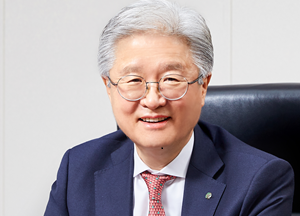
- ‘Yuhan expects Leclaza’s FDA approval this year'
- by Kim, Jin-Gu Feb 05, 2024 05:52am
- Wook-Je Cho (59), President, CEO & Executive Director of Yuhan Corp, has set global commercialization of its new anti-cancer drug Leclaza (lazertinib) as the company’s top priority this year. Last year, the company focused on the challenge of securing first-line reimbursement coverage for Leclaza in Korea. This year, he plans to move on to the global stage and focus on securing the U.S. Food and Drug Administration (FDA) approval for its Leclaza+Rybrevant combination therapy. In addition, he emphasized that the company will focus on global clinical trials of 28 drug candidates, including a treatment for metabolic dysfunction-associated steatohepatitis (MASH) and a treatment for obesity, to achieve the company’s goal of becoming a ‘top 50 global pharmaceutical company’ by 2026, the 100th anniversary of the company's founding. " Expect FDA approval of Rybrevant-Leclaza combination... results come out within the year" Wook-Je Cho, President, CEO & Executive Director of Yuhan CorpCEO Cho recently met with reporters and pointed to ‘FDA approval of Leclaza’ as his most anticipated achievement this year. Leclaza is the 31st novel drug to be developed in Korea. It had first received approval as a second-line treatment for patients with EGFR T790M mutation-positive, locally advanced, or metastatic non-small-cell lung cancer who were previously treated with an EGFR-TKI. The past year, the company focused on expanding insurance reimbursement of Leclaza from second-line to first-line treatment. The company received approval for the drug’s first-line use from the Ministry of Food and Drug Safety in June last year and passed through the health insurance reimbursement gateway in 6 months since then. Leclaza has been reimbursed as a first-line treatment in Korea since January this year. The company’s next goal is global commercialization. Late last year, Johnson & Johnson (J&J) submitted a supplemental Biologics License Application (sBLA) and a New Drug Application (NDA) to the FDA for the approval of Leclaza in combination with its EGFR-positive non-small cell lung cancer drug Rybrevant (amivantamab) at the end of last year. The industry expects a decision to be made within this year. If Leclaza crosses the FDA threshold, it will be the first of Yuhan Corp's new drugs to enter the U.S. market. Cho said, "Together with Janssen, we look forward to pursuing U.S. and European approvals for the Rybrevant+Leclaza combination within the year. Also, we expect to see positive overall survival (OS) data following the progression-free survival (PFS) data we secured last year." The trial results for the use of the triple Rybrevant+Leclaza+chemotherapy combination therapy as a second-line treatment are also gaining attention. Janssen is currently conducting 2 studies - MARIPOSA and MARIPOSA-2. MARIPOSA is a study on the first-line use of the two-drug combination, Rybrevant+Leclaza, which the company had sought FDA approval for. At the same time, the company started a trial on the use of the 3-drug Rybrevant+Leclaza+chemotherapy combination as a second-line treatment through the MARIPOSA-2 study. The study enrolled patients who were previously prescribed Tagrisso. The second-line treatment trials are expected to provide faster market penetration results than first-line treatment trials because there is currently no treatment available after Tagrisso in the indication. Janssen and Yuhan are awaiting results on the recruitment of additional patients for the three-drug combination. Cho said, "We expect results from the Janssen-led global Phase III second-line therapy study to be available within a year," Cho said. "Will focus on discovering the next Leclaza, including treatments for MASH, allergies, and obesity" Cho also emphasized that the company will also speed up the discovery of its next Lekraza. The company is currently running non-clinical and clinical trials on its 28 drug candidates. One substance gaining particular attention is ‘YH25724,’ which is being developed as a treatment for MASH. In 2019, the company signed an out-licensing agreement with Boehringer Ingelheim for YH25724, worth USD 870 million (approximately KRW 1 trillion). Boehringer Ingelheim entered the Phase I trial for the substance in Europe in 2021. A Phase 1b clinical trial is currently underway. It has a mechanism of action that simultaneously inhibits liver fibrosis and steatohepatitis while improving metabolic function. Boehringer Ingelheim and Yuhan Corp plan to first commercialize the product for MASH, and then expand its indication to diabetes and obesity. Also of interest is ‘YH35324,’ a candidate for the treatment of allergic diseases. This candidate has a mechanism of action that binds to immunoglobulin IgE and works on protein allergies. It is expected to be used as a treatment for chronic urticaria, food allergies, and asthma. Yuhan aims to complete the domestic Phase Ib study of YH35324 within the year and apply for approval of its Phase 2 trial plan by the end of the year. ‘YH32367,’ which is being developed as a bispecific antibody anticancer drug, is expected to enter Phase Ib clinical trials in the second half of the year. It activates target tumor-specific T cell immunity, and Yuhan Corp expects to be able to acquire indications for breast, gastric, and biliary cancers in the future. In addition, the company’s clinical development pipeline includes ‘YH14618’ for degenerative disc disease, ‘YH12852’ for gastrointestinal motility disorders, and ‘YH34160’ for obesity. YH34160 is a novel, long-acting obesity treatment candidate that targets the GDF15 fusion protein. It was approved for a Phase I clinical trial in the U.S. last year, and the company is currently exploring partners to proceed with its global clinical development. Cho plans to lay the foundation for long-term global expansion with the company’s broad clinical development pipeline. Cho said, “We will focus on expanding our pipeline to next-generation anticancer drugs and metabolic, fibrosis, and immune-inflammatory therapies and speed up our entry into early clinical and non-clinical trials. We want to secure a base to expand our late-stage pipeline in the long term." Cho added, "We will expand our pipeline by actively engaging in open innovation in Korea and abroad, in addition to our focus on in-house development. We will strengthen partnerships with global pharmaceutical companies to speed up existing development projects and increase potential for technology exports." Yuhan Corp rises as an ‘M&A bigshot..." will further expand investment this year" Cho said the company will also diversify its business through active M&A with domestic and foreign companies. The company has recently risen as a big M&A player in the domestic pharma and bio industry. Last year, it acquired Progen for KRW 30 billion to work together for the development of multi-target antibody therapeutics. It also invested KRW 5.7 billion in Fermentec to produce high-quality, low-cost probiotics. In 2022, Yuhan also invested a total of KRW 32.6 billion in 9 projects, including acquiring the probiotics manufacturer AtoGen for KRW 17.5 billion. The company's total investments in the last decade since 2014 totals almost KRW 602.4 billion in 54 companies. Cho explained, “We are continuously promoting new businesses to secure future growth engines while making strategic investments to strengthen existing businesses and develop R&D. We will continue to seek opportunities to become a total healthcare company this year."
- Company
- New drugs and biosimilars to compete in the PNH market
- by Chon, Seung-Hyun Feb 02, 2024 12:28pm
- New drugs and biosimilars have shifted the competitive landscape of the treatment market for paroxysmal nocturnal hemoglobinuria (PNH), which Soliris and Ultomiris have previously dominated. PNH is a rare, life-threatening disorder characterized by the destruction of red blood cells in the blood, leading to symptoms such as dark-colored urine and acute renal failure. According to industry sources on the 30th, Samsung Bioepis’s Epysqli, a biosimilar version of Soliris, has recently received approval in Korea. This marks the first domestic approval of a Soliris biosimilar. Following the European approval of Epysqli in May of last year, Samsung Bioepis has now secured approval in Korea. Samsung Bioepis’s Epysqli. AstraZeneca owns Soliris, an inhibitor of complement component 5 (C5), with global sales amounting to 5 trillion won (about $3.7 billion won). Soliris works by binding to the C5 protein, inhibiting complement activity and thereby preventing the destruction of blood cells. Samsung Bioepis conducted a global Phase 3 clinical trial from August 2019 to October 2021. The trial demonstrated the clinical bioequivalence of Epysqli to the original medicines. AstraZeneca and Samsung Bioepis form the competitive landscape of the Soliris market. However, Soliris distributor AstraZeneca is switching to the C5 complement inhibitor Ultomiris. AstraZeneca introduced Ultomiris as a replacement for Soliris, as it expects the European patent to expire in 2023 and the U.S. patent to expire in 2027. Ultomiris offers an extended dosing interval of once every 8 weeks, in contrast to the intravenous administration of Soliris, which requires dosing every 2 weeks. According to the drug market research company IQVIA, Soliris, which once had sales of 44 billion won in 2018, has experienced a steep decline in sales, with figures dropping to 31 billion won in 2020 and further down to 10.1 billion won in 2022. In Q3 last year, Soliris net sales saw a year-on-year drop of 23.7%. In the same period, Ultomiris sales showed rapid growth. Released in Q3 2021, Ultomiris topped sales of 43.2 billion won in 2022. In Q3 last year, Ultomiris sales saw a year-on-year increase of 14.2%. New drugs, beyond biosimilars, are waiting to be released in Korea A competitive landscape is expected in the PNH market as drugs other than Soliris and Ultomiris await release. One of the major pharmaceutical industry competitors is Novartis. Novartis' oral PNH treatment, Fabhalta, was recently approved in the United States. Fabhalta is a B-factor inhibitor that controls the destruction of red blood cells in the complement alternative pathway. Fabhalta's advantage is its formulation. Unlike existing intravenous formulations like Soliris and Ultomiris, Fabhalta is an oral medication that provides greater convenience. Novartis is currently conducting five Phase 3 clinical trials in Korea to evaluate the efficacy and safety profile of Fabhalta. The efficacy of Fabhalta was confirmed in patients who did not respond to C5 complement inhibitors or had not receive previous treatment. In clinical trials, Fabhalta treatment resulted in a hemoglobin level increase of more than 2 g/dL from baseline in the absence of red blood cell transfusions in 82% of the patients at 24 weeks. AstraZeneca has also achieved success in developing an oral treatment. On the 19th, AstraZeneca stated that their orally available inhibitor of D factor Voydeya received approval in Japan. Voydeya can be administered in combination with C5 inhibitors to adult patients with PNH who did not respond well to C5 complement inhibitors. Voydeya is assessed to help mitigate the side effects of C5 complement inhibitors, which can lead to extravascular hemolysis (EVH) and subsequent anemia in certain patients. The approval of Voydeya was based on a multi-national Phase 3 ALPHA clinical trial. In clinical trials, Voydeya met key assessment criteria, including hemoglobin levels, in patients who exhibited EVH when administered with C5 complement inhibitors. The safety profile evaluation has shown common side effects, including headaches and diarrhea. Voydeya has been granted Breakthrough Therapy designation by the US Food and Drug Administration (FDA) and PRIority MEdicines (PRIME) status by the European Medicines Agency. In addition to Voydeya, Roche is developing a new C5 complement inhibitor called crovalimab. Crovalimab is currently undergoing review for approval in the United States, Japan, and Europe. Under development as a subcutaneous (SC) delivery, crovalimab’s efficacy has been demonstrated in a once-every-four-week treatment.
