
- LOGIN
- MemberShip
- 2026-05-02 01:27:51

- InterView
- "Reimb granted to drug switching between JAK inhibitors"
- by Son, Hyung Min Dec 26, 2024 05:50am
- Dr. Seung-Jae Hong, a Professor in the Department of Rheumatology at Kyung Hee University Medical Center "Until now, drug switching between JAK inhibitors has not been reimbursed, so there have been unmet patient needs for rheumatoid arthritis patients who do not benefit from conventional biological agents. As reimbursement for drug switching will be granted starting in December, patients will be less burdened by switching from biological agents to JAK inhibitors. Also, patients will no longer resort to treatments they do not benefit from. The reimbursement approval will significantly change the treatment landscape for rheumatoid arthritis." Dr. Seung-Jae Hong, a Professor in the Department of Rheumatology at Kyung Hee University Medical Center, remarked on changes to the treatment landscape for rheumatoid arthritis during a recent meeting with Daily Pharm. Rheumatoid arthritis treatments are one of the fields that accomplished the most advances in the past 20 years. Treatment options for patients have broadened after the introduction of steroids, anti-rheumatic drugs, biological agents, and Janus Kinase (JAK) inhibitors. Since drug switching was not approved for reimbursement, patients required to switch from biological agents to JAK inhibitors had to revert to biological agents if the switch was ineffective. As patients and doctors demanded drug switching, the government granted approval of insurance reimbursement for drug switching between JAK inhibitors; starting in December, patients will be less burdened by switching from biological agents to JAP inhibitors. "At the early stage, nonsteroidal anti-inflammatory drugs (NSAIDs) can be used to suppress inflammation and reduce pain. Steroids can then be temporarily used if inflammation is not controlled. However, such a treatment regimen can reduce the alleviation of symptoms but does not lower disease activation. As a result, treatments using disease-modifying antirheumatic drugs (DMARDs), such as methotrexate (MTX), may be necessary," Dr. Hong said. "If sufficient treatment effects are not observed within several months, targeted treatments such as biological agents or JAK inhibitors can be used. Such targeted treatment works by suppressing substances that induce inflammation in rheumatoid arthritis or targeting the signaling pathways of inflammatory substances. The targeted treatments can reduce side effects, while high treatment effects can be expected. This is why switching medications is necessary for treating rheumatoid arthritis," Dr. Hong said. Rheumatoid arthritis is an autoimmune disease caused by immune cells attacking the joints, which are part of our own body. At the early stage of the disease, inflammation occurs in the tissue lining of joints, causing pain, swelling, and deformities in surrounding bones and cartilage. Inflammation primarily affects small joints such as the fingers, wrists, toes, and ankles but can also involve larger joints like the knees. As a chronic disease that progresses over months or years, persistent inflammation of the tissue lining of joints can lead to cartilage damage, causing joint destruction, deformation, and functional disability. Symptoms such as fatigue, low-grade fever, and generalized musculoskeletal pain are often accompanied. However, among patients treated with biological agents, only 56.5% achieve remission or a low disease activity state within the first year of treatment. Furthermore, 43.5% of rheumatoid arthritis patients treated with existing therapies fail to reach remission. Many patients reaching remission still have severe pain, indicating a significant unmet need for medications that can effectively improve both remission rates and pain management. "Rheumatoid arthritis is a condition that causes deformities in finger joints. Patients with such deformities often find it difficult to grasp and self-administer injectables. In one case, we prescribed an oral JAK inhibitor to a patient, but since the medication was not effective enough, we needed to switch back to an injectable. However, the patient refused and chose to continue with the oral medication instead," Dr. Hongexplained. "Oral medications are a good option for patients who fear injections and are also beneficial for those who frequently travel or go on business trips. While there are differences among medications, clinical research data indicates that oral therapies demonstrate high 'remission' rates, defined as a state with minimal symptoms, and are effective in improving morning stiffness, pain, and fatigue, offering significant benefits to patients," Dr. Hong added. Establishing patient-centered treatment landscape…"Supportive policies are needed" With drug switching between JAK inhibitors now granted reimbursement, effective treatments like Rinvoq may be quickly adopted in clinical practice. Dr. Hong remarks that doctors previously reserved highly effective therapies before drug switching approval, but due to changes in insurance reimbursement policy, this approach is no longer necessary. "Several argued that Rinvoq should be used as a second-line treatment because of its significant efficacy, but this was when drug switching was not possible, and only one JAK inhibitor was available. Now that drug switching is approved among multiple medications, there’s no reason to use a specific medication for later treatment. When medication changes are needed due to ineffectiveness, doctors prioritize choosing the most effective treatment first," Dr. Hong stated. Rinvoq, whether used as a monotherapy or combined with existing DMARDs, has demonstrated superior clinical remission and low disease activity rates compared to placebo, MTX, or the biologic adalimumab (product name: Humira). Additionally, Rinvoq's SELECT-BEYOND study, targeting patients with inadequate responses to biologic therapies, confirmed that patients maintained physical function while improving symptoms such as pain, fatigue, and morning stiffness in patient-reported outcomes (PRO) at Week 12. Dr. Hong shared that it is important to utilize available treatments, as new drugs are no longer being introduced. An education course may be necessary to enhance patient compliance. "Untreated rheumatoid arthritis can lead to disability, and the government may have to provide a lifelong support for patients with disability. By preventing disabilities, significant social costs that the government has to be responsible for patient support can be reduced. This is why doctors emphasize early diagnosis and treatment," Dr. Hong said. "Doctors have to care for patients, but having patients manage their diseases is also important. Education allows patients to enhance disease-management skills." However, education costs are not covered for rheumatoid arthritis. The government must provide education cost coverage to reduce social costs," Dr. Hong stated. "The pain mechanism and joint-destruction mechanism differ for rheumatoid arthritis, but patients simply associate the disease with joint pains. Patients who are young children or elderlies may not understand well, so an education session must be conducted for both patients and caregivers," Dr. Hong emphasized.
- Company
- K-Bios seek drugs to be used in combination with ADCs
- by Son, Hyung Min Dec 26, 2024 05:50am
- The domestic pharmaceutical and bio-industry are changing clinical trial protocols and confirming the possibility of their use in combination therapy with antibody-drug conjugates (ADCs). In particular, a growing number of companies are trying to use their drugs in combination with Enterhu, which has shown an effect across solid cancers For example, GI Innovation and AbClon are aiming to maximize the effectiveness of their existing immuno-oncology and targeted anti-cancer drugs by using their drug in combination with Enhertu. In particular, they expect to show benefits in terms of side effects by combining a reduced dose of Enhertu with their respective new drug candidates that are under development. Change in clinical trial protocol…expects to double their drug’s effect by adding Enhertu Daiichi Sankyo and AstraZeneca According to industry sources on the 24th, GK Innovation and AbClon have been evaluating the possibility of combining their respective drug candidates with Enhertu. Enhertu is a new antibody-drug conjugate anticancer drug that was codeveloped by Daiichi Sankyo and AstraZeneca. It is a next-generation ADC that combines a monoclonal antibody with the same structure as trastuzumab, which binds to a specific target receptor overexpressed on the surface of cancer cells, and a topoisomerase I inhibitor payload with a tumor-selective cleavable linker, which is a novel and highly potent mechanism of action. ADCs are anticancer drugs manufactured by linking an antibody that binds to a specific target antigen on the surface of cancer cells with a drug that has cell-killing (cytotoxic) properties. ADCs act selectively on cancer cells, by using the selectivity of antibodies to their targets and the killing activity of drugs to increase therapeutic efficacy while minimizing side effects. While the first-generation ADC, Roche’s Kadcyla, was only approved for breast cancer, second-generation ADCs such as Enhertu have been succeeding in securing a variety of indications. Currently, Enhertu is approved for HER2-positive gastric cancer, breast cancer, and non-small cell lung cancer. The domestic pharmaceutical and biotech industry has also taken note of the effectiveness of Enhertu and is trying to change their clinical trials to attempt its use as a combination therapy. GI Innovation recently changed a Phase I/II clinical trial for its immuno-oncology drug candidate 'GI-102' in the U.S. to a study to confirm its efficacy in combination with Enhertu. GI-102’s pipeline targets tumors and immune cells by targeting CD80 and interleukin (IL)-2 and has been engineered to have lower alpha receptor binding compared to GI-101A. High alpha receptor binding is known to increase regulatory T cells, which reduces the anti-cancer effects. GI-102 is being developed as both intravenous (IV) and subcutaneous (SC) formulations. GI-102 has also shown promise as monotherapy in trials. Recently, the company's Phase I/IIa data showed an objective response rate (ORR) of 43% when GI-102 was administered to patients with melanoma. In addition, lymphocyte proliferation was enhanced by GI-102 treatment, with no serious drug toxicity observed. Therefore, GI Innovation expects that the combination of GI-102 and Enhertu will bring greater effect. The company believes that the combination of GI-102 with a reduced dose of Enhertu can reduce side effects such as interstitial lung disease (ILD) that occur with Enhertu alone. AbClon recently announced that a new IND for its lead drug candidate, AC1-01, has been approved in China. AC-101 is an antibody-drug developed by AbClon that targets HER2 mutations. Its technology was licensed out to Henlius in China in 2016. The new trial will test the effectiveness of AC-101 in combination with Herceptin or Enhertu, both of which are used in breast cancer. With this change, AbClon plans to test its potential in gastric cancer and other solid tumors. Previously, AC-101’s efficacy was validated in combination with Herceptin. In patients with HER2-positive gastric cancer, the ORR, which signifies the reduction in tumor size measured at 72 weeks post-dose, was 41.2% in the low-dose arm, 16.7% in the high-dose arm, and 5.6% in the control arm. Based on such results, the company expects the addition of Enhertu to extend the benefits of AC-101 across HER2-positive solid tumors. Voronoi is also open to the possibility of combining its drug with Enhertu. The company is developing VRN10, a HER2-positive targeted therapy. VRN10 entered Phase I clinical trials last month. The Phase I trial of VRN10 is being conducted at 5 sites in Korea and Australia in approximately 70 patients with solid tumors, including HER2-positive breast cancer. In preclinical studies, VRN10 was found to be highly active against Enhertu-resistant cells. Voronoi believes that its selectivity for the HER2 biomarker may improve side effects such as diarrhea and dermatitis, and its brain penetration is superior to existing therapies. Voronoi expects the combination of VRN10 and the HER2 ADC to bring synergy.

- Company
- Losartan prescription market has grown 15% in 3 years
- by Chon, Seung-Hyun Dec 26, 2024 05:50am
- The prescription market for the antihypertensive drug losartan has shown an upward trend. Its market plummeted in 2021 following the detection of excess impurities in all losartan products but has since recovered obviously. Prescriptions of both single and combination losartan drugs have risen over 10% from three years ago. Analysts say the recurring impurity issues have diluted fears of impurities in drugs. According to the drug research institution UBIST, outpatient prescriptions for losartan-containing drugs totaled KRW 70.3 billion in the third quarter, up 4.7% year-on-year. Compared to KRW 64.3 billion in the third quarter of 2022, prescriptions have increased 9.4% in two years. Quarterly prescriptions of losartan drugs in Korea (Purple: losartan combination therapy, blue: losartan monotherapy) This is the first time in 3 years since the fourth quarter of 2021 that quarterly prescriptions for losartan drugs exceeded KRW 70 billion. The prescription market for losartan formulations has been on the rise since 2021, despite a significant decline in prescriptions following the exposure of its impurity issue. In September 2021, 183 lot numbers of 73 products across 3 ingredients - losartan, valsartan, and irbesartan - were recalled for excess impurities. Later in 2021, impurity issues arose in the entire losartan formulation. In 2021, 295 batches of losartan formulations from 98 companies were voluntarily recalled for exceeding or potentially exceeding the standard for ‘losartan azide impurities.’ Of the 306 items from 99 companies on the market, 96.4% were included in the recall. The prescription market for losartan-containing drugs was worth KRW 81 billion in the third quarter of 2021, down 24.6% from KRW 61.1 billion in the second quarter alone. During the same period, sales of losartan monotherapies decreased 33.9% from KRW 24.5 billion to KRW 17.8 billion, and losartan combination drugs decreased 19.9% from KRW 51.9 billion to KRW 44.7 billion. The drop was due to the exposure of impurity issues across all losartan formulations, which led to prescription changes to other drugs in the same angiotensin II receptor blocker (ARB) class. At the end of 2021, 94 of the 295 total losartan products from 34 different manufacturers were available, effectively avoiding the total sales halt of losartan drugs. The prescription market appears to have recovered as many of the losartan formulations have resolved their impurity issues and returned to the market. In the second quarter of 2022, the prescription market for losartan drugs rebounded to KRW 62.7 billion, a 2.6% increase YoY, and the upward trend has continued since. In the third quarter, the total prescription market for losartan formulations expanded by 15.1% compared to the first quarter of 2021. Both losartan monotherapy and combination drugs have seen recent gains. Outpatient prescriptions for losartan monotherapy totaled KRW 20.7 billion in the third quarter, up 16.3% from Q1 2022. This is the first time in three years since the fourth quarter of 2021 that the quarterly prescription volume for losartan monotherapy exceeded KRW 20 billion. Combination losartan prescriptions grew 14.6% from KRW 43.3 billion in Q1 2022 to KRW 49.6 billion in the third quarter of this year. The recurrence of impurity issues across ARBs, starting with valsartan in 2018, has diluted the fears of such impurities in the prescription market. In 2018, the Ministry of Food and Drugs suspended sales of 175 products containing valsartan, an ARB antihypertensive drug. In 2021, impurity issues arose in losartan, valsartan, and irbesartan. Among the ARB class antihypertensives, telmisartan, candesartan, fimasartan, and olmesartan were not affected. Even if impurities above the approved threshold are detected, unless a sales ban or large-scale recall is conducted, some analysts argue that the detection itself is unlikely to affect the prescription market because there is no clear evidence of human harm.
- Opinion
- [Desk’s View] No external reference pricing next year?
- by Lee, Tak-Sun Dec 24, 2024 06:22am
- The plan to reevaluate drug prices based on foreign drug prices (external reference pricing), which was expected to be announced by the end of the year, has been delayed. The agenda did not make this year's list at the last Health Insurance Policy Review Committee meeting set for Friday (27th). It is unlikely that the plan will proceed as scheduled due to the impeachment of the president and the government's transition to an emergency system. This does not mean that the reevaluation plan for the next year has been completely scrapped. The government initially planned to announce the plan within the year with the goal to conduct the reevaluations next year and adjusting the drug price in the second half of the year. Due to the political situation, the announcement of the reevaluation plan has been delayed, but the goal of adjusting drug prices in the second half of next year may still be intact. The reevaluation plan could resurface at any time once the situation stabilizes. For the government, which prioritizes the stabilization of health insurance finances, reducing drug prices to save finances can be an attractive card. After freezing the health insurance premium 2 years in a row, the government is unlikely to expand government support in the face of a tight budget. Also, the authorities will not dare touch the rebellious physicians' service fees in the current state, so the easy way out would be to tighten the pharmaceutical companies' pockets. But the situation is not easy at all. Since the political turmoil following the imposition of martial law on December 3, economic growth forecasts for the next year have been lowered to 1%. Year-end specials have also disappeared, with group dinners being canceled one after another due to the unrest. Many have said that they cannot feel the Christmas spirit this year. Pharmaceutical companies are also worried about their livelihood next year. With the won-dollar exchange rate soaring to KRW 1,450, domestic pharmaceutical companies that rely on imports for raw materials are facing a heavy cost burden. Last year, the self-sufficiency rate of raw drug materials reached 75%. Under such circumstances, it is obvious that reducing the price of domestic chronic disease drugs with expired patents compared to foreign drug prices will further deteriorate the profitability of pharmaceutical companies. The industry expects losses worth tens of billions of won per company. While healthcare finances are important, we also need to look at the companies' pocket situation. Korean pharmaceutical companies have recently begun to show results in overseas markets based on their excellent human resources. The performance of pharmaceutical companies comes from research and development. However, if profits cannot support R&D, new drug development will have to be reduced. The government should not postpone the announcement of the external reference pricing reevaluation business plan, but at least declare that it will not be carried out within 2025 due to the recession and uncertainties. Delaying the announcement of the business plan will only increase the uncertainty of pharmaceutical companies' livelihoods next year. The government should urgently scrap next year's plan to conduct external reference pricing reevaluations, at least to revitalize the economy.
- Policy
- MFDS' drug data protection to be implemented next year
- by Lee, Hye-Kyung Dec 24, 2024 06:22am
- Starting next year, innovative new drugs (IND) or those developed with new indications will have their approval data protected for up to six years, drawing attention to whether this will encourage domestic pharmaceutical companies to conduct more clinical trials. The Ministry of Food and Drug Safety (MFDS) will implement the Pharmaceutical Data Protection System starting February 21 to enhance the current post-marketing surveillance (PMS) system. The new data protection system has been established as a regulatory measure for integrating the systems for post-marketing safety, including the re-examination system and risk management plan. Under this system, clinical trial data submitted for marketing authorization of a drug will be protected to ensure it cannot be used by any entity other than the original submitter to obtain approval for a similar product. The Pharmaceutical Data Protection System, which is to be added to the Pharmaceutical Affairs Act on February 21. Data Protection Period: 1. Orphan Drug: 10 years from the date of marketing authorization (Additional 1 year if adding pediatric indication), 2. New Drug: 6 years from the date of marketing authorization, 3. Drug requiring submission of new clinical trial data due to a material change to a drug already approved, as prescribed by the Prime Minister The amendment specifies that data protection will apply to drugs with significant changes to their active ingredients or other essential properties (called incrementally modified drugs) to improve safety·efficacy·utility, and other necessary data protection cases. According to Article 31-6(1)(3) of the Pharmaceutical Affairs Act, drugs with significant changes to their active ingredients or other essential elements are granted a data protection period of six years. Specifically, ▲Clinical trial data submitted at the time of approval to demonstrate the efficacy of combination therapies for prescription drugs with a different composition or ratio of active ingredients compared to already approved drugs ▲Clinical trial data submitted at the time of approval for prescription drugs with the same active ingredients as already approved drugs but with a different administration route. For example, clinical trial data for drugs where the route of administration is changed from continuous intravenous infusion, requiring more than 24 hours after hospitalization, to subcutaneous injection to improve patient convenience will be protected for six years. Clinical trial data for combination drugs with different active ingredients compared to already approved drugs will also be protected for six years. Meanwhile, combination drugs that are developed using two active ingredients, both already approved for combination therapy, do not qualify for data protection Under Article 31-6(1)(4) of the Pharmaceutical Affairs Act, a data protection period of four years is granted for 'Other cases that require data protection.' In detail, ▲Clinical trial data submitted to demonstrate clearly different therapeutic effects or to add distinctly different indications ▲Clinical trial data submitted at the time of approval for studies conducted in children under 12 years old ▲Drugs deemed necessary for data protection by the MFDS (such as new isomers, salts, formulations, or dosage strengths of already approved drugs to improve usage and dosage. These cases will be reviewed individually based on newly submitted clinical trial data) ▲Drugs for which expert consultations, such as those conducted by the Central Pharmaceutical Affairs Advisory Committee (CPAC), have determined that data protection is required. Phase 3 clinical trial data can also be included for pharmaceuticals deemed necessary for data protection by the MFDS. Pharmaceuticals eligible for data protection criteria indicate that each case will be reviewed individually for clinical trial data (Phase 3) submitted to demonstrate improvements in dosage and administration for already approved drugs and data submitted for adding 'other indications or effects' that are not distinctly different from existing uses of the same active ingredients and administration routes. Technically, clinical trial data eligible for protection must consist of new data required for approval. Data submitted for the approval of drugs that are identical to existing ones (regarding active ingredients, specifications, dosages, forms, indications, and routes of administration) do not qualify for protection.

- Company
- Soyun Oh appointed to head Organon Malaysia
- by Whang, byung-woo Dec 24, 2024 06:22am
- Soyun Oh, Sales and Customers Lead, Organon Korea Organon Korea announced today that Soyun Oh, who currently heads the company’s Sales and Customer Department, has been appointed Country Lead for Organon Malaysia, effective January 1, 2025. With more than 26 years of experience in the industry, Oh has been with Organon since its inception in Korea and has successfully led the company's growth as its Sales and Customer Lead. As Sales and Customer Lead, Oh strengthened leadership in the chronic disease space, rapidly expanded the company's presence in women's health, stabilized the company's operations, and established a foundation for the company’s growth. Throughout her career, Oh has maximized revenue, expanded the portfolio, and driven multiple commercial successes through management strategies for key products including Atozet, Propecia, Singulair, Vytorin, and Cozaar. She has also demonstrated exceptional leadership and management skills in leading a sales organization that consists of over 150 people, contributing to the growth and development of the organization. In her new role as Country Lead of Organon Malaysia, Oh will leverage her wealth of experience and leadership capabilities to drive the company to new heights with the Malaysian team. Prior to Organon Korea, Mr. Oh held various leadership roles at MSD Korea, including Director of Primary Care (PC) and Director of Diversified Brands (DV) (Respiratory, Dermatology, Urology, etc.), with an initiative to drive the development and growth of the industry.
- Company
- SK Bioscience and Sanofi reinforce vaccine R&D partnership
- by Dec 24, 2024 06:22am
- SK Bioscience has expanded the scope of its vaccine development partnership with global pharmaceutical giant Sanofi. The goal is to develop a next-generation vaccine that is more advanced than the existing jointly developed pneumococcal protein-conjugate vaccine. The expanded agreement is more than 10 times larger in total value than the original agreement signed by the two companies a decade ago. When including the technology export agreement that SK Bioscience signed with Sanofi in 2018, SK Bioscience will receive more than KRW 160 billion from Sanofi. On the 23rd, SK Bioscience and Sanofi announced that they have entered into an agreement to jointly develop a next-generation pneumococcal protein-conjugate vaccine for infants, children, and adults that will provide broader protection than commercially available products. The agreement expands the scope of the companies' existing collaboration to develop and commercialize GBP410, a 21-valent pneumococcal protein conjugate vaccine candidate. In 2014, SK Bioscience signed an agreement with Sanofi to co-develop and commercialize a next-generation pneumococcal vaccine. Under the expanded agreement, the two companies plan to develop an innovative next-generation pneumococcal vaccine that is more advanced than the 21-valent vaccine. Under the new project, SK Bioscience will receive an upfront payment of EUR 50 million from Sanofi. Additional milestone payments will be made upon achievement of milestones until development is completed. The total value of the agreement is EUR 350 million (approximately USD 528.7 billion). R&D costs for the vaccine will be shared equally by the two companies. All costs related to commercialization will be borne by Sanofi. Upon commercialization, SK Bioscience will be responsible for sales of the vaccine in Korea, and Sanofi will be responsible for global sales. Revenue will be shared in a defined ratio based on product sales. Previously, SK Bioscience and Sanofi signed an agreement in 2014 to co-develop and market a next-generation pneumococcal vaccine with an upfront payment of USD 23 million (approximately KRW 25.6 billion). The total worth of the agreement, including upfront technology fees and milestones, was $45 million. The worth of the expanded agreement is more than 10 times larger in total value than the previous agreement signed by the two companies 10 years ago. In terms of down payment, this agreement is approximately 3 times larger than the previous agreement. This is the 10th year of R&D collaboration between the 2 companies and further strengthens their partnership. SK Bioscience-Sanofi R&D agreement (Source: FSS, SK Bioscience) In 2018, SK Bioscience also exported its cell culture-based high-efficiency influenza (flu) vaccine production platform to Sanofi. The contract is worth USD 155 million, including a USD 15 million upfront payment and a USD 20 million milestone payment upon completion of the technology transfer. The flu vaccine production platform agreement was terminated at the end of 2021 with Sanofi returning the rights. However, SK Bioscience has no obligation to return the upfront payment of USD 35 million (approximately KRW 40 billion). SK Bioscience had received all the payments for the GBP410 agreement signed in 2014. Including the payments from the Sanofi technology export agreement and this expansion agreement, SK Bioscience's total payments from Sanofi amount to KRW 165.5 billion. Last year, SK Bioscience and Sanofi also jointly invested in the expansion of manufacturing facilities for the commercialization of GBP410. In October 2023, SK Bioscience decided to invest KRW 81.5 billion to expand its vaccine production facility in Korea, the Andong L House. The investment amount, which will be decided by SK Bioscience's board of directors, will be combined with Sanofi's co-investment to build a new production facility of approximately 4,200㎡(1,300 pyung) at Andong L House. The expanded production facility will be utilized for the production of GBP410, which is being co-developed by the two companies. The facility is expected to be completed by May next year. SK바이오사이언스 안동L하우스 전경. (자료: SK바이오사이언스 GBP410 is currently in a Phase III clinical trial. GBP410 entered a multi-country Phase III clinical trial last week and started administration first subject. The GBP410 multinational Phase III study will compare the immunogenicity and safety of GBP410 to licensed pneumococcal vaccines after up to 4 doses in more than 7,700 infants, children, and adolescents aged 6 weeks to 17 years. SK Bioscience and Sanofi confirmed the efficacy and safety of GBP410 in a Phase II clinical trial in June last year. The study, which included an initial and booster dose of GBP410 and a control vaccine (Prevenar 13) in 140 children aged 12 to 15 months and 712 infants and toddlers aged 42 to 89 days, confirmed that the immunogenicity of GBP410 and the control vaccine was equivalent. In terms of safety, no serious vaccine-related adverse events were reported in the GBP410 arm. Equivalent immunogenicity and safety to the control vaccine were also demonstrated when coadministered with other recommended vaccines for infants and children, including tetanus, diphtheria, pertussis, polio, and Haemophilus influenza type B vaccines. GBP410 is the first vaccine candidate to enter Phase III clinical trials in infants and children to include more than 20 serotypes. With this, SK Bioscience believes GBP410 will contribute significantly to reducing the frequency of invasive pneumococcal disease (IPD) in infants and young children. “The agreement expansion between SK and Sanofi is based on the high success potential of the 21-valent vaccine, positive market outlook, and mutual trust,” said Jae-Yong Ahn, President and CEO of SK Bioscience. ”As a Korean vaccine and bio leader, we will do our best to secure vaccine sovereignty and the successful launch of a blockbuster vaccine.
- Company
- Keytruda faces challenge from 'Steep Slope' CDRC
- by Moon, sung-ho Dec 24, 2024 06:21am
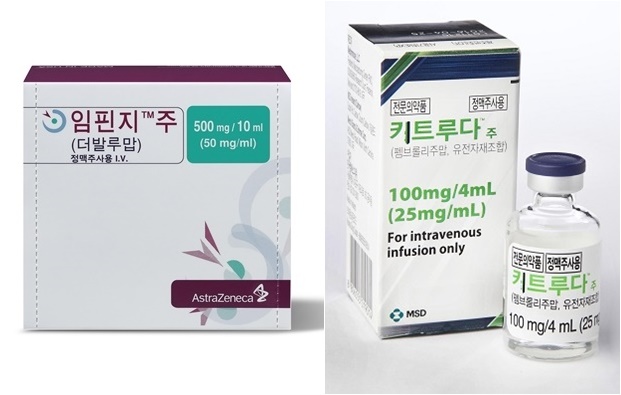
- The Cancer Disease Review Committee (CDRC) of the Health Insurance Review and Assessment Service (HIRA) is the first and most challenging hurdle in reviewing the insurance reimbursement of new anticancer drugs. A required step toward obtaining reimbursement listing, the committee has been nicknamed a "steep slope," giving many anticancer drugs a hard time. The industry faced significant challenges this year as well. New anticancer drugs from major global pharmaceuticals have been submitted for CDRC review but failed. Yet, some products passed the CDRC and successfully obtained reimbursement or expansion. Medical Time reported this year's review outcomes and next year's key news based on HIRA's CDRC documents and reporting from each pharmaceutical company. It was reported that the HIRA held nine CDRC meetings this year and discussed about the necessity of establishing reimbursement criteria for new anticancer drugs. After the meetings, the CDRC approved around 20 drugs that require establishing or expanding reimbursement criteria. If we were to pick a single treatment that gained attention from the pharmaceutical company and clinical practices, it would be immune checkpoint inhibitors. One of those immune checkpoint inhibitors is AstraZeneca's Imfinzi (durvalumab) and MSD Korea's Keytruda (pembrolizumab). These drugs have been submitted to establish reimbursement criteria for respective cancer types and have been followed to see if they will pass the CDRC review. At this year's CDRC meeting, Imfinzi passed, whereas Keytruda failed. Keytruda will need to submit again for next year's insurance reimbursement approval. In the case of Imfinzi, the drug was approved for requiring reimbursement criteria expansion for the treatment of bile duct cancer at the eighth CDRC meeting held in November. Additionally, Imfinzi's approval also led to the approval of Imjudo (tremelimumab), another treatment for bile duct cancer. Imfinzi will likely be considered for reimbursement for treating bile duct cancer and liver cancer at the Drug Reimbursement Evaluation Committee (DREC) review scheduled for next year. Despite its multiple attempts to obtain reimbursement expansion since last year, Keytruda has not succeeded. In the case of Keytruda, Keytruda has been submitted for reimbursement of almost 17 types of cancer. However, its attempt is stuck at the CDRC due to potentially involving substantial national health insurance finance. As of December 2024, Keytruda was approved for 33 indications in 17 cancer types. It has been submitted to the CDRC for insurance reimbursement of 17 indications. The company has applied for reimbursement of 13 indications. Then, it has added four additional indications, including ▲Gastric cancer with MSI-H ▲Bile duct cancer with MSI-H ▲HER2-positive gastric cancer ▲HER2-negative gastric cancer. In October, MSD Korea submitted a new proposal for financial contributions to expand reimbursement criteria for 17 indications, including gastric cancer. The company has made significant efforts this year to establish these reimbursement criteria. However, the company received a decision of 'reconsideration' for gastric cancer at the year's last CDRC meeting despite suggesting additional financial contributions. As a result, none of the 17 indications passed the CDRC hurdle this year. It has been reported that the members of CDRC were not satisfied with the additional financial sharing proposal presented by MSD Korea. The results indicate that there were more opposing opinions than supportive ones. "Although both are immune checkpoint inhibitors, the situations of Imfinzi and Keytruda are different. Imfinzi focuses on biliary tract cancer and liver cancer, while Keytruda is pushing for reimbursement expansion for 17 cancer types," a university hospital oncology professor and committee member stated. "As a result, Imfinzi's company has proposed a satisfactory financial contribution proposal, but it is challenging for Keytruda's company to present a corresponding plan due to its wide range of indications." "In other words, Imfinzi is focused on biliary tract cancer and liver cancer, where reimbursement expansion is urgently needed, and it has accepted significant financial contribution," professor added. "However, applying this standard to Keytruda, which has 17 indications, won't be easy. The last CDRC meeting only reviewed Keytruda for gastric cancer, and it seems there were more negative opinions about the financial contribution proposal." Additionally, the focus of CDRC discussions in the second half of this year has been on new drugs for blood cancers. This change is related to the recent introduction of bispecific antibody-based therapies for blood cancer in the Korean market, with their active pursuit for committee approval starting at the end of this year. Bispecific antibody drugs indicated for treating blood cancers include ▲Roche's Lunsumio (mosunetuzumab), Columvi (glofitamab) ▲Janssen's Rybrevant (amivantamab), Tecvayli (teclistamab), Talvey (talquetamab) ▲AbbVie's Epkinly (epcoritamab) ▲Pfizer's Elrexfio (elranatamab). Seven drugs received approval in South Korea. Among these, Roche's Columvi, AbbVie's Epkinly, and Janssen's Tecvayli have been submitted for the DREC review. Columvi and Epkinly are treatments for Diffuse Large B-Cell Lymphoma (DLBCL), a type of blood cancer. Tecvayli is a treatment for multiple myeloma. These drugs have been submitted to the DREC review but failed. They all received 'unestablished reimbursement criteria' decision and were not given 'reconsideration.' Consequently, the companies accepted the review result as equivalent to failure. In the case of Columvi, Roche Korea pushed to pass the CDRC this year but failed to establish reimbursement criteria at the CDRC meetings held in July and December. Even the patient organizations have joined the pursuit of requesting the establishment of reimbursement criteria but failed, delaying another attempt next year. Epkinly, which has the same indication as Columvi, was reviewed during this year's final CDRC meeting. However, the decision not to establish reimbursement criteria indicated a challenging reevaluation process ahead. This is the current landscape of bispecific antibody-based therapies held by global pharmaceutical companies. These therapies will become a key focus in next year's CDRC discussions. The discussions on blood cancer treatments may become a key issue depending on the results of next year's meetings. There are increasing demands from clinical fields for the reimbursement of these therapies. Additionally, as discussions surrounding reimbursement for blood cancer treatments intensify, there is an increasing demand for establishing a dedicated discussion body led by the Korean Society of Hematology to address these issues with the HIRA. In response to the growing prevalence of high-cost blood cancer treatments, HIRA expanded the CDRC this year, adding two hematology experts to the panel, now comprising nine members. This move is a response to the rapid introduction of innovative blood cancer therapies by global pharmaceutical companies and the increasing demand for their reimbursement. By incorporating more expert opinions, HIRA aims to enhance discussions surrounding the reimbursement of blood cancer therapies, ensuring that the concerns of clinicians specializing in hematology are better represented. However, clinical practices responsible for treating blood cancer are unsatisfied with the HIRA's decisions. "Two additional blood cancer experts were indeed appointed during the reorganization of the 10th CDRC members. Seven blood cancer experts are on the committee, including one from HIRA, while the remaining six are from university hospitals," Seok Jin Kim, Chair of the Korean Society of Hematology and a hematology-oncology specialist at Samsung Medical Center, stated. Professor Kim pointed out that "Over the past two years, 36 new blood cancer therapies have undergone review, compared to 58 new solid tumor therapies discussed during the same period. Out of the 43 members of the CDRC, only 5.5 members can be considered experts in blood cancer. This composition may not be adequate for evaluating blood cancer cases properly."
- Company
- Oral contraceptive market expands
- by Whang, byung-woo Dec 23, 2024 04:19pm
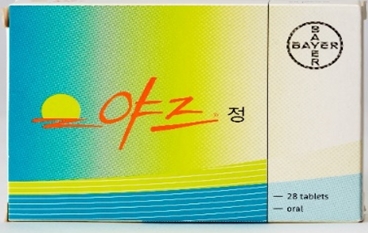
- As the oral contraceptive market expands, Yaz seems to maintain its market share despite the introduction of generics. According to a report by global market research firm Research and Markets, the global oral contraceptive market is expected to grow from approximately KRW 33.8 trillion (USD 23.6 billion) in 2023 to around KRW 67.3 trillion (USD 47.1 billion) by 2028. Product photo of Yaz.The South Korean market also shows a consistent growth rate, similar to the global trend, with a market size of approximately KRW 42 billion in 2023, encompassing both prescription drugs and over-the-counter drugs. Contraceptives, which contain hormones such as estrogen and progesterone, are classified into four generations. The first-generation drugs have been withdrawn from the market due to side effects. Second- and third-generation oral contraceptives are available as over-the-counter medications and are distributed through pharmacies. The third-generation contraceptives minimize the side effects of the second-generation, such as acne, hirsutism, and weight gain. Bayer's Yaz (drospirenone/ethinyl estradiol) has the largest market share. In 2023 (based on IQVIA), the sales of Yaz amounted to KRW 17.4 billion, holding 41% of the market share and remaining as the No.1 drug in the market. After obtaining domestic approval in 2008, Yaz has been increasingly prescribed over the past 15 years. Contrary to expectations for heightened competition following the patent expiration of Yaz in 2020, it is meaningful that Yaz has maintained its status as the market leader. 5-year sales trend of Bayer The five-year sales of Yaz amounted to ▲KRW 14.4 billion in 2019 ▲KRW 15.9 billion in 2020 ▲peaked at KRW 19.8 billion in 2021, and slightly decreased to KRW 17.5 billion in 2022. Although the sales declined due to the introduction of generics, the original product seems to maintain its impact in the market. Currently, generic versions of Yaz are available as ▲Hyundai Pharm's Yaroz ▲GL Pharma's Plan-A ▲Alvogen Korea's Gvez ▲TheU Pharmaceuticals' Yamiz ▲Kwang-dong Pharm's Esleesi. Besides Yaroz generating KRW 2.1 billion last year, the rest of the generics have not had a significant impact in the market. The analysis is Yaz's impact stems from being the fourth-generation original oral contraceptive as well as having indications for various menstruation-related conditions, such as ▲dysmenorrhea ▲premenstrual dysphoric disorder, and ▲moderate acne treatment. 2023 sales report of Yaz and Yaz generics: from the top, Yaz, Yaroz, Plan-A, Gvez (unit: KRW 100 million, source: IQVIA). The number of patients with menstruation-related conditions in South Korea has been steadily increasing over the past five years. Dysmenorrhea showed an increase of approximately 85% (162,020 in 2017→299,115 in 2022), while premenstrual dysphoric disorder (PMDD) increased by approximately 34% (11,442 in 2017→15,296 in 2022). Regarding this, Bayer emphasizes that they have obtained results of Yaz from real-world studies involving 410 patients with dysmenorrhea. This study demonstrated that short-term and long-term administration of Yaz immediately relieved pain and symptoms and recovered endometrial thickness to normal. Additionally, in a real-world study conducted at 68 domestic hospitals involving 770 healthy women aged 18–50 who visited gynecologists for contraception regardless of premenstrual dysphoric disorder status, 92.3% of participants reported an improvement in premenstrual dysphoric disorder symptoms after six cycles of treatment with Yaz. Expert analysis indicates that real-world data (RWD) from various studies have impacted the prescription of the drug, considering that the contraception and menstruation-related diseases require long-term administration. "Menstruation diseases, such as dysmenorrhea, significantly impact women's lives, and the disease prevalence rate is increasing, requiring more attention to treatments," Dr. Yun Bo Hyun, Professor of Severance Hospital's Department of Obstetrics and Gynecology, said. "The disease requires long-term and frequent treatments. When choosing a treatment option, patients' conditions must be considered for potential incompatibility in combining oral contraceptives." Dr. Yun added, "Yaz has 15 years of prescription history in South Korea, and it is a treatment option with confirmed benefits of improving symptoms related to menstrual diseases and established safety based on numerous studies."

- Company
- Multidisciplinary approach required for urothelial carcinoma
- by Whang, byung-woo Dec 23, 2024 05:50am
- New drugs, such as immunotherapy, have been introduced as the first-line treatment for urothelial carcinoma, which was primarily treated with platinum-based chemotherapies. The treatment landscape for the disease is constantly evolving. As more treatment options became available, doctors are now discussing the optimal treatment for each disease stage to establish the standard therapy. Discussions about being made about curative intent, in other words remission, in the long term. Dr. Enrique Grande, professor at MD Anderson Cancer Center Madrid, and Dr. In-ho Kim, professor at Seoul St. Mary's Hospital, have discussed the treatment landscape and unmet needs of urothelial carcinoma. (From left) Dr. In-ho Kim, professor at Seoul St. Mary's Hospital and Dr. Enrique Grande, professor at MD Anderson Cancer Center Madrid Urothelial carcinoma (UC) is a type of cancer that begins in the epithelial cells lining the urinary tract and accounts for approximately 90% of all bladder cancer diagnoses, making it the most common form of bladder cancer. Unlike other cancer types, such as lung and breast cancer, where the introduction of new drugs has rapidly transformed first-line standard treatments, UC has historically been viewed as a challenging area for anti-cancer drug development, with substantial unmet needs for first-line treatment options. "The treatment landscape has been changing in the past few years. The treatments are now targeting various types of patients, including metastatic UC patients and management of surgical cycles for patients with muscle-invasive bladder cancer (MIBC)," Dr. Grande said. "The maintenance treatment Bavencio plays a significant role in the UC treatment landscape in South Korea," Dr. Kim said. "The enfortumab vedotin+pembrolizumab combination therapy and nivolumab+gemcitabine+cisplatin combination therapy have been approved as first-line treatments in South Korea, offering various treatment options for patients with UC." Additionally, significant advancements in the field have been made, including the approval of therapies such as enfortumab vedotin monotherapy and erdafitinib monotherapy for second-line or later treatments in South Korea. The first-line maintenance treatment Bavencio continues to generate sales…"Expected to play a significant role in South Korea" How are these various options utilized in clinical practice? Dr. Grande emphasizes that patients prioritize achieving treatment effects and improving their quality of life. "Patients with UC are typically heavy smokers in their 60s to 70s with accompanying chronic diseases, and the cancer is often detected before extensive metastasis has occurred," Dr. Grande said. "Treatment begins with chemotherapy to achieve therapeutic efficacy while maintaining quality of life, followed by first-line maintenance therapy options like Bavencio." Dr. Grande stressed the importance of using safe, low-toxicity treatments over long-term use, allowing patients to maintain their quality of life while receiving treatment safely. While the number of available treatment options in South Korea has increased, Bavencio as a first-line maintenance therapy still plays a critical role when considering the reimbursement in practices. Dr. Enrique Grande, professor at MD Anderson Cancer Center Madrid"Many options have been introduced to the treatment landscape for UC. However, in South Korea, Bavencio maintenance therapy continues to play a crucial role and is expected to remain a key option for a significant period," Dr. Kim said. "Bavencio is currently the only reimbursed first-line maintenance therapy option for UC in South Korea." In fact, Bavencio's data has been accumulating. Bavencio's company presented the SPADE study at ESMO Asia earlier this December, reaffirming the drug's efficacy and safety as a first-line maintenance therapy for patients with locally advanced or metastatic UC. The SPADE study is the first prospective study to evaluate the efficacy of Bavencio as a first-line maintenance therapy in the Asia-Pacific (APAC) region. Interim analysis results showed that at the 12-month final follow-up, 61 patients (67.0%) who received first-line chemotherapy treatment proceeded to Bavencio first-line maintenance therapy. Additionally, 72% of patients who received Bavencio maintenance therapy subsequently received second-line treatments. Additionally, the Bavencio study demonstrated safety through global clinical trials, showing a low incidence of adverse events during the treatment period and extending the quality-adjusted time without symptoms or toxicity (Quality-TWIST) to more than double compared to best supportive care (BSC). "A comparison between Bavencio combination therapy and optimal supportive care revealed no significant difference in the quality of life between the BSC and Bavencio combination therapy groups. These outcomes show an excellent tolerability profile for Bavencio maintenance therapy," Dr. Grande said. "Although the results were from a subgroup analysis, Bavencio as a first-line maintenance therapy used for one or two years has demonstrated significant clinical survival benefits," Dr. Grande remarked. "The proportion of patients who die within a short period is less than 10–20%, making the continuation of Bavencio as a first-line maintenance therapy after chemotherapy the optimal scenario." "Various changes to treatment options for UC…curative intent approach must be discussed" A common concern among UC treatment experts is identifying the characteristics of patient groups capable of achieving long-term survival. Dr. Kim highlighted the importance of considering both an individual’s health status and their socioeconomic environment. Dr. Kim stated that simplifying treatment sequences could improve patient tolerability rather than repeatedly administering multiple therapies over an extended period. Dr. In-ho Kim, professor at Seoul St. MaryDr. Kim said, "Palliative treatments aimed at prolonging life are important, and there are instances where patients achieve a cure while receiving maintenance therapy with treatments such as Bavencio." Adding, "I believe that for urothelial carcinoma to ultimately achieve the goal of curing cancer, the field of curative treatment must advance further." "In the current treatment landscape for UC, various novel therapies and combination regimens with different mechanisms are being introduced. However, we need more time to observe the real-world clinical effects of these newly introduced treatment options," Dr. Kim said. Additionally, Dr. Grande highlighted the importance of biomarker studies and multidisciplinary approaches to seek optimal treatment options. "We hope to establish a biomarker that can be utilized across treatment planning to surgical cycles and be used towards practices. There are many factors to consider when treating patients. A multidisciplinary approach involving urology, medical oncology, radiology, and nuclear medicine is essential," Dr. Grande remarked.
