
- LOGIN
- MemberShip
- 2026-05-01 13:45:25
- Policy
- Boryung’s Lenvima generic approved in Korea
- by Lee, Hye-Kyung Feb 11, 2025 06:03am
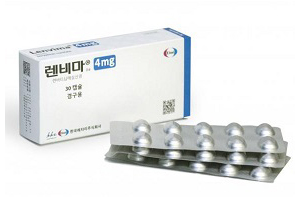
- Boryung has received approval for a generic version of the liver cancer treatment 'Lenvima Cap (lenvatinib).' It received approval as an incrementally modified drug (new salt version) and added a 12 mg dose, which is not available with the original drug. The Ministry of Food and Drug Safety (MFDS) approved three items on the 6th, including 4 mg, 10 g, and 12 mg doses of Lenvanib Cap (Lenvatinib Mesylate Dimethyl Sulfoxide) from Boryung. Lenvanib was approved by adopting a salt modification strategy, adding dimethyl sulfoxide (DMSO) to the mesylate of the original main ingredient, lenvatinib mesylate. Like the original, Lenvanib has 4 indications: ▲ for the treatment of locally recurrent or metastatic progressive differentiated thyroid cancer that is not responsive to radioactive iodine ▲ as a first-line treatment for patients with unresectable hepatocellular carcinoma ▲ in combination with pembrolizumab, for the treatment of patients with advanced endometrial carcinoma (EC) that is not microsatellite instability-high (MSI-H) or mismatch repair deficient (dMMR) who have disease progression following prior systemic therapy in any setting and are not candidates for curative surgery or radiation, and ▲ in combination with pembrolizumab, for the first line treatment of adult patients with advanced renal cell carcinoma. The new 12 mg dose, which is not available with the original, can be administered to patients weighing more than 60 kg, increasing patient convenience. However, in the case of Boryung, the actual launch date for the drug is unknown as the company has been in a patent dispute for Lenvima for over 2 years. Lenvima has six patents, including a substance patent expiring in April 2025, ▲ a use expiring in March 2028, ▲ a crystalline form patent expiring in June 2028, ▲ a formulation patent expiring in March 2031, ▲ a composition patent expiring in August 2035, and ▲ a use patent not listed, expiring in December 2035. In the Lenvima composition patent dispute, Boryung won the first trial but is awaiting the decision of the Patent Court following an appeal by Eisai. When Eisai registered a new use patent on its use in combination with Keytruda for advanced endometrial cancer in April last year and in combination with Keytruda for first-line treatment of advanced renal cell carcinoma, Boryung filed a request for invalidation and a request for confirmation of the passive scope of rights for the new unlisted patent. In order for Boryung to launch its Lenvanib, it must first win the trial to invalidate the patent for its intended use, which it filed in November 2022. In addition, it must win the second trial that will be held as a result of Eisai's appeal. In addition, it must circumvent or invalidate the newly registered Eisai’s patent. Meanwhile, according to the market research institution UBIST, sales of Lenvima last year were KRW 12.8 billion.
- Company
- 'Lorviqua' accepts DREC condition…negotiations to start
- by Eo, Yun-Ho Feb 11, 2025 06:02am
- Product photo to Lorviqua The final review process is about to begin for expanded reimbursement of the non-small cell lunger cancer treatment 'Lorviqua' as a first-line treatment. According to industry sources, Pfizer Korea accepted the condition of 'accepting the drug price below the evaluated amount' suggested by the Drug Reimbursement Evaluation Committee (DREC) of the Health Insurance Review and Assessment Service (HIRA) in January regarding the ALK anticancer drug, Lorviqua (lorlatinib). The company will soon undergo drug price negotiations with the National Health Insurance Service (NHIS). The Ministry of Health and Welfare (MOHW) has recently issued a green light for negotiations, and they will begin the process this month. As the company terminated the Risk Sharing Agreement (RSA) for Lorviqua, switching it to general medicine reimbursement, it is proceeding with the expanded reimbursement for first-line treatment. After the breakdown of the drug price negotiations with the NHIS in June, Pfizer immediately filed for general medicine reimbursement, which passed the last HIRA's DREC for 2024. Even after reapplication, the reimbursement process has been slow. Analysis suggests that the government postponed the decision because Lorviqua was initially contracted as a total expenditure-capped RSA, then switched to a general medicine reimbursement. The industry is to closely watch whether Lorviqua will finish the drug price negotiations without additional hurdles and obtain expanded reimbursement. Meanwhile, Lorviqua is a drug developed to penetrate the blood-brain barrier (BBB). The clinical value of the drug has been assessed as significant based on the long-term follow-up results of the CROWN study, which was recently presented at the ASCO. The study results showed that Lorviqua reduced the disease progression and death risk by 81% compared to crizotinib, and 60% of treated patients were alive without disease progression after five years. The risk of brain metastasis was reduced in 94% of the treated patients, with only 4 out of 114 patients who did not previously had brain metastasis developing it after being treated with Lorviqua.

- Company
- Mitsubishi Tanabe Pharma sold to private equity fund
- by Whang, byung-woo Feb 11, 2025 06:02am
- The sale of Japanese pharmaceutical company Mitsubishi Tanabe Pharma to a global private equity firm is expected to bring changes to its Korean branch as well. Although the company is being sold, it is not being sold by business unit, so its effect on the overall market is expected to be small. Rather, the sales are expected to increase support for the company and add strength to its market expansion activities. According to industry sources on the 11th, global private equity firm Bain Capital signed an agreement with Mitsubishi Chemical, the parent company of Mitsubishi Tanabe Pharma, to acquire Mitsubishi Tanabe Pharma. The transaction is valued at approximately ¥510 billion (KRW 4.9 trillion) and will be in a carve-out transaction from its parent Mitsubishi Chemical Group. Carve-out deals typically involve a company evaluating and selling off a specific business unit to raise capital and improve operational efficiency. This involves creating a structure that allows the business unit to operate independently and then selling it off. The advantage for investors is that a standalone business unit has greater growth potential and offers the opportunity to become more competitive in the market. In fact, this transaction was reportedly decided by parent company Mitsubishi Chemical Group to improve management efficiency and focus on its core business. Mitsubishi Chemical Group decided to exit its pharmaceuticals division as part of a reorganization of its business portfolio due to deteriorating profitability in recent years. As the pharmaceutical division requires long-term investment due to its high research and development (R&D) costs, the group has reportedly decided to prioritize and focus on its core chemicals business. Mitsubishi Tanabe Pharma has garnered attention for its successful sales of ALS drug Radicava in the U.S. market, but the limited exclusivity period in the U.S. until 2029 has raised concerns about the company’s long-term growth. As a result, the company needed new investments and strategies to develop additional new drugs and expand its global reach. However, there are predictions that the acquisition will not drive major change as it is not a spin-off. Instead, the company’s focus will be on market expansion as a standalone company. In this regard, Bain Capital has stated that it will acquire Mitsubishi Tanabe Pharma and strengthen the company's R&D capabilities, and support its global market expansion strategy. “We will actively support Mitsubishi Tanabe Pharma to continue its innovation as an independent company and explore new growth opportunities,” said Bain Capital. However, the sale is expected to have some impact on the Korean market. Mitsubishi Tanabe Pharma Korea has been supplying various treatments in Korea and generated about KRW 70 billion in sales last year. Pic of Uplizna The company took active steps last year to secure new growth engines, such as starting the domestic marketing authorization process for the ALS (Amyotrophic Lateral Sclerosis) drug Radicava (edaravone) and initiating the insurance reimbursement process for the optic neuromyelitis drug Uprisna. However, the sale may result in adjustments to its product supply schedule and new drug launch strategy in Korea. Bain Capital and Mitsubishi Chemical plan to finalize the process in the third quarter. Even if Mitsubishi Tanabe Pharma Korea’s business remains intact, there is a possibility of delays in approval and reimbursement discussions, given the administrative procedures. “All the details that were shared internally, including the sales of the business division, were not much different from the global announcement. So although the company’s name will change, I don't think there will be any major changes,” said an industry official. He added, “However, as Bain Capital has expressed its intention to make aggressive investments in the pharmaceutical division, which has been suffering due to funding difficulties of its parent company, there are some positive expectations as well."

- Policy
- KAPO ‘CDDC should pass Keytruda’s reimb extension agenda’
- by Lee, Tak-Sun Feb 11, 2025 06:02am
- A patient group has called for the immediate expansion of the coverage of the immuno-oncology drug 'Keytruda'. With the National Health Insurance Service's Cancer Disease Deliberation Committee scheduled to meet on the 12th, the group is asking for the establishment of reimbursement standards to strengthen patient access to treatment. In a statement issued on the 10th, the Korea Alliance of Patients Organization (KAPO) said, “Immuno-oncology drugs are innovative treatments that have changed the paradigm of cancer treatment. While conventional anticancer drugs directly attack cancer cells, the immuno-oncology drugs activate the patient's immune system to eliminate cancer cells on their own, providing new treatment opportunities for cancer patients who have experienced limitations with existing treatments.” Keytruda (pembrolizumab) is a representative immuno-oncology drug that was first approved by the US Food and Drug Administration (FDA) in September 2014. It was approved by the European Medicines Agency (EMA) in July 2015, and currently has 31 and 39 approved indications, respectively. In Korea, it was first approved by the Ministry of Food and Drug Safety on March 6, 2015, for the treatment of inoperable or metastatic melanoma. Since then, its indications have been expanded, and a total of 34 indications have been approved for 16 different types of cancer. Although Keytruda has many indications, only a few are covered by national health insurance. As KAPO pointed out, only 7 indications are covered by national health insurance for 4 types of cancer: non-small cell lung cancer, Hodgkin's lymphoma, melanoma, and urothelial carcinoma. This is significantly less than what is covered in the UK (19), Canada (18), and Australia (14). Currently, discussions on the expansion of the coverage of Keytruda in Korea are underway, starting with a request for the expansion of coverage for 13 indications in 2023, followed by an additional 4 indications in 2024, for a total of 17 indications. KAPO pointed out, “While discussions on reimbursement extensions have been delayed for the second year, patients are missing out on appropriate treatment opportunities. The damage that patients suffered due to the delay in expanding the coverage of the first-line treatment of non-small cell lung cancer in 2017 should not be repeated.” He also urged, “Treatments should be a door of hope for the patients. However, the government and pharmaceutical companies are now making patients wait behind closed doors. The government and pharmaceutical companies should not delay expanding coverage of Keytruda any longer on the issue of sharing the financial burden.” KAPO said, “We urge the Cancer Disease Deliberation Committee to pass Keytruda’s reimbursement extension proposal on the 12th, at the first CDDC meeting in 2025. The drug reimbursement adequacy evaluation by the Drug Reimbursement Evaluation Committee and the drug pricing negotiations between the National Health Insurance Service and pharmaceutical companies should be carried out promptly thereafter. The government and pharmaceutical companies should no longer postpone their responsibilities.”
- Opinion
- [Reporter’s View] Trodelvy makes way to reimb in KOR
- by Eo, Yun-Ho Feb 10, 2025 05:51am
- The wait was worth it. The triple-negative breast cancer (TNBC) treatment Trodelvy (sacituzumab govitecan-hziy) has passed the Drug Reimbursement Evaluation Committee review, nearly 15 months after passing the Health Insurance Review and Assessment Service’s Cancer Disease Review Committee review. The most promising aspect of the news is that the drug met the new drug requirement that was revised in August last year (the detailed evaluation criteria for negotiated drugs, including new drugs) and was the first to receive a flexible application of the incremental cost-effectiveness ratio (ICER) threshold. Of course, another antibody-drug conjugate (ADC), Enhertu (trastuzumab deruxtecan) had previously been applied as an exceptional ICER threshold. However, Trodelvy is the first drug to pass DREC review after the amendments were implemented to define the exact criteria for an innovative new drug. The fact that a drug that is so good that it costs as much for the pharmaceutical company as well has passed DREC review, suggests that the ICER threshold has increased for innovative new drugs. Although there is no documented figure, it is generally accepted that the maximum ICER threshold for insurance coverage in Korea is KRW 50 million. And even the KRW 50 million threshold has been recognized for only a rare few cases. Raising the ICER threshold has been a long-standing desire of the pharmaceutical industry. In a study published last year in the online edition of the medical journal Springer, “Survey of Unmet Needs in the New Drug Registration System,” the ICER was the number one improvement that market access managers in the industry desired. 93% of respondents had selected the response. The ICER threshold was also the most anticipated element of the government's proposed innovative drug pricing incentives, and this is the first time it has been implemented. The criteria for innovativeness are drugs that satisfy all of the following three conditions: ▲ there is no substitute or therapeutically equivalent product or treatment ▲ demonstrated clinically meaningful improvement, such as a significant extension in survival ▲ the new drug has been approved by the Ministry of Food and Drug Safety under Article 35(4)(2) of the Pharmaceutical Affairs Act (designation of priority review) and were approved through the fast-track (GIFT) or is deemed equivalent by the committee. Now that there is a more concrete definition, new drugs that meet the requirements will surely line up. Regardless of the speed, it is the reporter’s hope that more promising new drugs will be able to pass review, enabling better access for patients.
- Company
- OliX licenses out RNA-based MASH drug technology to Lilly
- by Feb 10, 2025 05:50am
- OliX, a company developing RNA-based new drugs, has transferred its metabolic dysfunction-associated steatohepatitis (MASH) and obesity drug candidate to the multinational pharmaceutical company Eli Lilly. On the 7th, OliX announced that it had signed a joint development and technology export agreement with Lilly for its MASH and obesity drug candidate 'OLX75016 (OLX702A)'. The total contract size is USD 630 million (about KRW 911.7 billion). The amount is the sum of the upfront payment and the development and commercialization milestones based on clinical progress. Details such as the proportion of the upfront payment were not disclosed. Under the agreement, OliX will continue with the Phase 1 clinical trial of OLX75016. Lilly will be responsible for other research, development, and commercialization. The agreement includes a provision that, upon signing, OliX will grant an exclusive license to Lilly. Specifically, if OliX develops a treatment that targets the 'MARC1' gene and one or more other genes involved in MASH simultaneously, Lilly will have priority rights to that treatment. The company explained that the total size of the contract could increase or exclusive negotiations could be conducted according to the clinical progress. OLX75016 is a candidate for the treatment of obesity and MASH, which is based on double-stranded small interfering RNAs (siRNA) technology. OLX702A is being developed as a subcutaneous injection formulation for the treatment of obesity that is administered once every 3 months. Results of OLX702A in obese animal model (Source: OliX) OliX is currently conducting a Phase I trial in Australia for OLX75016. It began administering the first patient for the Phase I trial in February last year. In May of the same year, it completed a change in the clinical trial protocol to add patients with nonalcoholic fatty liver disease (NAFLD) to the trial subjects to ensure safety and preliminary efficacy. The company aims to complete the first phase of clinical trials this year. OliX previously confirmed the effects of OLX702A on improving fatty liver and liver fibrosis and weight loss in preclinical studies. OliX also confirmed the weight loss synergistic effect when OLX702A in combination with Lilly's ‘Zepbound’ in a high-fat diet obesity mouse model. Zepbound is a dual agonist that simultaneously activates the glucagon-like peptide-1 (GLP-1) receptor and the Glucose-dependent insulinotropic polypeptide (GIP) receptor.

- Company
- Bayer Korea marks 70th year, preparing for 100-yr milestone
- by Whang, byung-woo Feb 10, 2025 05:50am
- Bayer Korea, celebrating its 70th year in business in the Korean market, is preparing for the next leap toward the 100th year. The company plans to enhance the capacity of treatments already launched in the market and its new growth driver pipeline, aiming for long-term and continuous business growth. Additionally, as the importance of the ESG business has been stressed, the company pursues sustainable business by setting specific directions. Bayer launched in South Korea after the Korean war…Bayer known for Aspirin Bayer Korea, the South Korean subsidiary of the global life sciences company Bayer, entered the Korean market in 1955, starting with its crop protection business. In the 1950s, during the post-Korean War period when food shortages were severe, Bayer Korea collaborated with Dongbu Farm Hannong (previously, Korean Agricultural Association) to enhance agricultural productivity. The company’s primary focus was providing various crop protection products to improve crop yields. In the 1960s, Bayer products began manufacturing in South Korea through a technology partnership with Hanil Pharmaceutical. This period marks the introduction of Bayer products into the Korean market. The representative product at the time was aspirin, a widely used pain reliever with over 120 years of history. Historical records also indicate that Bayer contraceptives were distributed to public health centers in South Korea. Bayer's full-scale business expansion took place in 1972 with the establishment of Bayer Pharmaceuticals Korea. The company acquired 30 locally produced products from Hanil Pharmaceutical, including Bayer Aspirin, extending its business into the healthcare sector. In 1989, Bayer Korea was officially established as a corporation. Entering the 2000s, the company expanded its portfolio through successive mergers and acquisitions, including Aventis CropScience, Roche's OTC division, Schering Korea, MSD Consumer Care, and Monsanto. These acquisitions solidified Bayer Korea's position as a leading global life sciences company with a broader and more advanced product lineup. Bayer As of February 2025, Bayer Korea holds a total of 62 pharmaceutical products, including prescription and over-the-counter (OTC) medications. One of Bayer Korea's key products in recent years is Eylea (aflibercept), a treatment for age-related macular degeneration (AMD). In 2023, Eylea is a blockbuster medication that generated KRW 96.8 billion in sales in South Korea. However, the company faces increasing competition from next-generation therapies and biosimilars that challenge Eylea's market dominance. Expanding sales growth remains one of Bayer Korea's concerns. Based on the company report, Bayer's sales for the past four years amounted to ▲ KRW 332.6 billion in 2020 ▲ KRW 340.1 billion in 2021 ▲KRW 358.0 billion in 2022 ▲ KRW 347.6 billion in 2023. Bayer Korea entered the Korean market in 1955 and its current corporation was established in 1989 Bayer in need of a new growth driver…prepares for a new generation of pharmaceuticals As the pharmaceutical landscape continues to evolve rapidly, Bayer has been transitioning into a more agile organization since last year to adapt to environmental changes quickly. An agile organization breaks down departmental barriers, forming multifunctional teams integrating marketing·sales·operations within the same division. This structure enables greater flexibility and responsiveness to meet the demands of a fast-changing market environment. A Bayer Korea representative said, "Bayer Korea has been focusing on strengthening the foundation for collaboration among employees to build a better future together." One of the most significant changes for Bayer Korea is the appointment of JinA Lee as the company’s first Korean CEO since its entry into the Korean market. Lee's appointment highlights the increasing importance of the Korean market and its strong R&D ecosystem, including early- and late-stage clinical trials and real-world data (RWD) studies. Bayer Korea A notable achievement under Lee's leadership is Kerendia, ranked second in outpatient prescription sales among products that received reimbursement in 2024, making a strong debut in its first year as a reimbursed drug. Additionally, high-dose Eylea (8mg), which extends dosing intervals to 20 weeks, entered the reimbursement list earlier than expected in October last year, helping Bayer maintain its influence in the retinal disease market. Also, Verquvo, a heart failure treatment, is established as part of a new generation of therapies, securing Bayer's future growth. This year, Bayer Korea plans to address unmet medical needs in the Korean market and improve patient access to innovative drugs, such as Nubeqa, which has strong market potential. A Bayer Korea representative stated, "In the healthcare sector, Bayer is committed to delivering innovative products and services through research and development that spans disease diagnosis to prevention and treatment. We are strengthening our expertise in cardiovascular, renal, and oncology treatments while expanding into new therapeutic areas with novel treatment options to ensure continuous growth." Bayer Korea aims for the next leap, focusing on 'sustainable mangagement' Bayer Korea, as it celebrates its 70th anniversary, focuses on 'sustainability' for long-term success. In addition to corporate social responsibility activities, the company is committed to sustainable organizational growth, driven by employee-led campaigns. According to Bayer Korea’s report released in December, the company is actively engaged in activities aligned with its four sustainable development goals: ▲Ending hunger ▲Healthcare ▲Climate change response ▲Gender equality and diversity. For instance, the company pursues hunger relief efforts through a partnership with World Vision, supporting underprivileged children through the "Love Lunchbox" volunteer program. This initiative has been expanded into a year-long challenge, where a team of seven employees participates monthly in preparing meal ingredients, cooking, packaging, and cleaning up. Bayer Korea Additionally, volunteer activities such as an art contest for individuals with developmental disabilities, the Unity Marathon with visually impaired participants, and the Proper Disposal of Expired Medicines Campaign were conducted last year. Lee stated, "Bayer Korea's sustainability report holds the greatest significance not in the scale of its outcomes but in our employees' voluntary and active participation. Through this initiative, we have collectively shared Bayer's vision and goals across the company, systematically organized our achievements, and laid the groundwork for developing more advanced strategies in the future." Lee added, "Bayer Korea is undergoing a transitional phase as we introduce a new generation of pipeline products. We aim to successfully establish these new treatments in the market to improve patients' lives while building a strong foundation to develop further innovative therapies."
- Company
- New TED drug 'Tepezza' under review for marketing approval
- by Eo, Yun-Ho Feb 10, 2025 05:50am
- Product photo of The commercialization of 'Tepezza,' a targeted treatment for Thyroid Eye Disease, is expected. According to industry sources, the Ministry of Food and Drug Safety (MFDS) is reviewing the approval of the Thyroid Eye Disease (TED) treatment, Tepezza (teprotumumab). This drug was designated as an orphan drug in South Korea in August 2024. Tepezza is indicated for the 'treatment of adult patients with moderate to severe TED.' Tepezza is a monoclonal antibody that is designed to target insulin-like growth factor (IGF-1) receptor. It is an antibody drug administered once every three weeks (total of eight doses). Tepezza was approved by the US Food and Drug Administration (FDA) through the fast track program in January 2020. It was approved in Japan recently. This drug was initially developed by the Irish pharmaceutical company, Horizon Therapeutics. Then, Amgen acquired Horizon Therapeutics in 2022 and secured the sales right of the drug. The patients with TED who participated in the Tepezza clinical trial received an infusion of Tepezza or a placebo every three weeks for a total of eight infusions. In the OPTIC Phase 2 clinical trial, a total of 121 patients with chronic TED who have Clinical Activity Score (CAS) of greater than 4 and duration of illness under 9 months. Among the study participants, the number of patients of age greater than 40 was 99, and the average age was 54.5 years. Female participants over 40 accounted for 72.7% and diplopia was identified as 74.7%. The number of patients aged under 40 was 22, and the average age was 32.8 years. Female participants less than 40 accounted for 59.1%, and diplopia was identified in 68.2%. Based on the results analyzing the treatment response of Tepezza in chronic TED patients, the proportion of those who showed treatment response of improvements in exophthalmos by over 2 mm following 24-weeks treatment was 86.4% for the 40s or below group and 79.8% for the 40s or higher group. There was no statistical difference between these two groups. Meanwhile, Tepezza is regarded as having changed the treatment of TED. Before the introduction of Tepezza, steroids and orbital decompression surgery were the only options for the TED treatment. While steroids may reduce inflammation, they also pose concerns regarding adverse responses and the risk of relapse if patients discontinue the treatment. Orbital decompression surgery may result in complications.

- Policy
- Pricing negotiations complete for Pfizer’s Vyndamax
- by Lee, Tak-Sun Feb 10, 2025 05:50am
- Pfizer has completed pricing negotiations with the National Health Insurance Service for its cardiomyopathy drug, Vyndamax Cap (tafamidis). As a result, the drug is soon expected to be listed for reimbursement benefits in Korea. Four and a half years after its approval in August 2020, the drug is finally being included in Korea’s health insurance system. According to industry sources on the 7th, the National Health Insurance Service and Pfizer Korea recently agreed on the insurance price of Vyndamax Cap 61 mg, for which the pricing negotiations began in December last year. The NHIS and Pfizer reportedly reached an agreement through a risk-sharing agreement. Vyndamax has gained attention as the only treatment option for ATTR amyloidosis with cardiomyopathy (ATTR-CM). ATTR-CM is a devastating disease with a median survival of 2 to 3.5 years without adequate treatment but has been poorly treated, either because it is mistaken for simple heart failure or because there are no other treatments available. In this area with a dire need, Vyndamax has demonstrated its efficacy in reducing the incidence of cardiovascular events and improving the 6-minute walk test in CM patients through the Phase 3 ATTR-ACT study. Although it is the only treatment for the disease, its approval process has not been smooth. After receiving domestic approval in 2021, the company began to pursue reimbursement in earnest but was stuck in HIRA’s evaluation phase. In April 2022, the drug failed to pass HIRA’s Drug Reimbursement Subcommittee in April 2022, and then was presented to the Drug Reimbursement Evaluation Committee (DREC) review in April 2023, the last stage of HIRA’s review, but was not deemed adequate for reimbursement. However, in October of last year, it finally passed the DREC review and has been negotiating with the NHIS since early December by the Ministry of Health and Welfare's negotiation order. By completing negotiations with the NHIS, the reimbursement listing process has now been virtually completed. The only remaining procedures are the report to the Ministry of Health and Welfare’s Health Insurance Policy Deliberation Committee (HIPDC) and notification. It is expected that the report will be presented to the HIPDC as early as this month and will be listed for reimbursement on March 1. As the only treatment for ATTR-CM, Vyndamax’s reimbursement will provide patients with much better access to treatment. As of 2021, there are 75 patients with ATTR-CM in Korea.
- Company
- Will Keytruda’s reimbursement standards be set this time?
- by Whang, byung-woo Feb 07, 2025 05:52am
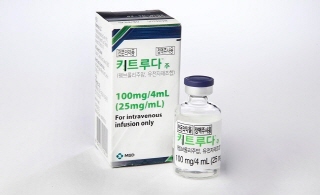
- Keytruda, for which MSD had submitted reimbursement applications to extend its coverage to 17 indications, is gaining industry attention as it is expected to be presented to the Cancer Disease Deliberation Committee for the first time this year. Pic of Keytruda According to industry sources, MSD Korea's Keytruda (pembrolizumab) will be presented to the Korea Health Insurance Review and Assessment Service's Cancer Disease Deliberation Committee (CDDC) on the 12th. Keytruda received a redeliberation decision for the two indications of gastric cancer at the 9th CDDC meeting in December. There were hopes that a conclusion could be reached last October when MSD Korea submitted a new financial sharing proposal to expand coverage to 17 indications, including gastric cancer, but the year had passed with no solid results. In particular, there were various interpretations of the fact that only the 2 additional gastric cancer indications were discussed at the CDDC meeting, as the company applied for coverage of 17 indications. However, with Keytruda expected to be presented at the first CDDC meeting this year, industry eyes are on whether the tables will turn this time. Keytruda is currently approved in 33 indications for 17 different cancers and has applied for reimbursement for 17 of those indications. After applying for reimbursement for 13 indications in 2023, the company added four more indications last year: ▲ MSI-H gastric cancer, ▲MSI-H biliary tract cancer, ▲HER2-positive gastric cancer, and ▲HER2-negative gastric cancer. The issue is how CDDC will view MSD's proposed fiscal sharing plan. It is understood that the agency has asked MSD to provide additional data beyond its financial sharing plan. Given that the last review only discussed gastric cancer, it will be interesting to see how the government will regard the cost burden of applying the additional reimbursement to the 17 indications. At this point, it is unlikely that the CDDC will pass or fail review for individual indications. The CDDC had reviewed all indications at the same time, with the exception of the gastric cancer indication, which was added last December after MSD filed for Keytruda's reimbursement in bulk. This means that the decision is likely to be an all-or-nothing proposition. This has led some to speculate that MSD may take on a different strategy if Keytruda's reimbursement extension is not approved in this CDDC review. While there are advantages to applying for reimbursement extensions for many indications at once, the downside is that it is difficult to get feedback on individual indications. Considering how even if the application passes CDDC review, there are still procedures such as the Drug Reimbursement Evaluation Committee and the National Health Insurance Service’s drug pricing negotiations, MSD may well worry about the lack of progress if there is no change in its third year of application. “As it has been three years since MSD applied for the reimbursement extension, MSD would be contemplating on setting a specific strategy to overcome the current situation,” said an industry official. ”As MSD has stated that it submitted the reimbursement for multiple indications at once to not marginalize certain cancer types, I expect there will be discussions on various strategies depending on the results of the upcoming CDDC review.”
