
- LOGIN
- MemberShip
- 2026-05-15 21:38:32
- Product
- Gov discusses presenting regulatory sandboxes for ER OTC
- by Jung, Heung-Jun Apr 18, 2022 05:57am
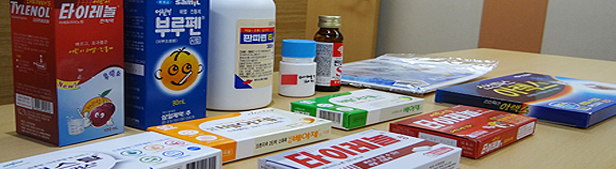
- The Ministry of Trade, Industry and Energy conducted an opinion survey of government departments on regulatory sandbox agendas related to safety medicines (medications that are urgently used for mild symptoms among general drugs and can be used by patients themselves). If discussions on special regulations on safety medicines begin following teleconference vending machine, repercussions are expected in the pharmacist society. The Ministry of Trade, Industry and Energy's Regulatory Sandbox team conducted an opinion inquiry last month with the Ministry of Health and Welfare, which is in charge. If the final agenda is confirmed as a result of the opinion inquiry, the discussion is expected to take place through the Special Regulatory Review Committee. An official from the Ministry of Trade, Industry and Energy said on the 14th, "We conducted an opinion inquiry at the end of March regarding safety and emergency medicine. We have not yet been able to confirm the details of the case. The Ministry of Health and Welfare also said, "It is true that discussions on the introduction of regulatory sandboxes on the issue of deregulation of safety leapfrogs have begun," and that nothing has been decided yet. The convenience store industry has continuously demanded the expansion of safety medicine items. Discussions have not progressed so far, but they are sticking their heads out through regulatory sandboxes again. Currently, the issues required by the industry are considered to be ▲ Expansion of safety medicine items ▲ Release of 24-hour operating conditions ▲ Delivery of safety medicine services. Although it is conditional on 24-hour operation to handle safety emergency medicine, there have been calls in the industry to remove restrictions as more convenience stores have shortened operating hours due to COVID-19. In response, the pharmaceutical association has insisted that convenience stores that are not operating 24 hours a day should be stopped. There is also a demand to allow safety medicine delivery services. Kinetet, which includes Naver, Kakao, Nexon, Netflix, and Woowa Brothers Corp, also delivered the plan to the presidential transition committee of Yoon Seok-yeol. According to a government official, it is highly likely that it will be an agenda for review of special regulatory cases if opinions are inquired by the ministries in charge Meanwhile, in February, the Ministry of Trade, Industry and Energy deliberated and resolved 14 agendas, including non-face-to-face medical counseling services for overseas Koreans.
- Policy
- Will losses from drug price cut dispositions be recovered?
- by Lee, Jeong-Hwan Apr 15, 2022 06:03am
- The Ministry of Health and Welfare and the pharmaceutical companies are intensely arguing over the application of an indemnification system where the pharmaceutical company’s damages are refunded by the government if they win the administrative suits for price cuts and reimbursement suspensions. As the system has already met the administrative notice period and completed the Regulation Reform Committee procedures, all that is left is for the MOHW to decide upon its implementation and period, but the pharmaceutical companies have been raising issues and requesting the government to amend the specifics in the bill. On the 14th, the MOHW had announced it had started an internal review process for the partial revision of the “Criteria for Decision or Adjustment on Drugs.” The administrative pre-announcement of the amendment that was presented on January 17th contained guarantees that refunds losses incurred by drug manufacturers, etc. as results of administrative trials and litigations. In essence, the government will recover the damages incurred if the pharmaceutical company wins after filing an administrative lawsuit against the MOHW’s disposition such as drug price cuts, reimbursement suspensions, or deletions. The pharmaceutical industry has been protesting that the system does not fully reflect reality. The companies are stressing that, unlike the price cut dispositions where the price can be immediately restored if the company wins the suit, damages from dispositions such as reimbursement suspensions or reductions cannot be recovered even afterward. For example, just a 1 month's suspension of reimbursement would result in the deletion of the prescription code at healthcare institutions, due to which the drug would lose its foothold in the market. Reducing the scope of reimbursement would also render considerable losses in prescriptions as the doctors would switch to other drugs, but the refunded amount is too insufficient to cover the losses. The companies believe that if they win the suits after reimbursement suspension or reduction dispositions, the government should compensate for its damages until the company fully recovers the damages caused by the disposition. In addition, the pharmaceutical companies insisted that an appropriate rate should be set through calculation by the Loss Estimation Committee rather than the MOHW unilaterally calculating the refund rate for drugs subject to reimbursement application suspensions or reductions. Whether the government would accept the industry’s argument will affect the final implementation of the system. If the MOHW accepts a broad range of opinions made by the industry, it may be necessary for the authorities to take additional administrative notice procedures. The MOHW is currently preparing the final administrative notice for review by the Ministry of Government Legislation after completing the Regulation Reform Committee procedures as well as opinion collection from the industry. An official from MOHW said, “We are internally discussing whether to accept the opinion collected during the administrative pre-announcement period. It has not been decided whether we will be reflecting the changes, and after we make a decision, we will receive a review from the Ministry of Government Legislation."
- Company
- Dividend payout for Pfizer is 12.48 million won
- by Chon, Seung-Hyun Apr 15, 2022 06:03am
- Pfizer Pharmaceutical Korea performed better last year with sales of the COVID-19 vaccine, but its dividend was only 12.48 million won. Regardless of the sharp rise in performance, the dividend payout ratio was only 0.01%, allocating 20% of the capital of preferred stocks. It has adhered to a unique dividend policy that distributes 12.48 million won in total except for twice in the past 20 years. According to the Financial Supervisory Service on the 14th, Pfizer Korea decided to pay 12.48 million won in dividends last year. Dividends have been set at 12.48 million won for the fourth consecutive year since 2018. Although its performance improved significantly with the COVID-19 vaccine last year, dividends were calculated on the same scale as before. Pfizer Korea's sales soared more than four times from 391.9 billion won in 2020 to 1.694 trillion won last year. The amount is more than twice as much as 751.6 billion won recorded in 2017 before Pfizer Korea spun off with Viatris. Pfizer's performance soared as it supplied the COVID-19 vaccine developed with Germany's BioNTech. Pfizer Korea recorded an operating loss of 7.2 billion won in 2020, with its operating profit rising to 59.2 billion won last year. Net profit reached 95.9 billion won last year. The sale of land and buildings at its headquarters in Jung-gu, Seoul, generated 44.4 billion won in profits from disposal of tangible assets, further expanding its net profit. Dividends paid to shareholders are proportional if a company's net profit surges, but it is interesting that last year's dividend of Pfizer Korea was set at 12.48 million won, the same as the previous year. The dividend payout ratio stood at only 0.01 %. Pfizer Korea calculated dividends by applying a dividend rate of 20% to preferred stock capital. Pfizer Korea has a total capital of 922.92 million won. Among them, common stock capital is 860.52 million won and preferred stock capital is 62.4 million won. Dividends of 12.48 million won were set at 20% of 62.4 million won in preferred stock capital. The largest shareholder of Pfizer Korea is Pfizer's Dutch subsidiary 'PFG South Korea 1 B.V.' with a 97.15% stake. Pfizer Korea issued a total of 12.8 million preferred shares. Among them, PFOFG South Korea 1 B.V. holds 7,280 shares, while domestic shareholders hold the remaining 5,200 shares. PFOFG South Korea 1 B.V. and domestic shareholders receive 7.28 million won and 5 million won in dividends from Pfizer, respectively. As of the end of November 2020, the capital of Pfizer Korea was 12.08 billion won. However, the capital was reduced to 922.92 million won as the extraordinary shareholders' meeting at the end of 2020 decided to incinerate 2,233,416 shares for a fee of 61,000 won per share owned by ordinary shareholders. Preferred stocks did not change, so the same dividend as the previous year was set according to the dividend calculation standard of "20% preferred stocks." For 20 years since 2002, Korea Pfizer has been paid 12.48 million won in dividends on the same basis of 20% of preferred stocks except for No. 2. In 2017, dividends were set at 79.794 billion won, more than net profit. At that time, both common stocks (2,455,520 shares) and preferred stocks (12,480 shares) decided to pay 660% of the par value of 5,000 won as a dividend rate, expanding the amount of dividends. In 2008, a dividend of 190 billion won was set. Even though it recorded a deficit of 600 million won at the time, high dividends were confirmed as it decided a dividend rate of 3045% compared to its face value. In the past 20 years, only two high dividends have been set, and the rest have continued to have a small dividend policy of 12.48 million won. In other words, the headquarters made profits by making high dividends once a decade on average. An official from Pfizer Korea said, "We cannot disclose the background of the dividend decision." Pfizer
- Company
- Acromegaly drug ‘Somavert’ lands in ‘Big 5’ hospitals
- by Eo, Yun-Ho Apr 15, 2022 06:03am
- The new acromegaly drug ‘Somavert’ may now be prescribed at general hospitals in Korea. According to industry sources, Pfizer Korea’s Somavert (pegvisomant) has passed the review of Drug Committees at the ‘Big 5’ tertiary hospitals in Korea including the Samsung Medical Center, Seoul National University Hospital, Seoul St.Mary’s Hospital, Asan Medical Center and Shinchon Severance Hospital. The drug can now be prescribed at most major hospitals in Korea. As Somavert has been listed for insurance benefit in September last year, no barriers remain in patients' access to the drug. Acromegaly, which is also known as giantism, is a rare condition characterized by the excessive secretion of growth hormones that causes abnormal, excessive secretion of IGF-I, and is most often caused by a benign tumor of the pituitary gland. Acromegaly is associated with clinical changes including reduced life expectancy, cardiovascular issues, enlargement of hands, feet, and other organs, facial deformity, fatigue, joint pain, metabolic disorder, etc. In such cases, the mortality rate is twice or even three times higher than normal people. Also, as the physical deformities do not return to normal, early diagnosis and treatment are very important. Somavert’s efficacy was demonstrated in the randomized, double-blind, pivotal SEN-3614 study that was conducted on 112 patients with acromegaly for 12 weeks. The 112 patients were randomly assigned to receive 10mg, 15mg, and 20mg of pegvisomant or placebo every day, and its primary efficacy endpoint was the percent change in serum IGF-I concentration from baseline to Week 12. Study results showed that in Week 12, the median serum IGF-I concentration reduction level was 16.8%, 26.7±27.9%, 50.1±26.7%, 62.5±21.3% for the placebo arm, and 10mg, 15mg, 20mg pegvisomant arm, respectively. In other words, Pegvisomant significantly reduced serum IGF-I concentrations in all three doses compared to placebo. The rate of patients whose serum IGF-I concentrations normalized compared to baseline were 10%, 54%, 81%, and 89% for the placebo arm and 10mg, 15mg, and 20mg pegvisomant arm, respectively. Pegvisomant showed a significantly higher rate in all three doses compared to placebo. Meanwhile, Somavert was approved for the treatment of adult patients with acromegaly who have had an inadequate response to surgery and/or radiation therapy and in whom an appropriate medical treatment with somatostatin analogues did not normalize IGF-I concentrations or was not tolerated in September last year and designated an orphan drug in 2018.
- Opinion
- [Reporter's eyes] Despite Tessentrick's high sales
- by Apr 15, 2022 06:03am
- According to Roche audit report, the company recorded sales of 343.9 billion won and operating losses of 69.6 billion won last year. Sales fell 22.5% year-on-year, and operating losses increased. This is the first drop in sales in 10 years for Roche Korea, which has increased its sales every year. It is the largest deficit in 10 years. Roche Korea has blockbuster products like anti-cancer drugs. Based on IQVIA, a pharmaceutical research institute, two of the top 10 best-selling drugs in Korea last year were Roche products. Avastin recorded 112.3 billion won in sales and Perjeta 93.9 billion won in sales. Sales of Tecentriq, an immuno-cancer drug, also amounted to 67.2 billion won, and Herceptin's sales amounted to 65.3 billion won. Roche Korea has a risk-sharing contract with the NHIS for Kadcyla, Perjeta, Herceptin, and Tecentriq. It is a contract in which the company refunds the amount of medication equivalent to the excess amount to the corporation during the agreed period. Each year, the company calculates the estimated amount of the risk-sharing refund as unpaid expenses and deducts it from sales. Last year, the estimated risk-sharing refund set by Roche Korea was1942 billion won and the amount paid was 77.2 billion won. An additional 200 billion won in refunds was incurred alone. The remaining amount of refunds at the end of the year reached 178.5 billion won, including 61.6 billion won, the basic amount. In terms of figures alone, they have to pay more than half of Korea's total sales. The refund amount of Roche was not large from the beginning. It was enough to cover 9.4 billion won at the end of 2017, 31.7 billion won at the end of 2018, 49.9 billion won at the end of 2019, and 61.6 billion won at the end of 2020. Then, the amount of refunds increased sharply last year, increasing the company's burden. How the pharmaceutical company set the ratio of refunds with the government is private. However, the industry views Tecentriq's influence highly. The government accepted the government's proposal to share Tecentriq, generic for immuno-cancer drugs, to quickly enter the market, which may have made it difficult for Roche. At the time of Tecentriq's registration, Roche Korea was the only company with immuno-cancer drugs to accept the government's proposal to "burden pharmaceutical companies for the initial three-cycle medication cost." It also accepted the proposal of an "initial treatment refund type" that refunds the administration for an initial period of time depending on whether or not the patient responds to the expansion of the benefit. Therefore, there was also a story about Tecentriq that "the more you sell, the more you lose." Thanks to this, Tecentriq was able to quickly increase its market influence, but the company cannot be amused by the rapidly increasing amount of refunds. Since Roche does not make drugs by itself, but buys and sells finished products from its headquarters, the amount of refunds accumulated in hundreds of billions of won is a loss. Fortunately, Roche Korea's financial condition is very good. As of last year, cash and cashable assets amounted to 82.9 billion won, and retained earnings amounted to 135 billion won. In other words, the refund is still "at a level to cover." However, if the refund occurs nearly 200 billion won every year, financial stability is likely to falter. Last year, 1942 billion won was generated, and the debt ratio increased sharply. The debt-to-equity ratio of the company, which stood at 89% in 2020, stood at 203% at the end of last year. Roche Korea is trying to revise the refund conditions in the RSA renewal negotiations. However, due to the nature of immuno-cancer drugs, it is not easy to change the conditions already accepted once in favor of pharmaceutical companies at a time when there are many indications to negotiate the expansion of benefits. This is why Roche's concerns are deepening.
- Company
- Artiva expands contract to develop dell therapy with MSD
- by Eo, Yun-Ho Apr 15, 2022 06:03am
- GC Pharma affiliate Artiva Biotheraputics announced on the 12th that it has signed a contract with MSD to expand the development of natural killing (NK) cell therapy. Artiva was established in 2019 by GC CELL and GC LABTECH in San Diego, USA. Under the contract, the two companies will promote joint research on anticancer drugs that combine NK cell therapy AB-101 under development with Tri-Specific NK-Cell Engagers owned by MSD. In particular, this contract was signed by Artiva in January last year after exporting platform technology worth KRW 2 trillion to MSD with GCELL. Artiva is already jointly developing three "CAR-NK cell treatments" for MSD and solid cancer treatment. The triple-specific NK cell-binding antibody of MSD used in this combination therapy is combined with cancer cells and specific antigens expressed in NK cells, and then activates NK cells to directly kill cancer cells, as well as activates other immune cells around cancer cells to remove cancer. Artiva's AB-101 is one of the NK cell pipelines derived from homeostatic cord blood based on GC cell technology. Artiva was approved by the FDA in December 2020 and is conducting phase 1 and 2 clinical trials for patients with recurrent and intractable B-cell lymphoma in the United States. Peter Flynn, Artiva co-founder said, "We have built a fantastic partnership with MSD over the past year. We are pleased to extend our partnership to include the development of our homologous NK cell therapy-based triple antibody candidate material."
- InterView
- "Will make R&D partnerships, introduce new drugs in Korea"
- by Apr 14, 2022 05:56am
- The China Shanghai-based Antengene has started its activities in earnest in the domestic pharmaceutical market. Marking its start with Xpovio (selinexor), a blood cancer drug that was approved in July last year, the company aims to introduce more new drugs in cancers with high unmet needs. Antengene is an anticancer drug developer that has received investments from global pharmaceutical companies, including BMS. Its founder and CEO Jay Mei, has extensive experience in the field, working at the National Cancer Institute as well as various global pharmaceutical companies including Johnson & Johnson, Novartis, and Celgene, where he led global clinical trial programs. Based on this experience, the CEO founded Antengene, with its key focus of interest in blood cancer. Antengene is one of the few Chinese biotechs that have entered Korea. The company decided to enter Korea as it considers the country an important base in the Asia-Pacific region. The company is also actively engaged in open innovation with bio companies in Korea. It is currently conducting joint research with LegoChem Bio. Through such efforts, Antengene aims to address the unmet medical needs in the Asia-Pacific region, and further expand into a global company. At a virtual interview with Dailypharm on the 14th, CEO Mei (57) said, “We had decided early on that we would need to enter Korea as the country owns a top-class healthcare system, a solid infrastructure for clinical trials, and has a good environment for R&D. We plan to continue expanding our business through joint research in partnership with various Korean companies including Lego ChemBio.” The following is the QA with Antengene’s CEO Jay Mei. Jay Mei, CEO of Antengene-You chose selinexor, an oral anticancer drug you brought in from Karyopharm as the first product for commercialization in Korea. What do you think of selinexor’s vision? =Selinexor was approved as a treatment for multiple myeloma (MM) and diffuse large B-cell lymphoma (DLBCL) treatment by the FDA in July 2019. The drug has been also approved for the two indications in Korea in July last year. Selinexor is an oral selective inhibitor of nuclear export (SINE) that can be used in combination and as monotherapy. We are conducting trials in other blood cancers such as myelofibrosis and acute myeloid leukemia, and are investigating its use in T cell or NK cell-related lymphoma as well. WE plan to continue expanding selinexor’s indication in consideration of its scalability. -What is your key platform technology and pipeline? =Antengene has opted for a two-track approach in which the company seeks growth through partnership-based technology introductions and the development of original pipelines. In addition to Karyopharm, we have made partnership agreements with AstraZeneca, Celgene, and LegoChem Bio. For individual development, our scientists are developing new drugs by investigating new targets. We have a total of 15 progress in progress ranging from non-clinical trials to Phase III trials that are investigating small-molecule drugs, monoclonal antibody therapies, bispecific antibody drugs, ADCs, etc. The trials are underway in Asia and the United States, as well as in Japan and Europe. -What other product do you have in plan to commercialize following selinexor? =We are developing a new drug substance that has the same XP01 inhibiting mechanism of action as selinexor. We are conducting various clinical trials with Karyopharm for the drug, eltanexor (code name ATG016). The target indication is the high-risk group with myelodysplastic syndrome, and a global clinical trial currently in progress is a pivotal clinical trial prepared to be used as the basis for approval reviews. Also, Antengene is developing 6 other new drug candidates for commercialization. First, ‘ATG008' is a new drug candidate that can be used with mTOR inhibitors for the treatment of cervical cancer. The company plans to conduct a global trial if the ongoing clinical trial brings positive results. Also, a clinical trial for a PD-1-based bispecific antibody ‘ATG101' is underway in Australia for patients who cannot see a further effect from existing PD-(L) 1-based immunotherapies. Within the company, ATG101 is considered a unique substance that has the potential to become a ‘best-in-class’ drug. -What is the background on your partnership with LegoChem Bio in Korea? What is your prospect for ADC treatments? = 'ATG022' that we have in our pipeline is an ADC-based treatment that targets claudin-1. Claudin is quite often found in gastric cancer. Antengene is deeply interested in cancers with high prevalence in Asia like gastric cancer and has taken an interest in next-generation ADCs while developing ADCs. In our search for companies with new innovative technology for developing anticancer substances to conjugate with ADC platforms such as linkers or payloads, we came across LegoChem Bio. We believe LegoChem Bio owns a unique technology and strong potential for next-gen ADC development. Both companies have been searching intently for a new candidate substance after signing the partnership. -In addition to Antengene, the global entry of China-based biotechs and their collaboration with big pharmas have been increasing recently. What do you make of this trend? = Despite the remarkable economic development the region had made over the past 30 years, the unmet medical need in the Asian region is still relatively high. Just in the fields of multiple myeloma and lymphoma that Antengene frequently monitors, only half of the drugs approved in the Western countries are approved in Asia. As such, there are still many areas where patient accessibility needs to be increased. Thanks to the development of the economy and healthcare systems, the talent pool is rapidly increasing in Asia as well. As more and more Asian talents with graduate degrees or higher in biology, chemistry, and medicine enter society, there is now an abundant opportunity for Asia-based biopharmaceutical companies to utilize these talents. We believe that these environmental changes played a part in increasing collaboration opportunities for Asian-based biotech companies that have not entered the global market before. The entry of these companies will provide benefit the global patients by developing new drugs based on new technologies and medical knowledge. If European and American companies had fared well in the past 50 or 60 years, I think it is not time for Asian-based companies, including Korea, to play this role now. I think now is the right time to go global. -Many Korean biotechs are also seeking to enter the global market. However, the companies have trouble communicating with the FDA and designing the clinical trial protocols. As a biotech that has commercialized various products, what know-how do you have to share with the Korean companies? =To become a successful bio-company, the company should first own a competitive product or candidate substance. Next is talent. The company needs to recruit a lot of talented people who have global vision and experience, a deep cultural understanding of various countries and can work smoothly as a team with people from other cultures. In the case of our company, we had set the global strategy to expand into Asian countries including Korea, then to go global from the early stages of establishment. So we thought securing the two factors mentioned above was of utmost importance. In particular, as pharmaceuticals are one of the most highly regulated industries, collaboration with regulatory authorities is very important. Also, we have put in a lot of effort to secure a talented workforce that owns such job competencies. Also, finding a reliable local partner can be helpful if you don’t have enough time to set up a solid team in each market. Finding a good partner is as important as securing good talent in-house. This is why we have established partnerships with various companies including Karyopharm, AstraZeneca, Celgene, and LegoChem Bio. -Your Korean branch celebrated its 1st anniversary this year. What other activities do you have in plan for the Korean branch as well as other countries? = Antengene has established subsidiaries in Korea, China, Australia, Singapore, Hong Kong, Taiwan, and the United States, and is aiming to continue expanding in the future in terms of expanding pipelines and talent pools in addition to geographic areas. Currently, Antengene is positioning itself as an 'Asia+' company, and our urgent mission is to meet the unmet medical needs in many Asian countries. Selinexor has been approved in for this purpose in Korea, Australia, Singapore, and China, and is scheduled to be approved in Taiwan and Hong Kong within the year. The second step is to broaden the partnership with the self-developed substances to advance and become a truly global company. I first visited Korea while serving as head of a global clinical program at Novartis, and was also able to broaden my business understanding of Asian counties at Celgene. Building on my experiences, I am determined to drive Antengene's strong growth and expand its businesses in Asia.
- Company
- Somavert for terminal hypertrophy can be prescribed at Big 5
- by Eo, Yun-Ho Apr 14, 2022 05:56am
- Somavert, a new drug for terminal hypertrophy, can be prescribed at a general hospital. According to related industries, Pfizer Korea's Somavert has currently passed DC of the Big 5 higher-level medical institutions such as Samsung Medical Center, Seoul National University Hospital, Seoul St. Mary's Hospital, AMC, and Sinchon Severance Hospital. Currently, it can be prescribed in most major hospitals nationwide. Somavert has been listed on the insurance benefit list since September last year, making it easy to access patients. Somavert demonstrated its validity through a SEN-3614 study, a 12-week randomized, double-blind core study in 12 patients with terminal hypertrophy. 112 patients were randomly assigned to the Pegvisomant daily administration group of 10 mg, 15 mg, and 20 mg and placebo administration group, respectively, and the primary validity evaluation variable in the study was a change in serum IGF-I concentration at 12 weeks compared to the baseline. As a result of the study, the median serum IGF-I concentration at 12 weeks compared to the baseline was 4.0±16.8%, 26.7±27.9%, 50.1±26.7%, and 62.5±21.3%, respectively, in the placebo, 10 mg daily, 15 mg, and 20 mg administration groups. The proportion of patients whose serum IFG-I concentration returned to normal to baseline in the placebo-administered group, the Pegvisomant daily 10 mg-administered group, the 15 mg-administered group, and the 20 mg-administered group were 10%, 54%, 81%, and 89%, respectively, indicating that Pegvisomant was significantly higher in all three doses compared to the placebo Somavert did not respond appropriately to surgery and radiation therapy, and was approved in Korea in September last year for the treatment of adult terminal hypertrophy patients with insulin-like growth factor-I (IGF-I) concentration or intolerance due to Somatostatin mitosis treatment.
- Policy
- Omicron recombinant XL mutation found in Korea
- by Lee, Jeong-Hwan Apr 14, 2022 05:56am
- In Korea, the sub-variant XL in which the Omicron COVID-19 mutant virus has been modified (recombined) has been confirmed for the first time. The quarantine authorities predicted that the XL mutation is a subfamily of omicrons, and that caution is necessary, but there will be no excessive concern. The intention is that there is a possibility of natural extinction rather than a dominant mutation after omicron, and various inspection institutions, including the KDCA, can manage and respond during monitoring. On the 12th, the head of the KSLM epidemiological investigation and analysis team said, "In a confirmed case on the 23rd of last month, Omicron recombinant mutation XL was confirmed, and related epidemiological investigations are underway." According to the KSLM, the patient did not have any symptoms, and the COVID-19 vaccination was completed until the third round. XL is a mixture of genes from omicron (BA.1) and stealth omicron (BA.2). It is one of the 17 recombinant mutations identified so far, and no specific characteristics have been reported. According to the World Health Organization (WHO), 66 cases of XL have been confirmed in the UK alone since its first discovery in February. Health and Safety Executive said on the 25th of last month that most recombinant mutations disappear without special diffusion. The KSLM said, "XL recombinant mutations are classified as omicrons by the WHO, so it is not expected that there will be significant changes in characteristics. We will continue to strengthen mutation monitoring because there are no analysis data such as propagation power and severity."
- Policy
- P3T for Roche’s Giredestrant was approved in Korea
- by Lee, Hye-Kyung Apr 14, 2022 05:56am
- A Phase III trial for Roche’s next-generation breast cancer treatment ‘giredestrant’ will be conducted in Korea. The Ministry of Food and Drug Safety approved the company’s application to conduct a randomized, open-label Phase III trial to evaluate the efficacy and safety of ‘giredestrant+ Phesgo’ in comparison to Phesgo in treatment-naïve HER2-positive, estrogen receptor-positive locally advanced or metastatic breast cancer patients after ‘Phesgo+taxane’ induction therapy. The domestic Phase III trial will be conducted in Seoul St.Mary’s Hospital, Kyungpook National University Chilgok Hospital, the National Cancer Center, Seoul Asan Medical Center, Severance Hospital, and the Samsung Medical Center. Giredestrant is an oral anti-hormonal therapy in the selective estrogen receptor degrader (SERD) class that inhibits the proliferation of cells that bring estrogen to the breast cancer cells. In a Phase II study that administered giredestrant and anastrozole for two weeks in 191 treatment-naïve postmenopausal women with estrogen receptor-positive and HER2-negative early breast cancer, giredestrant showed a much greater effect than anastrozole. Also, comparison of the Ki67 protein levels produced when breast cancer cells divide and proliferate as identified through biopsies pre-and post- treatment showed that the mean relative Ki67 reduction from baseline to week 2 was 80% with giredestrant compared to the 67% with anastrozole. Meanwhile, the only SERD class drug to be approved by the US FDA is AstraZeneca’s ‘Faslodex inj. (fulvestrant),’ but the drug is an injection-type rather than an oral type.
