
- LOGIN
- MemberShip
- 2026-05-13 23:38:37
- Policy
- It doesn't mean that we're considering a reduction
- by Lee, Tak-Sun Nov 01, 2022 06:02am
- Minister Cho Kyu-hongThe Ministry of Health and Welfare explained in writing about Minister Cho Kyu-hong's answer to the government audit site on the 6th about Korea's generic insurance drug price, which was set at an expensive price. The remarks at the time came as Choi Jae-hyung, a lawmaker of the People's Power, responded to a question that "the price of generic drugs in Korea is too high than overseas, so the price of drugs should be lowered." Minister Cho agreed and said, "Each country's generics prices are closely related to the country's health and medical policies, and we have improved the drug price system so that the drug price policy can be implemented in stages to reduce health insurance finances and ease users' economic burden." The Ministry of Health and Welfare said in a written response to a recent question by Rep. Jeon Hye-sook of the Democratic Party of Korea that the remarks at the time "did not answer that they would consider a lump-sum reduction in the weak." She explained, "The intention is to manage the price of generic drugs at an appropriate level in consideration of the financial burden of health insurance and the economic burden of patients and to continuously improve the drug price system." The MOHW added, "The improvement of the insurance drug price system will be carried out after collecting sufficient opinions by comprehensively considering securing the sustainability of health insurance, improving patient access to treatments for severe and rare diseases, efficient spending management, and the impact on the pharmaceutical industry." After the remarks by the head of the National Assembly were made public, the pharmaceutical industry's strong opposition is believed to have put it on the condition of its impact on the pharmaceutical industry and sufficient collection of opinions.
- Policy
- Gov’t to fully investigate its COVID-19 research support
- by Lee, Tak-Sun Nov 01, 2022 06:02am
- The Ministry of Health and Welfare announced that it will conduct a full investigation on all of the projects it had supported for the clinical trial research of COVID-19 treatments and vaccines by the first quarter of next year. Since 2020, a total of 10 companies were selected for the government's COVID-19 treatment and vaccine clinical support project. Although these companies received state support for clinical research, only two succeeded in commercialization. Due to this lack of results, the question of whether the state’s support was excessive has been rising. With the People Power Party determining the project as a project badly managed example of the previous administration, what the results of the MOHW investigation will be is receiving keen attention. At the NA Audit that had been held on the 20th, the MOHW agreed to Rep. Gi-Yoon Kang’s criticism that "the development of COVID-19 vaccines and treatments should continue, but sanctions are needed for companies that were found to have caused market disruption or embezzled business expenses.,” and promised it will investigate related projects by the 1st quarter of next year. The MOHW said, “We plan to continue supporting the development of COVID-19 vaccines and treatments through the K-Bio Vaccine Fund worth a total of KRW 500 billion in 2023, but agree with the representative that measures are needed for companies that have done wrong through measures such as market disruptions or embezzlement." The ministry added, "We will conduct an investigation by the 1st quarter of next year to see if there were any problems in the process of research and evaluations conducted on companies that participated in the COVID-19 treatment and vaccine clinical support project, and report the results to Rep. Kang’s office.” 10 companies were selected for the COVID-19 treatment and vaccine clinical support project that had been carried out 3 times since 2020. The selected companies were Celltrion, GC Pharma, Daewoong Pharmaceutical, Genexine, SK Bioscience, GeneOne Life Science, Cellid, Eu Biologics, HK Inno.N, and Quratis. This was a megaproject whose budget reached KRW 232.8 billion from 2020 to 2021. However, among the 10 companies, only Celltrion and SK Bioscience succeeded in commercialization. Celltrion succeeded in developing an antibody treatment for COVID-19 and SK Bioscience succeeded in developing a vaccine for COVID-19. The other companies have discontinued development or are having difficulty commercializing their products. The members of the People Power Party had focused on this issue at the NA Audit. In particular, they raised their voice on whether GC Pharma received preferential treatment in receiving state support for its discontinued plasma therapy candidate. Kang had previously pointed out that “Even though the clinical trial for GC Pharma’s COVID-19 plasma therapy had been discontinued abroad after the US National Institutes of Health determinized the drug lacked efficacy, the company still applied for conditional marketing authorization for the candidate to the MFDS in Korea. In the process, GC Pharma’s stock price rose from KRW 90,000 to KRW 300,000.” Rep. Jong-Hean Baek of the People Power Party also said, “GC Pharma stopped developing treatments even after receiving support for KRW 5.8 billion, which accounts for 60% of the total of KRW 9.7 billion spend spent on researching its COVID-19 plasma therapy. Wasn’t this just the company’s attempt to defraud the government or raise their stock price?" However, GC Pharma is known to have returned KRW 1.97 billion of the supported fund to the Korea Health Industry Development Institute (KHIDI). The recent police investigation into Il-Yang Pharmaceutical for raising its stock price by inflating its COVID-19 treatment research results is adding to the suspicions. The MOHW also stressed, "If problems such as market disruption or embezzlement of business expenses of companies that received government support are revealed in the course of investigations conducted by the police or other investigative agencies in the future, we will conduct a further investigation."
- Policy
- It takes 218 days to register after applying for a new drug
- by Kim, Jung-Ju Oct 31, 2022 06:07am
- Among the new drugs introduced in Korea, drugs that started the payroll process from insurance application to registration last year took an average of 218 days. Among them, the treatment for rare diseases took 238 days and the anticancer drug took 227 days. Considering that the legal processing period is 7 months (210 days), the government emphasized that it is relatively quickly registered. The Ministry of Health and Welfare submitted the results of the tally to the question of the duration of new drug benefits demanded by Kang Ki-yoon, a member of the National Assembly's Health and Welfare Committee, during the last comprehensive parliamentary audit. According to the Ministry of Health and Welfare, the government has been operating Approval-Patent Linkage Systems, RSA, PE system, and drug price negotiation training system to strengthen access to new drug patients. Looking at the aggregated data, the actual average registration period from application for drug decisions to benefit registration over the past five years was about 6.2 months. This is the average value after calculating the time it takes to complete the notification from the application for the HIRA drug benefit adequacy to the passage of the Health Insurance Policy Review Committee for each drug. The Ministry of Health and Welfare evaluated, "Considering the seven months (210 days) of the legal processing period for drug registration, it is being registered relatively quickly." It took 227 days for anticancer drugs and 238 days for rare diseases. Comparing the recent five-year trend, there were delays by year or ups and downs in the required period. It is analyzed that this is because it varies depending on the appearance of ultra-high-priced drugs, the difficulties of benefits review (ICER value and acceptance of companies), and the number and type of drugs applied for registration. Even if the number of days is prolonged, it means that it is difficult to simply compare the period required by year, but it can be seen that new drugs are generally being paid at a level similar to the legal processing period. The MOHW said, "The new government is also revising related regulations to shorten the evaluation period by selecting 'quick registration of anticancer drugs, severe disease treatments, and applying risk-sharing drugs' as state tasks" and the government said it will collect opinions from various stakeholders on the "improvement of reference standards for foreign drug prices (A7) adjusters" that are being discussed so far. In the case of the A7 adjustment price reference standard, the government is using the adjustment price converted from foreign drug prices in the evaluation of new drug benefit adequacy to determine insurance drug prices. However, due to the long-standing and insufficient evidence of the foreign drug price reference standard, long-term improvement reviews are underway to enhance transparency and clarity of the adjusted price and supplement its validity. Earlier, the government held expert advisory meetings based on related research services from 2019 to 2020, and formed a public-private working-level consultative body, including related associations, to discuss improvement measures by holding six working group meetings. The Ministry of Health and Welfare said, "In the process of improving reference standards, such as revising related guidelines, we will fully collect opinions from various stakeholders such as patients, experts, and pharmaceutical companies."
- InterView
- “BMS makes the next leap with its solid pipeline”
- by Eo, Yun-Ho Oct 31, 2022 06:06am
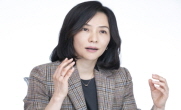
- 이혜영 대표 Mergers have become one of the main survival strategies for global multinational pharmaceutical companies. In addition to buying new substances, companies are also making synergy, absorbing companies that own pipelines with high potential. BMS is one representative example of such successful mergers. When the power of its portfolio declining with the patent expiration of blockbuster drugs such as 'Baraclude Tab.', the company decided to acquired Celgene, the company that owns ‘Revlimid,’ the drug that recorded the highest sales among prescription drugs at the time. In addition to CAR-T therapy, Celgene owned various candidate substances in various areas including blood cancer. In addition, the company also signed an agreement to copromote ‘Opdivo’ with the Japanese pharmaceutical company ‘Opdivo,’ to build competitivity in the oncology sector. Its Korean subsidiary is also working to quickly conclude the merger process and make the next leap with the organizational restructuring. In this whirlwind of change, the company has newly welcomed a new leader. Hye-Young Lee, who has serves as the founding Country Manager of BMS, is dreaming of a new heyday at BMS with her appointment in July. Dailypharm met with the new Country Manager. -It hasn’t been long since you took office. Some might think it is too early to conduct an interview. Is there a reason why you decided to do the interview at this time? I wanted to publicize BMS as it is now. Since we have not conducted many external activities, including media activities, I thought that our business scale and the potential for growth has not been well known. Although there are still a lot of things that I would need to understand in terms of business, I thought it would be good to start by relaying the changed status of our company and its future direction. -You have been a Country Manager before, but this is a new company. What was your first impression about BMS?? As I had only known the company as a member in the same industry before, I was surprised in many aspects after joining the company. BMS's business scale, global presence, and pipelines were much stronger than I expected, and the company owns various industry-leading promising pipelines. -Could you introduce some of those strong pipelines? BMS’s main pipeline cover the 5 fields including Cardiology, Hematology, Oncology, Immunology, and Neuroscience. More than 50 new drug candidates for more than 40 diseases are being developed in these five areas. Based on those that received current domestic or FDA approval, we have Revlimid and Sprycel in Hematology, as well as Onurec, Inrevic, and Reblozyl that were additionally approved this year. In addition, two CAR-T treatments approved by the FDA are receiving much anticipation these days. Our cardiovascular pipeline has been further strengthened by acquiring a company called Myokardia, and there is a treatment for hypertrophic obstructive cardiomyopathy that was approved by the US FDA this year. This first-in-class treatment with a new mechanism of action has been receiving high expectations. We cannot disclose details as it has not been approved in Korea yet, but we are working hard to introduce it quickly to domestic patients. In terms of Immunology, there are treatments for plaque psoriasis and ulcerative colitis with a new mechanism of action that has been recently approved by the FDA. In addition, the treatments it acquired from Turning Point Therapeutics are also from a new class but is yet to be approved in Korea. -BMS two new CAR-T therapies, Breyanzi and Abecma. The two are also in the process of approval. When looking at existing cases, simply introducing CART-T therapies is not enough, and many other preparations are needed for their prescription. How are you preparing for this part? As CAR-T is an innovative therapy that is needed by many patients in Korea, we are continuously reviewing the preparations necessary for the patients in need of treatment in Korea. However, as mentioned, use of CAR-T therapies require various considerations and preparations, therefore, its introduction requires more time. One encouraging fact is that a clinical trial is planned for one of the CAR-T therapies in Korea. It is expected that the experience we are accumulating with clinical trials will be helpful when introducing CAR-T treatments in the future -If you look at BMs, the company is actively engaging in mergers, joint development, and promotion activities. Is there a possibility of expanding such partnerships with Korean companies? Open innovation is the DNA of BMS, to such an extent that 60% of the BMS pipeline has been secured through open innovation, and 40% of current sales were accrued from drugs developed through open innovation. We also plan to actively carry out open innovation in Korea, and a lot of clinical trials are already underway. There are 50 clinical trials in progress in about 20 pipelines in progress in Korea. Unlike the past, where many clinical trials for new drug development were traditionally conducted in the US and Europe, Korea is now in the spotlight in conducting early-phase clinical trials, and is also considered one of the most important countries in terms of expansion. One aspect I found impressive after joining the company was in the number of early clinical trials being conducted in Korea. 6 Phase I clinical trials are underway, and the company is also seeking ways to collaborate with one of the country's major hospitals for basic research related to oncology and hematology.
- Company
- MET-targeted anticancer drug Tabrecta reattempts reimb
- by Eo, Yun-Ho Oct 31, 2022 06:06am
- Once again, the MET-targeted anticancer drug Tabrecta is attempting to receive insurance reimbursement in Korea. According to industry sources, Novartis Korea has recently started the reimbursement process for Tabrecta (capmatinib in Korea. As the agenda was unable to pass deliberation by the Health Insurance Review and Assessment Service’s Cancer Disease Drug Committee deliberations in August, whether the company will succeed in its second attempt for reimbursement remains to be seen. MET mutation is a rare type of cancer that is present in approximately 3-4% of patients with non small-cell lung cancer (NSCLC). No treatment option had been available in the type until now. Tabrecta targets c-MET and was first approved as a treatment for MET exon 14 skipping mutation in NSCLC in May 2020. The drug’s efficacy was confirmed through the GEOMETRY mono-1 trial in 97 patients with METex14. In the pivotal GEOMETRY mono-1 trial, Tabrecta demonstrated a 68% objective response rate (ORR) and 41% ORR in treatment-naïve and previously treated patients, respectively. The duration of response (DoR) was 12.6 months and 9.7 months, respectively. Meanwhile, Novartis is also actively studying the combined use of Tabrecta respective drugs with other therapies. In particular, the combined use is expected to be able to address the issue of resistance that patients acquire after treatment with EGFR inhibitors. As such, combined use of Tabrecta with AstraZeneca’s 3rd generation EGFR TKI Tagrisso (osimerbinib) is also underway. More specifically, the study will evaluate the treatment effect of Tabrecta+Tagrisso in comparison to platinum- based chemotherapy in NSCLC patients with epidermal growth factor receptor (EGFR) mutation, T790M negative, MET-amplified who progressed following treatment with 1st/2nd generation EGFR tyrosine kinase inhibitors (TKIs) or Tagrisso.
- Policy
- Koselugo & Retevmo's benefit registration can be shortened
- by Lee, Tak-Sun Oct 31, 2022 06:06am
- The registration of drug benefits such as Koselugo and Retevmo, which are currently under evaluation, is expected to be shortened by 30 days. This is because the NHIS and the HIRA have decided to shorten the benefit registration period for drugs used in life-threatening diseases. Koselugo and Retevmo are drugs licensed through the Ministry of Food and Drug Safety's rapid screening system and are considered life-threatening or significant treatments. This fact was revealed in the HIRA's written answer to the question asked by Rep. Seo Young-seok of the Democratic Party of Korea during the parliamentary audit on the 20th. Seo asked about "a specific plan to strengthen the information sharing and cooperation system among related ministries related to enhancing the consistency between the rapid review system of the Ministry of Food and Drug Safety and the review of benefit registration." The HIRA said, "We want to shorten the insurance registration period of the drug by shortening the period required for negotiations on the NHIS' drug price at the same time as we evaluate the drug used for life-threatening diseases," adding, "We will try to provide related data to the NHIS so that patients can receive health insurance benefits as soon as possible." Currently, opinions are being collected on ways to shorten the period of benefit registration for severe and rare drugs without alternative drugs. The HIRA and the NHIS are set to take effect in November. The main content is that the HIRA provides preliminary data on the drug to the NHIS before the Drug Benefit Evaluation Committee, which will shorten the negotiation by 30 days by conducting preliminary negotiations. There are three life-threatening or serious disease treatments currently being reviewed by the HIRA: Koselugo, a type 1 treatment for childhood neurofibroma over the age of 3, Retevmo, a treatment for metastatic non-small cell lung cancer, and Rybrevent, a treatment for patients with local progressive or metastatic non-small cell lung cancer. However, Rybrevant has voluntarily withdrawn its application for a decision due to reasons such as the supplementation of data. If Koselugo and Retevmo are scheduled to be deliberated by the committee, they will engage in preliminary negotiations with the NHIS. Accordingly, if the appropriateness of the benefit is recognized, the main negotiation with the NHIS will end within 30 days. If it took 75 days from the holding of the existing committee to the drug price negotiation, the registration will be decided 45 days from now on.
- Company
- Samsung Biologics surpassed ₩2 trillion in sales
- by Kim, Jin-Gu Oct 31, 2022 06:06am
- Samsung BioLogics surpassed 2 trillion won in cumulative sales in the third quarter. It exceeded 1.568 trillion won in annual sales last year in three quarters. On the 26th, Samsung BioLogics announced that it achieved 873 billion won in sales and 324.7 billion won in operating profit in the third quarter. Both sales and operating profit rose 94% year-on-year. Cumulative sales are 2.358 trillion won on a consolidated basis. It is the first time since its foundation that Samsung BioLogics has surpassed 2 trillion won in sales. ◆ Samsung BioLogics exceeded sales last year in three quarters Samsung BioLogics explained that it recorded cumulative sales of 1.6896 trillion won and an operating profit of 659.5 billion won in the third quarter, exceeding its annual performance last year (sales of 1.568 trillion won and operating profit of 536.5 billion won). Samsung BioLogics incorporated Samsung Bioepis as a 100% subsidiary in April this year. Samsung BioLogics explained that this results from increased sales of raw material drug CMO (consignment production) and increased profits of CDO (consignment development). On top of that, it added that the rise in the exchange rate led to improved performance. Samsung BioLogics plans to strengthen its business by operating its fourth plant in earnest and expanding orders for CDMO. Samsung BioLogics' fourth plant has the world's largest production capacity with a total of 240,000 liters. It started partial operation this month and will be in full operation next year. When the fourth plant is operated next year, Samsung BioLogics' production capacity will be expanded to 604,000 liters. It is the largest in the global CDMO industry. In the CDO business sector, it has expanded its portfolio by launching a new dual antibody platform called 'S-dual'. The cumulative number of orders is 73 for CMO and 100 for CDO. Cumulative charges amount to $8.5 billion (about 12 trillion won). ◆ Samsung Bioepis' performance decreases Samsung Bioepis recorded 269.8 billion won in sales and 77.9 billion won in operating profit in the third quarter on a separate basis. Sales fell 0.5% year-on-year and operating profit fell 23%. In the third quarter of last year, it received licensed milestones for U.S. and European products. Although its performance declined due to the base effect, the company explained that sales and operating profit are steadily growing this year as product sales growth in the global market. Samsung Bioepis is selling a total of six biosimilars in the global market. In the third quarter of this year, it obtained U.S. permission for the "Humira" biosimilar (SB5) high-concentration formulation. It plans to complete phase 3 clinical trials of Prolia biosimilar (SB16) and Stella biosimilar (SB17) within this year.
- Company
- The commercialization of Camzyos is expected in Korea
- by Eo, Yun-Ho Oct 28, 2022 05:57am
- It is expected that the new HCM drug Camzyos will be commercialized in Korea. According to related industries, BMS Pharmaceutical Korea recently submitted an application to the Ministry of Food and Drug Safety for permission for the NYHA Class 2-3 (class II-III) HCM treatment Camzyos. Camzyos is acquired by BMS for $13.1 billion in 2020 and is a PO drug that targets and inhibits cardiac myosin for functional treatment and symptom improvement of HCM. Camzyos, which was approved by the U.S. FDA in April, is the first and only cardiac myosin inhibitor targeting the source of obstructive hypertrophic cardiomyopathy and has a mechanism to reduce heart muscle contractility and left ventricular hypertrophy by inhibiting the cross-binding formation of excessive myosin actin activity. This drug confirmed efficiency through a phase 3 clinical study of EXPLORER-HCM. As a result of the study, it was found that exercise ability, LVOT closure, NYHA function class, and health status were significantly improved in the Camzyos administration group. 37% of the Camzyos administration group achieved a complex primary evaluation variable defined by achieving pVO2 1.5mL/kg/min improvement, NYHA class improvement, or pVO2 3.0mL/kg/min improvement without NYHA class deterioration, compared to around 17% of these patients in the placebo group, and the most common side effects in the clinical case were dizziness and fainting. Meanwhile, BMS recently submitted an application to the FDA for approval to expand the indication to reduce the need for Camzyos' SRT (Septal Reduction Therapy).

- Company
- Zerbaxa's benefit in 5 Years
- by Oct 28, 2022 05:57am
- After five years of domestic approval, the MSD super antibiotic "Zerbaxa (Ceftolozane/Tazobactam)" was registered. It is expected to help reduce the recent surge in carbapenem antibiotic resistance. MSD Korea held a press conference at the Koreana Hotel in Jung-gu, Seoul on the 27th to commemorate the registration of Zerbaxa, a multidrug-resistant antifungal antibiotic. Zerbaxa is a combination of new cephalosporin-based antibiotics Ceftolozane and beta-lactam degrading enzyme inhibitors Tazobactam. In response to the main resistance mechanism of pseudomonas aeruginosa, it has proven its activity in multidrug-resistant pseudomonas aeruginosa and ESBL-producing intestinal bacteria. ESCMID and IDSA recommend Zerbaxa as the first treatment in severely infected patients who are difficult to treat due to carbapenem-resistant pseudomonas aeruginosa. Antibiotic resistance has been an issue that has emerged worldwide for many years. In 2016, the British government predicted that 700,000 people worldwide die of antibiotic-resistant bacteria every year and that the death would reach 10 million by 2050 unless special measures were taken. In response, the World Health Organization (WHO) proposed an "Action Plan" in 2015 to prevent the occurrence and spread of resistant bacteria across borders and urged national countermeasures and international cooperation. Korea is also not free from antibiotic resistance. As the use of carbapenem, a wide range of antibiotics increased, the number of strain infections resistant to carbapenem antibiotics increased. According to the Korea Centers for Disease Control and Prevention, 23,311 CRE infections were classified as second-class infectious diseases last year, up 28.7% from the previous year. This year, 24,009 cases of infection were reported by October, already exceeding the number of infected people last year. In particular, it is analyzed that the use of antibiotics increased during the COVID-19 epidemic, which did not have adequate treatments, encouraging resistance. Choo Eun-joo, an infectious medicine professor at Soonchunhyang University Bucheon Hospital, who attended the meeting, said, "In the early 2000s, I didn't think much about carbapenem resistance. However, resistance has increased to more than 80% in eight years, he said. "In Korea, the problem of antibiotic resistance is likely to become more serious due to the rapid aging and the expansion of long-term care facilities." "Antibiotic resistance causes serious problems in that it limits the treatment options that can be selected," he explained. Carbapenem is an antibiotic that was considered the last alternative in severely infected patients. Before the Zerbaxa license, there was no antibiotic that could be replaced if carbapenem resistance occurred in Korea. The American Society of Infectious Diseases presented various new antibiotics as alternative drugs, but Zerbaxa was the only drug in Korea that was approved and released. However, Zerbaxa has been in a state of non-reimbursement for five years due to difficulties in economic evaluation. This is because Zerbaxa was considered to be cost-effective because other antibiotics selected as alternative drugs were so inexpensive. Usually, patients were not convinced that antibiotics were used as non-reimbursement, so Zerbaxa was rarely used in the field for five years. During that period, the number of cases of CRE infection more than quadrupled from 5,717 to 24,000. Professor Choo said, "Even if the effect of Zerbaxa was twice as high as before, the cost was more than 10 times different, so I had no choice but to use colistin, which came out 40 years ago, and this drug was less effective than a new antibiotic and had poor kidney function." Dramatically, as the government included antibacterial agents in the PE exemption list, there was an opportunity to register Zerbaxa's reimbursement. Since October, Zerbaxa has been reimbursed in cases where carbapenem antibiotics have failed to treat complex intra-abdominal infections, complex urinary tract infections, and in-house infectious pneumonia, or if multidrug-resistant rust bacteria have been proven. Professor Choo predicted that Zerbaxa's benefits will help reduce carbapenem resistance. Choo said, "It is difficult to see a dramatic effect in a short period of time, but it will generally reduce cases of infection with Zerbaxa." Of course, Zerbaxa also poses a risk of developing resistant bacteria in the future if its usage increases. No matter how severe a patient is, antibiotics should be used properly to create fewer resistant bacteria and receive other new treatments," Choo said. "In particular, long-term care facilities increase, and antibiotics are frequently used without knowing what resistant bacteria are present. The best way to reduce resistance is to use antibiotics well, Choo explained.
- Opinion
- [Reporter’s View]Raising price of cold medicines not enough
- by Lee, Tak-Sun Oct 28, 2022 05:56am
- With the shortage of cold medicines remaining unresolved, the government proposed a drug price increase as its final card. The government decided to first take price adjustment applications for dispensed drugs that contain acetaminophen, which is cheaper than other cold medicines. The government had been implementing support measures such as monitoring supply and demand and easing GMP inspections among others to increase the supply of cold medicines that have been lacking due to COVID-19. Also, the government will exclude the amount used for COVID-19 patients from the amount counted for the price-volume agreement system. However, the measures weren’t enough to resolve the shortage. This was why the MFDS Minister Yu-Kyung Oh brought up raising the drug price at the NA Audit as the final card, saying that no other cards were left. Given that this came from the head of the MFDS, not the Ministry of Health and Welfare which is in charge of the price increase, reflects the limitations and frustrations in the support measures for expanding the manufacture of cold medicines so far. However, just a superficial drug price increase will not be enough to resolve the issue, because the ceiling price set for dispensed acetaminophens is too low. Currently, the ceiling price of the dispensed acetaminophen is set at KRW 11-32 for the 0.5g, KRW 26 for the 0.16g, KRW 29 for the 0.325g, and KRW 43-51 for the 0.65g strength. Considering how the over-the-counter 0.65g strength is sold at KRW 200 per tablet, pharmaceutical companies have no choice but to be less active in selling their drug for dispensing purposes. From the companies’ perspective, putting more weight on the over-the-counter products sold at pharmacies or supplying more expensive prescription drugs instead of acetaminophen helps improve company profits. Therefore, the industry believes the government’s price increase will not make a significant impact in increasing the supply if the increased amount is in a superficial range. If the government is to raise the drug price, the rate should be at the extent that considers the suppliers' needs. Moreover, the price should be raised soon. Considering the development of the COVID-19 crisis, applying the price increase in February next year after undergoing all administrative procedures will be too late. Of course, strict screening and negotiations to facilitate smooth supply are required, but if the purpose of the measure is to immediately increase the supply, the procedure should be boldly omitted. Also, prompt action must be taken in advance, as suppliers are likely to stock up on products and defer sales until the price increase is applied. Therefore, the government should also require companies to commit to expanding their supply along with the price increase. The price increase of cold medicines this time is made largely for the public interest of allowing the timely provision of such drugs to patients and long-term care institutions by expanding supply. In consideration of this, the government and pharmaceutical companies should closely work together to achieve the desired effect with the price increase measure.
