
- LOGIN
- MemberShip
- 2026-05-11 17:34:30
- InterView
- Takeda will lead industry with focus on Oncology
- by Eo, Yun-Ho Feb 02, 2023 05:47am
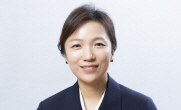
- A company has achieved evolution through aggressive investment in line with the current trend. Through such evolution, Takeda Pharmaceuticals has become renowned as a 'Big Pharma' rather than a 'Japanese company' from some point. The company had previously focused on OTCs and chronic diseases such as diabetes and hypertension. However, through various small and large M&As, the company quickly secured pipelines for anticancer drugs and rare diseases. Until now, the company conducted four M&As, starting with Millennium Pharmaceutical in 2008, Nycomed in 2012, ARIAD Pharmaceuticals in 2017, then Shire in 2018. As a result, the company has been actively releasing advanced anticancer drugs in the oncology market, including the PARP inhibitor ‘Zejula and the’ EGFR Exon 20 insertion mutation targeting ‘Exkivity.’ Also, the company has made constant progress in treating hematologic cancers with products such as ‘Ninlaro,’ and ‘Adcetris.’ Dailypharm met with Sun Jin Lee, Head of the Oncology Business Unit at Takeda Pharmaceuticals Korea to seek insight into the company’s vision and future. Sun Jin Lee, Head of Oncology BU at Takeda Pharmaceuticals Korea-Could you give us a brief introduction of yourself? I first started my career in the industry as a peritoneal dialysis Product Manager at Baxter. Since then, I also was in charge of high blood pressure treatment products for 3 years and then served as a marketing manager for the circulatory system division for 3 years at Boehringer Ingelheim. After joining Takeda Pharmaceuticals in 2017, I first worked for over 3 years in the hemophilia BU and was involved in the domestic launch of ‘Adynovate,’ etc. After that, I was assigned to Takeda’s Asia-Pacific office and worked in Singapore for 1 year. Last year, I returned to Korea after being appointed the head of Oncology BU at Takeda Pharmaceuticals Korea. In other words, I have worked in marketing throughout my entire career in the pharmaceutical industry. - Takeda has been known to have undergone many changes. In the Oncology BU, the role of its head would have increased significantly with the reimbursement listing and prescriptions of the company’s oncology products. What area did you focus most greatly on last year? I have been with the Oncology BU for about 7 months now. As the head of the BU, I feel the greatest responsibility in performance delivery. This is the basic goal for all business units. Takeda’s fiscal year begins in April, therefore we are in our last quarter right now. Currently, we are focusing on achieving the performance target we set for the last year. My next area of focus was in strengthening the organization. After being assigned to the unit, I had a certain observation period, then focused on strengthening the internal capability of our unit. So I am focusing externally on performance, and internally on our human resources. In particular, only one manager had been assigned to manage all our oncology products despite our increasing portfolio. So we appointed additional managers and divided the work by disease area to increase efficiency. - What do you think is the most important competency required to be a marketer in the Oncology BU? Brand managers (BMs) in each unit have their own strengths and weaknesses as well as various abilities. Having experienced Primary Care and rare diseases firsthand, I believe anticancer drug brand managers should basically have an underlying respect for the patients and their life. In the Oncology BU, we consider various activities such as patient programs and directions to improve access to treatments. Many of these programs cannot be carried out if we are profit-focused or sales-focused. Therefore, I thought it would be difficult for our managers to understand how we carry out our activities if they do not have experience and patient-centricity at heart. Also, our managers need to have the ability to quickly acquire, examine widely, and draw out the essence of the flood of information. There is always a lot of up-to-date data on anticancer drugs. So you have to be able to read out the trend of the entire therapeutic area, including those about competing drugs. Otherwise, you will not be able to communicate with healthcare professionals. sb-The word all-comer is mentioned often during discussions on the reimbursement of anticancer drugs in Korea. Zejula was one representative example of such a drug last year, and more are expected to come this year. However, Korea has been conservative in reviewing these drugs for being less effective and having lower-level results. That is a very difficult issue. Our primary consideration is what will benefit the patient the most. This is also true on the doctors’ part. Pharmaceutical companies obtain permission based on clinical data and then promote drugs based on approved indications. And this will continue to be the same in the future. Doctors as clinicians will use the drug when they feel that the drug is beneficial and needed by the patient. The decision is entirely at the discretion of the doctor. - Exkivity was released this month and is receiving much attention from academic societies. The company would also have rising expectations for the product. Exkivity was approved in Korea last July and released on the 1st of this month. One significant aspect of the release is that we released the drug for the first time in Asia in Korea. Also, Korea is the 5th country in the world to obtain marketing authorization for Exkivity. Being the first oral anticancer drug that targets the EGFR exon 20 insertion mutation, we expect eligible patients to benefit greatly from our release.
- Company
- Takeda's Exkivity launches as non-reimbursement
- by Eo, Yun-Ho Feb 01, 2023 05:52pm
- EGFR Exxon 20 insertion mutation target anticancer drug Exkivity, which is eaten by Takeda Pharmaceutical Korea, will be released as non-reimbursement in February. EGFR Exxon20 insertion mutation Non-small Cell Lung Cancer treatment Exkivity targets biomarkers such as Rybrevant of Janssen Korea, but there is a difference in that it is an oral drug. The EGFR Exon 20 insertion mutation is a biomarker that has recently attracted new attention in the field of non-small cell lung cancer. Currently, prescribed anticancer drugs are suitable for Exon19 deficiency or Exon21 L858R substitution mutation, which is commonly found in EGFR mutations, but EGFR Exon20 was still a blind spot. The benefit is still unknown. As Rybrevant failed to pass the HIRA, it remains to be seen whether Exkivity can succeed in registering. Takeda has yet to submit an application for Exkivity's benefit. Exkivity proved its effectiveness through phase 1/2 of 114 patients with EGFR Exxon20-inserted mutated non-small cell lung cancer who had previously undergone platinum-based chemotherapy. Clinical results showed that the ORR evaluated by IRC was 28% and the mDOR was 17.5 months in the group of patients taking Exkivity 160 mg. In particular, the median reaction time after administration of Exkivity was 1.9 months, and it was confirmed that the drug effect appeared rapidly from the beginning of treatment. The mPFS was 7.3 months and the mOS was 24.0 months. The safety profile was also shown to be good. The most common adverse reactions were diarrhea, rash, and fatigue, which can be managed by adjusting the dosage.
- Company
- JW Pharma develops new drugs with Merck Life Science
- by Lee, Seok-Jun Feb 01, 2023 05:55am
- JW Pharma is expanding AI technology from new drugs to raw drug research fields to increase R&D efficiency. JW Pharma announced on the 30th that it recently signed a business agreement with Merck Life Science in Germany to research and develop raw materials for new drugs using AI. Merck offers its AI software Synthia to JW Pharma. Synthia is a program that quickly analyzes and provides the synthesis route of raw drugs in the new drug development stage. Merck's Custom Synthesis Lab's know-how in synthesizing new materials is also consulted with JW Pharma. JW Pharma's raw material research center plans to actively utilize Synthia for research on the synthesis of its new drug candidates. It is expected to reduce research time and cost on the method of preparing compounds to be used in non-clinical and clinical trials. Based on the synthesis conditions proposed by Synthia, it also plans to establish an unmanned automated laboratory environment in which robots synthesize raw materials 24 hours a day on behalf of researchers. Lee Nam-gu, CEO of Merck Science and Lab Solutions Business, emphasized, "Synthia can derive solutions with more than 100,000 rules and sophisticated algorithms and use them for patent applications and papers as well as developing new drugs." Shin Young-seop, CEO of JW Pharma, said, "The company is conducting various open innovation activities with bio companies with innovative AI technologies to strengthen the pipeline of new drugs discovered through its own R&D platform. "The cooperation with Merck in automated synthetic research will serve as a cornerstone for efficiently conducting JW's various new drug studies," he said.
- Policy
- South Korea will maintain its EU whitelist
- by Lee, Hye-Kyung Feb 01, 2023 05:54am
- Korea will continue its status as an exempt country from submitting GMP written confirmation while maintaining its EU whitelist. The Ministry of Food and Drug Safety (Director Oh Yoo-kyung) announced on the 30th that Korea has maintained its status as a registered country in its first regular re-evaluation since it was listed on the EU Whitelist (GMP written confirmation exemption country) for the 7th time in the world in 2019. It is interpreted that maintaining the status of a registered country is once again recognized that the domestic drug manufacturing and quality control standards (GMP), the Ministry of Food and Drug Safety's GMP-related regulatory system, and domestic raw drug manufacturers that comply with it are world-class. South Korean pharmaceutical companies expect to reduce the time required by more than four months by exempting the submission of GMP written confirmation when exporting raw materials to the European Union and to help the domestic pharmaceutical industry grow. As of 2021, EU countries' exports ($468,170,000) accounted for 23.7% of Korea's total exports ($1,971,426,000). EU whitelist refers to a list of countries that are exempt from submitting GMP written confirmations if they are recognized as equivalent to the EU by evaluating the manufacturing and GMP of non-EU countries that want to export raw drugs to Europe. Korea, which was listed in 2019, received regular re-evaluation in December last year as it was evaluated based on 10 areas (78 indicators) and re-evaluation to maintain the listing was conducted every three to five years. "The maintenance of the status of the EU whitelist is internationally and objectively recognized for Korea's regulatory capabilities and industrial excellence," said Oh Yoo-kyung, head of the Ministry of Food and Drug Safety. "Our government will boldly change regulations that hinder domestic companies from entering overseas and competing to global standards." The Ministry of Food and Drug Safety expects that maintaining the status of a registered country will also help the government realize a global central country, and will continue to push for regulatory innovation leading international standards to promote and expand its entry into the global market based on regulatory and quality competitiveness in the domestic pharmaceutical sector.
- Company
- Clotinab, exclusive in the bio-anti-hemolysis market
- by Nho, Byung Chul Feb 01, 2023 05:54am
- In the anti-hemorrhagic biopharmaceutical market, Korean biosimilar Clotinab is dominating the market. According to data on drug distribution performance, ISU ABXIS Clotinab's 2021 performance was 2.8 billion won, dominating the Abciximab biosimilar market. The sales of the product in 2018, 2019, and 2020 are 3,048 million won, 2,920 million won, and 2.94 billion won, and the cumulative performance of 3Q in 2022 is about 1,88 billion won. Clotinab's dominance is attributed to the withdrawal of the original biopharmaceutical Lilly Reopro from the market. Clotinab, the first antibody biosimilar title in Korea, challenged Reopro, which boasts 400 billion won in global sales in 2007. In the early days of its launch, it recorded around 400 million won in performance, but gradually expanded its scope by passing the so-called "Big 5" hospitals DC such as Seoul National University Hospital, Asan Hospital, Severance Hospital, St. Mary's Hospital, and Samsung Seoul Hospital. It is understood that the decisive cause of crossing the barrier to entry into the original drug lies in securing drug equivalence with relatively low drug prices. The drug price of Clotinab 2.5ml·5ml is listed at 315,084 won and 378,102 won, while Reopro's insurance price was 472,627 won, about 100,000 won higher. Reopro was completely withdrawn from the domestic market in 2017, with the appearance of around 10 million won. This drug is used as an auxiliary treatment for Heparin and Aspirin to prevent ischemic heart complications in high-risk patients during PTCA procedures. As a medication guide be careful of antithrombotic drugs, bleeding can be suspected if symptoms such as brown urine, dizziness, and headache appear during administration. In addition, patients who are about to undergo procedures and surgeries that are expected to bleed should stop administering drugs for a certain period of time because they may have difficulty stopping bleeding.
- Company
- Imfinzi expands biliary cancer indication
- by Feb 01, 2023 05:54am
- AstraZeneca Korea held a press conference on the 31st to commemorate the approval of its immuno-cancer drug Impinzi"Although there are few clinical patients, effectiveness improvement and safety performance" A new option for immuno-cancer drugs has been born in biliary tract cancer, where chemotherapy has long been the standard treatment. The medical staff said, "We improved the treatment of biliary tract cancer, which has not progressed for more than 10 years." Imfinzi's biliary tract cancer indication is the first immuno-cancer drug. In particular, it is significant in that the beginning of the clinical trial of researchers, which became the basis for permission for biliary tract cancer indications, is Korea. The study could begin after Oh Do-yeon, a professor of oncology at Seoul National University Hospital, actively persuaded pharmaceutical companies. Biliary tract cancer is a rare and aggressive gastrointestinal cancer consisting of cancer cells from the bile duct, gallbladder, or papilla. Early biliary tract cancer has no clear symptoms, and it is not well established who has a high risk of biliary tract cancer. Early diagnosis is difficult due to the lack of effective screening programs. When diagnosed with biliary tract cancer, most of them have limited treatment options and poor prognoses. Biliary tract cancer does not have a high prevalence like lung cancer or stomach cancer, and the incidence is lower in the West, so there have been relatively few new drug studies. There have been attempts to combine some targeted anticancer drugs, but clinical trials have repeatedly failed. This is why Gemcitabine + Cisplatin, chemotherapy, has still existed as a standard therapy for more than a decade. Professor Oh found out that immuno-cancer drugs responded relatively high in biliary tract cancer about 10 years ago, and persuaded AstraZeneca to conduct a researcher clinical trial. The possibility was confirmed here, leading to the third phase of the global market. Professor Oh designed the clinical design after a long discussion as a PI. The TOPAZ-1 study results were successful. The Impinzi group improved the overall survival rate (OS) by 20% compared to the placebo group (placebo+ Gemcitabine + Cisplatin). At the time of 2 years, the OS of the Impinzi group was 25%, which was more than twice that of the placebo group. mPFS was 7.2 months in the Impinzi group, an improvement of 25% compared to 5.7 months in the placebo group. In terms of safety, the safety profile was similar to that of the placebo group. Professor Oh, who attended the meeting, said, "I was very happy to see the safety profile as well as the effectiveness of phase 3 clinical results." "Even though we added Impinzi, the adverse reaction was similar to that of the placebo group," he said. "The rate of discontinuing treatment with drugs was rather less than that of the placebo group." The U.S. Food and Drug Administration (FDA) approved Imfinzi biliary tract cancer indications based on Professor Oh's clinical and TOPAZ-1 results. Furthermore, NCCN recommended Impinzi as the standard treatment (Category 1) in the primary treatment of progressive and metastatic biliary tract cancer. For the first time, immuno-cancer drugs were listed as the first standard treatment option, which had only chemotherapy. It is a very unusual case that the clinical trial of researchers initiated by Korean medical staff led to global approval and standard treatment. Professor Oh said, "The TOPAZ-1 clinical trial is drawing attention in that it has proven improved results in efficacy and safety despite the relatively small number of participating patients at 685, and its interest has been confirmed at a recent academic conference."
- Opinion
- [Reporter’s View] CDDC continues to raise controversy
- by Eo, Yun-Ho Feb 01, 2023 05:54am
- The Cancer Disease Deliberation Committee has settled as the highest threshold in reimbursement for anticancer drugs in Korea. This expert committee, which is a mandatory step for reimbursement in Korea, has put many anticancer drugs through an ordeal, to the extent that it was coined the ‘wailing wall’ to reimbursement in Korea. The committee, which had originally been launched for the purpose of evaluating the clinical usefulness of anticancer drugs that applied for reimbursement listing, had become ridden with issues after additionally starting a review on each drug’s fiscal impact. Questions were raised on what grounds the CDDC had to analyze the drug’s fiscal impact, and the fairness and objectivity of the review results were also criticized. However, the Health Insurance Review and Assessment Service only disclosed the meeting results and made no other significant change in the operation of the committee. As a result, the CDDC’s power grew stronger, empowering the government with the justification that ‘the doctors that use the drugs said no,’ and the doctors that were selected as members have become priority targets for management by pharmaceutical companies. Recently, controversy arose over the composition of the committee itself. The criticism was that the blood cancer drugs were not properly evaluated due to the high proportion of solid cancer experts in the committee. In other words, it was pointed out that the large proportion of solid cancer specialists with low expertise in hematologic malignancies in the committee made the committee unfit for proper evaluation of blood cancer drugs. In fact, the Korean Society of Hematology and The Korean Society of Blood and Marrow Transplantation had asked HIRA to organize a separate deliberation committee to review blood cancer drugs, but HIRA has been conservative in their response. This is not the first time an issue was raised on the expertise of the committee’s review. The CDDC had excluded direct stakeholders from deliberations in last year’s committee. In other words, doctors who participated in the clinical study of the subject drug were not allowed to attend the committee on the day of the drug’s deliberation. In terms of the purpose itself, the measure was made to secure transparency. However, as the scope of “direct stakeholders” included doctors who participated in PMS – or Phase IV studies – the composition of the committee itself was at a point where the expertise on the drug could not be ensured. Doctors are not financial experts. They are word by word, a medical expert. This is why the government had to explain that financial experts and healthcare experts were added to the CDDC to support the legitimacy of CDDC in evaluating the financial impact made by anticancer drugs. If so, the key role of the doctor in CDDC is to inform the committee of the medical necessity of the drug and the significance of its clinical trial results. An expert committee can no longer function as an expert committee without expertise. CDDC deliberates not any drug, it evaluates long-awaited new drugs for cancer patients. Neither exclusion for transparency nor the proportion of hematological and solid cancer experts should lead to a lack of expertise. With so many voicing the need for change, when will the government continue to argue that there is “no problem?”

- Company
- Sales of statin-ezetimibe combo rise threefold in 3 yrs
- by Chon, Seung-Hyun Feb 01, 2023 05:54am
- Statin-ezetimibe combination drugs greatly expanded their influence in Korea’s dyslipidemia treatment market. Their total prescription amount increased by over threefold in the past 5 years, and its annual market size exceeds KRW 750 billion. In the market, rosuvastatin-ezetimibe combinations drove market growth, and the bulk of generic atorvastatin-ezetimibe combination drugs that were recently released also supported the strong growth. ◆Sales of statin-ezetimibe combos rise from KRW 228.4 billion to KRW 750.4 billion in 5 yrs According to the market research institution UBIST on the 31st, outpatient prescriptions of statin-ezetimibe combination drugs reached KRW 750.4 billion last year, recording a 23.0% YoY increase. Its market size had increased 51.5% in two years from KRW 495.3 billion in 2020. The prescription market for statin-ezetimibe combination drugs had recorded KRW 228.4 billion in 2017 and then expanded over threefold in just 5 years. This analysis is that the increased preference for statin-ezetimibe combinations due to its excellent effect in lowering LDL-C and cost, which is not greater than taking the two drugs separately, has attributed to market growth. Currently, four types of statin-ezetimibe combinations that combine four types of statin - simvastatin, rosuvastatin, atorvastatin, and pitavastatin - with ezetimibe have been introduced to the market. ◆Rosuvastatin·ezetimibe combo occupies 65% of market...atorvastatin·ezetimibe combo expands market In the statin-ezetimibe combination market, rosuvastatin·ezetimibe combinations occupy the greatest share of the market. Last year, rosuvastatin·ezetimibe combination drugs raised KRW 488.5 billion last year, recording a 12.0% YoY increase. This is a 33.1% increase in 2 years from KRW 367.1 billion in 2020. Compared to the KRW 136.6 billion the combination had made in 2017, its market size has increased 257.8% in 5 years. Last year, the rosuvastatin·ezetimibe combination occupied 65.1% of the statin-ezetimibe combination market. Hanmi Pharmaceutical’s Rosuzet was the first product to enter the rosuvastatin·ezetimibe combination market. Hanmi Pharmaceutical entered the market earlier than its competitors by securing the right to use ezetimibe from its patent holder, MSD. Prescription sales of Rosuzet last year recorded KRW 123.2 billion, a 17.4 increase YoY. Among all combinations, the product made the second-most sales for two consecutive years, led only by Lipitor. Rosuzet’s prescriptions rose over threefold in 5 years from KRW 41.5 billion in 2017. Since 2020, sales exceeded KRW 100 billion for 3 consecutive years and showed off its status as the flagship statin-ezetimibe combination drug product. Yuhan Corp’s Rosuvamibe had shown prominence in the rosuvastatin-ezetimibe combination market. Rosuvamibe’s sales recorded KRW 66.8 billion last year, showing a 7.7% YoY increase. Rosuvamibe’s sales rose over twofold in 5 years from the KRW 23.7 billion it had made in 2017. Recently, atorvastatin·ezetimibe combination drugs have shown explosive growth in the market. Prescription of atorvastatin·ezetimibe combination drugs had recorded KRW 197.5 billion last year, which is a 53.4% YoY increase. Also, its market size expanded over fourfold in only 5 years from the KRW 44.2 billion it had made in 2017. The bulk of Atozet generics that entered the market rapidly expanded the market in a short period of time. Until 2020, the only atorvastatin-ezetimibe combination drug available was Organon Korea's Atozet. Then, the market size started to increase with around 100 companies in Korea simultaneously entering the atorvastatin-ezetimibe combination market with their generic versions in 2021. In October 2020, Chong Kun Dang received approval for ‘Lipilouzet’, a combination drug that contains the same ingredients as Atozet. During the same period, 22 companies received approval for their authorized generics of Lipilouzet and were listed for reimbursement from April 2021. Then, 88 more pharmaceutical companies received approvals for their Atozet generics from February 2021 and were reimbursed in May, one month after the reimbursement listing of authorized generics of Lipilouzet. In June 2021, 2 more companies have additionally received approval for their Atozet generics, raising the count of Korean companies that entered the Atozet market to 113. The atorvastatin-ezetimibe combination market had recorded KRW 82.8 billion in 2020 with only Atozet in the market, then grew 138.6% in 2 years after a load of generic drugs entered the market. Atorvastatin-ezetimibe combinations, which had only occupied 19.3% of the total statin-ezetimibe combination market in 2017, rose to 26.3% last year. On the other hand, sales of simvastatin-ezetimibe combinations have somewhat slowed down. Prescription sales of simvastatin-ezetimibe combinations had recorded KRW 35.9 billion last year, which is a 16.6% YoY decrease. Its sales fell for two consecutive years after recording KRW 45.4 billion in 2020. Prescription of simvastatin-ezetimibe combinations last year had decreased 21.0% compared with 2 years ago. Organon Korea’s Vytorin was the original drug to entered the simvastatin-ezetimibe combination market. However, the prescription market gradually shrunk compared to other combinations. In the statin-ezetimibe combination market, the share of the simvastatin-ezetimibe combination had shrunk to 4.8% last year from the 20.9% in 2017. In 2021, JW Pharmaceutical's first pitavastatin and ezetimibe combination, Livalozet, has recently shown good momentum. Pitavastatin is the main active pharmaceutical ingredient used in JW Pharmaceutical's flagship hyperlipidemia treatment, Livalo. Livaloaet was released in October 2021, and the drug made a successful debut raising prescriptions to KRW 28.5 billion last year in the first year of its release.
- Policy
- KMA·MOHW discusses essential healthcare at 1st meeting
- by Lee, Jeong-Hwan Jan 31, 2023 05:59am
- The medical community and the Ministry of Health and Welfare held the first meeting of the Pending Medical Issues Council under the agenda of essential healthcare support measures and reached a mutual consensus. On the 30th, the Korean Medical Association (President: Pil-Soo Lee) and the Ministry of Health and Welfare (Minister: Kyu-Hong Cho) held the first meeting at Conference House Dalgaebi (located in Jung-gu, Seoul) at 4:00 pm. From KMA, Kwang-Rae Lee (President, Incheon Medical Association), Sang-Woon Lee (Vice President, KMA ), Jin-Kyu Park Lee (Vice President, KMA ), and Min-Gu Kang (President, Korean Intern Resident Association) attended the meeting. On the government’s side Hyung-Hoon Lee (Director-General, Bureau of Healthcare Policy at MOHW), Jeon-Kyung Cha (Director, Division of Healthcare Policy at MOHW), Joon Kang (Director, Division of Healthcare Security Innovation), Gang-Sup Lim (Director, Division of Nursing Policy) attended the meeting. The Pending Medical Issues Council was organized for the academic society and the government to discuss major medical issues necessary for promoting public health and developing healthcare in Korea. At the first meeting, the two parties agreed that the objective of operating the consultative body should be to 'strengthen essential healthcare and improve Korea’s medical system'. In addition, the parties agreed to actively discuss various tasks at hand and shared their opinions on how to implement the measures for support that the medical community and MOHW collectively built to support essential healthcare. Also, the KMA and MOHW agreed to continue discussing key tasks that should be implemented to strengthen essential healthcare and local healthcare even after the measures to support essential healthcare are announced. Meanwhile, the second Pending Medical Issues Council is set to be held at 3:00 pm on February 9th.

- Company
- Merck makes large investments in Korea’s science tech
- by Jan 31, 2023 05:59am
- With President Suk Yeol Yoon prioritizing fostering talent in science and technology as the government’s key task, one global company has attracted attention for being committed to strengthening domestic talent in science and technology in Korea. According to industry sources on the 31st, Merck Life Sciences, a global life science company, has long been investing in Korea’s science and technology through awards, researchers and academic society support, and talent development programs. Science and technology directly translate to national competitiveness. This is why countries around the world make efforts to further their competitiveness in science and technology. The US Biden administration emphasized that the development of science and technology will become a 'game changer' in the field of healthcare, and the medical and pharmaceutical industry will become indispensable for national security over the next 10 years. The Korean government has also been prioritizing science and technology in all its policies. At a recent meeting with senior secretaries, President Yoon stressed that growth can only be achieved through scientific and technological innovation, saying, "science and technology are important to ensure sustainable growth of the country." President Yoon also emphasized the importance of science and technology in the past, saying, "This is an era where science and technology are directly linked not only to the nation's future but our survival.” Merck Life Science has shown interest in strengthening Korea’s science and technology from early on. It has been supporting the research of Korean scientists for over 20 years and striving to cultivate pharmaceutical and bio talent with leading universities in Korea. This is a rare case where a global company has taken the initiative to invest in the development of science and technology in Korea. ◆Full support to foster talents that will lead the development of science and technology in the future SNUH Bio-day Specifically, the company signed an academic-industry cooperation and exchange agreement with the Jeonbuk National University College of Pharmacy in 2020. Through the program, Merck provided support for scholarships and mentoring, business development to establish a safe laboratory environment, to foster industry leaders and life-respecting pharmaceutical care experts. The company also supported human and material resources necessary for the research and development of new bio drugs. Since 2021, at Sungkyunkwan University’s Institute of Quantum Biophysics, the company has been collaborating with the school, cooperating in the research and development of diagnosis and disease treatments based on quantum biophysical theory and phenomena. For this, the company has been providing seminars and training programs for knowledge and information exchange, as well as scholarship support and internship programs to procure talent in the life sciences sector. Also, the company has provided opportunities for students to experience the industry and provided information on the pharmaceutical and bio industry. Last year, Merck Life Science participated in the ‘SNU Bio-Day’ hosted by Seoul National University’s Bio-MAX Institute and introduced how the technology of the global company Merck is applied in the field to derive scientific results. Also, the company hosted a field trip to Merck Life Science’s Custom Synthesis Lab as part of the Kiuri Project workshop program run by Seoul National University’s Bio-MAX Institute. ◆Has awarded outstanding scientists in Korea for 20 years...promoting active research Also, the company has been supporting the research activities of scientists in Korea in partnership with prestigious academic societies in Korea through awards. The Sigma-Aldrich Chemist Award that Merck Life Science held with the Korean Chemical Society has celebrated its 20th year this year. The award is given every year to 2 chemists with outstanding research achievements and outstanding creativity in the field of chemistry. This traditional award has a long history and has been given even before the merger of Merck and Sigma Aldrich. The award is presented every year at KCA’s regular autumn conference. Merck The ‘350 Future Researcher Award’ was co-established by Merck and the Korean Society for Molecular and Cellular Biology in celebration of Merck’s 350th anniversary in 2018 to continue supporting research for the next-generation bio-industry. Every year, three first authors (research professors) and postdoctoral researchers that performed outstanding research achievements related to molecular cell biology are selected for the award. The award ceremony is held at the Autumn Conference of the Korean Molecular Cell Biology Association, with lectures by the awardees. For objectivity and transparency, candidates are nominated by regular members of KSMCB, and the awardee is selected through a strict review by the Academic Research Award Committee, without any involvement on Merck Life Science’s part. ◆Merck’s science journal issued a special feature on Korea...shed light on domestic science and technology research Korean Scientist Feature of Material Matters, Merck Merck’s interest in Korean science and technology research can also be seen in its scientific journal. Recently, in its global science journal ‘Material Matters,’ Merck issued a special feature on Korean scientists, introducing 4 renowned professors in Korea and their research Material Matters is a scientific journal prepared to provide information on material science and nanotechnology necessary for scientific research. The journal reviews technologies and their applications by world scholars on a specific subject, and is distributed to research institutes around the world. Korea’s special edition of Material Matters featured:▲Seoul National University Professor Yung-Eun Sung’s discussion on ‘PGM and PGM-free Catalysts for Polymer Electrolyte Membrane Fuel Cells’, ▲Korea Advanced Institute of Science and Technology (KAIST) Professor Byeong-Soo Bae’s review of Sol-Gel Derived Siloxane-Encapsulated Luminescent Nanocrystal Composites for Optoelectronics and Display,’ ▲ Yonsei University Professor Woo-Dong Jang’s research on ‘Poly (2-isopropyl-2-oxazoline)-based Multimodal Stimuli-responsive Functional Materials,’ and ▲Yonsei University Professor Wooyoung Shim’s research on ‘Phyllosilicate Clay Minerals: Principles and Applications’
