
- LOGIN
- MemberShip
- 2026-05-06 13:34:00
- Policy
- Delayed re-evaluation of hyaluronic acid eye drops
- by Lee, Tak-Sun Dec 21, 2023 05:54am
- The re-evaluation of the reimbursement appropriateness of hyaluronic acid (HA) eye drops has ultimately been delayed. On the 7th, the Health Insurance Review and Assessment Service (HIRA)’s Drug Reimbursement Committee decided to conduct an additional review of the re-evaluation item. Similarly, on the 20th, the Ministry of Health and Welfare (MOHW)’s Health Insurance Policy Review Committee was unable to reach a decision. Experts who reviewed the re-evaluation item expressed concerns about the potential impact of limiting the amount of HA eye drops use on other single-use eye drops. As the re-evaluation process goes back to the beginning, it will take some time for the results to be determined. On the 20th, the Drug Reimbursement Committee stated during a meeting that, "Regarding HA eye drops, the evaluation results have indicated that establishing a comprehensive reimbursement criteria on single-use eye drops may be necessary, considering the transition to alternative single use eye drops. We will soon make a final decision on this matter." Initially, based on the initial evaluation report by the Drug Reimbursement Committee in September, HA eye drops were deemed unsuitable for reimbursement for conditions related to exogenous factors, such as post-surgery use, medication-related issues, trauma, and contact lens wear. On the other hand, endogenous conditions like Sjogren's syndrome, Stevens-Johnson syndrome, and dry eye syndrome were found to be appropriate for reimbursement. Yet, it was deemed necessary to establish reimbursement criteria, including restrictions such as limiting prescriptions to one per patient visit and setting an annual prescription limit per patient, to ensure appropriate usage. Considering that endogenous diseases make up more than 80% of all prescriptions, pharmaceutical companies were somewhat relieved by the outcomes of the initial review. In fact, no objections were raised by pharmaceutical companies in response to the initial results. However, there is concern about limiting the volume of use. Pharmaceutical companies have expressed concern about discussions to limit the amount of annual use to four from the current 60 annual uses, as it would reduce the track record by half. Despite these concerns, it is reported that no objections were filed as the re-evaluation results were not too bad. Additionally, revising the reimbursement criteria to limit the amount of use may not be straightforward due to opposing opinions among experts. In fact, some experts have suggested that the review of limiting the amount of use should be withdrawn. With the October parliamentary audit season season, there was a surge of concerns about weakened access for senior patients and potential for higher costs, creating an unfriendly atmosphere towards the HIRA. Despite HIRA's efforts to dispute media reports suggesting a more than tenfold increase in the cost of non-reimbursed drugs, there was an ongoing anxiety among the public. During the parliamentary audit season, there was a strong call from members of opposition party to maintain the reimbursement for HA, and the HIRA seemed preoccupied with appeasing the members. Amidst these developments, there were rumors circulating before the final decision in December that reimbursement might be retained for post-LASIK surgery and other exogenous conditions. This proposal would represent a reversal from the initial review. In these circumstances, it’s reported that consultations with experts regarding limiting the amount of usage have not advanced. Experts voiced concerns about a potential balloon effect after the Drug Evaluation Committee's final evaluation. They anticipated that limiting the amount of use of HA eye drops might increase volume of usage of other single-use eye drops. As a result, there is a prevailing opinion that a review of reimbursement criteria for all single-use eye drops should be conducted. However, it is perceived that if the committee were to review the reimbursement criteria for all single-use eye drops, including HA eye drops, it could be challenging to reaching a conclusion in a short time. "Revising the reimbursement criteria for all single use eye drops would pose challenges in terms of time and gathering expert opinions. Consequently, it is possible that the re-evaluation of HA eye drops may not reach a conclusion," said a representative from the pharmaceutical company. It appears that the HA eye drop companies, which had entered into preemptive contracts with prominent law firms at significant cost, have seen their desires fulfilled.
- Policy
- Braftovi Cap. & Bosulif tablets reimb for the New Year
- by Lee, Tak-Sun Dec 21, 2023 05:39am
- Starting on Jan 1 next month, two anti-cancer drugs will be reimbursed. These drugs include Ono Pharmaceutical Korea’s Braftovi Cap. 75mg (encorafenib) and the 3 Pfizer Korea’s Bosulif tablet tiems. Braftovi has been listed following drug price negotiation with the National Health Insurance Service, and Bosulif was not subject to maximum reimbursement amount negotiations. According to the industry on 19th, two anti-cancer drugs including Braftovi Cap. 75mg and Bosulif tablets in dosages of 100mg, 400mg, and 500mg will be listed for reimbursement starting on Jan 1, 2024. Braftovi tablets are used in combination with cetuximab for the treatment of adult patients who have previously received systemic therapy, with metastatic colorectal cancer (mCRC) harboring a BRAF V600E mutation. In August, both drugs successfully cleared the Health Insurance Review and Assessment Service (HIRA)’s Drug Reimbursement Evaluation Committee review, and in September, they initiated drug price negotiations with the National Health Insurance Service. The pharmaceutical companies agreed to apply the risk-sharing agreement (RSA) scheme, leading to their reimbursement approval. The drugs were applied a refund type and expenditure cap type RSA, with an agreement to submit data, such as duration of life for patients who used the drugs, at the end of the RSA period for evaluation. The maximum listed insurance price is reported to be 56,023 won per tablet. Bosulif is indicated for the second-line or later treatment of adult patients with chronic phase, accelerated phase, or blast phase Philadelphia chromosome-positive chronic myelogenous leukemia (Ph+ CML) who have previously demonstrated resistance or intolerance to neoadjuvant therapy including imatinib. In September, the drugs were cleared by the Drug Reimbursement Committee, and a decision was reached to accept an amount below the standard for negotiation exemption. As a result, negotiations on the maximum listed price with the National Health Insurance Service were bypassed, and agreement was reached only on the anticipated claim amount. The government set the maximum listed prices of Bosulif 100mg, Bosulif 400mg, and Bosulif 500mg at 23,552 won, 62,526 won, and 70,655 won, respectively, per tablet. Bosulif is a second-generation targeted anti-cancer drug available alongside Tasigna, Sprycel, and Supect. It received approval from the U.S. Food and Drug Administration in 2021 but has yet to enter the market in Korea. The competition between Pfizer and industry leaders like Novartis and Bristol-Myers Squibb, who currently dominate the chronic myelogenous leukemia (CML) treatment market, remains to be watched.
- Company
- 30 companies do not fulfill disability employment obligation
- by Kim, Jin-Gu Dec 21, 2023 05:39am
- Twenty-nine Korean pharmaceutical and biotech companies have failed to fulfill their obligations to hire people with disabilities. The Ministry of Employment and Labor added AstraZeneca Korea to the list for 10 consecutive years and Kolon Pharmaceutical for 3 consecutive years due to their failure in fulfilling their disability hiring obligations. On the 20th, the Ministry of Employment and Labor published a list of 457 companies and organizations that are under-employing people with disabilities. As of the end of last year, the list contained 29 local governments and public institutions with a disability employment rate of less than 3.6% and 428 private companies with a disability employment rate below 1.55%. In April, the Ministry of Employment and Labor issued a preannouncement that it would disclose the list and gave the companies until October to fulfill their employment obligations. Even so, 457 organizations and companies have not made any new hiring or recruitment efforts. Of these, 29 were pharma and bio companies. AstraZeneca Korea has been on the list for 10 consecutive years. At the end of last year, AstraZeneca Korea had 372 permanent employees, and while it was required to hire 11 people with disabilities, it did not hire any. In the case of Kolon Pharmaceuticals, the company made it to the list for 3 consecutive years. As of the end of last year, the company was required to hire 11 people with disabilities out of 372 permanent workers but only hired one. Among companies with more than 1,000 full-time workers, Ildong Pharmaceutical also violated its obligations. The company was required to hire 46 people with disabilities but only hired 10. Among businesses with over 500 and fewer than 1,000 employees, companies including ▲Medtronic Korea ▲IQIVA Korea ▲ Abbott Diagnostics Korea ▲ Samjin Pharmaceutical ▲Chong Kun Dang Bio ▲Korea United Pharm ▲Bioneer ▲Reyon Pharm ▲ Daihan Pharmaceutical ▲ Baekje Pharmaceutical Green Cross Laboratories did not fulfill their disability hiring obligations. In the case of Medtronic Korea and Korea IQVIA, they did not hire any persons with disabilities. Among businesses with over 300 and fewer than 500 employees, companies including ▲Roche Diagnostics Korea, ▲AstraZeneca Korea ▲Pharmaceutical Research Associates Korea ▲ Kolon Pharmaceuticals ▲Green Cross EM ▲ Thermo Fisher Scientific Korea ▲Osang Healthcare ▲Johnson & Johnson Korea) ▲C&R Research ▲Pharmbio Korea ▲Sam Chun Dang Pharm ▲Janssen Korea ▲Shinsin Pharmaceutical ▲Seoul Viosys ▲GlaxoSmithKline ▲Myung In Pharm ▲Neobiotech ▲Dong Kwang Pharmaceutical did not fulfill their disability hiring obligations. Roche Diagnostics Korea and AstraZeneca did not hire any persons with disabilities. The Ministry of Employment and Labor announced companies that failed to comply with their hiring obligation to hire people with disabilities and conducted disability awareness training, briefings, and meetings for 6 months. The companies hired 3,477 people with disabilities in the process. Young-Mi Lim, Director of the Inclusive Employment Policy Bureau, said, “In the following year, the government will continue to develop suitable jobs and consult with large companies that have low employment rates. We will also improve the regulations for establishing standardized workplaces for people with disabilities and allow state-linked employment in the government sector so that more companies can participate in hiring people with disabilities."
- Company
- ‘Use of Cosentyx will rise in ankylosing spondylitis’
- by Son, Hyung-Min Dec 21, 2023 05:39am
- On the 20th, Novartis held a media session at its Yeouido headquarters in Seoul on Cosentyx, it Reimbursement for Novartis' Cosentyx has been expanded to the first-line in ankylosing spondylitis in Korea. The rise of the new reimbursed drug option in the treatment of early ankylosing spondylitis, which is added to the existing options of tumor necrosis factor-alpha (TNF-α) inhibitors such as Humira and Remicade, is expected to increase Cosentyx's use in the field. On the 20th, Novartis held a media session at its Yeouido headquarters in Seoul on Cosentyx, it's biologic that inhibits interleukin (IL)-17A. IL-17 induces the reduction of osteoblasts and causes various inflammatory diseases. Cosentyx has a mechanism of action that directly blocks IL-17, which causes spinal deformity from the earliest stages of the disease including enthesitis. Novartis announced today that Cosentyx’s reimbursement standard had been extended to ankylosing spondylitis on the 1st. Previously, patients were only covered for Cosentyx if they had an inadequate response to one or more TNF-α inhibitors or if they discontinued treatment due to side effects or contraindications. Cosentyx’s reimbursement had been extended to patients with severe active ankylosing spondylitis who have been treated with 2 or more types of non-steroidal anti-inflammatory drugs (NSAIDs) or biologic disease-modifying anti-rheumatic drugs (bDMARDs) for at least 3 months and have discontinued treatment due to lack of benefit or drug side effects. In the long-term MEASURE1 4-year study, approximately 80% of patients using Cosentyx showed a modified Stoke Ankylosing Spondylitis Spine Score (mSASSS) of less than 2 over 4 years, showing no progression of spinal deformation. Cosentyx showed sustained effectiveness at all doses and formulations, regardless of age and disease duration. The MEASURE2 study also demonstrated that treatment with Cosentyx improved key symptoms of ankylosing spondylitis, including early morning stiffness, spinal pain, fatigue, and nighttime back pain, which was sustained for up to 5 years. Professor Sang-Heon Lee, Professor of Rheumatology at Konkuk University Hospital, said, “The treatment adherence rate of TNF-α inhibitors is not as high as expected, highlighting the limitations of existing treatment options and the need for new treatment options.” Lee added, "People have been switching between TNF-α inhibitors to little effect. Studies have shown that 15.4% of all patients fail treatment. Continuing to use ineffective drugs can be burdensome for patients. It makes medical sense for the patients to attempt a new mechanism of action, such as Cosentyx." The need to start early diagnosis and treatment rises in ankylosing spondylitis Ankylosing spondylitis is an autoimmune disease in which the spine joint becomes inflamed and gradually stiffens. Inflammation of the spinal joints causes pain, stiffness, and other symptoms. If left untreated, the joints can become stiff and become immobile. Ankylosing spondylitis affects a various body systems and can lead to a number of complications. Recognizing the condition is the first step in its treatment, as the disease progresses slowly and patients often don't recognize the early symptoms. Professor Lee said, “Although many patients affected with rheumatism are women aged in their 40s to 50s, spondylarthritis patients are more generally men aged in their teens to 30s. Ankylosing spondylitis occurs in socially active patients, therefore their life satisfaction will decrease. Ankylosing spondylitis often starts with pain in the hips, patients should suspect ankylosing spondylitis if the pain persists. "Ankylosing spondylitis is a systemic inflammatory disease, not just a spinal condition, and is difficult to diagnose early. Patients tend not to notice the stiffness in the morning and the stiffness improves with activity during the afternoon, so they often visit the hospital too late. Recognizing the early symptoms of ankylosing spondylitis and administering medications early can lead to a good recovery. It is important to recognize the condition early on."
- Company
- One-shot Luxterna may soon receive reimbursement
- by Eo, Yun-Ho Dec 21, 2023 05:39am
- The one-shot retinal disease treatment 'Luxterna' is likely to be reimbursed soon. According to industry sources, Novartis Korea completed negotiations for Luxturna (voretigene neparvovec), a treatment for inherited retinal dystrophy (IRD), with the National Health Insurance Service on the 18th. Although the drug pricing negotiations did not reach an agreement by the deadline (60 days). When considering the schedule of the Health Insurance Policy Review Committee, the drug will be reimbursed by February next year at the latest. Luxturna passed the Health Insurance Review and Assessment Service's Drug Reimbursement Evaluation Committee review in July. The company submitted its application for reimbursement benefits in September 2021 but made little progress for a while. Then, the agenda was presented to DREC in March, but failed to set reimbursement standards and started pricing negotiations after reapplying and submitting supplementary data. The government and company had then been unable to reach an agreement in Luxturna's evaluation process due to differences in opinion regarding the terms of the Risk Sharing Agreement (RSA) (refund type, etc.). In this situation, Novartis has submitted supplementary data to apply again for reimbursement, and both the government and pharmaceutical companies have shown a strong will to reimburse the drug in Korea. Even though the brakes were pulled during drug negotiations, the company ended up deriving good results. By replacing the defective or defective RPE65 gene - one of the causes of IRD - with a normal gene, Luxturna restores the visual function of an IRD patient with a single administration. In other words, the drug provides a fundamental cure for IRD. In the US, the drug was granted a Breakthrough Therapy Designation by the FDA in 2014, the drug was approved as an orphan drug in 2016, then was granted Priority Review and a Fast-Track designation in 2017. Meanwhile, the efficacy of Luxturna was demonstrated through a Phase III trial that was conducted on IRD patients with confirmed biallelic RPE65 mutations. Study results showed that the group of patients that received Luxturna demonstrated statistically significant improvements in their functional vision compared to the control group at one year of treatment. Using the mean score of the multi-luminance mobility test (MLMT), which evaluates the ability to complete the obstacle course at low light levels by recreating the daily walking environment, as the primary endpoint at one year of treatment, the MLMT score change in the Luxturna treatment group was 1.8 points, 1.6 points higher than the 0.2 points in the control group.
- Opinion
- [Reporter’s view] Dilemma of compassionate use
- by Son, Hyung-Min Dec 20, 2023 05:41am
- Recently, certain global pharmaceutical companies have decided to discontinue compassionate use of its drugs, which permits patients access to investigational drugs, following the official approval of these drugs in Korea.. Consequently, patients without alternative treatment options are left with no choice but to obtain the drugs at a non-reimbursed price, despite the effectiveness of the treatment. The Ministry of Food and Drug Safety (MFDS) permits an ‘approval system for compassionate use of investigational drugs,’ which is intended for patients with a serious or life-threatening disease or condition, particularly in cases where no alternative treatment options is available. The system is designed to allow patients to access therapeutic drugs, often referred to as “off-label” (prior to receiving official approval for prescription) drugs, typically in situations where there are no other treatment options available. However, there are cases where pharmaceutical companies discontinue compassionate use of drugs once the drugs are officially approved or receive expanded indications. Recently, Norvatis announced that they are discontinuing the supply of two drugs, Rafinlar (dabrafenib) and Meqsel (trametinib), on a compassionate basis for patients with BRAF-positive solid tumors excluding lung cancer. The two drugs were granted approval for the treatment of BRAF-mutation positive malignant melanoma and non-small cell lung cancer. Until now, the two drugs were provided on a compassionate basis to patients with BRAF-mutation positive solid tumors that had no comparable or alternative treatment options available. On the 15th of last month, the combination therapy of Rafinlar and Meqsel received an expanded indication for the treatment of unresectable or metastatic BRAF V600 mutation-positive melanoma. Novartis has stated that due to this updated indication, they are no longer able to supply the drugs for compassionate use. In response, some medical professionals have strongly lodged a complaint against Novartis. Novartis has recently extended the supply of the drug for an additional 6 months, but they have not provided any information regarding the supply of the drug after the specified period ends. There are more cases like Novartis’s. Pfizer, for example, tried to discontinue compassionate use of Lorviqua (lorlatinib), which has shown effectiveness in ALK and ROS1 mutation-positive non-small cell lung cancer, following official approval in Korea in 2021. However, in response to the continued requests from medical professionals, Pfizer reversed its decision to discontinue compassionate supply of the medication. Medical professionals argue that it is unethical to stop supplying compassionate use of drugs to patients without alternative treatment options. Since global pharmaceutical companies put emphasis on social responsibility and on serving the community’s best interests, they should continue providing these drugs as a moral obligation. It's not entirely unreasonable from the pharmaceutical company's perspective. Since pharmaceutical companies have provided the medication off-label, it's understandable that once the treatment is officially approved, patients should follow the approved procedures. However, instead of abruptly transitioning to non-reimbursed administration, it might be more appropriate to establish a grace period through mutual agreement. Corporate social responsibility to serve their community doesn't always involve grand gestures. It's the behind-the-scenes efforts that can make a significant impact on fulfilling the needs of the patients.
- Company
- Marketability of homegrown drugs being tested in the US
- by Chon, Seung-Hyun Dec 20, 2023 05:41am
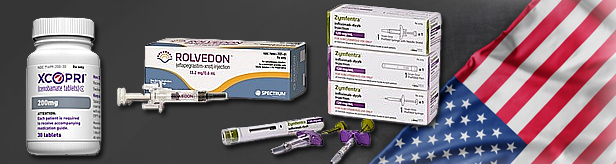
- Domestic pharmaceutical and bio companies are entering the US one after another. GC Biopharma succeeded in entering the US market with its blood product on its third try. Since last year, 3 domestically developed drugs have passed the US market gateway, starting with Hanmi Pharmaceutical and Celltrion. Until now, homegrown drugs that have entered the U.S. were deemed to be far from market success. In this sense, the success potential of homegrown drugs is now being tested in earnest in the US market. GC Biopharma announced on the 18th that it received marketing authorization for its Alyglo from the US Food and Drug Administration on the 15th. ALYGLO is a liquid solution containing immunoglobulin G for intravenous infusion, manufactured from pooled human plasma from US donors. It is used to treat primary humoral immunodeficiencies such as congenital immune deficiency and Immune thrombocytopenia. In Korea, the drug is being sold under the brand name, ‘IV-Globulin SN Inj.’ GC Biopharma was able to pass the barrier to US market entry and receive FDA approval on its third try. GC Biopharma first applied for the approval of its IVIG-SN 5% product at the end of 2015. In November 2016, the company was asked to supplement the manufacturing process data. In September 2017, the authorities again requested GC Biopharma to submit supplementary material, delaying approval. As a result, the company revised its strategy to introduce the more marketable 10% dosage to the U.S. market first. In 2020, it completed the North American Phase 3 clinical trial of IVIG-SN 10% Alyglo and submitted a biologics license application to the FDA in February 2021. However, in February of last year, the company received a notice of delay from the FDA. Due to the COVID-19 pandemic at the time, the review was conducted non-face-to-face in Q4 2021, but the FDA decided to postpone the drug’s approval due to the need for on-site inspection of the manufacturing facility. In April, the FDA team conducted an inspection of the manufacturing facility and quality system, including the fractionation and finishing of IVIG-SN at GC Biopharma’s Ochang plant. After completing the GMP inspection of the Ochang plant, GC Biopharma resubmitted the license application in consultation with the FDA and received final approval this time. Among those made by Korean pharma and bio companies, three homegrown drugs from Hanmi Pharmaceutical, Celltrion, and GC Biopharma have entered the U.S. market since last year. In September last year, the FDA gave the final approval to Spectrum Pharmaceuticals' application for Rolontis (U.S. brand name Rolvedon) Rolvedon Rolvedon is a biological drug Hanmi Pharmacuetical had licensed out to Spectrum in 2012. is administered to prevent or treat neutropenia in cancer patients who receive myelosuppressive chemotherapy in Korea. In Korea, the drug received approval as the 33rd homegrown novel drug in March 2021. Rolontis is manufactured at Hanmi’s Pyeongtaek plant. It is the first Korean biological drug to enter the US market after being produced in a domestic plant that passed the FDA’s on-site inspections. Rolvedon became the 6th new drug developed by a domestic company to clear the FDA approval process. In October, Celltrion received approval from the US FDA to market Zymfentra, a subcutaneous (SC) formulation of its antibody biosimilar Remsima as a new drug. Remsima is a biosimilar product of Remicade. Zymfentra is licensed and marketed in Europe under the name Remsima SC. Zymfentra is Celltrion's first product licensed as a new drug in the United States. ZymfentraThe FDA recognized the product's differentiated value from the approval discussion stage and recommended the company take the new drug approval process. To obtain approval as a new drug, Celltrion conducted two new global Phase III clinical trials. Based on the safe safety and efficacy results demonstrated through the clinical trial Celltrion submitted an application for approval in December of last year in accordance with the FDA's new drug approval process and obtained approval in 10 months. LG Chem’s antibiotic Factive was the first among homegrown new drugs to pass the US gates in 2003. Then, Sivextro that Dong-A ST licensed-out was approved by the FDA in 2014. Then, in 2016, SK Chemical’s hemophilia drug Afstyla received FDA approval. Afstyla is a new genetic recombinant drug that was developed by SK Chemical with its proprietary technology. SK Chemical licensed the drug candidate to Australia’s CSL Behring in the preclinical stage in 2009, and CSL Behring conducted the clinical trials and received approval for the drug in the US and Europe. In 2019, two of SK Biopharmaceuticals’ drugs - the narcolepsy drug Sunosi and the new epilepsy drug Xcopri - received FDA approval. In 2019, Sunosi, SK Biopharmaceuticals’ sleep disorder drug that the company licensed out, received final approval from the FDA. SK Biopharmaceuticals completed Phase I trials for the candidate drug after discovery and licensed-out the candidate Jazz Pharmaceuticals in 2011. Jazz acquired the global commercialization rights for Sunosi, including those for the US and Europe, completed Phase III trials, and reached the commercialization stage. In November 2019, the company also received FDA approval for its epilepsy treatment Xcopri. Xcopri is the first new drug to be solely developed and applied and granted FDA approval by a domestic company. Xcopri is a positive allosteric modulator of the y-aminobutyric acid (GABAA) ion channel, which blocks the voltage-gated sodium currents, causing the reduction in repetitive neuronal firing, and reducing seizures. As such, the industry believes this is the time to test the potential for commercial success of homegrown drugs in the United States. So far, domestic drugs that have received US approval have been far from conquering the global stage. Factive’s overseas expansion was hindered when its partner GlaxoSmithKline withdrew from the deal over clinical data. More than KRW 300 billion was invested in its development, but its sales in the U.S. have been negligible. Sivextro, which was approved by the FDA in 2014, and Afstyla, which debuted in the U.S. market in 2016, have not performed as well commercially as expected. The company voluntarily withdrew the license for Sivextro, citing low drug prices in Korea. Quarterly Sales of Xcopri in the US (Unit: KRW 10 million, Data SK Biopharm). On the other hand, SK Biopharm's Xcopri is gradually expanding its share in the US market. Since its launch in the US, Xcopri has continued to renew its sales record every quarter. After posting initial sales of KRW 2.1 billion in the US in 2020, the drug generated sales of KRW 75.7 billion in Q3 this year. Xcopri’s cumulative sales in the US last year were KRW 169.2 billion, and in Q3 of this year alone, Xcopri surpassed last year's sales with KRW 193 billion. Xcopri’s cumulative sales in the U.S. over the past 3 years totaled at KRW 452.1 billion. Rolvedon, a drug licensed out by Hanmi Pharmaceutical, has also continued to grow in the US market, with sales of $15.6 million (KRW 20 billion) and $21 million (KRW 28 billion) in Q1 and Q2 respectively. Rolvedon was developed by Assertio Holdings, a pharmaceutical company specializing in central nervous system, pain, and inflammation, which acquired Spectrum Pharmaceuticals in April.
- Policy
- Bill pending on substituting dispositions for illegal rebate
- by Lee, Jeong-Hwan Dec 20, 2023 05:40am
- A bill that would allow companies to substitute the price cut/rebate suspension dispositions made on their respective drugs due to rebates has been put on hold at the Standing Committee’s Legislation and Judiciary Subcommittee stage. The review for the bill continued after the Ministry of Health and Welfare, the ministry in charge of the bill, turned down the subcommittee members’ suggestion that the current law should be amended to eliminate cases where third parties – such as patients or medical institutions - are harmed by the reimbursement suspension dispositions. As a result, the bill would need to pass the Health and Welfare Committee's subcommittee review before next year's general elections to be enacted during the 21st National Assembly's session. On the 19, the 2nd Legislation and Judiciary Subcommittee of the National Assembly's Health and Welfare Committee reviewed the partial amendment to the National Health Insurance Act presented by Representatives Min-Seok Kim of the Democratic Party of Korea and Jong-Seong Lee of the People’s Power Party. The subcommittee members determined that the bill should be further reviewed at the subcommittee stage and gave the agenda a pending ruling. The bill sought to improve the unreasonableness of administrative dispositions that require patients to change their existing medications to other drugs, such as the suspension of reimbursement imposed on rebate drugs. In particular, the bill includes a retroactive provision to replace administrative penalties with fines for drugs that provided rebates before the amendment of the Health and Welfare Act in 2018. During the subcommittee meeting, Rep Min-Seok Kim, who presented the bill as a representative, said to the MOHW, "Do you really believe there is no room for change in the current system? The original administrative penalty regulation imposes penalties on innocent patients rather than the errant pharmaceutical companies." Therefore, Kim’s argument is that the Health Insurance Act should be amended to allow for penalties to be substituted for fines to prevent unnecessary confusion in medical institutions and damage to patients. However, due to the MOHW’s nonacceptance, the bill was unable to pass the subcommittee review. MOHW Deputy Minister Min-soo Park said, “We already exclude reimbursement suspension dispositions for drugs that have no alternatives. Also, the reimbursement suspension dispositions are not permanent. Although re-registration may be difficult, this is more of an implementation problem in the field. We will negotiate with relevant stakeholders so that they are not punished more than what was purposed by the law.
- Opinion
- [Reporter's view] Bothered by the PE exemption system
- by Eo, Yun-Ho Dec 20, 2023 05:40am
- The pharmacoeconomic evaluation exemption system is receiving much scrutiny. Under the pretense of improving the system, there are growing voices in favor of reducing of the system, supporting its reduced and limited application. These discussions reached culmination in a session titled, ‘On improving the pharmacoeconomic evaluation exemption system’ held during a symposium by the Korean Association of Health Technology Assessment (KAHTA). At the symposium, Professor Sojeong Hwang from the Seoul National University Graduate School of Public Health gave a presentation titled 'Research on the improvement of the cost-effectiveness evaluation waiver system for drugs (current status and evaluation).’ The presentation covered various topics, including the history of cost-effectiveness evaluation-related systems and regulations, the evaluation status of drugs up to Sept. 2023, and the consequences of the system. According to the presentation, the number of drugs that have been reimbursed via the PE exemption track has been increasing. As of November, a total of 33 ingredients have received reimbursement via the PE exmption pathway. Professor SeungJin Bae from the College of Pharmacy at Ewha Womans University presented opinions gathered from a Focus Group Interview (FGI) involving 29 participants, including pharmaceutical industry representatives, patient and civic organizations, government officials, policy experts, and clinical specialists. The results of the FGI indicated that most stakeholders, except for pharmaceutical industry representatives, favored implementation of 'deferred cost-effectiveness evaluation' system, such as downscaling the cost-effectiveness evaluation waiver system and post-evaluation data submission, to strengthen management. In other words, the growing cost and number of patients receiving the drugs exempt from subimtting PE results have increased financial burden. Therefore, it may be necessary to consider measures to defer PE evaluations rather than merely reducing it or exempting certain drugs from conducting it completely. The PE data waiver system, also known as the PE exemption system, is the only way for drugs that have difficulties presenting evidence on their cost-effectiveness but is necessary to receive reimbursement. It has incorporated various fiscal control methods and ‘limited total cost’ design in place from the beginning. In reality, the industry contends that the existing system already presents significant barriers, and that there has been a persistent call for its expansion. Interestingly, the data presented at the symposium have shown that only six ingredients included in the PE exemptions were for orphan drugs. The drugs that received PE exemptions were often intended for 'extremely rare diseases.' As a result, most stakeholders agreed that treatments for rare diseases, which are challenging to generate evidence for, should be included in the PE exemption system. One key criterion for PE exemptions that the drug is used for 'life-threatening level of serious diseases.' However, most rare diseases, instead of being immediately life-threatening, are characterized by causing lifelong suffering, which makes it challenging to meet this exemption condition. Only at the beginning of this year, efforts were made to address this limitation by expanding the waiver system to drugs proven to improve the quality of life, but this expansion was limited to pediatrics. The ongoing discussions involve the flexible application of the ICER and the consideration of social benefits in economic evaluations. Simultaneously, there is a growing list of high-priced new drugs with clinical data incomparable to existing treatments. This situation has led to a slowdown in the pace of reimbursement listing in South Korea. Among the 60 pharmaceuticals awaiting reimbursement listing after being designated as orphan drugs in Korea, 46% have already listed for reimbursement in at least five of the A8 countries. The drugs that have been listed in all A8 countries were represented by four indredients. One or more of those four indredients are currently under review by the Health Insurance Review and Assessment Service (HIRA). However, despite being designated for extremely rare diseases, some of these indredients do not meet the standard for PE exemptions. Maintaining a balance is crucial. The government is already devising financial savings plans by implementing measures to lower drug prices, such as re-evaluating drug prices based on international standards and revising the volume-price contract. Such improvement may be deemed necessary due to the increasing number of subject drugs under the system. In fact, the PE exemption system does serve as a ‘breathing space’ within the reimbursement listing system in Korea. If the authorities seek to narrow down this system, another breathing space should first be put in place.
- Policy
- Forxiga generics continue being released in the Korean mkt
- by Lee, Tak-Sun Dec 20, 2023 05:40am
- Generic versions of Forxiga’s salt-modified drug, which were released in April, will be reimbursed from next month. These generics were released later than other Forxiga generics because the original salt-modified drug obtained first generic exclusivity in Korea, banning the sales of other salt-modified drugs that contain the same ingredient until January 7 next year. According to industry sources on the 19th, Foxiga’s salt-modified generics, including Samjin Pharamcetucial’s Dapozin Tab 5mg, Kyungbo Pharm’s Dapakhan Tab 10mg, will be listed next month Fixe single-agent and 8 combination drugs will be listed at the time. Samjin Pharamcetucial’s Dapozin Tab 5mg is a non-salt dapagliflozin 5mg product. Chong Kun Dang’s Exiglu Tab 5mg is the only other same-ingredient and dosage drug available with reimbursement in Korea, but, Chong Kun acquired the first generic exclusivity for its Exiglu upon release and banned other same-ingredient same-dose drugs from being sold in the market until January 7 next year. To avoid this, Samjin Pharamcetucial released a different dosage of the same ingredient drug, Dapozin Tab 10mg, in April this year. Kyungbo Pharm’s Dapakhan Tab 10mg is a 15.27mg dapagliflozin anhydrous lactose mixture. The 5 other generics with the same ingredient had obtained first generic exclusivity at the same time. Therefore, the same-ingredient same-dosage formulation drugs like Dapakhan 10mg can only be sold from January 8th next year. In addition to Dapakhan 10mg, Guju Pharma’s ‘Dafarizin Tab. 10mg,’ Unimed Pharm’s ‘Sugapa Tab. 10mg,’ and Pharmgen Science’s ‘Daflozin Tab 10mg’ will also be listed for reimbursement on January 8th. With the exception of Daflozin Tab 10 mg, whose company decided to select a price, the other four single-agent drugs received a 59.5% markup to the highest price of the same ingredient drugs. However, the premium pricing is only applied temporarily for 3 months as their price will be adjusted in line with the price adjustment of the original salt-modified drug on April 8 next year. In the case of combination drugs, new salt-modified combination drugs will be listed for the first time. Eight items, including Sinil Pharm’s ‘Forxigly Duo ER Tab 10/500mg', will be reimbursed from next month. Forxigly Duo ER Tab 10/500 mg contains 15.27 mg of dapagliflozin anhydrous lactose mixture. and 500 mg of metformin hydrochloride, and there is no other equivalent currently listed on the reimbursement list. Along with Sinil, HLB Pharm, Kyungbo Pharm, and Samjin Pharm will also be granted reimbursement for 2 different dosage forms of the combination each next month. Meanwhile, 64 Korean pharmaceutical companies have entered the Foxiga generic market so far.
