
- LOGIN
- MemberShip
- 2026-05-01 01:01:55

- Company
- "Leclaza combo improves survival than Tagrisso monotherapy"
- by Son, Hyung Min Mar 21, 2025 05:58am
- It has been reported that the Leclaza plus Rybrevant combination therapy demonstrated improved overall survival (OS), in addition to progression-free survival (PFS), than Tagrisso. According to industry sources on March 20, the European Society for Medical Oncology made abstracts available for the 'European Lung Cancer Congress 2025(ELCC 2025),' which is scheduled to be held in Paris, France, for four days from March 26. One of the most anticipated study results at the ELCC 2025 is the Phase 3 'MARIPOSA' trial, evaluating the efficacy of Leclaza plus Rybrevant combination therapy. Leclaza, developed by Yuhan, is a new drug for EGFR-positive non-small cell lung cancer (NSCLC). It is a third-generation tyrosine kinase inhibitor (TKI) targeting exon 19 and exon 21 (L858R). Johnson & Jonhson acquired global sales rights of Leclaza and is conducting the MARIPOSA clinical trial, evaluating the efficacy of the drug in combination with Rybrevant, targted treatment option for mutations in exon 20 and MET. Previously, Leclaza plus Rybrevant combination therapy demonstrated efficacy regarding the primary endpoint of PFS. However, only a favorable trend of the combination therapy was shown in terms of the secondary endpoint of OS. The final OS data of Leclaza plus Rybrevant combination therapy were presented at this conference. PFS indicates how long a new treatment can delay the cancer progression, while OS shows data on how long it can extend overall survival. YuhanThe clinical trial compared the efficacy and safety of Leclaza plus Rybrevant combination therapy to Tagrisso monotherapy in 1074 patients with NSCLC harboring exon 19 and L858R mutations who do not have prior treatment experience. Leclaza monotherapy was included to evaluate the contribution component. Patients were randomly assigned at a 2:2:1 ratio to Leclaza plus Rybrevant combination therapy group (429 individuals), Tagrisso group (429 individuals), and Leclaza group (216 individuals). During the median value of 37.9 months, Leclaza plus Rybrevant combination therapy group had a statistically significant improvement in survival rate compared to Tagrisso group. In detail, the median OS of Leclaza plus Rybrevant combination therapy group could not be estimated (42.9-NE), whereas Tagrisso group had an OS of 36.7 months. Considering the survival rate index distribution of the two groups, Leclaza plus Rybrevant combination therapy group is expected to extend an OS over at least 12 months. Furthermore, at 36 months follow-up, Leclaza plus Rybrevant combination therapy group had a 60% survival rate, whereas Tagrisso group had a 51%. "The Leclaza plus Rybrevant combination therapy is the first therapy in patients with progressive NSCLC harboring EGFR mutation that significantly lowered the death risk compared to Tagrisso. The latest clinical trial showed the potential of the drug as the new standard therapy. The study results indicate that the combination therapy can improve survival rate by at least 12 months compared to Tagrisso," the research team remarked. The study results of the MARIPOSA clinical trial will be orally presented by Professor James Chih-Hsin Yang, Department of Oncology at the National Taiwan University, on March 26.
- Opinion
- [Reporter’s View] New Drug Trends and Choline Alfoscerate
- by Lee, Tak-Sun Mar 21, 2025 05:57am
- The Health Insurance Review and Assessment Service's Drug Reimbursement Evaluation Committee, which holds meetings every month, is the biggest hurdle to reimbursement in Korea and helps identify the latest new drug trends. For several years now, the keywords that have led the trend were “anticancer drugs,” “rare drugs,” “biological drugs,” and “high-priced drugs.” Contrary to how the trend leaned toward chronic disease treatments that owned a large patient population in the past, biologic targeted treatments for a small number of patients have become the trend these days. The characteristic of these drugs is that they are expensive. In line with the trend, the Health Insurance Review and Assessment Service and the National Health Insurance Service are in the process of establishing a system to manage such high-priced anticancer and rare drugs. Global pharmaceutical companies are now investing in anticancer and rare drugs with fewer patients and less competition, rather than developing synthetic drugs for chronic diseases, which become flooded with generics upon patent expiry. The companies’ investments have now been making results at the Drug Reimbursement Evaluation Committee level. However, the names of domestic pharmaceutical companies are rarely mentioned at DREC due to their lack of new drug development. Occasionally, the release of a new homegrown drug arises as a hot topic, but usually, the main players deliberated by DREC are multinational pharmaceutical companies. Domestic pharmaceutical companies are increasingly drifting apart from the new drug trend. Traditional pharmaceutical companies have missed the timing when biosimilar development began in the mid-to-late 2000s. When a bio-venture called Celltrion announced its challenge into the biosimilar field, the other companies ignored it, saying things like “there is no real profit” and “there is little chance of success.” When Samsung followed into the biosimilar market and achieved economies of scale, it was already too late. Currently, the top 2 pharmaceutical and bio companies in Korea are Celltrion and Samsung Biologics. I wonder what would have happened if domestic pharmaceutical companies had invested in biosimilars with the capital they had at the time, with a view to the future. Biosimilars are just one trend. The pharmaceutical market has been changing rapidly for the past decade. New diabetes drugs have been introduced one after another, and the cancer drug market has evolved from treatments targeting resistant mutations to immuno-oncology drugs such as Keytruda. The pace of pharmaceutical trends is too fast for Korean pharmaceutical companies to keep up with them, with the big pharma companies aggressively buying rare disease treatments through mergers and acquisitions. Nevertheless, Korean pharmaceutical companies are still stuck in the past. Many of the top-selling products of Korean pharmaceutical companies are the brain function enhancer, choline alfoscerate, which is already nearly 30 years old. In 2020, the government’s re-evaluation reduced the indications for the drug, and even though clinical trials are still underway due to doubts about their efficacy, sales of choline alfoscerate drugs have grown. It is a reliable cash cow for pharmaceutical companies. On the 13th, the Supreme Court ruled in favor of the government in a lawsuit filed by 26 pharmaceutical companies to cancel the notice of selective reimbursement of choline alfoscerate. With this ruling, it is likely that their selective reimbursement, which has been deferred with the lawsuit, will soon become a reality. If reimbursement for the drug is only applied to dementia diseases and excludes mild cognitive impairment, choline alfoscerate will no longer be able to serve as a cash cow for domestic pharmaceutical companies. While domestic pharmaceutical companies have managed to maintain their sales by defending the reimbursement reduction for their choline alfoscerate products for 5 years, this may have rather pushed companies to fall further behind in the market trends of anticancer drugs and orphan drugs. Of course, there are also pharmaceutical companies, such as Boryung and Handok that are increasing investment in the anticancer and orphan drug markets. However, there is concern whether most pharmaceutical companies will lose their investment timing as they struggle to maintain domestic sales, as was the case during the biosimilar boom. The global market's number one immuno-oncology drug, Keytruda’s follow-on is a biosimilar, not a generic drug. Celltrion and Samsung Biologics have just begun development efforts, but it is just a hope for domestic pharmaceutical companies.
- Company
- Hanmi and Samsung Bioepis join forces to sell Prolia similar
- by Cha, Jihyun Mar 20, 2025 06:01am
- Jae-hyun Park, CEO of Hanmi Pharmaceutical (right), and Kyung-ah Kim, CEO of Samsung Bioepis (left), are taking a commemorative photo after signing a joint sales agreement. (Source: Hanmi Pharmaceutical, Samsung Bioepis) Hanmi Pharmaceutical and Samsung Bioepis announced on the 19th that they had signed a joint sales agreement on the 18th for the domestic launch of the osteoporosis treatment Prolia biosimilar (Project name: SB16, ingredient name: denosumab) in Korea. Under the agreement, Samsung Bioepis is responsible for the production and supply of the product as the developer of the Prolia biosimilar. Afterward, both companies will jointly be in charge of domestic marketing and sales activities. Prolia is an osteoporosis treatment developed by Amgen. As of 2024, its global sales neared approximately KRW 6.5 trillion. According to IQVIA, the size of its domestic market sales in 2024 is expected to be approximately KRW 174.9 billion. Currently, Samsung Bioepis is in the process of obtaining approval for the Prolia biosimilar in Korea. It was approved in the US and Europe, by the respective regulatory authorities in February. Hanmi Pharmaceutical and Samsung Bioepis plan to establish a close cooperative relationship and strive to provide patients with the opportunity to use biopharmaceuticals at more reasonable prices. “Based on our development capabilities and Hanmi Pharmaceutical's sales and marketing expertise, we will work closely together to ensure that Korean patients can experience more benefits from the prescription of our biosimilar,” said Kyung-ah Kim, CEO of Samsung Bioepis. “Hanmi Pharmaceutical is a ready partner that has already established a foothold in the musculoskeletal treatment market,” said Jae-hyun Park, CEO of Hanmi Pharmaceutical. ”Through this partnership, we aim to create innovative results that will enable mutual growth for both companies and will continue to work closely together.”

- Company
- Will COVID-19 vaccines be added to the NIP this year?
- by Whang, byung-woo Mar 20, 2025 06:00am
- As the government began the process of reviewing the inclusion of COVID-19 vaccines in the National Immunization Program (NIP) list, attention has been drawn to whether COVID-19 would be included in the NIP list within this year. It has been reported that the Korea Disease Control and Prevention Agency (KDCA) and major pharmaceutical companies that own COVID-19 vaccines began discussing NIP inclusions.According to industry sources on March 20, the Korea Disease Control and Prevention Agency (KDCA) and major pharmaceutical companies that own COVID-19 vaccines began discussing NIP inclusions. The 2024-2025 seasonal COVID-19 vaccination has been implemented from October 11, 2024, until April 30. The current vaccination is aimed at preventing disease severity and death in high-risk individuals, including immuno-compromised individuals and inpatients‧inmates in facilities that are vulnerable to infections, who are aged 65 and older or 6 months or above. For vaccination, the new vaccine JN.1 COVID-19 vaccine (Pfizer‧Moderna‧Novavax), effective for mutations, has been used. The KDCA recommends vaccinations with both COVID-19 and influenza vaccines for the 2024-2025 season. Both Influenza vaccine and COVID-19 vaccines are provided at no cost, but they differ in terms of NIP coverage. Influenza vaccines are covered with NIP, while COVID-19 vacines are provided through a separate budget outside of the NIP. For the 2025-2026 seasonal vaccination with COVID-19 vaccines, the KDCA plans to change the program as a form of local government business under the NIP. In fact, the KDCA has begun researching and reviewing to evaluate the validithy of including COVID-19 vaccines to the NIP since last year. The research on the 'Evaluation of the validity of newly introducing COVID-19 to the NIP' led by Kangwon University-Industry Cooperation Foundation started on April 29, 2024, and will be completed on April 28. Results are expected to be presented in May, thus the discussion on COVID-19 inclusion in the NIP will be completed in the first half of this year. Considering that NIP vaccines are provided through the Public Procurement Service, several opinions suggested KDCA would decide in April. However, the vaccine industry believes that the decision is not imminent considering the different characteristics of influenza. "Influenza vaccines are produced after the WHO announces the type of virus, so there could be a gap in the time. However, the situation is different for COVID-19, so once the NIP inclusion is determined, procurement will be announced," a vaccine industry personnel said. However, if the type of COVID-19 vaccine for NIP inclusion is limited to one, it could be offered with a private contract. A private contract is established when there is insufficient time for price competition or when meeting the contract's goal through competition is determined challenging. "The number of vaccinations after the NIP inclusion may not differ from the current situation, but we still have to wait for the research results," a vaccine industry personnel said. "Several vaccines will be included in the NIP if there are several types of vaccines. However, if those vaccines do not meet the criteria set by the KDCA, only one vaccine could be included in the NIP."
- Company
- Pfizer’s Elrexfio fails to pass CDDC's reimb review in KOR
- by Eo, Yun-Ho Mar 20, 2025 06:00am
- New treatment options in the field of multiple myeloma are having difficulty receiving reimbursement listing in Korea. Following the rejection of Janssen Korea’s ‘Tecvayli (teclistamab)' in November last year, Pfizer Korea's ‘Elrexfio (elranatamab)' also failed to pass the Health Insurance Review and Assessment Service's Cancer Disease Deliberation Committee in February. As the Ministry of Food and Drug Safety designated the drug as a Global Innovative Product on Fast Track (GIFT) and approved it through the fast track, the news was received with a great deal of disappointment in the field. However, the pharmaceutical company's will does not seem to be dampened. A Pfizer representative said on the 19th, “We will again attempt reimbursement to increase treatment access for patients. We will do our best to reduce our patients’ burden.” Multiple myeloma occurs in the plasma cells of the bone marrow. As a blood cancer that mainly occurs in the elderly, its continued treatment can prolong life for the patients. Among the various new drugs being developed in this field, monoclonal antibodies and bispecific antibodies are being used in the medical field. In particular, bispecific antibodies are considered a safe and effective treatment option for relapsed or refractory multiple myeloma, where resistance increases with each treatment cycle, resulting in shorter remission periods and fewer available treatment options upon each line of treatment. The approved bispecific antibody treatment options in Korea, include Elrexfio, Tecvayli, and Talvey (talquetamab). However, all of them are not reimbursed in Korea. Amid the failed discussions over coverage of a series of bispecific antibody drugs in the early stages, whether any drug will be granted reimbursement and improve patient access is gaining attention. Meanwhile, Elrexfio was designated by the Ministry of Food and Drug Safety as a GIFT item and was approved as a monotherapy for adult patients who have received more than three lines of treatment, including proteasome inhibitors, immunomodulators, and anti-CD38 monoclonal antibodies, in May last year. The US FDA has also designated it as an innovative drug and granted accelerated approval for the drug. Elrexfio’s efficacy was demonstrated through the Phase II MagnetisMM-3 trial, an open-label, multicenter, non-randomized study that was conducted on 123 who had not received prior BCMA-directed therapy (i.e., BCMA-naïve patients). Results of Cohort A showed that the drug recorded an objective response rate (ORR) of 61.0% and a complete response (CR) of 37.4%. The progression-free survival (PFS) period was 17.2 months, and the overall survival (OS) period was 24.6 months, demonstrating an unprecedented long-term treatment effect. The data proved that long-term survival benefits and slowing disease progression can improve the quality of life of patients who have no other treatment options.

- Policy
- Public-private meetings on improving drug pricing system
- by Lee, Tak-Sun Mar 20, 2025 06:00am
- Attention has been gathered to recent public-private meetings regarding improving drug pricing system. This month, a public-private discussion session hosted by the Ministry of Health and Welfare (MOHW) and a meeting to discuss the negotiation system for expanded use of scope were held. On March 26, a regular meeting session was attended by three pharmaceutical organizations, including the National Health Insurance Service (NHIS), the Democratic Party of Korea's Future Economic Growth Strategy Committee, the Korean Research-Based Pharma Industry Association (KRPIA), and the Korea Biomedicine Industry Association (KoBIA), is scheduled. The public-private meeting was temporarily discontinued last year and resumed in February. It has been reported that two sessions have been held this year to discuss the agenda for improving the drug pricing system. The public-private meetings are attended by government agencies, such as the MOHW, NHIS, and Health Insurance Review and Assessment Service (HIRA), and three pharmaceutical organizations. As the agenda for 'incentivizing new drugs with innovative values' has been established through the public-private body in 2023, attention has been gathered to the outcome of the discussion on the drug pricing system through the upcoming meeting. The industry is expected to recommend pricing drugs based on specific indications. The organization for the negotiations system for expanded scope of use announced establishing guidelines for priority negotiations this year. Improving the negotiation system for expanded scope of use is based on the research outcome of the research initiated by the NHIS (Professor Euna Han's research team in the College of Pharmacy at Yonsei University) last year. However, the MOHW and the industry have decided to establish negotiation guidelines at this year's meetings rather than bringing improvements to the system itself. The focus of the regular meeting between NHIS-three pharmaceutical organizations on March 26 will be discussing improvements to the negotiations for expanded scope of use and choices of medicines and adjusted criteria based on the draft for 'incentivizing new drugs with innovative values.' The health authority said, "It is a regular meeting attended by pharmaceutical companies every three months," adding, "We plan to develop an agenda for system improvements through continued meetings." Meanwhile, the public-private meeting initiated by the MOHW to improve the system for surveying pharmaceutical prices in the market completed hearing opinions. It has been reported that the MOHW is contemplating on whether to conduct an additional session or write a draft based on gathered views to date. The industry expects the draft to be announced in the first half of the year. The research contains sensitive data, including companies subjected to the survey, so whether it will be reflected in the draft gathers attention.
- Company
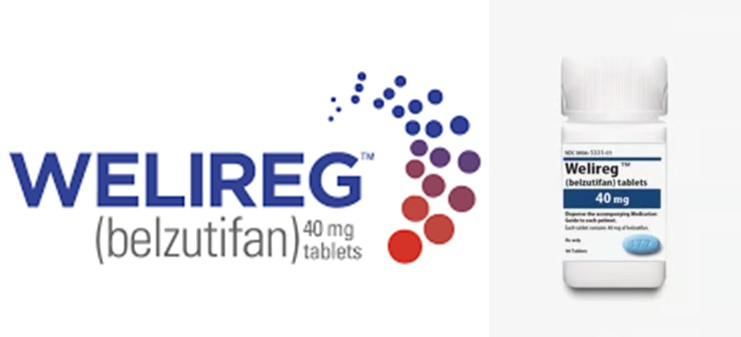
- Will the monthly ₩20M Welireg be reimbursed this time?
- by Moon, sung-ho Mar 20, 2025 05:59am
- MSD Korea is re-applying for reimbursement of the rare anticancer drug ‘Welireg,’ following the re-application for reimbursement of its Keytruda Results of the first hurdle, whether the Cancer Disease Review Committee sets a reimbursement standard, are expected to determine the fate of the drug’s quick reimbursment. # According to industry sources, MSD Korea’s oral hypoxia-inducible factor-2 alpha (HIF-2α) inhibitor Welireg (belzutifan) will be once again presented to the Health Insurance Review and Assessment Service’s Cancer Disease Deliberation Committee on March 19th. Von Hippel-Lindau disease is a hereditary disease associated with tumors in various organs and is caused by genetic abnormalities in the tumor suppressor gene VHL. It is characterized by causing various malignant and benign tumors, including central nervous system hemangioblastoma, retinal hemangioblastoma, lymphatic cysts of the inner ear, cysts of the kidneys and pancreas, pheochromocytoma and paraganglioma of the adrenal gland, and adenoma of the gonads, which occur in the brain and spinal cord. Its incidence rate is about 1 in 36,000 people, and it is estimated that about 200,000 people worldwide and about 10,000 people in the United States are suffering from it. In Korea, the number of adult patients with VHL disease is estimated to be in the low to mid-200s, based on data from the Health Insurance Review and Assessment Service. Based on this, Welireg was designated an orphan drug in Korea for the treatment of Von Hippel-Lindau disease in 2023, then formally approved in May of the same year. The company then submitted a reimbursement review application to the Health Insurance Review and Assessment Service (HIRA) in April last year and embarked on a full-fledged reimbursement journey. However, in August of the same year, the application was submitted to the CDDC, but the committee concluded that the reimbursement criteria should not been set, resulting in the first setback. The company then again submitted an application and the application is likely to be resubmitted at the 2025 3rd CDDC meeting scheduled for the 18th of this month. Meanwhile, the voices of patient groups are growing along with the national petition urging for Welireg’s reimbursement. In fact, the petitioner of the petition for national consent urged the government to reimburse the drug, imploring, “The price of one month (90 tablets) of Welireg, the only treatment for VHL, is KRW 22.61 million, aggravating the economic burden of the patients.” As a HIF-2α inhibitor, Welireg reduces transcription and expression of HIF-2α target genes associated with cellular proliferation, angiogenesis, and tumor growth. The drug’s efficacy was demonstrated in the open-label Study 004 trial, which investigated 61 patients with VHL-associated RCC who were diagnosed with at least one measurable solid tumor localized to the kidney.
- Company
- GC Cell sells its Japanese bio stock to associated companies
- by Cha, Jihyun Mar 19, 2025 06:02am
- GC Group's subsidiary, GC Cell, has transferred some shares of its Japanese cell therapy company, which it acquired seven years ago, to a holding company that specializes in gene analysis within the group. The company decided that entrusting a business to a local subsidiary with business experience in the Japanese market would be more efficient. GC Group aims to enter the Japanese market for cell therapy on a full scale.다. According to the Financial Supervisory Service on March 18, GC Cell sold 50,685 stake of GC Lymphotec for KRW 2.6 billion in Q4 of last year. Lymphotec is a company founded by Dr. Sekine, who worked as a researcher at the National Cancer Center Research Institute of Japan, in 1999. Dr. Sekine has been recognized as the leading researcher in the field of immune cell therapy, developing proprietary immune cell culture methods and publishing numerous research articles. The company primarily manufactures and sells cell therapies and culture reagents in Japan. As of last year, the company generated KRW 5.1 billion in sales and achieved KRW 600 million in operating profit. Previously, Green Cross Cell Corp acquired Lymphotec in 2018. In addition to its existing 14.5% stock of Lymphotec, Green Cross Cell Corp acquired an additional 68.8% of the stock, thereby becoming the largest shareholder. After that, Green Cross LabCell and Green Cross Cell Corp merged to form a unified entity, GC Cell, and Lymphotec was incorporated into GC Cell's subsidiary. With the recent share sale, GC Cell's stake in Lymphotec has been reduced from 83.3% to 24.4%, and the company has reclassified Lymphotec from a subsidiary to an affiliate. Under accounting principles, a firm must hold more than 50% of the shares to be considered a subsidiary. The transaction was made to Green Cross Holdings and a subsidiary specializing in gene analysis, s. The amount of stock sold by each company has not been disclosed GC Cell reasoned that divesting shares to related parties such as Green Cross Holdings and GC Genome was a strategy of choice and focus. The company believes that entrusting operations to a local holding company with business experience in the Japanese market will lead to more efficient management. GC has been targeting the Japanese market with its 'Hunterase,' a Hunter syndrome treatment designed as intraventricular use. In early 2021, the company became the first in the world to receive marketing approval from Japanese regulatory authorities for Hunterase ICV. This form replaces the conventional intravenous administration with direct intraventricular injection. In addition, GC is collaborating with Tottori University in Japan to develop an oral chaperone therapy for GM1-gangliosidosis. Centering the company's capacity around its holding company, GC Group plans to enter the Japanese cell therapy market on a full scale. Leveraging Green Cross Holdings' local network and market insights, the group will likely take a more strategic approach. Moreover, collaborations among affiliates within the group are expected to strengthen connections across R&D, clinical development, and manufacturing. This is expected to accelerate GC Genome's ongoing IPO efforts further. In November of last year, the company submitted a preliminary review application for a KOSDAQ listing to the Korea Exchange, planning to list 22.5 million shares in addition to 2.94 million shares to be offered to the public. Moreover, GC Genome secured A ratings from the designated professional evaluation agencies in October, passing the first hurdle for a technology-special listing. Using Lymphotec's established network of Japanese medical institutions and partners, GC Genome plans to introduce the AI-based multi-cancer early detection test, 'ai-CANCERCH,' to the local market. The company will also strengthen local clinical research and technology development through partnerships with major Japanese hospitals and research centers. GC Group said, "Given that Green Cross Holdings has experience conducting business in the Japanese market, holding the Lymphotec stock and managing it will enable the company to operate a local business effectively," adding, "Lymphotec will provide a connecting role for the company's business in Japan."

- Company
- A company that cares about employee well-being
- by Whang, byung-woo Mar 19, 2025 06:02am
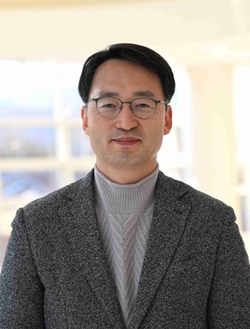
- Medtronic, which was founded in Minneapolis, Minnesota, USA in 1949, has been expanding its influence in Korea for 37 years since it opened a liaison office in Korea in 1987 and established a corporation in 2000. Medtronic is currently focusing on four areas: cardiovascular, neuroscience, medical-surgical, and diabetes, with 500 Korean employees and executives. In particular, the company's mission statement explicitly states that it “recognizes the personal worth of all employees.” This means that the company must create an environment where its employees and the local community can grow together for the company's growth. Youngil Moon, HR Director of Medtronic Korea Medtronic conducts a biannual “Organizational Health Survey” for all Medtronic employees worldwide and then improves its organizational culture and working methods by reflecting the opinions of its employees. Thanks to these efforts, in February, the company was honorably selected as one of the “Best Companies to Work for in Korea” for the sixth consecutive year by the global consulting firm Great Place to Work Institute (GPTW). Medtronic Korea places an emphasis on an inclusive workplace where the best talent can grow together. Dailypharm met with Youngil Moon, HR Director of Medtronic Korea, to learn about the company's organizational culture and working environment. - The company's HR vision emphasizes an inclusive and friendly workplace. Is there a reason for this? =Due to our company’s characteristics, we have a wide range of stakeholders as the company carries out diverse products and conducts different businesses. For this reason, each employee needs to develop their own expertise and independence to carry out business efficiently. One might think that a professional and inclusive workplace are two different things, but a flexible organizational culture that can accommodate various goals and directions is important for improving the competitiveness of each employee's expertise and growth. -I am curious about what efforts the company is making to create an inclusive workplace. =Our company has a matrix structure, and many employees work with managers in regions or globally, so rather than following what is required from above, a culture that respects various departments and jobs has naturally been formed. There are some parts that need to be abided by the organization, but we guarantee flexibility in various areas, such as working hours and workplaces, to make the most of each employee's expertise -The company’s vision should also be reflected in your type of talent. What type of talent do you seek? =Since the company is composed of about 15 independent business units, employees are often exposed to situations where they have to communicate directly with the business units at the headquarters level and make decisions in the necessary direction. For this reason, we value the ability to become the best expert in one's work, not just in terms of technical knowledge, but also in the ability to make quick decisions in a situation. We also have a matrix organizational structure, so a culture and capacity to work organically with other teams and sometimes discuss different opinions, rather than receive instructions, is important. In this respect, it is also important to have talented people who are open and inclusive, who perform well and communicate well. - It seems important to select employees who fit the talent profile. What is the hiring process like? One of the major differences is that the organization's structure and individual job positions are planned in advance from the moment a one-year budget is set. The overall organization's job positions and hiring scale are determined by considering a series of business plans and the priorities of various businesses, rather than making decisions based on the situation as the work progresses. However, given the company's situation, large-scale hiring does not occur on a regular basis. In order to recruit good talent, the company provides information on how to apply and how to get to know the company. The global recruitment team independently selects candidates through a fair process. After that, the actual recruitment process involves interviews with three to four key stakeholders, including managers. - As a global company, language skills must also be important = The level of language proficiency required varies depending on whether the job involves working more with domestic stakeholders or working with global or other countries. There is a minimum standard for language proficiency, but since English is not the native language in Korea, there are bound to be limitations, and since language proficiency can often be developed through actual work, we recommend that you actively apply. Also, since it is a global company, you may experience unfamiliar situations due to cultural differences, etc., when working with people from other countries in addition to language differences, but the company helps you to quickly get used to these aspects. -How does the company specifically help employees to adapt? = Basically, we provide language skills training, such as English learning, in a similar way to what other global companies offer. Recently, we have been focusing on two programs to develop competencies in coping with cultural differences and work styles, not just English. First, we provide opportunities to experience work in other jobs and other countries through the 'Excel with Experience Café' program. Moving jobs is not an easy decision for employees, and opportunities do not come often, so we are running a program that allows employees to experience different projects for a short period of time. There is also a program called 'Talent Xperience' that allows employees to go to the country for a certain period of time and work with the local team. Last year, we visited Medtronic Japan to gain experience, and we also had the opportunity to invite and work with employees from Singapore and the Philippines. -So, can these programs lead to actual overseas jobs? =Already, many employees from Medtronic Korea are successfully working in various countries. In particular, unlike many companies that send employees to overseas branches or regions at the leadership level, Medtronic provides opportunities for young talent, by sending employees to overseas branches at mid-career. It is true that many global companies do not have many young employees or opportunities due to their structure of training and hiring specialists for specific jobs. However, Medtronic is open to providing opportunities for young employees, and employees in their 20s to account for about 20% of the total number of employees at Medtronic. -Your company has been selected as a 'Great Place to Work' in Korea for 6 consecutive years. What kind of employee welfare does the company pride itself on? =We have a system called '4 Weeks from Anywhere' that allows employees to work from anywhere in the world for one month. There are systems that give long-term employees long vacations for a certain period of time, but there are pros and cons, such as in cases where no one can take over the person’s job for a short period of time. This system provides an option that minimizes the burden by allowing employees to stay in another region and work during the day while spending their weekends and evenings with their families and having unique experiences. When the system was first implemented, I thought there might be some people who would like it and some who would not, but it has become a unique and helpful program that allows employees to go abroad together during their children's school breaks. -Lastly, I'd like to know about the company's plans for this year. While specific programs and one-time events are important in terms of organization, it is important to establish and implement various visions in a sustainable manner and in a form that suits individual teams and employees to ensure that they are well and palpably established. While it may sound too grand to coin it as an “organizational culture,” our plan for this year is to create and develop a good organizational culture that employees can feel through small words and actions.
- Company
- Takeda Korea appoints Kwang-gyu Park as new General Manager
- by Whang, byung-woo Mar 19, 2025 06:02am
- Kwang-kyu Park, new General Manager of Takeda Pharmaceuticals KoreaTakeda Pharmaceuticals Korea announced on the 18th that it has appointed Kwang-kyu Park as its new General Manager as of March 17, 2025. Park is a pharmaceutical industry expert with more than 20 years of experience in the industry and strong expertise and leadership in Specialty Care and Oncology (hematologic malignancies and immunotherapy). Park graduated from Kyung Hee University with a degree in Pharmacy and earned an MBA from the Graduate School of Business at Seoul National University. Since then, he has demonstrated leadership in global companies such as BMS Korea, AstraZeneca Korea, and MSD Korea, leading the introduction of new drugs, organizational innovation, and stakeholder collaboration. Most recently, he served as the Senior Director of Gilead Sciences Korea’s Liver Disease Business Unit, playing a pivotal role in improving the treatment environment for liver diseases in Korea and realizing patient-centered medical innovation. Park said, “Takeda Pharmaceuticals Korea has pursued continuous growth through patient-centered innovation amid the rapidly shifting medical environment. We will continue to accelerate the introduction of innovative treatments and seek multi-faceted solutions to ensure that both the healthcare professionals and patients can have optimal treatment opportunities.” Park added, “We will strengthen cooperation with domestic bio and pharmaceutical companies to improve the treatment environment and contribute to the continuous development of the domestic pharmaceutical industry.” Mahender Nayak, Senior Vice President of Growth and Emerging Markets at Takeda Pharmaceuticals said, “We are very pleased to welcome Mr. Park to Takeda Pharmaceuticals as we seek to advance our 6 innovative late-stage pipelines. I expect His expertise, which includes his extensive business experience and strategic leadership, will serve a pivotal role in the continued success of Takeda Pharmaceuticals Korea.”
