
- LOGIN
- MemberShip
- 2026-04-30 03:56:12
- Company
- Alopecia areata drug Litfulo may be prescribed hospitals
- by Eo, Yun-Ho Mar 27, 2025 05:54am
- The new drug for alopecia areata, Litfulo, has landed in general hospitals in Korea. According to industry sources, Pfizer Korea's new Janus kinase (JAK) inhibitor Litfulo (ritlecitinib) has passed the drug committees (DCs) of medical institutions such as Severance Hospital, Jeonbuk National University Hospital, and Chungnam National University Hospital. The company seems to be gradually expanding its prescription area upon the drug’s official launch earlier this month. As the first drug approved for the treatment of alopecia areata in Korea for adolescent patients, Litfulo was approved by the Ministry of Food and Drug Safety in September last year. Alopecia areata is an autoimmune disease that causes patchy or complete hair loss on the scalp, face, or body. It has underlying immune-inflammatory pathogenesis and occurs when the immune system attacks the body's hair follicles, causing hair loss. An increasing number of patients have been treated for alopecia areata over the past decade, from 154,380 in 2013 to 178,009 in 2023. In general, most patients with mild cases of alopecia areata recover naturally or respond well to treatment, but commonly recur, with about 40-80% of patients experiencing recurrence within one year. “The launch of a new treatment option has brought hope to patients who have been suffering from alopecia areata for a long time and have had an unmet need. For us as healthcare professionals, the fact that a new, safe option has emerged holds significance,” said Chong-Hyun Won, a professor of dermatology at Asan Medical Center in Seoul. Meanwhile, Litfulo was approved based on the global Phase IIb/III ALLEGRO trial. The proportion of patients with a score of 20 or less on the Severity of Alopecia Tool (SALT), the primary endpoint, at Week 24, was 23% for the treatment group, which was statistically significant compared to the 2% for the placebo group.

- Company
- Ja Q Bo ₩9B, K-CAB ₩8.2B, Fexuclue ₩4.7B
- by Chon, Seung-Hyun Mar 27, 2025 05:54am
- Homegrown P-CAB class new drugs for gastroesophageal reflux disease (GERD) have begun to generate export sales. Onconic Therapeutics’ Ja Q Bo generated significantly more overseas sales than domestic sales due to the effect of its licensing out deals. HK Inno.N's K-CAB and Daewoong Pharmaceutical's Fexuclue have begun to generate export sales in earnest with their overseas launch. As P-CAB class new drugs demonstrated their marketability in the domestic market through commercial success, overseas sales are expected to grow with the increase in the number of export countries. According to the Financial Supervisory Service on the 25th, Onconic Therapeutics' Ja Q Bo generated KRW 14.8 billion in sales last year. Onconic Therapeutics, which was established in May 2020, is a new drug developer subsidiary of Jeil Pharmaceutical. Onconic Therapeutics was launched after receiving technology transfer of new drug candidates for gastroesophageal diseases and a new drug candidate for anticancer drugs from Jeil Pharmaceutical. As of the end of last year, Jeil Pharmaceutical holds a 46.28% stake in Onconic Therapeutics. Onconic Therapeutics was listed on the KOSDAQ market in December last year. Onconic Therapeutics completed clinical trials for Ja Q Bo, a P-CAB (potassium-competitive acid blocker) class new drug, and received approval for the drug as the 37th homegrown new drug in April last year. Antiulcer drugs in the P-CAB class inhibit gastric acid secretion by competitively binding to proton pumps and potassium ions located at the final stage of acid secretion in gastric parietal cells. Annual export sales of homegrown P-CAB class new drugs Last year, exports accounted for 60.8% of Ja Q Bo's sales, amounting to KRW 9 billion. Ja Q Bo began domestic sales in October last year after being listed for reimbursement in the National Health Insurance, recording KRW 5.8 billion in domestic sales. Ja Q Bo's export performance last year was due to the inflow of milestone payments from the results of the licensing-out agreement. Onconic Therapeutics has signed licensing out deals for Ja Q Bo in 21 countries. Onconic Therapeutics signed a licensing out deal with the Mexican pharmaceutical company Laboratorios Sanfer in September last year. The contract is worth up to USD 127.5 million. Onconic Therapeutics will receive an initial non-refundable upfront payment of USD 15 million and up to USD 112.5 million in milestone payments for development, licensing, and commercialization milestones. Onconic Therapeutics transferred Ja Q Bo to an Indian company in May last year. The Indian company has secured exclusive rights to the development, licensing, production, and post-launch commercialization of Ja Q Bo. The terms of the contract with the other party have not been disclosed. Ja Q Bo generated KRW 21.1 billion in exports in 2023. Onconic Therapeutics signed a licensing-out agreement for Ja Q Bo with Livzon Pharmaceutical Group, a Chinese pharmaceutical company, in March 2023. The contract size is up to USD 127.5 million. Onconic Therapeutics will receive a USD 15 million non-refundable upfront payment and up to USD 112.5 million in milestone payments for development, licensing, and commercialization. Onconic Therapeutics generated KRW 19.7 billion in sales in the first quarter of 2023. Sales of K-CAB, a new P-CAB class drug that first entered the domestic market, and Fexuclue have also been increasing gradually overseas. HK Inno.N’s K-CAB recorded KRW 8.2 billion in exports last year. This is the overseas sales of the finished drug, excluding technology fees and milestone payments. Although the overseas sales share in K-CAB's total sales of KRW 168.9 billion is negligible, the export value is continuously increasing. K-CAB recorded its first export performance of KRW 900 million in 2022 and KRW 5.5 billion in overseas sales in 2023. K-CAB was approved as the 30th homegrown new drug in 2018. HK Inno.N signed a technology export agreement with the Chinese pharmaceutical company Luoxin in 2015 and has been pushing K-CAB's overseas expansion in earnest. The contract with Luoxin is conditional on receiving a total of USD 18.5 million in technology fees upon achievement of each stage specified in the contract, including the down payment, clinical development, licensing, and commercialization. HK Inno.N In February 2019, the company signed an agreement with the Mexican pharmaceutical company Carnot to export the finished K-CAB drug to 17 Latin American countries. The contract is worth USD 84 million over 10 years, including the product supply price. HK Inno.N has since signed export contracts for K-CAB with Indonesia, Thailand, the Philippines, Mongolia, Singapore, Vietnam, Malaysia, the United States, and Canada. In January of last year, it signed a contract with Australian pharmaceutical company Southern XP to export K-CAB to Australia and New Zealand. K-CAB has been launched in 15 countries. The countries where K-CAB has been launched include China, the Philippines, Mongolia, Mexico, Indonesia, Singapore, Peru, Chile, the Dominican Republic, Nicaragua, Honduras, Guatemala, El Salvador, and Colombia. K-CAB's export performance has been boosted by its start of sales in Mongolia, China, the Philippines, and other countries starting in 2022. K-CAB set new export records in the third and fourth quarters of last year, with exports of KRW 2.5 billion and KRW 3.8 billion, respectively. K-CAB's cumulative export performance from 2022 is estimated to total at KRW 13.9 billion. This is the sales volume of K-CAB supplied by HK Inno.N. Therefore, the company estimates that the sales generated from local prescriptions on-site would be much higher. K-CAB is considered to be making a smooth start in the overseas market based on its marketability recognized in Korea. K-CAB's domestic sales last year reached KRW 160.7 billion. Daewoong Pharmaceutical's Fexuclue recorded KRW 4.7 billion in exports last year. In 2023, the company recorded its first export value of KRW 400 million, which increased more than tenfold last year. Fexuclue is the second domestically developed P-CAB class drug introduced, following K-CAB. Fexuclue is a homegrown new drug that Daewoong Pharmaceutical has successfully developed with its proprietary technology for 13 years since 2008. Daewoong Pharmaceutical Fexuclue first went on sale overseas in the Philippines in August 2023 and has begun generating export sales. Fexuclue has also been launched in Mexico, Ecuador, and Chile. Fexuclue has entered the market in 30 countries, including South Korea, or is about to enter the market. The countries that have applied for product licenses are 11 countries, including China, Brazil, and Saudi Arabia. Daewoong Pharmaceutical has signed export contracts for Fexuclue in 14 countries, including India and the United Arab Emirates. Fexuclue also made a smooth start in the domestic market. Fexuclue obtained approval from the Ministry of Food and Drug Safety in December 2021 and began full-scale sales after being listed for reimbursement with the National Health Insurance in July 2022. Fexuclue posted KRW 97.2 billion in domestic sales last year. Combined with its export performance, the company posted a total sales of KRW 102 billion, exceeding KRW 100 billion in sales for the first time in 3 years since its launch.
- Company
- Abbott, the undisputed CGM leader seeks to expand mkt
- by Whang, byung-woo Mar 26, 2025 06:01am
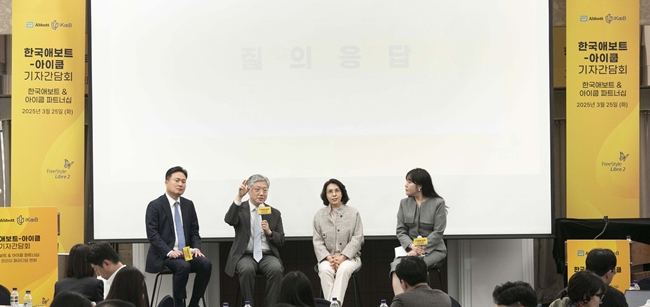
- Abbott, a leading player in the continuous glucose monitoring (CGM) market, is seeking to expand its influence through collaboration with a medical data platform. The goal is to provide an improved blood glucose management solution that goes beyond simply collecting data and provides a comprehensive analysis of the patient's condition. On the 25th of this month, Abbott Korea held a press conference and announced its data integration plan with Lab Connect, a medical data platform from the digital healthcare company iKooB. FreeStyle Libre 2 is a product from Abbott's Libre portfolio that allows users to check their blood glucose levels in real-time every minute, anytime, anywhere through Bluetooth. Currently, more than 6 million people in about 60 countries are using it, and is reimbursed in more than 40 countries. Nan Hee Kim, Department of Endocrinology and Metabolism, Korea University Ansan Hospital As it allows for continuous monitoring of blood sugar levels, patients can automatically receive a smartphone alarm when their blood glucose level is low or high, and can check changes in blood sugar levels according to your food intake and exercise, allowing patients to respond quickly and appropriately to changes in blood sugar levels. On this day, Professor Nan Hee Kim of the Department of Endocrinology and Metabolism at Korea University Ansan Hospital, said, “Diabetes is a chronic condition that must be managed throughout one's life, which is why steady management is important. The introduction of CGMs such as Freestyle Libre 2 has improved the quality of life of the patients and increased their understanding of blood sugar changes, enabling more efficient blood sugar management.” The company’s collaboration with iKooB is also aimed at reinforcing Freestyle Libre2’s blood glucose monitoring system. “Our partnership with iKooB is a demonstration of Abbott's commitment to providing a seamless blood glucose management solution,” said Seung-ho Kang, General manager of Diabetes Care at Abbott Korea. ”By integrating Freestyle Libre 2 and Lab Connect’s data, we will be able to further understand the patient's condition and provide treatment direction in the digital ecosystem.” Kang added, “When data-based, customized treatment becomes possible, this is expected to improve treatment efficiency and have a positive impact on preventing complications and improve the patients' quality of life.” iKooB and Lab Connect are both platforms that provide practical assistance to both medical staff and patients through a data-based approach. Jae Hyung Cho, CEO of iKooB (Department of Endocrinology, Seoul St. Mary’s Hospital) Through the partnership, healthcare professionals may comprehensively review patients' Freestyle Libre 2 data on the Lab Connect platform and establish an optimal, personalized treatment plan by analyzing the integrated health data. In addition, diabetic patients can receive a blood glucose-related data report and education from healthcare professionals, including a 14-day blood glucose trend analysis. “CGM is actively prescribed as a standard of care for patients with chronic diabetes, and its use can be maximized when integrated with other health data,” said Jae Hyung Cho, CEO of iKooB (Department of Endocrinology, Seoul St. Mary’s Hospital). ”The partnership between iKooB and Abbott will further enhance the efficiency of diabetes management.” Meanwhile, the reimbursement for Freestyle Libre 2 has been extended to cover continuous glucose monitoring systems for pregnant women with diabetes who require insulin treatment since November last year. This revision of the reimbursement standards and relevant notices has enabled for pregnant women with diabetes undergoing insulin treatment to use continuous glucose monitoring (CGM) devices, which provide real-time blood glucose levels, with reimbursement. Previously, CGM devices were only reimbursed for patients with type 1 diabetes.
- Company
- Cosentyx’s reimb for hidradenitis suppurativa unclear
- by Eo, Yun-Ho Mar 26, 2025 06:01am
- Discussions regarding the expansion of insurance reimbursement coverage for Cosentyx, a treatment option for hidradenitis suppurativa that emerged a decade after Humira, remain stalled. Novartis Korea applied then voluntarily withdrew the application for its interleukin (IL)-17A inhibitor Cosentyx (secukinumab) to extend its reimbursement to hidradenitis suppurativa (HS) in 2023 due to lack of progress. In November of the same year, the company submitted a reimbursement application again, after Cosentyx was recommended as a first-line biologic treatment option for patients with moderate-to-severe to hidradenitis suppurativa and those who have not responded sufficiently to existing systemic treatments in the European Hidradenitis Suppurativa Foundation (EHSF) guidelines that was presented at the 2024 European Association of Dermatology and Venereology (EADV 2024) Annual Congress. However, with the end of March 2025 near, discussions on expanding the reimbursement coverage of Cosentyx to hidradenitis suppurativa remain stalled. Currently, AbbVie Korea’s Humira (adalimumab) is virtually the only treatment option available for hidradenitis suppurativa in korea. Humira, a TNF-alpha inhibitor, may be prescribed with reimbursement ▲if there are lesions in two or more areas even after more than one year after diagnosis, or ▲if there is insufficient treatment effect or side effects even after 3 months of antibiotic treatment. As Cosentyx is a different IL inhibitor with a different mechanism of action that is also recommended as a first-line treatment, it can be a useful option for the management of hidradenitis suppurativa. Therefore, the industry’s eyes are on whether Cosentyx’s indication for the treatment of hidradenitis suppurativa, which has been approved for 3 years now, will be reimbursed this year. Meanwhile, Cosentyx has demonstrated its clinical utility through the Phase III SUNNY (SUNSHINE, SUNRISE) trial, which was conducted on 1,084 patients with moderate-to-severe hidradenitis suppurativa. Results showed that the HiSCR achievement rate in the Cosentyx’s group was 45% in the SUNSHINE study and 42% in the SUNRISE study when the drug was administered every 2 weeks at 16 weeks of treatment, which was a significant improvement compared to the placebo group’s 34% and 31%, respectively. In the SUNRISE study, even when the drug was administered every 4 weeks, the HiSCR achievement rate for Cosentyx was 46%, which was significantly higher than the 31% in the placebo group, and the HiSCR achievement rate of Cosentyx improved steadily until the 52nd week of treatment. Cosentyx also showed significant effects in improving patients' pain. According to the results of the SUNNY study, the NRS30 achievement rate at Week 16 of treatment was 39% in the group that received Cosentyx every 2 weeks and 36% in the group that received it every 4 weeks. On the other hand, only 27% of the placebo group achieved NRS30. Also, by week 52 of treatment, 79.6% of the Cosentyx arm who were administered Cosentyx every 2 weeks and 72.7% of those who were administered every 4 weeks did not experience disease exacerbation.
- Company
- Leclaza-Rybrevant combo rises as first-line treatment option
- by Moon, sung-ho Mar 26, 2025 06:01am
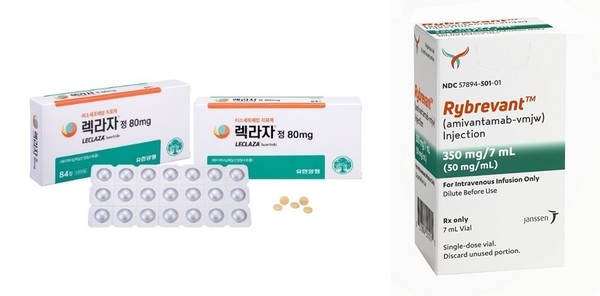
- The Leclaza-Rybrevant combination therapy, which has emerged as a standard treatment for lung cancer, is expected to be used in earnest in the domestic clinical market. This is because the larger hospitals have launched patient programs for the combination, based on results showing that the combination thearpy’s progression-free survival (PFS) period exceeds that that of Tagrisso (osimertinib, AstraZeneca) with longer overall survival (OS). # According to the medical community on the 24th, Janssen has launched a Patient Assistance Program (PAP) for the Leclaza (lasertinib, Yuhan Cor) and Rybrevant (amivantamab) combination therapy, which was approved by MFDS for the first-line treatment of adult patients with locally advanced or metastatic non-small cell lung cancer with epidermal growth factor receptor (EGFR) exon 19 deletion or exon 21 (L858R) substitution mutation. To improve patient access to this newly approved thearpy, the pharmaceutical company will provide partial support for drug costs with the approval of the Korea Blood Disease and Cancer Foundation. The Leclaza-Rybrevant combination therapy is attracting more attention because of the preannouncement of the Phase III MARIPOSA study, in which the combination therapy extended OS by more than a year compared to the existing standard treatment, Tagrisso monotherapy. According to the Phase III MARIPOSA trial abstract released by the European Lung Cancer Society prior to its annual congress (ELCC 2025) scheduled to be held from the 26th, the Leclaza-Rybrevant combination therapy was found to be superior to Tagrisso monotherapy in terms of OS by more than 12 months. Since Tagrisso recorded an OS of 38.6 months in the FLAURA study, which because the basis of its approval, this can be interpreted as that the OS of Leclaza + Rybrevant combo exceeds 50 months. The OS of the Leclaza + Rybrevant group had not reached the median value at 37.8 months of follow-up, but the OS of the Tagrisso monotherapy arm was 36.7 months, showing that the risk of death in the Leclaza + Rybrevant combination group was 25% lower. (HR=0.75, 95% CI 0.61-0.92, P
- Company
- Beijing Hanmi Pharm posts two-fold sales·three-fold profit
- by Kim, Jin-Gu Mar 26, 2025 06:00am
- Beijing Hanmi Pharmaceutical, a local subsidiary of Hanmi Pharm in China, posted sales that approximately doubled over the past four years. The net income for the year increased more than threefold. Despite staggering performance last year, the company anticipated to be a temporary one. According to the Financial Supervisory Service on March 24, Beijing Hanmi Pharmaceutical recorded sales of KRW 385.6 billion last year. It rose by 89% compared to KRW 203.5 billion in 2020, when sales decreased due to COVID-19. The net income for the year rose 3.2-fold, from KRW 22.9 billion to KRW 74.2 billion. Beijing Hanmi Pharmaceutical has been posting sales increases since 2020. In 2020, the Chinese government closed its border in response to the COVID-19 spread. During this period, Beijing Hanmi Pharmaceutical sales decreased by 20%, and its net income for the year decreased by 39%. However, since then, Beijing Hanmi Pharmaceutical has repeated sales hikes every year until 2023. Beijing Hanmi Pharmaceutical However, sales and net income for the year were slow last year. The company explained the slowdown was caused by respiratory infections in China during the 2023-2024 period. In Q4 2023, China experienced a pneumonia outbreak caused by mycoplasma. Consequently, Beijing Hanmi Pharmaceutical's sales rose primarily due to its key product, 'Itanzing.' The company explained that the sales decrease last year was affected by this. In addition, last year, a delay in the influenza season in China compounded the situation. Typically, influenza would peak in the fourth quarter; however, the outbreak was delayed this winter. The company explained that sales temporarily declined during this period. This year, the company's performance is expected to rebound. With the flu season being delayed from Q4 last year to Q1 this year, products like 'Itanzing' are expected to generate sales. Additionally, issues related to uncollected receivables for Runmeikang are expected to normalize in the first half of the year. Following resolving a management dispute, Beijing Hanmi Pharmaceutical reinstated Lim Jong-yoon as company chairman. On February 14, Beijing Hanmi Pharmaceutical held a board meeting and appointed Lim as chairman. Previously, Lim led Beijing Hanmi for 12 years, but during the dispute, he stepped down from the chairman position, subsequently serving only as a board member.
- Company
- 'Onbevezy' holds the No.1 spot for the domestic mkt
- by Chon, Seung-Hyun Mar 26, 2025 06:00am
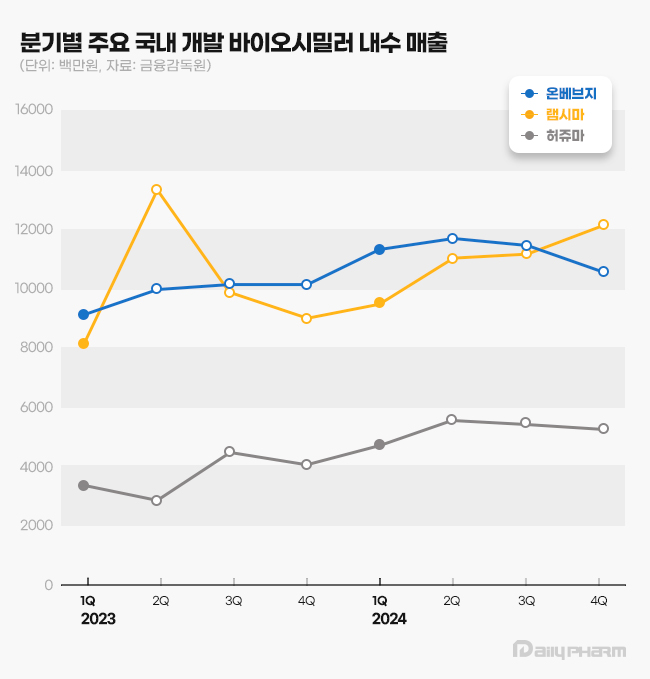
- Samsung Bioepis' anticancer agent Onbevezy climbed to hold the No.1 spot in domestic sales as the first domestically developed biosimilar. It has surpassed Remsima for the first time. The quarterly sales of Onbevezy and Remsima exceeded KRW 10 billion, each competing to hold the No.1 spot. According to the Financial Supervisory Service on March 26, Samsung Bioepis' Onbevezy generated domestic sales of KRW 45.2 billion last year, up 14.0% from the previous year. Onbevezy chased Remsima's sales last year, KRW 44 billion, by a difference of KRW 1.2 billion, and rose to hold the No.1 spot for domestic sales of domestically developed biosimilars. Domestic sales of Korea-made biosimilars by years (unit: 1 million, source: Financial Supervisory Service). Legend: Blue-Onbevezy, Yellow-Remsima, Gray-Herzuma Onbevezy is a biosimilar to the anticancer drug Avastin. It is an anticancer drug used to treat patients with metastatic colorectal cancer, metastatic breast cancer, non-small cell lung cancer, advanced or metastatic renal cell carcinoma, glioblastoma, epithelial ovarian cancer, carcinoma of the fallopian tube, primary peritoneal cancer, and cervical cancer. Samsung Bioepis launched Onbevezy in September 2021 in the Avastin market. Celltrion and Alvogen Korea also entered the market. In 2023, Onbevezy was behind sales of Remsima by KRW 800 million, but it successfully exceeded Remsima sales last year. Onbevezy entered the market first among other biosimilar products. Analysis suggests that a customized marketing strategy maximized the synergy. After obtaining the domestic approval of Onbevezy, Samsung Bioepis signed an exclusive sales agreement with Boryung, one of the Korean companies with strength in the field of anticancer drugs. In May 2020, Boryung newly established the ONCO (anticancer) sector. The company independently separated the sector from the prescription medicine sector. Boryung secured sales rights to various anticancer drugs and biosimilars owned by Korean and international companies. With the LBA (Legacy Brands Acquisition) strategy of acquiring sales rights for original anticancer drugs, Boryung secured Gemzar and Alimta. Boryung also secured Korean sales rights for Herceptin biosimilar from Samsung Bioepis. In Q2 2023, Onbevezy surpassed sales of KRW 10 billion, and the drug also recorded quarterly sales of over KRW 10 billion. Remsima, which Celltrion sells, generated sales of KRW 44 billion last year, up 8.7% from the previous year. However, it allowed Onbevezy to overtake its position. Remsima is a biosimilar to the autoimmune disease treatment Remicade. It was approved as the first domestically developed antibody biosimilar in 2012. Remsima is used to treat Crohn’s disease, ankylosing spondylitis, ulcerative colitis, and rheumatoid arthritis. Upon launch, Remsima continued to generate the highest domestic sales figure for over 10 years among domestically developed biosimilars in South Korea. Remsima generated global sales of KRW 1.2680 trillion last year, an increase of over three-fold from KRW 420 billion in 2023. It topped KRW 1 trillion in yearly sales, first among domestically developed pharmaceuticals. Domestic sales of Korea-made biosimilar by quarters years (unit: 1 million, source: Financial Supervisory Service) Legend: Blue-Onbevezy, Yellow-Remsima, Gray-Herzuma Quarterly sales figures indicate that Remsima lost the No.1 rank for five consecutive quarters through Q3 of last year after allowing Onbevezy to overtake the position in 2023. However, in Q4 of last year, Remsima reversed the trend again, indicating strong competition for the top position. In Q4 of 2024, Remsima's sales reached KRW 12.1 billion, a 35.3% increase year-over-year (YoY), outpacing Onbevezy by KRW 1.6 billion. In contrast, Onbevezy's Q4 sales for last year were KRW 10.6 billion, a YoY increase by 4.3%. However, Onbevezy lost to Remsima in just six quarters. The introduction of Korea-made biosimilars typically drives down the prices of original drugs, thereby reducing the burden on the National Health Insurance budget. Following the listing of Onbevezy, in October 2021, the ceiling price for Avastin 0.1 g/4 mL was reduced by 30%, from KRW 330,387 to KRW 231,271, and that for Avastin 0.4 g/16 mL dropped by 30% from KRW 1,077,531 to KRW 752,746. According to the policy, when a biosimilar enters the domestic market, the ceiling price for the original drug is lowered by 30% compared to its pre-patent-expiration level. However, 'Products developed by innovative pharmaceutical companies·Those deemed equivalent·products developed through joint agreements between domestic and foreign pharmaceutical firms·Products for which Korea was the first approving country·Products manufactured domestically' are guaranteed to retain up to 80% of the original product's pre-patent-expiration price for both the original drug and its biosimilar. Since Samsung Bioepis is not classified as an innovative pharmaceutical company, Avastin's price fell to about 70% of its previous level. According to IQVIA, a pharmaceutical market research firm, Avastin recorded sales of KRW 30.9 billion in Q3 2021, but it declined sharply to KRW 22.6 billion in Q1, a drop of 27.2%. The introduction of biosimilars, which led to a 30% reduction in the original drug's price, is analyzed to have resulted in significant savings for the National Health Insurance budget and patients' drug costs. Among Korea-made biosimilars, Celltrion's Herzuma generated sales of KRW 21.3 billion last year, an increase of 43.4% from the previous year. Herzuma is a biosimilar version to Herceptin. Truxima, Celltrion's biosimilar version of MabThera, generated sales of KRW 11.4 billion last year, a drop of 23.2% from the year before.
- Company
- Will topical JAK inhibitors be launched?
- by Son, Hyung Min Mar 25, 2025 05:57am
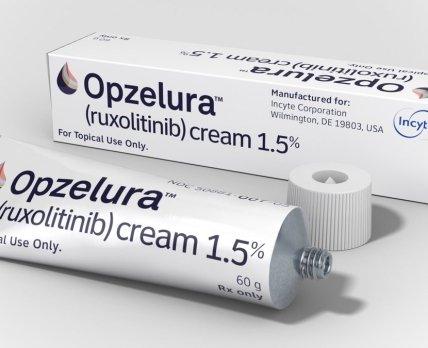
- Topical formulation of Janus kinase (JAK) inhibitors with the substantial advantage of administration convenience is entering the market for atopic dermatitis. Unlike oral formulations, a topical drug formulation can be directly applied to the skin. Thus, it has significantly improved treatment convenience. To date, Incyte's Opzelura is the only JAK inhibitor approved by the U.S. Food and Drug Administration (FDA). Leo Pharma's delgocitinib is waiting for approval. HK inno.N has entered the Phase 3 trial in South Korea. HK inno.N is conducting a Phase 2 trial of topical JAK inhibitor…first in South Korea According to industry sources on March 22, the Ministry of Food and Drug Safety (MFDS) has recently approved an Investigational New Drug (IND) application of the Phase 2 trial of HK inno.N's new drug candidate, 'IN-115314.' The clinical trial will evaluate the efficacy and safety of IN-115314 in adult patients with mild-to-moderate atopic dermatitis. The trial's clinical research organization is the Korean University Ansan Hospital, and it will be investigated by Professor Sang Wook Son in the Department of Dermatology. IN-115314 is a topical JAK inhibitor under development by HK inno.N. This new drug candidate works by topically applied to the inflammatory areas and selectively inhibits JAK-1 kinase. HK inno.N believes that IN-115314 has a lower amount of whole-body absorption than conventional drugs, thus presenting a low risk of side effects. JAK inhibitors that are currently approved have various indications, including atopic dermatitis, ulcerative colitis, rheumatoid arthritis, and alopecia areata. Considering the nature of externally applied drugs, companies focus on developing skin disorder products. Notably, domestically approved JAK inhibitors, including AbbVie's Rinvoq, Lilly's Olumiant, Pfizer's Xeljanz, and Eisai's Jyseleca, have been developed exclusively as oral formulations. Consequently, a topical formulation could offer significant advantages regarding dosing convenience. In a Phase 1 clinical trial involving healthy adults, IN-115314 demonstrated favorable safety, tolerability, and pharmacokinetic profiles compared to the calcineurin inhibitor 'pimecrolimus' ointment, which is conventionally used in atopic dermatitis treatment. HK inno.N plans to conduct a Phase 2 clinical trial as a correct-dose finding study in adult patients with atopic dermatitis. Topical JAK inhibitor successfully commercialized…follow-up products are being actively developed Several topical JAK inhibitors overcome regulatory authority hurdles, so overseas companies are actively developing products. IncyteIn 2021, the FDA approved U.S.-based Incyte's 'Opzelura' for the treatment of atopic dermatitis. The active ingredient ruxolitinib in Opzelura cream was previously used under the product name Jakafi for treating cancer patients with conditions such as myelofibrosis, polycythemia vera, and chronic graft-versus-host disease. Incyte successfully developed Opzelura as a treatment for atopic dermatitis based on Jakafi's JAK inhibitory mechanism. Opzelura has been shown to alleviate inflammation and pruritus when applied topically in atopic dermatitis patients aged 12 and older. In 2022, Insight secured U.S. approval for Opzelura not only for atopic dermatitis but also for vitiligo. Clinical development of Opzelura is ongoing, with Incyte currently conducting a Phase 3 trial in infants and children with atopic dermatitis. The trial met its primary endpoints, including overall treatment success as assessed by the investigators. Denmark's pharmaceutical company, LEO Pharma, has entered the competitive market by unveiling the latest clinical data for its topical JAK inhibitor delgositinib. The company, specializing in dermatological drug development, successfully commercialized the biologic treatment 'Adtralza' for atopic dermatitis. LEO PharmaLEO Pharma is developing a topic formulation of delgositinib that targets JAK1, JAK2, JAK3, and TYK2. TYK2 plays a critical role as a central link in the interleukin (IL)‑23 signaling pathway, which is pivotal in developing skin disorders such as psoriasis. Last November, delgositinib received European marketing authorization under the brand name 'Anzupgo' for the treatment of chronic hand eczema (CHE), and it is currently awaiting FDA approval. Delgositinib demonstrated exceptional improvement in clinical studies in patients with moderate-to-severe chronic hand eczema. According to research presented at the American Academy of Dermatology earlier this month, in the clinical trials designated DELTA 1 and DELTA 2, 48% of patients achieved a deep response within 16 weeks, over 24% exhibited a consistent response, and 33% maintained their response even after discontinuing treatment. Professor April Armstrong, affiliated with the David Geffen School of Medicine at UCLA, who presented the clinical results, said, "Delgositinib demonstrated approximately threefold higher efficacy than conventionally used treatments," adding, "Notably, the trial achieved significant advancement in difficult-to-treat patients with CHE."
- Company
- Adempas’s nears reimb nearly 10 years after approval
- by Eo, Yun-Ho Mar 25, 2025 05:54am
- The reimbursement of the pulmonary arterial hypertension drug 'Adempas' is near in Korea, 10 years after its approval. The National Health Insurance Service is currently negotiating with Bayer Korea for its Adempas (riociguat). However, the negotiations are expected to be concluded and the drug listed soon. The negotiations for Adempas are not over its insurance ceiling price but about its amount of use. Bayer accepted a price below 100% of the weighted average price (WAP) of its alternative drug and passed review by the Health Insurance Review and Assessment Service’s Drug Reimbursement Evaluation Committee in February. In other words, it is a drug that is eligible for the ‘drug price negotiation exemption.’ As a result, the drug is likely to be listed in the first half of the year. Adempas was approved in Korea as an orphan drug in June 2014 and is available in 5 dosage forms. It is indicated for: ▲Improvement of exercise capacity in adult patients with chronic thromboembolic pulmonary hypertension (CTEPH, WHO Group 4) who are unable to undergo surgery or who have persistent or recurrent symptoms after surgery ▲Improvement of exercise capacity in adult patients with pulmonary arterial hypertension (WHO Group 1) who are classified as having functional class II or III. In particular, it was known as the first new drug for CTEPH. CTEPH is caused by patients who develop chronic pulmonary embolism, which leads to fibrotic stenosis and occlusion, resulting in pathological vascular remodeling and increased resistance in the pulmonary artery. CTEPH is a chronic disease that causes progressive dyspnea and right heart dysfunction, which weakens the heart. Symptoms include dyspnea, fatigue, chest pain, dizziness, peripheral edema, cough, and hemoptysis, which reduces the patient’s quality of life. Ultimately, it can progress to heart, kidney, and liver failure, which can lead to death. Meanwhile, Adempas is a stimulator of soluble guanylate cyclase (sGC), an enzyme found in the heart and lungs, and its efficacy has been confirmed in two Phase III clinical trials in patients with chronic thromboembolic pulmonary hypertension. Results showed improvement in exercise capacity, which was the primary endpoint, and good tolerability. No unexpected adverse reactions were reported. In the CHEST-1 study, when comparing the 6-minute walking test (6MWT) results after 16 weeks with the baseline, results showed that the group of patients who received riociguat showed statistically significant improvement compared to the group of patients who received placebo. In the PATENT-1 study, the change in the 6MWT score after 12 weeks of treatment, showed statistically significant improvement in the riociguat arm compared to placebo, meeting the primary endpoint.

- Company
- HLB shares plummet upon 2nd FDA rejection of rivoceranib
- by Cha, Jihyun Mar 25, 2025 05:54am
- The shares of HLB Group affiliates plummeted as HLB's new drug for liver cancer failed to enter the US market again. The total market capitalization of HLB Group stocks evaporated by over KRW 3 trillion in a single day. However, this did not cause a simultaneous drop in domestic bio stocks. HLB Group's 10 listed affiliates evaporate by KRW 3 trillion in a single day upon receiving a second Complete Response Letter (CRL) According to the Korea Exchange on the 22nd, HLB closed at KRW 46,500 on the 21st. This is a 29.97% drop from the previous trading day. The day before, HLB's share price plunged to the price floor immediately after the opening and remained at this price until the closing time. The market capitalization evaporated by KRW 2.6147 trillion in a single day as the stock price hit the floor. HLB's market capitalization was KRW 8.7241 trillion based on the closing price on the 20th, but it plunged to KRW 6.1095 trillion based on the closing price on the 21st. HLB's share price fell sharply after its new drug for liver cancer failed to enter the US market. HLB said on its official YouTube channel at 3 a.m. on the 21st that it had received a CRL from the US Food and Drug Administration (FDA) for its rivoceranib+camrelizumab. In May last year, the company received a CRL completed the supplementary work, and submitted the required documents for a second review, but received another CRL. Upon the news of HLB’s CRL receipt was announced, the share prices of HLB Group’s stocks fell across the board. HLB Global, HLB Life Sciences, HLB Pharma, and HLB PanaGene all recorded the lowest opening price on the 21st. The opening prices of HLB affiliates on the 21st were KRW 2,535 for HLB Global, KRW 5,990 for HLB Life Sciences, KRW 17,100 for HLB Pharma, and KRW 1,665 for HLB PanaGene, down 29% from the previous trading day. HLB bioStep and HLB Innovation also opened at a price 26% lower than the previous day's closing price. HLB Genex and HLB Science opened at a price 21% and 15% lower than the previous day's closing price. The ten HLB Group’s listed affiliates showed a downward trend throughout the day. HLB (-29.97%), HLB Life Sciences (-29.94%), and HLB Pharma (-29.92%) closed at the floor price. HLB Global (-18.09%), HLB Genex (-15.54%), HLB Science (-14.95%), HLB bioStep (-14.71%), HLB PanaGene (-14.32%), HLB Therapeutics (-7.37%), and HLB Innovation (-6.60%), also closed at a low price. As a result, KRW 3.3226 trillion of the total market capitalization of HLB Group shares was lost in a single day. As of the closing price on the 20th, the market capitalization of the 10 listed affiliates of HLB Group totaled KRW 12.924 trillion. As of the closing price on the 21st, the total market capitalization of these affiliates was KRW 8.7698 trillion. As of the closing price on the 21st, KRW 8 trillion of the market capitalization of HLB Group stocks had evaporated compared to the end of last month. The stock prices of HLB Group's listed affiliates suddenly soared on the 27th of last month. The analysis was that the rise was the result of the combined expectations for new drug approvals and the successive stock purchases of HLB Group Chairman Yang-gon Jin, the owner. At the time, the total market capitalization of HLB Group stocks reached KRW 16.5843 trillion. A similar situation occurred last year when the company received its first CRL. The total market capitalization of the 9 HLB Group’s listed affiliates, excluding HLB Genex, which the company acquired at the end of last year, fell by KRW 5.274 trillion from the previous day on May 17 last year, when the news of the failure to obtain approval for the use of rivoceranib+camrelizumab was announced. At an online press conference on the morning of the 21st regarding the CRL notification, Chairman Yang-gon Jin said, “I think that the shareholders as well as our employees at HLB Group are disappointed by the receipt of this CRL. I would like to express my regrets about this and will actively communicate through meetings after the shareholders' meeting.” However, HLB’s situation did not affect the domestic bio-sector. On the 21st, Sam Chun Dang Pharm, Kolon TissueGene, and LigaChem Biosciences showed a strong trend despite the news of the CRL for rivoceranib+camrelizumab. On the 21st, the closing price of Sam Chun Dang Pharm was KRW 188,800, up 7.64% from the previous day. The closing prices of Kolon TissueGene and LigaChem Biosciences on the 21st also rose 6.88% and 1.72%, respectively, from the previous day. Peptron (+4.29%), PharmaResearch (+2.35%), and Hugel (+1.21%) also closed up. This is in contrast to a past case in which the failure of a company to receive approval for a new drug dampened investment sentiment in the entire biotech industry. Domestic biotech stocks fell in tandem shortly after the announcement of the suspension of the clinical trial of SillaJen's liver cancer treatment 'Pexa-Vec' in 2019 and the failure of its clinical trial on Helixmith's diabetic neuropathy (DPN) gene therapy ‘Engensis' (VM202) in 2020. As a result, investor sentiment froze, and biotech stocks experienced dark ages for a while. Acquired from Bukwang Pharmaceutical in 2018, final data released at ASCO last year demonstrated OS extension Rivoceranib is an oral targeted anticancer drug of the vascular endothelial growth factor receptor 2 (VEGFR2) inhibitor class, which is involved in the formation of new blood vessels in tumors. The drug was developed in 2005 when US-based Elevar Therapeutics bought the global rights to rivoceranib from the Advenchen Laboratories. Bukwang Pharmaceutical, which recognized the potential of rivoceranib, secured the rights to sell the drug in Korea, Europe, and Japan from Elevar Therapeutics in 2009. HLB Life Sciences acquired the development rights to rivoceranib from Bukwang Pharmaceutical in 2018 for KRW 40 billion. HLB then acquired the product patent rights for rivoceranib in 2020 and capitalized on it as its material. HLB has been developing a rivoceranib+camrelizumab combination therapy with Jiangsu Hengrui Pharmaceuticals as a treatment for liver and stomach cancer. Camrelizumab, which was developed by Jiangsu Hengrui Pharmaceuticals, is an immuno-oncology drug that inhibits the PD-1 protein expressed on the surface of immune cells (T cells), preventing them from binding to the PD-L1 receptor on the surface of cancer cells and activating immune cells. HLB applied for an NDA to the FDA in May 2023 for the rivoceranib+camrelizumab combination as a first-line treatment for liver cancer. The results of the Phase III CARES-310 study, which was presented by HLB and Jiangsu Hengrui Pharmaceuticals at the 2022 European Society for Medical Oncology (ESMO) Congress, were presented as grounds for its approval. The clinical trial was conducted to compare the efficacy and safety of lenvatinib and camrelizumab with that of Bayer's Nexavar, which is the current standard of care for liver cancer. In the study, rivoceranib+camrelizumab recorded a median overall survival (mOS) of 22.1 months, showing improved results compared to Nexavar’s 15.4 months. This result showed a longer OS than the 19.2 months found with Roche's combination therapy of the immuno-oncology drug Tecentriq and the targeted-oncology drug Avastin, which has been approved as a first-line treatment for liver cancer, and the OS of 16.4 months for AstraZeneca's combination therapy of the immuno-oncology drug Imfinzi and Imjudo. The clinical trials for the combinations comparing the respective combinations with Nexavar monotherapy. The progression-free survival (PFS) of rivoceranib+camrelizumab was 5.6 months, and the objective response rate (ORR) was 33.1%. HLB also released final results that were even better than the clinical phase III trial results previously announced at the American Society of Clinical Oncology (ASCO) meeting last year. According to the results announced by HLB at the ASCO Annual meeting in May last year, the OS of rivoceranib+camrelizumab was 23.8 months, which was longer than the previous results of 22.1 months. HLB has included the additional improved data during re-submission to the FDA.
