- LOGIN
- MemberShip
- 2026-09-18 23:25:03
- ‘Various treatment options emerged for ulcerative colitis'
- by Son, Hyung Min | translator Alice Kang | 2024-12-06 05:57:01

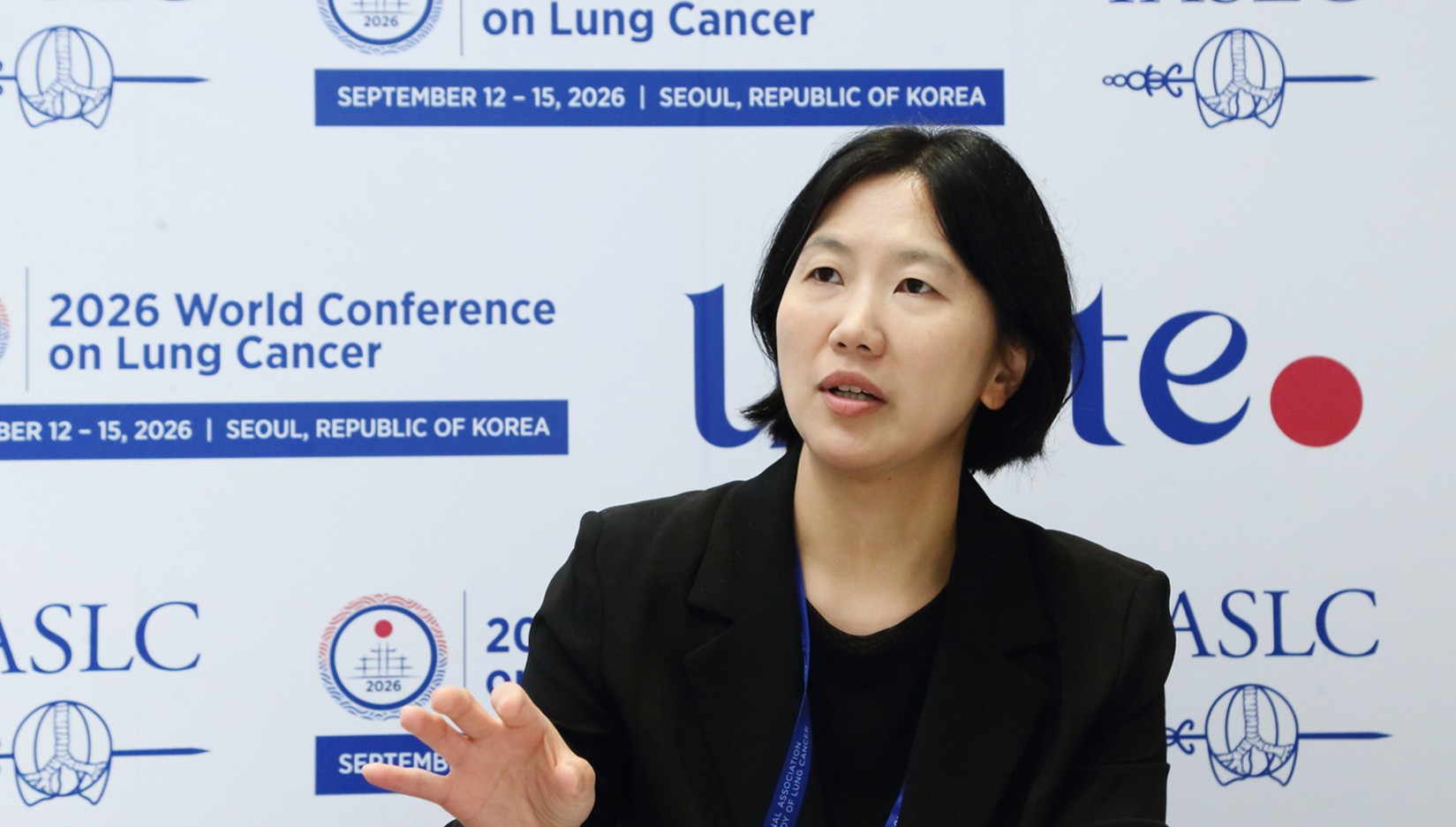
Especially as the number of young patients in their 20s and 30s and their life expectancy is both increasing, securing various treatment options for these patients has become the more important.” Tae Oh Kim, Professor of Gastroenterology at Inje University Haeundae Paik Hospital explained so in a recent interview with Dailypharm regarding Korea’s ulcerative colitis treatment landscape.
Ulcerative colitis is a chronic inflammatory growth disease of an unknown cause characterized by inflammation localized in the mucosal or submucosal layer of the large intestine.
Due to the nature of ulcerative colitis, which is characterized by flare-ups and exacerbations and a varying clinical course, consistent medication is currently regarded as the only treatment option for affected patients.
The good news is that there are many different treatment options available for the disease.
There are several treatment options available for ulcerative colitis, including anti-inflammatory drugs, corticosteroids, immunomodulators, antibiotics, biologics, Janus kinase (JAK) inhibitors, and S1P receptor modulators.
Kim said, “While many of these treatments have proven clinically effective, the patients we see in practice have different comorbidities, ages, etc.
Therefore, we can't use the therapies based on clinical data alone,” said Dr.
Kim.
“We need to try drugs that are not only effective but also safe, but the current prescription standards for ulcerative colitis in Korea do not allow for effective treatment,” he added.
Increased patients' life expectancy...“Various treatment options should be secured” According to the Health Insurance Review and Assessment Service, the number of patients with ulcerative colitis and Crohn's disease in Korea increased by 32% from 67,741 in 2017 to 80,289 in 2021.
The prevalence of younger patients, especially those in their teens to 20s, has increased significantly due to Westernized eating habits.
“As the life expectancy of the patients increased to 80-90 years, the more treatment options we have, the better,” said Kim.
“However, all drugs lose their effectiveness over time.
In the case of TNF alpha inhibitors, patients develop antibodies in the body, making it difficult to continue the use of the drug.: “We use drugs even if they are only 30% effective, and some patients do not respond to the drug from the beginning.
However, due to the limitations of Korea’s insurance reimbursement system, we have to continue administering the ineffective drug to these patients.” In ulcerative colitis, switching between JAK inhibitors is not allowed in Korea.
Korea’s insurance reimbursement standards allow patients to use steroids or immunosuppressants first, then switch to other therapies if they don't work.
Biologics or JAK inhibitors can only then be used, but if a patient switches from one treatment to another, he or she cannot go back to the previous therapy.
JAK inhibitors cannot be cross-administered.
This is why the patients’ options are rather limited despite the many treatment options on the market.
While developers have supported the use of various medications with efficacy and safety clinical data on switching, overseas cases, and accumulation of real-world data, the regulatory authorities have disallowed switching in ulcerative colitis, citing a lack of clinical evidence.
“Some treatments have shown strengths in efficacy, such as Rinvoq, and others are strong in safety, such as Jyseleca,” said Kim.
“However, I think it is problematic that we are not able to try new drugs due to Korea’s restrictive treatment selection standards.
We should be allowed to switch drugs and then go back if the new option doesn't work for the patient.
We may not have known enough about the effectiveness of the previous drug because it was used for a short period of time.” “Oral agents, such as JAK inhibitors and TYK2 inhibitors, have the advantage of not developing antibodies.
It is important to increase patient access to a range of oral treatment options in addition to injectables, as antibodies can lead to loss of response.
Some patients do not respond to any treatment.
There is no set treatment sequence for ulcerative colitis and as patient characteristics also vary, it is important to have multiple treatment options available.”
-

- 0
댓글 운영방식은
댓글은 실명게재와 익명게재 방식이 있으며, 실명은 이름과 아이디가 노출됩니다. 익명은 필명으로 등록 가능하며, 대댓글은 익명으로 등록 가능합니다.
댓글 노출방식은
댓글 명예자문위원(팜-코니언-필기모양 아이콘)으로 위촉된 데일리팜 회원의 댓글은 ‘게시판형 보기’와 ’펼쳐보기형’ 리스트에서 항상 최상단에 노출됩니다. 새로운 댓글을 올리는 일반회원은 ‘게시판형’과 ‘펼쳐보기형’ 모두 팜코니언 회원이 쓴 댓글의 하단에 실시간 노출됩니다.
댓글의 삭제 기준은
다음의 경우 사전 통보없이 삭제하고 아이디 이용정지 또는 영구 가입제한이 될 수도 있습니다.
-
저작권·인격권 등 타인의 권리를 침해하는 경우
상용 프로그램의 등록과 게재, 배포를 안내하는 게시물
타인 또는 제3자의 저작권 및 기타 권리를 침해한 내용을 담은 게시물
-
근거 없는 비방·명예를 훼손하는 게시물
특정 이용자 및 개인에 대한 인신 공격적인 내용의 글 및 직접적인 욕설이 사용된 경우
특정 지역 및 종교간의 감정대립을 조장하는 내용
사실 확인이 안된 소문을 유포 시키는 경우
욕설과 비어, 속어를 담은 내용
정당법 및 공직선거법, 관계 법령에 저촉되는 경우(선관위 요청 시 즉시 삭제)
특정 지역이나 단체를 비하하는 경우
특정인의 명예를 훼손하여 해당인이 삭제를 요청하는 경우
특정인의 개인정보(주민등록번호, 전화, 상세주소 등)를 무단으로 게시하는 경우
타인의 ID 혹은 닉네임을 도용하는 경우
-
게시판 특성상 제한되는 내용
서비스 주제와 맞지 않는 내용의 글을 게재한 경우
동일 내용의 연속 게재 및 여러 기사에 중복 게재한 경우
부분적으로 변경하여 반복 게재하는 경우도 포함
제목과 관련 없는 내용의 게시물, 제목과 본문이 무관한 경우
돈벌기 및 직·간접 상업적 목적의 내용이 포함된 게시물
게시물 읽기 유도 등을 위해 내용과 무관한 제목을 사용한 경우
-
수사기관 등의 공식적인 요청이 있는 경우
-
기타사항
각 서비스의 필요성에 따라 미리 공지한 경우
기타 법률에 저촉되는 정보 게재를 목적으로 할 경우
기타 원만한 운영을 위해 운영자가 필요하다고 판단되는 내용
-
사실 관계 확인 후 삭제
저작권자로부터 허락받지 않은 내용을 무단 게재, 복제, 배포하는 경우
타인의 초상권을 침해하거나 개인정보를 유출하는 경우
당사에 제공한 이용자의 정보가 허위인 경우 (타인의 ID, 비밀번호 도용 등)
※이상의 내용중 일부 사항에 적용될 경우 이용약관 및 관련 법률에 의해 제재를 받으실 수도 있으며, 민·형사상 처벌을 받을 수도 있습니다.
※위에 명시되지 않은 내용이더라도 불법적인 내용으로 판단되거나 데일리팜 서비스에 바람직하지 않다고 판단되는 경우는 선 조치 이후 본 관리 기준을 수정 공시하겠습니다.
※기타 문의 사항은 데일리팜 운영자에게 연락주십시오. 메일 주소는 dailypharm@dailypharm.com입니다.