
- LOGIN
- MemberShip
- 2026-05-07 01:51:27
- Company
- Samsung Biologics’ CMO orders exceed KRW 3 trillion this yr
- by Chon, Seung-Hyun Nov 29, 2023 05:50am
- Samsung Biologics Samsung Biologics announced on the 28th that its contract manufacturing organization (CMO) orders this year will exceed KRW 3 trillion. On the day, the company publicly announced that it signed 1 new and 4 expanded CMO deals. Samsung Biologics signed a CMO deal worth KRW 588.8 billion with Asian pharmaceutical companies. In addition, the CMO order amount increased by KRW 171.9 billion with the 4 expanded contracts, As a result, the company's cumulative annual CMO order amount has reached KRW 3.4867 trillion, surpassing KRW 3 trillion for the first time since its establishment. The company explained, “Based on the solid trust we have built with our customers, large multinational pharmacuetical companies. that have initially signed agreements with us have all expanded the contracted line of products or increased the production scale of previously contracted quantities, strengthening partnerships thereafter.” The company’s fourth plant, which began full operations in June, is the world's largest facility with a production capacity of 240,000 liters. The plant has been continuously recording a high utilization rate due to the increase in large-scale orders from large multinational pharmacuetical companies. Samsung Biologics is currently operating 4 biopharmaceutical manufacturing plants. The company further strengthened its CMO capacity by starting its fourth factory 23 months after construction in October last year, which has the world's largest production capacity (240,000 liters) for a single plant. Samsung Biologics has secured a total production capacity of 618,000 liters along with the existing 3 factories (Plant 1 30,000 liters, Plant 2 152,000 liters, Plant 3 180,000 liters). In order to preemptively respond to market demand, Samsung Biologics began construction of a fifth plant with a 180,000 capacity last April with the goal of completion in April 2025. When the fifth factory is completed, Samsung Biologics' total production capacity will be expanded to 784,000 liters.
- Company
- Korean companies bid to break AZ’s monopoly with FcRN drug
- by Son, Hyung-Min Nov 28, 2023 05:42am
- With new FcRn antibody drugs secured by Korean pharmaceutical companies demonstrating efficacy in myasthenia gravis, these new FcRn antibody drugs are expected to rise as a competitor to C5 complement inhibitors such as AstraZeneca’s Ultromiris and Soliris that currently occupy the market in Korea. to industry sources on the 27th, Handok is preparing to apply for marketing authorization of its new FcRn antibody drug Vyvgart (efgartigimod). The company had signed an agreement with the Belgian company Argenx for the marketing authorization, reimbursement, and exclusive distribution of Vyvgart in Korea. Vyvgart is a human Immunoglobulin G1 (IgG1) antibody fragment that binds to the neonatal. Fc receptors (FcRn). The mechanism of action reduces and blocks the circulation of IgG antibodies that cause diseases. FcRn binds to IgG antibodies, preventing them from being destroyed in the lysosome. Vyvgart is currently approved as a treatment for adult patients with generalized myasthenia gravis in the U.S., Europe, the U.K., Israel, and China. In the Phase III ADAPT trial, a significant 68% of anti-AChR antibody-positive gMG patients responded to Vyvgart therapy, compared to 30% of patients on placebo on the Myasthenia Gravis Activities of Daily Living (MG-ADL) scale during the first treatment cycle. Furthermore, patients who were treated with Vyvgart showed an improvement over those who received a placebo on the Quantitative Myasthenia Gravis (QMG) scale. Also, Argenx received approval for the subcutaneous formulation of its Vyvgart from the US FDA. In clinical trials, the subcutaneous injection formulation of Vyvgart reduced average IgG by 66.4% on the 29th day, which was higher than the 62.2% achieved using the existing intravenous injection formulation of Vyvgart. On the 23rd, Mirae Asset researcher Seung-min Kim selected FcRn antibody treatment as the most promising candidate for immune and inflammatory diseases in his 2024 Pharmaceutical Bio Outlook Report. Researcher Kim said that the FcRn antibody drug Vyvgart has the potential to become a blockbuster and that HanAll Biopharma, which is developing a treatment in the same class, also deserves attention. HanAll in Phase III trial for batoclimab…achieved positive results in the Phase I IMVT-1402 trial HanAll Biopharma is also developing a subcutaneous injection dosage formulation of its GcRn antibody treatment candidate, batoclimab (HL161). Its licensed partner in China, Harbour BioMed, is conducting clinical trials on the candidate to confirm the potential of batoclimab as a treatment for various autoimmune diseases. HanAll Biopharma obtained positive Phase III trial results with batoclimab in China in March. The trial was conducted by its Chinese partner Harbour BioMed on 132 patients with myasthenia gravis. In the trial, patients were randomly assigned to two groups and evaluated the candidate’s symptom improvement effect and safety at each designated cycle. Results showed that batoclimab met its primary endpoint and demonstrated statistically significant improvement over placebo. Also, batoclimab achieved the key secondary endpoints. It showed consistent safety and tolerability with the previous Phase II trial, and there were no newly discovered adverse reactions. Also, HanAll Biopharma is setting out to receive US approval with its US partner Immunovant. In addition to batoclimab, which is currently in the later stage of clinical trials, a Phase I trial is underway for IMVT-1402, another new FcRn antibody drug candidate. According to the interim results of the Phase I trial that was released last September, IMVT-1402 decreased blood IgG concentration, the efficacy endpoint, by 63%, and no decrease in albumin, a safety indicator, was observed. The ongoing Phase I trial administered IMVT-1402 and placebo as a subcutaneous injection formulation to randomly assigned healthy adults, in increased dosages for each patient group with single or repeated administrations. HanAll Biopharma plans to develop IMVT-1402 to target various autoimmune diseases in addition to myasthenia gravis. No.1 drug for myasthenia gravis in Korea is Ultomiris IV When introduced, the FcRn antibody treatments are expected to compete fiercely with existing AstraZeneca treatments in the market. AstraZeneca had successfully acquired Alexion, a rare disease specialized company that developed the C5 complement inhibitors Soliris (eculizumab) and Ultomiris (ravulizumab), which are treatments for myasthenia gravis. Currently, the domestic market is dominated by AstraZeneca's Ultomiris. The drug absorbed most of the market share that had been previously occupied by Soliris. According to the market research institution IQVIA, Ultomiris recorded KRW 43.2 billion in sales last year. This year, it raised KRW 37.8 billion by Q3. Soliris recorded sales of KRW 10.1 billion last year and KRW 6.5 billion through Q3 this year. Based on the performance, AstraZeneca is evaluated to have successfully made the switch from Soliris to Ultomiris. Soliris, which is indicated both for paroxysmal nocturnal hemoglobinuria (PNH) and myasthenia gravis, had maintained its first place in the market for a long time, but then, a change in the market was detected with the full-scale introduction of Ultomiris in 2021. Ultomiris succeeded in increasing the dosing interval while maintaining its effect compared with Soliris. The dosing interval for Ultomiris has been extended to once every 8 weeks compared to Soliris, which is administered intravenously once every 2 weeks. However, no subcutaneous injection formulation currently exists in the field, so the new FcRn antibody treatments are expected to have high marketability.
- Company
- Budesonide’s price will be increased by up to 19%
- by Chon, Seung-Hyun Nov 28, 2023 05:41am
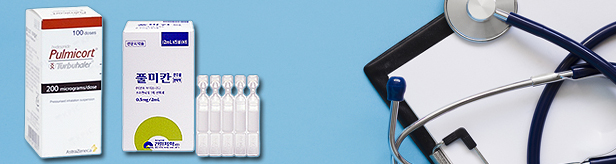
- The insurance ceiling price for asthma treatments containing ‘budesonide’ will be increased by up to 18.5%. The annual prescription market is expected to increase by more than KRW 1.5 billion. Once the supply and demand imbalance is resolved, the scope of market expansion is expected to increase further. According to the Ministry of Health and Welfare on the 27th, the prices of Pulmican and Pulmicort will increase starting December 1. The price of Kuhnil Pharmaceutical's Pulmican will increase by 18.5% from KRW 946 to KRW 1,121. The price of AstraZeneca's Pulmicort will rise 12.5% from KRW 1,000 to KRW 1,125. Pulmican and Pulmicort contain budesonide and are used to treat bronchial asthma and acute laryngotracheobronchitis in infants and children. As supply shortages have frequently occurred due to a recent surge in demand, a decision was made to increase drug prices after discussing with health authorities and pharmaceutical companies to encourage increased production. Prescriptions for Pulmican and Pulmicort both surged with the COVID-19 endemic. According to the pharmaceutical research institution UBIST, the prescription amount for Pulmicort and Pulmican in Q3 this year was KRW 1.6 billion. The amount decreased by 0.2% from Q3 last year but is 155.8% in 2 years from the KRW 600 million in Q3 2021. In 2020, the prescription market for budesonide was only KRW 3.8 billion. The average quarterly prescription amount was less than KRW 1 billion. In 2021, prescription performance was less than KRW 1 billion from Q1 to Q3. Budesonide prescriptions increased 39.0% YoY to KRW 1.4 billion in Q4 2021, then soared to KRW 3 billion in Q4 last year. This year, sales of budesonide continued to increase, recording KRW 2.5 billion and KRW 2.8 billion in Q1 and Q2, respectively. The cumulative prescription amount for budesonide in Q3 this year was KRW 6.9 billion, approximately 3 times higher than the KRW 2.3 billion it had raised during the same period in 2021. The prescription market for budesonide increased significantly with the surge in the number of confirmed COVID-19 cases since the end of 2021. Recently, the demand for asthma drugs has increased due to the increase in not only confirmed cases of COVID-19 but also cold and flu patients, resulting in a supply-demand imbalance where supply cannot meet demand Prescriptions for Pulmican and Pulmicort both surged from the end of 2021. Pulmicort’s quarterly prescriptions from 2020 to Q3 2021 ranged around KRW 300 million to 500 million. It jumped 36.6% YoY to KRW 800 million in Q4 2021 and exceeded KRW 1 billion in Q4 last year. The cumulative prescription amount for Pulmicort in Q3 this year was KRW 3.4 billion, up 194.7% from the cumulative KRW 1.2 billion in Q3 2021. Pulmican’s quarterly prescriptions from Q1 2020 to Q3 last year fell below KRW 1 billion. However, sales surged to KRW 1.8 billion in Q4 last year, and recorded KRW 1.5 billion and KRW 1.4 billion in Q1 and Q2 this year, respectively. The cumulative prescription amount of Pulmican in Q3 this year was KRW 3.4 billion, a threefold increase from 2 years ago. The price hike for Pulmicort and Pulmican is expected to expand the prescription market for budesonide. However, since the market size is not large, its financial burden on Korea’s health insurance is expected to be minimal. Pulmican recorded prescriptions worth KRW 4.7 billion from Q4 last year to Q3 this year. If a drug price increase rate of 18.5% is applied, the annual prescription volume will increase by about KRW 900 million. Pulmicort has recorded prescriptions worth KRW 5.3 billion in the past year, and if its drug price increases by 12.5%, the annual increase is expected to be about KRW 700 million. When the cost structure of Pulmican and Pulmicort is improved and the supply and demand instability is resolved through increased production, the prescription volume is expected to increase further. The price hike of Pulmican and Pulmicort is the fourth drug price increase case. The Ministry of Health and Welfare raised the insurance price ceiling of 18 acetaminophen 650mg items by up to 76.5% in December last year. The insurance price limit for 650mg acetaminophen, which ranged between KRW 43 to 51 before then, was raised to KRW 90. The government made an unprecedented decision to raise the price of all acetaminophen together when pharmaceutical companies expressed reluctance to increase production due to the drug’s poor cost structure. However, it is a temporary increase that will be adjusted to KRW 70 from December this year. The MOHW has also raised the price of magnesium hydroxide-based laxatives since last June. The price of Magmil was raised by 27.8% from KRW 18 to KRW 23. Cho-A Pharmaceutical's Marogel was raised from KRW 15 to KRW 22, and Sinil Pharm’s M Tab Sinil was raised from KRW 16 to KRW 22. In October, the prices of the 4 types of pseudoephedrine single-agent drugs were increased by up to 45%. The insurance price of Sinil Pharm’s Pseudoephedrine Tab Sinil increased by 45% from KRW 20 to KRW 29. The price of Sam Il Pharmaceutical's Sudafed rose 39% from KRW 23 to KRW 32. The insurance drug price of Sama Pharm’s Schdafen and Kolon Pharmaceutical's Cosue was raised by more than 30% from KRW 23 to KRW 30 and KRW 31, respectively.
- Company
- Series of sales right transfers occur in KOR
- by Kim, Jin-Gu Nov 27, 2023 06:07am
- Competition between domestic pharmaceutical companies has been heating up for the rights to copromote vaccines by multinational pharmaceutical companies. With new products being released one after another in Korea, domestic companies are intent on becoming partners to secure these vaccines that generate stable cash flow. In fact, over the past 2 years, 6 domestic pharmaceutical companies were found to have been competing to copromote 15 vaccines by 2 multinational pharmaceutical companies. The joint sales partners are showing mixed responses depending on whether they have secured the domestic sales rights for the vaccines. Eight MSD vaccines will be jointly sold by Boryung Biopharma and Kwangdong Pharmaceutical, instead of HK Inno.N According to industry sources on the 24th, MSD’s partner in joint sales and distribution of its 7 vaccines will be changed from HK Inno.N to Boryung Biopharma and Kwangdong Pharmaceutical starting next year. In addition, Boryung Biopharma will copromote another new vaccine for MSD in addition to the existing vaccines. Boryung Biopharma will sell the shingles vaccine ‘Zostavax,’ the pneumococcal vaccine ‘Prodiax 23,’ the rotavirus vaccine ‘RotaTeq,’ and MSD’s newly approved pneumococcal vaccine, ‘Vaxneuvance’ Kwangdong Pharmaceutical will sell the HPV vaccines ‘Gardasil,’ and ‘Gardasil 9’ from next year. The copromotion partners for the hepatitis A vaccine ‘Vaqta’ and the measles/mumps/rubella vaccine 'MMR2' have not been determined yet. The pharmaceutical industry predicts that it is highly likely that MSD will sign an agreement with a third party other than Boryung Biopharma and Kwangdong Pharmaceutical for the two vaccines. MSD With the switch, MDS will part ways with HK inno.N, which it had previously jointly sold all 7 of its vaccines. HK inno.N had signed an agreement with MSD in November 2021. For the 2 years from then to this year, the company jointly sold the 7 MSD vaccines in Korea. At the time, the two parties were known to have signed a ‘2+1 contract.’ Under the contract, HK Inno.N was supposed to carry out joint sales for 2 years, and then choose whether to extend the contract for 1 year. After the predetermined 2 years had passed, MSD and HK Inno.N mutually agreed not to exercise the one-year extension option. Entangled copromotion agreements… 6 domestic pharmaceutical companies compete for 2 years HK Inno.N entered the vaccine market by signing a copromotion agreement with MSD in 2021. Before then, Zostavax, Gardasil, and Gardasil had been sold by GC Biopharma, RotaTeq, Prodiax 23, Vaqta, MMR2 by SK Bioscience. In that situation, HK Inno.N signed a copromotion agreement to jointly sell all 7 of MSD’s vaccines. In this process, a chain transfer of sales rights occurred among vaccines. After terminating the copromotion agreement for the 4 MSD vaccines, SK Bioscience won a new copromotion contract for 5 GSK vaccines. These included Boostrix, Menveo, Havrix, Priorix, and Cervarix, which had been previously sold by Yuhan Corp. At a similar period, the sales rights of GSK’s flu vaccine Fluarix Tetra, which was jointly sold by GC Biopharma, had been transferred to Kwangdong Pharmaceutical. Kwangdong Pharmaceutical has been jointly selling Fluarix Tetra with GSK since the winter season of 2021. As such, sales rights transfer for 15 new vaccines have been made between 6 domestic pharmaceutical companies. Regarding the reason for the change in partners by multinational pharmaceutical companies, industry analysts believe that this is the result of intensified competition among domestic pharmaceutical companies to secure distribution rights for vaccines by multinational pharmaceutical companies. Vaccines from multinational pharmaceutical companies generate stable cash flow as expensive ‘premium vaccines’ in the domestic market. In fact, in the case of Zostavax, it had raised over KRW 50 billion in sales before COVID-19. Even during the prolonged COVID-19, it has posted sales of over KRW 20 billion. Gardasil and Gardasil 9’s sales had also exceeded KRW 60 billion. Last year, its sales had increased to exceed KRW 140 billion. The reason why the copromotion agreement with HK Inno.N had not been extended despite the company’s significant contribution to the sales growth can also be interpreted along the same lines. Boryung Biopharma and Kwangdong Pharmaceutical, which became new partners, may have offered better contract terms. From MSD's perspective, the fact that it can focus more on the promotion of its new product, Vaxneuvance, is also cited as a reason for changing partners. Vaxneuvance is a 15-valent pneumococcal vaccine, which was approved in Korea for the first time in 13 years. Vaxneuvance is expected to compete directly with Pfizer's Prevenar 13. It is analyzed that the company chose to change its partner in order to focus on competition with Prevenar 13, which virtually dominated the domestic pneumococcal vaccine market with sales of KRW 40.9 billion last year. GSK signs 2 companies as partners for its single shingles vaccine ‘Shingrix’ Pic of ShingrixGSK’s shingles vaccine ‘Shingrix’ is also considered an example of intensifying competition among domestic pharmaceutical companies to secure co-promotion contracts. GSK signed a copromotion agreement for Shingrix with GC Biopharma and Kwangdong Pharmaceutical in October last year. Typically, co-promotion between multinational pharmaceutical companies and domestic pharmaceutical companies is made as 1:1 contracts. However, in the case of Shingrix, a 1:2 contract was signed. GC Biopharma will focus on internal medicine and family medicine, where active inoculations occur, while Kwangdong Pharmaceutical will focus on pediatrics, obstetrics and gynecology, and dermatology departments and clinics. Shingrix has received much attention even before entering the domestic market due to its superior preventive effect over existing vaccines. The prevailing view was that it would record unrivaled sales in the shingles vaccine market, which is worth KRW 40 billion per year. As a result, GC Biopharma and Kwangdong Pharmaceutical competed fiercely for the domestic partner position, and a contract was made in an unusual form called a 1:2 contract. Shingrix’s market share has been increasing rapidly after vaccinations began in earnest in December last year. Shingrix's market share surged from 29% in Q1 this year to 47% in Q2 and became the market lead. In Q3, its share increased to 51%, accounting for over half of the market. HK Inno.N to suffer a KRW 200 bil gap in sales… Boryun Biopharma and Kwangdong’s sales to increase Domestic pharmaceutical companies are expected to experience joys and sorrows with the change in partner companies. For HK Inno.N, a sales gap worth 200 billion won is inevitable. On the other hand, Boryung Biopharma and Kwangdong Pharmaceutical are expected to split the sales of KRW 200 billion, as of last year. Zostavax, RotaTeq, and Prodiax 23, sold by Boryung Biopharma, recorded sales of KRW 54.1 billion last year. Adding the sales of the new vaccine Vaxneuvance, annual sales will increase to exceed KRW 50 billion. Kwangdong Pharmaceutical is expected to benefit the most. Last year’s sales of Gardasil and Gardasil 9 amounted to KRW 143.7 billion. Kwangdong Pharmaceutical is also in charge of sales of Shingrix. Kwangdong Pharmaceutical recorded sales of KRW 41 billion in the vaccine sector alone by Q3 this year. When adding on the sales of Gardasil and Gardasil 9, which amount to around KRW 140 billion next year, the sales volume of its vaccine sector is expected to expand to reach nearly KRW 200 billion in annual sales.
- Company
- CDK4/6 inhibitor mkt fluctuates with the rise of Kisqali
- by Son, Hyung-Min Nov 27, 2023 06:06am
- The CDK4/6 inhibitor market for breast cancer has changed from a monopoly to a duopoly in Korea. Kisqali, which had been introduced later into the market, has nearly caught up with Ibrance's sales. According to the market research institution IQVIA on the 24th, sales of Novartis’s Kisqali had risen 95.2% YoY to reach KRW 12.1 billion in Q3 this year. During the same period, Pfizer’s Ibrance posted sales of KRW 12.3 billion, down 12.1% YoY from the KRW 14 billion it posted in Q3 last year. The cyclin-dependent kinases (CDK) 4/6 inhibitors selectively inhibit the CDK4(cyclin-dependent kinase 4) and CDK6(cyclin-dependent kinase 6) enzymes that regulate cell division and cell growth to block the proliferation of tumor cells. These are mainly used to treat target hormone receptor (HR)-positive, human epidermal growth factor receptor 2 (HER2)-negative advanced or metastatic breast cancer. The drug that had opened the door to the market was ‘Ibrance (palbociclib),’ followed by ‘Kisqali (ribociclib),’ then Eli Lilly’s ‘Verzenio (abemaciclib).’ Sales of CDK 4/6 inhibitors The latecomer Kisqali has made rapid sales growth ever since its release. After posting sales of KRW 3 billion in Q3 2021, the drug recorded sales of KRW 6.2 billion in Q3 last year, showing a 106.6% increase. Kisqali’s sales exceeded KRW 10 billion for the first time in Q2 this year. The fact that Kisqali is the first CDK4/6 inhibitor to be indicated for premenopausal women contributed to its rapid growth. According to the National Comprehensive Cancer Network (NCCN) guidelines, Kisqali is the only CDK4/6 inhibitor recommended as Category 1 for the first-line treatment of HR+/HER2- pre-and post-menopausal breast cancer patients. Previously, Ibrance, which was the first CDK4/6 inhibitor to be released, monopolized the market. As the only treatment option, it solely enjoyed sales of KRW 25.3 billion in 2018 and then KRW 43.7 billion in 2019. However, its sales had started to decline in Q1 2022 with the entry of latecomers such as Kisqali and Verzenio into the market. Ibrance recorded sales of KRW 16.1 billion in Q4 2021, which fell 10.4% to KRW 14.4 billion in Q1 2022. Its sales continued to falter to reach KRW 12.3 billion in Q3 this year. This is the lowest sales record since the KRW 12.4 billion it had posted in Q4 2019. It is a 27.2% decrease from the KRW 16.9 billion it had made in Q3 2021. Last July, Ibrance’s indication was also changed to allow for use in pre-menopausal women like Kisqali, but the change did not have a significant impact on improving performance. On the other hand, Verzenio is showing steady growth in sales. Verzenio's sales in Q3 this year were KRW 6.5 billion, a 103.1% YoY increase compared to the KRW 3.2 billion raised in the same period last year. Verzenio’s sales have continued on an upward trend since recording KRW 2.5 billion in Q2 2021. In Q2 this year, Verzenio’s sales exceeded KRW 5 billion. Verzenio’s strength lies in how it has secured differentiated indications compared to its competitors. Verzenio is the only CDK4/6 inhibitor in Korea that can be used to treat patients with early breast cancer. Also, the company succeeded in securing new data for Verzenio. It presented the results of the 5-year long-term follow-up monarchE study at the European Society for Medical Oncology Congress 2023 (ESMO 2023) held last month. In the study, Verzenio succeeded in improving key endpoints compared to endocrine therapy alone.
- Company
- New AD drug Adtralza enters last stage to reimb in KOR
- by Eo, Yun-Ho Nov 27, 2023 06:06am
- The atopic dermatitis treatment ‘Adtralza’ is entering its final stages of receiving reimbursement in Korea. According to industry sources, the Ministry of Health and Welfare recently issued a negotiation order for Leo Pharma Korea’s interleukin-13 (IL-13) inhibitor for atopic dermatitis, Adtralza (tralokinumab). Under the order, the company will soon start pricing negotiations with the National Health Insurance Service. Adtralza was approved in Korea in August this year, and its reimbursement agenda passed the Health Insurance Review and Assessment Service’s Drug Reimbursement Evaluation Committee review earlier this month. More specifically, the drug is indicated for the treatment of moderate-to-severe atopic dermatitis in adult (18 years and older) and adolescent patients (12 years to 17 years of age) who are not adequately controlled or not recommended to use topical therapies. The recommended dose of Adtralza is an initial dose of 600 mg (four 150 mg injections) followed by 300 mg (two 150 mg injections) administered every other week as a subcutaneous injection. At the prescriber's discretion, every fourth week dosing may be considered for patients who achieve clear or almost clear skin after 16 weeks of treatment. This freedom in dosing adjustment offers new dosing convenience for patients with moderate-to-severe atopic dermatitis in Korea. Adtralza is a biological drug that selectively targets interleukin-13 (IL-13). Although Sanofi-Aventis Korea's 'Dupixent (dupilumab)' blocks both IL-4 and IL-13, it is difficult to simply compare the mechanisms of the two drugs. Adtralza’s clinical efficacy and safety were confirmed through four Phase III trials (ECZTRA 1, ECZTRA 2, ECZTRA 3, ECZTRA 6) that were conducted on 2,265 adult and adolescent patients with moderate-to-severe atopic dermatitis. In ECZTRA 3, patients were treated with subcutaneous injections of Adtralza or placebo, with concomitant topical corticosteroids (TCS) every two weeks, similar to the treatment method in actual practice. Study results showed that 38.9% in the tralokinumab treatment group achieved IGA (Investigator’s Global Assessment) 0/1 at week 16, which was 12.7% higher than that of the placebo group. The rate of patients who showed 75% improvement in Eczema Area and Severity Index (EASI 75) at Week 16 was 56.0% in the Adtralza-treated group, a clinically significant improvement compared with the 35.7% in the placebo group. Among patients who responded after 16 weeks, a high EASI-75 achievement rate of over 90% was observed in both the patients whose dosing intervals were maintained to 2 weeks or extended to 4 weeks at Week 32. Sang Wook Son, Professor of Dermatology at Korea University Ansan Hospital, said, “Atopic dermatitis is an area where there is a high unmet need for new treatment options that can effectively manage various patient characteristics. Therefore, we have high expectations for the new treatment option that was introduced to the field that offers both clinical benefit and ease in administration.”
- Company
- Sales of K-anticancer drugs Leclaz and Rolontis rise in KOR
- by Chon, Seung-Hyun Nov 24, 2023 05:37am
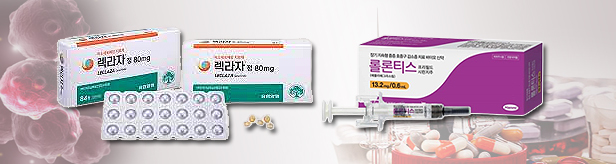
- New anticancer drugs developed by domestic companies are gradually increasing their influence in their home market. Sales of Yuhan Corp’s lung cancer treatment Leclaza are expected to exceed KRW 20 billion this year. Also, cumulative sales of Hanmi Pharmaceutical's neutropenia treatment Rolontis have exceeded KRW 10 billion just 2 two into its launch. According to the pharmaceutical research institution IQVIA on the 22nd, sales of Leclaza increased by 30.2% YoY to reach KRW 6 billion in Q3 this year. Leclaza is a treatment for non-small cell lung cancer that was approved as the 31st novel homegrown drug in January 2021. Leclaza entered the prescription market in earnest with its reimbursement listing in July 2021. Leclaza generated sales of KRW 1.5 billion and KRW 2.6 billion in Q3 and Q4 2021, respectively. Last year, sales reached KRW 16.1 billion, exceeding the KRW 10 billion mark just in the second year of its release. Leclaza posted sales of around KRW 5 billion each in Q1 and Q2 of this year, and the sales increase was greater in Q3 this year. Leclaza’s cumulative sales by Q3 this year became KRW 16.4 billion. If this trend continues, sales are likely to exceed KRW 20 billion in its third year of release. Quarterly Leclaza sales (Unit: KRW 1 mil, Data: IQVIA) In the early stages of its release, Leclaza had made a smooth start. As new anticancer drugs need to directly compete with promising new drugs from multinational pharmaceutical companies, it is not easy for local homegrown new anticancer drugs to achieve commercial results. Other homegrown new anticancer drugs that were approved before Leclaza include Il-Yang Pharmaceuticals’ Supect, Dongwha Pharm’s Milican, Chong Kun Dang’s Camtobell, Sam Sung Pharmaceutical’s Riavax, Hanmi Pharmaceutical’s Olita. None of the products posted annual sales that exceeded KRW 10 billion. If the drug is reimbursed as a first-line treatment, its rate of market expansion may accelerate further in the future. Leclaza was first approved as a second-line treatment for patients with locally advanced or metastatic non-small-cell lung cancer (NSCLC) who developed a resistance to a specific gene (T790M) after being previously treated with 1st generation or 2nd generation EGFR-TKIs. Recently, it also received approval as a first-line treatment. The Ministry of Food and Drug Safety approved the change to extend Leclaza’s indications to ‘first-line treatment of non-small cell lung cancer’. Fueled by the approval, Yuhan Corp applied for the reimbursement of Leclaza as a first-line treatment to health authorities in Korea. Also, the company announced plans to provide Leclaza as a first-line treatment free of charge until reimbursement approval. The company plans to provide the clinical trial formulation of Leclaza as a first-line treatment to patients free of charge using an Early Access Program (EAP). Without reimbursement, the drug costs KRW 6 million per month. Sales of Hanmi Pharmaceutical Rolontis in Q3 were KRW 2.9 billion, which is twice what it had made in the same period last year. Rolontis is administered for the treatment or prevention of neutropenia in cancer patients who receive myelosuppressive chemotherapy. As a granulocyte colony-stimulating factor (G-CSF) class that stimulates the granulocyte to increase neutrophil production, the drug has a similar mechanism of action with Amgen’s blockbuster drug ‘Neulasta (pegfilgrastim).’ In Korea, Rolontis was approved in March as the 33rd novel homegrown drug and started to be sold in Korea after being listed for reimbursement in November 2021. Sales of Rolontis continued on an upward trend since generating its first sales in Q1 last year. Last year, it posted sales of KRW 3.2 billion. This year, it made KRW 7.7 billion in just three quarters and exceeded KRW 10 billion in cumulative sales for the first time since its launch. Quarterly Rolontis sales (Unit: KRW 1 mil, Data: IQVIA) Rolontis is a homegrown novel drug that was approved by the U.S. FDA. Hanmi had licensed-out Rolontis’s technology to Spectrum Pharmaceuticals in 2012 and received FDA approval for the drug under the brand name, Rolvedon. Rolvedon initially received FDA approval after the technology was licensed-out to Spectrum Pharmaceuticals, and in April, Spectrum was acquired by Assertio Holdings, a pharmaceutical company specializing in central nervous system, pain, and inflammation. In the US market, Rolvedon recorded sales of USD 15.6 million (about KRW 20 billion) in Q1 and USD 21 million (about KRW 28 billion) in Q2, continuing growth in the US market as well.
- Company
- MSD vaccines will be sold by Boryung·Kwangdong
- by Kim, Jin-Gu Nov 24, 2023 05:37am
- The domestic sales rights for 8 types of MSD vaccines have changed hands recently. Although HK Inno.N was in charge of joint sales for MSD vaccines in Korea, the vaccines will be separately sold by Boryung Biopharma and Kwangdong Pharmaceutical each. After signing a copromotion agreement with MSD for its vaccines at the end of 2021, HK Inno.N began joint sales last year. However, with this transfer of sales rights, the company is effectively withdrawing from the vaccine business after 2 years. According to industry sources on the 23rd, MSD’s partner in joint sales and distribution of its 8 vaccines will be changed from HK Inno.N to Boryung Biopharma and Kwangdong Pharmaceutical starting next year. The companies recently signed a copromotion contract for this purpose. Boryung Biopharma will sell the shingles vaccine ‘Zostavax,’ the pneumococcal vaccine ‘Prodiax 23,’ the rotavirus vaccine ‘RotaTeq,’ and MSD’s new pneumococcal vaccine ‘Vaxneuvance.’ Vaxneuvance Is a 15-valent pneumococcal conjugate vaccine, which gained attention as the first pneumococcal vaccine to be authorized in Korea in 13 years. Kwangdong Pharmaceutical will sell the HPV vaccines ‘Gardasil,’ and ‘Gardasil 9.’ The copromotion partners for the hepatitis A vaccine ‘Vaqta’ and the measles/mumps/rubella vaccine 'MMR2' have not been determined yet. The pharmaceutical industry predicts that it is highly likely that MSD will sign an agreement with a third party other than Boryung Biopharma and Kwangdong Pharmaceutical for the two vaccines. On this, an MSD official said, “We have signed a new copromotion agreement for Zostavax, Prodiax 23, Vaxneuvance, RotaTeq, Gardasil, and Gardasil 9. But we are separately reviewing sales for Vaqta, MMR2.” Seven of MSD’s vaccines other than the Vaxneuvance that was recently approved had been sold by HK Inno.N until now. HK Inno.N signed a copromotion and distribution agreement with MSD Korea in November 2021. With the transfer, HK Inno.N is effectively withdrawing from the vaccine business after two years. Analysis suggests that a gap worth KRW 200 billion in annual sales will be inevitable during this process. According to the market research institution IQVIA, last year's sales of the 7 vaccines in discussion amounted to KRW 204.9 billion. Compared to the KRW 150.4 billion they had posted in 2021 before HK InnoN took over copromotion, sales increased by 36% in a single year. This year, it recorded cumulative sales of KRW 146.2 billion by Q3. If this trend continues, the vaccines are expected to record sales of around KRW 200 billion, similar to last year.
- Company
- Reimb for 7 of 13 Keytruda indications to be rediscussed
- by Eo, Yun-Ho Nov 24, 2023 05:37am
- Although it was well expected, the road to reimbursement extension for Keytruda is not going so smoothly. The company had applied to extend reimbursement for the drug to 13 additional indications in bulk earlier this year. According to industry sources, 4 indications of MSD Korea’s PD-1 inhibitor Keytruda (pembrolizumab) for Triple-Negative Breast Cancer (TNBC), head and neck squamous cell carcinoma, endometrial carcinoma, and bladder cancer were deliberated at the Health Insurance Review and Assessment Service’s Cancer Disease Deliberation Committee on the 22nd but received a ‘rediscussion’ decision. When adding this to the 3 indications - esophageal cancer, endometrial, and colorectal cancer – that received a rediscussion decision from CDDC in October, a total of 7 indications have been unable to pass the CDC stage until now. Although CDDC review for the other 6 indications is in discussion, whether those will be able to produce positive results remains in question when considering the current state of results. As a Risk Sharing Agreement (RSA) drug, each indication must go through an evaluation procedure equivalent to that of a new drug in order to receive extended reimbursement. Indications approved through Phase III trials must undergo pharmacoeconomic evaluation to prove cost-effectiveness, and indications approved based on Phase II trials must also undergo negotiations to apply for pharmacoeconomic evaluation exemptions. Therefore, it remains to be seen whether the discussion on expanding Keytruda's reimbursement, which continues to receive 'rediscussion' decisions, will produce results in 2024. In June, MSD applied to extend reimbursement to 13 indications for its Keytruda. The indications were: ▲ early-stage triple-negative breast cancer; ▲locally recurrent or metastatic triple-negative breast cancer, ▲metastatic or with unresectable, recurrent head and neck squamous cell carcinoma, ▲ locally advanced or metastatic esophageal or gastroesophageal junction (GEJ) carcinoma, ▲adjuvant treatment of patients with renal cell carcinoma, ▲non-muscle invasive bladder cancer,▲persistent, recurrent, or metastatic cervical cancer,▲ advanced endometrial carcinoma, ▲advanced endometrial carcinoma that is microsatellite instability-high (MSI-H) or mismatch repair deficient (dMMR) ▲ unresectable or metastatic MSI-H or dMMR colorectal cancer ▲metastatic MSI-H or dMMR small bowel cancer, ▲ metastatic MSI-H or dMMR ovarian cancer, and ▲ metastatic MSI-H or dMMR pancreatic cancer.
- Company
- Shingrix lead mkt again…shakes shingles vaccine mkt
- by Chon, Seung-Hyun Nov 23, 2023 05:37am
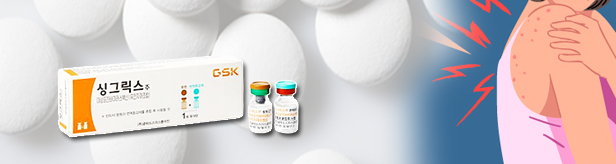
- The annual KRW 40 billion shingles vaccine market has shown rapid changes. GlaxoSmithKline's (GSK) new shingles vaccine 'Shingrix' took an unrivaled lead in the Korean market. Shingrix’s market share exceeded 50% this quarter powered by its strong preventive effect despite its high price. According to the market research institution IQVIA on the 22nd, the market for preventive vaccines for shingles in Q3 was KRW 19.5 billion last year, up 70.5% YoY. The shingles vaccine market, which had posted quarterly sales of around KRW 10 billion last year, had increased greatly this year. The shingles vaccine market grew 147.0% YoY to record KRW 21.9 billion in Q1 this year, then again rose 124.1% to post KRW 23.5 billion in Q2 this year. The new vaccine Shingrix drove the market expansion. Shingrix, which started vaccinations in December last year, showed off its presence by occupying 28.9% of the market with sales of KRW 6 billion in Q1 this year. In Q2, the drug quickly rose to lead the shingles vaccine market with sales of KRW 11.1 billion. Shingrix's share of the shingles vaccine market in Q3 reached 50.5% and continued on its unrivaled lead in the market. Sales of shingles prevention vaccine (Unit: KRW 100 mil, Data: IQVIA) The greatest benefit of Shignrix is its strong shingles prevention effect. In a Phase III clinical trial (ZOE-50) that was conducted on adults aged over 50 years of age, Shingrix showed a 97.2% efficacy compared to the non-vaccinated group at 3.2 years of follow-up, and in another Phase III clinical trial (ZOE-70) conducted on adults aged 70 years and above, Shingrix showed an 89.8% efficacy at 3.7 years of follow up. This is superior to the 5% protection in adults aged over 50 years of age and 41% in adults aged 70 years and above demonstrated with the use of Zostavax. The prevention rate of SKYZoster is also known to be similar to Zostavax. Also, Shingrix’s safety profile was confirmed through 5 clinical trials that were conducted on immunocompromised patients aged 18 years and older. Based on such evidence, patients who received autologous hematopoietic stem cell transplantation or those with solid cancer, blood cancer, or solid organ transplant patients who have an increased risk of shingles are also eligible to receive vaccination with Shingrix. At the time of its release, Shingrix's significantly higher price than existing vaccines was pointed to as an obstacle to the vaccine’s early settlement into the market. vaccines. The price of Shingrix, which is administered two times in total, is set at around KRW 500,000 to 600,000. This is more than twice as high as the existing vaccine, which costs KRW 150,000 to 200,000. However, Shingrix rapidly increased its market share in the market thanks to its superior efficacy despite the high price. Also, the sales support from 2 domestic pharmaceutical companies contributed to Shingrix’s rapid market penetration. GSK started domestic sales of Shingrix in partnership with two companies, GC Biopharma and Kwangdong Pharmaceutical. Existing shingles vaccine products such as SkZzoster and Zostavax saw slower sales growth. SK Bioscience’s SKYZoster’s sales in Q3 were KRW 5.1 billion, which is a 5.0% decrease YoY. SKYZoster’s had led the shingles market in Q1 and Q2 this year but then lost the lead to Shingrix. SKYZoster is a shingles vaccine developed by SK Bioscience with its proprietary technology. The vaccine has proven its non-inferiority compared to its competitor (Zostavax) in adults aged 50 or older in 8 domestic clinical institutions. In October 2017, SK Bioscience obtained approval for SKYZoster from the Ministry of Food and Drug Safety for 'preventing shingles in adults over the age of 50'. Before its approval, MSD's Zostavax was the only vaccine available in the market. Before then, the market was dominated by MSD's Zostavax, but the introduction of SKYZoster has converted the market into a competitive system. However, as SKYZoster’s price is less than half of that of Shingrix, there have been estimates that the actual amount of vaccinations made could be larger for SKYZoster than for Shingrix. Zostavax’s sales in Q3 had fallen 25.6% YoY to record KRW 4.5 billion. Zostavax’s in Q1 this year rose by 18.9% YoY to reach KRW 6 billion but then fell in Q2 and Q3. Zostavax gave up its lead to SKYZoster in Q4 last year and then was even surpassed by Shingrix, ranking 3rd in the market. Zostavax's market share in Q2 had only been 23.0%.
