
- LOGIN
- MemberShip
- 2026-04-26 19:07:34

- Company
- Targeted therapies and antibody drugs enter clinical trials
- by Son, Hyung Min Aug 27, 2025 06:07am
- Korea’s pharmaceutical and biotech industry is accelerating new drug development for pancreatic cancer, a cancer regarded as one of the most intractable cancers. Onconic Therapeutics, Prestige Biopharma, and Aptamer Sciences have each started clinical trials, making their bid into the field. The company plans to test the commercial viability of various mechanisms in the area, including antibody-drug conjugates (ADCs), targeted anticancer agents, and antibody-based novel therapies. Pancreatic cancer is difficult to detect at an early stage and has a poor prognosis, with a five-year survival rate of only 12.6 percent — the lowest among the nation’s top ten cancers. Given the limited success seen with existing therapies, there is a growing consensus that the development of new drugs is urgently needed. Onconic Therapeutics applies to initate Phase II trial in Korea According to industry sources on the 26th, Onconic Therapeutics has recently submitted an Investigational New Drug (IND) application to the Ministry of Food and Drug Safety for a Phase II clinical trial of its anticancer drug candidate Nesuparib. Nesuparib is a novel drug candidate with a dual mechanism of action, simultaneously inhibiting poly (ADP-ribose) polymerases (PARPs) and tankyrases (TNKS). The compound is currently being evaluated as both a monotherapy and as combination therapy across multiple indications, including pancreatic, endometrial, and gastric cancers. It has also been granted Orphan Drug Designation (ODD) by the U.S. Food and Drug Administration (FDA) for pancreatic and gastric cancers. Onconic Therapeutics has confirmed the maximum tolerated dose (MTD) and the recommended Phase II dose (RP2D) for its anticancer candidate in a Phase Ib clinical trial involving patients with advanced or metastatic pancreatic cancer. This multicenter, open-label, Phase Ib dose-escalation study enrolled up to 48 patients with locally advanced or metastatic pancreatic cancer. Participants were divided into two cohorts - Arm A, which received Nesuparib in combination with the FOLFOXIRI regimen (oxaliplatin, leucovorin, irinotecan, and 5-fluorouracil (5-FU)), and Arm B, which received Nesuparib in combination with gemcitabine and nab-paclitaxel. Onconic Therapeutics described the results of the Phase Ib trial as encouraging and announced its intention to present the findings at upcoming major international oncology conferences. New antibody drug development active in the industry… companies also see potential in combination therapies Korea’s pharmaceutical and biotech industry is stepping up its efforts in the field, with companies pursuing a wide range of new drug candidates, including antibody-drug conjugates (ADCs) and novel antibody therapies. Aptamer Sciences recently unveiled preclinical data for its ADC candidate AST-203, which targets TROP2, a protein commonly expressed in breast, pancreatic, gastric, and lung cancers. AST-203 selectively binds to TROP2-positive tumors, penetrates cells, and releases the microtubule inhibitor MMAE to induce tumor cell death. Structurally, AST-203 is composed of an anti-TROP2 antibody linked to the cytotoxic microtubule-inhibiting payload MMAE via a VC-PAB linker. MMAE is the same payload used in Padcev, the ADC therapy developed by Astellas and Seagen. ADC therapy TROP2 acts as an intracellular calcium signal transducer involved in cell proliferation and survival. Among TROP2-targeting new drugs, only two commercialized products exist: Gilead's ADC Trodelvy and Daiichi Sankyo/AstraZeneca's Datroway. Both products have only secured indications for breast cancer. Because TROP2 is highly expressed in breast, non-small cell lung, colorectal, and pancreatic cancers, the later entrants have been actively conducting clinical studies to tackle such major solid tumors. Aptamer Sciences is leveraging its proprietary ADC platform, “Aptamer,” to address the limitations of conventional ADCs. Aptamers are roughly one-tenth the size of antibodies, enabling deeper penetration into tumor tissue and faster delivery to target cells, enhancing therapeutic efficacy. In preclinical studies using tumor spheroid models (three-dimensional cultured cell aggregates), AST-203 demonstrated a 6.7-fold higher tumor penetration rate compared with Trodelvy. Prestige Biopharma has entered a clinical trial in the U.S for its antibody drug candidate PBP1510. PBP1510neutralizes the PAUF protein, a key driver overexpressed in pancreatic ductal adenocarcinoma (PDAC) that is a major target in pancreatic cancer. Through its Phase I trial, the company aims to assess the safety and tolerability of PBP1510 in combination with gemcitabine. NeoImmuneTech's NT-I7 received FDA orphan drug designation this year for pancreatic cancer. NT-I7 is an anti-cancer drug candidate targeting IL-7, which organizes T-cell development and function, and targets various indications. Immuno-oncology drugBeyond pancreatic cancer, NT-I7 previously received ODD from the FDA for CD4 lymphopenia (2019), progressive multifocal leukoencephalopathy (2020), and glioblastoma (2023). NeoImmuneTech is currently conducting a Phase II trial evaluating NT-I7 in combination with Keytruda. The trial enrolled 50 patients with previously treated metastatic colorectal cancer and 48 with pancreatic cancer. Interim data showed partial responses (PRs) in three of the 48 pancreatic cancer patients, with a median overall survival (OS) of 11.1 months.
- Company
- Co-promotion discussed for the diabetes drug Mounjaro
- by Kim, Jin-Gu Aug 27, 2025 06:07am
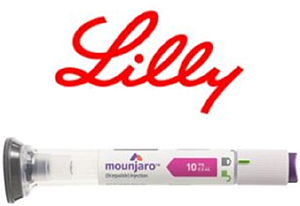
- Product photo of Mounjaro The possibility of a co-promotion partnership between Eli Lilly and Korean pharmaceutical companies for 'Mounjaro,' the treatment of diabetes and obesity, continues to be discussed. While Lilly Korea officially maintains a 'direct sales' policy, it is reported that they are also conducting undiscloed discussions for potential partnerships. It is anticipated that the decision on co-promotion will become clearer around the time Mounjaro becomes reimbursed for the diabetes indication. According to industry sources on August 26, Lilly Korea recently discussed the possibility of co-promoting Mounjaro with approximately ten domestic pharmaceutical companies. Key major pharmaceutical companies with nationwide sales networks are said to have participated in the discussions, exchanging ideas by proposing their sales strategies to Lilly Korea. However, Lilly Korea's official position of 'direct sales' remains unchanged. An official from Lilly Korea stated, "At the time of launch, Lilly will handle direct sales, and distribution will primarily be through distributors who have direct dealings with Lilly." In other words, it is interpreted as a move to maintain the principle of direct sales while leaving the door open for collaboration with domestic pharmaceutical companies through simultaneous undisclosed discussions. The pharmaceutical industry believes that Mounjaro's 'indications' are the reason why two sales models are being considered simultaneously. Mounjaro currently holds three indications: ▲Improving glycemic control in adult patients with Type 2 diabetes ▲Chronic weight management in adult patients ▲Treating moderate-to-severe obstructive sleep apnea in obese adults. With patient groups categorized for diabetes and obesity, the sales strategy must be differentiated. This situation differs from the global market. In the U.S., the same active ingredient (tirzepatide) is marketed separately as an obesity drug called 'Zepbound' and a diabetes drug called 'Mounjaro.' In Korea, however, it was approved as a single product under the name Mounjaro, without using the name Zepbound. Mounjaro is therefore sold as both an obesity and a diabetes drug. The consensus in the industry is that discussions regarding a co-promotion partnership with domestic pharmaceutical companies are focused on the diabetes treatment indication. It is reported that the diabetes indication was a key topic of discussion during the negotiation process. The pharmaceutical industry anticipates that Lilly Korea will pursue reimbursement for Mounjaro's diabetes treatment indication, targeting the first half of next year. If reimbursement is approved, it would be possible to separate the sales strategies for the diabetes and obesity markets. This means that Mounjaro for obesity treatment could be sold exclusively by Lilly Korea's in-house sales team. At the same time, a co-promotion system could be established with a domestic pharmaceutical company for Mounjaro's diabetes treatment. Consequently, the co-promotion partner is expected to be known around the time reimbursement is secured. The high market potential of Mounjaro is the reason for the strong interest from Korean pharmaceutical companies. Mounjaro achieved record-breaking sales in the global market immediately after its launch. As a diabetes drug, its globalsales reached $5.198 billion (approximately KRW 7 trillion) in the second quarter of this year. Zepbound, initially launched as an obesity drug, generated $3.381 billion (approximately KRW 4.7 trillion) in sales. In just three months, the combined sales of the two products amounted to nearly KRW 12 trillion. Considering Mounjaro's significant presence in both the diabetes and obesity markets, it is likely that Korean pharmaceutical companies will find it difficult to pass up this strategic opportunity. A co-promotion partnership could immediately lead to external growth and a synergistic effect with their existing diabetes treatment portfolios. The high potential for future indication expansion beyond diabetes and obesity is also an attractive factor. Currently, GLP-1 class drugs like Mounjaro and Wegovy are being actively investigated in clinical trials for conditions such as MetabolicDysfunction-Associated Steatohepatitis (MASH), cardiovascular diseases, and kidney diseases.
- Policy
- ‘80,000 Wegovy prescriptions issued per month’
- by Lee, Jeong-Hwan Aug 27, 2025 06:06am
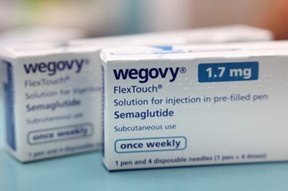
- The popular obesity drug Wegovy, which was launched in Korea in October last year, has already been prescribed about 400,000 times within eight months, raising concerns over potential misuse and abuse. On the 25th, Rep. Kim Sun-min of the Rebuilding Korea Party disclosed the ‘Annual and Monthly Status of Wegovy Prescriptions based on DUR’ data submitted by the Health Insurance Review and Assessment Service (HIRA) and urged safe usage. According to the data, in 2023, the first month of release, the number of prescriptions flagged by the Drug Utilization Review (DUR) system for Wegovy was 11,368. This increased to 16,990 prescriptions the following month, November. The number then reached 21,457 prescriptions in December. This year, the numbers have increased by over 10,000 cases every month to record 22,051 in January, 31,512 in February, and 47,597 in March. Prescriptions then surged to 70,666 in April, then 88,895 in May. In June, the number slightly decreased to 84,848. This means that since its launch in October last year, Wegovy prescriptions averaged 43,931 per month, rising to an average of 57,594 per month this year. Saxenda prescriptions also showed a similar pattern. The number of Saxenda prescriptions in Korea, which was launched in 2018, was 138,353 in 2022, 171,230 in 2023, and 205,109 last year. Experts have pointed out that while these figures alone cannot determine the exact number of recipients—as one patient may have received multiple prescriptions—the steep increase in numbers clearly indicates a rising trend in the number of people receiving injections. Rep. Sun-min Kim stated, “The number of prescriptions via DUR data is exceeding 80,000 per month. Given the recent craze for obesity treatments, we expect significantly more people are actually receiving prescriptions.” Rep. Kim emphasized, “Given the frequent reports of adverse events, obesity treatments must be used safely under the thorough care of specialists.”

- Company
- CKD aims at developing next-generation·new anti-cancer drug
- by Son, Hyung Min Aug 26, 2025 06:06am
- Chong Kun Dang is speeding up investment in the new anti-cancer drug sector. The company aims to commercialize anti-cancer drugs by advancing its in-house pipelines for Antibody-Drug Conjugates (ADCs) and Cell and Gene Therapies (CGTs). Additionally, Chong Kun Dang is securing domestic rights for new drugs, including Chimeric Antigen Receptor T-cell (CAR-T) therapies, cancer vaccines, and targeted therapies. Accelerating Commercialization of New Anti-cancer Drugs...In-licensing New Drugs enters into Late-Stage Clinical Trials According to industry sources on August 26, patient enrollment in the Phase 2 clinical trial of namodenoson, a targeted therapy for which Chong Kun Dang holds domestic rights in Korea, has recently exceeded half of its target. In 2016, Chong Kun Dang signed an exclusive domestic supply and sales agreement for namodenoson with Israel's Can-Fite BioPharma. Namodenoson is a selective A3 adenosine receptor (A3AR) agonist with a mechanism that suppresses the progression of fibrosis. This new drug candidate has demonstrated safety and anti-tumor activity in preclinical models of pancreatic cancer. The current Phase 2a trial is a multi-center, open-label study evaluating the safety and pharmacokinetic (PK) activity of namodenoson in patients with advanced pancreatic adenocarcinoma whose disease has progressed after previous treatment. Patients are administered 25mg of namodenoson orally twice a day in 28-day cycles, and favorable safety results have been observed. Currently, namodenoson is being investigated in a Phase 3 clinical trial for hepatocellular carcinoma, a Phase 2b trial for Metabolic Dysfunction-Associated Steatohepatitis (MASH), and the Phase 2a trial for pancreatic cancer. It has received Orphan Drug Designation in the U.S. and Europe. It has also been granted Fast Track designation by the U.S. Food and Drug Administration (FDA) as a second-line treatment for hepatocellular carcinoma. Its potential has also been confirmed for various other cancers, including colon cancer, prostate cancer, and melanoma. Chong Kun Dang has also secured the rights for a new CAR-T drug candidate. In June, Chong Kun Dang invested KRW 12.2 billion in the biotech company AbClon in Korea, becoming its second-largest shareholder with a 7.33% stake through a third-party share allocation capital increase. It was the first time in Chong Kun Dang's history that it has made an external investment of over KRW 10 billion. AbClon is a new drug development company co-founded by Korean and Swedish researchers in 2010 and was listed on the KOSDAQ in 2017. It has a diverse pipeline of drugs targeting various cancers, including gastric, colorectal, prostate, and hematological cancers, with products such as the HER2-targeted antibody therapy (AC101), bispecific antibody-based immunotherapy (AM105), and the CAR-T therapy (AT101). Chong Kun Dang has secured the priority right for the domestic sales of AbClon's hematological cancer CAR-T therapy, 'AT101,' which is under development. The company plans to expand its collaboration in the co-development and commercialization of CAR-T and bispecific antibody new drugs in the future. AT101 has entered a Phase 2 clinical trial, with the goal of submitting an expedited approval application in 2025. The two companies also plan to co-develop new drugs targeting HER2-targeted CAR-T (AT501), PSMA, CD30, and 4-1BB. Chong Kun Dang also has high hopes for the cancer vaccine sector. A Phase 3 clinical trial for the cancer vaccine 'Tedopi,' for which Chong Kun Dang holds sales rights, is underway in patients with non-small cell lung cancer. Chong Kun Dang in-licensed the domestic rights for Tedopi from OSE Immunotherapeutics, a company based in France, in 2019. Tedopi is a cancer vaccine for patients who have failed immunotherapy. A study in patients with advanced and metastatic lung cancer who failed previous treatments showed that Tedopi reduced the risk of death by 41% compared to chemotherapy. The confirmatory Phase 3 clinical trial is ongoing, and a study in pancreatic cancer patients is also being conducted. Active In-house Anti-Cancer Drug Clinical Trials In addition to securing new drug rights, Chong Kun Dang expects to see synergies with its own in-house anti-cancer drugs in the medium to long term. The company entered the ADC anti-cancer drug development field last February by signing a technology introduction agreement with Synaffix, a company based in the Netherlands, securing the rights to use three of its platform technologies. Recently, the company's ADC also successfully entered the clinical stage. The FDA approved the Phase 1/2a clinical trial plan (IND) for Chong Kun Dang's ADC new drug candidate, 'CKD-703,' last month. CKD-703 targets the hepatocyte growth factor receptor (c-Met), which is overexpressed in cancer cells, and is being developed for the treatment of solid tumors, such as non-small cell lung cancer. c-MET targeted by CKD-703 is a protein expressed by the epithelial-mesenchymal transition (MET) gene. c-MET is one of the proteins that transmit signals to cells and is considered a key cancer-causing gene, linked to the development of various solid tumors, including non-small cell lung, colorectal, gastric, and liver cancer. It is known that c-MET mutations are found in 6% of non-small cell lung cancer patients. With intense competition among subsequent products, including Daiichi Sankyo's 'Enhertu,' Astellas' 'Padcev,' and Gilead's 'Trodelvy,' Korean companies are also finally entering the clinical stage and are now at the point of verifying their commercialization potential as latecomers. Along with securing opportunities for global co-development through technology exports, some companies are also demonstrating their competitiveness by initiating clinical trials directly in global markets, such as the U.S. To date, there are no approved ADC new drugs that target c-Met, with AbbVie's 'Teliso-V' being the closest to commercialization. AbbVie achieved positive results in a Phase 2 trial announced last year and has since applied for accelerated approval to the FDA based on these findings. Amid the global competitive landscape, Chong Kun Dang plans to prove its commercialization potential by differentiating itself in areas such as toxicity management and treatment response rates. In April of last year, the company also signed a license-in agreement with Curigin, an RNAi-based gene therapy development company, for its candidate compound 'CA102,' which carries a bispecific shRNA. Chong Kun Dang has secured the global rights for Curigin's anti-cancer candidate 'CA102' and plans to proceed with exclusive R&D and commercialization, with superficial bladder cancer as its first indication.
- Policy
- MFDS will intensively monitor Wegovy and other obesity drugs
- by Lee, Hye-Kyung Aug 26, 2025 06:05am
- The Ministry of Food and Drug Safety (MFDS) has designated ‘Wegovy’ and other GLP-1-class obesity injectables as targets for intensive monitoring and plans to continuously monitor side effects in collaboration with the Korea Institute of Drug Safety & Risk Management. Th MFDS designates the intensive monitoring status to drugs with high safety concerns in Korea and abroad, or those of high social interest due to concerns about misuse, and intensively collects, analyzes, and reevaluates their adverse events. On the 25th, the MFDS emphasized that injectable GLP-1 class obesity drugs, which are currently attracting significant public attention, should only be used under the supervision of medical professionals for patients diagnosed with obesity, and only in accordance with the approved indication per prescription. Injectable GLP-1 class obesity drugs are prescription drugs indicated for adult obese patients with an initial body mass index (BMI)* of 30 kg/m2 or higher, or adult overweight patients with a BMI of 27 kg/m2 or higher but less than 30 kg/m2 and one or more weight-related comorbidities such as hypertension. According to clinical trial results, even when used within the approved indications, gastrointestinal adverse reactions (nausea, vomiting, diarrhea, constipation, etc.) and injection site reactions (rash, pain, swelling, etc.) are common, and serious adverse effects such as hypersensitivity reactions, hypoglycemia, acute pancreatitis, cholelithiasis, and fluid loss may occur. Also, some medications are contraindicated in patients with underlying conditions such as thyroid medullary cancer, so consultation with a healthcare professional is mandatory. In patients with type 2 diabetes, hypoglycemia and retinopathy may occur, so caution is particularly advised when administering such drugs to patients with relevant medical history. Obesity treatments are prescription-only drugs that must be used under a doctor's prescription with the guidance of a pharmacist. The MFDS urged the public not to purchase or distribute these medications through online platforms, overseas direct purchases, or personal sales. Additionally, the Ministry of Food and Drug Safety recently urged companies holding the marketing authorization rights for the relevant products to prevent misuse and prohibit false advertising, and informed medical professionals about the proper use of obesity treatment medications within their approved scope. The MFDS plans to publish an informational brochure (leaflet) in collaboration with the Korea Institute of Drug Safety & Risk Management, outlining the conditions for which obesity treatment drugs are used, proper administration methods, storage and disposal instructions, precautions during administration, and procedures for reporting adverse reactions (side effects). The MFDS stated, "We will continue to strengthen the provision of information to improve users' understanding of obesity treatment drugs and ensure their safe use."
- Company
- Expanded indication for Kisqali in early breast cancer
- by Son, Hyung Min Aug 26, 2025 06:05am
- Kisqali On August 22, Novartis Korea (CEO and President Byeong-jae Yoo) announced that its CDK 4/6 inhibitor, Kisqali, was approved for a new indication from the Ministry of Food and Drug Safety for use as an adjuvant therapy in patients with HR+ (hormone receptor-positive)/HER2- (human epidermal growth factor receptor 2-negative) Stage II and III early breast cancer who are at high risk of recurrence. Kisqali has now expanded indications from advanced and metastatic breast cancer to include early breast cancer, thereby broadening treatment options. The current expanded indication is based on the results of the global Phase 3 clinical trial, NATALEE. The NATALEE study was a randomized, multi-center, open-label clinical trial involving a total of 1,010 patients with HR+/HER2- early breast cancer from 20 countries worldwide. It evaluated the efficacy and safety of the Kisqali combination therapy group compared to the endocrine therapy monotherapy group. Clinical results showed that the primary endpoint, invasive disease-free survival (iDFS), was 88.5% for the Kisqali combination therapy group and 83.6% for the endocrine therapy monotherapy group at the 4th year, showing an absolute improvement of 4.9 percentage points. This gap widened over time, as the difference was 2.7 percentage points at the 3-year mark (90.8% vs. 88.1%). The risk of invasive disease progression or death was reduced by 28.5% in the Kisqali combination therapy group compared to the endocrine therapy monotherapy group. A consistent effect was observed regardless of lymph node involvement. Professor Yeon Hee Park of the Department of Hematology and Oncology at Samsung Medical Center said, "Patients with HR+/HER2- early breast cancer are still exposed to a risk of recurrence even with existing treatments, and a relapse has a high probability of progressing to distant metastasis, which is a great burden for patients," and added, "Through the NATALEE study, Kisqali showed an effect in reducing the risk of recurrence across a broad patient population, regardless of lymph node involvement. The confirmed superior tolerability due to its low-dose design is a significant advance in clinical practice." Byeong-jae Yoo, CEO and President of Novartis Korea, said, "Kisqali is an innovative drug that has demonstrated improved survival rates in the treatment of metastatic breast cancer. With this expanded indication for early breast cancer in Korea, we hope to reduce the burden of recurrence risk for patients and provide better treatment outcomes," and added, "Novartis will continue to lead patient-centered innovation and play a leading role throughout the breast cancer treatment journey in Korea." Kisqali was initially approved by the Ministry of Food and Drug Safety in October 2019 for the treatment of HR+/HER2- advanced or metastatic breast cancer in ▲pre-menopausal, peri-menopausal, or post-menopausal women as a first-line endocrine therapy in combination with an aromatase inhibitor and in ▲post-menopausal women as adjuvant therapy in combination with fulvestrant for first-line endocrine therapy or after disease progression on endocrine therapy.
- Company
- Will companies pass Korea due to Trump’s drug price reform?
- by Moon, sung-ho Aug 26, 2025 06:05am
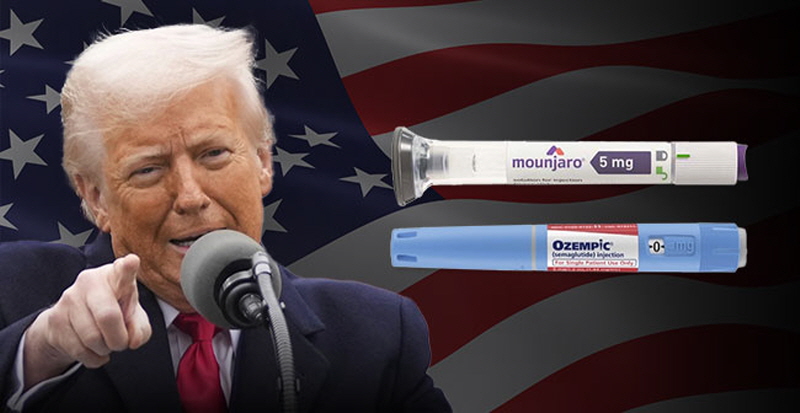
- Since Trump took office, the US has designated the pharmaceutical industry as its core strategic industry and is working to reshape the industry with the US at its center. The goal is to significantly lower drug prices in the U.S., the world's largest pharmaceutical market. However, the “Most-Favored-Nation Pricing (MFN)” policy recently announced by the U.S. health authorities is causing tension not only in Korea’s pharmaceutical industry but also in clinical settings. #This is because there is a possibility that global pharmaceutical companies may reconsider their plans to launch new drugs in Korea due to the U.S. MFN policy. The clinical field is also closely monitoring the future direction of U.S. policy, as it could affect patients' access to new drugs. In May, U.S. President Trump signed an executive order to promote the MFN policy. The MFN policy aims to lower the prices of prescription drugs in the United States to the lowest level among major developed countries. The target drugs include high-priced treatments (such as anticancer drugs and immunotherapy drugs) with the highest annual expenditures under Medicare Part B, the U.S. health insurance program. The plan is to determine U.S. drug prices by referencing the lowest drug prices among OECD countries with per capita GDP (GDP) of 60% or more of the U.S. level. This aims to alleviate the burden of drug prices in the U.S. while preventing other countries from supplying drugs at prices significantly lower than those in the U.S. On the 31st of last month, President Trump went so far as to give 17 multinational pharmaceutical companies a “60-day deadline” to lower drug prices in the United States to overseas levels. Specifically, the companies include AbbVie, Amgen, AstraZeneca, Boehringer Ingelheim, BMS, Eli Lilly, Merck Germany (EMD Serono), Genentech, Gilead, GSK, Johnson & Johnson, Merck (MSD), Novartis, Novo Nordisk, Pfizer, Regeneron, and Sanofi. The multinational pharmaceutical companies responded immediately to the pressure. Eli Lilly has decided to raise the price of its obesity treatment, Mounjaro (tirzepatide), in the UK. Specifically, the price of Mounjaro in the UK will be increased by up to 170%. The private price of Mounjaro will rise from the current GBP 92-122 (approximately KRW 173,000-229,000) per month to GBP 133-330 (approximately KRW 249,000-620,000). At the same time, insulin prices in the US will be reduced by 70%, with a cap on patient copayments set at USD 35 per month. Novo Nordisk has also decided to lower the US price of its diabetes treatment Ozempic (semaglutide). The monthly price will be reduced from USD 1,000 (approximately KRW 1.39 million) to USD 499 (approximately KRW 620,000). Other multinational pharmaceutical companies may also follow, lowering their prices in the US and raising prices in other countries. With the US drug price reduction policy becoming a reality, the domestic pharmaceutical industry is also reacting sensitively. This is because the launch of new drugs by global pharmaceutical companies could be linked to this policy. The most notable point is whether South Korea will be included as a reference country. Given that the policy states that “the U.S. price will be determined by referring to the lowest drug price among OECD countries with a per capita GDP of 60% or more of the U.S.,” the prevailing opinion is that South Korea and Japan will be excluded from the reference countries. However, there are predictions that South Korea could become an MFN target country if PPP (purchasing power parity-based GDP) is applied, leading to heightened tension among multinational pharmaceutical companies considering new drug launches in Korea. With no specific details on the application of reference countries or other measures announced, tension is growing across the entire domestic pharmaceutical industry. The Ministry of Health and Welfare and the Health Insurance Review and Assessement Service are closely monitoring the U.S. government's policy announcements and considering future response strategies. A KRPIA official stated, “The U.S. government has not disclosed specific application methods, such as reference countries, for its MFN drug pricing policy, so the situation is currently uncertain. If South Korea is used as an international reference price standard, it could affect not only the sustainability of domestic drug pricing policies but also patients' access to treatment.” Although not yet evident on the surface, there are opinions within multinational pharmaceutical companies that they have begun to hesitate about launching new drugs in Korea. This is because it would be difficult to publicly announce a delay in the launch of new drugs in Korea due to the uncertainty surrounding the MFN policy. A representative from a multinational pharmaceutical company stated, “There are opinions that a specific company has put new drug approval negotiations on hold at the headquarters level, but this has not been publicly disclosed yet. However, there is concern that the global market views the Korean pharmaceutical market as taking a fairly conservative approach to pricing innovative new drugs.” As a result, the U.S. MFN drug pricing policy has become a major issue at events held by pharmaceutical companies seeking to launch their products in Korea and receive reimbursement. Interest is focused on why some companies are attempting reimbursement despite the uncertain situation. Junil Kim, General Manager of Astellas Korea, explained, “It is true that companies selling their products in the U.S. market are facing difficulties in receiving Korean drug prices due to MFN-related issues. Astellas, which accounts for nearly 50% of its sales in the U.S., is no exception.” In the clinical field as well, there is a growing consensus that concerns surrounding the introduction of new drugs due to global pharmaceutical companies' MFN pricing policies are valid. This is expected to spark debate over the “Korea passing” issue for new drugs in the future. If the situation intensifies, there are concerns that it could lead to delays in access to innovative new drugs, reduced treatment options for patients, and increased financial burdens on patients in Korea. In the long term, this is also expected to jeopardize the competitiveness of conducting clinical trials in Korea in the global market. The Korean Society of Gastroenterology pointed out in its own medical policy forum that “there is a possibility that excessively low drug pricing policies could trigger the ‘Korea passing’ phenomenon, leading to the withdrawal of global pharmaceutical companies from the Korean market.” "Despite receiving approval in Korea as a treatment for ulcerative colitis, Eli Lilly's Omvoh was not released in Korea due to an unreasonably low drug price proposed during price negotiations. A policy is needed that ensures patient access to treatment while maintaining the sustainability of the health insurance budget. Rather than pursuing excessive drug price cuts that could lead to market withdrawal, a strategic approach that promotes the introduction of new drugs from a long-term perspective should be devised.”

- Company
- Expanded competitiveness of K-Bio immunotherapies
- by Son, Hyung Min Aug 26, 2025 06:05am
- Korean pharmaceutical and biotech companies are entering the development of immunotherapies, increasing the possibility of 'big deals' with global pharmaceutical companies. As competition for new drugs targeting next-generation immune checkpoint proteins intensifies, Aprogen has begun developing VISTA targets by securing an antibody candidate from PharmAbcine. Companies such as Yuhan Corp, Hanmi Pharmaceutical, ImmuneOncia, and STCube are also implementing differentiated strategies with new target-based immunotherapies. Aprogen Secures PharmAbcine's Immunotherapy Candidate… 'Free supply agreement for Keytruda' According to the Financial Supervisory Service's electronic disclosure system on August 23, Aprogen recently secured an exclusive license for the research, development, and commercialization of the immunotherapy candidate PMC-309 through an agreement with PharmAbcine. Aprogen also obtained the rights for its manufacturing and production. The total contract value exceeds 10% of PharmAbcine's consolidated equity capital of KRW 47.7 billion as of last year, and the specific terms are undisclosed. The contract period runs from August 18, 2025, until the expiration of the final valid claim of the licensed patent. PMC-309 works by enhancing T-cell activity by blocking VISTA on the surface of immune T-cells and reducing the immunosuppressive function of myeloid-derived suppressor cells (MDSCs) to normalize the tumor microenvironment. This new drug candidate was discovered through PharmAbcine's fully human antibody library, 'HuPhage,' and specifically targets VISTA, a next-generation target for immunotherapy. A Phase 1 clinical trial of PMC-309 is currently underway in Australia. The Phase 1a part of the trial evaluates safety and pharmacokinetics with monotherapy, starting from low to high doses. The Phase 1b part will verify its combination effect with MSD's 'Keytruda.' MSD signed a free supply agreement for Keytruda with PharmAbcine in 2021, and this arrangement remains in effect for the current trial. The trial's patient enrollment goal is 67, with the first dose administered in November 2023. The expected completion date is 2028. Aprogen expects to see tumor shrinkage signals as early as the low-dose stage and anticipates a more pronounced anti-cancer effect at intermediate doses. Aprogen plans to quickly initiate the Keytruda combination Phase 1b trial once the target signals are confirmed at the intermediate dose, and to pursue early out-licensing to MSD if superior efficacy is proven in the combination therapy. Major Entry into Immunotherapy Market…All-Out Effort for Technology Transfer New antibody-drug conjugates (ADC)The immunotherapy development strategy of Korean companies can be summarized as 'signals,' 'speed,' and 'deal-making.' The structure involves securing meaningful response rates and safety data in the early clinical stage and using this as a basis to complete early technology transfers with global partners. This is why Korean companies are pursuing combinations with already commercialized immunotherapies or antibody-drug conjugates (ADCs). This Aprogen-PharmAbcine technology transfer deal is also notable for its collaboration with MSD, which opens the door for early technology transfer to a global pharmaceutical company. The industry is paying close attention to whether a major deal can be made when the clinical response rate, duration of response, and toxicity profile are disclosed. Currently, not only Aprogen and PharmAbcine but also Yuhan Corp, Hanmi Pharmaceutical, STCube, and GI Innovation are developing next-generation immunotherapies. Yuhan Corp recently received approval from the Ministry of Food and Drug Safety for its Phase 1/2 clinical trial plan (IND) for the bispecific antibody immunotherapy candidate 'YH32364.' YH32364 is a new drug candidate that Yuhan Corp in-licensed from ABL Bio in 2018. This trial is the first human dose study for YH32364. Yuhan Corp will evaluate the safety, tolerability, pharmacokinetics, and anti-tumor activity of YH32364 in patients with locally advanced or metastatic solid tumors that have confirmed overexpression of the epidermal growth factor receptor (EGFR). YH32364 is a bispecific antibody immunotherapy candidate that simultaneously targets EGFR and 4-1BB. Yuhan Corp plans to maximize the anti-tumor effect by simultaneously targeting EGFR, a biomarker expressed in major solid tumors like non-small cell lung cancer and colorectal cancer, and 4-1BB, which is involved in T-cell activation. Hanmi Pharmaceutical is conducting a Phase 1 clinical trial for its bispecific antibody immunotherapy candidate, 'BH3120.' BH3120 simultaneously targets PD-L1 and 4-1BB. As PD-L1 is a target where immunotherapies like Keytruda and Opdivo have proven their efficacy, Hanmi Pharmaceutical plans to enhance this effect by adding a 4-1BB protein target. GI Innovation recently changed its U.S. Phase 1/2 clinical trial for the immunotherapy candidate 'GI-102' to a study evaluating its combination therapy with Enhertu. GI-102 is a pipeline that targets CD80 and Interleukin (IL-2) to target tumor and immune cells. It has been engineered to have an even lower binding affinity to the alpha receptor compared to GI-101A. It is known that a high binding affinity to the alpha receptor increases regulatory T-cells, which reduces the anti-cancer effect. GI-102 is also being developed in a subcutaneous (SC) formulation, in addition to the intravenous (IV)formulation. The potential of GI-102 was also confirmed in a monotherapy trial. According to Phase 1/2a data recently disclosed by the company, GI-102 showed an objective response rate (ORR) of 43% in patients with melanoma. When GI-102 was administered, lymphocyte proliferation proceeded smoothly, and no serious drug toxicity was observed in terms of safety. GI Innovation anticipates a more pronounced effect when GI-102 is used in conjunction with Enhertu. The company believes that combining GI-102 with a reduced dose of Enhertu may decrease side effects, such as interstitial lung disease (ILD), which can occur with Enhertu. STCube is set to disclose the clinical results of 'Nelmastobart,' which targets the new biomarker BTN1A1. BTN1A1 is a protein that regulates the immune response to cancer cells by suppressing the activity of immune cells, T-cells. This biomarker is not expressed in normal cells but is strongly expressed in cancer cells, and its expression is mutually exclusive with PD-L1. ST Cube is developing an immunotherapy that targets BTN1A1, which could be a new treatment option for intractable cancers. ST Cube is currently conducting a U.S. and Korean Phase 1b/2 trial of Nelmastobart in combination with paclitaxel for patients with relapsed, refractory, and extensive-stage small cell lung cancer (ES-SCLC). The company is also investigating the potential of a Nelmastobart and capecitabine combination therapy as a third-line or later treatment for metastatic colorectal cancer. TiumBio recently disclosed the Phase 2 clinical trial results for its immunotherapy candidate 'TU2218' in combination with MSD's immunotherapy 'Keytruda.' TU2218 simultaneously blocks the pathways of transforming growth factor-beta (TGF-ß) and VEGF, which are known to inhibit immunotherapy activity, thereby maximizing the efficacy of immunotherapies. The disclosed trial represents the early cohort results from an ongoing study in patients with head and neck cancer and biliary tract cancer. The clinical results showed that the TU2218 + Keytruda combination therapy resulted in a partial response (PR) in 7 out of 11 patients with head and neck cancer, with stable disease (SD) observed in 1 patient. In the biliary tract cancer cohort, 4 out of 23 patients showed PR, and 7 showed SD. ImmuneOncia is conducting clinical trials for its immunotherapy candidate 'IMC-002.' IMC-002 has a mechanism that blocks signals between CD47 on cancer cells and macrophages. The recently disclosed results are the initial findings from an ongoing Phase 1b clinical trial in patients with hepatocellular carcinoma. The trial is evaluating the tolerability and safety of IMC-002 in combination with Lenvima, which is used to treat hepatocellular carcinoma. Among 10 patients who could be assessed for efficacy, the ORR was 30%, and the disease control rate (DCR) was 70%. The median time to progression (TTP) was 8.3 months.
- Company
- Jaypirca may be prescribed at general hospitals in Korea
- by Eo, Yun-Ho Aug 26, 2025 06:04am
- The BTK inhibitor Jaypirca may now be prescribed in general hospitals in Korea. According to industry sources on the 22nd, Lilly Korea’s relapsed and refractory mantle cell lymphoma treatment Jaypirca (pirtobrutinib) has passed review of Drug Committees (DCs) at medical institutions in Korea, including Samsung Medical Center, Pusan University Yangsan Hospital, and Ulsan University Hospital. As the company is currently in the final stages of price negotiations for Jaypirca with the National Health Insurance Service, it is expected that if it successfully secures insurance reimbursement, it will be immediately prescribed on-site. The drug was approved last August by the Ministry of Food and Drug Safety as a monotherapy in adult patients with relapsed or refractory mantle cell lymphoma (MCL) who have previously received two or more treatments, including BTK inhibitors. Prior to its approval, there were no approved medications available for patients with relapsed or refractory MCL whose disease progressed after treatment with existing BTK inhibitors in Korea. Also, Jaypirca is the first and only reversible BTK inhibitor that has demonstrated clinical efficacy in patients with relapsed or refractory MCL following treatment with one or more BTK inhibitors. It also exhibits a 300-fold higher selectivity for BTK compared to most kinases (98%) included in preclinical studies. The study that became the basis of Jaypirca’s approval was the BRUIN Phase I/II clinical trial, which evaluated the clinical efficacy and safety of Jaypirca in adult patients with relapsed or refractory mantle cell lymphoma who had previously received treatment with one or more BTK inhibitors. In the primary analysis set (PAS) of 90 patients who had previously received one or more BTK inhibitors, the overall response rate (ORR) was 56.7%, with a median duration of response (DoR) of 17.6 months. The most common adverse reactions following Jaypirca administration were fatigue (26.3%), neutropenia (22.8%), diarrhea (22.1%), and bruising (19.0%). The incidence of treatment discontinuation due to adverse reactions was 1.2%, and the incidence of dose reduction due to adverse reactions was 3.3%. Meanwhile, based on the response rate results, Jaypirca was approved through the U.S. FDA's accelerated approval process in January last year. In Korea, it was designated as an orphan drug in June last year for use as monotherapy in adult patients with relapsed or refractory MCL who had previously received treatment with a BTK inhibitor.
- Policy
- SK chemicals' Afstyla will be removed from the reimb list
- by Lee, Tak-Sun Aug 25, 2025 06:08am
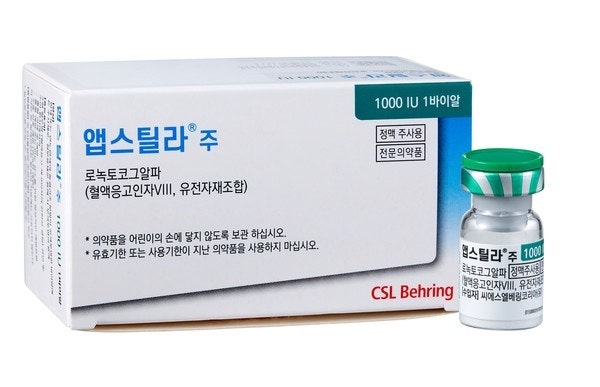
- Product photo of Afstyla SK chemicals' hemophilia A treatment, Afstyla, which was out-licensed by the company, will be removed from the reimbursement list due to a lack of record of supply performance. The product's delisting was previously deferred in 2023 through conditional negotiation, but with no sales to show since, the decision to remove it has become final. This is a regrettable outcome for a product developed by a domestic company and out-licensed globally. According to industry sources, Afstyla will be removed from the reimbursement list, effective September 1. The product received a decision for removal in 2023 after a review of non-billed drugs revealed no sales over the previous three years; however, its delisting was put on hold through conditional negotiation. However, with no sales recorded within the negotiation period, the decision to remove it has been finalized. Afstyla is currently on the reimbursement list with a price cap of KRW 625 per dose. Afstyla is a biosimilar developed by SK chemicals and out-licensed to CSL Behring Australia during the clinical trial phase in 2009. CSL Behring completed the trials and received approval for the drug in the U.S. and Europe. In 2020, it obtained domestic approval and was added to the reimbursement list in 2021. SK Plasma, an affiliate of SK chemicals, was responsible for domestic sales. In 2020, it obtained domestic approval in Korea and was added to the reimbursement list in 2021. SK Plasma, an affiliate of SK chemicals, was responsible for domestic sales. However, entering the hemophilia market in Korea proved difficult due to the strong presence of established pharmaceutical companies, such as Green Cross, which has a solid position with the hemophilia market. It is also believed that the market outlook was not bright due to the successive launch of competing new drugs. In a 2023 review of non-billed drugs, the product had no production track record for the past three years. However, the manufacturer was able to delay delisting by explaining that sales would soon occur or production would be completed. But after two years with no sales, Afstyla will be removed from the reimbursement list. CSL Behring launched Idelvion, a hemophilia B treatment with improved patient convenience, in Korea last year. With the delisting of Afstyla, it appears CSL Behring will shift its focus to supplying Idelvion.
