
- LOGIN
- MemberShip
- 2026-05-15 16:18:17
- Policy
- Policies at a standstill due to absence of MFDS minister
- by Lee, Jeong-Hwan Jun 15, 2022 05:50am
- With the ruling and opposition parties having difficulty coming to an agreement on the composition of the NA leadership, the prolonged policy gap in national disease control and prevention and the pharma-bio industry is intensifying due to the absence of the Minister of Health and Welfare. President Suk-Yeol Yoon’s administration had set out to promote a roadmap for an emergency response to COVID-19 within 100 days of his inauguration and establish a Pharma-Bio Innovation Committee, but the position of the Minister of Health and Welfare that is required to perform both tasks has remained vacant since President Yoon’s inauguration. On the 13th, the ruling and opposition party is butting head over the appointment of the National Assembly’s Legislative and Judiciary Committee chair and NA leadership. In the prolonged absence of a head in the Ministry of Health and Welfare, the new administration has been deciding on national COVID-19 control and prevention policies without a minister, and the decisions are being by its two vice ministers. The Ministry of Health and Welfare is reviewing whether to lift the mandatory quarantine measures that were imposed on confirmed COVID-19 patients after lowering the statutory infectious disease class of COVID-19 from Class 1 to Class 2 last month. Regarding the removal of indoor masks, the Ministry of Health and Welfare has decided to keep the current measure as is and continue the existing measures for COVID-19 prevention and control. Although the Ministry of Health and Welfare advocates the scientific evidence-based quarantine, even veteran civil servants are burdened by the fact that they must make decisions on COVID 19-related policies every day in the absence of a minister. This gap in the appointment of the MOHW Minister has left various tasks including the addition of emergency treatment beds for COVID-19 and the antibody positivity rate survey on 10,000 citizens that were included in the 100-day roadmap for an emergency response to COVID-19 by the new administration at a standstill. In particular, the Pharma-Bio industry awaiting on specific plans for the establishment of a Pharma-Bio Innovation Committee that is to be directly operated by the Prime Minister that President Suk-Yeol Yoon had selected as a national task. The multi-ministry Pharma-Bio Innovation Committee is being established with the participation of the Ministry of Trade, Industry and Energy; the Ministry of Science and Technology; the Ministry of Education; and the Ministry of Food and Drug Safety. Officials from relevant ministries that were involved in the establishment will likely be dispatched to the committee under the Prime Minister’s Office, and the industry’s eyes are on how the committee will be constructed, its vision, role, and date of its launch, but the fact that no specific plan has been presented yet has left much to be desired on the industry’s part. President Suk-Yeol Yoon’s administration had only presented the course of direction that the government would take with the Innovation Committee, that it will establish integrated governance that encompasses industry, technology, and healthcare to foster a biohealth innovation ecosystem and become a pharma-bio powerhouse. Therefore, on when the Minister of Health and Welfare position will be filled after a series of procedures including the composition of the National Assembly members and the personnel hearing on the MFDS minister candidate Seung-hee Kim, is expected to directly affect the creation of national disease control policies and the specificities on the establishment of the Innovation Committee. The deadline for MFDS minister candidate Kim's personnel hearing is the 19th, and if no hearing is held by the deadline, President Yoon may directly appoint Kim as minister. However, it is unclear whether the appointment will be carried out without a hearing due to the many controversies surrounding candidate Kim, such as expedient real estate donations, violations of the Political Funds Act, and the abused ‘mom chance,’ etc.
- Company
- Samsung Bioepis Announces Phase 3 Results of Soliris Similar
- by Kim, Jin-Gu Jun 15, 2022 05:50am
- Samsung Bioepis announced on the 13th that it has unveiled the results of phase 3 clinical trials of Soliris (Eculizumab) biosimilar SB12 through the EHA annual academic conference held in Austria from the 9th to the 12th. SB12 is the seventh biosimilar developed by Samsung Bioepis. It is the first blood disease treatment. The original Soliris is a treatment for incurable rare diseases such as PNH and aHUS developed by Alexion in the U.S. Last year, global sales amounted to $1.874 billion (approximately 2.3 trillion won). Samsung Bioepis conducted a comparative study between SB12 and the original (ECU) in PNH patients from July 2019 to October 2021. At this conference, the results were announced in the form of an e-poster. Samsung Bioepis conducted clinical trials by comparing and evaluating efficacy, safety, pharmacology, and immunogenicity between the two products. Among PNH patients who were first prescribed drugs, 50 patients aged 18 or older whose LDH level was measured to be 1.5 times or more of the normal ULN were randomly assigned. Samsung Bioepis administered SB12 or original every week for the first four weeks, 900 mg at the fifth week, and 900 mg every two weeks during the subsequent maintenance period. It then conducted research until 50 weeks while switching the two products at the 26th week. The primary efficacy evaluation index for this clinical trial was set as the "LDH level at the 26th week of drug administration" and the "AUEC (Area Under Effect Curve) of the time-adjusted LDH from 14th to 26th weeks and 40th to 52nd weeks. As a result of the study, 46 out of 50 patients completed clinical trials, and the primary efficacy evaluation index met the predefined clinical equivalence range. The difference in mean LDH values at week 26 (SB12-ECU=34.48) between SB12 and the original drug was found to have a 95% confidence interval (-47.66, 116.62) in the predefined equivalence range. For SB12/ECU: 1.08) between SB12 and the original drug, it was included in the predefined equivalence range in the 90% confidence interval (0.95, 1.23). Similar results were found in the LDH values for the entire clinical trial period, one of the secondary efficacy evaluation indicators. For TEAs, SB12 was 72.3% and original drugs were 68.1%. All three serious post-treatment adverse events in SB12 prescribed patients were unrelated to treatment. Oh Yoon-seok, executive director of PE (Product Evaluation), the clinical director of Samsung Bioepis, said, "SB12 is a product that has the essential meaning of biosimilar development to improve patient accessibility of ultra-high-priced bio-medicine." He said, "We confirmed safety and efficacy compared to original drugs through clinical trials." Soliris is an expensive biopharmaceutical that costs hundreds of millions of won a year for adult-based medication, and Samsung Bioepis provides SB12 free of charge for up to two years to domestic and foreign patients who participate in clinical trials.

- Policy
- Lorviqua is about to be reimbursed
- by Lee, Tak-Sun Jun 15, 2022 05:50am
- Pfizer ALK-Inhibiting Non-Small Cell Lung Cancer Treatment It is known that Lorviqua, a third-generation ALK-inhibiting non-small cell lung cancer treatment, is on the verge of insurance benefits through drug price negotiations. As a result, new treatment options are expected to be created for patients who have not seen any effect even if they use first and second-generation treatments. The drug was recognized for its benefit adequacy by the NHIS in April, which recently disclosed the progress of drug price negotiations on the drug. According to the industry on the 10th, the NHIS recently announced on its website that the NHIS is negotiating prices of Lorviqua 25mg, Lorviqua100mg and Dopa check. The two drugs passed the HIRA on April 7. Pfizer's Lorlatinib judged that there was an appropriateness for the treatment of adult patients with ALK-positive progressive non-small cell lung cancer. Dopa check considered that there is an appropriate benefit when accepting less than the evaluation amount for positron emission tomography. Drugs that pass the committee will be negotiated with the NHIS within 60 days. If the drug price negotiation is passed, it will be on the health insurance benefit list after being approved by the Health Insurance Policy Review Committee of the MOHW. It is observed that the two drugs passed the committee in April and immediately negotiated drug prices with the NHIS. Therefore, if the negotiations are completed within 60 days, it is likely to be submitted to the Health Insurance Policy Review Committee this month and listed from next month. It is interpreted that the fact of the negotiations was posted on the NHIS website because the negotiations were at the end or settled. The NHIS has been disclosing drugs on the progress of drug price negotiations since May 2019. After notifying the pharmaceutical company of the disclosure of information, it is released on the website through a procedure prescribed by law, but the drug information is limited due to the risk of exposure of the drug company's trade secrets. As a result, most of the drugs released on the website have been negotiated smoothly. Lorviqua is a third-generation drug that ALK-positive non-small cell carcinoma patients can use if it does not work using first-generation Xalkori, second-generation Zykadia, and Alecensa. Accordingly, if Lorviqua is reimbursed, it will be a new alternative for patients who have used second-generation drugs but have developed resistance. Duchembio's Dopa check is a radioactive drug used for tumor and neuroendocrine tumor testing.
- Company
- Sales of topical minoxidil rise with interest in hair loss
- by Jun 14, 2022 06:04am
- (From the left) Rogaine, Mynoxyl, Dongsung Minoxidil The market for minoxidil topical solutions that are applied directly to the scalp continued on its strong growth, with marked growth shown by the foam-type Rogaine Foam among the three major products in the market. According to the market research institution IQVIA on the 14th, the minoxidil topical solution market had raised ₩4.6 billion in 4 months from January to April this year, a 36% YoY increase from the ₩3.4 billion made in the same period last year. The minoxidil market expanded rapidly with the rise in younger hair loss patients and the increasing perception that the condition needs to be managed in its early stages. Minoxidil, a topical medication that is directly applied to the scalp, expands the blood vessels to facilitate a smoother supply of nutrients to the hair. The market size, which had been below ₩1 billion from January to August last year, has increased to ₩1.5 billion this year along with the rising interest in hair loss. The total sales of minoxidil products in the market last year amounted to ₩12.5 billion, a 22% increase from the ₩10.2 billion of the previous year. Three products – Hyundai Pharm’s Minoxyl., Johnson&Johnson’s Rogaine Foam, and Dongsung Minoxidil – are leading the minoxidil topical solutions market. Among the three drugs, Hyundai Pharm’s Minoxyl has a 33% share of the market, followed by Dongsung Minoxidil (25%), then Rogaine Foam(24%). Recently, Rogaine Foam has been making the most marked growth. Rogaine Foam, which was released in 2017, has only accounted for 15% of the total market, bringing in an annual sales of ₩1.6 billion in 2020. However, its sales rose 89% last year to record ₩3 billion. Its market share had also grown 9%p to reach 24%. After chasing the runner-up Dongsung Minoxidil to the brim last year, Rogaine Foam beat Dongsung Minoxidil this year and took second place in the market. Its cumulative sales by April this year were ₩1.4 billion, a 119% increase YoY. Rogaine Foam’s market share had even exceeded that of the market leader Minoxyl in April this year. Rogaine Foam currently occupies 30% of the market, just a 1%p difference from the No.1 leader Minoxyl. This year’s market growth is analyzed to have been driven by Rogaine Foam. Sales of Minoxyl and Dongsung Minoxidil have also increased, but only by 18% and 12% each. By April, cumulative sales made by Minoxyl amounted to ₩1.4 billion, and Dongsung Minoxidil to ₩1 billion. Rogaine Foam’s contribution to the growth of the minoxidil topical solution market was 61% this year. It is interpreted that Rogaine’s foam type made this success by differentiating itself from the existing liquid-type products. As Korea’s first foam-type hair loss treatment, it minimized the dripping and stickiness associated with the gel-type formulation. Also, it does not contain propylene glycol (PG), which can cause skin irritation such as itching and stinging. In fact, a consumer survey on hair loss patients that was conducted by Johnson&Johnson shows that people who purchased Rogaine Foam selected its convenience in use and verified effect as the product’s top strengths. Also, the company believes its marketing campaign that related well to the minds of its consumers had brought a synergistic effect along with its product power. Junghwa Cha, brand manager at Johnson & Johnson Korea, said, “Our original foam type minoxidil topical solution shows the optimal effect when used in combination with oral finasteride, and is therefore commonly prescribed by specialists at hair loss clinics. Our efforts to highlight the product’s efficacy and effect while preparing a solid ecosystem so that consumers can appreciate the value of Rogaine Foam from every aspect, in addition to the support shown by pharmacists in the field, have driven the rapid growth of the product this year."
- Company
- Lilly Korea has entered into negotiations on Emgality
- by Eo, Yun-Ho Jun 14, 2022 06:04am
- CGRP target migraine drug Emgality is in the final stage for insurance benefit registration. According to related industries, Emgality, a target migraine treatment for CGRP (Calcitoninogen-related peptide) by Lilly Korea, recently began negotiations with the NHIS on drug prices. Considering the deadline for negotiations, a conclusion is expected within next month. If Emgality is reimbursed, it will be the first new drug in the system. Emgality passed the Drug Reimbursment Evaluation Committee on the 12th of last month after submitting a benefit application in March 2021. Handok Teva's Ajovy, which is currently a competitive drug, is also in the process of registration. These drugs are humanized monoclonal antibody drugs that bind to CGRP molecules that play a major role in causing migraine symptoms to block binding to receptors. Although the two drugs are of the same series, there are differences in doses, so patients with severe migraine are approaching with another expectation. Emgality was based on the EVOLVE-1 and EVOLVE-2 studies in which 1773 Episodic Migrain patients (4-14 days per month) participated for 6 months, and the REGAIN study in which 1,113 patients (15 days per month) participated in the average headache and 8 days or more. In particular, in the EVOLVE-2 clinical study involving Koreans, the average number of days of migraines per month for six months in the Emgality group (226 patients) decreased by two more days compared to the placebo group (450 patients) (4.3 days in the Emgality group and 2.3 days in the placebo group), the number of patients administered by Emgality, whose number of migraine days decreased by 50% over 6 months, was 59% (36% in the placebo group), 34% (18% in the placebo group) which decreased by more than 75%, and patients who decreased by 100% were 12% (6% of placebo group). Min Ju-kyung, a neurology professor at Sinchon Severance Hospital, said, "Migrain headaches are more painful than imagined and hinder the quality of life of patients. Patients who experience migraines more than 4 to 5 days a month can expect to improve their quality of life through preventive treatment," she explained.
- Policy
- MFDS reviews EUA of COVID-19 prevention drug Evusheld
- by Lee, Hye-Kyung Jun 14, 2022 06:04am
- The emergency use authorization review for AstraZeneca’s COVID-19 preventive antibody therapy ‘Evusheld’ has begun in Korea. The Ministry of Food and Drug Safety (Minister Yu-Kyoung Oh) announced on the 10th that the ministry has started reviewing the emergency use authorization of Evusheld per request by the Korea Disease Control and Prevention Agency. The MFDS will make a decision after reviewing the clinical trial and quality data that were submitted, followed by an expert advisory meeting and deliberation by the Public Health Emergency Response Medical Device Safety Management and Supply Committee. Evusheld is an antibody treatment that is directly administered to immunocompromised patients(blood cancer patients, patients receiving immunosuppressant therapy after organ transplantation, etc.) who may not mount an adequate immune response to COVID-19 vaccinations as preventive therapy. The MFDS said, “We will continue making our most effort to promptly supply safe and effective treatments to our people for the overall improvement of public health."
- Company
- Whether Gardasil 9's supply price increase is reasonable
- by Jun 14, 2022 06:04am
- In order to improve the accessibility of vaccines monopolized by foreign companies, it was suggested that reasonable pricing should be monitored and institutional support measures for self-reliance should be actively reviewed. The Korea Biotechnology Industry Organization Bioeconomic Research Center said in a report titled "Controversy over domestic drug price hikes through cervical cancer vaccines" on the 13th, "Medicine prices should be reasonably priced in the drug market and should be monitored and improved if there is a competition restriction." The start is an increase in the supply of Gardasil 9, a cervical cancer vaccine for MSD. MSD raised its supply price by 25% in two years. Following the 15% increase in April last year, it decided to raise an additional 8.5 percent this year. It will be supplied at 132,636 won (excluding VAT) from July 1st. The Center for Biological Research questioned the additional increase in Gardasil 9 in MSD. "The price of drugs is set according to the logic of negotiation or free market competition with health authorities, reflecting the high failure rate, long development period, market size, and competition when developing new drugs. Excessive external intervention in the price of new drugs can hinder innovation. The center pointed out, "However, if the market dominance of certain drugs is large and the price continues to rise, the cause should be identified." In fact, Gardasil 9 accounts for 76% of the total market in the domestic cervical cancer vaccine market. There are only three types of cervical cancer vaccines: Gardasil, Gardasil 9, and Cervarix. All of them were developed by overseas pharmaceutical companies, and Gardasil 9, the latest of them, is dominating the market. Gardasil 9 prevents nine of the HPV serotypes that cause cervical cancer. The center then said, "Multinational pharmaceutical companies are emphasizing through ESG reports that they are working to expand access to medicines. MSD also said it has a role and responsibility to help improve access to medicines and vaccines around the world with the aim of sustainable development, pointing out that MSD's increase in supply of Gardasil 9 does not meet the company's goals. According to the MFDS, Gardasil 4 was also included in products that did not release generics even after patent rights expired among items with import performance of more than $10 million. The center stressed, "As the importance of health and security increases due to COVID-19, institutional support measures that can promote self-reliance in Korea should be actively reviewed if domestic development is sluggish."
- Policy
- Yoon Gov should increase bio-health investment by 15% per yr
- by Lee, Jeong-Hwan Jun 14, 2022 06:04am
- Professor Park Eun-chulProfessor Park Eun-chul said, "We need to provide intensive support for disaster medical expenses after breaking away from the Moon administration." In order for the Yoon Seok-yeol government to innovate health care, it was suggested that the bio-health government's investment ratio should be drastically increased by more than 15% every year. It is pointed out that the current bio-health government research expenses of 2.8 trillion won in 2022 should be doubled to 5.6 trillion won in 2027, five years later. He also advised that the government should have a system to strengthen disaster medical expenses by reducing the target and increasing costs by breaking away from universal medical expenses. Professor Park Eun-chul of Yonsei University's Graduate School of Health made the claim at the 2022 Health and Medical Policy Symposium held at the Seoul National University Cancer Research Institute on the 10th. Professor Park announced the theme of the Yoon Seok-yeol government's health care innovation plan. He suggested that the Yoon government significantly increase the amount of investment in the bio-health government to improve health care. It presented the Bio 2022 Health and Medical Policy Symposium as a policy task to leap forward as a global-centered country for digital health. Professor Park said that for this, the reality that the citation rate of papers in the domestic medical field is too low should be improved, and the solution is to strengthen the government's bio-health investment rate. He believes that the amount of government research funds should be more than doubled compared to this year when the government's term expires by increasing biohealth government research funds by 15% per year. Professor Park said, "The private sector pays 75% of the nation's research expenses. Large companies are investing in R&D, and all nine of the top 10 investment companies are engineering-based companies. There is no way to grow biohealth by relying on private research funds. The government should support it," he explained. Also, he said, "Biohealth government research expenses should also be increased by 15% annually," adding, "The government research expenses should be expanded from 2.8 trillion won in 2022 to 5.6 trillion won in 2027." He also suggested that the Moon Jae In government, which advocates universal health care and welfare policies, should break away from the policy as soon as possible. The Yoon Seok-yeol government should strengthen support for disaster medical expenses from the past and establish an intensive support policy for the people in need of support, not the entire people. Professor Park said that the budget for disaster medical expenses support projects should be raised to at least 500 billion won by 50 billion won a year, and later to 2 trillion won. He said, "Since the health insurance budget is 80 trillion won, it is not too much to raise 50 billion won to 500 billion won in disaster medical expenses," adding, "Public medical ratio is 61.0%, far below the OECD average of 74.1%, and if disaster medical expenses are raised, it can reach the average." "The Moon government was expensive because it targeted the entire people. The Yoon government should implement an intensive approach policy, not a universal approach, he said. "If we focus on providing disaster medical expenses to the people in need, we do not need much financial resources."
- Policy
- A petition has been filed for public consent to Enhurtu
- by Lee, Jeong-Hwan Jun 13, 2022 05:55am
- A petition for public consent has been filed to urge the health insurance coverage of HER2 (Human Epithelial Cell Growth Factor Receptor 2) low-expression breast cancer treatment Enhurtu, which is set to be approved for marketing in Korea. The petitioner, who recently filed a petition through the National Assembly, introduced to the Yoon Seok-yeol government that the cost of the Enhurtu vaccination in Korea is about 80 million won, expressing the need for domestic permission and medical insurance. More than 4,000 people have agreed to the petition, which expires on the 29th. Enhurtu is an anti-cancer drug jointly developed by Daiichi Sankyo and AstraZeneca as an antibody-drug conjugate (ADC) and approved for use in the U.S. in 2019. Now that there are no drugs to treat HER2 low-expression breast cancer, Enhurtu is considered a game changer that will change the breast cancer treatment paradigm. Experts predict that it will not be easy to apply health insurance after approval as the cost of one-cycle medication is about 20 million won, which is expensive. The petitioner, who introduced herself as a female cancer patient, said that she had been treated for seven years since the diagnosis of breast cancer in 2015, and was diagnosed by the medical staff that there was no other treatment other than Enhurtu. Because Enhurtu is not licensed in Korea, the petitioner said that Enhurtu is being imported and administered through the KOEDC, and that she is paying about 80 million won to bring it to Korea for three injections. The petitioner demanded that the medication environment be improved, such as unreasonable treatment costs, by applying the health insurance benefit. The petitioner appealed, "I took Enhurtu for the first time in Korea, so many medical staff are very interested, but medical insurance is not being applied because it is not approved in Korea." The petitioner sells out (including the house to cover the cost of the medication) but appeals because it is a burden to pay for the treatment anymore. The reality is that most people cannot get injections because it is an expensive medicine. The petitioner said, "Enhurtu is a drug used by all developed countries abroad, but only Korea cannot handle imports and insurance." Japan is also applying insurance, she said. "In order to save patients who are going to the lower world because they can't get medicine at high cost, they need to have an Enhurtu permit and medical insurance benefit."
- InterView
- Otrivin package made user-friendly for pharmacist & patient
- by Eo, Yun-Ho Jun 13, 2022 05:55am
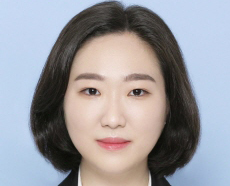
- Yewon Moon, Brand Manager, GSK Consumer Healthcare One strong perception of allergic rhinitis is that its symptoms worsen during the change of seasons and then decrease in summer. However, the large temperature difference between indoors and outdoors in summer due to excessive operation of air conditioners can dry out the mucous membranes and further weaken the immune system. Topical decongestant nasal sprays are one of the most popular products sought by customers due to rapid symptom relief. The spray constricts the blood vessels in the nasal mucosa to relieve symptoms of nasal obstruction to offer faster symptom relief than oral formulations and is effective in those who experience severe nasal congestion. However, people are reluctant to use the spray formulation due to the risk of side effects that can occur if users do not follow the correct method of its use. One well known side effect is rhinitis medicamentosa, or rebound congestion, which worsens the dryness in the nose and rhinitis. For its proper use, topical decongestant nasal sprays should not be used more than 3 times a day (up to 2 times a day for oxymetazoline products) and should not be used for more than a week at a time in adult patients. Also, a recovery period is required after its use for one week in a row. GSK Consumer Healthcare Korea announced a package renewal plan for its leading nasal decongestant ‘Otrivin.’ Dailpharm met with Yewon Moon, Brand Manager at GSK Consumer Healthcare who has been working to deliver the correct method of use of nasal decongestants. -Otrivin’s logo and the package have been renewed after 3 years. Its strong visual consistency seems to be one of its leading features. Could you introduce the changes? We used intuitive icons and vivid colors in the design. Consumers can easily locate Otrivin thanks to the ‘BlueRing’ design, and the package is structured to provide easier and quicker understanding of the product's efficacy and effect. Consumers would want to quickly find and purchase the product they need to relieve their nasal congestion. Therefore, we focused foremost on how to improve the convenience of purchase for our consumers in our package renewal. -What design element did you focus most on?? Of course, we considered each and every element in the process of renewing the package with a particular focus on the front design. The BlueRing design in the front allows consumers and pharmacists to quickly locate the Otrivin brand. The key focus of the renewal had been on clearly conveying the effects of each product. -What did consumers respond best to in the consumer testing process? Global test results showed that the consumers’ purchase intent increased because the new package provided a clearer understanding of each product’s effect. Brand search rate has also increased, and the modern design of the package contributed to increasing the positive image of the product. -I believe the new package will be useful not only for the consumers who purchase the product but on the pharmacy’s part as well. How will pharmacies and pharmacists benefit from the renewed package? As the design change allows for clearer delivery of the effect of each product, I believe this would help pharmacists conduct easier medication counseling on which Otrivin should be used according to each patient’s age and symptom. -When will it be released in Korea? Where can we find the renewed version? The period of each product’s release may differ somewhat, but we are preparing so that the renewed Otrivin 0.05% Pediatric, Otrivin Menthol 0.1%, Otrivin Baby Natural, and our newest product ‘Otrivin S’ can be found at pharmacies in Korea within the second quarter of this year. For your reference, the package design renewal is being made as a global project, but the period of renewal in each country will be conducted sequentially, subject to each country’s situation. -Do you have any other plans on providing support for pharmacies other than changing the package, with posters, etc.? We plan to improve access to Otrivin within pharmacies with the new package design during the change of seasons when an increasing number of consumers seek nasal decongestants. With the colors more easily discernable than in the past, the new Otrivin package will aid consumers in selecting the product they need and stand out from other products on display at pharmacies. Even when it is behind counters, pharmacists will be able to save the time that they had previously wasted looking for Otrivin due to the easily identifiable package. Also, we are preparing communication with pharmacies to facilitate smoother medication counseling on Otrivin for consumers at pharmacies.
