
- LOGIN
- MemberShip
- 2026-05-14 01:01:05
- Policy
- On-site inspections of overseas plants will resume next year
- by Lee, Hye-Kyung Sep 23, 2022 05:52am
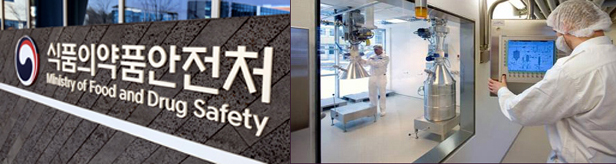
- On-site inspections of overseas biopharmaceutical manufacturing plants, which have been suspended due to COVID-19, will resume. The Ministry of Food and Drug Safety's Biopharmaceutical Quality Management Division recently sent an official letter to representatives of biopharmaceutical importers, the KOBIA, the KPBMA, Korea Pharmaceutical Traders Association, and the KRPIA to announce the pre-GMP site implementation of biopharmaceuticals. Due to the prolonged COVID-19 situation, the Ministry of Food and Drug Safety revised the "Guidelines for Pre-GMP Evaluation of Biopharmaceuticals" on March 29 last year to convert overseas manufacturers that need on-site inspections into non-face-to-face inspections. Non-face-to-face due diligence targets include manufacturing plants located in corresponding areas such as exhibitions, infectious diseases, and natural disasters, the Ministry of Foreign Affairs and the Korea Centers for Disease Control and Prevention classifies it as a travel ban (cancellation, postponement), traveler's system (careful review), or travel significance. Through preliminary GMP evaluation, the Ministry of Food and Drug Safety is determining whether the manufacturing and quality management standards of biopharmaceuticals that have applied for permission to manufacture and report (hereinafter referred to as permission) and change permission are met. Document evaluation and fact-finding surveys include manufacturing plants subject to initial evaluation, manufacturing plants that have passed the period of omission of the fact-finding survey (aseptic 3 years, aseptic 5 years), manufacturing processes that are deemed necessary in the item approval stage, etc. As the on-site inspection will be conducted in more than two years, the Ministry of Food and Drug Safety will first gradually expand the number of items classified as new drugs to overseas manufacturers will not have a history of due diligence by the Ministry of Food and Drug Safety. The on-site inspection will be applied after January 1 next year, and even if the non-face-to-face inspection schedule is confirmed after January 1 next year, overseas manufacturers of new drugs will switch to on-site inspection. However, rare drugs and drug manufacturers subject to fast track are conducted through document evaluation and non-face-to-face investigation. The on-site inspection will be conducted by two or three GMP investigators from the Ministry of Food and Drug Safety within the deadline for responding to the relevant complaint. The deadline for reply refers to the maximum period during which the approval department notifies the requesting department of the evaluation results when requesting an evaluation from the GMP evaluation department according to the receipt of a complaint for drug item approval. If it is not possible to conduct it within the deadline for reply to the consultation due to the circumstances of the company (manufacturing plant), the workload of the Ministry of Food and Drug Safety, and the lack of manpower for the fact-finding survey, the period may be extended. The detailed schedule and due diligence method shall be notified in official letter after consultation.

- Policy
- Leclaza to receive first monitoring for PVA negotiations
- by Lee, Tak-Sun Sep 23, 2022 05:52am
- The National Health Insurance Service disclosed drugs subject to monitoring for Type A and Type B of the Price-Volume Agreement negotiations in the fourth quarter of 2022. The list is attracting attention as Yuhan Corp’s novel non-small-cell lung cancer drug Leclaza was also selected for monitoring, as well as domestic homegrown drugs such as Kanarb, Supect, and Pelubi. A total of 91 drugs that are subject to monitoring for PVA negotiations in the 4th quarter this year were disclosed in advance on NHIS’s webpage on the 20th. The NHIS selects drugs that are subject to monitoring for PVA Type A and B negotiations every quarter. Drugs receive negotiations under 'Type A' when the claims amount in their same therapeutic class exceeds the expected claims amount that the company had agreed upon with the NHIS through negotiations by over 30%. Leclaza will also be monitored for Type A negotiations. As Leclaza was listed on July 1st last year, its rate of increase will be calculated by comparing the claims amount accrued from July 1st last year to June 30th this year with the expected claims amount. Leclaza’s expected claims amount is known to be KRW 14.1 billion. However, based on IQVIA data, Yuhan Corp had earned KRW 11 billion in the period. Therefore, the analysis is that the drug will not be subject to negotiations, but as the amount of the actual claims may differ, it is difficult to prejudge whether it will be included in the negotiation list. Many novel homegrown drugs were also listed for monitoring for ‘Type B’ PVA negotiations, which are applied to drugs whose maximum amount had already been adjusted according to Type A PVA. Boryung Pharmaceutical’s hypertension treatment Karnab is one representative drug that will receive monitoring in Q4. Also, Il-Yang Pharmaceuticals’ leukemia treatment Supect, and Daewon Pharm’s antipyretic, anti-inflammatory, pain reliever Peluvi were included for monitoring this quarter. Among imported novel drugs, the oral anticoagulants Xarelto and Lixiana, and immunotherapy drugs Opdivo and Yervoy whose use has increased greatly recently were listed as monitoring subjects. The claims amount of the previous year and the year before are compared for drugs that are subject to ‘Type C’ PVA negotiations. 172 items have received negotiations under Type C and unilaterally discounted on the 1st of this month.
- Opinion
- [Reporter's view]Bio-Administrative Orders of the USA
- by Kim, Jin-Gu Sep 23, 2022 05:51am
- Korea's CDMO (consignment development production) industry, which has just begun in earnest, has a hurdle. U.S. President Joe Biden recently signed an executive order for the "National Biotechnology and Bio Manufacturing Initiative," which calls for the production of biopharmaceuticals in the country. The Biden administration is emphasizing "Made in USA" every day ahead of the upcoming midterm elections in November. Along with the automobile and semiconductor industries, CDMO, one of the pillars of the pharmaceutical bio industry, has become a target. The decision is based on political intentions, but the intention is expected to have a significant impact on the domestic industry anyway. In the pharmaceutical bio industry, Samsung BioLogics is expected to be affected the most. Samsung BioLogics has been investing generously for the past 10 years. Since two to three years ago, orders for consignment production of biopharmaceuticals have been pouring in from around the world, including the United States. When the fourth plant is completed next year, it will become the world's top production base. However, if the administrative order is materialized, Samsung BioLogics' plan to occupy more than 30% of global biopharmaceutical CMO production is also expected to be disrupted. Just last year alone, about 20% of the company's sales came from the United States. It is not just a problem for Samsung BioLogics. After Samsung BioLogics presented a successful model, many pharmaceutical companies in Korea have entered the CDMO business. As an industry, not a company of Samsung BioLogics, the seed of CDMO was sown. However, the crisis has hit even before it is properly sprouted. The bigger problem is the possibility of U.S. protectionism spreading around the world. Protectionism is highly contagious. This means that if the U.S. takes action first, the world, including Europe, will likely jump into protecting its industries. Concerns are raised about the K-CDMO industry in that most companies that have entered the CDMO business are limited to Korea. The government seems to be aware of these concerns. The Ministry of Health and Welfare and the Ministry of Trade, Industry and Energy plan to hold a joint meeting of government ministries in the near future and come up with countermeasures related to the U.S. executive order. It plans to summarize South Korea's position here and deliver it to the U.S. during the South Korea-U.S. ministerial meeting this week. A single diplomatic negotiation cannot solve all the problems. With all possibilities in mind, other additional measures should be prepared. It is time for the government, which said it will focus on fostering the pharmaceutical bio industry, to show its true will with diplomatic power.
- Company
- Aricept grows to make ₩70B ... Ebixa nears ₩15B
- by Nho, Byung Chul Sep 22, 2022 06:02am
- Eisai Korea’s Aricept (donepezil hydrochloride) continued on its solid lead in the original Alzheimer’s treatment market, occupying nearly 70% of the KRW 100 billion market. According to drug distribution performance data, Aricept’s made KRW 71 billion, 65.5 billion, 69.2 billion, and 70.3 billion in 2018, 2019, 2020, and 2021, respectively, virtually leading the market ever since its release. Aricept Evess, an orally disintegrating tablet formulation with the same ingredient that was approved in 2008 has been showing sales in the KRW 6 billion to 9 billion range. The runner-up in the market, Lundbeck Korea’s Ebixa (memantine hydrochloride), which had maintained blockbuster-worthy sales in the KRW 10 billion range for 3 consecutive years from 2018 to 2020, had seen halved sales last year, making KRW6.2 billion. However, as the company had recorded KRW 7.7 billion in sales in 1H this year, the company is expected to gross sales around KRW14 billion this year. In 2021, Novartis’s Exelon (rivastigmine tartrate) and Janssen’s Reminyl (galantamine hydrobromide) have made around KRW 6.2 billion each. Exelon’s sales in 2018,2019,2020 were KRW 2.9 billion, 4.5 billion, and 5.3 billion, respectively, and Reminyl PR made KRW 4.3 billion, 5.4 billion, and 5.8 billion, respectively, during the same period. Eisai Korea’s Aricept, which was the second dementia treatment to be approved by the US FDA in 1995, is a donepezil formulation that had improved the convenience of intake by allowing once daily intake before sleep. Unlike acetylcholinesterase inhibitors that have the inconvenience of requiring an initial dose-escalation phase, where patients need to start with a very low dose and then increase the dose until the patients achieve the therapeutic dose, the initial dose for Aricept is 5mg, and can be increased to 10mg for maximum effect. Aricept has the advantage as patients can maintain the treatment dose that it has better tolerability and does not cause liver damage. Due to the specificity of the formulation and its mechanism of action, patients who had suffered from ulcers in the past need to frequently monitor gastrointestinal bleeding. Novartis’s Exelon, which had been the third to be approved in the field in 2000, contains rivastigmine, Like Aricept, it works by blocking the enzyme that breaks down acetylcholine --acetylcholinesterase – which transmits excitement to the neuron synapse, a neuronal junction. By blocking these enzymes, Exelon allows patients to recover cognitive function. Exelon is effective in moderate-to-severe Alzheimer’s patients, but if symptoms such as nausea, vomiting, abdominal pain, weight loss, etc. are observed during the course of administering the dose should be reduced. The fact that this drug also does not show hepatotoxicity is evaluated as its greatest advantage. Janssen’s Reminyl PR is the fourth Alzheimer’s treatment that was approved by the FDA in 2001. Reminyl contains galantamine, a herbal ingredient derived from the bulbs of the daffodil, Narcissus pseudonarcissus. Although it has a similar mechanism of action as Aricept or Exelon, it does not have the ability to stop or repair nerve cell damage that is indicated as the cause of Alzheimer's. Therefore, the drug does not dramatically reverse the course of the disease but enables patients to defer progression in cognitive impairment damage or provide slight recovery. At a memory test conducted in a clinical trial, the control group’s memory had deteriorated by 5 to 11 points, compared with the high-dose Reminyl group that maintained its initial score. Also, patients with vascular dementia and mixed type dementia that took Reminyl were able to relatively preserve their memory, orientation, and language ability. Lundbeck’s Namenda (Ebixa) which was approved in 2003 as a severe Alzheimer’s treatment is an antagonist to the NDMA receptors in the nerve cells. It inhibits the overstimulation of NDMA receptors by excessive glutamate. Unlike acetylcholinesterase inhibitor class treatments that are indicated for moderate-to-severe Alzheimer’s, Namenda showed significant inhibition in the deterioration of cognitive or physical function in severe patients in a clinical trial where patients were administered 20mg of Namenda for 28 weeks. Also, the drug has been positively received for raising the level of treatment for dementia of the Alzheimer's type in a clinical trial in combination with Aricept. In June 2021, despite the overwhelming negative opinions from advisors, Aduhelm (Aducanumab), which was developed by Biogen/Eisa received FDA approval. Its launch in Korea is also in preparation. The FDA said Aduhelm provides significant benefits to patients by reducing the build-up of accumulated amyloid beta plaques. Its once-every-four-week method of administration had opened a new horizon in drug delivery, its cost of KRW 60 million per year remain a large burden for the patients. The first FDA-approved drug for Alzheimer’s is tacrine, which was launched in 1933, but the use of the drug is restricted due to hepatotoxicity. Other acetylcholinesterase inhibitors used for the treatment of Alzheimer's disease include donepezil, rivastigmine, and galantamine. Patients should start with a relatively low dose and gradually increase the dose of Alzheimer’s treatment according to the principle of geriatric pharmacology in principle, and must take the drug while closely monitoring its effect and side effects.
- Policy
- Janssen's Imbruvica succeeded in setting a standard
- by Lee, Tak-Sun Sep 22, 2022 06:02am
- Janssen's anti-cancer drug Imbruvica, which has started to expand its benefit, has succeeded in setting standards for now. The HIRA announced that it held the 8th Cancer Disease Review Committee in 2022 on the 21st and made the decision. Through this deliberation committee, Imbruvica has set benefit standards for monotherapy in patients with chronic lymphocytic leukemia and small lymphocytic lymphoma, who are 65 years of age or older and have never been treated before. Since April 2018, Imbruvica has been receiving benefits for secondary therapy for recurrent and refractory chronic lymphocytic leukemia. Brukinsa, which challenged MCL benefit at this cancer screening, failed to set standards. This is the second failure following the Cancer Disease Review Committee in April. Bruckinsa of BeiGene has set a standard for monotherapy in adult patients with mantle cell lymphoma, MCL (MCL), who have previously received more than one treatment, but the Cancer Disease Review Committee has not recognized it. In April, the establishment of benefit standards for MCL indications failed. However, standards have been set for Waldenström's macro-globulinemia (WM).
- Company
- Moderna releases first Omicron-specific vaccine, Spikevax-2
- by Sep 22, 2022 06:02am
- On the morning of September 21st, vaccine transport vehicle loaded with Moderna On the 21st, Moderna announced it will be releasing ‘Spikevax-2,’ its Omicron-containing bivalent booster vaccine. When released, the vaccine will be the first Omicron-specific vaccine to be released in Korea. Modern’s mRNA vaccine, Spikevax-2 (elasomeran/imelasomeran) has been approved by the Ministry of Food and Drug Safety on the 8th for use in people aged 18 years or older as a vaccine to prevent COVID-19. The approval was based on Phase II/III clinical trial that evaluated the efficacy of Spikevax-2 that compared Spikevax-2 with Moderna’s previous vaccine (Spikevax) in seronegative participants (participants who have never been infected with COVID-19). Results showed that the new vaccine met all major efficacy endpoints, including neutralizing antibody response to Omicron BA.1. Trial results also showed that additional vaccination with Spikevax-2 increased neutralizing antibodies against Omicron by 8 times in the seronegative group. Also, the new vaccine induced a stronger neutralizing antibody response than the previous vaccine against Omicron subvariants BA.4/5. Changes in the geometric mean functional relationship (GMFR) before/after vaccination showed that Spikevax-2 boosted neutralizing titers against BA.4/5 by 6.3-fold. Such results were shown in all participants regardless of prior COVID-19 infection history. Moderna is in close discussions with the Korea Disease Control and Prevention Agency (KDCA) on using Spikevax-2 as a booster dose from early October.
- Company
- Hanmi Poziotinib has greater patient benefits than risks
- by Nho, Byung Chul Sep 22, 2022 06:02am
- Regarding the opinion that Poziotinib's clinical results are not enough to support prompt approval in a briefing released by the U.S. FDA on the 20th (local time) ahead of the Oncology Drug Advisory Committee (ODAC), Hanmi Pharmaceutical said, "We will fully explain the usefulness of Poziotinib at the ODAC scheduled for the 22nd." Poziotinib is considered an innovative treatment that can play a sufficient role as one of various treatment options for patients with HER2 Exon20 mutated non-small cell lung cancer who do not have a suitable treatment so far. The adverse reactions reported so far are cases that appear in other drugs, and it is not only sufficiently manageable, but it is also observed that the benefit of Poziotinib to patients is clearly greater than the risk. Lung cancer is a disease with a higher fatality rate than other cancers, and it is widely believed in the medical community that various treatment options must be provided to patients. Not only can it be administered as a secondary or tertiary treatment to patients who do not respond to existing treatments, but also the usefulness of Poziotinib is clear in that it provides convenience to cancer patients because it is an oral formulation rather than an intravenous injection. "We will do our best to fully explain the usefulness of Poziotinib with our partner Spectrum so that positive recommendations for patients can be made," Hanmi Pharmaceutical said. "The recommendations made after ODAC discussions are not binding, so the FDA will review all situations including ODAC recommendations and decide whether to approve them by November 24."
- Company
- From Factive to Rolontis, commercial success or failure
- by Chon, Seung-Hyun Sep 22, 2022 06:01am
- Domestic development biosimilar and botulinum toxin drugs expand their influence in the U.S Hanmi Pharmaceutical's neutropenia treatment Rolvedon has succeeded in entering the U.S. market. Starting with LG Chem's Factual in 2003, a total of six new drugs made with domestic technology passed the U.S. licensing gate. However, it is evaluated that new domestic development drugs that have entered the U.S. so far have a long way to go to achieve commercial success. Although it is not a new drug, biosimilars and botulinum toxin drugs developed with domestic technologies are gradually expanding their market impact and writing a success story. ◆Hanmi Pharmaceutical's bio-new drug FDA's first approval, and domestic new drug's 6th commercial success is the key According to industries on the 13th, the U.S. Food and Drug Administration (FDA) finally approved Rolontis (U.S. product name Rolvedon), which Spectrum Pharmaceuticals applied for permission on the 10th (local time). Rolvedon is a new bio drug that Hanmi Pharmaceutical transferred technology to Spectrum Pharmaceuticals in 2012. It is administered to cancer patients subject to bone marrow-suppressing chemotherapy for the treatment or prevention of neutropenia. In Korea, it was approved by the Ministry of Food and Drug Safety as the 33rd domestic new drug in March last year. Rolvedon is produced at Hanmi Pharmaceutical's Pyeongtaek bioplant. It is the first bio-new drug in Korea to be produced at a domestic factory that has passed FDA due diligence and enter the U.S. market. Rolvedon is the sixth new drug developed with the technology of a domestic company to pass the FDA approval gate. In 2003, LG Chem's antibiotic Factive was the first to pass the U.S. FDA among domestic new drugs. In 2014, Factive, which was exported by Dong-A ST, obtained FDA approval. In 2016, SK Chemicals' hemophilia treatment Afstyla passed FDA approval. Afstyla is a genetically modified bio-new drug developed by SK Chemicals with its own technology. In 2019, two products developed by SK Biopharm passed the U.S. FDA. In March 2019, SK Biopharm's new sleep disorder drug Sunosi, which was exported by technology, approved the FDA's final permission. Sunosi is a product that SK Biopharm transferred its technology to Jazz Pharmaceuticals in 2011 after completing a phase 1 clinical trial after discovering candidate materials with its own technology. In November 2019, SK Biopharm received FDA approval for XCOPRI, a new drug for epilepsy. XCOPRI is the first new drug developed by a domestic company and carried out FDA approval directly. The industry is eagerly looking forward to the commercial success of domestic development new drugs in the United States. In Factive, its partner GSK suddenly took issue with clinical data, causing a setback in its overseas expansion. More than 300 billion won has been invested in the development of Factual, but sales in the U.S. are insignificant. Last year, Factive's domestic production performance was only 10.5 billion won. Sivextro, which was approved by the FDA in 2014, and Afstyla, which debuted in the U.S. market in 2016, say that commercial performance fell short of expectations. Sivextro disappeared from the market, withdrawing its permission due to low drug prices in Korea. Two new drugs to develop SK Biopharm, which were recently approved by the U.S., are gradually expanding their influence in the market. Sunosi made 25.3 billion won in profits to SK Biopharm last year, followed by 2.4 billion won in exports in the first half. XCOPRI recorded 300.7 billion won in exports last year and 13.7 billion won in the first half of this year. ◆ Domestic development biosimilar accelerates its entry into the U.S.. Although it is not classified as a new drug, biosimilars and botulinum toxin drugs developed by domestic companies are rapidly penetrating the U.S. market. In the case of biosimilars, Celltrion and Samsung Bioepis have been approved for a total of eight products in the United States. Celltrion was granted Remicade's biosimilar Inflectra in August 2016. Celltrion received U.S. permits from Truxima and Herzuma in 2018, respectively. Truxima is a biosimilar product of the anti-cancer drug Mabthera. Herzuma's original product is Herceptin. The biosimilar developed by Celltrion recorded more than 7 trillion won in cumulative exports. Celltrion Development's biosimilar posted 930.3 billion won in exports in the first half alone, with sales in the North American market accounting for 43% and 47% in the first and second quarters, respectively. Samsung Bioepis, which was launched in 2012, has been approved by Europe and the United States for biosimilars of five products, including Enbrel, Remicade, Humira, Avastin, and Lucentis. Since its launch, it has recorded sales of about 3.7968 trillion won until the first half of this year. Sales of 431.9 billion won were recorded in the first half alone, of which sales in the U.S. market account for 20-30%. Recently, Nabota, a botulinum toxin drug developed by Daewoong Pharmaceutical, is doing well in the U.S. market. According to Daewoong Pharmaceutical, Nabota's sales in the first half were 67.5 billion won, up 74.9% from the previous year. It recorded 52 billion won in export performance alone. If this trend continues, Nabota is expected to record more than 100 billion won in exports alone this year. Nabota has accumulated due to accumulation of experience in using the U.S., and export performance has begun to surge since the end of the Medy Tox and strain theft lawsuits conducted since 2019. In February last year, Medy Tox signed a three-way agreement with Daewoong Pharmaceutical's U.S. partners Evolus and AbbVie regarding the sale of Nabota (Jubo) to the U.S. The key to Medy Tox and AbbVie is to grant Jubo's continuous sales and distribution rights to Evolus in the United States and receive a certain amount of money. Earlier, at the end of 2020, the International Trade Commission (ITC) decided to ban Jubo from importing and selling in the U.S. for 21 months. With this agreement, Navota's hurdles for selling to the U.S. are gone. Of Nabota's overseas sales in the second quarter, exports to Evolus doubled from a year earlier to 21.1 billion won.

- Policy
- MOHW's advisory council to respond to US’s Bio initiative
- by Lee, Jeong-Hwan Sep 21, 2022 05:47am
- The government has organized a trade advisory council to address the trade issues that may arise from the National Biotechnology and Biomanufacturing Initiative that the Biden administration launched via an Executive Order. Through the council, the government plans to strengthen communication with the pharmaceutical and bio industry and promptly respond to rising issues. The advisory council, which consists of trade experts, will hold regular meetings every quarter and actively collect industry opinions to reflect on trade policies established in the healthcare and the pharmaceutical industry. Until a specific plan is set to regulate the pharmaceutical and bio industry by the US government, the Korean government will preemptively draw up a policy framework that reflects the difficulties expressed by the industry and establish an organic public-private consultative body. On the 20th, an MOHW official said, “We organized a trade consultative council with domestic industries including the pharmaceutical and bio industries, and held the first trade policy meeting on its regular operation.” Members of the Korea Pharmaceutical and Bio-Pharma Manufacturers Association, Korea Pharmaceutical Traders Association, Korea Medical Devices Industrial Cooperative Association, Korea Medical Devices Industry Association, Korea Cosmetics Association, and Korean Research-based Pharmaceutical Industry Association attended the policy meeting that was held at the Korea Chamber of Commerce and Industry (KCCI) office by the MOHW and the Korea Health Industry Development Institute (KHIDI). The MOHW recently evaluated that US’s Executive Order for the National Biotechnology and Biomanufacturing Initiative was made to protect its industries and reduce dependence on foreign countries such as China in the pharmaceutical and bio sectors, in addition to the measures it had previously made in the semiconductors and electric vehicles sector. Korean companies that heavily rely on exports to the US are expected to have a negative impact if the US promotes and reinforces domestic manufacturing, but MOHW believes its immediate impact will be limited due to its characteristics, being pharmaceuticals products. The MOHW plans to analyze the impact the Bio Executive Order will have on Korea’s pharmaceutical and bio markets from various angles and strengthen the role of domestic supply networks that have price and technological advantages. In addition, through external expansion of the advisory council by adding industry opinions, the government will enhance its response to trade frictions and regularize roundtable meetings between the government and the pharmaceutical and bio industry around the trade advisory council to respond promptly to trade issues that may arise. An MOHW official said, “The response to the US bio executive order will be decided through pan-ministerial discussions with not only the MOHW but also the Ministry of Trade, Industry, and Energy, etc. Starting with the trade advisory council that covers both the pharmaceutical and bio fields in healthcare, we plan to hold as many meetings with the industry as possible." The official added, “We will hold the first healthcare trade forum this October. Then, we plan to institutionalize, regularize, and activate this forum in the future. Then, we plan to regularly hold forums to share information and inform the industry of the government's direction of response in advance when trade issues arise for their rapid and efficient response.” At the trade meeting, a KHIDI official explained, “The meeting was held to explain the government’s course of direction regarding the difficulties that the pharmaceutical and bio industry may face with regards to the Biden administration’s Bio Executive Order. As it may be difficult for the associations and pharmaceutical and bio industries to take individual action, there was also a request for the government to take the lead in making such response.” The official added, “The trade support counter within KHIDI acts as a channel for communication that responds to questions and requests made by associations and companies for rising trade issues. It will act as part of a network that will be established to directly convey opinions of the Trade Advisory Council.”
- Company
- Enhertu lands in Korea...hopes rise for indication extension
- by Sep 21, 2022 05:47am
- The new breast cancer drug Enhertu (trastuzumab deruxtecan), which 50,000 people had petitioned for expedited approval, has finally landed in Korea. The Ministry of Food and Drug Safety announced on the 19th that it had granted marketing approval for Enhertu, the HER2-directed antibody-drug conjugate (ADC) that was jointly developed by AstraZeneca and Daiichi Sankyo. With the approval, Enhertu can be used in Korea for the treatment of ▲unresectable or metastatic HER2-positive breast cancer who have received two or more prior anti-HER2-based regimens (third-line or higher treatment) ▲locally advanced or metastatic HER2-positive gastric or gastroesophageal junction adenocarcinoma who have received two or more prior therapies including an anti-HER2-based regimen (third-line or higher treatment). 엔허투주 모식도(자료: Enhertu is an antibody-drug conjugate that combines ‘trastuzumab,’ a monoclonal antibody that binds to specific target proteins, and ‘deruxtecan,’ a strong cytotoxic agent, by a linker. Its selectivity on antibody targets and apoptosis of target tumor cells allows the drug to work selectively only on the tumor cells, increasing its therapeutic effect and minimizing side effects. In the Phase II DESTINY-Breast01 trial that enrolled 184 female patients with HER2-positive, metastatic breast cancer who had received two or more prior anti-HER2 therapies, patients treated with Entertu achieved a Confirmed Objective Response Rate (primary efficacy endpoint) of 60.9%. Its secondary efficacy endpoints, median Duration of Response (mDOR) and median Progression-Free Survival (mPFS), were 14.8 months and 16.4 months, respectively. In the confirmatory trial that the two companies conducted afterward, Enhertu satisfied all of its key efficacy endpoints including PFS and Overall Survival (OS). In the DESTINY-Gastric01 trial that enrolled HER2-positive gastric or gastroesophageal junction cancer patients, the ORR was 48.4%, mOS 12.5 months, mPFS 8.4 months for patients who received treatment with Entertu, which was a significant improvement compared to the 12.9%, 8.4 months, and 3.5% of the control group (that received chemotherapy). Various targeted therapies for HER2-positive breast cancer are already in use in Korea, such as Herceptin, Perjeta, Kadcyla, and Tykerb. Among the drugs, Kadcyla entered the market as the first ADC for HER2-positive breast cancer, just before Enhertu. However, Enhertu’s potential lies in its future indications to come. In the Phase III trial that was recently announced by the company, Enhertu demonstrated its efficacy as a second-line treatment in HER2-positive breast cancer. It had shown a 72% reduction in risk of disease progression or death and nearly a twice higher ORR compared to the first-generation ADC Kadcyla. Based on these results, the National Comprehensive Cancer Network (NCCN) recently recommended Enhertu as a “Category 1 preferred regimen” in the second-line treatment of HER2-positive breast cancer. Furthermore, the drug was acclaimed at the ASCO 2022 meeting held in June as the first treatment to demonstrate efficacy in HER2-low patients who had no other available treatment options. The study results showed that Enhertu reduced the risk of disease progression or death by nearly 50% compared with conventional chemotherapy, with an mOS of 23.4 months, which was a 6.6-month extension from the 16.8 months in the chemotherapy group. Based on these results, the US FDA had also approved Enhertu as the first targeted therapy for HER2-low breast cancer. Voices for Enhertu’s expedited approval had also been high in Korea. The petition for the expedited approval of the breast cancer treatment Enhertu that was uploaded to the National Assembly's petition for public consent was submitted to the National Assembly's Health and Welfare Committee on the 30th of last month after receiving over 50,000 signatures of consent from the public. In the petition, the petitioner implored for expedited approval of Enhertu, saying “My mother suffered through the difficult chemotherapy, but the existing chemotherapy was unable to get rid of her cancer. There are no more drugs available in Korea. Please speed up the domestic approval process so patients in dire need can use Enhertu in Korea.” Daiichi Sankyo and AstraZeneca said, “The approval of Enhertu will offer a new treatment option to patients with metastatic HER2-positive breast cancer. Also, gastric cancer patients that had a high unmet medical need will benefit from Enhertu’s approval as it will allow them to continue their HER2 targeted therapies, as no other therapies available other than trastuzumab had proven clinical significance in the area.” The two companies will be jointly marketing Enhertu in Korea.
