
- LOGIN
- MemberShip
- 2026-05-03 18:18:40
- Opinion
- [Reporter’s view] public-private consultative body
- by Lee, Jeong-Hwan Jul 17, 2024 05:50am
- During the swine flu pandemic, South Korea had a challenging time due to the Tamiflu shortage. Then, during the COVID-19 pandemic, the government spent national finances to import vaccines from the U.S., Europe, and even Russia due to the absence of local mRNA vaccines. During the COVID-19 pandemic, countries worldwide focused on locally distributing medicines and active pharmaceutical ingredients (API), and strengthened the trade hurdle, maintaining a closed economy. Therefore, South Korea acknowledged the importance of the pharmaceutical and biotech industry as a national security industry. The World Health Organization (WHO) announced the end of the COVID-19 pandemic in May of last year. However, the pharmaceutical sector is still affected by its aftermath. There are shortages of basic essential drugs, such as antipyretic analgesic agents containing acetaminophen. Fortunately, the government department responsible for the sector actively meets with a public-private consultative body for drug shortages to resolve the issue. The Ministry of Health and Welfare (MOHW) and the Ministry of Food and Drug Safety (MFDS) regularly host meetings with officials from the Health Insurance Review and Assessment Service (HIRA), Korea Pharmaceutical Association, the Korean Medical Association, and the Korea Pharmaceutical and Bio-Pharma Manufacturers Association (KPBMA) to review current drug shortages list and possible causes and discuss solutions. Consequently, out-of-stock medicine issues have been resolved with updated policies, such as maintaining production cost and conditional drug price increase, to encourage the volume of production by the pharmaceutical companies that are manufacturing out-of-stock medicines, and administrative measures to simplify the distribution stage. For these effective administrative measures to continue producing positive results, we need to institutionalize them through legislation. In other words, this must be submitted for an item to the National Assembly to specify running a public-private consultative body for drug shortages in the Pharmaceutical Affairs Act. The "public-private consultative body for drug shortages" bill was passed by consensus in the relevant standing committee, the Health and Welfare Committee, in the 21st National Assembly and submitted to the Legislation & Judiciary Committee. However, it was not enacted due to the expiration of the legislative term, resulting in legislative failure. Fortunately, the same bill was reintroduced in the early stages of the 22nd National Assembly and will be considered for review. Drug shortages, which occur frequently and suddenly, disrupt pharmacies and pose a threat to public health. The National Assembly must prioritize and address this pressing national issue with total effort for the well-being of the citizens. Establishing a management committee involving both public and private sectors is crucial to supervising drug shortage distribution and implementing a drug shortage management system. Additionally, legislative measures should ensure the authority to issue emergency production and import orders for drugs in short supply. Establishing this will be essential for effectively addressing drug shortages without delays in an upcoming pandemic. We hope the new National Assembly is aware that the previous legislative term ended without passing this bill, and we hope they will promptly resolve issues through swift legislation.
- Company
- Botulinum toxin exports in 1H rise 17%
- by Kim, Jin-Gu Jul 17, 2024 05:50am
- Korea's botulinum toxin exports increased by 17% year-on-year in the first half of this year. This is the highest half-yearly export performance recorded ever. The increase in exports to the United States, China, and Japan is analyzed to have driven the increase in overall botulinum toxin exports. According to the Korea Customs Service on July 16, the amount of domestic botulinum toxin exports from January to June this year was USD 194.21 million (about KRW 270 billion). Compared to the USD 166.39 million recorded in the first half of last year, the amount has increased by 17% in just one year. This is the highest half-year export record ever. In the last three years, botulinum toxin exports have steadily increased, since recording USD 122.1 million in the first half of 2021 and USD 127.91 million in the second half; USD 131.41 million in the first half of 2022, and USD 164.9 million in second half; USD 166.39 million in the first half of 2023 and USD 186.62 million in the second half; and USD 194.21 million in the first half of this year. The industry is expecting to exceed the USD 200 million mark in the second half of the year. Semiannual exports of Korean botulinum toxins (Unit: USD 1 million, Source: Korea Customs Service) By country, exports to the United States, China, and Japan increased significantly. In the first half of the year, exports to the U.S. totaled at KRW 35.64 million, up 55% from the USD 23.01 million in the same period last year. Exports to China increased 53% from USD 23.55 million to USD 35.92 million. Exports to Japan increased 45% from USD 10.52 million to USD 15.27 million. Thailand and Brazil, which had been 2 of the leading exporting countries for domestically produced botulinum toxin, saw a slowdown. Exports to Thailand increased only 3%, from USD 14.01 million to USD 14.37 million. Brazil's exports dropped 25% from USD 21.07 million to USD 15.81 million. The industry expects a further increase in exports of domestic botulinum toxin products to the US and China markets in the future. In the US, Daewoong Pharmaceutical's Jubo (domestic product name: Nabota) has entered the market. The company has been selling its product through its local partner Evolus. Last year, Daewoong Pharmaceutical's botulinum toxin exports were estimated to be KRW 109.9 billion, with most coming from the US. 대웅제약 주보(좌), 휴젤 레티보 제품사진. Hugel is also preparing to enter the US market. In March this year, the company received the U.S. Food and Drug Administration's (FDA) approval for Retivo (domestic product name: Botulax). It is the second domestic botulinum toxin after Daewoong Pharmaceutical's ZuboJubo to receive marketing authorization in the US. In June, the company won a strain dispute with Medytox and overcame the biggest obstacle to entering the US market. The U.S. International Trade Commission (ITC) issued a preliminary ruling that Hugel did not infringe on Medytox's intellectual property rights. If this preliminary ruling leads to a final ruling in October, it is expected to accelerate Retivo's entry into the U.S. market. Hugel’s Retivo entered first in the Chinese market. Hugel received marketing authorization for Retivo in China in October 2020. Since then, it has reportedly been steadily increasing exports. Daewoong Pharmaceutical is also accelerating its entry into China with Nabota. Daewoong has applied for Nabota’s approval in China. Daewoong plans to launch Nabota in China early next year after receiving marketing authorization within the year. In addition to Daewoong, Huons is also in the process of applying for marketing authorization for its product to enter the Chinese market.
- Opinion
- [Reporter's View] Aspirations for Indication-based pricing
- by Eo, Yun-Ho Jul 17, 2024 05:50am
- The government doesn't seem to be considering it, but talks keep rising. At a recent media briefing held by the Korean Research-based Pharmaceutical Industry Association, Dong-Cheol Seo, Director of the Korea Institute for Pharmaceutical Policy Affairs (former professor at Chung-Ang University College of Pharmacy), emphasized the need for Korea to introduce Indication-based Pricing (IBP). Director Seo explained that domestic drugs are initially given a set price, which is reduced as the number of indications for the drug increases. However, the introduction of new drugs with many uses is increasing cases where reimbursement is often not expanded. What should we make of the existence of 'drugs that some people can use and others cannot' and the discussion over 'indication-based pricing' that comes with it? 'Indication-based pricing’ is a method of setting a drug price separately according to the innovativeness of each indication. It reflects the increasing number of cases where a single drug is approved for various indications. KRPIA, a representative organization of multinational pharmaceutical companies, has been calling for the introduction of indication-based pricing for several years. The government's response was more of a strong "No" than a "We will consider its review," but the industry is once again voicing a strong opinion on indication-based pricing. However, there are two main barriers to its adoption. “Can the billing system disaggregate prescription data by indication?,” and “Can patients accept paying different prices for the same drug?” The questions certainly pose a serious issue. However, administrative issues can be overcome with 'effort' if necessary. Also, the differentiated coinsurance rates by indication would require public acceptance. However, it is also true that drugs that have a clear use are currently unavailable for the right patients. Patients will obviously accept paying the different copayment price rather than have the drug remain nonreimbursed. The industry trend of having a single drug with multiple indications has been ongoing for at least 5 years, even if we base the timing on the drugs’ introduction in Korea. Indication-based pricing is currently being adopted by countries such as Australia, Switzerland, and the United States, and in many countries, the practice is to adjust the reimbursement rates while leaving the list price unchanged. We do not know whether indication-based pricing is the only answer. However, in just 3-5 more years, the issue of expanding indications and access to new drugs will be even more pressing than it is today. If we continue to put off addressing the piling up of off-label indications, the accessibility score of Korea’s reimbursement system will drop significantly.
- Company
- Ultomiris gets expanded indication for neuromyelitis optica
- by Hwang, Byung-woo Jul 17, 2024 05:50am
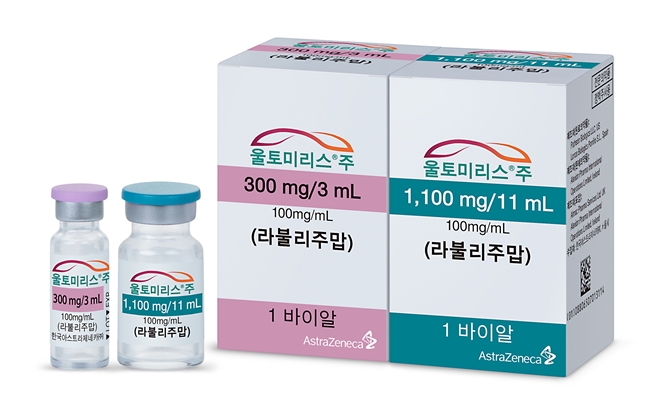
- Ultomiris (ravulizumab) has strengthened its position in the market for neuromyelitis optica after obtaining approval for expanded indication. Product photo of UltomirisOn July 11th, the Ministry of Food and Drug Safety (MFDS) granted approval of expanded indication for Ultomiris, a C5 complement inhibitor, for the treatment of adults aged 18 years and above with neuromyelitis optica spectrum disorder (NMOSD) who are anti-aquaporin-4 (AQP-4) antibody-positive. The approval of NMOSD indication was based on data from the external placebo-controlled, multi-center, open-label phase 3 CHAMPION-NMOSD trial, which evaluated the treatment effect and safety of Ultomiris. The placebo used in the control group was the placebo from Soliris’ phase 3 PREVENT trial for NMOSD, considering that NMOSD is a rare disease and Ultomiris and Soliris are similar treatment types. The data from the 73-week (median treatment period) clinical trial demonstrated that patients who received Ultomiris were recurrence-free and had a 98.7% reduction in the risk of recurrence compared to those who received placebo. Furthermore, the research confirmed a significant improvement in the secondary endpoints, annual recurrence rate (APR) and the Hauser Ambulatory Index (HAI). During the clinical trial, there were no cases with recurrence when treated with Ultomiris, recording 0.000 APR. It was reported that the rate of patients who experienced worsened HAI in Ultomiris was 3.4% (2 out of 58), whereas those who received placebo had a 23.4% HAI (11 out of 47). Additionally, the trial had three severe adverse cases after the start of treatment. Two patients had meningococcal infections but continued treatments after recovery without any side effects. Ho Jin Kim, Professor of the Neurology department at the National Cancer Center, said, “Ultomiris demonstrated no recurrences in NMOSD patients for 73.5 weeks. It is a treatment option with improved convenience of treatment, as it extends the duration interval from 2 weeks to 8 weeks.” Ultomiris is the next-generation C5 complement inhibitor, as it extended its half-life by four times compared to Soliris. Soliris required administration every two weeks, whereas Ultomiris improved the convenience of treatment by extending the interval to 8 weeks. “The interval of treatment not only reduces the number of hospital visits, but also saves the physical strength of patients with difficulties in walking and vision. It also reduces other costs related to hospital visits,” Kim added. “Improvements of convenience alleviate the burden of treatment and help improve patients’ quality of life and treatment compliance,” Kim explained. With the current indication approval, Ultomiris can be used to treat four rare diseases, including ▲paroxysmal nocturnal hemoglobinuria (PNH) ▲atypical hemolytic uremic syndrome (aHUS), and ▲generalized myasthenia gravis (gMG). Chul Woong Kim, Lead for Rare Diseases at AstraZeneca Korea, said, “After obtaining reimbursement approval for Soliris, we are pleased to contribute to the improvement of NMOSD treatment in South Korea with the expanded indication for Ultomiris.” Kim added, “We will strive to enhance treatment options so that more NMOSD patients can receive treatments without fear of recurrence and continue with their daily lives.”
- Policy
- Ilaris, Orkedia, Latuda will likely be reimbursed next month
- by Lee, Tak-Sun Jul 17, 2024 05:50am
- Novartis The companies of the rare disease treatment ‘Ilaris Inj.,’ secondary hyperparathyroidism treatment ‘Orkedia Tab,’ and schizophrenia treatment ‘Latuda Tab’ have reached an agreement with the National Health Insurance Service on the drugs’ insurance drug prices. Accordingly, if no specific issue arises, the 3 new drugs are expected to be reimbursed from August after passing the Health Insurance Policy Review Committee this month. According to the NHIS on the 16th, it has negotiated and agreed on the insurance drug prices and expected claims amounts with the drugmakers of Ilaris, Orkedia, and Latuda. Novartis Korea's Ilaris (canakinumab) is a rare disease drug used to treat Cryopyrin-Associated Periodic Syndromes (CAPS), Tumor Necrosis Factor Receptor Associated Periodic Syndrome (TRAPS), Hyper IgD Syndrome or Mevalonate Kinase Deficiency (HIDS/MKD), Familial Mediterranean Fever (FMF), and Systemic Juvenile Idiopathic Arthritis (SJIA). Of these, HIRA determined that its indications for CAPS, TRAPS, and FMF were eligible for reimbursement. However, the agency requested Novartis to submit supporting data afterward. Novartis did not accept the data submission condition after the first Drug Reimbursement Evaluation Committee review but accepted the condition after the second review. Novartis has since negotiated Ilaris’s insurance drug price with the NHIS and completed reimbursement preparations. Orkedia Tab (1·2mg, evocalcet) is Kyowa Kirin Korea’s secondary hyperparathyroidism treatment. .It was approved adequate for reimbursement alongside Ilaris in April .As an oral calcimimetics agent, it suppresses excessive parathyroid hormone (PTH) secretion by acting on the calcium receptors in parathyroid gland cells .Secondary hyperparathyroidism is a condition in which excessive secretion of parathyroid hormone persists due to hypocalcemia caused by decreased kidney function .If the condition continues, it can lead to complications such as bone fractures .Latuda (20·40·60·80·120mg, lurasidone HCI) is a new drug used to treat schizophrenia and Type 1 bipolar depression .It works by binding to dopamine and serotonin receptors in the central nervous system and blocking the action of brain neurotransmitters .It was developed by Japan's Sumitomo Pharma and is exclusively developed and distributed in Korea by Bukwang Pharmaceutical .In May, DREC ruled the reimbursement of Latuda adequate if the company accepts a price less than the evaluated amount, and Bukwang Pharmaceutical agreed on the condition and started pricing negotiations with the NHIS .To launch Latuda, Bukwang plans to establish a CNS business unit directly under the CEO, consisting of 25 people dedicated to sales and marketing ."We have started pre-marketing in May and plan to conduct marketing activities in all psychiatry and neurology clinics and hospitals," said a company official ."We aim to sell over KRW 30 billion in 3 years."
- Policy
- AbbVie renews RSA for leukemia drug 'Venclexta'
- by Lee, Tak-Sun Jul 17, 2024 05:50am
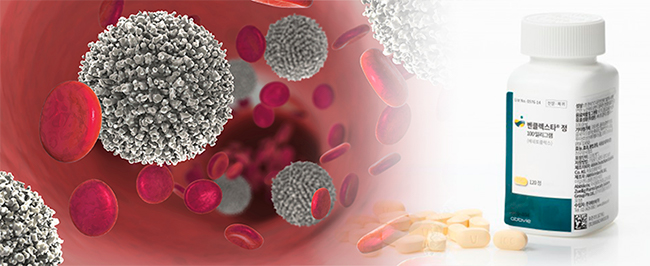
- Product photo of AbbVie Korea Sources said Abbvie Korea has signed a risk-sharing agreement (RSA) renewal agreement for its 'Venclexta Tab (Venetoclax).' Consequently, Venclexta Tab will be reimbursable for five years under the RSA agreement. According to sources on July 16th, AbbVie and the National Health Insurance Service (NHIS) have reached an agreement to sign RSA renewal for Venclexta. When it became reimbursement listed in April 2020, Venclexta was approved for the RSA agreement. The type was a total expenditure cap model. Venclexta can be reimbursed for use as monotherapy for the third-line treatment or more in patients with Chronic Lymphocytic Leukemia (CLL) who have relapsed or refractory to previous chemo-immunotherapy and inhibitors of B-cell receptor signaling and also for the second-line combination treatment of patients with relapsed or refractory CLL who have had previously undergone at least one or more chemotherapies. Since February last year, Venclexta can be reimbursed when used in combination with decitabine or azacytidine for the first-line treatment of adult patients over 75 years and above with newly diagnosed acute myeloid leukemia (AML) who are inadequate to receive induction chemotherapy. Due to expanded use, the price of the 10 mg product was reduced from KRW 4,299 to KRW 3,755, 50 mg product from KRW 21,492 to KRW 18,870, and 100 mg product reduced from KRW 42,984 to KRW 37,740. At that time, the company entered a negotiation for resigning RSA. The initial RSA agreement was set to end on March 31st of last year, but the company continued to negotiate by a temporary contract. Then, sources said that they had signed the final agreement this time. The RSA contracts are valid for five years. "Since Venclexta is a pharmacoeconomic evaluation exemption drug, it has a total expenditure cap. This might have been the focus of negotiations for the total expected claim amount resulting from expanded usage," an industry official said. In 2023, Venclexta's sales totaled KRW 7.5 billion, according to IQVIA data.
- Company
- Will Eylea K-biosimilar overcome evergreening in the U.S.?
- by Hwang, Byung-woo Jul 16, 2024 05:48am
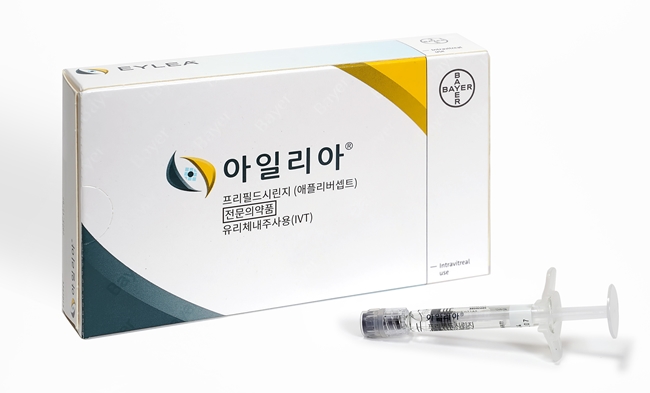
- The expiration of the U.S. substance patent for the blockbuster biopharmaceutical Eylea (aflibercept) is expected to spark competition in the biosimilar market. Samsung Bioepis, which preemptively received marketing authorization for an Eylea biosimilar, is stuck in a patent dispute with Regeneron, which owns the original Eylea. It is expected that other latecomers will also face a tough time entering the market depending on Regeneron’s patent response. Pic of Eylea Eylea is a treatment for eye diseases such as macular degeneration that binds to vascular endothelial growth factor (VEGF) and inhibits neovascularization. The drug generated global market sales of KRW 13 trillion. Of these, the U.S. market accounts for USD 5.719 billion in sales, accounting for a 62% share. Currently, Eylea’s patent has expired in Korea and its biosimilar has been launched into the market, and the patent is scheduled to expire in May 2025 in Europe. In the U.S., the product patent expired in June of this year, but the other patents will expire as follows: ▲formulation patent in 2027, ▲ regimen patent in 2032, ▲purification and batch patent in 2040 The difference between biosimilar entry in Korea and the United States is in the existence of patent disputes. In Korea, Bayer, which sells Eylea, did not file a patent suit, so there was no problem with the launch of Eylea biosimilars. However, in the U.S., Regeneron filed a patent infringement lawsuit against Celltrion and Samsung Bioepis in November last year. Regeneron patent defense remains a hurdle in the Eylea market...launch timing remains in question Samsung Bioepis is the company facing an immediate issue due to the patent suit. In May, the U.S. Food and Drug Administration (FDA) approved Samsung Bioepis' Eylea biosimilar, Opuviz, along with India's Biocon Biologics' Yesafili, as the first biosimilars. However, on June 15, the U.S. District Court for the Northern District of West Virginia granted Regeneron's motion for a preliminary injunction against Samsung Bioepis, which prevents Opuviz from launching in the United States. Samsung Bioepis immediately filed an appeal against the preliminary injunction, but the appeal is expected to take 6 months to a year. A Samsung Bioepis official said, “We have no position on the patent dispute that we can disclose at this time.” While it is difficult to predict the outcome of the patent dispute, the general consensus is that the ruling aligns with Regeneron’s intent as the request for a preliminary injunction has been granted. "In the current situation where the product patent has already expired, it is important to determine whether the formulation patent is infringed, and Samsung Bioepis or Celltrion must prove that the patent has not been infringed," said an official from the Korean Intellectual Property Office. "Regeneron's strategy will be to delay the launch of the similar by claiming patent infringement." "In addition to the remaining formulation patent, Regeneron's dosing regimen patent expires in 2032, among others, so the company has an evergreen strategy in place and does not need to hasten the process. The Korean company can appeal to the federal court, but that will also take time, so the originator has an advantage." Considering this, it is difficult to gauge the exact timing of Opuviz’slaunch as its launch is banned until the end of the patent dispute. Given the nature of biosimilars, where multiple competitors enter the market at the same time, it is important to arrive first into the market. However, in this situation, it is unclear whether the biosimilar companies will be able to enjoy the advantage of first approval. The industry believes this is a red flag for Celltrion as well, as the company has also completed applying for U.S. FDA marketing authorization for its biosimilar. However, the result may differ, as there have been cases like Humira where the original and generic companies discussed royalty payments to enable earlier market launch of the generics. AbbVie had delayed the launch of Humira biosimilars beyond the product patent term by building a patent barrier, but Amgen agreed to pay royalties on the remaining patents and released the first Humira generic. "At the time, the industry expected Humira’s generic release to be a long battle as well, but discussions were dramatically held, allowing for the generic’s launch last year,” said an industry official. "If the company feels that it has been extended Eylea’s patent long enough, there is a possibility that the timing of the launch of its generics could be coordinated through similar discussions.”
- Policy
- Temp reimb extension for antivirals including Tamiflu ends
- by Lee, Tak-Sun Jul 16, 2024 05:46am
- The limited reimbursement extension granted to antiviral drugs used for influenza such as Tamiflu has ended after 22 months. The program, which was introduced as a measure to prepare for the simultaneous spread of the COVID-19 and influenza pandemic, came to an end with the recent lifting of the flu pandemic warning. Now that the COVID-19 pandemic has subsided, the old reimbursement standard will be applied in the future in normal circumstances. According to the Health Insurance Review and Assessment Service (HIRA), the limited health insurance reimbursement coverage granted to influenza antiviral drugs, which had been in effect since September 13, 2022, ended on the 12th. The subject items were oral oseltamivir, such as Tamiflu Cap, and topical zanamivir, such as Relenza Rota Disk. Both drugs were used when the patient was confirmed positive for influenza through tests (rapid antigen test or polymerase chain reaction tests). However, when the influenza warning was issued, ▲patients under the age of 9, ▲pregnant or mothers within 2 weeks of giving birth, ▲65 years old or older, ▲immunocompromised, ▲metabolic disorders, ▲heart disease, ▲lung disease, ▲kidney dysfunction, ▲liver disease, ▲blood disorders, ▲neurological and neurodevelopmental disorders, and ▲patients under the age of 19 who are receiving long-term aspirin treatment were covered even without testing. In November 2021, the government temporarily extended health insurance coverage for antiviral drugs for suspected high-risk patients (pediatric, elderly, immunocompromised, etc.) even if they did not test positive and no influenza warning was issued, due to concerns about the outbreak of COVID-19 and influenza twindemic. The temporary extension was in effect from November 15, 2021, to June 20, 2022. Then, during the flu season, the measure was extended for a second time from Sept. 13, 2022, to July 12, 2024. The KDCA lifted the influenza pandemic warning for the 2023-2024 season on the 12th. As a result of the surveillance of influenza samples at the clinic level (300 centers), the number of suspected influenza patients fell below the epidemic threshold for 3 consecutive weeks, resulting in the decision to lift the flu pandemic warning after consultation with experts. Typically, the influenza season in Korea runs from November to April of the following year. If the number of cases remains below the epidemic threshold, it is unlikely that the reimbursement standard for antiviral drugs will be extended. In the case of Tamiflu Cap, the reimbursement extension and the flu epidemic resulted in KRW 15 billion in outpatient prescriptions (UBIST) last year. This was the highest in the last 5 years, and the explosive demand caused frontline pharmacies to struggle with supply. During the COVID-19 pandemic, on the contrary, sales were below KRW 5 billion as the flu waned. In 2020, sales recorded KRW 2.7 billion, and in 2021, no prescriptions were recorded at all. An industry official analyzed, "With the reduced flu epidemic and return to normal of the reimbursement standards, prescriptions for antiviral drugs such as Tamiflu will likely decrease.”
- Opinion
- [Desk’s View] Respect Korea's generic drug industry
- by Lee, Tak-Sun Jul 16, 2024 05:46am
- The Korean pharmaceutical industry is characterized by generic competition upon the original drug’s patent expiry. When a new drug's patent expires, companies develop products that contain the ingredients for marketing. Combination drugs, reformulated drugs, and generic drugs containing patent-expired drug ingredients are the weapons of domestic pharmaceutical companies. With more than 200 finished drug pharmaceutical companies focusing on the market for patent-expired drugs, it is indeed an inefficient industry. If 10 of these pharmaceutical companies devoted to new drug development, the industry would have been bigger with be less excessive competition. However, in the 100-year history of Korea’s pharmaceutical industry, the industry’s focus has always been on the development of generic drugs, not new drugs. With global pharmaceutical companies such as Pfizer, Novartis, and Roche dominating the new drug market, it is unlikely that the Korean pharmaceutical industry will be reorganized into a new drug-oriented industry in the near or even distant future. However, it is a self-evident fact that the generic drug industry is increasing Korea’s self-sufficiency in finished drugs. According to the Korea Food and Drug Statistical Yearbook, as of 2022, the self-sufficiency rate of finished drugs in Korea was 68.7%, and the self-sufficiency rate of API was 11.9%. Although we are highly dependent on foreign countries for APIs, a high proportion of the finished drugs are made in Korean factories and supplied to domestic patients. The self-sufficiency of finished drugs is also high because of Korea’s generics industry foundation. This is a factor that gives us a sense of stability in terms of market supply and demand. If Korea’s generic industry had been dominated by foreign companies, the Korean drug market would have been unstable, being fully dependent on imports. However, the excessive competition in the generic industry needs to be addressed as it leads to inefficient market conditions. Illegal rebates and substandard quality are among the issues that hinder the competitiveness of the Korean pharmaceutical industry. Furthermore, the inability of competition to drive down prices in the state-controlled insurance market also plays a role in the inability of this bad practice to be corrected In this regard, the key to the proper growth of the Korean generics industry depends on the creation of a normal competition system that does not break the current high degree of self-sufficiency. However, it is unclear whether the state’s recent drug price reduction policies reflect this situation, especially as the government's recent external reference pricing reevaluation disregards Korea’s situation. The very idea of comparing generic drug prices in 8 developed countries that have different pharmaceutical industry structures seems to be a misunderstanding or complete disregard of the Korean generic industry. A unilateral drug price reduction policy will kill the domestic generic industry. This is a problem that could lead to the retreat of the Korean pharmaceutical industry, which is built on generics. There is no guarantee that killing the generics industry will lead to the growth of the new drug industry. The recent 'Study on Improving the Drug Price System for Generic Drugs' that the government conducted to implement the generic drug price reduction policy also suggests that it is necessary to strengthen policies to encourage the use of low-priced products in the early stages. If the government doesn't intend to kill the generic industry, it should prepare measures to encourage the use of low-priced generics before unconditionally lowering drug prices. Korea's generic drug industry may look less sophisticated than those of developed countries that develop new drugs, but is not something to disregard.
- Policy
- ‘Exclude GER and CAN or cut price by 50% less'
- by Lee, Tak-Sun Jul 15, 2024 05:48am
- As the government is pushing for external reference pricing reevaluations, the pharmaceutical industry has proposed two alternatives: excluding Germany and Canada from the A8 countries used for comparison or reducing the drug price cut rate by 50%. The government is reportedly reviewing the proposed options. The industry has taken a hardline stance, stating how it will not go through with the government’s external reference pricing reevaluation plan as is in its current state. According to industry sources on the 12th, the industry officials that participated in the 10th meeting for the external reference pricing reevaluations that was held on the 5th proposed the options above. The industry suggested that 6 countries (the U.S., Japan, the U.K., Switzerland, France, Italy, and the U.K.) should be used as reference, excluding Germany and Canada, which have different drug pricing systems from Korea and will inevitably render significant losses when comparing the countries’ public reimbursement benefits. Germany and Canada use external reference pricing systems. Under the reference pricing system, only generics below a certain price are granted listing, so the reimbursed public price of drugs is significantly lower than that of Korea, which may increase the losses rendered by domestic pharmaceutical companies. The pharmaceutical industry is also reported to have proposed a plan that reduces the drug price reduction amount by 50% when Germany and Canada are included. This is a method that has been applied in past external reference pricing reevaluations. "Including the public reimbursement prices applied in Germany and Canada in Korea’s reevaluation is quite unreasonable on the industry’s part," said an industry insider, adding, "Considering how the reductions in the drug price cut amount were applied in the past, it shouldn't be a big problem this time around.” The insider added, “The government is well aware of the damage that adding Germany and Canada will bring to the industry, so I believe it will accept one of the two options we have proposed today.” The current sources of external reference prices in the MFDS’s regulations are the U.S. Redbook (wholesale prices), the U.K. MIMS (pharmacy prices), the German Rote Liste (pharmacy prices), the French French Public Drug Database (ex-factory prices), the Italian Codifa (ex-factory prices), the Swiss Specialties List (ex-factory prices), the Japanese Ministry of Health, Labor and Welfare's Drug Price Standard (pharmacy price), and the Canadian PMPRB & Ontario Drug Benefit Formulary (ex-factory prices) However, the government's proposal became controversial because it had calculated the external reference price of drugs for reevaluation based on the price that is publicly reimbursed or similarly paid. Therefore, it is expected that the government will soon decide on the issue of applying the drug prices in Germany and Canada or reducing the cut amount by 50% and finalizing its draft.
