
- LOGIN
- MemberShip
- 2026-05-02 18:16:15
- Company
- "Expanded scope for the newborn screening test"
- by Whang, byung-woo Oct 02, 2024 05:48am
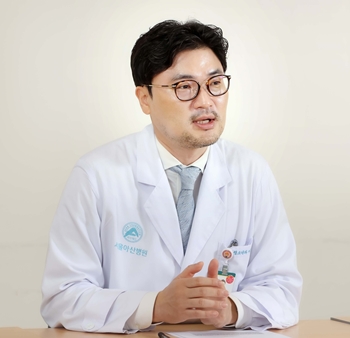
- "Conducting genetic testing on family members and related families when a baby is found to be a carrier from a newborn screening test can identify more individuals with carriers. For rare diseases, such as Gaucher's disease, early diagnosis improves the patient's quality of life and saves the societal cost." Starting this year, the items for the newborn screening test, which is conducted in newborns within 48-72 hours of birth regardless of any symptoms shown, has expanded. As a result, early diagnosis of rare diseases is more likely. For example, reimbursable items now include Lysosome storage disorder (LSD). Many hope that circumstances surrounding the treatment of diseases with a 'diagnostic odyssey,' like Gaucher's disease and Fabry's disease, will improve. Beom Hee Lee, Professor of the Department of Pediatrics at Asan Medical CenterDaily Pharm met with Beom Hee Lee, a Professor of the Department of Pediatrics at Asan Medical Center's Medical Genetics Center, to discuss the significance of newborn screening testing and treatment options. LSD is estimated to occur in 1 in 7,000 to 9,000 people. There are approximately 50 known LSDs, depending on specific enzyme deficiencies. Among these, six LSDs, including Pompe disease, mucopolysaccharidosis (Type 1·2), Gaucher's disease, and Fabry's disease, have treatments and are manageable. "LSD is a disease in which lysosomal degrading enzyme, which eliminates unwanted materials within the cell, is genetically deficient. Most prominent diseases include Gaucher's disease, Fabry's disease, and Pompe disease," said Lee, adding, "However, the causes and symptoms are disease-specific. For example, in Gaucher's disease, the risk of leukemia increases, and neurological symptoms are life-threatening." The government's decision to include LSD in reimbursable items for newborn screening tests this year is crucial because it could lead to early diagnosis and early treatment. Approximately 70 patients are being treated for Gaucher's disease, one of LSDs, in South Korea. Because there are only a few patients in South Asia, it is difficult to assess the prevalence rate. Gaucher's disease is also a rare disease with the 'diagnostic odyssey,' taking around 13 years on average to diagnose. Lee said that the expanded reimbursement scope of the screening test is expected to be beneficial. "Patients often visit several hospitals until getting diagnosed because rare diseases are not acknowledged well and there are only a few doctors with specialties," Lee said, adding, "There are cases of patients diagnosed with Gaucher's disease in their last years, and a teen patient was diagnosed with Gaucher's disease with hepatosplenomegaly after 10-years of testing despite reduced platelet levels." "As six types of enzyme activity tests have been included in reimbursable items of newborn screening test, starting January 2024, potential for diagnosing Gaucher's disease has opened up," Lee said, adding, "It provides patient access and advantages for reducing complications by early disease diagnosis and treatment, suggesting that circumstances for treatment are improving." Lee explained that six months had passed since the testing was implemented, and no patients were reported to have abnormal findings diagnosed with Gaucher's disease. However, a positive effect is expected because the testing could expand the genetic disease LSD diagnosis to family members and related families. Gaucher disease requires early diagnosis and early treatment…unmet needs for treating neurological symptoms The standard therapy for Gaucher's disease involves receiving a bi-weekly intravenous injection of a deficient enzyme protein as part of an enzyme replacement therapy (ERT). Lee believes that different ERTs yield similar treatment effects. Since the treatment effects and safety profile have been confirmed, ERT may effectively lessen liver and spleen enlargement. "Neurological symptoms of Gaucher's disease occur regardless of age, typically found in infancy, teenage years, and early-20s, despite different timing of neurological symptom occurrence and diagnosis," Lee said, adding, "Even the patients who have improved symptoms with ERT can experience sudden neurological symptoms, significantly burdening patients and caregivers." Although there are no treatment options for effectively managing neurological symptoms, studies are being conducted with chaperone therapy using ambroxol. Ambroxol is an active ingredient used for treating respiratory diseases. In a study of ambroxol in combination with ERT, it has been reported to reduce the number of seizures and alleviate or prevent symptom worsening after around 10 years of treatment in patients with Gaucher's disease who have neurological symptoms. "Although many patients have improved neurological symptoms using ERTs, patients had the inconvenience of having to take many pills in a day. Moreover, ambroxol is not officially approved," Lee said, adding, "A treatment development is needed to fulfill unmet patient medical needs for effective neurological symptoms." Despite receiving positive review for newborn screening test, a concern for increased screening cost arises Lee expected that discussions about potential unnecessary screening increases due to the expanded scope of the newborn screening test might be needed. "When tests are being done in a broad term, an initial purpose for conducting screening may not be achieved and it may result in unwanted outcomes," Lee said, adding, "Caregivers tend to independently receive genetic testing with low accuracy in addition to the government-funded tests. As a result, the cost of conducting tests with out-of-pocket fees may be a burden." Some diseases may require immediate treatments upon the identification of a carrier. However, several diseases, within the six types of LSD testing category, do not require immediate treatment. "Testing with fees conducted in newborns may not be for diseases that must be identified at the newborn stage, and the rate of the diagnosis for certain disease at further tests are low," Lee mentioned, "It is a common issue that nations conducting similar screening program face." Regarding this issue, Lee emphasized the importance of accurate final diagnosis and treatment through enzyme analysis testing or genetic testing rather than excessive analysis at the screening stage. "For Gaucher's disease, treatments are available, and patients can maintain typical lifestyles if treated and managed well. It does not affect marriage or daily lives," Lee said, "The most crucial factor is early diagnosis and early treatment. Because Gaucher's disease can cause irreversible damages to the body, treatment must begin before symptom manifests."

- Company
- Jardiance generics prepare for final launch in Korea
- by Kim, Jin-Gu Sep 30, 2024 05:47am
- Generic companies are in the midst of last-minute preparations to enter the market for the SGLT inhibitor diabetes drug Jardiance (empagliflozin), which is set to expire in just about half a year. With Forxiga’s market withdrawal expected to leave an annual sales gap of KRW 50 billion, the race to fill this gap is expected to intensify among the generic companies. Generic companies seek to avoid Jardiance’s crystalline form patent 8 years later…are they eyeing Forxiga’s gap? According to industry sources on the 26th, Hanmi Pharmacuetical and KyungDong Pharm recently won the passive trial to confirm the scope of Jardiance’s crystalline form patent (10-1249711). In the case of Hanmi Pharmaceutical, it succeeded in avoiding Jardiance’s crystalline patent a step later than other companies. More than 50 companies, including Chong Kun Dang, have challenged Jardiance’s crystalline form patent since 2018 and won their first trial between 2019 to 2021. Hanmi Pharmacuetical had also filed to invalidate the same Jardiance’s patent in 2015 but hadn’t made much action since losing the first trial the following year. Even when the other companies filed a series of challenges to avoid the crystalline patent, Hanmi Pharmaceutical chose not to join in the race. However, in March this year, the company changed its course and again filed to avoid the crystalline patent. The company’s challenge comes 8 years later than the other companies. Like the other companies, Hanmi Pharmaceutical plans to launch its generic early, when the patent for Jadian expires in March next year. Some speculate that AstraZeneca’s decision to withdraw another SGLT-2 inhibitor, Forxiga, from South Korea, may have played a role in this. AstraZeneca Korea decided to withdraw Forxiga from the Korean market last December. Forxiga was the leading SGLT-2 inhibitor in the market until recently. With the market leader withdrawing from the market, industry insiders believe that the generic companies are seeking to target this void created by the withdrawal. In fact, prior to Hanmi Pharmaceutical, Daehwa Pharmaceutical, Medica Korea, Korea Prime Pharmaceutical, and Aprogen Biologics filed challenges to avoid the crystalline patent and launch their generic versions of Jardiance in March this year. All of these challenges were filed after AstraZeneca decided to withdraw Forxiga from South Korea. According to the market research institution UBIST, Forxiga’s prescription sales amounted to KRW 51 billion in 2022. Last year, its prescriptions grew 9% to KRW 55.5 billion, despite the launch of its generics upon Forxiga’s patent expiry. The rise in prescription sales was slightly slower this year, earning KRW 21.7 billion in the first half of the year. In Q2, the drug’s sales were overtaken by the combined prescription volume of its generics. As a result, the drug’s prescriptions are expected to decline in earnest in the second half of this year. AstraZeneca Korea plans to supply Forxiga domestically only until the first half of this year, and then distribute only the stockpiled amount. This means that from next year, a KRW 50 billion gap will remain unfilled in the market in earnest. Last-minute generic approvals also in full swing...companies expected to push ahead with launch despite unregistered patent risk Due to such circumstances, the domestic pharmaceutical companies' expectations for Jardiance’s generic market have also been growing ahead of the expiration of the product patent. Companies that have previously succeeded in avoiding Jardiance’s crystalline patent are in the midst of last-minute preparations, including receiving authorizations for their generics one after another. Only this month, GC Cross and Dongkwang Pharm received approval for their generic versions of Jardiance and Jardiance Duo. Including the two, there are now 53 companies that have authorized generic versions of Jardiance and Jardiance Duo. If Hanmi Pharmaceutical and Daehwa Pharmaceutical, which succeeded in avoiding Jardiance’s crystalline patent, also receive approval for their respective generic versions, the number of approved generic companies is expected to increase to 60. In other words, fierce competition among Jardiance generics is expected from March next year. The product patent for Jardiance will expire in March next year. Other than the product patent, the crystalline patent is the only patent registered in MFDS’s green list. Generic companies plan to avoid the crystalline patent and release generics early in line with the date of Jardiance’s substance patent expiry. Although there are still patents that have not been registered in Korea’s green list, most companies are expected to push ahead and launch their respective generics. In the case of Trajenta generics, most companies pushed ahead with their generic launches without fully addressing the risk of its unlisted patents.

- Policy
- "Hundreds of doctors have received pharmaceutical rebates"
- by Kang, Shin-Kook Sep 30, 2024 05:47am
- Min Juwon, Director of Audit at the National Tax Service (NTS).After conducting a tax audit of 16 pharmaceutical companies, Korea's National Tax Service (NTS) announced that it would impose an income tax for doctors who received rebates. The NTS mentioned that over hundreds of doctors received rebates, and rebate-associated medical-pharmaceutical cartels became a significant issue. As a result, the NTS will continue to conduct intense tax audits. The following article reconstructs the briefing by Min Juwon, Director of NTS Audit, held on Septebmer 2nd in a question-and-answer format. - Min said the current audit focuses on imposing income tax on medical professionals who had received rebates. We impose income taxes on doctors who received rebates in any form. Because the customary way of rebates between the medical and pharmaceutical industries has continued for an extended period, the NTS has been paying attention and continuously conducting tax audits. During previous tax audits, we tried identifying the final recipients of rebates through pharmaceutical companies, but we could not confirm the allegations by solely relying on hearsay. However, this round of tax audits focused on eradicating rebates by imposing taxes on individuals who received rebates. - How were the companies selected for audits? We have not focused on whether the audited pharmaceutical company has been prosecuted by the Fair Trade Commission (FTC). The NTS selected companies that have internal issues. Once audits are completed, we plan to decide whether we will share audit outcomes with other agencies, according to regulations. Regarding the rebates being investigated by the prosecution and the Korean National Police Agency, we expect them to cooperate with the NTS regarding tax issues. When we receive documentation, we plan to investigate tax issues and impose on it thoroughly. -Some argue that the tax audit has a political agenda amid the conflict between the medical community and the government. Before today's announcement, we were aware of the concern. According to the law, the NTS conducts audits within the National Tax Imposition Exclusion Period, defined as the past five years. The NTS conducts audits of allegations within the designated period. Moreover, individuals who are involved in medical conflicts are not being audited. Audits are being conducted in individuals across the nation, including primary, secondary, and tertiary medical centers. We want people to know that the NTS focuses on rebates rather than the current issues related to the medical community. The conflict between the medical community and the government is recent. Auditing takes time because companies have to report, the NFS analyzes them, and commences on audits. Consequently, we are focusing on records dating 3-4 years back. For this audit, we have not collaborated with the Ministry of Health and Welfare (MOHW) in any form. We have conducted the audit based on NTS criteria for selecting auditing subjects and identified the degree of tax invasion. - How many medical professionals have received rebate? Subjecting companies that are being audited, hundreds of medical professionals have received rebates. If we continue, the number is expected to increase. - Min stated the medical-pharmaceutical cartel is a grave problem. Medical professionals are of superior status to pharmaceutical companies. When a certain pharmaceutical company names rebate recipients, it will no longer be able to operate in South Korea. As a result, we used the word, "medical cartel." It is a grave problem.
- Company
- New myelodysplastic syndrome drug 'Reblozyl' lands Big 5 DC
- by Eo, Yun-Ho Sep 30, 2024 05:46am
- Product photo of Reblozyl. The treatment for myelodysplastic syndrome (MDS), 'Reblozyl,' is available for prescription at tertiary general hospitals. Sources said that Bristol Myers Squibb (BMS) Pharmaceutical Korea's Reblozyl (luspatercept) has passed all drug committees (DC) of the 'Big 5' medical centers, including Samsung Medical Center, Seoul National University Hospital, Seoul St. Mary's Hospital, Seoul Asan Medical Center, and Sinchon Severance Hospital. However, Reblozyl is still non-reimbursable. The drug was not approved for reimbursement appropriateness at the Drug Reimbursement Evaluation Committee (DREC) of the Health Insurance Review and Assessment Service (HIRA), held August last year. It has not been updated since then. Reblozyl can be prescribed to treating ▲patients with very-low risk, low-to intermediate-risk MDS or myelodysplastic/myeloproliferative neoplasms with ring sideroblasts and thrombocytosis ▲anemia in adult patients with myeloproliferative neoplasms ▲patients with Beta Thalassemia who may need RBC transfusions. Reblozyl is for adults who have not responded well to an Erythropoiesis-Stimulation Agent (ESA) or may need red blood cell (RBC) transfusions. Reblozyl can be administered once every 3 weeks in patients with MDS or Beta Thalassemia at an initial dosage of 1.0 mg/kg. Reblozyl's mechanism works by binding to TGF-β superfamily ligands, thereby diminishing the overactivation of the Smad 2/3 pathway. The drug promotes erythroid maturation. The efficacy of Reblozyl was demonstrated through the Phase 3 MEDALIST study. During the 24-week follow-up period, the study results showed that 13% of the placebo group reached consecutive transfusion-free periods, whereas 38% reported in the Reblozyl group. During the same period, the percentages of patients who reached a transfusion-free period over 12 weeks were 8% for the placebo group and 28% for the Reblozyl group. Those for over 16 weeks were 4% for the placebo group and 19% for the Reblozyl group. Extending the follow-up period to 48 weeks, the percentages of patients who reached a transfusion-free period over 16 weeks were 7% for the patient group, whereas 28% for the Reblozyl group. Meanwhile, MDS is a type of malignant disease affecting blood stem cells in the bone marrow. It is a disease of the elderly, with higher occurrence in elderly over 60 years of age. MDS is characterized by immature blood cells and low counts of healthy white blood cells, red blood cells, or platelets in the peripheral blood. The most common adverse reactions are fatigue from anemia, systemic weakness, and loss of motor ability. Worsened anemia could cause palpitation, trouble breathing, chest pain, and the possibility of advancing to acute myeloid leukemia (AML). The clinical outcomes and the progress were found to be categorically diverse. There were cases of a stable life with slight anemia, but a case of death within a few months from complications associated with low counts of red blood cells or acute leukemia was reported.
- Policy
- Stelara biosimilar Steqeyma IV approved for use in Korea
- by Lee, Hye-Kyung Sep 30, 2024 05:46am
- Upon receiving approval for ‘Steqeyma IV,’ a biosimilar version of the autoimmune disease treatment Stelara (ustekinumab), Celltion has now received approval for all its Steqeyma formulations. By adding the interleukin (IL) inhibitor option to the existing family of tumor necrosis factor (TNF)-α inhibitors, which includes Remsima, Remsima SC, and Yuflyma, the company has strengthened its autoimmune disease portfolio. On the 27th, the Ministry of Food and Drug Safety (MFDS) approved Celltrion's Steqeyma IV. Celltrion received approval for the prefilled syringe-type subcutaneous (SC) formulation of the same drug in June for the treatment of autoimmune diseases such as plaque psoriasis, psoriatic arthritis, Crohn's disease (CD), and ulcerative colitis (UC) With the approval of the IV formulation, the company can now compete with the original with the same formulation. Earlier, in April, Samsung Bioepis first received approval for 2 Stellara biosimilars – Epyztek IV and Epyztek SC. The insurance drug prices of Steqeyma and Epyztek were set at the same level - about 26% lower than the original - being priced at KRW 1,298,290 for the 45 mg formulation and KRW 1,342,320 for the 90mg formulation, respectively. The original, Stelara, is a global blockbuster drug developed by Janssen, whose product patent expired in July this year in Europe and last year in the United States. According to the drug market research institution IQVIA, the global ustekinumab market was valued at around KRW 26.42 trillion last year. Starting with the domestic marketing authorization of Steqeyma, the company plans to acquire approvals in major global countries such as the U.S. and Europe and target the global ustekinumab market in earnest. Meanwhile, Samsung Bioepis was the first to obtain marketing authorization for a Stelara biosimilar in Korea, and in addition to Celltrion, Dong-A ST (DMB-3115) is also developing a biosimilar of Stelara.
- Company
- Phesgo can be prescribed in Korea with reimbursement
- by Eo, Yun-Ho Sep 30, 2024 05:46am
- Breast cancer biobetter ‘Phesgo’ can now be prescribed in general hospitals in Korea with insurance reimbursement. According to industry sources, Phesgo (pertuzumab/trastuzumab), which is a subcutaneous injection combination of Roche's Perjeta and Herceptin, has passed drug committees (DC) reviews of tertiary hospitals in Korea, including Samsung Medical Center and Seoul National University Hospital. As a biobetter drug, the drug has been reimbursed since August, being applied to the preferential drug pricing plan. Phesgo is a combination of Herceptin and Perjeta, drugs that were previously administered intravenously, into a single subcutaneous injection. The primary benefit of the change from an intravenous to a subcutaneous formulation is its reduced administration time. When treating HER2-positive breast cancer, the existing intravenous regimen required a total of 270 minutes (4.5 hours) for a single dose administration and observation. In the case of Phesgo, the treatment can be completed within 20 minutes as it requires 5 minutes of administration and 15 minutes of observation time, reducing the time by up to 90% compared to traditional therapy. The coinsurance rate of Phesgo was set at the same as for Perjeta: ▲30% when administered in combination with chemotherapy as neo-adjuvant therapy for patients with locally advanced inflammatory or early-stage (>2 cm in diameter) HER2-positive breast cancer; ▲100% when administered in combination as adjuvant therapy for patients who are HER2-positive and have lymph node-positive breast cancer (up to 18 cycles of trastuzumab and pertuzumab combination therapy); and▲5% when administered in combination for patients with metastatic or unresectable locally advanced recurrent breast cancer who are HER2-positive and have not received prior HER2 therapy or chemotherapy. In the Phase III FeDeriCa study that studied 500 patients with HER2-positive early-stage breast cancer, the Phesgo subcutaneous arm was found to be non-inferior to the trastuzumab and pertuzumab intravenous arms. In general, because intravenous and subcutaneous injections have different routes of administration, their anticancer effect is identified based on the trough level and the probability of being cancer-free at the time of surgery. In the case of Phesgo, there was no difference in the trough level according to the route of administration, and the anti-cancer effect and survival period of the two therapies were the same, offering added strength of convenience to the existing advantages. “In the FeDeriCa study, Phesgo subcutaneous injection demonstrated equivalent trough levels as intravenous trastuzumab and pertuzumab,” said Seock-Ah Im, Professor of hematology-oncology at Seoul National University Hospital. ”It provides convenience to both patients and healthcare providers by reducing treatment time while maintaining the effectiveness and safety of intravenous trastuzumab and pertuzumab.” Meanwhile, the insurance authorities have also decided to reimburse Phesgo through the risk-sharing agreement scheme, to save health insurance finances. This is because Phesgo’s development target product, Perjeta, is also currently covered by the risk-sharing agreement scheme.

- Company
- K-Phama companies are targeting Southeast Asia
- by Heo, sung-kyu Sep 27, 2024 05:53am
- Korean pharmaceutical companies target Indonesia to establish a bridgehead for Southeast Asia market entry. Companies have invested in Indonesia by buidling manufacturing plants. The government and associations are also in support. According to pharmaceutical companies on September 20th, pharmaceutical companies, the government, and organizations are quickly establishing collaborative partnerships with Indonesia. Recently, public-private representatives, including KPBMA, Ministry of Food and Drug Safety (MFDS), KIMCo, and 15 Korean pharmaceutical and biotech companies, have visited Jakarta, Indonesia, to seek collaborative business opportunities with Indonesian Food and Drug Authority (BPOM) and local companies. The collaboration between pharmaceutical companies and the government is critical because the industry has shown interest in entering the Indonesian market. Korean pharmaceuticals are showing intersts due the growth in Indonesia market and government's support for in-house pharmaceutical development. Indonesia's pharmaceutical and biotech market is expected to grow quickly from KRW 13 trillion in 2022 to KRW 18 trillion in 2026. The analysis suggests that population growth and increased intractable diseases, including cancer and degenerative brain diseases, from an aging society will contribute to such development. Furthermore, Indonesia is considered a hub for pharmaceutical R&D·production·consumption. It is the biggest pharmaceutical consumption market among the countries in the Association of Southeast Nations (ASEAN). Additionally, to target the "Halal Belt," which consists of approximately 1.9 billion people worldwide due to population growth in Muslim countries, the Indonesian market is considered as a bridgehead in response to the increasing demand for "Halal certification" for pharmaceuticals. For these reasons, Korean pharmaceutical companies are currently establishing joint-subsidiaries with local companies, building manufacturing plants, and out-licensing technologies, in addition to exports. In particular, countries that have already entered the market are experiencing the results. Korean pharmaceutical companies that have entered the market include Daewoong Pharmaceutical, Chong Kun Dang, GC Biopharma, SK Plasma, HK inno.N, Il Dong Pharmaceutical, and Daewon Pharm. For Daewoong Pharmaceutical, the stem cell factory in the Cikarang Javabeka Industrial Complex of Daewoong Biologics Indonesia, an Indonesian subsidiary, obtained GMP certification from the Indonesian BPOM and began full-scale operation. Since establishing a branch in Jakarta in 2005, Daewoong Pharmaceutical has steadily strengthened cooperation, including establishing a joint venture with Infion, Daewoong Infion, in 2012. These efforts are bearing fruit. Chong Kun Dang established Indonesia's first halal-certified anticancer drug production plant in 2019 after establishing a joint venture, 'CKD-OTTO,' with the Indonesian pharmaceutical company OTTO in 2015. In addition, the Indonesian joint venture is achieving success by exporting products from Indonesia to Algeria and other countries. GC Biopharma received final approval for the business license for blood product plant construction and technology transfer from the Indonesian BPOM, on June 1, 2023. The company works with the Indonesian Red Cross and local pharmaceutical company P.T. Triman to supply plasma for blood product processing and plant business. A three-party business agreement has been signed concerning this. GC Cell, an affiliate of GC Biopharma, has signed a partnership agreement with the Indonesian company 'Kalbe Farma' and entered into a technology transfer and out-licensing agreement for 'Immune Cell LCD', a patient blood-derived immune anti-cancer cell therapy. The launch is aimed for next year. SK Plasma received approval from the Indonesian BPOM in March last year to build a plasma fractionation plant that can process 1 million liters of raw plasma annually. The company plans to establish a factory in collaboration with the 'Indonesia Investment Authority (INA)' and take charge of factory operations, business rights, production, and sales. In addition to companies establishing factories, HK inno.N exports K-CAB, Daewon Pharm exports Pelubi CR tab, and Boryung exports Kanarb tab. The government also continues to provide support. On September 11th, the MFDS dispatched a pharmaceutical entry support team through a public-private partnership. The MFDS visited Korean pharmaceutical companies operating in Indonesia to discuss the current status and outlook of the Indonesian market, learn about their experience in the local market, and collect information on other difficulties. The effort to enter the Indonesian market will continue through collaboration among government bodies, such as the MFDS, organizations, and pharmaceutical companies.
- Company
- 'Treatment options for psoriasis are evolving'
- by Son, Hyung Min Sep 27, 2024 05:53am
- Dr. April W. Armstrong, Professor and Chief of Dermatology at the University of California Los Angeles (UCLA) David Geffen School of Medicine “In the field of psoriasis, the development of many biologics has been largely abandoned due to the lack of convincing data showing similar efficacy to marketed drugs. On the other hand, in the field of oral drugs, interest in the TYK2 mechanism has increased upon the introduction of Sotyktu, increasing the industry’s R&D on such oral drugs. I expect to see an active oral psoriasis treatment option development in the coming years.” Dr. April Armstrong, a professor at the David Geffen School of Medicine at UCLA, recently spoke to Dailypharm about her rising expectations in the future of psoriasis treatment upon the introduction of various psoriasis treatment options. Professor Armstrong is an expert in the field of psoriasis, having served as chair of the Medical Board at the National Psoriasis Foundation and co-president of the Group for Research and Assessment of Psoriasis and Psoriatic Arthritis (GRAPPA). Psoriasis is a chronic, non-contagious skin condition with flare-ups and remissions, with an estimated prevalence of 3% in Korea and an estimated 1.5 million patients. It is characterized by narrow, rice-like red patches on the skin, covered with white dead skin cells, which can grow from the size of a coin to the size of the palm of your hand when the rash becomes aggravated. Psoriasis is categorized by clinical type, and in “plaque psoriasis, which accounts for 80 to 90 percent of all cases, the rash is shaped like a plaque. Psoriasis is not just a skin disease, but a systemic and persistent immunologic abnormality that is difficult to cure and requires long-term management. The goal of treatment for psoriasis is to improve the quality of life by improving skin lesions and controlling flare-ups and exacerbations while minimizing the side effects of medications and preventing the many systemic complications caused by chronic inflammation. A variety of treatment options have already emerged for psoriasis, including TNF-α inhibitors and interleukin (IL)-inhibitors. In addition, new oral therapies, such as BMS' Sotyktu, have emerged to target both therapeutic efficacy and patient convenience. Sotyktu is the first TYK2 inhibitor approved for moderate-to-severe plaque psoriasis in adults. Sotyktu is taken orally once daily, regardless of meals, with no dosage adjustments, expanding the patients’ options in a setting where biologics were the only treatment option available outside of the existing universal treatment. Professor Armstrong emphasized that Sotyktu brought the psoriasis treatment environment a step forward and that oral formulations could be the next big R&D trend. Introductino of Sotyktu...first oral treatment option to target TKY2 Sotyktu is a TYK2 inhibitor. TYK2 is an important link in the signaling pathway of IL-23, a cytokine known to play a key role in the pathogenesis of psoriasis. TYK2 mediates multiple cytokine pathways, such as IL-23, which in turn triggers the production of pro-inflammatory cytokines including IL-17 that promote keratinocyte proliferation and epidermal overgrowth, resulting in psoriasis. As a TYK2 inhibitor, Sotyktu selectively binds to the regulatory domain of TYK2 and blocks IL-23 signaling, thereby reducing the production of IL-23 and IL-17, which in turn reduces keratinocyte proliferation. “Patients with psoriasis have long suffered from a lack of adequate treatments, and only recently have started gaining access to moderately effective treatments,” said Professor Armstrong. However, there is still an unmet need. Healthcare providers need to ensure that patients have access to treatments that fit their preferences and lifestyle. Some patients may be uncomfortable with the idea of injections. Some patients avoid Injectable medications due to significant anxiety, such as fear of needles, in which case oral medications can be an alternative.” The introduction of Sotyktu expanded options for patients who have primarily been prescribed injectables. In addition to the clinical trial that became the basis of its approval, Sotyktu’s efficacy and safety were confirmed in recently published 4-year patient follow-up results. The study, named POETYK PSO-1,2, LTE, looked at the Psoriasis Area and Severity Index (PASI) 75 response rate and static Physician's Global Assessment (sPGA) 0/1 response rate from 52 weeks to 4 years in 513 patients who continuously received Sotyktu for 4 years. Results showed that 71% of patients treated with Sotyktu maintained PASI 75 over the 4 years, and 57% of patients achieved and maintained a high standard of “clear” and “almost clear” skin. “No new adverse events or signals were identified in the safety data collected over the 4 years,” said Professor Armstrong. The safety profile and tolerability seen in the parent study were well maintained in the Sotyktu arm.” “In terms of safety, Sotyktu was free of serious or major adverse events, including major adverse cardiovascular events, cancer, and venous thromboembolism. Also, the serious adverse events that may arise with the Janus kinase (JAK) 1/2/3 inhibitors, such as serious infections and psoriatic arthritis, were not reported with the use of Sotyktu.” Another strength of Sotyktu is that it is effective in Asian patients. In the PSO-3 study, which focused on Asian patients from Korea, China, and Taiwan, the PASI response rate was approximately 10% higher than that identified in the global study. “The superior data of Sotyktu identified in the Asian study may be due to the fact that Asians tend to weigh less than Westerners, as well as genetic differences,” explained Professor Armstrong. “The PSO-4 clinical data in Japanese patients showed a 76% PASI 75 rate and 83% sPGA 0/1 rate at Week 16.” “However, it should be noted that both PSO-3 and 4 trials were relatively small studies compared to global studies, and PSO-4 was a single-arm study in Japanese patients. Single-arm studies without control arms tend to show higher rates,” added Professor Armstrong. Increased psoriasis treatment options... broaden choices for patients Treatment options for psoriasis have expanded with the introduction of a variety of new drugs, including injectable and oral therapies. Various treatment options, which include IL-17, IL-23, TNF-α inhibitors, and Sotyktu, are all improving the quality of life for patients with psoriasis. However, Professor Armstrong suggests that the future trend in R&D for psoriasis treatments will likely shift toward oral agents. “With the introduction of Sotyktu, the development of biologics (injectables) in the treatment of psoriasis has gradually faded away,” said Professor Armstrong, ”Fewer new biologics are being developed, except for those that are nearing the end of development or have already been launched in other countries and are expected to be introduced to Korea.” According to Professor Armstrong, some biologics are under clinical trials in the U.S., but many of them have been discontinued due to the lack of convincing data, showing similar efficacy to drugs already on the market. In the case of IL-17 inhibitors, concerns have been raised about the exacerbation of inflammatory bowel diseases such as ulcerative colitis and Crohn's disease, as well as oral candidiasis. IL-23 inhibitors have not been associated with any significant adverse events, but there have been concerns about pain or discomfort at the injection site and upper respiratory tract infections. On the other hand, the safety of oral Sotyktu is considered to be well-established with 4 years of data. While other oral therapies have been associated with higher rates of adverse events such as nausea and vomiting than placebo, Sotyktu has been well tolerated, with rates of these events not significantly different from placebo, said Professor Armstrong. “This is an exciting time for patients with psoriasis, due to the increasing treatment options available. Contrary to how patients had to choose between safety or efficacy when opting to use oral treatment options, oral therapies have evolved since then. New oral drugs such as Sotyktu have demonstrated long-term efficacy and safety comparable to first-generation biologics such as TNF-α inhibitors and IL-12/23 inhibitors,” said Professor Armstrong. ”The treatment options have significantly improved than in the past.”
- Company
- KRPIA expresses concerns over drug approval fee hike
- by Eo, Yun-Ho Sep 27, 2024 05:53am
- “The pharmaceutical industry is bound to feel burdened by the sudden decision. We hope that the new drug approval system will be adjusted through discussions with the industry.” The Korean Research-based Pharmaceutical Industry Association (KRPIA) expressed the pharmaceutical industry's stance regarding the amendment to the 'Fee Regulations for Approval of Drugs, etc.' that was announced by the Ministry of Food and Drug Safety (MFDS) on the 9th. As part of the ‘Measure for Innovation in New Drug Approval', the MFDS is expected to dramatically increase the fee for new drug approval from KRW 8.83 million to KRW 410 million, which is a nearly a 50-fold increase, by fully applying the benefit principle. In essence, KRPIA agrees with the MFDS’s proposal, including the need to realize new drug approval fees, strengthen review capabilities, and shorten the approval period. KRPIA saw that the MFDS’ decision to significantly increase the approval fee reflects the authorities’ intention to innovate the new drug approval process to respond more quickly and flexibly to environmental changes and meet new industrial demand. However, it added the industry’s concerns regarding the fee burden, which rose significantly - over 50 times - with the sudden announcement of the revision without a grace period or phased application. As this is an unprecedented increase in the fee, the KRPIA’s position is that an approval system and administrative services should be prepared at a level that everyone can agree on through sufficient discussions with the industry. “The license fee of KRW 410 million is very high compared to almost all developed countries except the U.S. and Europe,” KRPIA said, noting that Korea's market size is only one-fourth and drug prices are only 60% of Japan's, which also has a similar fee level. With many countries racing to introduce new drugs quickly to improve patient access to treatment, Korea's pharmaceutical market size, challenging drug price environment, and Korea-specific approval requirements suggest that an excessive approval fee hike could be another factor that can slow the introduction of innovative new drugs with low prevalence or small market size. “Its implementation in January 2025 may be too soon for pharmaceutical companies to prepare for changes, and seems to be an insufficient time for the MFDS to recruit specialized personnel and overhaul the system,” said KRPIA. “In order for the intention of the system to be well realized, the fee hike must be accompanied by an overhaul of the new drug approval system and the introduction of fast and advanced administrative services," emphasized KRPIA.
- Policy
- COVID-19 drugs to be reimbursable, "KRW 50,000 co-payment"
- by Lee, Jeong-Hwan Sep 27, 2024 05:53am
- The National Health Insurance will cover two COVID-19 treatments, Paxlovid and Veklury, starting on October 1st. The government will list COVID-19 treatments for reimbursement and make a policy revision to support the patient co-payment at the previous price of KRW 50,000. The National Health Insurance coverage for Takeda Pharmaceuticals Korea's Zejula Cap (ingredient: niraparib tosylate monohydrate), a treatment for advanced ovarian cancer, will be expended, and the ceiling price of the drug will be reduced, starting on October 1st. Patients with advanced ovarian cancer who paid KRW 41 million in annual treatment costs per person are expected to pay KRW 2..05 million in annual treatment costs with the National Health Insurance coverage. On September 26th, the Ministry of Health and Welfare (MOHW) held the 19th Health Insurance Policy Review Committee meeting and decided on items related to National Health Insurance coverage of COVID-19 treatments and expanded National Health Insurance coverage for Zejula Cap. COVID-19 drugs will be covered by NHI…expanded reimbursement for Zejula The two COVID-19 treatments that the Korea Disease Control and Prevention Agency (KDCA) purchased and supplied will be covered by the National Health Insurance, starting in October. Those two are Paxlovid and Veklury. The ceiling price for Pfizer Korea's 'Paxlovid' is KRW 941,940 per 30 tablets in a package, and that for Gilead Sciences Korea's 'Veklury 100mg Powder For Concentrate For Solution For Infusion' is KRW 520,000 per vial. The related policy will be revised along with the reimbursement listing of these drugs. As an administrative action to prevent patient co-payment increases due to reimbursement, the co-payment will be maintained at the current cost of KRW 50,000. Starting next month, the reimbursement coverage for Zejula Cap, a treatment for advanced ovarian cancer, fallopian tube cancer, and primary peritoneal cancer, will be expanded, and its ceiling price will be reduced. For Zejula Cap, the usage criteria will be expanded, and it will be reimbursable for maintenance therapy of patients with advanced epithelial ovarian cancer, fallopian tube cancer, and peritoneal cancer who are responsive to the first-line platinum-based therapy. Previously, it was reimbursable only when the patients tested BRCA mutation-positive ovarian cancer from genetic screening. Starting next month, the drug will also be reimbursable in all homologous recombination deficiency-positive genetic mutations, including ovarian cancer-associated genomic instability identified from genetic testing. Patients with advanced ovarian cancer who paid KRW 41 million in annual treatment costs per person are expected to pay KRW 2..05 million in annual treatment costs with the National Health Insurance coverage. The pilot project for primary healthcare home visits will be improved Since December 2019, the government has been implementing a pilot project for primary healthcare home visits, a healthcare service in which private clinic doctors visit patient homes, to enhance healthcare access for patients who have difficulties visiting medical centers. Starting in November, the designation of medical centers for healthcare home visits will be expanded to include hospitals (local medical centers). Peviously, only private clinics and oriental medicine clinics were eligible for designation. Now, hospitals (local medical centers) can also participate following the policy revision. It will be expanded for patients with severe disease who require home medical care, including bedridden patients with Grade 1·2 long-term care and patients with severe disease using medical devices (oxygen therapy and a respirator). Co-patients for home visits will be reduced for these patients. In order to implement a reduction in out-of-pocket costs for eligible patients, a medical center's screening process will be developed. Additionally, a computer system for patients to claim the reduction of out-of-pocket costs is also in development. The implementation of the out-of-pocket cost reduction is scheduled to occur after November. In addition, to expand the primary healthcare home visit project, additional participating institutions will be invited in October. Extended NHI support for emergency care The policy for providing the National Health Insurance coverage for emergency care, which costs KRW 208.5 billion per month, will be extended to prevent a gap in healthcare for patients with severe and emergent symptoms amid the doctor's strike. The budget will be used to strengthen compensation for emergency departments and tertiary general hospitals so that they can focus on the treatment of emergency and patients with severe symptoms, and for the return of patients with mild symptoms to hospitals and clinics. Incentives will be increased to ensure the prompt transport of critical patients to hospitals. Additionally, incentives for medical care in emergency centers, including emergency care fees and CPR fees, will be enhanced. To facilitate prompt hospital responses to critical patient emergencies, the government will provide financial support for specialists treating hospitalized critical patients and incentives for critical patient hospitalization. The emergency medical care analysis comparing year-over-year from March to July 2024 shows that hospitals are maintaining critical patient care systems. However, the number of critical patients visiting the regional·local emergency medical centers has slightly decreased. The government will extend additional support to strengthen emergency care treatment capacity. The government will also extend raises for specialist medical fees, which were temporarily implemented during Chuseok to maintain the infrastructure of critical·emergency patient treatment at emergency medical centers. The raises for critical·emergency surgeries will also be extended. The raises in specialist medical fees will be 250% for regional·special emergency medical centers and 150% for local emergency medical centers. The raises for critical·emergency surgeries at regional·special·local emergency medical centers will be 200%. The MOHW stated, "We will provide a temporary insurance fee for emergency medical care to prevent a medical care gap for emergency and critical patients. We aim to promptly solve the current situation to ensure people do not encounter difficulties using medical centers."
