
- LOGIN
- MemberShip
- 2026-04-25 05:47:04
- Product
- Pharmacists & employees in their 20s receive Pfizer vaccine
- by May 07, 2021 06:01am
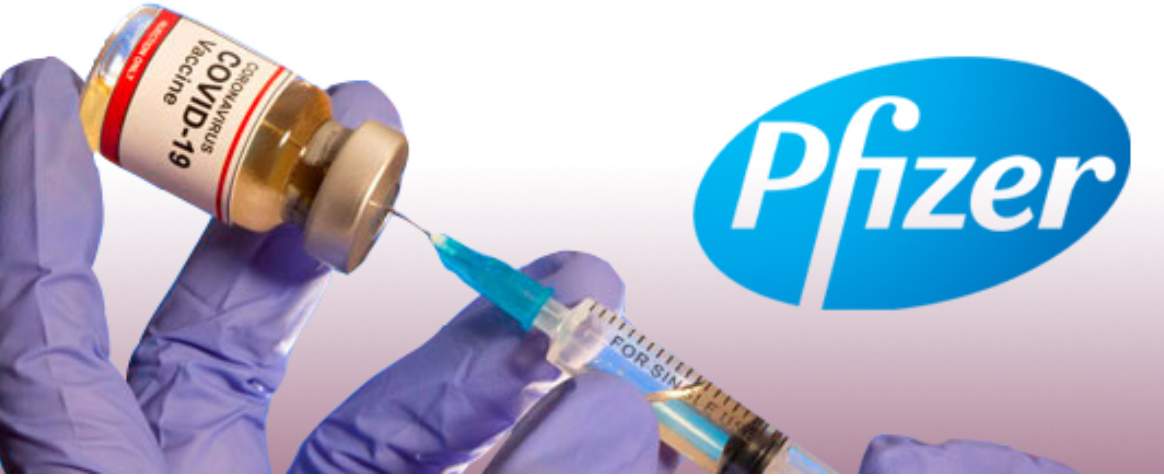
- Pharmacists and employees under the age of 30 who were excluded from the AZ vaccination are expected to receive the Pfizer vaccine next month. The KCDA announced on the 4th that the Pfizer vaccine for social essential personnel and military soldiers under the age of 30 who have been suspended from vaccinating AZ vaccine due to "thrombotic side effects" will begin in June. According to statistics of the Korea Institute for Pharmaceutical Policy affairs, 1,784 pharmacists under the age of 30 have completed their personal reports to The Korean Pharmaceutical Association, and 2,000 including pharmacists who have not reported. "Pharmacists are also among the essential social workers," a pharmacist said. "We have not yet been informed of specific vaccination personnel by the KCDA, but pharmacists and employees under the age of 30 who were excluded from the vaccination will be vaccinated this time." According to COVID-19 vaccination status released byCOVID-19 vaccination task force, 197,092 out of 335,017 people who were vaccinated as of midnight on the 2nd completed the vaccination rate, recording 58.8%. If this includes personnel who will receive the Pfizer vaccine, the inoculation rate is expected to increase slightly.
- Product
- The price of Rotarix has also increased
- by Moon, sung-ho Apr 30, 2021 06:09am
- As prices have increased for cervical cancer vaccines and rotavirus vaccines that prevent neonatal enteritis, the burden on hospitals and clinics is increasing. Some medical organizations are raising the issue of unilateral price hikes for global pharmaceutical companies, but there is currently no clear solution. The medical staff who have to deal with the complaints of the patients are worried a lot. According to the pharmaceutical industry on the 15th, from this month, MSD Korea increased its supply price by 15% for the cervical cancer prevention vaccine Gardasil 9 and 17% for the rotavirus vaccine Rotarix. The information has been guided to hospitals and clinics by HK inno.N, which is in charge of MSD sales since the beginning of this year. Rotarix produced by GSK is also expected to increase by 12% from May. Kwang Dong, which is in charge of Rotarix, recently guided this to hospitals and clinics. According to the HIRA, the currently nonreimbursement price of Gardasil 9 for hospitals and clinics is distributed between ₩107,928 and ₩202,524. Gardasil 9 is a vaccine that requires a total of 3 doses to complete the vaccination, so it costs up to ₩600,000. In the case of RotaTeq, the nonreimubursement price ranges from ₩48,100 to ₩130,000, which averages ₩92,473. Rotarix produced by GSK is distributed at ₩63,600 to ₩150,000, which is slightly more expensive than MSD's RotaTeq. The average price is ₩125,751. Gardasil 9 is up 15%, RotaTeq is up 17%, and Rotarix is up 12%. MSD's opposition to the Gardasil 9's impression eventually came to a medical organization to seek understanding, but it is an opinion that it is difficult for medical organizations to understand pharmaceutical companies. "We had a time to share the contents of the vaccine supply price increase with MSD," said Lee Ki-cheol, vice president of the Korean Association of Obstericians & Gynecologists. "There are many aspects that are difficult to understand from the standpoint of the medical community.” "The supply price is quite high, with a 15% increase. This is unusual and very burdensome. We are going to send a letter to protest against it," he emphasized. "Pharmaceutical companies say that the domestic supply price is not higher than the foreign supply price," said Ma Sang-hyuk, vice-chairman of The Korean Vaccine Society (Daegu Fatima Hospital, Pediatrics and Youth Division). He said, "It is difficult to adjust the price because even if the supply price of vaccines is raised, It depends on the pharmaceutical company in the case of non-reimbursement items. It is difficult to get involved legally, so it is only the doctor's role to get patient complaints." "This is because the related market operates exclusively," said Lee Ki-cheol, vice president of insurance at the KAOG. "As the related supply system has been improved, policy improvements are needed to prevent this from happening again," he argued. MSD believes that a price increase is inevitable because the price hikes of major non-reimbursement vaccines, including Gardasil 9, require production-specific complexity, long production periods, and quality control processes. In addition, MDS explained that it is working to reduce discomfort to medical staff and patients.
- Product
- Why are pharmacists in the AZ vaccination relay?
- by Apr 22, 2021 05:53am
- On social media, pharmacists' vaccination application reservation verification shots appeared in a row. "I made an appointment for vaccination", "I applied for it too" Since yesterday (19th), a vaccine application for pharmacies through the KCDA website has been in progress, and pharmacists who have completed reservations are sharing information related to the vaccine as well as photos notifying the completion of authentication on SNS. SNS를 통해 약사들이 백신 예약 신청 릴레이 인증을 하고 있다. Pharmacist Kim Soo-gil was the first to start the relay. On the 19th, pharmacist Kim, who is in charge of Hubase Affiliate & CSR, proposed a relay to Hubase member pharmacies. Pharmacist Kim Soo-gil posted on Instagram with hashtags such as'Hubase','Pharmacist's Social Responsibility','Vaccines', and'Corona 19 Go Back' as an expert. The way to take off the mask as soon as possible is to reach mass immunity, and vaccines are the answer.' He left a message saying,'As a pharmacist, I applied with a sense of responsibility as a health care professional.' Other Hubase-affiliated pharmacists also said,'The vaccine is inoculated after determining the optimal dose through clinical trials. Depending on the person, the immune response may be different and there may be discomfort, but this immune response was posted with an article titled'controlled immune response' and a notice on adverse reactions provided by the KCDA. Another pharmacist said,'It's scary that we all get coronavirus, and I hope the corona ends soon. However, I am also worried that the side effects of the vaccine will occur to me as well.” “Wouldn't the corona disappear if all the vaccines except me were taken? I'll get another company vaccine later. Seeing that others are right, you should be right. It is the same that I avoid it with this mind and I also like that,” he said. “Even so, I meet most sick and fever patients in our neighborhood. Most of the people I meet have weak immunity and are the most likely to meet other corona confirmed patients or contacts, so I am afraid, but I applied for vaccination. Other pharmacists also uploaded their reservation details as verification shots. After vaccination, they guided them to apply cold compresses with a clean dry towel in case of swelling or pain at the vaccination site, drink plenty of fluids and take a rest if they have a mild fever, and take antipyretic analgesics if they are uncomfortable with fever or muscle pain. Pharmacist Kim Soo-gil said, "There are many parts that many people misunderstand about vaccination, but it would be good if pharmacists who are experts came out to guide and deliver a message to meet together, so we started relaying." He said, "I want people to know that the vaccine is the right part by adjusting the dose, and although it may be uncomfortable, it is a natural immune response." He explained, "With the desire to return to a world without masks as soon as the whole people get a vaccine this year, collective immunity is formed, and pharmacists are joining the vaccination together."
- Product
- Korean bio-pharma companies attract attention at AACR 2021
- by Whang, byung-woo Apr 21, 2021 05:49am
- The AACR 2021 Annual Meeting, the largest meeting on cancer research in the world, took place from April 10th to April 15th. At the meeting, new combination therapies were introduced, raising expectations for the use of new mechanisms of action in the field of cancer treatment. Through a presentation of data on the use of nivolumab (Opdivo) in early-stage non-small cell lung cancer (NSCLC), Bristol Myers Squibb (BMS) presented its next target area for its PD-1/L1 inhibitor. Bayer appealed the efficacy of its PI3K inhibitor copanlisib (Aliqopa) in combination with rituximab. Results of Combination therapy studies show potential to expand treatment scope The presentation that first drew attention was the latest clinical data on Opdivo, which was one of the first PD-1 inhibitors approved in the field of immuno-oncology. Patients with early-stage NSCLC who received the Opdivo-chemotherapy combination before surgery were nearly 14 times more likely to show no signs of cancer cells in their resected tissue than those who received only chemotherapy. The findings came from the Phase III CheckMate-816 trial, which enrolled patients with stage IB to IIIA NSCLC. BMS explained that this was the first time for a presurgery use of the Opdivo-chemotherapy combination to show a significant improvement in the complete pathological response in patients with earlier stage NSCLC More specifically, 24% of patients receiving the Opdivo-chemotherapy combination had a pathological complete response (pCR) which was defined as no residual viable tumors in their resected tissues and lymph nodes, compared with 2.2% in the chemotherapy alone arm, Also, pathological response in patients in the Opdivo combination group was 36.9%, significantly higher than the 8.9% in the chemotherapy alone group. Patrick Forde, professor at Johns Hopkins University said, “For the first time in a phase III trial, we see the potential for an anti-PD-1 immunotherapy to improve outcomes in earlier-stage NSCLC. We are highly encouraged by the marked improvement in pCR, the overall good tolerability, and the absence of impact on surgery feasibility when nivolumab is added to neoadjuvant chemotherapy,” Bayer had presented the role of PI3K inhibitors in treating patients with indolent non-Hodgkin’s lymphoma (iNHL) who relapsed after at least one prior therapy with the combination of its copanlisib (Aliqopa) and rituximab (Rituxan). The data was from the Phase III Chronos-3 trial, in which patients were randomly assigned to copanlisib-rituximab combination (307 patients) or placebo-rituximab combination (151 patients) After a median follow-up of 19.2 months, the study met its primary endpoint of progression-free survival (PFS), showing a 48% reduction in the risk of lymphoma progression or death in the copanlisib-rituximab arm. The overall response rate (ORR) was 80% in the copanlisib-rituximab arm and 47.7% in the placebo-rituximab arm. The complete response rate (CRR) was 33.9% in the copanlisib-rituximab arm, compared to the 14.6% in the placebo-rituximab arm. Regarding the results, Bayer stated that Aliqopa was the first PI3K inhibitor to demonstrate superior efficacy in combination with Rituxan with a manageable safety profile in patients with relapsed iNHL. Also, Lilly presented the potential of its Retevmo to be approved for indications other than those reived for lung cancer and thyroid cancer with RET abnormalities. At the annual meeting, Lilly announced that Retevmo shrunk tumors in 47% of patients with RET fusion-positive cancers originating from different sites in the body other than the lung and the thyroid in a Phase 1/2 study. In particular, Lilly emphasized that more than half of the patients still showed benefits after a median follow-up of 13 months. The 47% tumor response rate presented at the 2021 AACR was generated from 32 patients that had 12 unique cancer types with RET fusion. Over 60% of patients had treatment-resistant gastrointestinal cancers that typically do not respond well to targeted therapy. Based on such data, the company said it plans to take the ‘tumor agnostic' approach with Retevmo. Increasing the response rate with combination therapies…compatibility between candidate substances? Clinical research by domestic biopharmaceutical companies presented at AACR mostly ended at preclinical trial outcomes or examining the potential of combination therapies. However, some showed promise by drawing a response rate from patients that did not respond to existing drugs. At the poster session held on the 12th, PharmAbcine presented the nonclinical data of its immune-oncology drug candidate PMC-309. PMC-309 is showing promise as an immunotherapeutic strategy to be used alone or in combination for patients who showed no response to existing immune-oncology drugs by inhibiting a new immune checkpoint. PMC-309 is a monoclonal IgG (Immunoglobulin G) that targets human VISTA (V-domain Ig Suppressor of T cell Activation), an immune checkpoint regulator. The nonclinical study results show that PMC-309 increased T cell activities in in-vitro settings with its anti-VISTA effect. In in vivo studies using a human VISTA Knock-In mouse model, the tumor growth inhibition was significantly higher for the PMC-309 group compared to the control group. The tumor growth inhibition rate was comparable to the PD-1 administered group and showed a possible synergistic effect when used in combination with existing immunotherapy. The company plans to evaluate the potential toxicity risk of PMC-309 this year to submit for the IND (Investigational New Drug)-enabling studies, and expects to enter the clinical stage next year. ABL Bio presented the preclinical trial results of its bispecific antibody dual immune checkpoint blockade that includes the target LAG-3, an emerging next-generation immuno-oncology drug. ABL501 is a bispecific antibody that simultaneously targets both PD-L1 and LAG-3. Recently, BMS announced successful results of a Phase II/III trial using its anti-LAG-3 antibody(elatlimab) in combination with its PD-1 inhibitor (nivolumab) in patients with melanoma, bringing the candidate substance one step closer to commercialization. In-vitro and in-vivo assessments of the drug demonstrated that ABL501 showed better anti-tumor effect than the PD-L1and LAG-3 combination therapy. With such positive results, the drug was evaluated to have potential as a new alternative to patients who did not see an effect with existing PD-1 or PD-L1-based therapies. ABL Bio plans to submit a Phase 1 Investigational New Drug Application (IND) based on the data. MedPacto presented the potential to use its immune-oncology drug Vactosertib as a combination therapy. The combination of Vactosertib and Onivyde was found to significantly reduce metastasis of cancer cells and greatly improved survival rates compared to Onivyde alone. In the 50-day study of the combination using animal models, the survival rate of the group that was not administered Vactosertib and the group that used the current established treatment was 23% and 53% respectively. However, the Vactosertib combination group’s survival rate improved to reach 84%. This suggests the potential of the combination as a new treatment option. Also, Qurient announced the results for its CDK-7 inhibitor ‘Q901’ and received attention for its potential as an alternative for patients developing resistance. Although the study is yet in its in-vivo stages, Q901 showed tumor growth inhibition effect in mice that developed resistance to the CDK4·6 inhibitor (Ibrance), suggesting its potential in patients who developed resistance to existing breast cancer treatments that may found in clinical studies in the future.
- Product
- Korean-made new drug Rolontis readies for FN drug market
- by Moon, sung-ho Mar 24, 2021 05:45am
- Hanmi Pharmaceutical is readying for the febrile neutropenia (FN) treatment market for its first bio new drug Rolontis (eflapegrastim), as it finally received the South Korean health authority’s market authorization. This could be an opportunity for the South Korean company to take over the domestic drug market, currently led by global pharmaceutical companies. # On Mar. 18, South Korea’s Ministry of Food and Drug Safety (MFDS) approved the marketing of Hanmi Pharmaceutical's 'Rolontis' as the 33rd new drug developed in the country. At the same time, Hanmi Pharm entered the countdown of Rolontis' entry into the U.S. market. The U.S. Food and Drug Administration’s (FDA) `pre-approval inspection (PAI),’ previously delayed due to COVID-19 pandemic, has been scheduled in May. A ‘long-term use' new drug, is it a blockbuster drug material? FN refers to an abnormal decrease in neutrophils, which must occupy 50 percent to 70 percent of white blood cells. There are many factors that cause FN, but it is typical that most cancer patients develop FN due to several anticancer treatments. For this reason, treatments are mostly prescribed for the prevention or treatment of FN caused by anticancer treatment. It has been prescribed for all carcinomas in recent years, including leukemia and breast cancer. Professor Park Inkeun of Oncology Department at Gachon University explained, “Neutrophils are a type of white blood cell and, in simple terms, are responsible for defending against bacterial infection. When chemotherapy is performed, the number of neutrophils decreases, but it recovers over time. However, a treatment is prescribed because there is a risk of infection occurring at the stage of decreasing neutrophils.” The professor added, “Just as people drink differently, the amount of neutrophil reduction is different for each patient. In particular, it could be fatal for elderly patients. For this reason, FN treatments are also administered for prevention purposes every chemotherapy cycle. It's not a one-off shot.” Then, how about the competitiveness of Rolontis in the market? #The FN treatment market in the past used to be dominated by granulocyte colony-stimulating factor (G-CSF) drugs, but recently next generation G-CSF drugs for preventive purpose are expanding in the market. At the moment, the market is dominated by Amgen’s Neulasta (pegfilgrastim), which Kyowa Kirin Korea is supplying to the South Korean market. Meanwhile, Hanmi Pharmaceutical disclosed the data collected from two global Phase II trials (ADVANCE and RECOVER) facilitated by the company’s partner Spectrum Pharmaceuticals. The two trials conducted on 643 early-stage breast cancer patients with FN caused by anticancer treatment confirmed the safety and efficacy of Rolontis. Within total four treatment cycles, Rolontis, compared against its competitor Neulasta, demonstrated non-inferior duration of severe neutropenia (DSN) and superior reduction of risk. Healthcare providers reserve opinion on Rolontis dominating the market Hanmi Pharmaceutical is planning to go through an official domestic market release process as it obtains the world's first approval for Rolontis in South Korea, regardless of the approval by the U.S. FDA. The size of the domestic market for FN drug is estimated at 80 billion won. The figure is the sum of the annual sales of the first and second generation G-CSF drugs, but Rolontis would compete directly against the second generation G-CSF drugs. The top-selling drugs are Neulasta (Kyowa Kirin Korea), Neulapeg (GC Pharma), Lonquex (Teva Handok) and Dulastin (Dong-A ST). A pharmaceutical market research firm IQVIA reported, the sales of these four second-generation G-CSF drugs have been steadily increasing since 2017, reaching about 46 billion won last year. Meanwhile, in the healthcare providers mostly predict, even if Rolontis is released in South Korea, highly unlikely the drug would dominate the market easily. The market size is relatively small, while already-commercialized products have stable presence in the medical field. Ultimately, the company would have to target the overseas market. Currently, the global market is estimated at 3 trillion won.
- Product
- This situation of mixing Lyrica with other doses is absurd
- by Kang, Shin-Kook Mar 22, 2021 06:16am
- When it was confirmed that Pfizer Korea's Lyrica had mixed drugs with different doses, The Korean Pharmaceutical Association urged a countermeasure to prevent recurrence. The KPA(Chairman Dae-eop Kim) made a statement on the 17th, saying, "The case where different doses of pharmaceuticals are mixed & packaging in the bottle is a serious problem that should not exist in the GMP process." "The basics of quality control have not been observed," he pointed out. The KPA said, "The government has achieved success in joining the Pharmaceutical Inspection Co-operation Scheme (PIC/S) to enhance the international reliability of the quality of domestic drugs, but paradoxically, the management of overseas manufacturing facilities of multinational pharmaceuticals has been neglected. In the year, the quality problems of imported medicines have been constantly being raised.” The KPA said, "As the manufacturing facilities for imported drugs are overseas, it is limited to check the problems of the manufacturing process. It is necessary to prepare intensive measures related to imported drugs, such as expanding due diligence at overseas manufacturing facilities and strengthening customs clearance procedures. As the 20th National Assembly has implemented a registration system for overseas manufacturing companies to strengthen safety management of imported drugs, and amendments to the Pharmaceutical Affairs Act, which established the grounds for taking measures to suspend imports according to the results of local due diligence, thorough supervision and expansion of specialized overseas investigators." In addition, The KPA said that it was necessary to improve the quality of imported drugs and to cooperate in prompt handling of complaints with the suspension of the sale and collection of imported drugs. The MFDS confirmed that Pfizer imported and distributed Lyrica bottles with different doses mixed with medicines, and issued an urgent sales suspension and recall order.
- Product
- KMA recommends Tylenol for fever after AZ vaccination
- by Kang, Shin-Kook Mar 10, 2021 06:26am
- After the AstraZeneca COVID-19 vaccination, the frequency of fever or muscle pain was found to be 20-30%, and the KMA recommended taking Tylenol. The KMA (Chairman Choi Daejip) released a recommendation containing countermeasures after the COVID-19 vaccine vaccination to the public on the 6th. The KMA said, "In the case of the AstraZeneca vaccine that will be vaccinated this time, the frequency of fever (more than 38°C) or muscle pain after vaccination is known to be 20% to 30%. It's better not to take antipyretics if patient doesn't have a hard time." The KMA said, "There is a concern that taking antipyretic drugs will reduce antibody formation, and patient doesn’t have to go to treatment only with fever symptoms." It recommend Acetaminophen (Tylenol), which has little effect on antibody formation, in case of more than 38.5°C. The KMA said, "In case of fever within 24 hours of less than 38.5 °C, please take a break at home instead of visiting ER. If patient is having a lot of trouble and anxiety due to a high fever of 38.5°C or higher and muscle pain, consider outpatient treatment at a clinic during the day and an ER visit in the evening and at night. In the case of a fever of 38.5°C or more or a fever that lasts more than 24 hours, it is recommended to receive medical treatment."
- Product
- Frequently consumed OTC drug prices differ in pharmacies
- by Kang, Shin-Kook Feb 03, 2021 06:09am
- The price gap of Tyrenol ER, Gelfos and Tak-Sen widened up to 150 percent among different pharmacies selling the drugs, which contrasted against high-priced bundle-packaged drugs showing barely any gap. Daily Pharm surveyed 22 pharmacies in Incheon for their frequently sold over-the-counter (OTC) drug retail prices as of February, and it found Tyrenol ER Tablet (6 tablets per package) is sold at maximum 2,500 won and minimum 1,600 won showing around 156 percent, or 900 won difference in prices. The average price for the product is 2,176 won. Gelfos M Suspension (4 packets per package) is sold at maximum 4,500 won and minimum 3,000 won, which also showed about 150 percent, or 1,500 won difference among pharmacies. The average is at 3,940 won. Average priced at 2,976 won, Tak-Sen Soft Capsule (10 tablets per package) are sold at maximum 3,000 won and minimum 2,000 won with 1,000 won (150 percent) price gap. A bundle of Insadol Plus Tablet (100 tablets per package) is priced at maximum 34,000 won and minimum at 31,000 won with an average price of 32,000 won. Insadol’s competitor Igatan F Capsule (100 tablets per package) is also similarly priced at maximum 34,000 won and minimum at 30,000 won showing insignificant price difference among pharmacies. Igatan’s average price is 32,500 won. The pharmacies seem to have found the stabilized price for Aronamin Gold Tablet (100 tablets per package) as they are sold at maximum 28,000 won and minimum at 24,000 won. Also Beecom-C Tablet and Comp Urusa Tablet’s price gap among pharmacies are 4,000 won and 3,000 won, respectively. .Ranging from 70,000 won to 50,000 won, B-max Meta Tablets (120 tablets per package) are sold with about 20,000 won difference (140 percent) .And Impactamin Premium Tablet (120 tablets per package) prices ranged from 60,000 won to 50,000 won with 10,000 won gap .The drug’s average price is 59,000 won .Meanwhile, there are frequently consumed drugs with no price gap .Low-priced drinks like Gas Whal Myung Su-Q and Benachio-F Solution had no price difference across all pharmacies .The detailed OTC drug prices across the Incheon region surveyed by Daily Pharm can be found in the following website: (Click HERE for the website) Daily Pharm monthly surveys and discloses frequently consumed OTC drug prices to promote stabilized pricing of the OTC drugs .As frequently consumed OTC drugs are sold with low margin rate, the fair pricing of these drugs is an integral issue for the pharmacist society .Even regional pharmacist organizations are campaigning ‘Fair Pricing for OTC Drugs.’ To make frequently consumed OTC drugs a boost for pharmacy business and not marketing bait for consumers, the fair pricing with adequate rate of margin should be enforced .
- Product
- Efficacy vs. More inoculation? Vaccination plan in dilemma
- by Choi-sun Jan 22, 2021 06:26am
- The public is questioning the actual efficacy of the alternative regimen of the COVID-19 vaccine that reduces dose or delays the booster dose due to the vaccine shortage, Relevant experts give conflicted opinions. Some argue the government should maximize the efficacy with the limited resource, whereas some claim medical evidence is integral before making a hasty decision. ▲Three conflicts: delaying second dose, switching vaccine type and reducing dose volume The main considerations on the vaccine inoculation plan are spacing out the vaccine interval designed at the clinical phase, switching between vaccine types, and lessening the vaccine dose instead of delaying the interval. All conflicts are caused by the shortage in the COVID-19 vaccine. The health authority means to distribute the limited vaccines as much as feasible. Professor Kim Woo-joo at Korea University Hospital Department of Infectious Diseases said, “Delaying the second dose timing, although it has not been scientifically proven, would be cost-effective to immediately block off the COVID-19 transmission and to minimize the damage. But it does not have to be considered as South Korea’s situation is as not urgent as the situation in the U.K.” ▲Experts OK delaying second dose Vaccine and infectious disease experts show open stance on the longer vaccine interval. As the second dose serves as a booster for the first dose, they claim taking the two doses is more important than the timing. Professor Choi Yong-jun of Hallym University College of Medicine explained, “When it comes down to vaccine inoculation, a short interval can be problematic, but delaying it does not raise a concern. This is one of basic principles of vaccine inoculation.” The booster dose activates the immunocytes and antigen memory inducing the antibody reaction after the first dose. The second dose is only needed as a single shot of vaccine cannot guarantee 100-percent immunogenicity. In other words, the longer interval does not drastically affect the efficacy of the vaccine. ▲On switching the vaccine types, ”Absolutely not” Meanwhile, the experts are leaning towards an absolute negative stance on mixing the vaccine types. The U.K. authority considered inoculating Pfizer vaccine for the first dose and AstraZeneca vaccine for the second, but they had to withdraw the plan after the public criticism that there is not enough clinical evidence to ensure safety in the switch. Director Kang Jin-han at the Catholic University of Korea Vaccine and Bio Research Center firmed noted “The vaccine type switching is definitely not advisable. There is no evidence and it is unethical.” With a concerned voice, he added, “The clinical trial protocol on confirming the efficacy of a COVID-19 vaccine was conducted twice with the same vaccine type. Nobody knows what would happen when using two types of vaccines.” ▲Unsure of the low-dose inoculation Then, how about inoculating a lower dose vaccine, instead of a full dose? The experts carefully say the efficacy should be verified first. Theoretically, the full-dose inoculation would be idealistic to confirm the efficacy, but strangely there was a case a vaccine performed better with lower dose. During the Phase II/III trial on AstraZeneca’s vaccine candidate AZD1222, about 10,000 participants aged over 18 were inoculated twice with a month-long interval, and their prevention effect was checked after two weeks. The result found 2,741 people who received one dose achieved 90 percent of the effect, whereas 8,895 people with the two full doses only reached 62 percent. The vaccine efficacy improved by 28 percent-point with the one dosing regimen. Moderna disclosed research findings that half a dose of vaccine demonstrating similar effect with a full dose. Generally, lesser dose should show equivalent or inferior efficacy than the full dose, but AstraZeneca’s vaccine performed better with reduced dosing. Korean Society of Infectious Diseases (KSID) official pointed out, “The appropriate evidence of a lower dosing performing better than higher dosing cannot be found. We need a large scale clinical trial for more credible source of evidence.” ▲The health authority’s decision based on vaccine supply " The daily confirmed case count of COVID-19 in South Korea has dropped under 500. Taking account of the situation, the radical inoculation plan to switch the vaccine type or delaying the booster dose sound unrealistic at the moment. The Ministry of Food and Drug Safety (MFDS) official stated, “Except for an alarming crisis in the pandemic control, vaccination should be based on the label approved by the clinical evidence. The research data on lower dosing regimen and longer vaccine interval could be used for the inoculation plan, if need be.” Korea Disease Control and Prevention Agency (KDCA) plans to review all possibilities, as there is some time left until the vaccine supply arrives and the inoculation starts. The agency official also added, “The detailed would be unveiled later, but the agency is carefully setting up the vaccination plan by referring to experts’ opinions.”
- Product
- What are the latest COVID-19 drug guidelines?
- by Choi, sun Jan 08, 2021 06:19am
- As COVID-19 pandemic has passed a year, the guidelines for drug use are being updated a lot. As the evidence was accumulated, the differences in the guidelines for use by each country decreased, and detailed recommendations for practical use were derived with recommendations for use and refraining from various cases even with the same drug. Based on the latest academic research, the KSID (The Korean Society of Infectious Diseases) also presented a guideline for drug treatment for COVID-19 infection on the 31st. Based on this, guidelines for drug use and changes in each case were summarized. Remdesivir, approved in Korea in July, has detailed use cases for each patient's condition. The example applied when oxygen therapy is required in patients hospitalized with COVID-19 is different. First of all, Remdesivir can be used (level of evidence: moderate, grade of recommendation: B) for patients with COVID-19 who require oxygen therapy but do not need a ventilator or ECMO treatment, the KSID judged. If this is not the case, the recommendation for administration of Remdesivir was withheld (level of evidence: moderate, grade of recommendation: I). Efficacy and safety of Steroid were also summarized in the latest research. In the early days of COVID-19 epidemic, controversy about the suppression of the immune system and the growth of the virus was raised by steroid administration, but recently, it is being placed on the effectiveness in severe patients. The KSID recommended the administration of Steroids to patients with severe or severe COVID-19 by severity (level of evidence: moderate, grade of recommendation: A). As a clinical consideration for Steroids, Dexamethasone 6mg per day is administered for 7-10 days, and other steroids such as Hydrocortisone 150-200mg, Prednisone 40mg, Methylprednisolone 32mg can be substituted. Steroid administration was not recommended for non-severe corona19 patients (level of evidence: moderate, grade of recommendation: C). Interleukin inhibitors that control inflammation-inducing factors are also classified according to their components and patient severity. Interleukin-6 (IL-6) inhibitors include Tocilizumab and Sarilumab. Interleukin-6 inhibitors can be used within the scope of clinical trials in patients with severe COVID-19 (level of evidence: moderate, grade of recommendation: B), but not recommended for patients with mild COVID-19 (level of evidence: moderate, grade of recommendation: C). Recommendations for the administration of Interleukin-1 (IL-1) inhibitors to COVID-19 patients have been withheld (level of evidence: low, grade of recommendation: I). Plasma treatment, which caused controversy over the effectiveness of treatment, was also put on hold. Plasma therapy is a method of using the immunity of a person who is cured after viral infection. It is a method of collecting COVID-19 antibodies present in the plasma of a cure and administering them to other infected people to fight against the virus, but the effectiveness is still controversial worldwide. As the study that presented the effect and the study that showed no effect were sharply mixed, the lack of clinical participants and the poor clinical design of the study were pointed out as the cause. As a result of combining several studies, the KSID decided to withhold the recommendation for recovery plasma treatment for patients with COVID-19 in the blood system fee (level of evidence: low, recommendation grade: I). General intravenous immunoglobulin (IVIG) administration was also not recommended for patients with COVID-19. However, it suggested that the use of immunoglobulins should not be excluded in the treatment of complications (level of evidence: low, grade of recommendation: C). Chloroquine was actually scheduled to be withheld as a COVID-19 treatment. Chloroquine suppresses the maximum effective concentration of the virus by half in laboratory studies, but in actual studies involving SARS and MERS, there has been no high-quality evidence of efficacy. The KSID also concluded that based on the latest studies, it does not recommend either the administration of Hydroxychloroquine alone or in combination with Azithromycin for COVID-19 patients (level of evidence: high, recommendation grade: C). The KSID concluded that it does not recommend AbbVie's antiviral drug Kaletra (Lopinavir/Ritonavir) for COVID-19 patients. The level of evidence is high. In fact, it means that even the use of the drug is ineffective or that statistically significant differences cannot be identified. Administration of other drugs known to have antiviral effects such as Favipiravir, Ribavirin, Umifenovir and Baloxavir marboxil is not recommended except for clinical trials (level of evidence: low, grade of recommendation: C).
