
- LOGIN
- MemberShip
- 2026-04-28 21:33:28
- Company
- SK Bioscience wins patent nullity trial against Moderna's
- by Kim, Jin-Gu Apr 24, 2025 06:01am
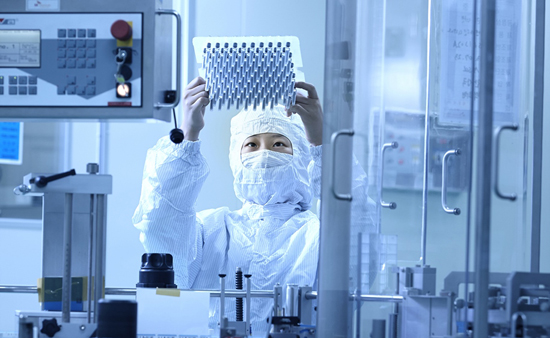
- SK Bioscience researcher conducting an experiment related to mRNA (photo by SK Bioscience) SK Bioscience reported on April 23 that it won patent nullity against Moderna's mRNA manufacturing technology patent. Moderna’s use patent is the only mRNA manufacturing technology patent registered in Korea. Korea's Intellectual Property Trial and Appeal Board recently issued a decision in favor of SK Bioscience in an invalidation trial against Moderna’s patent titled 'Modified nucleosides, nucleotides, and nucleic acids and their uses.' Moderna did not file a petition to cancel that decision within the allotted time. As a result, the first-instance ruling has been finallized, giving SK Bioscience’s victory. Moderna’s patent has served as core technology for mRNA vaccine production. In South Korea, Moderna’s use patent is the sole registered patent covering mRNA manufacturing methods. SK Bioscience filed the invalidation trial against that patent in 2023. The company determined that the patent is granting undue priority and excessive exclusivity, thereby hampering mRNA vaccine technology development, and brought the suit. After about two years of proceedings, the Korea's Intellectual Property Trial and Appeal Board found that the patent’s appropriatness, priority claim, and inventive step were all invalid. This patent will apply to SK Bioscience’s Japanese encephalitis vaccine candidate 'GBP560' and others in development. With this ruling, SK Bioscience expects its global clinical trials of GBP560 to gain momentum. SK Bioscience began global Phase 1/2 clinical studies of GBP560 in February. These trials are evaluating immunogenicity and safety following GBP560 administration in 402 healthy adults in Australia and New Zealand. The company anticipates interim results will be available next year. SK Bioscience's mRNA vaccine development began in 2022 under an agreement to receive USD 40 million in initial R&D funding from CEPI (Coalition for Epidemic Preparedness Innovations). Once it enters late-stage development after completing Phase 1/2 trials, CEPI will provide up to an additional USD 100 million to SK Bioscience. SK Bioscience spokesperson stated, "We secured a competitive edge in global mRNA vaccine development through this patent case," and added, "While many global firms are still undergoing patent disputes with Moderna, SK Bioscience has led the way in dismantling patent barriers and advancing its proprietary technology." "By reducing patent risk for domestic mRNA developers, we expect to contribute significantly to establishing vaccine sovereignty," the spokesperson emphasized. "SK Bioscience plans to establish an mRNA vaccine platform capable of addressing a broad range of diseases beyond pandemic response and to build new pipelines to achieve global competitiveness," he added. According to the global market research firm Nova One Advisor, the mRNA therapeutics market is anticipated to grow at a 17% compound annual rate, reaching USD 58.9 billion (approximately KRW 84 trillion) by 2033.
- Company
- Tuberculosis drug Dovprela lands in Big 5 hospitals in Korea
- by Eo, Yun-Ho Apr 24, 2025 06:01am
- ‘Dovprela,’ the first new drug introduced in the field of tuberculosis in half a century, can now be prescribed at general hospitals in Korea. According to industry sources, Viatris Korea's multidrug-resistant tuberculosis treatment Dovprela (pretomanid) passed the Drug Committees (DCs) of the Big 5 tertiary hospitals in Korea, including Samsung Medical Center, Seoul National University Hospital, Seoul St. Mary's Hospital, and Asan Medical Center. Dovprela, which was first approved in September 2019 in the US and in October 2021 in Korea, is indicated in combination with bedaquiline and linezolid to treat adult patients with extensively drug-resistant (XDR), or treatment-intolerant or nonresponsive multidrug-resistant (MDR) pulmonary tuberculosis (TB). It was listed for reimbursement in January 2023. Pretomanid is the first new drug introduced in the field in 50 years. The field of TB has been neglected by front-line pharmaceutical companies due to its lack of economic feasibility. In fact, Viatris developed the drug in collaboration with a non-profit organization, ‘TB Alliance,’ rather than a general pharmaceutical company. Multi-drug resistant tuberculosis is a type of tuberculosis that cannot be treated with two or more TB treatments including isoniazid and rifampicin, the two most effective anti-TB treatments due to intolerance. Its cause can be divided into primary resistance and acquired resistance. Primary resistance develops when a patient is infected with drug-resistant MTB or during the course of treatment due to arbitrary discontinuation of therapy or irregular administration, etc. Treatment success rate of multi-drug resistant tuberculosis is around 50%, it has low treatment efficiency, and second-line drugs used for its treatment bring more side effects than first-line drugs. Moreover, due to its longer treatment period of 18 to 24 months, the cost burden is high and may even require surgical operations to remove lesions. Also, the seven-drug combination therapy that includes bedaquiline (Bdq) which is used as the current standard treatment for multidrug-resistant tuberculosis, is not well used in Korea due to its high drug resistance rate and long treatment period of 9 to 12 months. Due to the long period, the 7-drug combination is difficult to manage and has a high failure rate. Meanwhile, Dovprela demonstrated its efficacy through the Phase III Nix-TB trial. Dovprela, in combination with bedaquiline and linezolid (BPaL), demonstrated a 92% effect in patients with treatment-intolerant or nonresponsive multidrug-resistant TB and an 89% effect in patients with extensively drug-resistant TB within 6 months and demonstrated its potential as a new short-term combination therapy in the field. Also, it reduced the treatment period from 18-24 months to 6 months, and almost all patients with treatment-intolerant or nonresponsive multidrug-resistant TB and extensively drug-resistant TB were found to be sputum culture-negative within 16 weeks. As the first ready-to-use combination that consists solely of oral treatments, the BPaL regimen reported a 90% cure rate in patients with extensively drug-resistant tuberculosis when used for 6 months compared to the standard treatment that recommends the use of at least 4 drugs in the initial intensive phase.
- Company
- 1 out of 2 multinational firms saw SG&A expenses ratio↓
- by Son, Hyung Min Apr 24, 2025 06:01am
- It was reported that multinational companies reduced their selling, general, and administrative (SG&A) expenses (hereafter referred to as SG&A expenses). Analysis suggests that the recent medical dispute in South Korea impacted the sales and R&D activities. In contrast, pharmaceutical companies with increased SG&A expenses saw a surge in severance payment ratio due to early retirement plans (ERP). According to the Financial Supervisory Service (FSS) on April 24, SG&A expenses for 30 major multinational pharmaceutical companies’ Korean subsidiaries totaled KRW 1.8373 trillion last year, a 0.8% increase from the year before. Among those 30 companies, 17 increased their SG&A expenses, while 16 saw their expense-to-revenue ratios decline. Selling, general, and administrative (SG&A) expenses of major multinational companies in KOR (unit: KRW 1 million) Lilly Korea’s SG&A expenses amounted to KRW 37.2 billion, down 2% year-on-year (YoY), and its expense to sales ratio declined by 6%. R&D expenses, which include academic research and ongoing trial costs, dropped 25%, from KRW 6.4 billion in 2023 to KRW 4.7 billion last year. As Lilly supplies new drugs for oncology and biologics to tertiary hospitals, medical-government disputes significantly affected Lilly's R&D expenses. MSD Korea cut its SG&A expenses by 11%, from KRW 104.9 billion in 2023 to KRW 93.6 billion. The company had a significant reduction in R&D spending. MSD Korea's research expenses dropped 48% from KRW 9.2 billion to KRW 4.8 billion. Both lower research budgets and workforce reduction likely affected this shift. GSK Korea also reduced its current research expenses by 72%, from KRW 8.9 billion to KRW 2.5 billion, and Novartis Korea, which had the highest SG&A expenses last year, saw a reduction in SG&A expenses from KRW 29.6 billion to KRW 28.0 billion, a 5% decrease. Salaries spending impacted changes in SG&A expenses Changes in salaries, severance payments, and retirement benefits, also affected expense changes in several companies. AstraZeneca Korea's SG&A expenses fell 26% to KRW 107.5 billion. Its expense ratio dropped 5% from that of 2023. The company's base salaries, retirement benefits, severance, and welfare outlays all decreased. AstraZeneca conducted an ERP following the withdrawal of Forxiga from South Korea in 2023. The severance costs amounted to KRW 25.7 billion in 2023 but declined to KRW 0.081 billion last year. The total payroll dropped 14% from KRW 37.1 billion to KRW 31.8 billion. In contrast, Kyowa Kirin Korea's ERP drove SG&A expenses higher. The company recorded a total payroll of KRW 8.2 billion, and severance payouts amounted to KRW 26.1 billion. The payroll declined by 15%, but severance payouts surged by 1,410%. Kyowa Kirin Korea conducted an ERP last year. The company sold its Asia-Pacific unit last year, China operations to Hong Kong's Winhealth Pharma, and regional promotional and distribution arms to DKSH last month. Janssen Korea's SG&A expenses increased due to increased payroll and retirement benefits. The company saw a 13% rise in SG&A expenses from the previous year to KRW 88.0 billion. Its total payroll rose 9% to KRW 27.4 billion, and retirement benefits increased 24%. As the company's KRW 3.8 billion severance cost from 2023 was reflected on the audit report, the SG&A cost surged.

- Company
- AbbVie’s workforce↑ MSD↓ due to business restructuring
- by Son, Hyung Min Apr 24, 2025 06:01am
- Various factors, including the sale of drug rights, early retirement programs (ERP), and the launch of new drugs, have affected the number of employees at Korean subsidiaries of multinational pharmaceutical companies. AbbVie Korea doubled its workforce over 4 years through the Allergan merger. BMS Korea, Merck, and Novo Nordisk Korea saw significant increases in staff upon the launch of their innovative new drugs and business expansion. MSD Korea had the largest number of employees as of last year, but this decreased by 200 in four years due to the sale of Januvia rights and the implementation of ERP. Pfizer Korea, Janssen Korea, AstraZeneca Korea, and Novartis Korea also saw a decrease in the number of employees due to the adoption of ERP. According to an analysis of the audit reports of 30 multinational pharmaceutical companies in Korea disclosed on the Financial Supervisory Service's electronic disclosure system on the 23rd, the total number of employees last year was 7,389, an increase of 68 from 7,321 the previous year. Compared to 7,192 in 2020, this is an increase of 197 in four years. The company with the largest increase in employees compared to 2020 was AbbVie Korea. The number of employees at AbbVie Korea last year was 340, a 17 increase from the previous year. The company's employee count rose significantly from 170 in 2020 to 323 in 2023. AbbVie Korea acquired 100% of the shares of Allergan Korea on February 1, 2023. On April 30 of the same year, it absorbed Allergan Korea, and from the following day, Allergan Korea's performance began to be reflected in AbbVie Korea's results. The merger and acquisition at the headquarters level was carried out in 2019. On June 25, 2019, AbbVie acquired Allergan for USD 63 billion (approximately KRW 73 trillion). Allergan owns the original botulinum toxin product “Botox.” Merck, Novo Nordisk, and BMS Korea saw a significant increase in their number of employees with the launch of innovative new drugs. BMS Korea surpassed 200 employees for the first time last year. The company's workforce reached 209 employees last year, a 24 increase from the previous year. The company has consistently expanded its workforce while supplying immunotherapy drugs such as Opdivo, heart failure treatment Camzyos, anticoagulant Eliquis, and leukemia drug Sprycel in Korea. In addition, BMS Korea signed a joint promotion agreement with Yuhan Corporation last year for the psoriasis treatment of Sotyktu and the ulcerative colitis treatment of Zeposia. As a result, the company established a new Immunology Sales Department and hired additional clinical team members, leading to an increase in the number of employees. The number of employees at Merck Korea increased by 39.4% from 345 in 2020 to 481 last year. This means that 136 new employees were hired over the past four years. Looking at the numbers by year, the number of employees steadily increased from 360 in 2021 to 409 in 2022 and 444 in 2023, reflecting the company's strategy to expand its business in Korea. Merck has achieved remarkable results in various fields, including infertility treatments and anticancer drugs. In April last year, Merck's Pergoveris Inj for ovulation induction was granted reimbursement for infertility. In addition, the company is expanding its business by supplying the non-small cell lung cancer treatment Tepmetko and the bladder cancer treatment Bavencio in Korea. Novo Nordisk also showed a clear upward trend, increasing its number of employees from 169 in 2020 to 291 in 2024, which was a 72 increase. This is believed to be related to the growth of GLP-1 (glucagon-like peptide-1) class obesity and diabetes treatments in the domestic market. Novo Nordisk has launched not only GLP-1 new drugs containing liraglutide, such as Saxenda and Victoza but also diabetes drug Ozempic and obesity drug Wegovy containing semaglutide in the domestic market. Wegovy, which entered the market in the fourth quarter of last year, surpassed KRW 60 billion in sales in just one quarter. Sales right transfers, withdrawal from the Korean market, and ERP lead to layoffs On the other hand, some companies have reduced their workforce due to the impact of sales, withdrawal from the Korean market, and ERP. Last year, MSD Korea had 505 employees, which was a 201 decrease from 2020. The biggest factor affecting this reduction of workforce was the spin-off of Organon. Organon was spun off from Korea MSD in 2021 and officially launched in June of the same year. Organon sells chronic disease treatments such as Propecia for hair loss, Cozaar for hypertension, and Atorvastatin for dyslipidemia, which was previously sold by MSD. MSD Korea has transferred the Januvia family to Chong Kun Dang and reorganized its chronic disease business division. The company transferred the rights for Januvia (sitagliptin), Janumet (sitagliptin and metformin), Janumet XR (sitagliptin and metformin), and other Januvia family products, as well as the diabetes drugs Steglatro and Steglujan to Chong Kun Dang in May 2023. At the same time, it closed down its General Medicine (GM) division. The number of employees at Pfizer Korea decreased by 50 from 454 in 2023 to 404 last year. The honorary retirement benefits paid last year amounted to KRW 5.33526 billion, a 279.9% increase from the previous year's KRW 1.4453 billion. Pfizer carried out global restructuring in 2023 and last year. This was due to a sharp decline in sales of vaccines and treatments such as Comirnaty and Paxlovid following the COVID-19 pandemic. This decision also affected the reduction in staff at the Korean branch. Novartis Korea had 466 employees last year, a decrease of 68 in the past four years. Novartis underwent a large-scale restructuring at the headquarters level in 2022. In response, Novartis Korea reorganized its respiratory division in 2022. Novartis Korea's respiratory treatments include Enerzair, a triple combination asthma treatment, and Atectura, a once-daily fixed-dose combination medication. Xolair, Novartis Korea's best-selling asthma treatment, was not included in the restructuring as it was an immune disease division product. In addition, Novartis Korea's generic drug division, Sandoz, was spun off and then withdrawn from the Korean market in 2023. In the same year, Novartis Korea began restructuring its portfolio by implementing ERP for its ophthalmology division. AstraZeneca Korea is one of the companies that has experienced significant fluctuations in the number of employees. The company's workforce increased by 18 employees from 393 in 2020 to 411 last year. However, compared to 439 employees in 2023, last year's figure represents a decrease of 28 employees. The increase in AstraZeneca Korea's workforce was attributed to its business expansion. AstraZeneca acquired Alexion, a company specializing in the development of rare disease treatments, in 2020. Alexion holds rare disease drugs Soliris and Ulotrimis, which are used for conditions such as paroxysmal nocturnal hemoglobinopathy and severe myasthenia gravis. AstraZeneca Korea began domestic sales of the drugs in February 2023, leading to an increase in the number of employees in the rare disease division. Meanwhile, the primary reason for the decrease in the number of employees at AstraZeneca Korea last year was the withdrawal of the SGLT-2 inhibitor-based diabetes treatment drug Forxiga from the Korean market. The company implemented an ERP for the CVRM (Cardio Vascular Renal Metabolism) division, which previously housed the Forxiga sales department.
- Company
- 'One year anniversary of Adtralza's launch in KOR'
- by Son, Hyung Min Apr 23, 2025 06:12am
- Shin Jung-bum, CEO of Leo Pharma Adtralza, which debuted in the market last year, has been shown to improve the quality of life for atopic dermatitis patients during its first year of domestic launch. Experts note that its effectiveness in areas such as the head and neck, where symptoms are more visible, could lead to broader applications. On the 22nd, LEO Pharma held a press conference at the Andaz Hotel in Apgujeong-dong, Gangnam-gu, Seoul, to celebrate the first anniversary of Adtralza’s launch. Adtralza is a biological agent that selectively acts on interleukin (IL)-13 and was approved for reimbursement in May last year as a treatment for chronic severe atopic dermatitis in adults and adolescents. IL-13 is a key cytokine that triggers symptoms and signs of atopic dermatitis, including immune regulation and skin barrier dysfunction. It is known to be overexpressed in the skin with atopic dermatitis symptoms and is associated with the disease severity. Previously, Dupixent, which inhibits IL-4 and IL-23, and Rinvoq, a JAK inhibitor, were primarily used to treat atopic dermatitis. However, the introduction of Adtralza has expanded treatment options. Given that atopic dermatitis is a chronic condition with no cure and a long treatment duration, diverse treatment options are essential. In particular, since March, switching between JAK inhibitors and biological agents has been approved for reimbursement, leading to predictions that the use of Adtralza may increase in the future. Adtralza has demonstrated efficacy and safety in the Phase III ECZTRA3 and ECZTEND studies. The ECZTRA3 trial compared Adtralza with placebo in patients aged 18 years and older with moderate-to-severe atopic dermatitis who had previously failed to respond adequately to topical therapy or required systemic treatment. The primary endpoints were the proportion of patients achieving an improvement in the Validated Investigator Global Assessment scale for Atopic Dermatitis (IGA) to 0 or 1 at Week 16, and the proportion of patients achieving EASI-75 (75% or greater reduction in the Eczema Area and Severity Index (EASI) score from the baseline) The clinical results showed that Adtralza achieved an EASI-75 response rate of 56.0%, an improvement compared to 35.7% in the placebo group. The proportion of patients with an IGA score of 0 or 1 at Week 16 was 38.9% in the Adtralza group and 26.2% in the placebo group. The ECZTEND study evaluated the long-term efficacy of Adtralza. In the clinical trial, 84.5% of patients treated with Adtralza for 4 years achieved EASI-75. Adtralza also demonstrated efficacy in patients with atopic dermatitis in the difficult-to-treat head and neck area. A key advantage of Adtralza is its convenience of administration. While Dupixent requires administration once every two weeks, Adtralza can be administered once every four weeks in patients with clear or almost clear skin after 16 weeks of treatment, based on the judgment of a healthcare professional. Currently, LEO Pharma is conducting clinical studies on patients with hand eczema and pediatric patients aged two years and older. The company also plans to add a pen-type formulation to further improve patient convenience. Dong-Hoon Lee, professor of Dermatology at Seoul National University Hospital Dong-Hoon Lee, professor of Dermatology at Seoul National University Hospital, said, “Adtralza showed consistent efficacy in real-world studies, as in clinical trials. In particular, it showed improved symptoms in patients who switched to Adtralza from existing treatments.” He added, “Treatment is particularly difficult when atopic dermatitis occurs on the hands or head and neck, but symptoms improved in these patients as well when treated with Adtralza.” Ji-Hyun Lee, professor of dermatology at Seoul St. Mary Ji-Hyun Lee, professor of dermatology at Seoul St. Mary's Hospital, said, “Although biological agents have emerged for atopic dermatitis, lesions often remain in the head and neck area, such as the face and neck. It is known that 17% of patients who are treated with Dupixent experience conjunctivitis. This remains an unmet need for patients who must continue with their social lives.” She added, “Adtralza has been confirmed to reduce EASI scores uniformly across various body areas, including the head and neck and limbs. If visible lesions do not improve, this can significantly impact the quality of life. Since Adtralza has a low incidence of conjunctivitis as a side effect, it may be considered as an alternative to existing treatments like Dupixent if conjunctivitis occurs during their use.” Professor Lee noted, “Currently, there is limited active switching between treatments. However, some patients may benefit from switching, so I anticipate that this will become more common in the future.”

- Company
- Multinational pharma's ave. salaries amount to KRW 100m
- by Son, Hyung Min Apr 22, 2025 05:59am
- Last year, the average annual salary for employees at the Korean subsidiaries of major multinational pharmaceutical companies surpassed KRW 100 million, with Sanofi‑Aventis Korea and Gilead Sciences Korea close to KRW 150 million. According to an analysis of the 2023 audit reports filed by 30 foreign pharma subsidiaries on the Financial Supervisory Service (FSS)’s web board on April 21, the average basic salary per employee amounted to KRW 105.2 million, and 18 of those companies reported average pay above KRW 100 million. The average salary per individual reflect only base salaries as disclosed in the audit reports, excluding fringe benefits, bonuses, performance incentives, and retirement payments are excluded, so actual take‑home pay may differ slightly. 2023 Annual Salaries for Employees at the Korean Subsidiaries of Major Multinational Pharmaceutical Companies Sanofi‑Aventis Korea ranked the highest, with an average annual salary of KRW 147.31 million. Last year, its total salary expense rose 61.8% to KRW 53.62 billion from KRW 33.13 billion in 2022, even though its headcount fell by six to 370 employees. Performance‑related pay also climbed markedly, with the company disbursing KRW 3.29 billion in incentives, up 30.9% from the prior year. Gilead Sciences Korea ranked second, with its average per individual salary rising from KRW 128.60 million in 2023 to KRW 141.32 million last year. Its total payroll expense increased by 14.5%, from KRW 11.61 billion in 2023 to KRW 13.28 billion. Boehringer Ingelheim Korea also saw substantial growth in compensation. With headcount unchanged at 164 employees, its average salary climbed by 9.4% to KRW 139.80 million, and total salary outlays rose by KRW 775.35 million. Pfizer Korea’s average salary jumped to KRW 126.24 million, up roughly KRW 25 million from KRW 99.95 million the year before. The primary driver was a global early‑retirement program (ERP). Pfizer implemented a global restructuring initiative throughout 2023 and into last year in response to a sharp decline in vaccine and therapeutic revenues following the transition to endemic COVID‑19. This strategic decision also led to workforce reductions at its Korean subsidiary. Pfizer Korea's ERP led to a headcount reduction from 454 in 2023 to 404 last year; severance pay paid under that program totaled KRW 5.335 billion, a 279.9% increase over 2023. At Kyowa Kirin Korea, severance costs outstripped total salaries. While the company paid out KRW 8 billion in salaries, it recorded KRW 26 billion in retirement benefits. Kyowa Kirin implemented ERP last year. Kyowa Kirin's Asia‑Pacific restructuring last year included selling its China unit to Hong Kong’s Winhealth Pharma Group and transferring domestic and key Asia promotional and distribution operations to DKSH. Kyowa Kirin sells a portfolio of novel therapies, such as the erythropoiesis‑stimulating agent 'Regpara,' anemia treatment 'Nesp,' and neutropenia therapy 'Neulasta,' and reported stable sales of KRW 92.4 billion in 2022 and KRW 98.3 billion last year. The company says it has restructured to focus on its new pipeline in antibody and cell & gene therapies. Other multinational subsidiaries paying average salaries above KRW 100 million include Viatris Korea, Ipsen Korea, UCB Korea, GSK, Janssen Korea, Ferring Korea, AbbVie Korea, BMS Korea, LundBeck Korea, Abbott Korea, Galderma Korea, and AstraZeneca Korea. Some firms may have higher take‑home pay than reported salary. For example, MSD Korea, which reported an average salary of KRW 67.7 million, logs portions of its R&D and other staff compensation under operational research and development expenses or cost of goods sold rather than base payroll. Otsuka Korea reported KRW 24.7 billion in selling and administrative payroll expenses, contrasting with KRW 47.0 billion. The company recognizes some units' salaries as employee‑related costs because certain departmental salaries are classified under production or R&D.
- Company
- Darzalex SC may be prescribed at general hospitals in KOR
- by Eo, Yun-Ho Apr 22, 2025 05:59am
- The subcutaneous injection formulation of the multiple myeloma drug Darzalex may now be prescribed at general hospitals in Korea. According to industry sources, Janssen Korea's Darzalex SC (daratumumab) has passed the drug committees (DCs) of tertiary hospitals in Korea, such as the Seoul National University Hospital and Seoul Asan Medical Center. Darzalex SC dramatically reduces administration time and infusion-related reactions compared to existing intravenous drugs and is approved for a total of 6 indications and five regimens. It was approved in Korea in 2020. The SC formulation was approved for a total of 6 indications and 5 regimens, including “combination therapy with bortezomib, melphalan, and prednisone (DVMP) for newly diagnosed multiple myeloma patients who are not candidates for autologous stem cell transplant” and “combination therapy with bortezomib, thalidomide, and dexamethasone (DVTd) for newly diagnosed multiple myeloma patients who are candidates for autologous stem cell transplant,” and “combination therapy with lenalidomide and dexamethasone (DRd) for newly diagnosed multiple myeloma patients who are not candidates for autologous stem cell transplants.”. Also, the drug can be used by “patients with relapsed or refractory multiple myeloma who have received at least one prior therapy lenalidomide in combination with dexamethasone (DRd) for;” “patients with multiple myeloma who have received at least one prior therapy with bortezomib and dexamethasone (DVd)” and “patients with refractory multiple myeloma as monotherapy after they have failed at least 3 prior therapies, including each of a proteasome inhibitor and an immunomodulatory agent.” Among the indications, the drug’s reimbursement coverage was extended in February to cover its use as first-line therapy as part of a four-drug combination therapy (DVTd therapy) that includes Darzalex in patients with multiple myeloma who are eligible for autologous stem cell transplant. Darzalex SC is a fixed-dose formulation that can be administered over approximately 3-5 minutes. This is a significant reduction in dosing time compared to the 3.5 to 6.5 hours required for intravenous Darzalex. In addition, the incidence of systemic infusion-related reactions was reduced by two-thirds compared to intravenous Darzalex, which is expected to significantly improve patient convenience and potentially deliver efficiencies in the multiple myeloma treatment setting. Meanwhile, the US-based Halozyme Therapeutics’s human hyaluronidase technology enabled the formulation change of Darzalex. Halozyme and the Korean company Alteogen are companies that are attracting attention globally for their SC formulation change technology. Drug delivery to the subcutaneous tissue has been challenging due to its hyaluronic acid protection. However, the use of “human hyaluronidase” enables the breakdown of hyaluronic acid. The SC formulation change technology enhances the permeability of subcutaneous tissue, allowing the drug to rapidly disperse in the subcutaneous tissue and be absorbed into the bloodstream.
- Company
- Can 'indication-based pricing' become a reality?
- by Moon, sung-ho Apr 22, 2025 05:58am
- With the presence of anti-cancer drugs in the clinical field becoming more prominent in recent years, multinational pharmaceutical companies have been calling for a new reimbursement system. In addition to existing immuno-oncology drugs, the emergence of antibody-drug conjugates (ADCs) has increased the number of treatments that are effective against multiple cancers, and the industry requests different drug prices to be applied for each so-called 'indication.’ In fact, the multinational pharmaceutical industry has been requesting so for the past decade, but it hasn't made much of a difference. However, as obesity drugs have expanded their indications to include diabetes, cardiovascular disease, and metabolic dysfunction-associated steatohepatitis (MASH), the debate is no longer limited to anti-cancer drugs. # According to industry sources on the 21st, immuno-oncology drugs or ADCs with indications for various cancers have recently been introduced into the domestic clinical field, and opinions have been raised that different drug prices should be applied to the same drug for different indications. This method - Indication-based pricing (IBP) - is a further subdivision of value-based pricing (VBP), which states that drug prices should reflect the actual value of drugs. Currently, the single-price policy utilized by Korea’s health insurance system is based on the initial indication. For each additional indication, the existing drug price must be reduced to cover the expanded area of reimbursement. For example, if an A immuno-oncology drug is first approved for lung cancer, and then expands its indications to include gastric and breast cancer, the existing drug price must be reduced through pricing negotiations as its use in practice increases under the current system. In other words, the more you expand reimbursement by adding indications, the more you have to reduce the drug price. The problem is that as the number of therapies with indications for multiple cancers, such as major immuno-oncology drugs and ADCs, grows, so does the demand for their reimbursement, and the current single-price policy cannot accommodate them all. So the more approvals for indications and reimbursement the pharmaceutical companies receive, the more pressure they face to reduce drug prices. As a result, the Korean Research-based Pharmaceutical Industry Association (KRPIA) recently requested the government to launch pilot projects on 'blended pricing' (indication-weighted average price) and 'differentiated reimbursement rates by indication' within the framework of Korea’s risk-sharing agreement (RSA) system. Blended pricing is a system that has been implemented in Italy, France, Japan, and other countries. The idea is to set a single price for a drug, but calculate a weighted average price for each indication based on expected usage and clinical value. The main content is to agree on a single price for the same drug while adding reimbursement in consideration of the increased patient and input of financial resources when the reimbursement standard is extended. The industry request is for the blended pricing system to be introduced first, then the risk-sharing system to be improved by applying differential reimbursement rates by indication. In this regard, Ewha Womans University Professor Jung Hoon Ahn (College of Science& Industry Convergence) recently published a study on 'Reimbursement Policy for Multiple Indication Drugs' sponsored by AstraZeneca. In fact, it reflects the will of the multinational pharmaceutical industry, led by the KRPIA, to introduce the system. “The blended pricing method is highly feasible in the domestic reimbursement and drug pricing environment,” said Professor Ahn. “Blended pricing can be implemented in the legal contract stage, applying it at the risk-sharing agreement scheme stage.” “Blended Pricing can be applied within the risk-sharing framework to reflect the value of drugs per indication while managing the financial risk of drugs with uncertain cost-effectiveness,” he said. ”Combined with a structure that allows for reassessment based on actual usage data or adjustments to reimbursement terms based on indication-specific usage, this can increase policy flexibility and feasibility.” As the multinational pharmaceutical industry has been pushing for the introduction of the program, attention has naturally turned to the government’s acceptance. While the need to introduce the system is well understood, as it has been called for more than a decade, there is also consensus that the agenda is not urgent enough to prioritize and pilot quickly in the course of Korea’s current health insurance system. At the same time, there is also an opinion some companies have been particularly exerting their influence among multinational pharmaceutical companies. There are doubts that the benefits of its institutionalization may be concentrated on certain pharmaceutical companies. This would naturally lead to equity issues with other pharmaceutical companies and the domestic pharmaceutical industry. A law firm advisor who serves as a high-ranking government official gave a sobering assessment, saying, “The multinational pharmaceutical industry has been asking for such a system, but it is doubtful that social consensus can be made on this, regardless of whether the government accepts it or not.” “The key to the indication-based drug pricing system is to accurately predict the usage of each drug,” he said. ”Even now, when discussing expanding the scope of use of a drug, the price is reduced in anticipation of the increased volume. However, when we look at future outcomes, it often doesn't work well,” he said. In other words, it is difficult to introduce blended pricing at a time when even the estimated usage for risk-sharing is not always accurate. It is theoretically possible, but it is difficult to apply it in practice. “If there is a need to introduce the system, the government should prioritize judging its effectiveness through research services,” said HIRA Director Kook-Hee Kim. “No proper monitoring has been made yet. The weighted average should be discussed every time the number of therapeutic indications increases and the impact should be analyzed in various ways,” indicating that it is a long-term challenge.”
- Company
- Zuellig Pharma's performance fluctuates after a brief reboun
- by Son, Hyung Min Apr 21, 2025 05:54am
- Zuellig Pharma Korea, a global pharmaceutical distributor that had experienced ups and downs in its external growth, successfully rebounded last year. Zuellig Pharma's sales declined for 4 consecutive years after recording sales of over KRW 1 trillion in 2020 but showed signs of recovery by taking on the domestic distribution of new drugs from multinational pharmaceutical companies. According to the Financial Supervisory Service on the 18th, Zuellig Pharma's sales last year were KRW 889.3 billion, up 4.8% from the previous year. Operating profit was KRW 4.3 billion, similar to the previous year. Zuellig Pharma is the Korean subsidiary of a Swiss global pharmaceutical distribution company that entered the Korean market in 1998. As the first global distributor to enter the Korean market, it faced strong opposition from the domestic industry. The Korea Pharmaceutical Distribution Association formed the Zuellig Countermeasures Committee and took strong measures to prevent Zuellig Pharma from monopolizing the supply of global pharmaceutical companies' products. Nevertheless, Zuellig Pharma's sales continued to grow until 2021. The company's sales grew steadily from KRW 706.9 billion in 2015 to KRW 889.4 billion in 2016, then to KRW 970.9 billion in 2017. Zuellig Pharma recorded KRW 1.184 trillion in 2019, becoming the third company to exceed KRW 1 trillion in sales after Geo-Yong and Baekje Pharmaceutical. The company maintained its status in the trillion-won club in 2020 with sales of KRW 1.0372 trillion, but sales fell to KRW 910 billion the following year. In 2022, sales amounted to KRW 885.3 billion, a 2.7% decrease from the previous year. In 2023, sales decreased by 4.1% year-on-year to 850 billion won. Zuellig Pharma was hit hard by changes in the drug distribution environment. Before, Zuellig Pharma had grown through exclusive deals with multinational pharmaceutical companies. In particular, domestic drug distributors had to sign wholesale contracts with Zuellig Pharma in order to distribute drugs from multinational pharmaceutical companies. However, major multinational pharmaceutical companies began to utilize the distribution networks of Korean pharmaceutical companies, forging co-promotion agreements with domestic companies, gradually reducing Zuellig Pharma's market share. In addition, domestic pharmaceutical distributors obtained distribution rights through direct contracts with multinational pharmaceutical companies, reducing Zuellig Pharma's main source of revenue. For example, Geo-Yong directly distributes UCB Korea’s allergy treatment Zyrtec, and psoriasis treatment Bimzelx. Geo-Yong is also selling over-the-counter (OTC) drugs from multinational pharmaceutical companies, such as the contraceptive Mercilon. Furthermore, major domestic companies have established new logistics systems such as 3PL and 4PL to enhance their competitiveness. Logistics systems are categorized into four types (1PL/2PL/3PL/4PL) based on their structure. 3PL refers to outsourcing logistics operations to external companies, while 4PL refers to customized services that not only outsource logistics but also provide consulting on suitable logistics systems and IT-related solutions. Larger companies have adopted integrated logistics strategy models, establishing their own logistics IT systems and strengthening order, receivables, and collection management functions. As a result, Zuellig Pharma now faces competition in the utilization of 3PL/4PL logistics systems as well. In particular, domestic companies have equipped themselves with cold chain systems and are distributing major biological products such as Dupixent, putting a brake on Zuellig Pharma's external growth. Operating profit rebounded, but competition intensified In addition to Zuellig Pharma, other global pharmaceutical distribution companies such as DKSH and DB Schenker Korea, as well as domestic firms like Pico Innovation and Bluemtec have established online platforms, intensifying market competition. However, Zuellig Pharma managed to rebound last year with its first sales increase in 4 years. In particular, operating profit has also improved recently. Zuellig Pharma posted operating losses every year from 2017 to 2021. However, in 2022, it returned to profit for the first time in about 7 years with KRW 900 million. In 2023 and last year, it recorded KRW 4.3 billion, showing growth. Zuellig Pharma succeeded in increasing its operating profit by improving its cost ratio along with a reduction in sales and administrative expenses and employee wages. Thanks to its improved performance, Zuellig Pharma emerged from total capital erosion, which had continued for 2 years since 2020. Total capital erosion refers to a state in which a company's deficit grows so large that its surplus runs out and even its paid-in capital is eroded, resulting in negative total capital. Zuellig Pharma was in a state of complete capital erosion in 2020 and 2021, with total capital of – KRW 1.5 billion and -KRW 14.5 billion, respectively. Zuellig Pharma plans to achieve growth in sales and operating profit through the distribution of innovative new drugs. Last year, Zuellig Pharma became responsible for the distribution of the obesity treatment drug Wegovy. Wegovy is a glucagon-like peptide (GLP-1) obesity treatment that recorded sales of over KRW 60 billion in the fourth quarter of last year alone. Zuellig Pharma successfully secured the distribution rights for Wegovy thanks to its experience in distributing the obesity treatment Saxenda. Zuellig Pharma will also be responsible for the domestic distribution of the immuno-oncology drug Libtayo. Libtayo (cemiplimab) is currently approved in South Korea as a first-line monotherapy for advanced non-small cell lung cancer and as a treatment for metastatic or locally advanced cutaneous squamous cell carcinoma (CSCC) and recurrent or metastatic cervical cancer. Last year, Zuellig Pharma also formed a partnership with European consumer healthcare company Karo Healthcare to target the Asian market and signed a domestic distribution agreement for the athlete's foot treatment Lamisil.
- Company
- Sanofi’s MenQuadfi to be launched soon in Korea
- by Whang, byung-woo Apr 21, 2025 05:54am
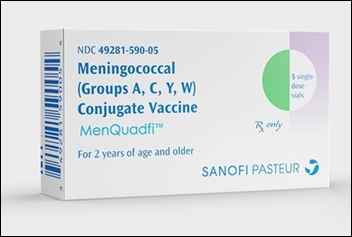
- Sanofi's next-generation meningococcal vaccine is set to launch just 1 year after receiving approval in Korea, signaling the start of intense market competition. Pic of MenQuadfi According to industry sources, Sanofi is preparing to launch its invasive meningococcal disease vaccine MenQuadfi in the third quarter of this year. MenQuadfi is a fully liquid vial quadrivalent meningococcal vaccine that prevents meningococcal serotypes A, C, W, and Y, and is approved for a single dose for individuals aged 2 to 55 years. When compared for immunogenicity with existing quadrivalent meningococcal vaccines, MenQuadfi demonstrated non-inferiority for all four serotypes. Unlike Sanofi's existing meningococcal vaccine, which utilized the diphtheria toxid protein, MenQuadfi utilizes the tetanus toxoid protein and has increased antigen amount. Currently available meningococcal vaccines include GSK Korea’s Menveo and Sanofi’s Menactra. Both vaccines are indicated for the prevention of invasive meningococcal disease caused by Neisseria meningitidis serogroups A, C, W135, and Y. With the launch of MenQuadfi, the competitive landscape is expected to shift from “Menveo vs. Menactra” to “Menveo vs. MenQuadfi.” Sanofi has decided to discontinue Menactra upon the launch of MenQuadfi, but the exact timing of supply discontinuation will be dependent on market inventory levels. A Sanofi representative stated, “We decided to launch MenQuadfi based on the high demand for Menactra in the global market and the expansion of its indications. As a result, we have decided to discontinue Menactra. We will do our utmost to ensure an uninterrupted supply of meningococcal vaccines in the Korean market by adjusting the launch schedule of MenQuadfi in accordance with the depletion of Menactra inventory.” One of the differences between Menactra and MenQuadfi is the age at which they can be administered. Menactra can be administered from 9 months of age, while MenQuadfi is currently available as a single dose for individuals aged 2 to 55 years. However, as the age range for MenQuadfi is being expanded, the vaccine is expected to naturally replace Menactra in the market. In particular, while Menactra contained 4ug of meningococcal serum antigen, MenQuadfi contains 10ug of all four antigens. Meningococcal vaccination costs, from left, GSK Menveo Sanofi Menactra (Data = HIRA Before MenQuadfi’s launch, GSK had already launched Bexsero, a meningococcal group B absorbed vaccine. Bexsero is a vaccine for preventing meningococcal group B infections and differs from the existing Menveo in its scope of prevention. In other words, GSK has introduced a new meningococcal vaccine with a different scope of prevention, while Sanofi has unveiled a next-generation vaccine with enhanced prevention effects. According to IQVIA data, Menveo's sales in 2023 were KRW 52 billion, while Menactra's sales were KRW 5 billion. Given the significant sales gap between the two products, both companies are expected to focus on increasing their market share with the launch of next-generation vaccines. However, meningococcal vaccines are not classified as essential vaccines and are classified as premium vaccines, so price accessibility is expected to be an important factor. According to the Health Insurance Review and Assessment Service's non-reimbursable medical expenses, Menveo costs an average of KRW 142,805, while Menactra costs an average of KRW 142,072.
