
- LOGIN
- MemberShip
- 2026-04-29 16:33:55
- Company
- How has Leqembi changed the clinical site in 6 months?
- by Moon, sung-ho May 14, 2025 06:09am
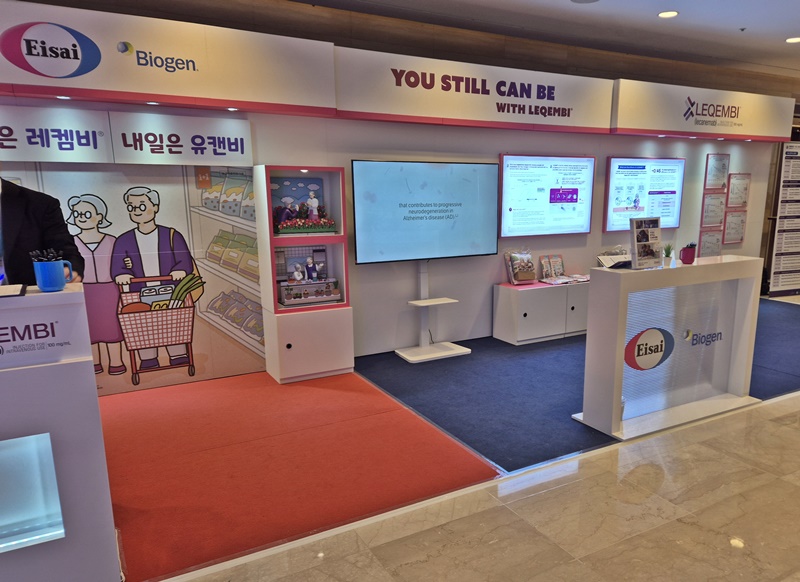
- The overall treatment system on-site has been changing with the introduction of Leqembi, a new dementia drug that was released 6 months ago in Korea. In response, experts are evaluating the therapeutic effects and side effects of Leqembi (lecanemab, Eisai Korea) while demanding improvements to the health insurance reimbursement system in various areas, such as testing costs. At the same time, they are expressing anticipation for other new dementia drugs from global pharmaceutical companies that are likely to be introduced in Korea. The introduction of just one new global drug has changed the atmosphere on-site and in academic activities. #According to the medical community on the 12th, Eisai Korea’s Leqembi (Lecanemab), which was launched in Korea at the end of last year, has passed the Drug Committees (DCs) of major university hospitals and is rapidly expanding its prescriptions in Korea. Leqembi is a new treatment that removes amyloid beta (Aβ), one of the main causative substances of Alzheimer's disease. It specifically binds to soluble amyloid beta protofibrils and insoluble amyloid beta fibrils—the most toxic forms of amyloid beta—to reduce amyloid beta plaques in the brain. In particular, it is the first antibody therapy to receive full approval from the FDA in July 2023 for its efficacy and safety in delaying the progression of Alzheimer's disease and cognitive decline by removing the causative agent. In Korea, it was approved by the MFDS in May last year and has been prescribed in general hospitals since the end of November. However, there are limitations in that it can only be used in medical institutions that meet certain standards, as it requires collaboration with radiologists, neurologists, or other specialists to assess amyloid-related imaging abnormalities (ARIA) such as cerebral vascular lesions and cerebral hemorrhage, as well as facilities capable of administering Leqembi intravenously every 2 weeks and personnel to monitor adverse drug reactions. Nevertheless, Lecanemab is being rapidly adopted and utilized on-site not only at university hospitals but also at regional hub general hospitals, due to the disease's characteristic lack of a fundamental cure. According to an internal evaluation by the Korean Dementia Association, approximately 700 cases have been treated using the medication 6 months after its introduction in Korea. Seong Hye Choi, president of the Korean Dementia Association (Department of Neurology, Inha University Hospital), stated, “A patient weighing 50kg bears approximately KRW 1 million for a single administration of Leqembi. Considering that it is administered every 2 weeks, this amounts to KRW 2 million per month, and KRW 24 million per year for the patient. For a 40kg patient, the cost per administration is approximately KRW 800,000. Some patients are covered with indemnity insurance, and the treatment being well received onsite, even better than expectations.” Additionally, in clinical settings, there is a projection that the incidence of adverse reactions related to brain edema, particularly ARIA, observed during MRI scans in the course of Leqembi’s introduction may be relatively lower than what was shown in clinical studies. Kee Hyung Park, Chair of the Strategy and Planning Committee (Department of Neurology, Gachon University Gil Medical Center), said, “Japan introduced Leqembi before South Korea, and the drug is being actively used as it is covered by reimbursement. Among approximately 8,000 cases, ARIA occurred in 537 cases, which is 6.7% of all patients.” He added, “During the initial clinical trials, the incidence rate of ARIA was reported to be between 12% and 17%.” Park added, “In Korea, there have been no cases of patients experiencing severe side effects after receiving Leqembi. While it is still too early to draw definitive conclusions, it is reasonable to expect that side effects may be less common in Asians compared to Westerners. Amidst this, doctors have suggested that reimbursement for Leqembi itself is necessary, but that reimbursement for tests such as MRI is more urgent. Currently, MRI tests are required to assess cerebral vascular lesions and ARIA in patients receiving Leqembi. The logic is that tests that bring less health insurance burden should be reimbursed first, followed by a discussion on reimbursement for the drug itself. Choi said, “According to MFDS guidelines, patients receiving Leqembi must undergo MRI scans. This means that MRI scans must be performed before the fifth, seventh, and fourteenth injections. If reimbursement is applied to this part of the treatment, it will be able to somewhat reduce the burden on patients.” Choi also pointed out that long-term support for the costs of injection rooms and dedicated nurses (coordinators) provided for severe cancer patients is also necessary for dementia. Recently, Ewha Womans University Mokdong Hospital and Ewha Womans University Seoul Hospital introduced dedicated nurses following the adoption of Leqembi, but many medical institutions find it difficult to operate such programs due to the burden of labor costs. Jee Hyang Jeong of the Department of Neurology at Ewha Womans University Seoul Hospital (Chair, Public Relations Committee, KDA) explained, “When patients and their families request Leqembi treatment, it is necessary to provide detailed explanations about the treatment process, side effects, MRI scans, and other related matters. This entire process typically takes 30 to 40 minutes. We recognize this as a critically important process and have begun operating with dedicated staff internally. This was a big and dedicated decision on the hospital’s part.” Jeong added, “Ultimately, dementia is similar to cancer. We need to hire dementia specialists to educate patients and their families. The same applies to infusion rooms. Comprehensive improvements are needed, including reimbursement for the use of infusion rooms and labor costs, similar to cancer treatment.” Following the use of Leqembi on-site, expectations are also rising for another new dementia drug, Lilly's Kisunla (donanemab). Lilly's Kisunla cleared the regulatory hurdle - FDA - last year. Kisunla demonstrated efficacy in delaying cognitive decline in patients with early-stage Alzheimer's disease in the Phase III TRAILBLAZER-ALZ2 study. In the clinical trial, it delayed cognitive decline regardless of the disease's progression or pathological stage. Particularly, compared to Leqembi, it is evaluated as having a high potential for utilization in Korea due to improved convenience in patient administration. Choi said, “Kisunla has the advantage of a relatively long administration cycle and the possibility of discontinuing treatment midway through the course. I understand that Lilly, the manufacturer of Kisunla, is in discussions with the MFDS for its introduction in Korea. With mixed results in global markets, I expect the MFDS to make a decision based on the domestic situation.” Park also noted, “Rather than focusing on why approval was granted in the U.S. but not in Europe, we should examine the characteristics of the drug and its differences from existing medications. We need to assess this and consider how patients can individually select the appropriate medication for treatment when approval is granted domestically.”
- Company
- Vyloy quickly lands in general hospitals in Korea
- by Eo, Yun-Ho May 13, 2025 06:07am
- Vyloy, a targeted anticancer drug for gastric cancer, may be prescribed at general hospitals in Korea. According to industry sources, Vyloy (zolbetuximab), a Claudin 18.2-positive gastric cancer targeted therapy developed by Astellas Korea, is now available for prescription at the Big 5 tertiary hospitals in Korea, including Samsung Medical Center, Seoul National University Hospital, Seoul St. Mary's Hospital, Asan Medcial Center, and Sinchon Severance Hospital. The drug has passed the regular or emergency drug committees (DCs) at each hospital. Additionally, prescription codes have been generated at other medical institutions such as Ajou University Hospital, Chilgok Kyungpook National University Hospital, and Hwasun Chonnam National University Hospital. Approved in Korea last September, Vyloy is the world's first claudin 18.2-targeted therapy, an immunoglobulin (IgG) monoclonal antibody that binds to Claudin 18.2, a protein expressed on the surface of cancer cells in gastric epithelial cells. The SPOTLIGHT study, which became the basis of Vyloy’s approval, showed that Vyloy+ mFOLFOX6 (fluorouracil, leucovorin, oxaliplatin) combination therapy’s progression-free survival (PFS) was 10.6 months, compared with the 8.67 months in the placebo arm. Also, the median overall survival (OS) was 18.23 months, compared with the 15.54 months in the placebo arm. Additionally, in the GLOW study, the combination therapy group of Vyloy and CAPOX (capecitabine and oxaliplatin) achieved a median progression-free survival (mPFS) of 8.21 months, reducing the risk of disease progression or death by approximately 31%. However, Vyloy has not yet been reimbursed by health insurance. The drug was submitted to the Health Insurance Review and Assessment Service's Cancer Disease Review Committee in February, but failed to set the reimbursement criteria. Additionally, due to companion diagnostic issues last year, Vyloy was only officially launched in Korea in March. To use Vyloy, patients must be diagnosed as Claudin 18.2 positive, and the companion diagnostic (CDx) device used for Claudin 18.2 diagnosis was considered for evaluation as a new health technology in the reimbursement review process. In response, Astellas has been conducting an EAP program even before Vyloy’s approval to allow sooner access to the treatment, and currently, 51 patients are enrolled across 10 institutions. SunYoung Rha, a professor of medical oncology at Yonsei Cancer Center, stated, “Approximately 90% of metastatic gastric cancer patients are HER2-negative, rendering a dire need for treatment options targeting this biomarker. Given that about 40% of HER2-negative patients are reported to be Claudin 18.2-positive, the release of Vyloy, which selectively binds to Claudin 18.2, presents a new treatment possibility.”
- Company
- Mounjaro provides more weight loss than Wegovy
- by Eo, Yun-Ho May 13, 2025 06:06am
- Research results found Mounjaro brings more weight loss than its competitor Wegovy. On the 12th, Lilly announced the detailed results of the SURMOUNT-5 Phase IIIb open-label clinical trial directly comparing Mounjaro (tirzepatide), a dual GIP/GLP-1 receptor agonist, and Wegovy (semaglutide), a GLP-1 receptor agonist. The study, which compared the weight loss effects of the two drugs that have garnered global attention as obesity treatments, was simultaneously presented at the 32nd European Congress on Obesity (ECO) and published in the international academic journal The New England Journal of Medicine (NEJM). The study enrolled adult patients with a body mass index (BMI) of 30 kg/m² or higher, or overweight patients (BMI 27 kg/m² or higher but less than 30 kg/m²) with at least one weight-related comorbidity, excluding diabetes. In the trial, Mounjaro demonstrated superiority over Wegovy, meeting all the primary endpoints and five key secondary endpoints at week 72. The primary endpoint, the mean percent change in weight from baseline to week 72 in the Mounjaro group (10 mg or 15 mg), was 20.2%, compared to 13.7% in the Wegovy group (1.7 mg or 2.4 mg), representing a 47% relative weight loss improvement. Based on treatment regimen estimands, the mean weight loss was 22.8 kg in the Mounjaro group and 15.0 kg in the semaglutide group. Mounjaro also outperformed Wegovy in all key secondary endpoints of weight loss. In key secondary endpoints, Mounjaro was superior across all weight reduction targets, with 64.6% of patients in the Mounjaro group achieving at least 15.0% weight loss compared to 40.1% in the Wegovy group. Additionally, patients in the Mounjaro group achieved a superior average waist circumference reduction of 7.2 in (18.4 cm), while in the Wegovy group saw an average reduction of 5.1 in (13.0 cm). Min-Seon Kim, President of the Korean Society for the Study of Obesity and Professor of Endocrinology at Asan Medical Center, stated, “In the head-to-head trial (SURMOUNT-5), Mounjaro demonstrated a superior weight loss effect compared to Wegovy. I expect the introduction of this medication to contribute to obesity treatment in Korea.”
- Company
- U.S. pharmaceutical imports rise twofold amid tariff concern
- by Kim, Jin-Gu May 13, 2025 06:05am
- U.S. drug imports have nearly doubled in a year. This is believed to be the result of frontline pharmaceutical and biotech companies focusing on securing inventory in expectation of U.S. President Donald Trump's drug tariff imposition. According to Korea Biotechnology Industry Organization (KoreaBIO) on the 12th, the U.S. The United States Census Bureau and the U.S. Bureau of Economic Analysis recently announced the results of U.S. trade in goods and services. According to the data, U.S. imports of goods in the first quarter totaled USD 997.8 billion. This is a 26.6% (USD 209.8 billion) increase from the USD 788 billion in the first quarter of last year. In particular, imports of pharmaceuticals increased significantly. In the first quarter, U.S. imports of pharmaceuticals amounted to USD 108.2 billion, a 97.2% (or USD 53.3 billion) increase from the USD 54.9 billion in the same period last year. Pharmaceutical imports surged in March during the first quarter. This coincides with the spread of concerns over President Trump's pharmaceutical tariffs. In fact, U.S. pharmaceutical imports, which stood at USD 29.5 billion in February, rose to USD 50.4 billion in March, an increase of 70.9% in just one month. Considering that total imports increased by 5.5% (from USD 326.5 billion to USD 344.3 billion) during the same period, the increase in pharmaceutical imports was particularly notable. The share of pharmaceuticals in total U.S. imports rose from 9.0% in February to 14.6% in March, an increase of 5.6 percentage points in a single month. KoreaBIO explained that the increase in U.S. pharmaceutical imports was due to the proactive response of local pharmaceutical and biotech companies to concerns over President Trump's import tariffs. KoreaBIO analyzed that “local pharmaceutical and biotech companies appear to be focusing more on securing inventory in the U.S. this year as a short-term response.” Domestic companies are also focusing on securing inventory in the U.S. As of the 7th of this month, Celltrion has completed the transfer of approximately 15 months' worth of inventory for products scheduled for sale in the U.S. Celltrion expects that this will minimize the impact of tariffs not only this year but also in the first half of next year. Celltrion plans to minimize risk in the mid- to long-term by producing finished drug products (DP) through local contract manufacturing organizations (CMOs) in the US. The company explained that it has completed negotiations to secure additional quantities in preparation for the possibility of increased tariff burdens after next year. At the same time, it is pushing ahead with securing active pharmaceutical ingredient (API) manufacturing facilities in the US. It has completed preliminary reviews and has entered the stage of detailed reviews. A Celltrion official said, “We have been devising various strategies in advance to respond to the possibility of changes in President Trump's tariff policy,” adding, “Once the policy is finalized, we will promptly share a comprehensive response plan with our shareholders.” The U.S. government plans to make a separate announcement on whether to impose tariffs on pharmaceuticals. Although it was not included in the mutual tariffs announced on the 2nd of last month, expectations are growing that separate tariffs on specific items will be imposed in May. Prior to this, the U.S. Department of Commerce has been assessing the impact of imports of pharmaceuticals and pharmaceutical raw materials on national security under Section 232 of the Trade Expansion Act, and requested public comments from interested parties from the 16th of last month to the 7th of this month. It is reported that a total of 957 companies and institutions worldwide, including the United States, submitted public comments. South Korea also submitted comments through the government, KoreaBIO, and the Korea International Trade Association(KITA). U.S. companies and institutions, including the Pharmaceutical Research and Manufacturers' Association, are said to have submitted comments stating that “imposing tariffs on pharmaceuticals is not the answer.”
- Company
- 'Retevmo' also seeks thyroid cancer reimbursement
- by Eo, Yun-Ho May 12, 2025 05:59am
- Product photo of Retevmo The RET-targeted cancer therapy 'Retevmo' seeks insurance reimbursement listing of its medullary thyroid cancer indication. According to sources, Lilly Korea recently submitted reimbursement applications simultaneously for the non–small cell lung cancer indication and medullary thyroid cancer indication of the RET (REarranged during Transfection) inhibitor Retevmo (selpercatinib). Having failed in its previous two attempts to secure reimbursement listing for lung cancer, the company is now showing its determination to gain listing by adding a new indication. The prevalence of medullary thyroid cancer is only 1–2% of all thyroid cancers worldwide and just 0.6% in South Korea. However, 60% of cases harbor RET gene mutations. In other words, RET-targeted therapies can be used to treat medullary thyroid cancer. First-line treatments for medullary thyroid cancer currently consist of multitargeted kinase inhibitors such as vandetanib and cabozantinib, which inhibit multiple kinases non-selectively and can therefore be associated with higher rates of adverse events. In contrast, Retevmo is a highly selective RET inhibitor. Retevmo demonstrated efficacy in medullary thyroid cancer in the Phase 3 LIBRETTO-531 study. The LIBRETTO-531 study is a Phase 3 open-label trial comparing Retevmo against the approved first-line multikinase inhibitors (cabozantinib or vandetanib) in patients with progressive or metastatic RET-mutant medullary thyroid cancer. A total of 291 medullary thyroid cancer patients with no prior multikinase inhibitor therapy were randomized (193 Retevmo treatment group, 98 control group). At the investigators' discretion, patients in the control group received cabozantinib in 73 cases and vandetanib in 25 cases. The progression-free survival (PFS) comparison yielded positive data in the interim analysis. At a median follow-up of approximately 12 months, the Retevmo treatment group had not yet reached median PFS by blinded independent central review (BICR), while the control group had a median PFS of 16.8 months. The hazard ratio was 0.280. In preplanned subgroup analyses, BICR-assessed and investigator-assessed PFS were longer with Retevmo than with the control. Meanwhile, although Retevmo was approved in South Korea in March 2022, it failed to pass the National Health Insurance Service (NHIS) Cancer Disease Review Committee (CDRC) in May of the same year. Still, it cleared the CDRC in November and passed the Drug Reimbursement Evaluation Committee (DREC) in May 2023. After passing the reimbursement committee, negotiations with the NHIS on pricing began in June, raising hopes for listing, but ultimately, no agreement was reached. The case was the only failed price negotiation of that year. A Lilly representative said, "The company has been continuously preparing for the reapplication process and has submitted all required documents to the NHIS. The government is currently reviewing the application. We will do our best to ensure that more patients can benefit as soon as possible."
- Company
- Pemazyre lands in major hospitals in Korea
- by Eo, Yun-Ho May 12, 2025 05:59am
- Pemazyre, a treatment for intrahepatic bile duct cancer(cholangiocarcinoma), may now be prescribed at tertiary hospitals in Korea. According to industry sources, Handok's Pemazyre (pemigatinib) has passed the drug committee (DC) of the Big 5 general hospitals in Korea, including Samsung Medical Center, Seoul National University Hospital, Asan Medical Center, and Sinchon Severance Hospital. As the drug has been listed for reimbursement starting this May, the stage has now been set for its full-scale prescription in Korea. The drug is indicated for the treatment of adults with previously treated, unresectable locally advanced or metastatic cholangiocarcinoma with a fibroblast growth factor receptor 2 (FGFR2) fusion or other rearrangement. Pemazyre is the first drug in Korea to be approved for this patient population. In March 2022, Handok signed an agreement with the global biopharmaceutical company Incyte Corp for the registration and supply of Pemazyre in Korea. Pemazyre was designated as an orphan drug by the Ministry of Food and Drug Safety in November 2021. A dire need existed in the field of cholangiocarcinoma due to the lack of a standardized second-line therapy for patients who fail first-line therapy. Surgery is the best treatment for bile duct cancer, but typically only 20-30% of patients are eligible for surgery at the time of diagnosis. Even after surgery, bile duct cancer has a high recurrence rate of 60-70% and a reported 5-year survival rate of less than 20%. Specifically, fusions or other rearrangements of the FGFR2 gene, for which Pemazyre is indicated, occur in approximately 10-16% of patients with intrahepatic cholangiocarcinoma. The approval of Pemazyre is based on the Phase II FIGHT-202 study. The open-label, single-arm Phase II FIGHT-202 study enrolled 107 adult patients (mean age 56 years) who had received at least one prior therapy for locally advanced or metastatic cholangiocarcinoma with a fusion or rearrangement of the FGFR2 gene. The results showed that the primary efficacy endpoint, objective response rate (ORR), was 35.5%, and the secondary endpoint, median duration of response (DOR), was 7.5 months in the Pemazyre arm. In addition, the reported median progression-free survival (PFS) was 6.9 months, and the median overall survival (OS) was 21.1 months. The most commonly reported treatment-related adverse event was hyperphosphatemia, which was of the lowest severity (Grade 1 or 2) and manageable.

- Company
- Generic market share 13% after 'Trajenta' patent expiration
- by Kim, Jin-Gu May 12, 2025 05:59am
- Generic products have expanded their market share to 13% just nine months after the patent expiration of Trajenta (linagliptin), a DPP-4 inhibitor for diabetes treatment. Compared to previous cases of diabetes treatments in the same drug class that patents expired before Trajenta, generic products are analyzed to have slower market penetration. Analysis suggests that the entry of generic products was blocked until early this year because they failed to receive priority marketing authorization, leading to passive product launches due to the original manufacturer’s active resistance. Original prescription sales KRW 29.3 billion→KRW 21.6 billion in one year… and generics totaled KRW 3.1 billion According to UBIST, a pharmaceutical market research firm, on the 9th, the outpatient prescription market size for linagliptin-based diabetes treatments in the first quarter was KRW 24.7 billion. It decreased by 16% year-over-year (YoY). Prescription sales of the original products, Trajenta and Trajenta Duo, dropped. Trajenta monotherapy sales dropped from KRW 14.7 billion to KRW 9.7 billion, a 34% decline, while the metformin combination therapy decreased from KRW 14.6 billion to KRW 11.8 billion, a 19% decline. The combined prescription amount shrank from KRW 29.3 billion to KRW 21.6 billion, a 26% decrease. Such an outcome is attributed to the expiration of the compound patent, the entry of generics, and the resulting price reductions. The substance patent for Trajenta expired in June of last year. Since then, generic products have been listed for reimbursement, leading to price cuts for the original products. Trajenta price fell by 30% and Trajenta Duo by 11%. Quarterly prescription sales of Trajenta original drug (dark green) & generics (light green). (unit: KRW 100 million, source: UBIST) The generics that entered the market immediately after patent expiration have gradually increased their market influence. The combined prescription value of Trajenta and Trajenta Duo generics rose from KRW 1.8 billion in Q3 of last year to KRW 2.7 billion in Q4, and KRW 3.1 billion in Q1 of this year. By company, as of Q1 of this year, KyungDong Pharmaceutical had the highest combined generic prescriptions for the single and combination products at KRW 600 million, followed by Daewon Pharmaceutical at KRW 500 million, Kyungbo Pharmaceutical at KRW 400 million, Yuhan and Hanmi Pharmaceutical each at KRW 300 million, and Boryung at KRW 200 million. Except for one company, all generic manufacturers recorded less than KRW 500 million prescriptions in Q1. The average prescription value per generic-launching company was just over KRW 100 million. Penetration rate↓ compared to previous cases of patent expiry… Did the original company's defensive strategy work? Analysis suggests that generic market penetration has been somewhat slow, even with other diabetes drugs of the same class whose patents expired earlier. For example, generics for 'Galvus (vildagliptin),' which lost patent protection before Trajenta, achieved a 39% market share three quarters after expiration. Generics for 'Tenelia (teneligliptin)' reached a 48% market share nine months after patent expiry. Generics for 'Januvia (sitagliptin),' whose patent expired in September 2023, had a 15% share three quarters after launch, two percentage points higher than Trajenta generics at the same period (13%). Trajenta's generics have shown the slowest market penetration among DPP-4 inhibitor diabetes drugs. The pharmaceutical industry suggests several analysis. First, the lock on priority marketing authorization for Trajenta generics was lifted earlier this year. After Trajenta's compound patent expired in May last year, 26 companies obtained priority marketing authorization and launched products. Their priority marketing periods ended in March of this year. Companies without those priority marketing authorization approvals were barred from launching generics for about ten months. Only after those periods expired in March were an additional 12 companies, including Hanmi Pharmaceutical·Genuone Sciences, able to enter the market. In addition, the original company, Boehringer Ingelheim Korea, actively defended its position by enforcing so-called 'unlisted patents' on Trajenta to defend generic launches. Generic manufacturers faced the choice of launching products without entirely circumventing or invalidating those unlisted patents, risking patent infringement findings and damages in future litigation. For these reasons, some companies reportedly held back on generic launches. Only 15 firms listed the Trajenta monotherapy generic for reimbursement, whereas 39 listed the combination therapies, because reformulating the combination can partially avoid unlisted patent risks. Indeed, of the 40 firms that listed a Trajenta Duo generic, 27 secured approval by changing the formulation to an extended-release tablet. Strong brand loyalty to the original product in clinical practice may have also contributed. Trajenta held the number 2 spot in the market for DPP-4 inhibitors for a long time after Januvia before its patent expiry, and despite generic entry, it maintains high loyalty in prescribing.

- Company
- RPE stem cells may address the cause of AMD
- by May 12, 2025 05:58am
- What if damaged human tissues and organs could be “restored”? If severed spinal cords could be reconnected, and eyes that have lost their sight could once again detect light on their own. The technology to revive human tissues that have lost their function has been a long-standing aspiration of humanity. Tissue regeneration using stem cells is considered the key to opening this new frontier in treatment. Stem cells are cells that possess both self-replication and differentiation capabilities. They can not only replicate themselves infinitely but also transform into various types of cells in the body as needed, making them a focal point in regenerative medicine. However, despite the high expectations for stem cells, there is prevalent skepticism both within and outside the academic community. This is due to the limited number of cases where its therapeutic efficacy has been clearly demonstrated, as well as unresolved challenges such as long-term safety and the potential for tumor formation. In Korea, stem cell technology has often been labeled as the “technology of doubt” since the 2005 scandal involving the fabrication of research papers by Woo Suk Hwang. Despite this, some companies continue to believe in the potential of this technology and are actively pursuing its development. One such company is Biotechnology. Luxa is a U.S. joint venture established in 2019 by Y2 Solution and Neural Stem Cell Institute (NSCI), the first independent stem cell research institute in the U.S. Luxa is currently developing “RPESC-RPE-4W,” a candidate drug for the treatment of dry age-related macular degeneration using retinal pigment epithelial stem cell (RPESC). Luxa's Chief Scientific Officer is Dr. Sally Temple, co-founder of Luxa and co-founder of NSCI. Dr. Temple is a world-renowned authority in the field of stem cells, having first identified neural stem cells in the adult central nervous system. Dr. Jeffrey Stern is Dr. Temple's spouse and a retina specialist ophthalmologist who co-founded NSCI with her, and is jointly leading the development of stem cell-based therapies. Dr. Keith Dionne is also a key member of Luxa's executive team. Dr. Dion is a seasoned executive with over 20 years of experience in the biotechnology industry, having served as CEO of four biotechnology companies, including Alantos Pharmaceuticals, Surface Logix, Constellation Pharmaceuticals, and Casma Therapeutics, where he led the growth and mergers and acquisitions (M&A) of these companies. Dr. Dion currently leads the company as co-CEO. Dailypharm met with Dr. Temple, Dr. Stern, and Dr. Dionne at the 2025 annual meeting of the Association for Research in Vision and Ophthalmology held in Salt Lake City. Utah, to hear about the competitiveness of RPESC-RPE-4W, the latest clinical results, and the company’s future development strategies. (from the left) Dr. Keith E. Dionne, Dr. Sally Temple, Dr. Jeffrey Stern - What kind of treatment is Luxa’s RPESC-RPE-4W? Dr. Temple: RPESC-RPE-4W is a cell therapy candidate for dry age-related macular degeneration (AMD) based on adult retinal pigment epithelial stem cells (RPESC). Dry AMD is caused by the degeneration of RPE cells located in the central part of the retina, ultimately leading to central vision loss. This candidate aims to improve the damaged retinal environment and help restore vision by culturing RPE cells externally and transplanting them into the patient's retinal layer. It is currently in Phase 1/2a clinical trials. - I understand that NSCI has begun preclinical research on RPESC-RPE-4W. What prompted the development of a treatment for dry AMD? Dr. Temple: The discovery of RPE cells in 2012 opened up new opportunities for treating retinal diseases. At the time, my husband, Dr. Stern, was treating many patients with macular degeneration, including my mother. It was then that I learned there was no effective treatment for dry AMD. After realizing that RPE cells could potentially address the underlying cause of AMD, we conducted animal experiments and observed significant recovery of vision loss. Dr. Temple: Central nervous system tissue was long considered incapable of regeneration, but this perception is changing as recent research suggests that some regeneration is possible. The discovery of how certain levels of recovery can occur after disease or injury has raised the possibility that stem cells or progenitor cells responsible for regeneration may exist within the CNS. -There is still skepticism within the academic community regarding stem cell therapy. What is your perspective on this? During my PhD, I studied progenitor cells in single-cell culture, which was a highly suitable approach for investigating stem cells in the brain or retina. During the research, Dr. Stern provided significant assistance in developing a time-lapse video system that enabled us to track and observe brain cells in culture. Using this system, we identified a rare but actual population of stem cells within the central nervous system. The next question was how these central nervous system stem cells are regulated. Through our research, we discovered that whether stem cells remain in a quiescent state or actively divide to regenerate brain tissue depends on how closely they are in contact with blood vessels. Based on this finding, NSCI was established in 2005. In recent years, we have observed patients with age-related macular degeneration who have shown improvements in vision following RPE stem cell transplantation therapy, which has brought us great joy in seeing that our research is benefiting. - What is the current status and outlook for the dry AMD treatment market? Dr. Dionne: Dry AMD affects approximately 200 million people worldwide, and this number is expected to increase with the aging population. It is one of the leading causes of blindness in adults, and there is currently no fundamental cure. The current best treatment is complement inhibitors, with FDA-approved drugs such as Syfovre and Izervey. However, these treatments require monthly or bimonthly injections into the back of the eye and only slow disease progression without improving vision. Luxa's RPESC-RPE-4W has demonstrated the potential to replace damaged RPE cells and improve vision. Additionally, recent reports indicate that global pharmaceutical giants like Merck in the U.S. are acquiring ophthalmic biotech companies targeting smaller markets than dry AMD for billions of dollars. This demonstrates that the size of the market is not the key factor, but rather how quickly we can respond to it. -Dry AMD treatments are being developed by several companies besides Luxa. Various therapeutic agents with different mechanisms, such as induced pluripotent stem cells (iPSCs), embryonic stem cells, and gene therapies, are under development. What makes RPESC-RPE-4W unique? Dr. Temple: The biggest difference between Luxa's clinical trial and others is the type of RPE cells being transplanted. We use “adult RPE stem cells” that are specialized to develop into RPE cells. In contrast, other therapies first create pluripotent stem cells, such as iPSCs or embryonic stem cells, which can differentiate into various cell types, and then artificially differentiate them into RPE cells for transplantation. This approach involves a complex differentiation process and carries the risk of unwanted cells being mixed in. Luxa eliminates the risk of generating abnormal cells by directly using adult RPE stem cells. Additionally, adult RPE stem cells are highly stable, do not induce tumors, and effectively differentiate into the desired RPE cells, making them more suitable for treatment. -Please tell us about the interim results of the RPESC-RPE-4W Phase 1/2a trial presented at ARVO 2025. Dr. Stern: Luxa is conducting the RPESC-RPE-4W Phase 1/2a clinical trial, and at this conference, we presented data from the low-dose Cohort 1, which involved administering 50,000 cells to six patients. The interim results showed no serious adverse events (SAEs), tumorigenicity, inflammatory responses, or retinal detachment associated with the investigational drug. As a result, the company is now able to proceed to the next phase, which involves increasing the dose to 150,000 and 250,000 cells. ETDRS chart (Source: Luxa) Early signs of vision recovery were also observed in the trial. Luxa measured changes in vision after RPESC-RPE-4W administration using the ETDRS (Early Treatment Diabetic Retinopathy Study) chart. Each line contains five letters. Being able to read 15 more letters means being able to read 3 more lines. Interim results of the Phase 1/2a clinical trial showed that patients with the poorest vision were able to read approximately 21 more letters or 3 more lines on the ETDRS chart. Before treatment, patients could only read the largest letters, but after treatment, they were able to read the fourth line on the ETDRS chart due to an improvement of three lines in visual acuity. Visual acuity improved within approximately one month after administration, and the effect was maintained stably throughout the one-year clinical period. -What is your outlook for the RPESC-RPE-4W clinical trial, and how do you plan to develop it in the future? Dr. Stern: I believe that the current results are most likely to continue. While there is a possibility that the eight patients treated so far are exceptional cases, the probability is very low. To confirm this, we need to analyze all 18 patients who participated in the clinical trial. Since initial safety and tolerability have already been established, we have added two new clinical sites to accelerate the clinical trial. One is the Byers Eye Institute at Stanford University in the United States, and the other is LA Retina, a large private hospital located in Los Angeles, California, United States. The ongoing Phase 1/2a clinical trial is scheduled to be completed by the fourth quarter of this year. Following this, the company plans to seek business partners to conduct large-scale clinical trials and obtain FDA approval for RPESC-RPE-4W.
- Company
- Reimb progress for Balversa gains attention in Korea
- by Eo, Yun-Ho May 09, 2025 06:01am
- Balversa, a new drug for bladder cancer, has passed the first hurdle toward being listed for insurance reimbursement in Korea. According to industry sources, Janssen Korea’s FGFR targeting urothelial carcinoma (bladder cancer) drug Balversa (erdafitinib) recently passed the Cander Disease Deliberation Committee of the Health Insurance Reimbursement and Assessment Service recently. The covered indication is for the treatment of adult patients with locally advanced or metastatic urothelial carcinoma with FGFR3 gene mutations who have progressed during or after prior systemic therapy, including at least one PD-1 or PD-L1 inhibitor. The drug’s original indication that it had been approved for in 20222 was for the ‘treatment of adult patients with locally advanced or metastatic urothelial carcinoma (mUC) with FGFR2 or FGFR3 genetic alterations whose disease has progressed on or after at least one line of prior systemic therapy, which includes platinum-based chemotherapy, or whose disease has progressed within 12 months of neoadjuvant or adjuvant treatment with platinum-based chemotherapy.’ However, the approval of PD-1 and PD-L1-directed immuno-oncology agents in the first- and second-line settings that followed Balversa’s approval led to the need for Balversa to demonstrate efficacy in patients who previously received these agents. The situation was addressed with the publication of Balversa’s Phase III THOR trial study, which demonstrated a prolonged overall survival (OS) benefit with Balversa over chemotherapy in patients with metastatic urothelial carcinoma with FGFR3/2 gene alterations whose disease progressed after first-line treatment with immuno-oncology agents. In the study, Balversa prolonged overall survival (OS) compared with chemotherapy in patients with metastatic urothelial carcinoma. Results showed that over a median follow-up of 15.9 months, the mOS was 12.1 months in the Balversa arm, reducing the risk of death by 36% compared with the 7.8 months in the chemotherapy arm. Based on these findings, the U.S. Food and Drug Administration granted Balversa formal approval in January, but with a more restricted indication than originally approved. The European Medicines Agency's (EMA) Committee for Medicinal Products for Human Use (CHMP) also recently recommended expanding Balversa’s indication. Janssen Korea has additionally submitted the results from the THOR study to Korea’s Ministry of Food and Drug Safety. And the added data led to the approval by the Cancer Disease Deliberation Committee. It remains to be seen whether Balversa will be listed for reimbursement within this year and establish itself as a practical treatment option in Korea. Bladder cancer is a representative cancer for which there are no targeted anticancer drugs. Balversa is the first targeted anti-cancer drug for bladder cancer with a novel mechanism of action that inhibits fibroblast growth factor receptor (FGFR). FGFR is a biomarker involved in cancer cell growth that is associated with various cancers. FGFR mutations are particularly common in bladder cancer, with 20 to 30% of patients carrying mutations.
- Company
- U.S. issues orders to produce pharmaceuticals domestically
- by Kim, Jin-Gu May 09, 2025 06:00am
- An executive order issued by U.S. President Donald Trump to promote domestic production of medicines could impose additional burdens on Korean pharmaceutical and biotech companies seeking entry into the U.S. market. Included among the order’s provisions is a requirement to strengthen inspections of manufacturing facilities outside the United States, a move analysts say will lead to more rigorous FDA audits and potentially higher related fees. On the 8th, the Korea Pharmaceutical and Bio-Pharma Manufacturers Association (KPBMA) released an analysis of the impact on Korea’s pharmaceutical and biotech industry of the U.S. administration’s 'Regulatory Relief to Promote Domestic Production of Critical Medicines' executive order. According to the KPBMA, President Trump on the 5th (U.S. time) announced the executive order titled 'Regulatory relief to promote domestic production of critical medicines.' Its purpose is to strengthen the domestic manufacturing base for medicines in the U.S. and reduce reliance on foreign supply. During his first term, the Trump administration had already pushed policies to boost U.S. production of essential medicines and key raw materials. However, the second Trump administration judged that these policies had not been fully implemented under President Biden. Accordingly, the new order aims to relax manufacturing-related regulations and thereby promote expanded U.S. drug production capacity. The order streamlines the domestic review process for pharmaceutical manufacturing and strengthens inspections of foreign manufacturing sites. Under this measure, within 90 days of the order’s enactment, the U.S. FDA must develop improved, risk-based inspection protocols for overseas facilities supplying medicines to the U.S. The order stipulates that the costs of these inspections be covered by increased fees on foreign manufacturers. The KPBMA predicts, “Enforcement of mandatory production–data reporting from overseas facilities and public disclosure of noncompliant manufacturers will intensify the burden on Korean firms eyeing the U.S. market.” And added, “With strengthened FDA audits of foreign sites, possible fee increases, and public reporting of audit outcomes by country and company, Korean manufacturers must bolster quality-management systems and regulatory-response capabilities.” Moreover, “As the U.S. government increasingly focuses on expanding supplies from domestic producers, securing local production and supply chains and meeting U.S. quality-certification standards will be prerequisites,” the association advised, “and companies must devise closely coordinated strategies to respond to changes in U.S. certification, licensing, and procurement processes.” In the medium to long term, converting Korean facilities into U.S.-based manufacturing sites should also be considered—foreign facilities will face tighter regulations while domestic facilities see relief. The FDA will introduce pre-approval inspections for U.S. sites and conduct only essential, efficient reviews. The FDA also provide clearer guidance and procedures for overseas facilities that shift production to the United States.
