
- LOGIN
- MemberShip
- 2026-04-28 01:31:12

- Company
- K-Bio unveils new cancer drug outcomes at the ASCO meeting
- by Son, Hyung Min Jun 09, 2025 05:53am
- The Korean pharmaceutical and biotech industry has unveiled additional clinical outcomes of drug candidates, such as immunotherapy for cancer, targeted anticancer agents, and bispecific antibodies, under development. Major Korean companies, including Daewha Pharmaceutical, LG Chem, Onconic Therapeutics, ImmuneOncia, and Tium Bio, unveiled their trial results of new anticancer drugs at the American Society of Clinical Oncology (ASCO 2025) annual meeting, which started on May 30 and lasted 4 days in Chicago, U.S. 'FOTIVDA' monotherapy is more effective than Optivo combination therapy LG Chem, through its U.S.-based subsidiary AVEO Oncology ("AVEO"), unveiled the results of the Phase 3 TiNivo-2 study evaluating 'FOTIVDA' monotherapy. Anticancer drug FOTIVDAAVEO received approval for FOTIVDA from the European Medicines Agency (EMA) in 2017 and the U.S. Food and Drug Administration (FDA) in 2021. LG Chem acquired AVEO for $571 million (approximately KRW 700 billion) in 2022. In the previous TiNivo-2 clinical trial, which assessed the clinical possibility of combination therapy, the FOTIVDA + Opdivo combination failed to show improved progression-free survival (PFS) compared to FOTIVDA monotherapy. The latest analysis is a follow-up result from the second-line treatment setting. It evaluated the potential of FOTIVDA monotherapy in 153 patients with renal cell carcinoma who had failed prior treatment with Opdivo+Yervoy or a VEGFR (vascular endothelial growth factor receptor) targeted therapy+immunotherapy combination. Patients were randomly assigned in a 1:1 ratio to either the FOTIVDA monotherapy group or the FOTIVDA + Opdivo group. Clinical results showed that in the Opdivo+Yervoy failure group, the PFS for FOTIVDA monotherapy was 9.2 months, which is similar to the 9.3 months observed for the FOTIVDA+Opdivo group. The objective response rate (ORR) was higher for FOTIVDA monotherapy at 32.4%, compared to 24.2% for the FOTIVDA+Opdivo group. Differences were more pronounced in the patient group that had failed prior VEGF targeted therapy+immunotherapy. In this group, the PFS for FOTIVDA monotherapy was 7.4 months, which was 2.5 months longer than the 3.9 months for the combination group. ORR was recorded at 22.0% for the monotherapy group and 9.5% for the combination therapy group. The researchers stated, "Subgroup analysis of the TiNivo-2 study showed that FOTIVDA monotherapy demonstrated greater efficacy than FOTIVDA + Opdivo. The addition of Opdivo to FOTIVDA did not show a significant benefit, consistent with previous clinical results." Daehwa Pharmaceutical unveils oral paclitaxel Phase 3 clinical trial results Daewha PharmaceuticalDaehwa Pharmaceutical has unveiled the results of a multinational Phase 3 clinical trial for Liporaxel, an improved oral formulation of the injectable anti-cancer drug paclitaxel. Liporaxel is a modified new drug that converts injectable paclitaxel into an oral formulation through Daehwa's proprietary lipid-based DHLASED platform technology. Liporaxel's strength is its convenience of administration. Paclitaxel, an intravenous (IV) formulation and a first-generation cytotoxic anticancer drug, is known for its long administration time and various side effects, such as vomiting, nausea, and hair loss. In clinical trials, Liporaxel demonstrated improvements in side effects, such as hair loss and peripheral neuropathy, compared to the paclitaxel IV formulation. Being free from infusion-related side effects is also a key strength of Liporaxel. The recently disclosed Phase 3 clinical study aimed to prove the non-inferiority of Liporaxel compared to injectable paclitaxel in 549 patients with metastatic breast cancer. Clinical results showed that Liporaxel achieved a median PFS of 10.02 months, demonstrating non-inferiority compared to injectable paclitaxel's 8.45 months. Overall survival (OS) was similar, with Liporaxel at 32.95 months and injectable paclitaxel at 32.46 months. ORR and disease control rate (DCR) were higher in the Liporaxel group. In terms of safety, Liporaxel showed a lower occurrence rate of peripheral neuropathy, hypersensitivity reactions, musculoskeletal and connective tissue disorders, and infusion-related reactions compared to injectable paclitaxel. The researchers emphasized, "Liporaxel demonstrated equivalent efficacy to injectable paclitaxel, along with good tolerability and manageable toxicity. These results indicate that Liporaxel is an effective and convenient alternative to injectable paclitaxel for patients with HER2-negative metastatic breast cancer." Major biotech companies unveil immunotherapy·targeted anticancer drug clinical outcomes ASCO 2025 site (source=ASCO).TiumBio presented the results of its Phase 2 clinical trial of combination therapy containing 'TU2218,' an immunotherapy candidate, in combination with MSD's immunotherapy Keytruda. TU2218 simultaneously blocks the pathways of transforming growth factor-beta (TGF-ß) and vascular endothelial growth factor (VEGF), which are known to inhibit immunotherapy activity. This mechanism aims to maximize the efficacy of immunotherapies. The recently disclosed trial represents early cohort results from an ongoing study in patients with head and neck cancer and biliary tract cancer. Clinical results showed that the TU2218+Keytruda combination therapy resulted in a partial response (PR) in 7 out of 11 patients with head and neck cancer, with stable disease (SD) observed in 1 patient. In the biliary tract cancer cohort, 4 out of 23 patients achieved a PR and 7 showed SD. Onconic Therapeutics shared updates on two ongoing clinical trials for 'Nesuparib,' a targeted anticancer drug under development, at this conference. Nesuparib is a new drug candidate with a dual mechanism that simultaneously inhibits poly ADP-ribose polymerase (PARP) and Tankyrase. Onconic Therapeutics unveiled progress from its Phase 1b clinical trial in metastatic pancreatic cancer. This multicenter, open-label, Phase 1b dose-finding study is recruiting up to 48 patients with locally advanced or metastatic pancreatic cancer. The trial is divided into Group A Nesuparib+FOLFIRI therapy (oxaliplatin, leucovorin, irinotecan, fluorouracil) and Group B Nesuparib+gemcitabine+albumin-bound paclitaxel. The primary objectives of the trial are to determine the maximum tolerated dose (MTD) and the recommended Phase 2 dose (RP2D) and to identify the optimal combination therapy based on safety. The Phase 1 trial is being conducted. Additionally, Onconic Therapeutics is also confirming the potential of Nesuparib in recurrent endometrial cancer. The clinical study, named PENELOPE, is being conducted to verify whether adding Nesuparib to Keytruda maintenance therapy improves PFS after treatment with paclitaxel+carboplatin+Keytruda. Patient enrollment began in the fourth quarter of last year. ImmuneOncia revealed clinical outcomes for its immunotherapy candidate IMC-002. IMC-002 works by blocking the signals between CD47 on cancer cells and macrophages. The results disclosed are preliminary findings from an ongoing Phase 1b clinical trial in patients with hepatocellular carcinoma. The trial is evaluating the tolerability and safety of IMC-002 in combination with Lenvima, which is used to treat hepatocellular carcinoma. Among 10 evaluable patients, the ORR was 30%, and the DCR was 70%. The median time to progression (TTP) was 8.3 months. The researchers said, "The efficacy and a safety profile were confirmed when IMC-002 20mg/kg in combination with Lenvima was administered every 3 weeks."
- Company
- 1st patient enrolled in Phase 2 FDA trial of 'Nugel' in KOR
- by Lee, Seok-Jun Jun 09, 2025 05:51am
- Shaperon announced on June 5 that a Phase 2 Part 2 U.S. Food and Drug Administration (FDA) clinical trial for its atopic dermatitis drug 'Nugel' has enrolled the first patient for clinical trials being conducted in South Korea. This trial is a multinational clinical trial evaluating Nugel's safety and efficacy in 177 patients across 12 clinical sites in South Korea and the United States. In South Korea, the first meetings for initiating the clinical trial have been recently completed at major hospitals, including △ Seoul National University △ Seoul National University Bundang Hospital. The first patient was enrolled at Seoul National University Bundang Hospital. Shaperon representative said, "Researchers involved in Korean clinical trials are anticipating significant results from Part 2 clinical trial, based on superior data confirmed in Part 1 clinical trial. In the United States, patients have been recruited since March, and so far, over 40 patients have completed registration. Shaperon aims to secure the final clinical result report and plans to finish drug administration in all patients within the first half of next year. 'Nugel,' developed by Shaperon, is a first-in-class medicine for atopic dermatitis. Superior safety and continuous anti-inflammatory effects are expected compared to existing treatments. In the Phase 2 Part 1 FDA clinical trial, Nugel demonstrated superior efficacy and higher safety compared to a placebo. Furthermore, this drug recorded superior results in terms of primary endpoints, which are 'EASI50' and 'IGA-TS,' compared to existing treatments.
- Company
- GC’s US affiliate Curevo extends shingles vaccine trial
- by Cha, Jihyun Jun 09, 2025 05:50am
- GC Biopharma (CEO Eun-Chul Huh) announced on the 4th that its U.S. affiliate Curevo Vaccine has completed the enrollment of its first patient in the Phase 2 extension study of its shingles vaccine amezosvatein. This clinical trial was designed based on the results of the previously conducted Phase II trial. The extension trial will serve as a step toward determining the optimal dose prior to entering Phase III clinical trials, and the company explained that the study incorporates feedback from regulatory authorities and key stakeholders. The Phase 2 extension includes the key population of adults over age 50, targeting randomization of 640 participants to receive amezosvatein or Shingrix, the currently approved shingles vaccine. The company stated, “The inclusion of the key population of adults aged 70 and older holds significance in securing efficacy and safety data for the vaccine in the elderly population.” “I’m so proud of the Curevo team’s drive to get amezosvatein to people looking for a shingles vaccine alternative,” stated Dr. Guy De La Rosa, Chief Medical Officer for Curevo. “We are also proud to be working with a great collection of clinical trial sites, whose excitement for this trial and the overall potential of amezosvatein is gratifying.” “To enroll our first patients just over two months after announcing our $110 million Series B round demonstrates the Curevo team’s ability to execute quickly,” added George Simeon, Curevo’s CEO. Curevo plans to accelerate the entry of amezosvatein into Phase III clinical trials, as well as its commercialization and global approval strategies. Curevo is a vaccine-specialized subsidiary established in 2018 by GC Biopharma in Seattle, Washington, USA. As of the end of last year, GC Biopharma held a 78% stake in the company. Curevo secured a total investment of USD 60 million in its Series A funding round in 2022 and completed its Series B round in March this year with an investment of USD 110 million.
- Company
- 'Vonjo' for myelofibrosis expected to be marketed in KOR
- by Eo, Yun-Ho Jun 05, 2025 06:11am
- Product photo of Vonjo The oral myelofibrosis treatment 'Vonjo' is expected to be commercialized in Korea. According to industry sources, the Ministry of Food and Drug Safety is conducting an approval review of Vonjo (pacritinib). This drug obtained orphan drug designation (ODD) in September of last year. Vonjo is indicated for 'treatment of intermediate-risk or high-risk adult patients with myelofibrosis who have plate count below 50×10⁹/L.' Vonjo is regarded as a competitor of Novartis' 'Jakabi (ruxolitinib)' and it obtained accelerated approval from the U.S. Food and Drug Administration (FDA) in 2022. It is a novel oral kinase inhibitor that does not inhibit Janus kinase 1 (JAK1 )but instead inhibits JAK2 and IRAK1. The efficacy of Vonjo, developed by CTI BioPharma, was confirmed through the Phase 3 PERSIST-2 study. In the study, patients were provided with either twice-daily 200 mg Vonjo or once-daily or the existing best available therapy (BAT). The study participants included those who had previously used JAK2 inhibitors. The study showed that 29% of the patient group who had platelet counts below 50×10⁹/L at the beginning of the trial then took twice-daily 200 mg Vonjo had at least 35% reduction in spleen volume. The control group had a reduction rate of 3%. Meanwhile, myelofibrosis induces broad scarring in the bone marrow and suppresses hematopoiesis, ultimately causing platelet count reduction·anemia·weakness·tiredness·liver, and spleen edema. Previously, only 3% of patients who received conventional therapy targeting myelofibrosis experienced a treatment effect of spleen volume reduction. Myelofibrosis previously lacked second-line treatment options besides Jakabi in Korea. BMS' 'Inrebic (fedratinib)' was recently introduced. Insurance reimbursement has been applied since June of last year.
- Company
- Global pharmas race to introduce bispecific antibodies
- by Son, Hyung Min Jun 05, 2025 06:10am
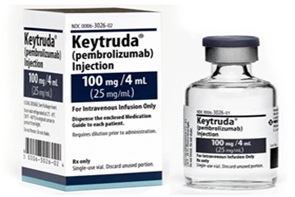
- Major global pharmaceutical companies are challenging the throne held by the immunotherapy Keytruda with their respective bispecific antibodies. Recently, BMS signed a partnership agreement with Germany's BioNTech to develop a new bispecific antibody, while Pfizer successfully introduced a bispecific antibody from China's 3SBio last month. MSD also secured bispecific antibodies from a Chinese pharmaceutical company in preparation for the post-Keytruda era. According to data released by KoreaBIO on the 4th, BMS recently secured the development rights for BioNTech's bispecific antibody candidate “BNT327.” Under the agreement, BMS will pay BioNTech a contract fee of USD 1.5 billion (approximately KRW 2 trillion) and an additional USD 2 billion in unconditional milestone payments by 2028. The total deal value, including milestones and the upfront payment, amounts to USD 11.1 billion (approximately KRW 15.3 trillion). MSDBNT327 is a new bispecific antibody that combines two complementary mechanisms of action proven in oncology into a single molecule. This new drug candidate targets both PD-1, the biomarker targeted by the existing Keytruda, and vascular endothelial growth factor (VEGF)-A. By inhibiting VEGF-A, BNT327 is expected to reverse the immune-suppressive effects of tumors in the tumor microenvironment and block the supply of blood and oxygen to tumor cells, thereby preventing tumor growth and proliferation. BNT327 is currently being developed as a first-line treatment for small cell lung cancer and non-small cell lung cancer. According to BioNTech, more than 1,000 clinical trial patients have been treated with the drug to date. BioNTech said in a statement, “Our major global partners are working to set new treatment standards in the anticancer drug market dominated by immunotherapies like Keytruda.” Pfizer also signed a partnership agreement with China's 3Sbio last month to secure SSGJ-707, a bispecific antibody candidate targeting PD-1 and VEGF-A. The upfront payment is USD 1.25 billion, with the total contract value reaching USD 4.8 billion (KRW 6.6 trillion) upon achievement of key milestones. Currently, SSGJ-707 is under clinical trials in China targeting various solid tumors, including non-small cell lung cancer, colorectal cancer, and gynecological cancers. MSD, the developer of Keytruda, has also secured a PD-1 and VEGF-A bispecific antibody candidate. Last November, MSD acquired the new drug candidate LM-299 from China's LaNova Medicine for up to USD 3.3 billion. The contract price was USD 588 million. LM-299 is currently under Phase I clinical trial in China. Will competition intensify for the global sales lead Keytruda? Major global pharmaceutical companies are targeting the market for Keytruda, the global No.1 top-selling drug. Last year, Keytruda's sales reached USD 29.482 billion (approximately KRW 43 trillion), an 18% increase from 2023. Last year, the total sales of major immunotherapy drugs amounted to USD 51.723 billion (approximately KRW 75 trillion), with Keytruda holding 57% of the market share. Keytruda first surpassed USD 10 billion in sales in 2019 and continued to grow, reaching USD 20.937 billion in 2022, successfully breaking the USD 20 billion mark for the first time. Immunotherapies like Keytruda target the PD-1/PD-L1 biomarker expressed in major solid tumors. As a result, their indications are being expanded to various types of solid tumors, leading to a surge in sales. In addition to their efficacy, immunotherapies have the advantage of having fewer side effects. Compared to first-generation cytotoxic anticancer drugs and second-generation targeted anticancer drugs, cancer immunotherapies are known to have fewer side effects. These drugs reinforce the body's own immune system to achieve anticancer effects, resulting in relatively mild side effects such as hair loss, nausea, vomiting, diarrhea, and bone marrow suppression. The industry attributes the growth in Keytruda’s sales to the expansion of indications for Keytruda and its demonstrated efficacy in combination with antibody-drug conjugates (ADCs). Recently, Keytruda has demonstrated efficacy as a combination therapy for first-line treatment of non-small cell lung cancer, leading to a steady increase in prescriptions. Positive clinical results are also emerging for various solid tumors, including breast cancer, stomach cancer, lung cancer, and melanoma. In the domestic market, Keytruda continues to hold the lead in overall pharmaceutical sales.

- Company
- "Effect of Camzyos confirmed in Korean patients with oHCM"
- by Son, Hyung Min Jun 05, 2025 06:09am
- Hyung-Kwan Kim, Professor of Seoul National University "After Camzyos was introduced to Korea, patients with obstructive hypertrophic cardiomyopathy (oHCM) and doctors have high treatment satisfaction. Notably, realworld data showed that Camzyos administration had a comparable effect to confirmatory clinical trial." During a recent meeting with Daily Pharm, Hyung-Kwan Kim, Professor of Seoul National University's Department of Internal Medicine, evaluated that the obstructive hypertrophic cardiomyopathy (oHCM) Camzyos showed a similar level of improving symptom compared to confirmatory clinical trial. oHCM is a condition where the left ventricular muscle abnormally thickens, obstructing the left ventricular outflow tract (LVOT) and preventing the heart from effectively pumping blood. More than 70% of all hypertrophic cardiomyopathy patients have the obstructive form. oHCM's key problem is 'excessive cardiac contractility.' Unlike typical heart failure patients, the hearts of oHCM patients contract excessively. This phenomenon occurs due to an abnormal over-binding of proteins called actin and myosin within the myocardial cells. This leads to excessive left ventricular contraction, blood flow obstruction, and patients experiencing shortness of breath during exercise, chest pain, and fainting. In severe cases, it can lead to heart failure, atrial fibrillation, and sudden death. Professor Kim pointed out, "Until now, treatment involved lowering the heart rate with beta-blockers or calcium channel blockers to alleviate symptoms. If necessary, alcohol septal ablation or surgical myectomy to remove muscle had to be considered. However, these were not treatments that controlled the fundamental mechanism of the disease." BMS's Camzyos is a treatment that works by reducing the excessive cross-bridge formation between actin and myosin within the heart muscle, which is the cause of oHCM. This allows the excessively contracted heart muscle to relax. Additionally, this treatment demonstrated a myocardial remodeling effect, improving not only the heart's function but also its structure. In December 2024, Camzyos received national health insurance reimbursement in Korea. This means that patients with oHCM in Korea now have access to a targeted treatment option other than surgery. Many patients are also being treated with Camzyos at Seoul National University Hospital. Professor Kim said, "In the case of a male patient in his 60s who hadn't responded to previous medications, his shortness of breath disappeared within three months of Camzyos administration, and his exercise capacity significantly improved." He added, "His quality of life reached a completely different level." 1-year Real-World Evidence (RWE) data released for Korean oHCM patients In the EXPLORER-HCM clinical trial, Camzyos significantly improved the primary endpoint, which considered both symptom severity and exercise capacity, compared to the placebo group. Furthermore, Camzyos's efficacy has been confirmed in Korean patients. In March of this year, the first Real-World Evidence (RWE) study results on the effectiveness and safety of Camzyos over one year in Korean oHCM patients were published. The study showed that in 46 symptomatic (NYHA class II-III) oHCM patients in Korea who received Camzyos, more than half (58.1%) experienced an improvement of at least one NYHA class. LVOT pressure gradients also decreased to 40.1 mmHg at rest and 68.1 mmHg during the Valsalva maneuver (a breathing technique of holding one's breath and applying pressure to the chest in a specific way). Significant improvements were also demonstrated in cardiac hypertrophy-related indicators such as left ventricular wall thickness and left atrial volume. This study holds significant meaning as it is the first to evaluate Camzyos's RWE not only in Korea but across Asia. Professor Kim stated, "Camzyos demonstrated an effect in the domestic clinical setting comparable to what was confirmed in its previous confirmatory clinical trials, and no concerning adverse reactions were observed. It is particularly impressive that despite Korean patients having higher clinical severity, with greater LVOT pressure gradients than participants in the global confirmatory trial, the domestic real-world data showed almost the same level of efficacy as the confirmatory clinical trial." Professor Kim added, "Concerns have been raised that Asian patients might have a higher risk of adverse reactions or require lower doses during Camzyos treatment due to lower activity of the CYP2C19 enzyme involved in drug metabolism compared to Western patients. This RWE study has alleviated such concerns." Another notable finding from this study is the confirmation that N-terminal pro-brain natriuretic peptide (NT-proBNP) levels alone can be used to monitor the treatment response to Camzyos. NT-proBNP is a biomarker used to assess the severity of heart failure and determine prognosis, increasing when myocardial cells in heart failure patients experience excessive load, such as ventricular stretching. According to Professor Kim, in the U.S. and Europe, patients must undergo echocardiography monthly for the first three months of Camzyos administration, and then every three months thereafter, posing a somewhat burdensome follow-up management process. However, Professor Kim explained that this RWE study confirmed that changes in NT-proBNP levels could be easily monitored through blood tests, without echocardiography, to assess LVOT pressure gradient reduction and Camzyos treatment response. Professor Kim evaluated, "We are currently preparing follow-up data for a larger number of patients, and a trend of approximately 1-2 mm reduction in left ventricular thickness and improvement in diastolic function is being observed after Camzyos treatment. Both medical professionals and patients who have experienced Camzyos treatment are showing high satisfaction." Camzyos efficacy proven..."More patient pool required" Despite the emergence of targeted treatment options like Camzyos, diagnosing oHCM remains challenging. According to Professor Kim, while approximately 70% of all HCM patients in the U.S. are diagnosed with oHCM, the proportion of oHCM patients in Korea is low, at around 20%. Professor Kim stated, "I believe that the low oHCM diagnosis rate is partly due to the lack of active utilization of exercise stress tests and echocardiography. For instance, many patients show no particular abnormalities or symptoms at rest, but significant issues are discovered during exercise stress tests or echocardiography." Furthermore, "I anticipate that a considerable number of patients currently diagnosed with non-obstructive HCM could be reclassified as oHCM if additional exercise stress tests or echocardiography are performed. Therefore, I believe there is an absolute need for national-level awareness campaigns and public relations regarding the necessity of exercise stress tests and echocardiography." oHCM patients who experience persistent symptoms such as shortness of breath or chest pain tend to increasingly avoid exercise. This leads to a higher risk of developing various complications as they age, including adult diseases like obesity, diabetes, and hypertension, as well as coronary artery disease. Professor Kim said, "If Camzyos is administered early to these patients, improving their symptoms and restoring their condition to a level where exercise is possible, it can help prevent weight gain and other complications. I believe this contributes not only to the individual patient's health but also, in the long term, to reducing indirect healthcare expenditures caused by HCM on the national health insurance finances." Professor Kim stressed, "Since the introduction of Camzyos, patients' symptom control has become stable, and the approach to HCM treatment in Korea is gradually changing. Based on actual clinical experience, all patients treated with Camzyos have shown symptom improvement, so I believe Camzyos can establish itself as an option to avoid surgery, which is often the last resort." Finally, Professor Kim said, "In conclusion, Camzyos is an option that can provide various direct and indirect benefits to patients, and its role is expected to expand further in the future. In my opinion, I strongly recommend active treatment for patients diagnosed with oHCM who are candidates for Camzyos."

- Company
- K-Bios eye US’s reintroduction of the Biosecure Act
- by Cha, Jihyun Jun 04, 2025 06:21am
- The U.S. is pushing ahead with its Biosecure Act that restricts transactions with Chinese biotech companies. According to the Korea Biotechnology Industry Organization (KoreaBIO) on the 2nd, U.S. Democrat Senator Gary Peters recently announced at a Brookings Institution event that he would soon reintroduce the Biosecure Act, which restricts transactions with certain Chinese biotech companies. The Biosecure Act was designed to protect the U.S. biotech industry and national security by restricting transactions with Chinese companies that could threaten U.S. security. The bill was introduced in January last year and passed the U.S. House of Representatives in just nine months, but failed to pass the Senate in December of the same year and was not included in the year-end budget resolution. If enacted, the Biosecure Act would require the U.S. to cease transactions with Chinese companies subject to regulation by 2032. Chinese biotech companies such as BGI, MGI, WuXi AppTec, and WuXi Biologics have been designated as “biotech companies of concern.” Senator Peters, a member of the Senate Homeland Security and Governmental Affairs Committee, said, “The new bill will also apply to foreign consultants and other companies may be added to the list of ‘biotech companies of concern.’ We are continuing to work on this bill and are in discussions with the administration.” Senator Peters also mentioned three additional legislative proposals addressing international competition in the biotech industry. First, Senator Peters emphasized that he is preparing a bill focused on gain-of-function research in collaboration with Republican Senator Rand Paul. Gain-of-function research involves artificially manipulating the genes or characteristics of organisms in the fields of biology and virology to give them new functions. Last month, President Trump issued an executive order suspending the use of federal funds for gain-of-function research conducted by China and other countries of concern or by government agencies without proper oversight. Senator Peters stated, “We are preparing a bill focused specifically on gain-of-function research ‘right now,’” adding, “The core of this bill is to establish an independent committee to decide whether dangerous research or gain-of-function research should be conducted.” He also mentioned that he is preparing legislation related to expanding investment in the biotech industry and protecting genetic information. Peters said, “We want to make broader investments in biotech,” and expressed support for a biotech bill similar to the CHIPS and Science Act, which aims to revitalize domestic technology industries. Additionally, Senator Peters mentioned that he is working with Senator Bill Cassidy, chairman of the Senate Committee on Health, Education, Labor, and Pensions (HELP), on a bill to establish protective measures allowing individuals to retrieve genetic information they have provided. This bill aims to address concerns raised by the recent bankruptcy of 23andMe, the world's largest genetic testing company, and the lack of control over the data it collected. It seeks to ensure that individuals have the right to retrieve or control their genetic information after providing it. The domestic pharmaceutical and biotech industry is closely monitoring the U.S.'s moves to counter China. Experts analyze that if the Biosecure Act is passed again, the global bio industry supply chain will be reorganized. Some believe that the Biosecure Act could present a positive opportunity for domestic bio companies that occupy a neutral position in the global bio supply chain. As the U.S. government strengthens its restrictions, domestic companies such as Samsung Biologics, Celltrion, and ST Pharm are expected to benefit from the situation, particularly those engaged in contract development and manufacturing (CDMO). In fact, ST Pharm was selected as the supplier of a blockbuster small molecule chemical synthesis drug that recorded annual sales of trillions of won last year. ST Pharm took over contracts previously supplied by China, thereby benefiting from the introduction of the Biosecure Act.
- Company
- More treatment options for PNH…entry of 'Piasky' imminent
- by Eo, Yun-Ho Jun 04, 2025 06:19am
- The entry 'Piasky,' a new PNH drug, into the Korean market is imminent. According to industry sources, Roche Korea's Piasky (crovalimab), a treatment for paroxysmal nocturnal hemoglobinuria (PNH), is undergoing final review for approval by the Ministry of Food and Drug Safety (MFDS). It is expected to be officially approved in the second half of this year. Piasky received the U.S. Food and Drug Administration (FDA) approval in June 2024. Then, it was commercialized in Europe in August of the same year. In February 2024, Piasky was designated as an orphan drug in South Korea. Discovered by Japan's Chugai Pharmaceutical and developed by Roche, crovalimab is a type of new anti-complement (C5) antibody. Low-dose subcutaneous administration every four weeks enables circulation of the drug in the blood, thereby repeatedly inhibiting the complement. Piasky's potential was confirmed based on the Phase 3 COMMODORE 2 study, which directly compared the drug to AstraZeneca's 'Soliris (eculizumab).' The study results showed that subcutaneously injected crovalimab provides disease control. The safety of the drug was non-inferior compared to Soliris, a standard therapy that is administered intravenously every two weeks. In the clinical study, adverse reactions occurred in 78% of the crovalimab group and 80% of the eculizumab group. The most common adverse reactions were infusion-related reactions. Based on the efficacy and the safety data secured from a separately conducted Phase 3 COMMODORE 1 study, patients with PNH who switched from complement C5 inhibitors that are approved and in use to crovalimab also showed a stable effectiveness profile. Meanwhile, competition in the market for PNH is expected to intensify. AstraZeneca has launched Ultomiris (ravulizumab) as a follow-up drug to Soliris. The European patent for Soliris expired in 2023, while the U.S. patents are set to expire in 207. Unlike Soliris, which is intravenously injected every two weeks, Ultomiris offers an expanded administration interval of once every eight weeks. Novartis obtained the U.S. approval of 'Fabhalta (iptacopan),' an orally administered treatment for PNH. Fabhalta is a Factor B inhibitor that acts proximally in the immune system's alternative complement pathway, providing comprehensive control of red blood cell (RBC) destruction. Fabhalta is currently undergoing drug price negotiations with the National Health Insurance Service (NHIS). Once an agreement is reached, this drug will be included in the national health insurance list. Additionally, 'Epysqli,' Samsung Biepis' biosimilar to Soliris, has been commercialized in South Korea. It was the first case of Soliris biosimilars to receive domestic approval, and Samsung Bioepis also obtained approval in Europe last year. Dr. Jang Jun Ho, professor at Samsung Medical Center Seoul, said, "When C5 inhibitors were introduced, experts viewed that it would bring a paradigm shift to the PNH treatment. However, C5 inhibitors are limited in controlling extravascular hemolysis (EVH). Thus, we have high hopes for new treatment options."
- Company
- UCB Korea launches psoriasis drug Bimzelx with reimb
- by Whang, byung-woo Jun 04, 2025 06:18am
- Pic of Bimzelx On June 2, UCB Korea (CEO Sujin Hwang) announced that its psoriasis treatment Bimzelx (bimekizumab) was launched on June 1 with reimbursement coverage under the national health insurance system. In line with the Ministry of Health and Welfare (MOHW) notification, Bimzelx is reimbursed as a treatment for moderate-to-severe plaque psoriasis in adult patients who require phototherapy or systemic therapy. The treatment is indicated for adult patients aged 18 years or older with chronic moderate-to-severe plaque psoriasis that has persisted for 6 months or longer, meeting one of the following criteria: ▲ plaque psoriasis covering 10% or more of the total body surface area, or ▲ a Psoriasis Area and Severity Index (PASI) score of 10 or higher, despite 3 months of treatment with methotrexate or cyclosporine, or inability to continue treatment due to adverse effects, or ▲ PUVA or UVB therapy for at least 3 months with no response or side effects that prevent continued treatment. In addition, if PASI is reduced by 75% or more in the evaluation after 16 weeks of Bimzelx prescription, an additional 6 months of administration is granted reimbursement, and thereafter, if the initial evaluation results are maintained during evaluation every 6 months, continued administration with reimbursement is approved. In addition, in the case of switching, if the patient’s previous drug is ineffective or cannot be continued due to side effects, or if there is a need to improve medication compliance, the patient may substitute Bimzelx. Bimzelix is the first and only (as of May 2025) next-generation plaque psoriasis treatment that simultaneously and dually inhibits interleukin-17A and 17F. Last August, it was approved by the Ministry of Food and Drug Safety as a treatment for moderate-to-severe plaque psoriasis in adult patients who require phototherapy or systemic therapy. In particular, unlike existing interleukin inhibitors that target and block only one trigger, such as interleukin-17A or 23, Bimzelx has a mechanism of action that simultaneously and dually inhibits interleukin-17A and 17F. By blocking both interleukin-17A and 17F simultaneously, it has been confirmed that Bimzelx is more effective in suppressing inflammation than existing interleukin-17A inhibitors. The reimbursement of Bimzelx was based on BE VIVID14, BE SURE15, and BE RADIANT16, which are comparative clinical trials with other biological drugs whose safety and efficacy have been confirmed. In these studies, the percentage of patients who achieved completely clear skin (PASI 100) at Week 16 was 59% in the Bimzelx group and 21% in the ustekinumab group in BE VIVID; and 60.8% in the Bimzelx group and 23.9% in the BE SURE study. Yong-Beom Choi, President of the Korean Society for Psoriasis (Department of Dermatology, Konkuk University Medical Center), said, “Psoriasis is an intractable disease that recurs and improves repeatedly, and the quality of life of patients with severe psoriasis in particular tends to deteriorate significantly, affecting their mental health. Therefore, the reimbursement and launch of Bimzelx, which has been proven to be highly effective, is very meaningful for both medical professionals and patients.” He added, “Based on its next-generation mechanism of action, Bimzelx is expected to be an excellent treatment option for both new patients and those who have not seen sufficient results with existing treatments.”
- Company
- "U.S. MFN drug policy will impact KOR's new drug companies"
- by Kim, Jin-Gu Jun 04, 2025 06:17am
- Analysis suggests that the Korean pharmaceutical and biotech industry may be significantly impacted if the U.S. government institutes a 'most-favored-nation (MFN)' policy on drug prices. Sejin Lee, CEO of Acadia Pharmaceuticals, presented the potential impact of U.S. drug price policy changes on the Korean pharmaceutical industry during the 'U.S. Pharmaceutical and Biotech Market Entry Webinar' hosted by the Korea Pharmaceutical and Bio-Pharma Manufacturers Association (KPBMA) on May 30. Lee warned that "MFN policy may structurally impact sales, new drug value, and global entry strategies of Korean companies. PART II: U.S. Trump Administration revives "most-favored-nation (MFN)" drug price policy. The second Trump administration revived the MFN policy and announced that it would implement the lowest drug price after conducting a drug price comparison. Earlier this month, U.S. President Donald Trump signed an executive order reducing prescription drug prices within the U.S. to the lowest among advanced nations (MFN). The proposal is to compare drug prices with those of OECD countries where the GDP per capita is 60% or more of that of the United States and then lower U.S. drug prices to the lowest among these compared countries. The MFN policy will be applied to items without biosimilars and generics. The U.S. Department of Health and Human Services (HHS) aims to induce voluntary drug price reductions from pharmaceutical companies initially, then plans to mandatorily lower drug prices. If the MFN policy is fully implemented, the prices of new drugs launched in the U.S. are expected to be set lower than in other countries, such as the EU and Canada. This process raises concerns that U.S. drug prices for Korean pharmaceutical companies may decrease automatically. Lee anticipated that the MFN policy would significantly impact new drug development companies. It is predicted that if drug prices in the U.S. fall to European or Canadian levels, pharmaceutical companies' projected revenues will decrease, and the asset value of new drug licenses will decline. Companies that out-licensed might also receive less licensing revenue than initially expected. Furthermore, global big pharma companies could launch products only in the U.S. or delay launches in major countries to circumvent the MFN policy. However, biosimilar and generic drug companies are not expected to experience a direct impact, as the MFN policy targets items without generic and biosimilar alternatives. However, the profitability of these products could still come under pressure in the future. Specifically, if original drug prices decrease, the standard prices for biosimilar products could also be lowered, potentially reducing sales incentives. Lee explained, "For new drug development companies, U.S. sales are substantial, so a drop in drug prices directly translates to a decrease in corporate value," and added, "Considering patient access and distribution structures, Korean companies with high-cost, high-risk pipelines could be more significantly impacted." "If price distortions between countries intensify, pharmaceutical companies might choose specific countries as priority suppliers, leading to supply imbalances," Lee pointed out. "Ultimately, a global supply shortage phenomenon could become extended." "It is unlikely that the executive order issued by President Trump will be fully implemented as is due to legal issues within the U.S. However, there is a possibility that it could be enacted into law by the U.S. Congress. In that case, the impact would be immense," Lee emphasized. "The Korean government may need to conduct a preliminary scenario analysis and formulate a communication strategy with the U.S."
