- LOGIN
- MemberShip
- 2026-09-17 22:55:45
- "Effect of Camzyos confirmed in Korean patients with oHCM"
- by Son, Hyung Min | translator Hong, Ji Yeon | 2025-06-05 06:09:29

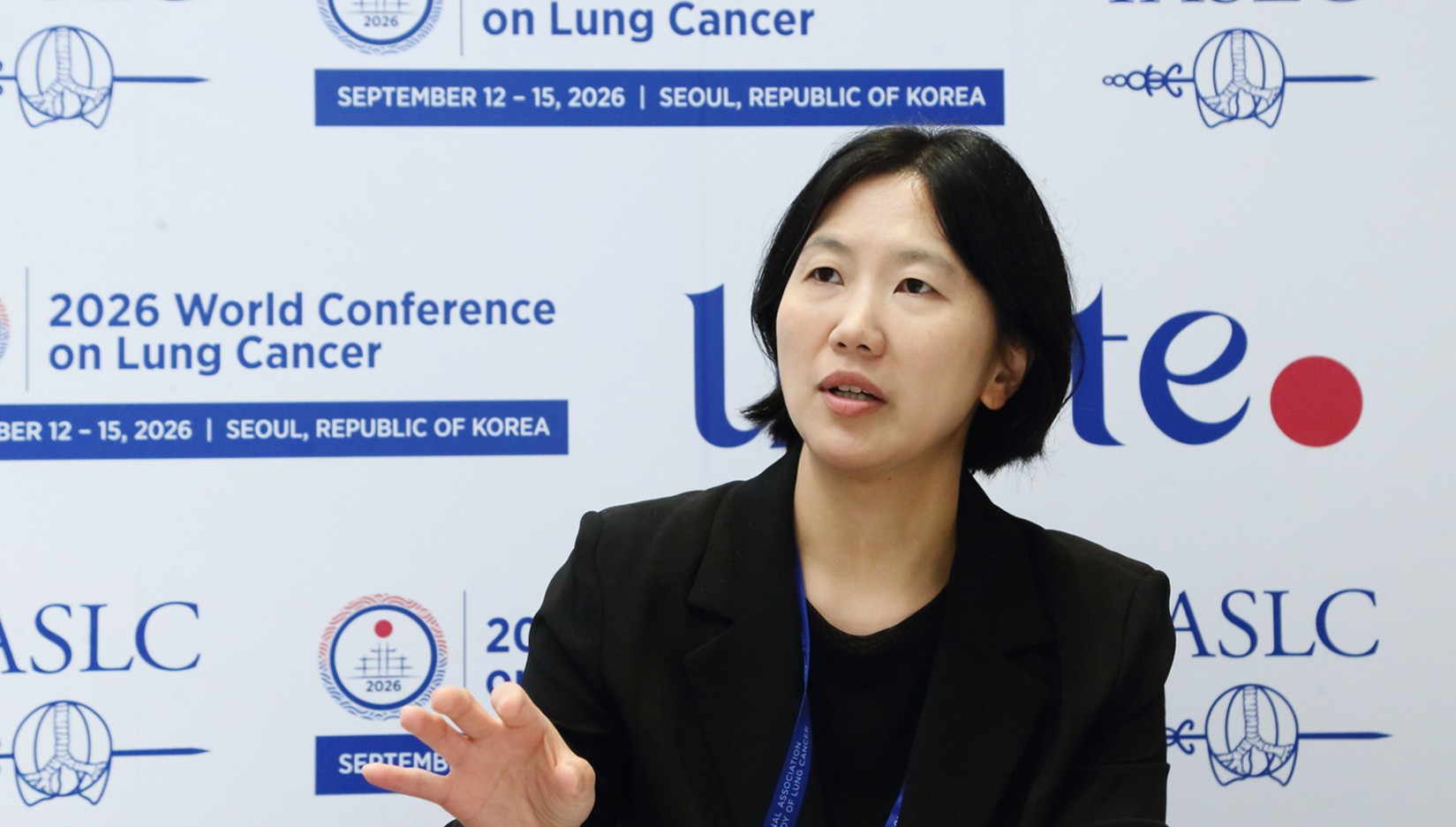
Notably, realworld data showed that Camzyos administration had a comparable effect to confirmatory clinical trial." During a recent meeting with Daily Pharm, Hyung-Kwan Kim, Professor of Seoul National University's Department of Internal Medicine, evaluated that the obstructive hypertrophic cardiomyopathy (oHCM) Camzyos showed a similar level of improving symptom compared to confirmatory clinical trial.
oHCM is a condition where the left ventricular muscle abnormally thickens, obstructing the left ventricular outflow tract (LVOT) and preventing the heart from effectively pumping blood.
More than 70% of all hypertrophic cardiomyopathy patients have the obstructive form.
oHCM's key problem is 'excessive cardiac contractility.' Unlike typical heart failure patients, the hearts of oHCM patients contract excessively.
This phenomenon occurs due to an abnormal over-binding of proteins called actin and myosin within the myocardial cells.
This leads to excessive left ventricular contraction, blood flow obstruction, and patients experiencing shortness of breath during exercise, chest pain, and fainting.
In severe cases, it can lead to heart failure, atrial fibrillation, and sudden death.
Professor Kim pointed out, "Until now, treatment involved lowering the heart rate with beta-blockers or calcium channel blockers to alleviate symptoms.
If necessary, alcohol septal ablation or surgical myectomy to remove muscle had to be considered.
However, these were not treatments that controlled the fundamental mechanism of the disease." BMS's Camzyos is a treatment that works by reducing the excessive cross-bridge formation between actin and myosin within the heart muscle, which is the cause of oHCM.
This allows the excessively contracted heart muscle to relax.
Additionally, this treatment demonstrated a myocardial remodeling effect, improving not only the heart's function but also its structure.
In December 2024, Camzyos received national health insurance reimbursement in Korea.
This means that patients with oHCM in Korea now have access to a targeted treatment option other than surgery.
Many patients are also being treated with Camzyos at Seoul National University Hospital.
Professor Kim said, "In the case of a male patient in his 60s who hadn't responded to previous medications, his shortness of breath disappeared within three months of Camzyos administration, and his exercise capacity significantly improved." He added, "His quality of life reached a completely different level." 1-year Real-World Evidence (RWE) data released for Korean oHCM patients In the EXPLORER-HCM clinical trial, Camzyos significantly improved the primary endpoint, which considered both symptom severity and exercise capacity, compared to the placebo group.
Furthermore, Camzyos's efficacy has been confirmed in Korean patients.
In March of this year, the first Real-World Evidence (RWE) study results on the effectiveness and safety of Camzyos over one year in Korean oHCM patients were published.
The study showed that in 46 symptomatic (NYHA class II-III) oHCM patients in Korea who received Camzyos, more than half (58.1%) experienced an improvement of at least one NYHA class.
LVOT pressure gradients also decreased to 40.1 mmHg at rest and 68.1 mmHg during the Valsalva maneuver (a breathing technique of holding one's breath and applying pressure to the chest in a specific way).
Significant improvements were also demonstrated in cardiac hypertrophy-related indicators such as left ventricular wall thickness and left atrial volume.
This study holds significant meaning as it is the first to evaluate Camzyos's RWE not only in Korea but across Asia.
Professor Kim stated, "Camzyos demonstrated an effect in the domestic clinical setting comparable to what was confirmed in its previous confirmatory clinical trials, and no concerning adverse reactions were observed.
It is particularly impressive that despite Korean patients having higher clinical severity, with greater LVOT pressure gradients than participants in the global confirmatory trial, the domestic real-world data showed almost the same level of efficacy as the confirmatory clinical trial." Professor Kim added, "Concerns have been raised that Asian patients might have a higher risk of adverse reactions or require lower doses during Camzyos treatment due to lower activity of the CYP2C19 enzyme involved in drug metabolism compared to Western patients.
This RWE study has alleviated such concerns." Another notable finding from this study is the confirmation that N-terminal pro-brain natriuretic peptide (NT-proBNP) levels alone can be used to monitor the treatment response to Camzyos.
NT-proBNP is a biomarker used to assess the severity of heart failure and determine prognosis, increasing when myocardial cells in heart failure patients experience excessive load, such as ventricular stretching.
According to Professor Kim, in the U.S.
and Europe, patients must undergo echocardiography monthly for the first three months of Camzyos administration, and then every three months thereafter, posing a somewhat burdensome follow-up management process.
However, Professor Kim explained that this RWE study confirmed that changes in NT-proBNP levels could be easily monitored through blood tests, without echocardiography, to assess LVOT pressure gradient reduction and Camzyos treatment response.
Professor Kim evaluated, "We are currently preparing follow-up data for a larger number of patients, and a trend of approximately 1-2 mm reduction in left ventricular thickness and improvement in diastolic function is being observed after Camzyos treatment.
Both medical professionals and patients who have experienced Camzyos treatment are showing high satisfaction." Camzyos efficacy proven..."More patient pool required" Despite the emergence of targeted treatment options like Camzyos, diagnosing oHCM remains challenging.
According to Professor Kim, while approximately 70% of all HCM patients in the U.S.
are diagnosed with oHCM, the proportion of oHCM patients in Korea is low, at around 20%.
Professor Kim stated, "I believe that the low oHCM diagnosis rate is partly due to the lack of active utilization of exercise stress tests and echocardiography.
For instance, many patients show no particular abnormalities or symptoms at rest, but significant issues are discovered during exercise stress tests or echocardiography." Furthermore, "I anticipate that a considerable number of patients currently diagnosed with non-obstructive HCM could be reclassified as oHCM if additional exercise stress tests or echocardiography are performed.
Therefore, I believe there is an absolute need for national-level awareness campaigns and public relations regarding the necessity of exercise stress tests and echocardiography." oHCM patients who experience persistent symptoms such as shortness of breath or chest pain tend to increasingly avoid exercise.
This leads to a higher risk of developing various complications as they age, including adult diseases like obesity, diabetes, and hypertension, as well as coronary artery disease.
Professor Kim said, "If Camzyos is administered early to these patients, improving their symptoms and restoring their condition to a level where exercise is possible, it can help prevent weight gain and other complications.
I believe this contributes not only to the individual patient's health but also, in the long term, to reducing indirect healthcare expenditures caused by HCM on the national health insurance finances." Professor Kim stressed, "Since the introduction of Camzyos, patients' symptom control has become stable, and the approach to HCM treatment in Korea is gradually changing.
Based on actual clinical experience, all patients treated with Camzyos have shown symptom improvement, so I believe Camzyos can establish itself as an option to avoid surgery, which is often the last resort." Finally, Professor Kim said, "In conclusion, Camzyos is an option that can provide various direct and indirect benefits to patients, and its role is expected to expand further in the future.
In my opinion, I strongly recommend active treatment for patients diagnosed with oHCM who are candidates for Camzyos."
-

- 0
댓글 운영방식은
댓글은 실명게재와 익명게재 방식이 있으며, 실명은 이름과 아이디가 노출됩니다. 익명은 필명으로 등록 가능하며, 대댓글은 익명으로 등록 가능합니다.
댓글 노출방식은
댓글 명예자문위원(팜-코니언-필기모양 아이콘)으로 위촉된 데일리팜 회원의 댓글은 ‘게시판형 보기’와 ’펼쳐보기형’ 리스트에서 항상 최상단에 노출됩니다. 새로운 댓글을 올리는 일반회원은 ‘게시판형’과 ‘펼쳐보기형’ 모두 팜코니언 회원이 쓴 댓글의 하단에 실시간 노출됩니다.
댓글의 삭제 기준은
다음의 경우 사전 통보없이 삭제하고 아이디 이용정지 또는 영구 가입제한이 될 수도 있습니다.
-
저작권·인격권 등 타인의 권리를 침해하는 경우
상용 프로그램의 등록과 게재, 배포를 안내하는 게시물
타인 또는 제3자의 저작권 및 기타 권리를 침해한 내용을 담은 게시물
-
근거 없는 비방·명예를 훼손하는 게시물
특정 이용자 및 개인에 대한 인신 공격적인 내용의 글 및 직접적인 욕설이 사용된 경우
특정 지역 및 종교간의 감정대립을 조장하는 내용
사실 확인이 안된 소문을 유포 시키는 경우
욕설과 비어, 속어를 담은 내용
정당법 및 공직선거법, 관계 법령에 저촉되는 경우(선관위 요청 시 즉시 삭제)
특정 지역이나 단체를 비하하는 경우
특정인의 명예를 훼손하여 해당인이 삭제를 요청하는 경우
특정인의 개인정보(주민등록번호, 전화, 상세주소 등)를 무단으로 게시하는 경우
타인의 ID 혹은 닉네임을 도용하는 경우
-
게시판 특성상 제한되는 내용
서비스 주제와 맞지 않는 내용의 글을 게재한 경우
동일 내용의 연속 게재 및 여러 기사에 중복 게재한 경우
부분적으로 변경하여 반복 게재하는 경우도 포함
제목과 관련 없는 내용의 게시물, 제목과 본문이 무관한 경우
돈벌기 및 직·간접 상업적 목적의 내용이 포함된 게시물
게시물 읽기 유도 등을 위해 내용과 무관한 제목을 사용한 경우
-
수사기관 등의 공식적인 요청이 있는 경우
-
기타사항
각 서비스의 필요성에 따라 미리 공지한 경우
기타 법률에 저촉되는 정보 게재를 목적으로 할 경우
기타 원만한 운영을 위해 운영자가 필요하다고 판단되는 내용
-
사실 관계 확인 후 삭제
저작권자로부터 허락받지 않은 내용을 무단 게재, 복제, 배포하는 경우
타인의 초상권을 침해하거나 개인정보를 유출하는 경우
당사에 제공한 이용자의 정보가 허위인 경우 (타인의 ID, 비밀번호 도용 등)
※이상의 내용중 일부 사항에 적용될 경우 이용약관 및 관련 법률에 의해 제재를 받으실 수도 있으며, 민·형사상 처벌을 받을 수도 있습니다.
※위에 명시되지 않은 내용이더라도 불법적인 내용으로 판단되거나 데일리팜 서비스에 바람직하지 않다고 판단되는 경우는 선 조치 이후 본 관리 기준을 수정 공시하겠습니다.
※기타 문의 사항은 데일리팜 운영자에게 연락주십시오. 메일 주소는 dailypharm@dailypharm.com입니다.


-
- "Leclaza, the best first-line option…expanded reimb will increase accessibility"
- PALOMA-2 recorded an objective response rate (ORR) of 90 and the 3-year overall survival (OS) rate of 70%…mOS has not yet been reached