
- LOGIN
- MemberShip
- 2026-04-28 00:14:02
- Company
- Oral lung cancer drug market race
- by Son, Hyung Min Jul 16, 2025 06:10am
- Late entrants, such as Leclaza and Lorviqua, are expanding their presence in the Korean lung cancer targeted therapy market, continuing rapid growth. While prescription sales for some EGFR and ALK-positive non-small cell lung cancer (NSCLC) treatments are stagnating or declining, newer drugs in these categories are showing a clear upward trend, driven by expanded reimbursement or additional indications. 3rd-generation targeted therapies for first-line treatment…distinct growth trend According to market research firm UBIST, on July 16, Leclaza's Q2 outpatient prescription sales reached KRW 20.6 billion, a 92.5% year-over-year (YoY) increase. This marks the first time Leclaza's quarterly prescription sales have surpassed KRW 20 billion. Leclaza is a 3rd-generation tyrosine kinase inhibitor (TKI) developed by Yuhan Corp. EGFR-positive lung cancer treatments are categorized into: first-generation drugs with AstraZeneca's Iressa (gefitinib) and Roche's Tarceva (erlotinib); second-generation with Boehringer Ingelheim's Giotrif (afatinib) and Pfizer's Vizimpro (dacomitinib); and third-generation with Leclaza (lazertinib) and Tagrisso (osimertinib). All of these are oral treatment options. Given their oral formulation, outpatient prescriptions are possible. However, considering inpatient prescription sales (which include prescriptions for hospitalized patients), their actual prescription volume is estimated to be even larger. Prescription sales of EGFR-positive lung cancer treatments (unit: KRW 100 million, source: UBIST). Dark Blue-Iressa (gefitinib), Orange-Tarceva (erlotinib), Yellow-Giotrif (afatinib), Gray-Vizimpro (dacomitinib), Sky Blue-Leclaza (lazertinib), Green-Tagrisso (osimertinib). Leclaza, approved in Korea in January 2021, was officially launched into the market with reimbursement coverage in the same year. Leclaza secured KRW 4.1 billion in prescription sales in just two quarters, recorded KRW 17.4 billion the following year, and successfully surpassed KRW 40 billion last year. Leclaza's outpatient prescription sales in the first half of the year alone reached KRW 38.2 billion, nearing its full-year prescription sales for 2024. Analysis suggests that Leclaza's increase in prescription sales is attributed to its approval as a first-line treatment for EGFR-positive lung cancer in July 2023. Previously, for patients to use Leclaza with reimbursement, they needed to have T790M positivity confirmed through a re-biopsy after using first- or second-generation TKIs. With Leclaza, Tagrisso, and other third-generation TKIs now covered as first-line treatments starting this year, the range of choices for medical professionals and patients has expanded to include the entire spectrum of first- to third-generation targeted therapies. Another strength of Leclaza is its potential for combination with Rybrevant. Recently, combination therapies such as Tagrisso + platinum-based chemotherapy and Rybrevant + platinum-based chemotherapy have obtained approval from overseas regulatory agencies as first-line treatments for lung cancer. Leclaza, which targets EGFR mutations in exons 19 and 21, and Rybrevant, which targets exon 20, are attracting attention as a combination of targeted therapies. Currently, the Leclaza + Rybrevant combination therapy is approved as a first-line treatment for lung cancer in Korea, the U.S., Europe, and Japan. AstraZeneca's Tagrisso maintains its market leadership. Tagrisso's Q2 prescription sales were KRW 47.3 billion, a 46.4% increase from the same period last year. Tagrisso's Q1 prescription sales increased by 53.7% year-on-year to KRW 43 billion, and its Q2 sales expanded by 46.4% to KRW 47.3 billion. Tagrisso is the only TKI that can be used in patients with early-stage lung cancer. In February 2021, Tagrisso was approved in Korea for adjuvant treatment after complete tumor resection in EGFR exon 19 and exon 21 mutated non-small cell lung cancer patients. In the Phase 3 ADAURA study, the Tagrisso treatment group showed a 51% reduction in the risk of death compared to conventional treatment. During the same period, the growth of first·second-generation TKIs stagnated. Among them, Boehringer Ingelheim's Giotrif had the highest prescription sales. Giotrif recorded KRW 2.9 billion in outpatient prescription sales in Q2 2025, maintaining the highest performance among first and second-generation drugs. However, its quarterly prescription sales have consistently decreased from KRW 5.2 billion in Q1 2023, falling by half in just over a year. Iressa also showed a downward trend during the same period, falling from KRW 4.5 billion to KRW 2.1 billion. Tarceva's prescription volume decreased to KRW 700 million, and Vizimpro's to KRW 100 million in Q2 last year. The establishment of third-generation targeted therapies as first-line options contributed to the decline in their prescription sales. ALK market also shifting…Lorviqua chases Following the EGFR treatment market, the ALK-positive NSCLC treatment market is also showing signs of change. A generational shift is underway, with second-generation drugs performing well and third-generation treatments expanding their reach. The market leader in this segment is Alecensa. Alecensa's Q2 prescription sales reached KRW 8.4 billion, representing an 18.3% year-over-year increase. Alecensa has shown steady growth since its prescription sales surpassed KRW 5 billion in Q3 2020. This treatment has maintained an average quarterly prescription sales of over KRW 8 billion since 2021. Prescription sales of ALK-positive NSCLC treatment market by quarters (unit: KRW 100 million, source: UBIST). Blue-Xalkori, Gray-Alecensa, Orange-Alunbrig, Yellow-Lorviqua. Alecensa is a second-generation ALK-positive targeted therapy developed by Roche. Targeted therapies used for ALK-positive lung cancer are categorized into three generations: first-generation, represented by Pfizer's Xalkori; second-generation, including Alecensa and Takeda's Alunbrig; and third-generation, represented by Pfizer's Lorviqua. Alecensa's increasing potential for use in early-stage lung cancer patients has given it the green light to maintain its market-leading position. According to clinical data disclosed at the European Society for Medical Oncology (ESMO 2023) annual meeting, Alecensa showed effectiveness in adjuvant chemotherapy after surgery. Alecensa successfully added the early-stage lung cancer indication in Korea in September of last year. Pfizer's Lorviqua recorded KRW 4.3 billion in Q2 prescription sales, a 53.6% increase year-on-year. Lorbrenda's quarterly prescription performance has steadily increased from KRW 2.3 billion in Q1 2023, nearly doubling in two years. Lorviqua, a third-generation ALK inhibitor, has rapidly expanded its presence due to its excellent ability to control brain metastases and systemic efficacy. Additionally, the expansion of its reimbursement coverage for first-line treatment, starting this year, is also cited as a major factor in its growth. Alunbrig recorded KRW 2.7 billion in outpatient prescription sales in Q2 this year. This is a 22.9% decrease compared to KRW 3.5 billion in the same period last year. Alunbrig initially generated demand by emphasizing its convenience of administration, central nervous system penetration rate, and response rate during its early introduction. However, its competitiveness appears to be weakening recently due to Lorviqua's rapid growth. Xalkori's Q2 prescription sales decreased by 6.6% to KRW 1.4 billion compared to last year. Xalkori, a first-generation ALK inhibitor, has shown a continuous decline in prescriptions since the emergence of subsequent drugs. This is because late entrants have proven superior efficacy and safety compared to Xalkori. Second and third-generation targeted therapies are known to have lower drug toxicity and reduced incidence of adverse reactions compared to first-generation therapies. They are known to demonstrate superior therapeutic efficacy. Additionally, second and third-generation targeted therapies have the advantage of higher CNS penetration, including into the brain.
- Company
- What benefit will BeOne Medicines’ Tevimbra bring?
- by Whang, byung-woo Jul 16, 2025 06:10am
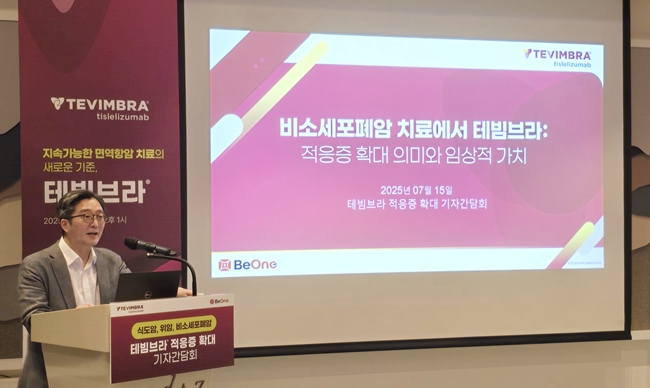
- Tevimbra (tislelizumab), the first immune-oncology drug to be reimbursed for the treatment of esophageal cancer, is expanding its indications to penetrate the market. In a market already dominated by established immune-oncology drugs such as Keytruda (pembrolizumab) and Opdivo (nivolumab), pricing and scalability are expected to be key strategic factors. On the 15th, BeOne Medicines Korea held a press conference to highlight the significance of the 5 additional indications it received approval -- esophageal cancer, stomach cancer, and first- and second-line treatment for non-small-cell lung cancer – and the improved treatment access. Tevimbra employs a dual mechanism of action that blocks the binding of PD-1 and PD-L1, effectively inhibiting PD-L1 while minimizing binding to Fc-gamma receptors (FcγR), thereby offering a differentiated mechanism of action compared to existing immunotherapy drugs. Professor Se Hoon Lee, Department of Hematology and Oncology at Samsung Medical Center Tevimbra was approved last November as an immuno-oncology drug with a PD-1 inhibition mechanism that demonstrated clinical efficacy in esophageal squamous cell carcinoma, and in April, it became the first immuno-oncology drug to be reimbursed for esophageal cancer. At the end of June, the drug was approved by the Ministry of Food and Drug Safety for additional indications for esophageal cancer, gastric cancer, and non-small cell lung cancer. Specifically, it has received additional approvals for the treatment of esophageal squamous cell carcinoma (ESCC), gastric or gastroesophageal junction adenocarcinoma (G/GEJ), and non-small cell lung cancer (NSCLC), enabling its use as a first- or second-line treatment for a total of 5 indications across 3 solid tumor types. Tevimbra demonstrated efficacy and safety in the RATIONALE clinical trial series (RATIONALE-303, 304, 305, 306, 307), which served as the basis for its approval. Professor Se Hoon Lee of the Department of Hematology and Oncology at Samsung Medical Center stated, “In the RATIONALE-307 study, the Tevimbra combination therapy group demonstrated efficacy with a 4-year overall survival rate of 32%, an objective response rate (ORR) of 75%, and a progression-free survival (PFS) of up to 9.6 months. This is meaningful data as it showed potential in patients with squamous non-small cell lung cancer (NSCLC), a group in which existing immunotherapies have demonstrated more limited efficacy.” Professor SunYoung Rha, Department of Medical Oncology at Yonsei Cancer Hospital Additionally, Professor Lee explained, “Tevimbra demonstrated long-term survival potential with a median overall survival of over 3 years in patients with non-squamous NSCLC who were EGFR/ALK-negative and had high PD-L1 expression in the RATIONALE-304 study. Notably, the study included patients with stage IIIB disease, expanding the drug’s clinical applicability.” Additionally, Tevimbra demonstrated clinical benefits in the overall patient population with esophageal squamous cell carcinoma and gastric or gastroesophageal junction adenocarcinoma, and consistent results were observed in pre-specified subgroups based on PD-L1 expression. Professor SunYoung Rha of the Department of Medical Oncology at Yonsei Cancer Hospital said, “Tevimbra significantly extended overall survival and reduced the risk of death by 20% regardless of PD-L1 expression. Especially, it demonstrated consistent survival benefits in patients with peritoneal metastasis, making it a meaningful treatment option.” Professor Rha further noted, “Peritoneal metastasis is present in approximately 40% of all gastric cancer patients and is classified as a high-risk group with poor prognosis. However, existing immunotherapy drugs have shown limited efficacy in this patient population, and Tevimbra can be a new hope for these patients.” BeOne Medicines, "Will swiftly proceed with Tevimbra’s drug pricing discussions" With some of Tevimbra’s indications approved and reimbursement granted, competition among treatments is expected to begin in earnest. Ji-Hye Yang, General Manager of BeOne Medicines Korea Although there are already immunotherapy drugs available, the two experts also believe that Tevimbra will play a significant role, given the unmet demand. So what will be Tevimbra’s position in the market? Under the same reimbursement conditions, it is expected that patients with peritoneal metastasis among gastric cancer patients and stage III B patients who are difficult to treat with surgery or radiation with squamous non-small cell lung cancer and non-squamous non-small cell lung cancer will be given priority consideration for using Tevimbra. In particular, there are observations that BeOne Medicines will compete on drug prices to obtain rapid approval, as it will immediately seek reimbursement for the additional indications Tevimbra has been approved for. Ji-Hye Yang, General Manager of BeOne Medicines Korea, said, “While it is difficult to disclose exact figures regarding reimbursement pricing, we are committed to securing coverage faster than any other immunotherapy currently available in Korea. We plan to work closely with the Health Insurance Review and Assessment Service to set an appropriate price so that more patients can benefit clinically."f
- Company
- Paxlovid prescriptions exceed ₩10B in Q2 amid resurge
- by Kim, Jin-Gu Jul 16, 2025 06:09am
- Quarterly prescriptions for the COVID-19 treatment Paxlovid have surpassed KRW 100 billion. Since entering the prescription market in October last year, usage has rapidly increased, with cumulative prescriptions reaching KRW 23.7 billion. This is believed to be due to the resurgence of COVID-19 in South Korea in March and April this year. According to the market research institution UBIST on the 15th, Paxlovid's domestic prescription sales in the second quarter reached KRW 11.4 billion. Paxlovid is an oral antiviral drug that helps inhibit the proliferation of the COVID-19 virus. It is mainly prescribed to high-risk patients who are at risk of developing severe illness. Initially, the government directly purchased and distributed the drug free of charge, but in June last year, the government halted new supplies, shifting distribution to general medical institutions with prescriptions. In October last year, Paxlovid was approved for reimbursement and entered the prescription market in earnest. The insurance price ceiling was set at KRW 941,940, with the patient’s coinsurance rate set at 5%. Patients can now obtain a prescription for the drug at an out-of-pocket cost of around KRW 50,000. After entering the prescription market, Paxlovid has rapidly expanded its prescription sales. Paxlovid's prescription sales, which amounted to KRW 4.1 billion in the fourth quarter of last year, doubled to KRW 8.2 billion in the first quarter of this year in just 3 months. In the second quarter of this year, it increased by 40% to exceed KRW 10 billion. Cumulative prescription sales to date have reached KRW 23.7 billion won. Monthly Paxlovid prescriptions This is analyzed as a result of the resurgence of COVID-19 in the first half of this year. According to the Korea Disease Control and Prevention Agency's weekly COVID-19 report, the number of COVID-19 patients reported by 221 hospitals under sample surveillance remained at an average of 70 throughout the fourth quarter of last year, but surged to 143 in the first week of January this year. After a brief lull, the number began to rise again in March. In the first week of April, the number increased to 185, marking the beginning of a resurgence, which continued through May. The number of severe COVID-19 patients requiring hospitalization, for whom Paxlovid prescriptions are concentrated, also increased significantly after April. During this period, monthly Paxlovid prescription sales also rose sharply. In particular, sales reached KRW 48 billion in April alone. The prescription performance of Paxlovid in the second half of the year is expected to vary depending on the COVID-19 outbreak situation after July. The industry predicts that Paxlovid prescriptions may increase again if COVID-19, influenza, and colds spread simultaneously in the fall, as in previous years. COVID-19 cases in Korea (sample surveillance)
- Company
- Potential changes to reimb policy for new anticancer drugs
- by Moon, sung-ho Jul 16, 2025 06:08am
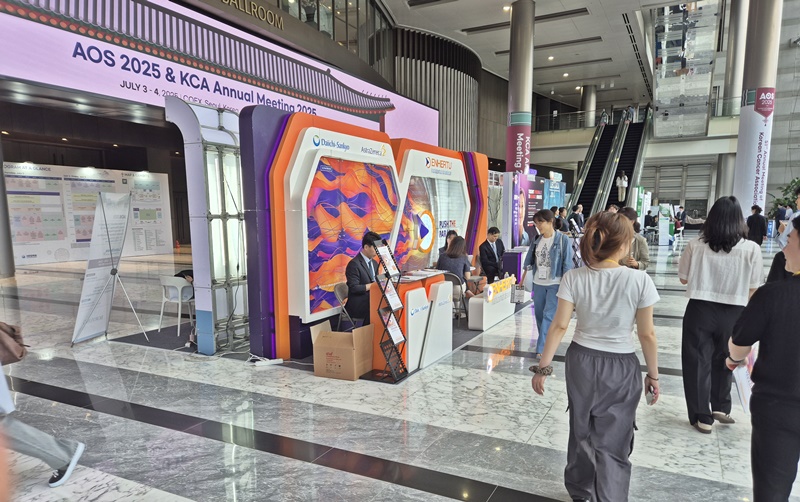
- Multinational pharmaceutical companies are actively pursuing to secure reimbursement for their anti-cancer drugs as first-line treatment options. Based on accumulated clinical research, companies are competitively applying for reimbursement from the government, putting in all efforts to accomplish this by the second half of this year. Recently, several argued that the current reimbursement review paradigm, which has focused on 'life extension,' should undergo a significant transformation to center around the 'improvement of quality of life.' In other words, they argue that reimbursement should be discussed primarily for first-line treatment options, rather than late-stage treatments for specific cancers, with a focus on directly improving quality of life. According to the pharmaceutical industry, on July 14, multinational pharmaceutical companies have recently applied to the Health Insurance Review & Assessment Service (HIRA) for reimbursement of their anti-cancer drugs as first-line treatment options. For instance, 'Astellas Pharma Korea' is one of them. Astellas recently re-applied for reimbursement for the Padcev (enfortumab vedotin)-Keytruda (pembrolizumab, MSD) combination therapy as a first-line treatment for urothelial carcinoma. In addition, they concurrently applied for Padcev monotherapy for second-line or later treatment. Notably, Astellas re-applied for both first-line and second-line or later treatments at once, bringing both therapies to the Cancer Disease Review Committee (CDRC) discussion table. While the monotherapy, used in second-line or latertreatment, had passed the CDRC and was undergoing cost-effectiveness evaluation, the combination therapy obtained domestic approval and rapidly gained presence in clinical settings. Therefore, the analysis suggests that Astellas resubmitted both together. In other words, both the combination therapy and monotherapy are now on the CDRC table for discussion. Dr. In-Keun Park of Asan Medical Center, Seoul (Department of Oncology), said, "Using Padcev earlier in the treatment has an advantage in terms of overall survival (OS) compared to using it later." He added, "Realistically, due to cost issues, the dosage is often adjusted (contrary to clinical standards). In some cases, patients are even reducing their body weight to lower the drug dosage due to drug costs." Dr. Park added, "In clinical practice, the proportion of patients who transition from first-line to second-line treatment, and from second-line to third-line treatment, decreases sharply," and emphasized, "Considering that first-line combination therapies are already introduced and used in Korea, discussions for reimbursement of first-line combination therapies can no longer be delayed." Furthermore, the competition for reimbursement of first-line treatments to secure market dominance in the gastric cancer treatment market in the second half of this year is accelerating. Keytruda passed the CDRC in the first half of this year and is currently undergoing cost-effectiveness evaluation at a subcommittee of the Drug Reimbursement Evaluation Committee (DREC). As the only immunotherapy that can be used not only in HER2-negative but also HER2-positive patients, Keytruda, as a first-line option in Stage 4 gastric cancer treatment, is expected to grow significantly depending on whether reimbursement is applied. Additionally, BeOne Medicines Korea (formerly BeiGene Korea) has also applied to HIRA for reimbursement for five new indications, including gastric cancer, for its immunotherapy Tevimbra (tislelizumab). This means that BeOne Medicines Korea had immediately applied for HIRA after obtaining domestic approval by the MFDS in June. Additionally, Astellas has also re-applied for reimbursement for 'Vyloy (zolbetuximab),' a Claudin 18.2 gastric cancer targeted therapy. The company has recently been promoting this drug alongside Padcev. This re-application comes approximately four months after Astellas failed to achieve reimbursement listing from the CDRC in February. An Astellas official explained, "Korean medical professionals and patients sincerely hope for rapid reimbursement of Vyloy in the treatment of HER2-negative and Claudin 18.2-positive metastatic gastric cancer, where there are no other treatment options." He added, "We have faithfully reflected HIRA's supplementary requests and completed the re-application for reimbursement. We will do our best to ensure that the best treatment option is quickly introduced to patients." As multinational pharmaceutical companies continue to aim for reimbursement of anti-cancer drugs as first-line treatment options, the government authorities will likely face an increased load of responsibility for evaluation. This is because reimbursement of initial treatments naturally leads to increased financial burden on the national health insurance. However, reimbursement cannot be denied for treatments with proven efficacy in clinical research due to the financial burden. Therefore, opinions are emerging that the government's reimbursement discussion paradigm must undergo a significant transformation. They imply that a shift in the discussion focus from 'life extension' to 'improvement of quality of life.' In fact, until now, both the government and pharmaceutical companies have primarily discussed reimbursement by first applying it to second-line and subsequent treatments, then expanding coverage to first-line treatment. However, with recent cases demonstrating both clinical efficacy and OS benefits from first-line treatment, the prevailing opinion is that it is no longer easy to maintain this approach. For instance, Rybrevant (amivantamab, Johnson & Johnson) is an example. Recently, results from the MARIPOSA Phase 3 trial were announced, showing that the combination therapy with Rybrevant and Lazertinib (Yuhan Corp) as a first-line treatment for non-small cell lung cancer could extend OS by over 50 months. Based on these results, Johnson & Johnson applied for reimbursement for the Rybrevant-Lazertinib combination therapy as a first-line option to HIRA in the first half of this year. Therefore, the pharmaceutical industry is suggesting that the medical community and the government must find a common ground through discussions on a paradigm shift in reimbursement, starting with anti-cancer drugs. It suggests revising the reimbursement system to encourage more proactive treatment from the initial stages, shifting the focus from life extension to quality of life. An anonymous pharmaceutical industry official said, "The current reimbursement system for anticancer treatment is in a transitional period. With an increasing number of options proving treatment efficacy from the initial stages, the time to discuss reimbursement primarily for fourth or fifth-line treatments seems to have passed," and added, "It seems we are transitioning to an era where priority is given to actively treating patients early on to improve their quality of life ultimately, rather than focusing on treatments that merely extend life slightly." He added, "Currently, we are at a stage of confusion regarding the reimbursement priority between initial treatment and subsequent retrospective treatments. It's a question of whether to focus on life extension, or to recognize efficacy based on progression-free survival (PFS) in initial treatment even if OS is not extended." He stressed, "While the financial costs will undoubtedly be greater, it's now time for a specific policy direction."
- Company
- Polivy’s reimbursement for DLBLC will soon be reviewed
- by Eo, Yun-Ho Jul 15, 2025 06:08am
- Polivy, the first first-line treatment introduced for diffuse large B-cell lymphoma (DLBCL) in 20 years, is entering the first stage of its renewed bid for reimbursement in Korea. According to industry sources, Polivy (polatuzumab vedotin), a treatment developed by Roche Korea for relapsed or refractory diffuse large B-cell lymphoma (DLBCL), is expected to be reviewed by the Health Insurance Review and Assessment Service's (HIRA) Cancer Review Committee. After the company resubmitted the reimbursement application in May, the drug’s review schedule is progressing relatively quickly. Polivy originally sought reimbursement listing in 2021 for its first indication, as third-line treatment in combination with BR therapy (bendamustine and rituximab), but failed to pass the Health Insurance Review and Assessment Service's Cancer Review Committee review. Then in the first half of 2023, the company applied for reimbursement for its use as first-line treatment in combination with the so-called R-CHP therapy, which includes rituximab+cyclophosphamide, doxorubicin, and prednisone, but was again rejected by the Cancer Review Committee in February last year. Therefore, it remains to be seen whether Polivy, which has failed reimbursement listing twice in Korea, will be successful in gaining reimbursement this time. There is some optimism. The company added results from a 60.9-month follow-up analysis of the POLARIX study, which evaluated the efficacy of the Pola-R-CHP combination therapy in first-line treatment for DLBCL. The study, which was presented at the American Society of Hematology (ASH) 2024 Annual Meeting, was the first clinical trial in 20 years to expand the first-line standard of care for DLBCL. Key results showed that patients treated with the Polivy combination therapy demonstrated a significant improvement in overall survival (OS) compared to the control group treated with the standard R-CHOP. The lymphoma-related mortality rate was 9.0% in the Polivy combination therapy group and 11.4% in the R-CHOP control group. At approximately 5 years after treatment initiation, the risk of death in the Polivy combination therapy group was reduced by 15%, an improvement over the previous 3-year follow-up results (6% reduction in risk). Also, the Polivy combination therapy group (38.7%) required subsequent treatment (radiation therapy, systemic chemotherapy, CAR-T cell therapy, etc.) at a rate approximately 25% lower than the R-CHOP control group (61.7%). Diffuse large B-cell lymphoma is an aggressive form of blood cancer and the most common type of non-Hodgkin lymphoma. In South Korea, it is estimated that approximately 5,000 new patients are diagnosed with diffuse large B-cell lymphoma each year. It accounts for the highest proportion of non-Hodgkin lymphoma and is an aggressive type of lymphoma that requires immediate treatment due to its rapid progression. While over half of patients achieve remission with good treatment response rates, 30–40% of patients do not respond to standard therapy (R-CHOP) or experience recurrence after initial treatment. Despite the fact that most patients experience relapse within 2 years and have a survival period of only 6 months upon relapse, relapsed or refractory diffuse large B-cell lymphoma remains an area with limited effective treatment options.
- Company
- Various immunotherapies attempt to treat Alzheimer’s
- by Son, Hyung Min Jul 15, 2025 06:06am
- A series of immunotherapy candidates are showing promise in the field of Alzheimer's disease treatment. With the limitations of existing antibody therapies becoming apparent, multinational pharmaceutical companies are attempting approaches targeting new immune pathways. In particular, pipelines targeting innate immune regulation, such as NK cell therapies and TREM2 antibodies, are gaining attention. According to industry sources on the 12th, US biotech company NKGen recently administered its autologous NK cell therapy candidate ‘troculeucel (SNK01)’ for the first time to patients with mild Alzheimer's disease who did not respond to existing antibody therapies. This is a case approved under the U.S. Food and Drug Administration's (FDA) Compassionate Use program, applied to patients whose cognitive decline persisted despite treatment with the amyloid-targeted therapy lecanemab. Troculeucel, NKGen’s cell therapy developed by using non-genetically modified ex vivo expanded autologous NK cells, is currently in a Phase IIa clinical trial in the U.S. targeting moderate patients. NKGen stated, “The therapy demonstrated efficacy in improving amyloid, tau, and alpha-synuclein levels in cerebrospinal fluid (CSF) by crossing the blood-brain barrier (BBB), as well as reducing neuroinflammatory markers such as GFAP.” In the previously conducted Phase I clinical trial, troculeucel demonstrated cognitive function stabilization and improvement in approximately 70% of patients, along with changes in biomarkers such as reduced pTau181 and GFAP levels in CSF. Treatment responses were dose-dependent, and no significant adverse reactions were observed. While existing antibody therapies have only slowed the progression of cognitive decline, NK cell therapy targets both inflammation control and protein aggregation resolution, opening up the possibility of a new mechanism of action for use. In particular, its use in patients unresponsive to existing drugs suggests potential as part of a combination strategy or as a new treatment option. NKGen Major global pharmaceutical companies have also begun full-scale development of antibody and small-molecule therapies targeting TREM2. Novartis recently began a multinational Phase II clinical trial of VHB937, a TREM2 antibody-based drug candidate, in multiple countries, including South Korea. This study is designed as a randomized, placebo-controlled trial to evaluate the efficacy and safety of VHB937 in patients with early-stage Alzheimer's disease over 72 weeks. VHB937 increases the expression of TREM2, a surface receptor on dendritic cells, and inhibits its shedding. According to the company, this strategy aims to enhance intracellular signaling, thereby simultaneously targeting the phagocytic function of microglia and anti-inflammatory effects. Sanofi recently acquired Vigil Neuroscience, a company developing a TREM2 small molecule agonist, and entered the field in earnest. VG-3927, which Vigil is developing, binds only to cell membrane receptors and does not bind to soluble TREM2, enabling more precise regulation of microglia function, which is a key differentiator. Sanofi plans to begin Phase II clinical trials of VG-3927 in the third quarter of this year. Targeting TREM2 is a mechanism of action that leading companies such as AbbVie and Takeda have experienced a series of failures. However, latecomers are shifting their focus to stabilization strategies and small molecule mechanisms after carefully analyzing the reasons for previous failures. New mechanisms continue to be developed in Korea as well In the field of Alzheimer's disease drug development, innovative approaches that go beyond the existing methods of removing amyloid beta and tau proteins and aim to regenerate and protect brain neurons are emerging. SNR1611 (generic name: trametinib), developed by the Korean drug development company Genuv, is one representative example. SNR1611 is a repurposed small-molecule compound derived from the already-approved anticancer drug trametinib. It works by inhibiting MEK1/2 enzymes within the MAPK/ERK signaling pathway. Through this mechanism, it suppresses the aberrant activation of MAPK signaling observed in neurodegenerative diseases such as Alzheimer’s disease, thereby promoting neural stem cell differentiation and the generation of new neurons. Recent preclinical studies have shown that SNR1611 promotes the expression of specific genes involved in brain neuron differentiation, resulting in a more than 2.7-fold increase in brain neural regeneration and approximately a twofold improvement in memory. These findings were published in “Experimental & Molecular Medicine,” a sister journal of the prestigious scientific journal Nature, thereby establishing scientific evidence. When SNR1611 was administered to an animal model with Alzheimer's disease, neural regeneration increased by approximately 176% and 295% in the dentate gyrus and subventricular zone, respectively, which are critical regions for memory formation. Additionally, neural regeneration effects were confirmed in the cerebral cortex, and memory improved by nearly twofold in the treatment group. Notably, SNR1611 has drawn attention for its ability to induce neurogenesis—a process previously considered nearly impossible in the adult brain—through pharmacological intervention. Genuv is also developing SNR1611 as a treatment for amyotrophic lateral sclerosis (ALS). In ALS animal models, administering SNR1611 reduced abnormal protein aggregation through autophagy activation and confirmed motor neuron protection effects. Currently, Phase 1/2a clinical trials for ALS are underway at five major hospitals in South Korea. AriBio is developing AR1001, a new drug candidate for Alzheimer's disease. In March, the company successfully transferred the technology to China's Q-BioTech. AR1001 targets multiple causes of Alzheimer's disease, including PDE5 and toxic proteins. This new drug candidate is an improved oral treatment based on mirodenafil (Mvix), a medication similar to Viagra for erectile dysfunction. Recent findings suggesting that PDE5 inhibitors like Viagra and Cialis may prevent Alzheimer's disease provide further evidence supporting the mechanism of AR1001. AR1001 is currently in Phase III clinical trials. AriBio has initiated global Phase III clinical trials in the United States, where the first patient dosing began in December 2022, as well as in Korea, the United Kingdom, Germany, France, Spain, Italy, Denmark, the Netherlands, the Czech Republic, and China.
- Company
- Omjjara’s reimbursement progress gains attention
- by Eo, Yun-Ho Jul 14, 2025 06:04am
- Attention is turning to whether progress will be made in the reimbursement listing process for the new myelofibrosis drug, Omjjara. Omjjara (momelotinib), a myelofibrosis treatment developed by GSK Korea, passed the Health Insurance Review and Assessment Service's Cancer Disease Review Committee in March and is currently awaiting submission to the Drug Reimbursement Evaluation Committee. It remains to be seen whether the HIRA process will be completed within the second half of this year. The indication currently under review is for the “treatment of myelofibrosis in intermediate- or high-risk adults with anemia.” Omjjara has a triple mechanism of action – it blocks 3 key signaling pathways, not only JAK1 and JAK2 that were inhibited by existing therapies, but also the ACVR1 (activin A receptor type). In the treatment of myelofibrosis, inhibition of JAK1 and JAK2 may contribute to improving systemic symptoms and reducing splenomegaly in patients, while inhibition of ACVR1 may help alleviate anemia by inducing a reduction in hepcidin expression. Anemia management is one of the unmet needs that remain in the treatment of existing myelofibrosis patients. Anemia, which increases blood transfusion dependency, is not merely an issue of dizziness as commonly perceived, but can lead to a life-threatening condition depending on its severity. Omjjara demonstrated significant improvements in key symptoms such as splenomegaly and a reduction in transfusion dependency in patients with anemia-associated myelofibrosis, regardless of prior JAK inhibitor treatment history, in the Phase III SIMPLIFY-1 study and the MOMENTUM study. In the SIMPLIFY-1 study, which evaluated the clinical efficacy and safety of Omjjara in comparison with Jakavi (ruxolitinib) in patients with myelofibrosis and had no prior JAK inhibitor treatment experience, Omjjara demonstrated non-inferiority to ruxolitinib in the primary endpoint of spleen volume response at 24 weeks of treatment. The proportion of patients in each arm who were transfusion-free was 66.5% in the Omjjara arm and 49.3% in the ruxolitinib arm, with significantly lower transfusion dependence (better transfusion independence) in the Omjjara arm. Seo-Yeon Ahn, Professor of Hematology at Chonnam National University Hwasun Hospital, said, “While JAK inhibitors previously used in the treatment of myelofibrosis demonstrated efficacy in reducing splenomegaly and alleviating systemic symptoms, they also posed unmet needs such as worsening anemia or increasing blood transfusion dependency. Omjjara has demonstrated significant clinical value in managing anemia, which is closely linked to the prognosis of patients with myelofibrosis. With its domestic launch, it is expected to contribute to improving treatment outcomes and quality of life for more patients."
- Company
- Aftermath of Januvia's price cut…MSD-CKD compensation fight
- by Son, Hyung Min Jul 14, 2025 06:04am
- Chon Kun Dang Regarding transaction for price difference compensation following the drug price reduction for the diabetes treatment Januvia, Chong Kun Dang and MSD Korea have not reached agreement during negotiation for nearly two years. While the distribution industry continues to demand compensation for losses incurred due to the drug price cut, the lack of clarity on who is responsible for the settlement is exacerbating confusion and burden in the field. According to industry sources on July 14, Chong Kun Dang recently sent an official letter to the Korea Pharmaceutical Distributors Association (KPDA), officially announcing its stance on the distribution industry's request for price difference compensation related to the drug price reduction of 'Januvia Family' products, including Januvia·Janumet. The distribution industry has been requesting price difference compensation from pharmaceutical companies for price differences on inventory since the sequential drug price reductions of Januvia (sitagliptin) on September 2, 2023, Janumet XR (sitagliptin·metformin) on the same date, and Janumet (sitagliptin·metformin) on October 1, 2023. The maximum price drops by dosage for each product indicate that Januvia 100mg was reduced from KRW 846 to KRW 592, Janumet XR 100/1000 mg from KRW 831 to KRW 572, and Janumet 50/1000 mg from KRW 520 to KRW 420. The maximum price difference per tablet amounted to KRW 259. However, as no compensation has been made to date, complains are growing within the industry. In response, Chong Kun Dang recently sent an official letter to the KPDA, stating that discussions regarding the responsible party have not yet concluded. According to the official letter, Chong Kun Dang acknowledges that the drug price reductions for Januvia and Janumet, due to patent expirations, were implemented sequentially between September and October 2023, and that distributors have been consistently requesting compensation. Chong Kun Dang explained that the reason no proper compensation has been made yet is a complex situation where Chong Kun Dang demanded price difference compensation from MSD Korea, the marketing authorization holder (MAH) at the time of the drug price reduction, but MSD Korea refused. Januvia is a DPP-4 inhibitor, containing sitagliptin, used to treat diabetes and is developed by MSD. Following Januvia's launch, MSD and Chong Kun Dang have been jointly promoting these products since 2016. However, in 2023, MSD Korea reorganized its chronic disease business unit to focus on its oncology and vaccine businesses, transferring the rights for the Januvia Family to Chong Kun Dang. Chong Kun Dang has been exclusively handling the domestic sales of Januvia as of July 15, 2023. MSD Korea's position is that since the marketing and revenue rights were already transferred at that time, they bear no responsibility for compensation related to the drug price reduction after September 2023, when the price cut occurred. An MSD Korea official stated, "We transferred all domestic rights, including marketing and manufacturing rights, for Januvia products to Chong Kun Dang in July 2023, transferring exclusive sales and marketing authority," and added, "Accordingly, Chong Kun Dang is responsible for price difference compensation due to drug price reductions that occurred after that point." The official added, "We are willing to compensate for inventory that we sold before July 2023, before Chong Kun Dang acquired the marketing rights." The official further explained, "It is true that the transfer of MAH was delayed until July 2024, but this was because time was needed for actual transfer preparations, such as changing product labels," and added, "At the time of the drug price reduction in September 2023, we were not engaged in actual revenue-generating activities, and all related rights had been transferred to Chong Kun Dang. The company was only the MAH on paper." Negotiations ongoing due to discrepancy between marketing rights and MAH...Distribution industry "we're troubled" The key issue is related to the division of roles and accountability between the MAH and the actual operating entity at the time of the drug price reduction. MSD Korea maintains that since it transferred domestic marketing and revenue rights for Januvia to Chong Kun Dang as of July 2023, Chong Kun Dang is responsible for price difference compensation arising from subsequent drug price reductions. Conversely, Chong Kun Dang stresses that MSD Korea still held the marketing authorization at the time of the drug price reduction. Januvia's marketing authorization was indeed transferred to Chong Kun Dang on July 23, 2024, after which the business transitioned to a global direct import structure. Chong Kun Dang believes that "Shifting the responsibility for compensation without the official change of the marketing authorization holder is unfair." However, given the sensitivity of the issue, they are taking a reserved stance by stating that it's difficult to issue an official statement and that discussions with MSD Korea are still ongoing. In 2016, MSD Korea and Chong Kun Dang have signed an agreement to jointly promote treatments for diabetes and dyslipidemia, including Januvia. However, as negotiations delay, the burden of price difference compensation due to the drug price reduction is ultimately being passed on to pharmaceutical distributors. The pharmaceutical distribution industry has consistently demanded compensation for the drug price difference of Januvia family products since the second half of 2023. However, settlement has been delayed due to the ambiguity of accountability between the two companies. The recent official letter sent by Chong Kun Dang to the KPDA directly mentioned this dissatisfaction from the distribution industry. The letter stated, "Discussions between the two companies are ongoing, but as the compensation discussion has not been finalized, distributors are facing difficulties," adding, "We will proactively work towards a swift resolution with responsibility." An official from a pharmaceutical distribution company pointed out, "The pharmaceutical companies that should be responsible for settling the price difference due to the government's drug price reduction are pushing responsibility onto each other," and added, "Distributors compensate pharmacies for the price difference but receive no compensation from the pharmaceutical companies, thus bearing the entire burden in the middle." The industry widely expects the transfer of Janumet XR's marketing authorization in November, raising concerns that the same problem could recur. If the discussion over responsibility drags on while the drug prices of major sitagliptin-based diabetes treatments like Januvia, Janumet, and Janumet XR are sequentially reduced. In that case, distributors will inevitably continue to bear the settlement burden. Ultimately, this discussion goes beyond individual products and extends to the industry-wide challenge of how to resolve systemic blind spots that can arise from the separate structures of marketing rights and marketing authorization.
- Company
- Daiichi Sankyo and Ono Pharmaceutical see surge in sales
- by Son, Hyung Min Jul 14, 2025 06:03am
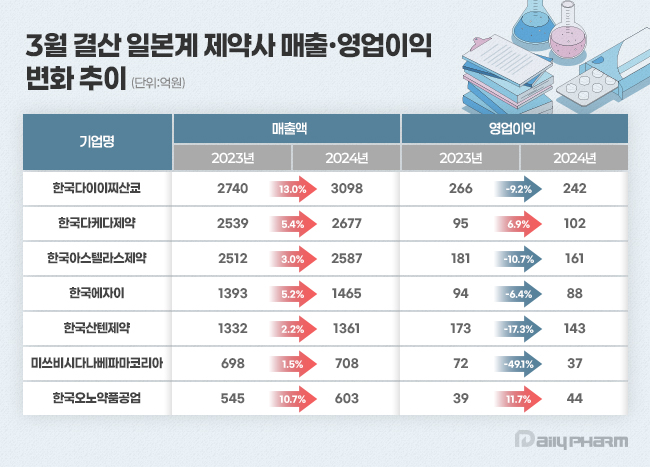
- Japanese pharmaceutical companies operating in South Korea saw overall sales growth last year. All seven companies surveyed achieved year-on-year sales growth, with Daiichi Sankyo Korea and Ono Pharma Korea leading the way with double-digit growth rates. However, in terms of operating profits, the companies showed mixed emotions. According to the Financial Supervisory Service's electronic disclosure system on the 11th, the performance of 7 Japanese pharmaceutical companies with March fiscal year-ends totaled at KRW 1.2499 trillion, up 6.3% from KRW 1.1759 trillion the previous year. During the same period, operating profit decreased by 11.2% from KRW 92 billion to KRW 81.7 billion. Major Japanese pharmaceutical companies' Korean subsidiaries follow the Japanese fiscal year, recognizing the period from April last year to March this year as their 2024 annual sales. #SB Daiichi’s sales surpass KRW 300 billion for the first time... Ono’s sales double in four years Last year, Daiichi Sankyo Korea's sales increased by 13.0% year-on-year to KRW 309.8 billion. During the same period, operating profit decreased by 9.2% from KRW 26.6 billion to KRW 24.2 billion. Daiichi Sankyo Korea's sales have been steadily increasing since 2020. The company surpassed KRW 200 billion in sales for the first time in 2020 with KRW 217.9 billion, followed by KRW 245.4 billion in 2021, KRW 253.2 billion in 2022, and KRW 274 billion in 2023, continuing its upward trend. In particular, it is analyzed that the company achieved synergistic effects by collaborating with the domestic pharmaceutical company Daewoong Pharmaceutical on certain cardiovascular products such as Lixiana and Sevikar. Daiichi Sankyo Korea signed a co-marketing agreement with Daewoong Pharmaceutical for Sevikar in 2013 and Lixiana in 2015, and has maintained its partnership with the company to date. Among these, the highest-selling product is the direct-acting oral anticoagulant (DOAC) Lixiana. According to market research firm UBIST, Lixiana's prescription sales last year reached KRW 117.5 billion, an 11.6% increase from KRW 105.3 billion in 2023. The three-component hypertension combination drug Sevikar HCT also maintained its growth momentum. Last year, Sevikar HCT's prescription sales reached KRW 42.1 billion, up 4.0% from the previous year. Daiichi Sankyo Korea generated approximately KRW 140 billion in prescription sales from olmesartan-based hypertension treatments, including Sevikar HCT (KRW 42.1 billion), Olmetec (KRW 30.6 billion), and Sevikar (KRW 68.8 billion). Daiichi Sankyo Korea is working to expand its business from cardiovascular drugs to anticancer drugs. In particular, the company is focusing on new growth areas such as antibody-drug conjugates (ADCs) by concentrating its R&D capabilities. Following the approval of Enhertu, the company is preparing to launch various treatments, including five ADC strategies such as Datroway, Patritumab deruxtecan, DS-7300, and DS-6000. Last year, Takeda Pharmaceutical Korea's sales increased by 5.4% year-on-year to KRW 267.7 billion. Operating profit rose by 6.9% to KRW 10.2 billion. Anticancer drugs such as Zejula, Alunbrig, and Ninlaro contributed to the sales growth through steady growth. According to the market research firm UBIST, Alunbrig recorded prescription sales of KRW 12.1 billion last year. Since its launch in 2019, its prescription sales have continued to increase. This treatment is gaining market share for its indication in ALK-positive non-small cell lung cancer. Alunbrig is in fierce competition with Pfizer's Lorviqua and Roche's Alecensa. However, However, Alunbrig offers the advantage of once-daily, single-tablet dosing, and can be taken regardless of food intake. This simplicity reduces the number of factors patients need to consider when taking the medication. The ovarian cancer treatment Zejula also recorded KRW 14.3 billion in sales last year, a 51.6% increase in prescriptions from the previous year. In October last year, Zejula was added to the health insurance reimbursement list for the treatment of HRd-positive ovarian cancer. Until then, Zejula had been reimbursed only as maintenance therapy for BRCA-mutated ovarian cancer patients who responded to platinum-based therapy as a first-line treatment for ovarian cancer. The growth of Ono Pharma Korea was also noteworthy. Ono’s sales last year were KRW 60.3 billion, up 10.7% year-on-year. Operating profit in the same period increased 11.7% from KRW 3.9 billion to KRW 4.4 billion. The sales and operating profit recorded by Ono last year are the highest figures since the company began submitting audit reports in 2017. Ono recorded sales of over KRW 40 billion in 2021 and surpassed KRW 50 billion for the first time the following year. Comparing the KRW 60.3 billion recorded by Ono last year with the KRW 31 billion in sales in 2020, sales increased by 94.5% over four years. The immune-oncology drug Opdivo drove Ono’s sales growth. Opdivo is an anti-PD-1 class immuno-oncology drug jointly developed by Ono and BMS, and was approved in Korea in 2015. Ono holds development and sales rights in Asia, including South Korea, Japan, and Taiwan. In particular, the combination of Opdivo and BMS's CTLA-4 targeted immunotherapy Yervoy has demonstrated efficacy in various solid tumors such as melanoma, renal cell carcinoma, and hepatocellular carcinoma, contributing to the increase in market share. According to market research firm IQVIA, Opdivo surpassed KRW 100 billion in domestic sales in 2022. All showed external growth, but with mixed operating profits Astellas Pharma Korea, Eisai Korea, and Santen Pharmaceutical Korea all saw slight increases in sales, but their operating profits all declined. Astellas Pharma Korea reported sales of KRW 258.7 billion last year, a 3.0% increase from the previous year. Harnal, Betmiga, Prograf, and Xtandi performed well, driving sales growth. Harunal, a treatment for benign prostatic hyperplasia, recorded prescription sales of KRW 66.2 billion last year, a 0.8% increase from the previous year. Betmiga, a treatment for overactive bladder, and Prograf, an immunosuppressant, have consistently recorded prescription sales of over KRW 30 billion even after their patents expired. Last year, prescription sales for Betmiga and Prograf were KRW 33.4 billion and KRW 33.6 billion, respectively, up 2.6% and 3.9% year-over-year. Operating profit decreased by 10.7% year-on-year to KRW 16.1 billion. A slight increase in the cost of sales contributed to the decrease in gross profit. Astellas Pharma Korea is pinning its hopes on its next-generation anticancer drugs. The company's Padcev, its ADC anticancer drug, and Vyloy, its new gastric cancer targeted therapy targeting Claudin 18.2, have entered the domestic market. Both drugs have shown remarkable results in clinical trials. Currently, Astellas Pharma Korea has completed its application for insurance reimbursement for both drugs. Eisai Korea's sales rose 5.2% from KRW 139.3 billion in 2023 to KRW 146.5 billion last year. Operating profit for the same period decreased 6.4% to KRW 8.8 billion. Sales of existing products such as the anticancer drug Lenvima, the gastroesophageal reflux disease treatment Pariet, and the Alzheimer's disease treatment Aricept remain steady. The three products—Aricept (KRW 95.9 billion), Pariet (KRW 17.9 billion), and Lenvima (KRW 12.9 billion)—combined for over KRW 100 billion in sales last year. Operating profit decreased slightly due to factors such as increased cost of sales. EisaiEisai is expecting strong performance from its new Alzheimer's disease drug, lecanemab. Lecanemab is an Alzheimer's disease treatment developed by Eisai and Biogen that selectively binds to amyloid beta, a substance believed to cause the disease, and has been proven to slow the progression of the disease and delay cognitive decline. It is reported that lecanemab is currently being prescribed at various general hospitals and semi-general hospitals in Korea. Santen Korea reported sales of KRW 136.1 billion last year, a 2.2% increase from the previous year. However, operating profit decreased by 17.3% to KRW 14.3 billion. Santen specializes in ophthalmic products and holds various formulations, including diquafosol. However, in South Korea, hyaluronic acid eye drops are primarily used, and the company has not significantly increased its prescription volume in Korea. As of last year, the product with the highest sales among Santen Pharmaceutical's portfolio was Cosopt S eye drops, used for glaucoma. Cosopt S’s prescription volume last year was KRW 33.9 billion, an increase of 2.6% compared to the previous year. Mitsubishi Tanabe Pharma Korea's sales last year were KRW 70.8 billion, up 1.5% from 2023, but operating profit fell 49.1% in the same period. The decrease in operating profit was due to an increase in selling, general, and administrative expenses, such as reimbursement and retirement benefits, as well as an increase in cost of sales.
- Company
- Bimzelx may be prescribed at general hospitals in KOR
- by Eo, Yun-Ho Jul 11, 2025 06:12am
- The new psoriasis drug Bimzelx may be prescribed at general hospitals in Korea. According to industry sources, UCB Pharma Korea's Bimzelx (bimekizumab) has been approved by the Drug Committees (DCs) of major hospitals nationwide, including tertiary hospitals like Seoul Asan Medical Center and Severance Hospital as well as major hospitals including Kyungpook National University Hospital, Pusan National University Hospital, Seoul National University Bundang Hospital, Chonnam National University Hospital, Jeonbuk National University Hospital, and Hanyang University Hospital. The company appears to be rapidly working to expand Bimzelx prescriptions following its reimbursement listing in June. i1Bimzelx is the first plaque psoriasis treatment that dually inhibits interleukin-17A and 17F (IL-17A and 17F). IL-17A and IL-17F are key cytokines that trigger the inflammatory process in psoriasis, and Bimzelx selectively and directly targets and inhibits both simultaneously. This dual inhibition mechanism against IL-17A and 17F is what makes the drug’s introduction significant. Despite the emergence of various psoriasis treatments, there remained an unmet need in practice due to resistance and other factors, which is why health professionals saw the introduction and reimbursement of Bimzelx encouraging. Yong-Beom Choi, President of the Korean Society for Psoriasis (Department of Dermatology, Konkuk University Medical Center), said, “Psoriasis is an intractable disease that recurs and improves repeatedly, and the quality of life of patients with severe psoriasis in particular tends to deteriorate significantly, affecting their mental health. Therefore, the reimbursement and launch of Bimzelx, which has been proven to be highly effective, is very meaningful for both medical professionals and patients.” He added, “Based on its next-generation mechanism of action, Bimzelx is expected to be an excellent treatment option for both new patients and those who have not seen sufficient results with existing treatments.” Meanwhile, in the Phase III BE READY trial, 90.8% of patients in the Bimzelx group achieved PASI 90 at Week 16, and 68.2% of patients achieved PASI 100. In another clinical trial that compared Bimzelx with another biological agent, there was a clear difference in the percentage of patients who achieved complete clearance of skin lesions at Week 16, or 'PASI 100'. Specifically, PASI 100 for the drug and control drug were as follows: ▲BE VIVID: Bimzelx 59%, ustekinumab (Stelara) 21% ▲BE SURE: Bimzelx 60%. 8%, adalimumab (Humira) 23.9% ▲BE RADIANT: Bimzelx 61.7%, secukinumab (Cosentyx) 48.9%, etc.
