
- LOGIN
- MemberShip
- 2026-04-26 18:32:19
- Company
- Zynyz receives orphan drug designation in Korea
- by Eo, Yun-Ho Sep 05, 2025 06:20am
- The immuno-oncology drug Zynyz that Handok has decided to market in Korea has been designated as an orphan drug in Korea. The Ministry of Food and Drug Safety (MFDS) recently announced the designation through a public notice. Specifically, the drug is indicated for ▲Merkel cell carcinoma and ▲ squamous cell carcinoma of the anal canal (SCAC). Among these, the Merkel cell carcinoma indication had already been granted orphan drug status earlier in June. Zynyz (retifanlimab), which was developed by the US company Incyte, was also designated in July as a subject for the “Global Innovative Products on Fast Track (GIFT)” program. Since receiving approval from the U.S. FDA in May, the PD-1 inhibitor Zynyz has been gaining attention as the first first-line treatment for adult patients with unresectable locally recurrent or metastatic anal cancer, in combination with platinum-based chemotherapy (carboplatin, paclitaxel). The efficacy of Zynyz in anal cancer was demonstrated in the Phase III POD1UM-303 study. This study evaluated 308 patients with unresectable locally recurrent or metastatic squamous cell carcinoma of the anal canal (SCAC) by comparing outcomes between the Zynyz + carboplatin + paclitaxel combination arm and the standard-of-care arm. Results showed that the median progression-free survival (PFS) was 9.3 months in the Zynyz arm, which is a 37% reduction in the risk of disease progression or death compared with the 7.4 months in the standard-of-care arm. In the interim analysis, the median overall survival (OS) was 29.2 months in the Zynyz arm and 23 months in the standard-of-care arm. The objective response rate (ORR) for the Zynyz arm was 56%, with 22% achieving complete response and 33% partial response—higher than the 44% observed in the standard-of-care arm. The median duration of response (DoR) was 14 months in the Zynyz arm, compared with 7.2 months in the standard-of-care arm. SCAC accounts for about 85% of all anal cancers and is classified as a rare cancer. The majority of cases are caused by human papillomavirus (HPV) infection, and HIV-positive individuals face a 25–35 times higher risk. Early symptoms often resemble hemorrhoids, leading to delayed diagnosis, with many patients visiting hospitals at advanced stages.
- Company
- MenQuadfi’s indication includes infants as young as 6 weeks
- by Hwang, byoung woo Sep 05, 2025 06:19am
- On the 4th, Sanofi Kore announced that its fully liquid quadrivalent meningococcal vaccine, MenQuadfi, received expanded indication approval from the Ministry of Food and Drug Safety (MFDS) on August 26. The new approval allows MenQuadfi’s vaccination for infants from 6 weeks to under 2 years of age. With the indication extension, MenQuadfi has become the first quadrivalent meningococcal conjugate vaccine in Korea that can be administered to infants as young as 6 weeks. This approval allows a broader age range to have preventive options against invasive meningococcal disease. MenQuadfi contains 10μg of antigen each for the four meningococcal serogroups (A, C, W, and Y) and is formulated as a fully liquid formulation that requires no reconstitution or mixing, enhancing ease of use. It utilizes tetanus toxoid (TT) as a protein carrier to induce a strong T cell–mediated immune response. Following the indication extension, MenQuadfi now offers flexible vaccination schedules to those 6 weeks to 55 years of age. Infants aged 6 weeks to under 6 months may receive a 4-dose series, with the initial three doses given at minimum 8-week intervals, and a fourth booster at least 6 months after the third dose, administered at ≥12 months of age. For infants aged 6 to less than 24 months with no prior meningococcal vaccination, a 2-dose schedule is recommended, with a minimum 3-month interval between doses and the second dose administered after 12 months of age. For individuals aged 2 to 55 years, a single dose is sufficient for protection. MenQuadfi’s indication extension was based on results from the MET42 and MET61 studies. The Phase III MET42 trial enrolled about 2,627 infants and toddlers aged 2 to 18 months to evaluate the immunogenicity and safety of MenQuadfi versus an existing quadrivalent meningococcal vaccine. After just three doses starting at 2 months of age, MenQuadfi demonstrated strong immune responses across all 4 meningococcal serogroups: A (64.4%), C (96.4%), W (92.8%), and Y (88.7%). These results were higher compared to the comparator vaccine (A: 50.6%, C: 82.8%, W: 85.6%, Y: 81.8%). The MET61 study assessed infants aged 6 to 23 months with a 2-dose schedule, comparing the immunogenicity and safety of MenQuadfi against control vaccines, including Sanofi’s own Menactra. The results confirmed that MenQuadfi induced non-inferior immune responses across all serogroups (A, C, W, Y) compared with control vaccines, with a safety profile comparable with existing vaccines. Hee-kyung Park, Director of Sanofi’s Vaccines Business Unit, said, “With the indication extension of MenQuadfi in Korea, we are pleased to be able to protect infants as early as 6 weeks of age from invasive meningococcal disease. Sanofi will continue to work closely with health authorities to strengthen preventive strategies and secure protection against meningococcal infections across various age groups.”
- Company
- HK Inno.N and Pfizer partner to distribute COVID-19 vaccine
- by Lee, Seok-Jun Sep 05, 2025 06:18am
- HK inno.N (CEO Dal-Won Kwak) announced on the 4th that it has signed a co-promotion agreement with Pfizer Korea (CEO Dong-Wook Oh) for the 2025–2026 season distribution of the new COVID-19 variant vaccine, Comirnaty LP.8.1 Prefilled Syringe (SARS-CoV-2 mRNA Vaccine), as part of the National Immunization Program (NIP). Last year, HK inno.N was responsible for the private distribution of Comirnaty JN1 Injection (single-dose, bretobameran, SARS-CoV-2 mRNA vaccine). More recently, the company has also been in charge of distribution for the government-funded NIP program, which targets high-risk groups such as seniors aged 65 and older and immunocompromised individuals, a market valued at approximately KRW 200 billion. Through this co-promotion agreement, HK inno.N and Pfizer Korea have expanded their partnership to include promotional activities for those included in the National Immunization Program. Comirnaty® LP.8.1 Prefilled Syringe received approval from the MFDS on January 29 for the prevention of COVID-19 caused by SARS-CoV-2 in individuals aged 12 years and older. The vaccine is administered as a single 0.3 mL intramuscular injection, regardless of previous COVID-19 vaccination history. For individuals who have received prior COVID-19 vaccination, the new shot should be given at least three months after the last dose. HK inno.N CEO Dal-Won Kwak said, “Based on our sales and distribution capabilities, we will contribute to the stable supply of Comirnaty® LP.8.1 Prefilled Syringe and to the improvement of public health in Korea.
- Company
- Fruzaqla may be prescribed at general hospitals in KOR
- by Eo, Yun-Ho Sep 04, 2025 06:12am
- ] The new colon cancer drug Fruzaqla is may now be prescribed at general hospitals in Korea. According to industry sources, Fruzaqla (fruquintinib), a colorectal cancer therapy from Takeda Korea that selectively inhibits vascular endothelial growth factor receptors (VEGFR)-1, 2, and 3, has passed the drug committees (DC) of 41 major medical institutions nationwide, including Samsung Medical Center, Seoul National University Hospital, and Severance Hospital. Prior to its approval in Korea this June, Fruzaqla had been designated as an orphan drug in February and as a “Global Innovative products on Fast Track” (GIFT) in November of last year. Specifically, Fruzaqla is indicated for the treatment of adult patients with metastatic colorectal cancer (mCRC) who have previously received fluoropyrimidine-, oxaliplatin-, and irinotecan-based chemotherapy; an anti-VEGF therapy; an anti-EGFR therapy (for RAS wild-type); and trifluridine/tipiracil and/or regorafenib, but have progressed on or are intolerant to these therapies. Fruzaqla demonstrated efficacy in the Phase III FRESCO-2 trial. Results showed that the median overall survival (mOS) for the Fruzaqla arm was 7.4 months compared with 4.8 months in the placebo arm, reducing the risk of death by 34%. In addition, the median progression-free survival (mPFS) was 3.7 months (95% CI: 3.5–3.8) with Fruzaqla, more than doubling the placebo group’s 1.8 months, and reducing the risk of disease progression or death by 68%. Moreover, Fruzaqla is an oral therapy that can be taken once daily without complicated dietary restrictions, the convenience of which is expected to improve not only treatment outcomes but also patients’ quality of life. Professor Sang-Cheul Oh, Department of Oncology, Korea University Guro Hospital (Chair of the Colorectal Cancer Subcommittee, Korean Cancer Study Group) said, “Fruzaqla’s mechanism of action that selectively inhibits VEGFR-1, 2, and 3 provides strong efficacy with lower toxicity, making it a very meaningful option for later-line patients in the 4th line or beyond who have already received long-term treatment.”
- Company
- Novo Nordisk, Kakao Health sign digital healthcare MOU
- by Cha, Jihyun Sep 04, 2025 06:09am
- Kakao Healthcare (CEO Hee Hwang) announced on the 3rd that it has signed a memorandum of understanding with the multinational pharmaceutical company, Novo Nordisk Korea (General Manager Kasper Roseeuw Poulsen) to build a digital healthcare ecosystem for obesity and diabetes patients. The signing ceremony, held on September 2 at Novo Nordisk Korea’s headquarters in Songpa-gu, Seoul, was attended by Kakao Healthcare CEO Hee Hwang and Novo Nordisk Korea CEO Kasper Rosseeu Poulsen. At the event, the two companies agreed to collaborate by utilizing various digital technologies to improve the treatment journey of obesity and diabetes patients, ultimately creating a sustainable treatment environment that can deliver better outcomes. This is the second collaboration between the two companies, following their first partnership in 2023. Under the agreement, they linked Kakao Healthcare’s AI-based health management app ‘Pasta’ with Novo Nordisk’s insulin FlexTouch pen and its smart cap ‘Mallya,’ providing a medication management solution for diabetes patients. The new partnership is significant in that it expands the scope of collaboration from diabetes to obesity, creating a comprehensive alliance. The companies plan to address the unmet medical needs of Korea’s rapidly growing obesity and diabetes populations by offering patient-centered digital solutions. Specifically, in the field of obesity, the partnership will focus on ▲developing a personalized digital support program, ▲providing solutions to improve treatment effectiveness and quality of life. and In particular, the partnership will integrate Novo Nordisk’s patient support program Novo Fit Care, which is offered to patients prescribed its obesity treatments, into the Pasta app. Through this, patients will be able to manage weight and other long-term health aspects in a comprehensive way. In the field of diabetes, the companies will jointly develop digital solutions aimed at improving disease awareness. Kasper Roseeuw Poulsen, General Manager of Novo Nordisk Korea, said, "Obesity and diabetes are chronic conditions which, if left untreated, can lead to serious comorbidities and impose a tremendous burden on individuals and society. With Novo Nordisk’s more than 100 years of dedication to diabetes and obesity, and Kakao Healthcare’s leadership in Korea’s digital healthcare sector, the partnership will further accelerate integrated innovation for patient support in Korea." Hee Hwang, CEO of Kakao Healthcare, said, "Kakao Healthcare has leveraged AI, big data, and other technologies to bring positive changes to patients’ health journeys. By combining this experience and technology with Novo Nordisk, a global leader in obesity and diabetes care, we aim to play a major role in expanding patient-centered digital healthcare on a global scale."
- Company
- Moderna’s latest variant-targeted COVID-19 vaccine approved
- by Whang, byung-woo Sep 03, 2025 06:08am
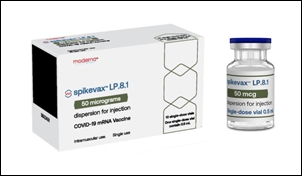
- Moderna Korea announced on the 1st that its LP.8.1 variant-targeted COVID-19 vaccine, ‘Spikevax LP Inj’, has been approved by the Ministry of Food and Drug Safety (MFDS). Spikevax LP has been confirmed to induce broad cross-immune responses against currently circulating variants, including the LP.8.1 strain, and it is authorized for use in adolescents aged 12 and above as well as adults. Moderna plans to supply the newly approved vaccine in time for the government’s 2025–2026 seasonal immunization program, which begins in October. The company noted that its COVID-19 vaccines have demonstrated strong immune effect and safety in large-scale Phase III clinical trials and extensive real-world evidence (RWE). A key feature is that elderly individuals aged 65 and above showed immune responses comparable to those in younger adults. Also, regardless of which vaccine type had been administered previously, the Moderna vaccine showed high immunogenicity when used as a subsequent dose. A domestic study conducted by the Korea Disease Control and Prevention Agency (KDCA) also confirmed that Moderna’s vaccine recorded the lowest breakthrough infection rate among the vaccines used in the early stages of the pandemic. According to the National Immunization Program guidelines, Spikevax LP will be provided free of charge to high-risk groups, including seniors aged 65 and over and residents of long-term care facilities. The Korean Society of Infectious Diseases has stressed that immunity acquired through infection or vaccination wanes over time, and with the emergence of new variants, periodic updated COVID-19 vaccination for high-risk groups is recommended. The LP.8.1 series vaccines supplied this season have already been recommended for use by the World Health Organization (WHO), the European Medicines Agency (EMA), and the U.S. Food and Drug Administration (FDA). Based on recommendations from its Vaccination Expert Committee, the KDCA decided to adopt the LP.8.1 vaccine, which demonstrated stronger neutralizing antibody responses compared to last season’s JN.1-based vaccines. Moderna is the only company manufacturing mRNA COVID-19 vaccines in Korea, through its partnership with Samsung Biologics, and continues to ensure a stable vaccine supply via ongoing cooperation with Boryung Biopharma. Sang Pyo Kim, General Manager of Moderna Korea, said, “COVID-19 remains a threat to high-risk groups, with hospitalizations on the rise for 7 consecutive weeks. Moderna is committed to delivering updated COVID-19 vaccines that address the latest variants in a timely manner, ensuring that people can be vaccinated safely.”
- Company
- 'Prevenar 20' now available at general hospitals
- by Eo, Yun-Ho Sep 02, 2025 06:11am
- Product photo of Prevenar 20 PFS The pneumococcal conjugate vaccine 'Prevenar 20,' which will soon be included in the National Immunization Program (NIP), is becoming available for prescription at general hospitals. According to industry sources, Pfizer Korea's Prevenar 20 has passed the drug committees (DC) of tertiary general hospitals, including Samsung Medical Center, Seoul National University Hospital, Asan Medical Center in Seoul, and Sinchon Severance Hospital, and medical institutes, including Kangnam Sacred Heart Hospital, Kyung Hee University Hospital at Gangdong, Pusan National University Hospital, Seoul National University Bundang Hospital, Ajou University Hospital, Pusan National University Yangsan Hospital, and Chungnam National University Hospital. Several of these hospitals, including Seoul National University Hospital, have approved codes for adult patients only. However, as Prevenar 20 will be included in the NIP effective October, more hospitals are expected to have pediatric vaccines. Prevenar 20 is a pneumococcal conjugate vaccine that was approved by the Ministry of Food and Drug Safety (MFDS) on October 31, 2024. Compared to the 13-valent vaccine, Prevenar 20 has added seven additional pneumococcal serotypes. Among domestically approved pneumococcal conjugate vaccines, it contains the most serotypes. In addition to existing serotype components in the 13-valent vaccine, Prevenar 20 contains seven additional serotypes (serotypes 1, 3, 4, 5, 6A, 6B, 7F, 8, 9V, 10A, 11A, 12F, 14, 15B, 18C, 19A, 19F, 22F, 23F, 33F). It can be used to prevent invasive diseases and pneumonia in all ages, including infants aged six weeks and above. Pneumococcus is a major bacterial pathogen that causes various diseases in infants and young children, including otitis media, pneumonia, and meningitis. Vaccination is crucial, especially as it can cause life-threatening invasive pneumococcal disease (IPD) in immunocompromised children. Despite South Korea's NIP supporting the 23-valent pneumococcal polysaccharide vaccine (PPSV23) for adults aged 65 and older, this age group has the highest incidence of invasive pneumococcal disease (IPD). From September 2014 to mid-November 2023, a total of 3,734 cases of IPD were reported. The incidence rate for adults aged 65 and over was 32.1 cases per 100,000 people, accounting for 54.8% of all cases. This rate is the highest among all age groups under 65 years old. The inclusion of Prevenar 20 in the NIP was decided after a comprehensive review by the Korea Expert Committee on Immunization Practices (KECIP) on the vaccine's safety, immunogenicity, and cost-effectiveness. Meanwhile, Korea Vaccine is responsible for the domestic promotion of pediatric Prevenar 20, while Chong Kun Dang handles the promotion of the adult vaccine.
- Company
- Patent suits active to release Rinvoq generics
- by Kim, Jin-Gu Sep 02, 2025 06:10am
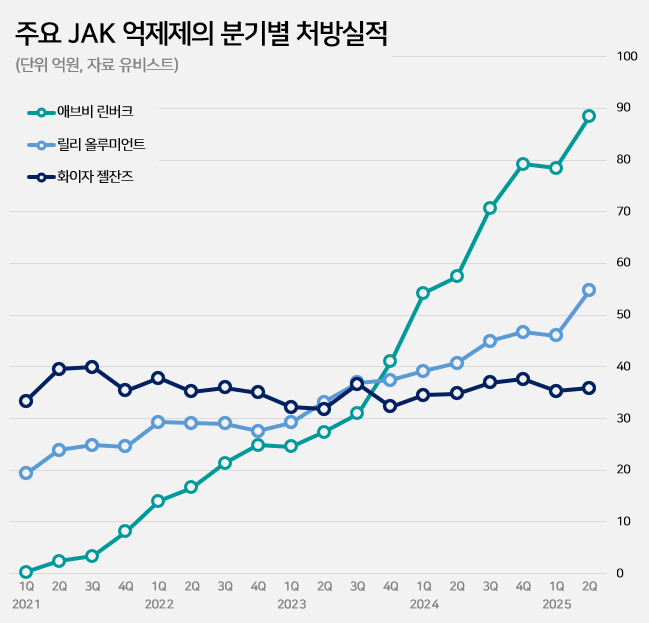
- Pic of Rinvoq The race to launch generics of AbbVie’s Rinvoq (upadacitinib), an oral treatment for autoimmune diseases, is showing signs of intensifying patent disputes. With the JAK inhibitor market expanding rapidly and Rinvoq solidifying its dominance, multiple companies are expected to mount patent challenges. According to industry sources on the 1st, Daewoong Pharmaceutical recently filed a passive scope confirmation trial against AbbVie, challenging the crystalline form patent of Rinvoq. Currently, two patents related to Rinvoq are registered: a substance patent expiring in May 2032 and a crystalline form patent expiring in October 2036. Daewoong's strategy is to first circumvent the crystalline form patent and then launch a generic version early, timed for the expiration of the substance patent. Chong Kun Dang opened the door to this dispute by challenging Rinvoq’s patents before Daewoong Pharmaceutical. Chong Kun Dang filed a related trial request on the 19th of last month. The pharmaceutical industry expects more companies to challenge Rinvoq’s patents from here on. One of the key requirements for obtaining first generic exclusivity is filing the initial invalidation trial. However, if another company files the same trial within 14 business days of the first filing date, it is also deemed to meet this requirement. This is why additional trial filings are expected in the coming weeks as companies move to secure first generic exclusivity for Rinvoq. According to UBIST, a pharmaceutical market research institution, outpatient prescriptions of JAK inhibitors in the first half of this year reached KRW 38.6 billion, up 40% from the KRW 27.5 billion in the same period last year. JAK inhibitors are experiencing rapid growth in the autoimmune disease treatment market, driven by the convenience of being oral formulations. The JAK inhibitor market, which was KRW 18.7 billion in 2020, grew by 36% to KRW 25.5 billion the following year. It continued to grow significantly each year: KRW 35.5 billion in 2022, KRW 40 billion in 2023, and KRW 62.2 billion in 2024. The expanded reimbursement granted for key products drove this market growth. Growth accelerated further last October when switching between JAK inhibitors for rheumatoid arthritis was allowed reimbursement. Major JAKi Prescriptions (AbbVie During this market expansion, Rinvoq has tightened its grip as the dominant player. In the first half of this year, Rinvoq recorded KRW 16.7 billion in prescriptions, a 49% increase from KRW 11.2 billion in the same period last year. Its growth has outpaced competitors such as Xeljanz (tofacitinib) and Olumiant (baricitinib). Having claimed the number one position in Q4 2023, Rinvoq has since expanded its market share, which now stands at 43% in the first half of this year. Rinvoq is a JAK inhibitor used for autoimmune diseases such as rheumatoid arthritis and atopic dermatitis. Its mechanism involves inhibiting inflammatory cytokines, thereby suppressing inflammation, pain, and cell activation.
- Company
- China's presence rises amid early-stage ADC candidate deals
- by Son, Hyung Min Sep 02, 2025 06:10am
- With competition in the antibody-drug conjugate (ADC) market intensifying, global deal trends are undergoing a clear shift. Transactions are now more active in the preclinical and early clinical stages, rather than in late-stage candidates, with collaborations between global pharma and Chinese companies standing out. Since the success of Enhertu, topoisomerase I (Topo I) payloads have effectively become the dominant approach. On the 29th, AimedBio and Samsung Medical Center held the 3rd ADC Conference at the hospital’s main auditorium, where AimedBio Chairman Nam-Gu Her highlighted recent changes in the ADC industry landscape. ADC therapies are novel anticancer drugs that link an antibody that is designed to bind a specific antigen on the surface of cancer cells with a cytotoxic payload through a linker. This design allows the drug to selectively target cancer cells, enhancing efficacy while minimizing adverse effects. According to Her, the ADC market has seen explosive growth since the launch of Enhertu in 2019. Over the past 5 years, deals worth USD 390 billion (KRW 540 trillion) have been completed, with more than 300 clinical trials initiated. The ADC Deal Boom and Trials Enhertu is a next-generation ADC composed of a monoclonal antibody that has the same structure as trastuzumab, which binds to receptors overexpressed on cancer cells and a highly potent Topo I inhibitor payload, linked via a tumor-selective cleavable linker. In a head-to-head study, Enhertu nearly doubled progression-free survival (PFS) compared to Kadcyla, which uses the same trastuzumab backbone but with a microtubule inhibitor payload. “Most companies are now developing ADCs with Topo I inhibitor payloads. In addition to Enhertu, Datroway, and Trodelvy are such examples,” said Her. In the past 5 years alone, 59 deals have been struck involving Topo I payloads, far outpacing tubulin inhibitors (28), degraders (11), immunomodulators (8), and DNA-damaging agents (5). Heo also noted that licensing dynamics have shifted. Historically, big deals centered on acquiring late-stage or commercial products. Today, however, activity has increased around preclinical candidates. High-profile examples made in the past include AstraZeneca’s partnerships on Enhertu and Datroway, AbbVie’s acquisition of Elahere, and Pfizer’s acquisition of Adcetris. However, nowadays, the same big pharma are actively scouting promising preclinical ADC assets. In the ADC payload development landscape, the use of topoisomerase I inhibitors has surged explosively. “The traditional deal trend was to acquire products rather than platforms. While deal sizes have decreased recently, interest in ADCs has not waned,” Her explained. “With many leading candidates already acquired or commercialized, transactions are now focusing on early-stage pipelines.” Chinese pharmaceutical companies are playing an increasingly prominent role. Technology exports from China surged from 55 cases in 2015 to over 300 in 2021, and recorded 213 last year. For instance, in 2022, MSD secured global rights to the TROP2 ADC sacituzumab tirumotecan from Kelun-Biotech for USD 1.41 billion. Last year, GSK obtained global rights to a B7-H3-targeting ADC from Hansoh Pharma. “The mainstream deal trend nowadays is acquiring on preclinical candidates through small-scale transactions. Global big pharma’s interest in Chinese firms is growing rapidly, reflecting China’s strengthened competitiveness in the ADC development scene.”

- Company
- How will fate fare for Roche’s two anticancer drugs?
- by Eo, Yun-Ho Sep 01, 2025 06:05am
- The industry’s eyes are on whether Roche's two anti-cancer drugs, which have faced repeated failures, will succeed in securing reimbursement listing this time. According to industry sources, Roche Korea's treatment for refractory diffuse large B-cell lymphoma(DLBCL), ‘Polivy (polatuzumab vedotin)’ and the PD-L1 inhibitor-based immunotherapy ‘Tecentriq (atezolizumab)’ passed the Health Insurance Review and Assessment Service's Cancer Disease Deliberation Committee last month and are currently under discussion for submission to the Drug Reimbursement Evaluation Committee. Both drugs failed to clear the Cancer Disease Deliberation Committee hurdle twice before finally passing on their third attempt. Therefore, it remains to be seen whether Roche, a pharmaceutical company specializing in anticancer drugs that has particularly struggled with Cancer Disease Deliberation Committee approvals since last year, can now achieve progress simultaneously in solid tumors and hematologic malignancies. Polivy originally aimed for reimbursement in 2021 for its first indication - third-line therapy in combination with BR therapy (bendamustine and rituximab), but failed to clear the CDDC hurdle. In the first half of 2023, Roche submitted a reimbursement application for Polivy’s use as first-line therapy in combination with R-CHP therapy (rituximab + cyclophosphamide, doxorubicin, prednisone). However, this application also faced rejection by the CDDC in February of last year. However, there is still hope. Polivy added the 60.9-month follow-up analysis results from the POLARIX study, which evaluated the efficacy of the Pola-R-CHP combination therapy as first-line treatment for DLBCL last year. In the case of Tecentriq, the drug’s reimbursement was first submitted to the Health Insurance Review and Assessment Service (HIRA) for review in May 2023, but it failed to set the reimbursement criteria. Its second attempt was again rejected by HIRA in July last year. At that time, Roche failed to secure reimbursement standards despite presenting additional results showing improved overall survival (OS) at the American Society of Clinical Oncology (ASCO) meeting. Meanwhile, the Polarix follow-up study of Polivy, presented at the American Society of Hematology (ASH) Annual Meeting 2024, is considered the first clinical trial in 20 years to expand the standard first-line treatment for DLBCL. Key results show that the Polivy combination therapy group demonstrated a clear improvement in overall survival (OS) compared to the control group treated with the existing standard therapy, R-CHOP. The lymphoma-related mortality rate was 9.0% in the Polivy combination therapy group and 11.4% in the R-CHOP control group. Approximately 5 years after treatment initiation, the risk of death in the Polivy combination therapy group decreased by 15%, an improvement over the previous 3-year follow-up result (6% risk reduction). In the case of Tecentriq, the 5-year follow-up study of IMpower010 showed that in patients with stage 2-3A non-small cell lung cancer (NSCLC) with PD-L1 expression ≥50%, who underwent complete resection and platinum-based chemotherapy, the Tecentriq adjuvant therapy arm resulted in an OS of 82.7%, which was significantly higher than that of the best supportive care (BSC) arm (65.3%).
